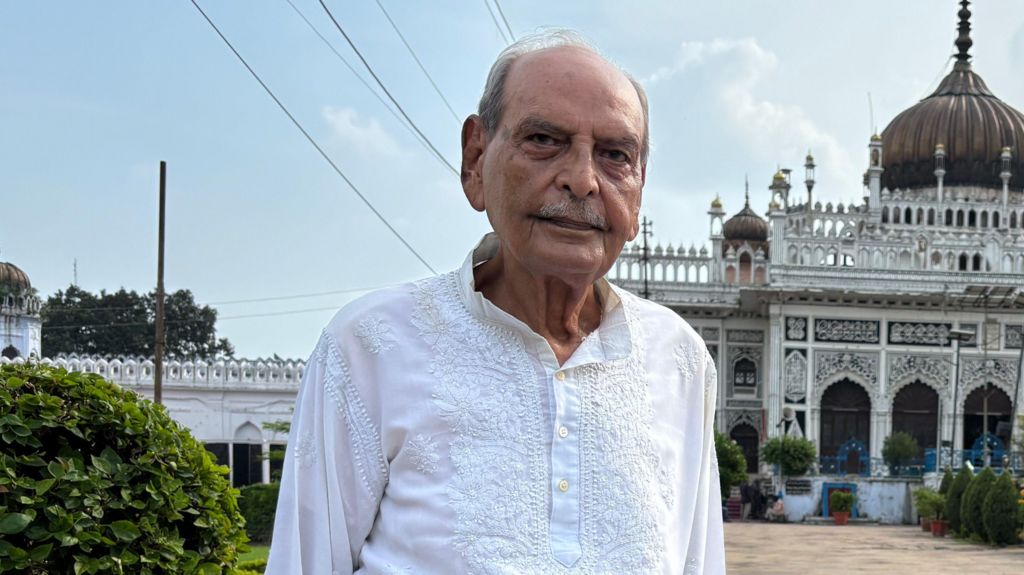
In the historic town of Hussainabad, Uttar Pradesh, 90-year-old Faiyaz Ali Khan makes his annual pilgrimage to the Picture Gallery, a 19th-century relic of the city’s royal past. His mission: to collect his wasika, a royal pension granted to descendants of the Awadh royal family. This tradition, rooted in a 200-year-old agreement, continues to link modern India to its regal heritage. The wasika, derived from the Persian word for a written agreement, was initially established when members of the Awadh royal family lent money to the East India Company in the early 1800s, stipulating that the interest be paid as pensions to their descendants. Today, around 1,200 wasikedars, including Faiyaz Ali Khan, receive these pensions, though the amounts have dwindled significantly over generations. For many, the pension, though meager—just nine rupees and 70 paise ($0.11) a month—symbolizes a cherished connection to their illustrious ancestry. The payments are now managed by the Hussainabad Trust and the Uttar Pradesh government, with some beneficiaries receiving direct bank transfers while others collect cash. Critics argue that these pensions are outdated remnants of feudal privilege, but supporters view them as a sacred honor tied to historical promises. Shahid Ali Khan, a lawyer and beneficiary, emphasizes that the wasika is more about identity than money, using it exclusively for religious expenses. Despite appeals to increase the pension amounts to reflect modern interest rates, the payments remain unchanged, leaving recipients like Faiyaz Ali Khan to spend far more on travel than they receive. The grandeur of the tradition has also faded, with the once festive atmosphere of pension collection now a distant memory. As the debate over the relevance of these pensions continues, they remain a poignant reminder of India’s royal past.