China’s transportation networks witnessed unprecedented activity during the 2026 Spring Festival travel period, with official data revealing a staggering 9.41 billion cross-regional journeys completed nationwide. This remarkable figure establishes a new benchmark in the history of China’s seasonal migration patterns, demonstrating both the massive scale of domestic mobility and the recovery of travel enthusiasm following recent global challenges.
The Spring Festival travel rush, known locally as ‘Chunyun,’ represents the world’s largest annual human migration event. The 2026 iteration saw hundreds of millions of Chinese citizens traversing the country to reunite with families for the Lunar New Year celebrations. Transportation hubs across China operated at maximum capacity, with railways, highways, airways, and waterways all experiencing substantial passenger volume increases compared to previous years.
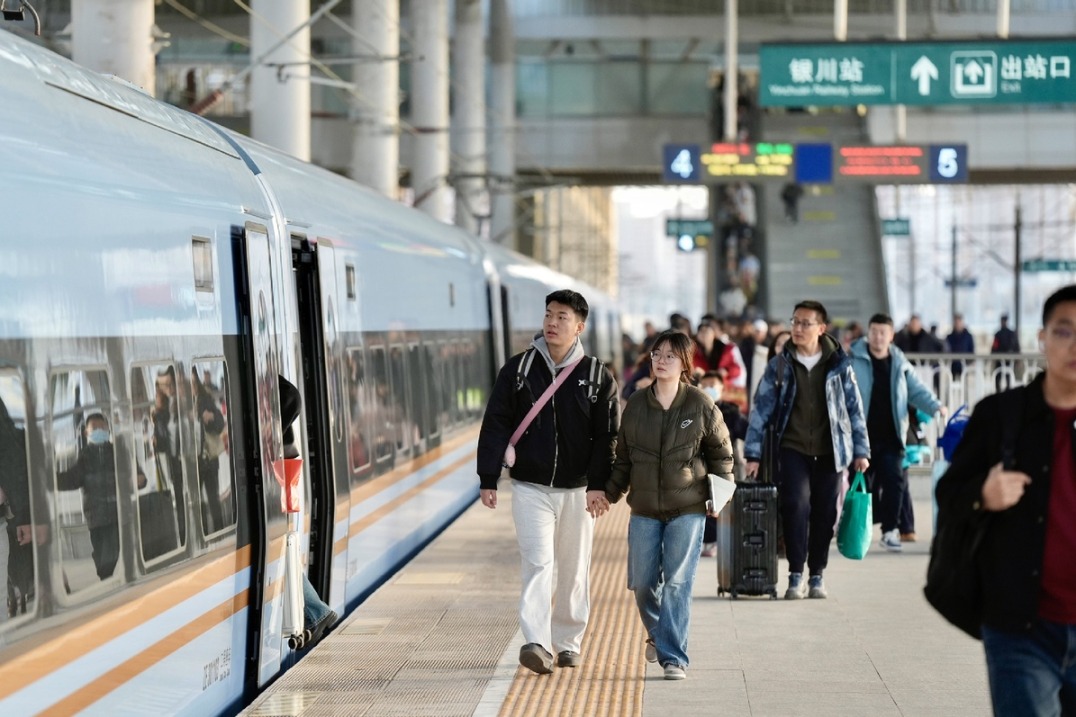
Photographic evidence from Yinchuan Railway Station in Northwest China’s Ningxia Hui autonomous region captured the immense crowds on February 23, 2026, as travelers hurried to board trains. The scene represented a microcosm of the nationwide phenomenon, with similar congestion observed at major transportation centers throughout China.
The record-breaking travel numbers reflect several underlying developments: significant infrastructure investments in China’s transportation networks, growing economic prosperity enabling more citizens to travel long distances, and the cultural importance of family reunification during traditional holidays. Authorities implemented comprehensive crowd management strategies and deployed additional transportation resources to accommodate the massive surge in passenger movement.
This transportation milestone occurred alongside other significant spring developments across China, including early blooming kapok flowers in Guangzhou, the premature return of migratory birds to Xingkai Lake, and the inauguration of Beijing E-Town’s pioneering smart elderly care robotics station.