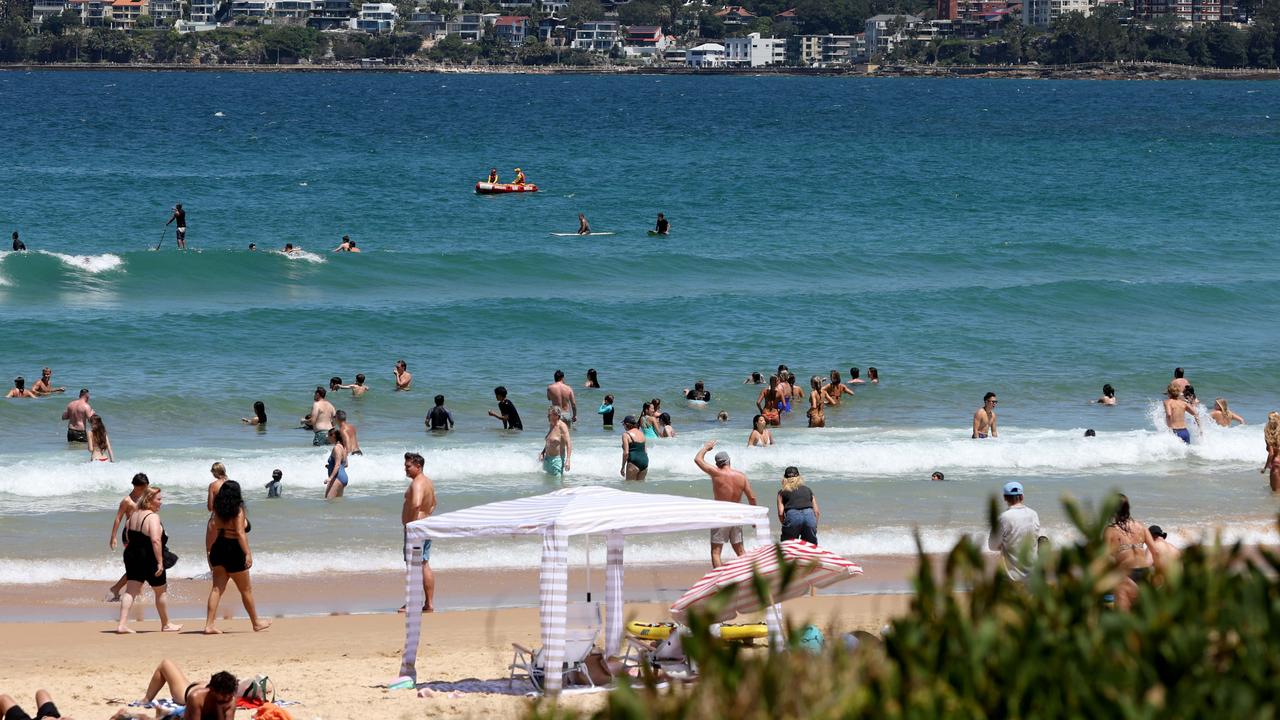
The New South Wales government is implementing a significant expansion of its shark surveillance capabilities, deploying drone patrols to 80 beaches following what officials describe as an ‘unprecedented’ series of attacks. This emergency response comes after four separate shark incidents occurred within a concerning 48-hour window, including the tragic fatal attack on 12-year-old Nico Antic.
The comprehensive $4.2 million funding package will dramatically enhance existing monitoring systems, adding 30 new patrol locations to the current network of 50 beaches covered by Surf Life Saving NSW’s drone operations. The expansion includes 19 Sydney beaches and 11 regional sites, creating the largest drone surveillance program in the southern hemisphere. From January 24 through the end of the April school holiday period, these aerial patrols will operate seven days per week, providing approximately 35,000 additional flight hours of monitoring.
Beyond drone deployment, the initiative includes installing advanced shark listening stations in Sydney Harbour designed to provide rapid detection of tagged sharks. The scientific component of the program will focus specifically on bull sharks, investigating their population dynamics in Sydney Harbour, movement patterns, and potential high-risk periods.
NSW Agriculture Minister Tara Moriarty emphasized that recent shark incidents following storm activity and heavy rainfall underscore the critical need for clear, practical safety information for beachgoers. ‘This funding will help expand drone surveillance, improve education and ensure timely warnings, so swimmers and surfers can make informed decisions about when to enter the water,’ Moriarty stated, while acknowledging that the measures do not constitute a ‘silver bullet’ solution.
The enhanced surveillance comes as Surf Life Saving NSW CEO Steve Pearce reported that seven beaches were closed on a single Saturday following ten shark sightings. During the 2025/26 summer period, drone operations have already identified 461 sharks, triggering 170 countermeasures including beach evacuations, siren alerts, and rescue vessel deployments.
The technology upgrade will enable semi-autonomous drone operations managed from a central headquarters, while the existing shark management tools—including 305 drumlines across 19 local government areas, 51 seasonal shark nets, and 37 existing listening stations—will remain operational. This expansion follows previous government trials removing shark nets at several beaches after scientific assessments questioned their effectiveness at preventing bites while creating a false sense of security.