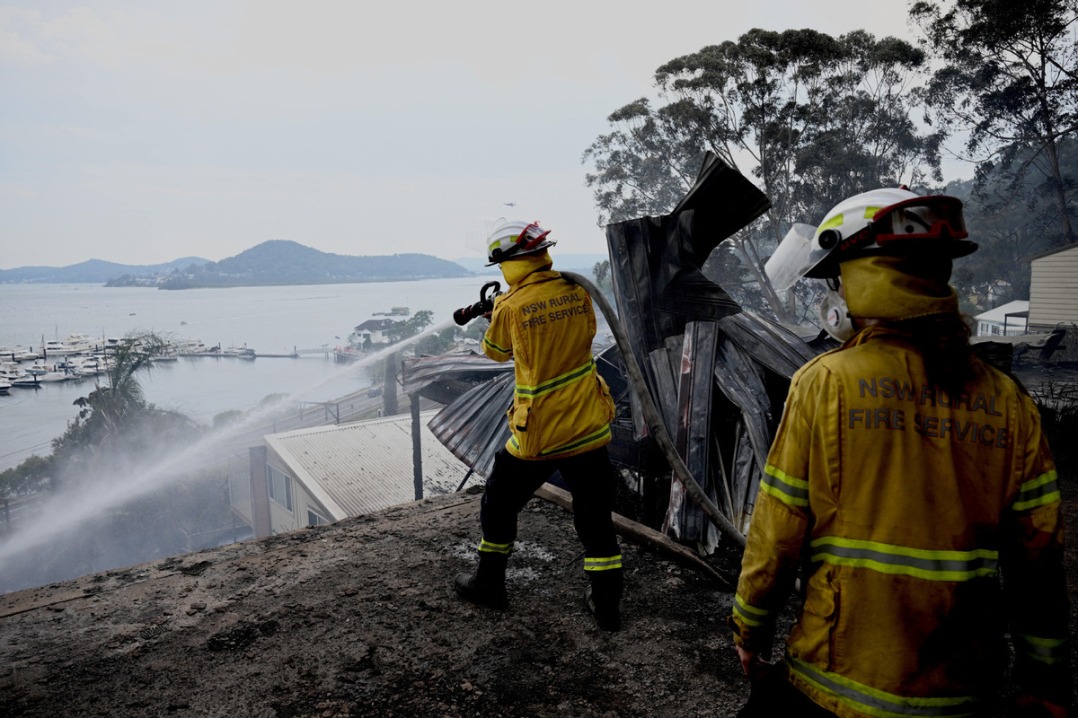
A landmark collaborative study has revealed that nearly 7 million Australian residents face significant wildfire threats while living in suburban expanses surrounding major metropolitan centers. The comprehensive analysis, jointly published by the Climate Council and Emergency Leaders for Climate Action (ELCA), identifies these urban periphery zones as increasingly vulnerable to catastrophic fire events.
The research highlights that the outer suburbs of Sydney, Melbourne, Perth, Adelaide, Hobart, and Canberra exhibit environmental and structural characteristics alarmingly similar to those that precipitated the devastating January 2025 Los Angeles wildfires. Demographic data shows a concerning 65.5% population increase in these high-risk areas since 2001, with current estimates exceeding 6.9 million inhabitants.
A critical finding indicates that approximately 90% of Australian homes situated in these fire-prone regions were constructed prior to the implementation of contemporary bushfire-resilience building standards. The report further cites previous research demonstrating that while only 10% of fires account for 78% of fatalities, the majority of these deadly incidents occur in suburban settings.
Greg Mullins, ELCA founder and former New South Wales fire commissioner, emphasized the dangerous convergence of environmental factors creating ideal conditions for catastrophic urban fires. ‘Nearly every Australian city now contends with the same hazardous preconditions witnessed in Los Angeles—extended dry periods, severe wind patterns, and historical precedents of destructive fires,’ Mullins stated. He specifically noted that climate change has intensified fire weather conditions to levels that sometimes surpass modern firefighting capabilities.
The report urgently recommends both substantial reductions in climate pollution and prioritized enhancement of emergency services and land management capacities in these vulnerable urban fringe communities.