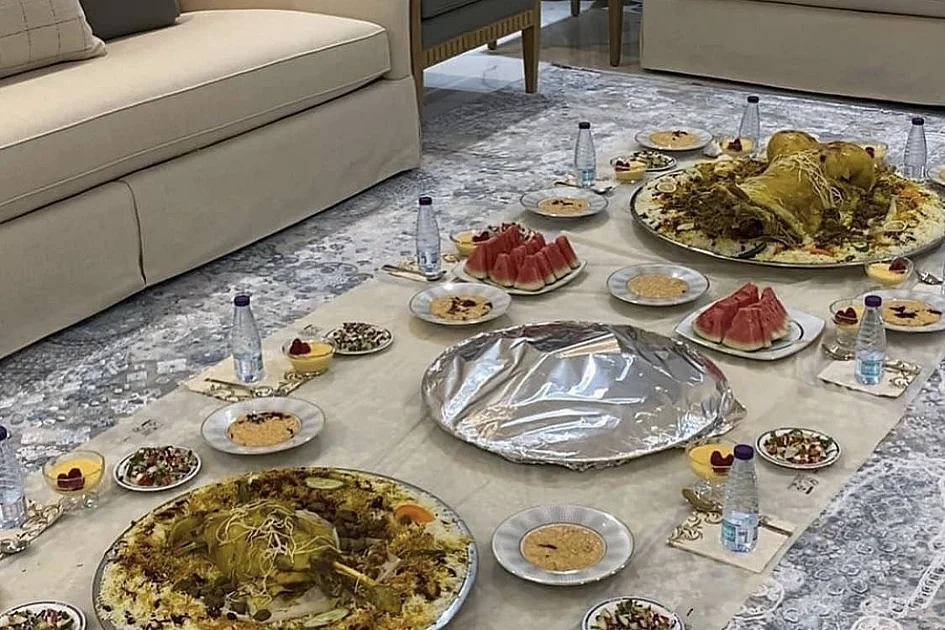
In the tranquil village of Remah, nestled within Al Ain’s cultural landscape, a remarkable Ramadan tradition has flourished for over three decades, transforming nighttime suhoor into a powerful demonstration of community solidarity. Each night during the holy month, a different household opens its doors to host the entire village for the pre-dawn meal, creating a rotating celebration that has become the cornerstone of Ramadan’s social fabric.
The practice, initiated in the 1990s by the village elders, continues today as a living testament to Emirati cultural values. As night deepens following iftar, families, elders, and children converge upon the designated host’s majlis, where conversations stretch into the early morning hours and laughter echoes through the communal space. The gathering represents far more than shared sustenance—it embodies the essence of village life where openness, neighborly bonds, and collective responsibility remain paramount.
Khamis Alkhaili, a native resident, emphasizes the tradition’s intergenerational significance: “Our parents established this custom, and we are committed to preserving it for our children. This is how we demonstrate what community truly means in our village.”
The ritual follows a carefully coordinated system where families prepare throughout the year for their hosting responsibilities. Women collaborate in meal preparation while men engage in storytelling and fellowship. Children witness firsthand the operationalization of unity, learning cultural values through participation rather than instruction.
Beyond the communal gathering, the tradition extends into charitable action. Following each suhoor, women meticulously package untouched surplus food into distribution boxes destined for farm workers and low-income families in surrounding areas. This daily act of charity has become an integral component of the ritual, with recipients anticipating the nightly deliveries throughout Ramadan.
Maryam Alkhaili explains the careful process: “We ensure all distributed food maintains the highest standards of cleanliness and preparation. The recipients have come to depend on this daily nourishment during the holy month.”
For volunteers like Abeer, who participates annually in food distribution, the experience encapsulates Ramadan’s spiritual essence. “When you witness the gratitude in recipients’ eyes,” she reflects, “you understand how simple gestures forge profound connections. We cease to be separate families—we become one extended community.”
The Remah village tradition stands as a compelling example of how cultural practices can simultaneously preserve heritage while addressing contemporary needs through structured generosity and social cohesion.