Two Chinese scientists have earned prestigious recognition from Nature magazine, securing positions on the publication’s annual list of ten individuals who have significantly influenced scientific progress in 2025. The honorees include AI innovator Liang Wenfeng and geoscientist Du Mengran, representing breakthroughs in artificial intelligence and deep-sea exploration respectively.
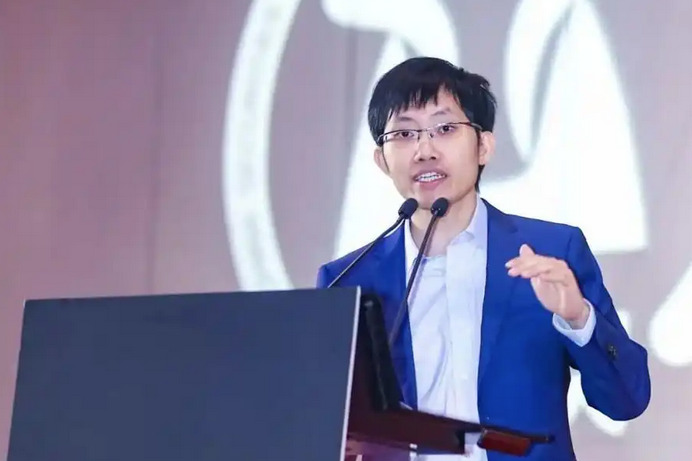
Liang Wenfeng, founder of DeepSeek and described by Nature as a ‘tech disruptor,’ revolutionized the artificial intelligence landscape through his development of an exceptionally powerful yet cost-effective large language model. His groundbreaking approach demonstrated that the United States’ lead in AI technology was not as substantial as previously believed. In an unprecedented move, Liang made his model’s weights openly accessible—the first major AI developer to do so—enabling researchers worldwide to freely download, study, and build upon his work.
This open-access philosophy has proven transformative, accelerating global AI development as competing companies felt compelled to release their own open models. According to research published by Liang in Nature this September, his model exhibits exceptional problem-solving capabilities as a reasoning model while maintaining remarkably low training costs. The entire development process for the basic model required just $6 million, substantially less than comparable projects from rival organizations.
Meanwhile, Du Mengran, a geoscientist from the Institute of Deep-sea Science and Engineering at the Chinese Academy of Sciences, earned her designation as a ‘deep diver’ through pioneering work in the hadal zone—the ocean’s deepest layer extending beyond 6,000 meters. Currently leading a new expedition, Du emphasized that deep-sea exploration presents challenges even more formidable than space exploration.
Du’s recognition stems from her discovery of Earth’s deepest known chemosynthetic ecosystems during last year’s expedition using China’s advanced Fendouzhe submersible. Through 24 dives averaging six hours each, Du and her colleagues documented survival mechanisms that could revolutionize life sciences research and enhance understanding of the global carbon cycle.
She credited China’s strategic foresight in deep-sea research over the past decade, including the development of specialized diving equipment, creation of novel materials, and leadership in global trench exploration programs. ‘This honor belongs not to me alone but to the entire hadal exploration team,’ Du stated, emphasizing the collaborative nature of scientific discovery. Her ongoing expedition continues the principle that understanding the unknown requires direct observation and experience.