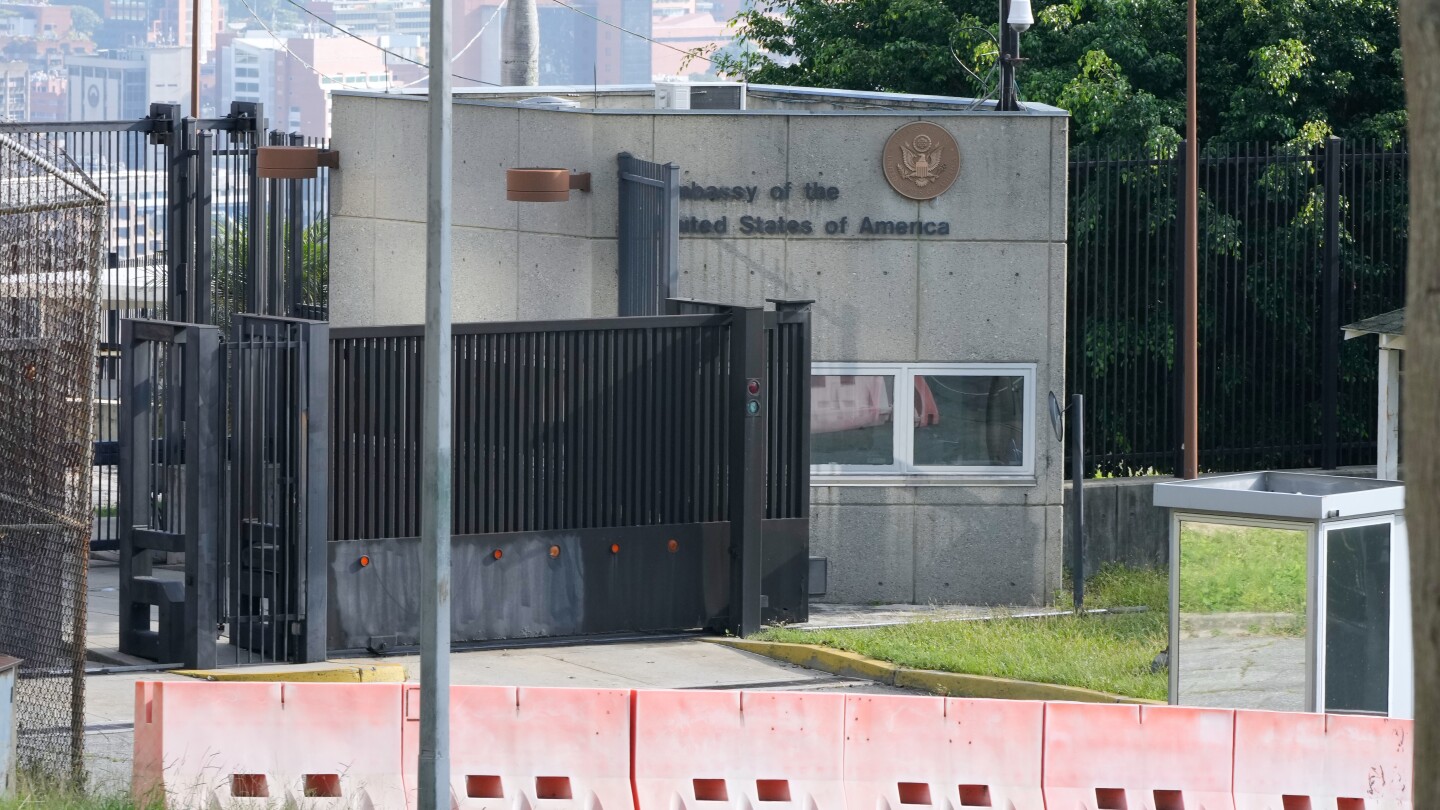
Venezuela has raised alarms over an alleged extremist plot to target the closed U.S. Embassy in Caracas with explosives, heightening already strained bilateral relations. Jorge Rodríguez, head of Venezuela’s National Assembly and the country’s dialogue delegation with the U.S., disclosed that Washington had been alerted through multiple channels about a “serious threat” posed by right-wing groups masquerading as supporters of President Nicolás Maduro. Rodríguez accused these factions of orchestrating a false-flag operation to plant explosives at the embassy, which has been shuttered since 2019 following the rupture of diplomatic ties between the two nations. Despite its closure, the embassy retains a skeleton staff responsible for security and maintenance. Rodríguez emphasized that Venezuela has bolstered security measures at the site and informed a European embassy to facilitate communication. The U.S. State Department has yet to comment on the allegations. The embassy compound, located in southeastern Caracas, remains under Venezuelan police patrol. The warning coincides with escalating tensions over the U.S. military presence in the Caribbean, which Washington claims is aimed at combating drug cartels. Maduro has condemned the deployment as a threat to Venezuela’s sovereignty, while the U.S. accuses him of involvement in drug trafficking. The situation underscores the deepening rift between the two nations, with no signs of reconciliation in sight.
标签: South America
南美洲
-
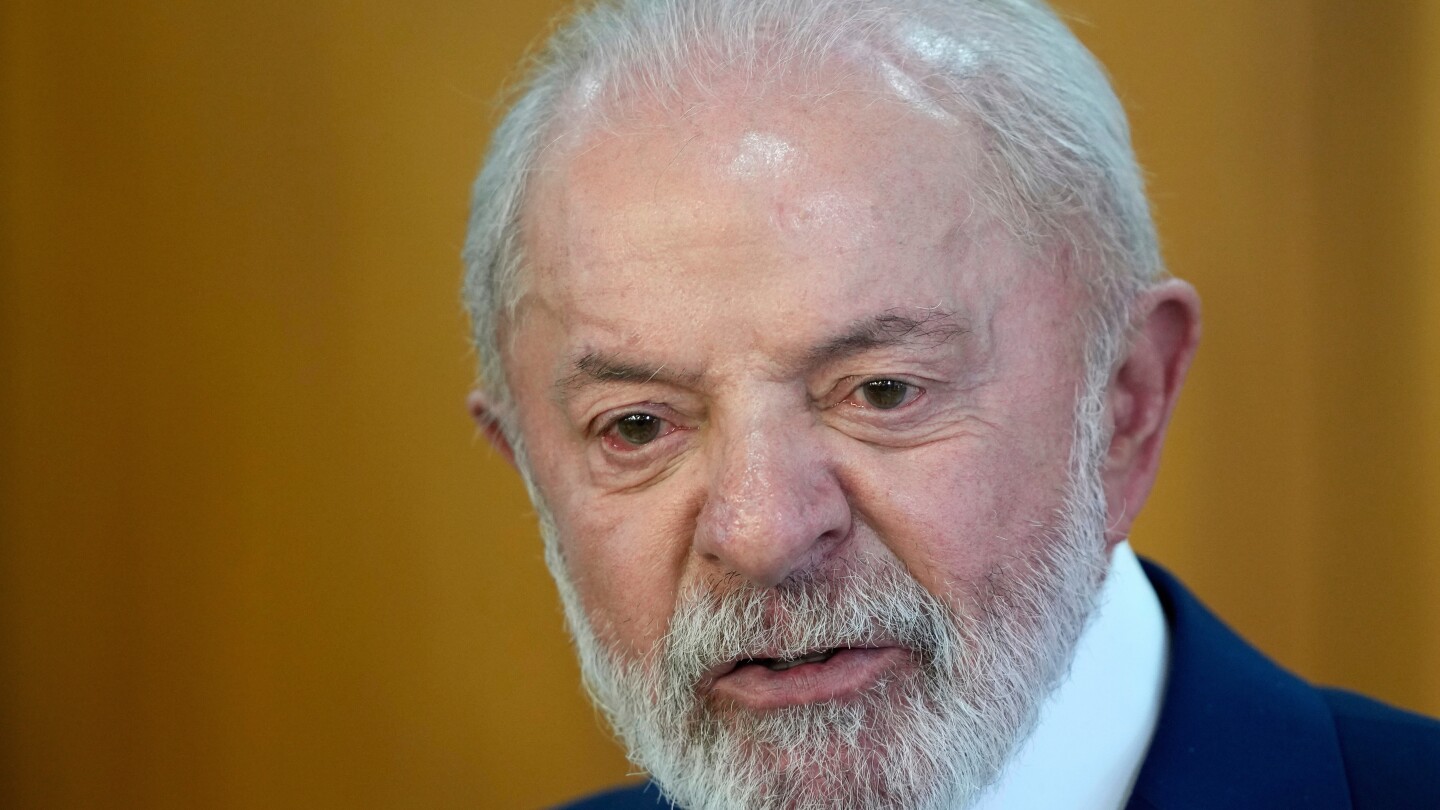
Lula asks Trump to lift 40% tariff on Brazilian imports
In a significant diplomatic exchange, Brazilian President Luiz Inácio Lula da Silva engaged in a 30-minute phone conversation with U.S. President Donald Trump on Monday, urging the removal of the 40% tariff imposed on Brazilian imports by the U.S. government. The discussion, described as productive by both leaders, also touched on broader economic and trade relations between the two nations. According to a statement from Lula’s office, the Brazilian president reiterated his invitation for Trump to attend the upcoming climate summit in Belem, emphasizing the importance of international cooperation on environmental issues. Trump later took to Truth Social to express his satisfaction with the call, noting that the conversation was largely centered on economic and trade matters. He hinted at future discussions and potential meetings in both Brazil and the United States. The Trump administration had initially imposed the 40% tariff in July, citing Brazil’s policies and the criminal prosecution of former President Jair Bolsonaro as justification. Bolsonaro, who lost his reelection bid in 2022, was recently convicted of attempting a coup and sentenced to 27 years and three months in prison by Brazil’s Supreme Court. Lula also extended an offer to visit Washington to continue the dialogue initiated during their meeting at the United Nations General Assembly earlier this month.
-
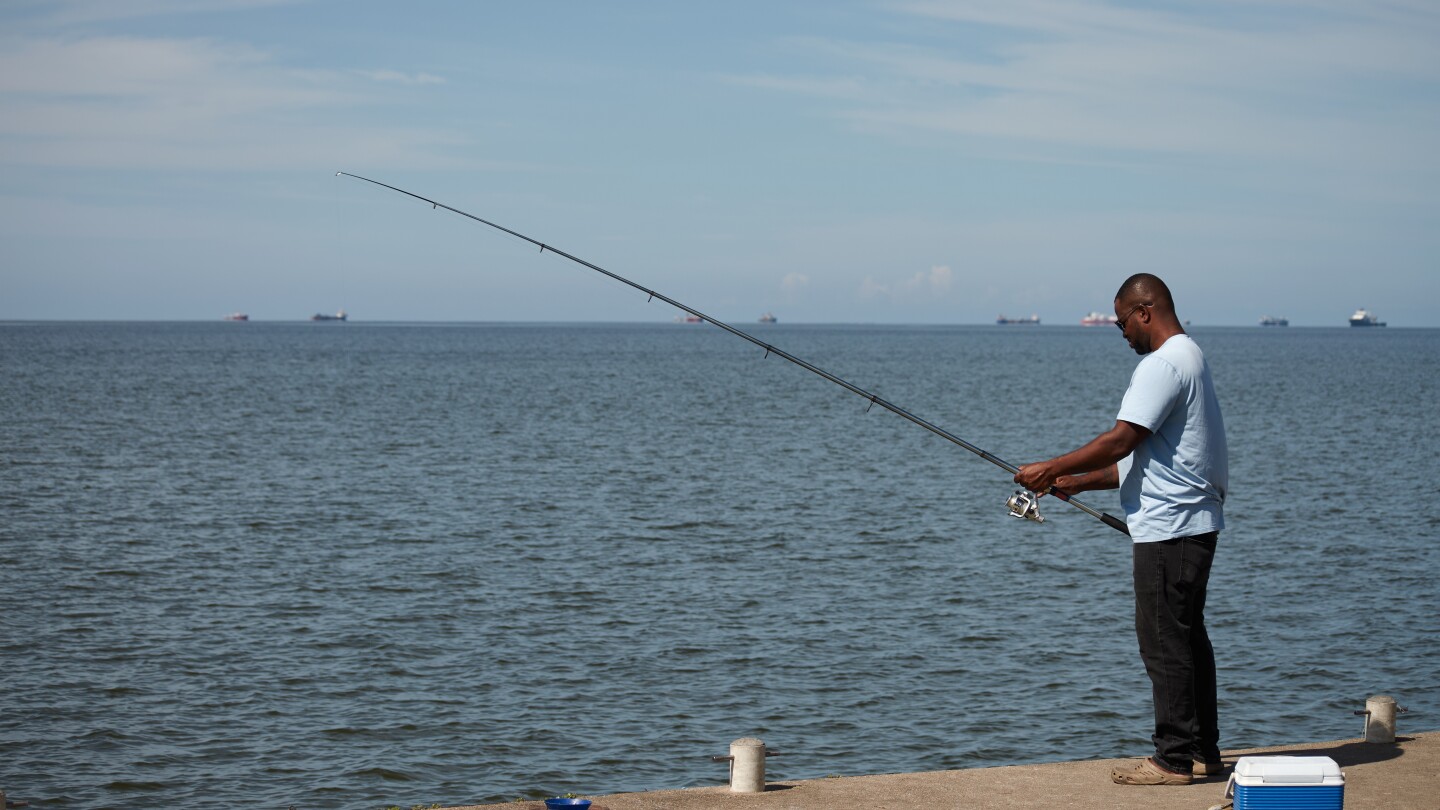
Fishermen in Trinidad and Tobago fear for their lives and jobs after US strikes in the Caribbean
In the tranquil village of Icacos, Trinidad, Kenrick Modie, a local fisherman, recently expressed his fears about the escalating geopolitical tensions between the United States and Venezuela. Living just 11 miles from Venezuela, Modie and his community are increasingly anxious about the potential fallout from U.S. military strikes targeting suspected drug vessels in the Caribbean. U.S. President Donald Trump has declared an ‘armed conflict’ with drug cartels, alleging they are attempting to bring ‘deadly poison’ to U.S. shores. This has led to heightened military activity in the region, with Defense Secretary Pete Hegseth ordering multiple strikes on small boats accused of carrying drugs off Venezuela’s coast.
Venezuela, in response, has accused the U.S. of military aggression, prompting President Nicolás Maduro to place the country’s military and civilians on high alert. Caught in the middle is Trinidad and Tobago, a nation heavily reliant on its multimillion-dollar fishing industry, which employs thousands of fishermen. Prime Minister Kamla Persad-Bissessar has voiced support for U.S. actions against drug cartels, even offering access to Trinidad and Tobago for U.S. forces to defend Guyana from Venezuelan territorial claims. However, Maduro views this as a declaration of war, further straining relations.
For fishermen like Modie, the stakes are personal. They fear being mistaken for drug smugglers and killed in U.S. strikes, with no way to prove their innocence. The tension has already forced fishermen to stay in shallower waters, reducing their catch and threatening their livelihoods. The situation has drawn international concern, with Caribbean leaders at the United Nations General Assembly calling for dialogue to avoid war and describing the militarization of the region as ‘exceedingly troubling.’
As the U.S. and Venezuela continue their standoff, the fishermen of Trinidad and Tobago are left to navigate a precarious existence, praying for peace while grappling with the harsh realities of their new, fear-filled fishing routines.
-
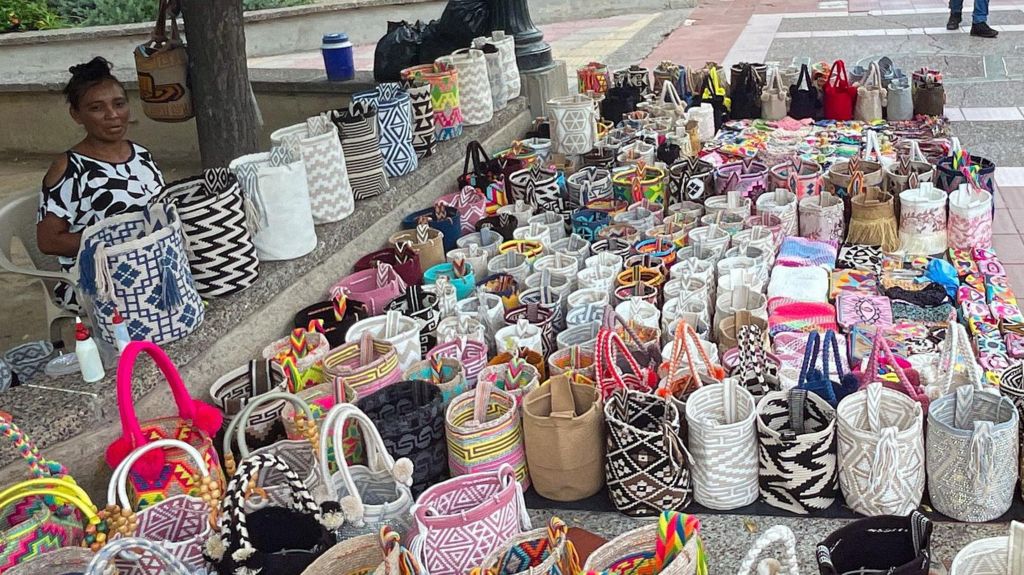
The indigenous weavers who aim for empowerment over exploitation
In the vibrant city of Riohacha, Colombia, the traditional Wayuu mochila bags have transcended their indigenous roots to become a global fashion staple. Once exclusive to the Wayuu, Colombia’s largest indigenous group, these handwoven bags are now celebrated worldwide, adorning international boutiques, fashion events, and online platforms like Etsy, Amazon, and Instagram. For Sandra Aguilar, a mochila seller on Riohacha’s palm-lined promenade, each sale is a testament to her heritage. ‘Thanks to online posts, international visitors are becoming very knowledgeable about the mochila,’ she says, highlighting the growing appreciation for its ancestral value. The Wayuu, numbering around 380,000 in Colombia, have woven these bags for centuries, with geometric patterns reflecting clan identity, spirituality, and the natural world. Weaving is not only a cultural practice but also a vital source of income in La Guajira, Colombia’s second-poorest province. While the global demand has brought economic opportunities, it has also introduced challenges, including exploitation and the erosion of traditional craftsmanship. Many artisans face low wages, with intermediaries offering as little as $5.50 per bag, leaving weavers with minimal profit. However, socially-conscious entrepreneurs and organizations are working to promote fair trade and cultural preservation. Laura Chica, founder of Chila Bags, emphasizes the importance of high-quality, traditionally patterned mochilas, ensuring artisans receive fair wages. Her brand has gained international recognition, featured in Vogue China and showcased at fashion weeks worldwide. Yet, the market remains divided. While some brands prioritize sustainability and fair trade, others focus on mass production, often at the expense of quality and fair pay. Organizations like Fundación Talento Colectivo and One Thread Collective are empowering weavers through education and leadership workshops, aiming to foster autonomy and entrepreneurship. Yamile Vangrieken, a weaver from Riohacha, exemplifies this shift. Leading a group of relatives, she collaborates with One Thread Collective to export their bags, providing stable income and microloans. Despite the challenges, the mochila’s rise in global fashion has brought increased recognition to the Wayuu and their artistry. ‘We are also artists, even if we don’t have a title that says so,’ Aguilar asserts. ‘Our essence is in our designs, in our products, and we mustn’t let that go.’
-
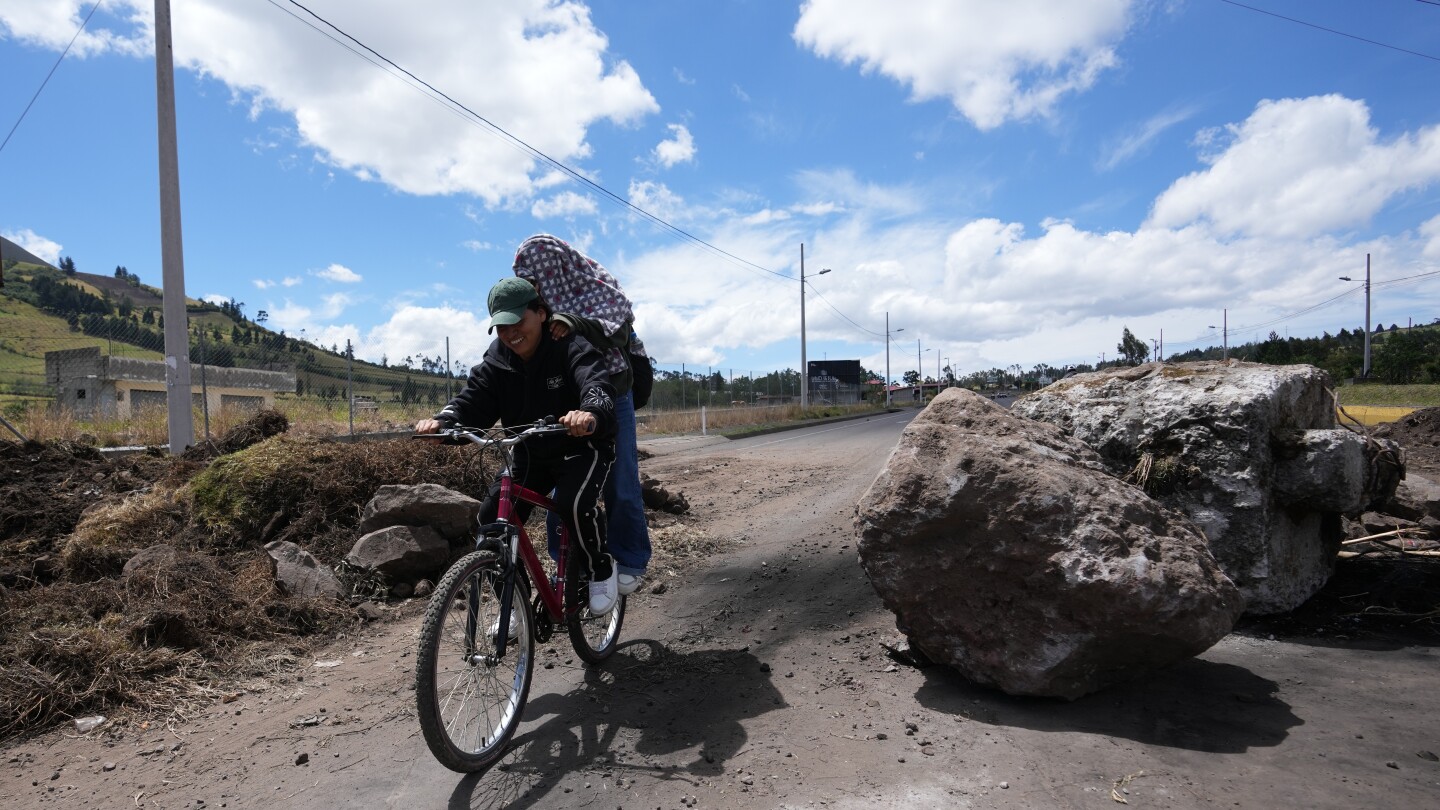
Protesters rally for and against Ecuador’s president as emergency takes effect in 10 provinces
QUITO, Ecuador — The streets of Ecuador’s capital, Quito, became a battleground on Sunday as opposing factions rallied in support of and against President Daniel Noboa. The demonstrations unfolded just hours after the government imposed a state of emergency in 10 provinces, citing “serious internal unrest.” The unrest stems from the removal of a fuel subsidy, which has driven diesel prices up from $1.80 to $2.80 per gallon, sparking widespread outrage among the nation’s largest Indigenous group. The protests, which began two weeks ago, have intensified, with anti-government demonstrators chanting slogans like “Diesel goes up, everything goes up” and “Out with Noboa.” Pro-government supporters, however, outnumbered their counterparts at a popular park in Quito, where tensions escalated. Police intervened with tear gas to disperse protesters attempting to breach security cordons, though no injuries or arrests were reported. The state of emergency, effective from Sunday midnight, restricts freedom of assembly but permits peaceful demonstrations. The Confederation of Indigenous Nationalities of Ecuador condemned the decree, accusing Noboa of waging a “war policy” against legitimate demands and urging international human rights organizations to monitor the situation. The protests also called for the release of detainees, including 13 individuals accused of terrorism. Meanwhile, pro-government activities, such as an art fair in El Arbolito Park, proceeded under heavy police and military protection. Government officials, including Minister Zaida Rovira, emphasized Ecuador’s exhaustion with violence, while President Noboa reaffirmed his stance on the fuel subsidy cut, vowing to treat violent protesters as criminals.
-
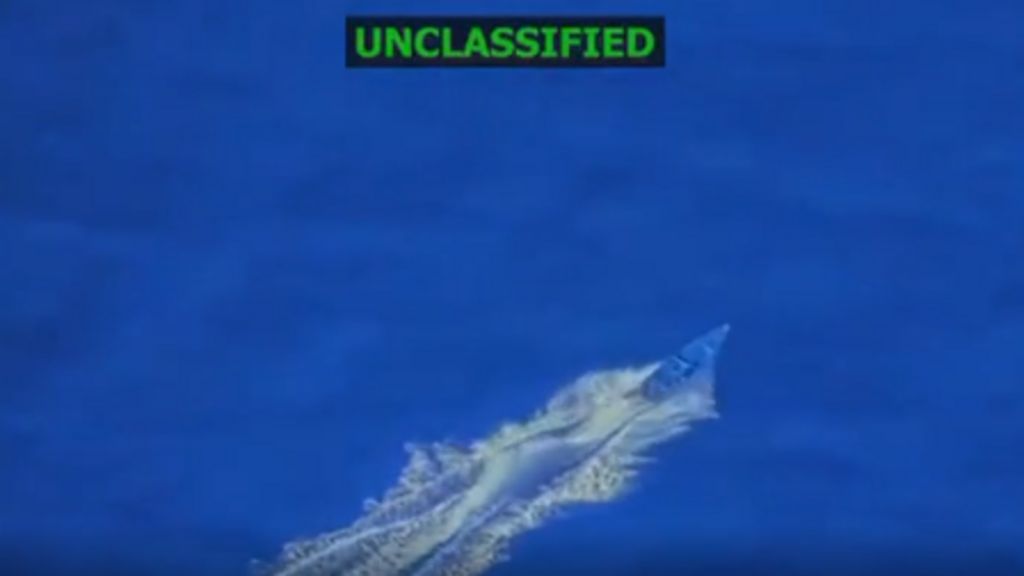
Four killed in latest US strike on alleged drug vessel near Venezuela
In a recent escalation of its anti-narcotics operations, US forces carried out a deadly strike on a boat off the coast of Venezuela, killing four individuals allegedly involved in drug trafficking. Defence Secretary Pete Hegseth confirmed the attack, stating that the vessel was transporting substantial quantities of narcotics destined for the United States. The strike occurred in international waters within the US Southern Command’s jurisdiction, which spans much of South America and the Caribbean. Hegseth emphasized that the operation was based on confirmed intelligence, labeling those onboard as ‘narco-terrorists’ operating on a known drug trafficking route. This marks the fourth such strike by the US in a month, following previous attacks in the southern Caribbean that resulted in multiple fatalities. US President Donald Trump also commented on the incident via his Truth Social platform, claiming the boat carried enough drugs to ‘kill 25 to 50 thousand people.’ However, the US has yet to provide evidence supporting its claims or disclose the identities of those killed. Venezuela, which has previously condemned such strikes, has not issued an immediate response. President Nicolás Maduro has characterized these actions as US ‘aggression’ and vowed to defend his country. The US government’s recent classification of its operations as a ‘non-international armed conflict’ with drug cartels signals a potential expansion of military action, raising concerns about the legality and implications of such measures. Critics argue that this framing could grant the administration wartime powers, including the ability to detain individuals indefinitely or target ‘enemy fighters’ without immediate threat. Trump has not clarified why drug trafficking is being treated as an ‘armed attack’ or identified specific cartels allegedly targeting the US. This approach mirrors tactics used against al-Qaeda post-9/11 and has drawn criticism from international legal experts who question the strikes’ compliance with international law.
-
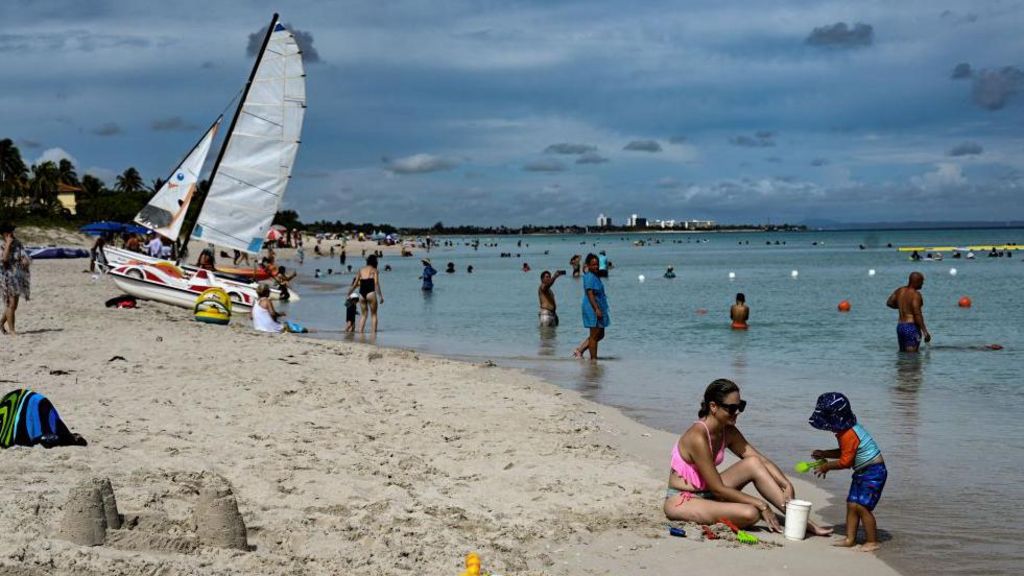
Cuba’s tourism minister insists sector ‘alive and kicking’ amid crisis
Tourism has long been a cornerstone of Cuba’s economy, but recent years have seen a dramatic decline in visitor numbers. The industry, which reached a peak of nearly five million tourists in 2018, has been severely impacted by the COVID-19 pandemic and stringent travel restrictions imposed by the Trump administration. Last year marked one of the worst for Cuban tourism this century, exacerbating the island’s economic woes. With traditional industries like sugar, tobacco, and nickel in decline, tourism remains Cuba’s primary source of foreign currency after remittances. However, fewer tourists mean less revenue for the state, hindering investments in crumbling energy infrastructure and essential goods like food and medicine. Cuba’s traditional allies, Venezuela and Russia, are grappling with their own economic challenges, while China’s focus on larger geopolitical issues limits its support. Cuban Tourism Minister Juan Carlos García Granda acknowledges the industry’s struggles but remains optimistic, claiming that the government has halted the decline and expects improved statistics in the second quarter of this year. He attributes the ongoing challenges to the ‘economic war’ waged by the United States, which has implemented measures specifically designed to harm Cuba’s tourism sector. These include banning US cruise ships from docking in Cuban ports and reclassifying Cuba as a State Sponsor of Terrorism, which complicates travel for UK and European tourists. Despite these obstacles, García Granda insists that Cuban tourism is ‘alive and kicking,’ with over 70% of the industry supported by foreign investment. However, the government’s ambitious hotel-building program, including the controversial Torre K in Havana, has drawn criticism for its extravagance amid widespread economic hardship. While García Granda defends the projects as necessary for attracting tourists, many Cubans question the prioritization of luxury hotels over urgent public needs. As Cuba navigates its deepest economic crisis since the Cold War, the future of its tourism industry remains uncertain, with García Granda hopeful that better times lie ahead.
-
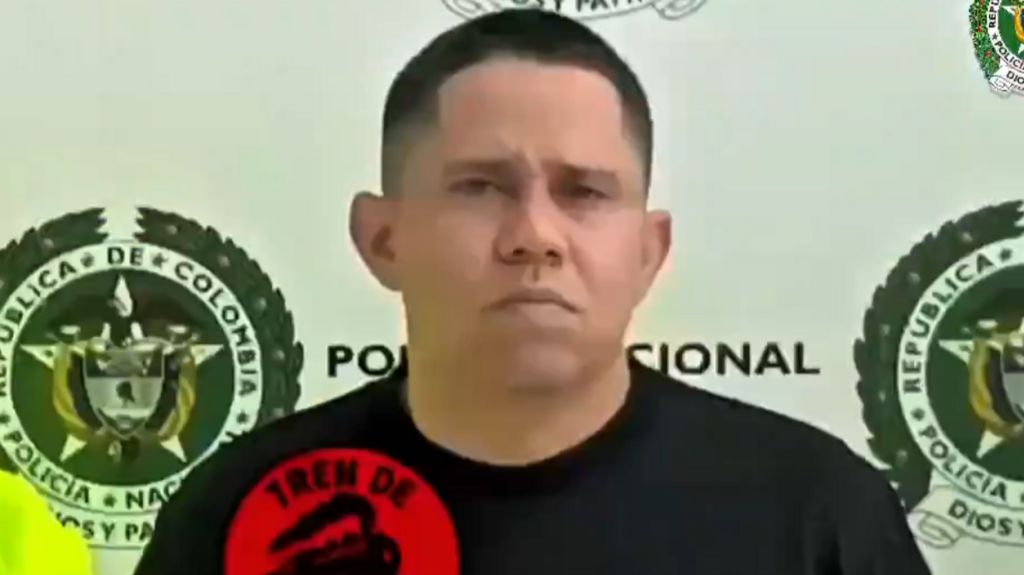
Senior member of Venezuela’s Tren de Aragua gang arrested
In a significant international operation, the alleged leader of the armed wing of the Venezuelan criminal gang Tren de Aragua has been apprehended. The arrest of José Antonio Márquez Morales, also known as Caracas, was announced by Colombia’s National Police. The operation, which involved collaboration between Colombia, the United States, and the United Kingdom, took place in the city of Valledupar. Morales is accused of playing a pivotal role in managing the logistics and finances for the gang, which is involved in extortion, drug trafficking, and smuggling. Tren de Aragua has been designated as a terrorist organization by former US President Donald Trump, who also deported over 250 alleged members of the gang to a prison in El Salvador. Carlos Fernando Triana Beltrán, Director of Colombia’s National Police, revealed that Morales was the subject of an Interpol Red Notice, a global alert requesting law enforcement agencies to detain an individual pending extradition. The arrest comes amid escalating tensions between the US and Venezuela, particularly concerning the Trump administration’s anti-drug-trafficking initiatives in Latin America. The US has recently deployed warships to the Caribbean and conducted bombings of vessels allegedly transporting drugs from Venezuela to the US. The Trump administration has accused Venezuelan President Nicolás Maduro of colluding with drug cartels and has offered a $50 million reward for information leading to his capture. Maduro has vehemently denied these allegations and has defended his government’s efforts to combat drug trafficking.
-
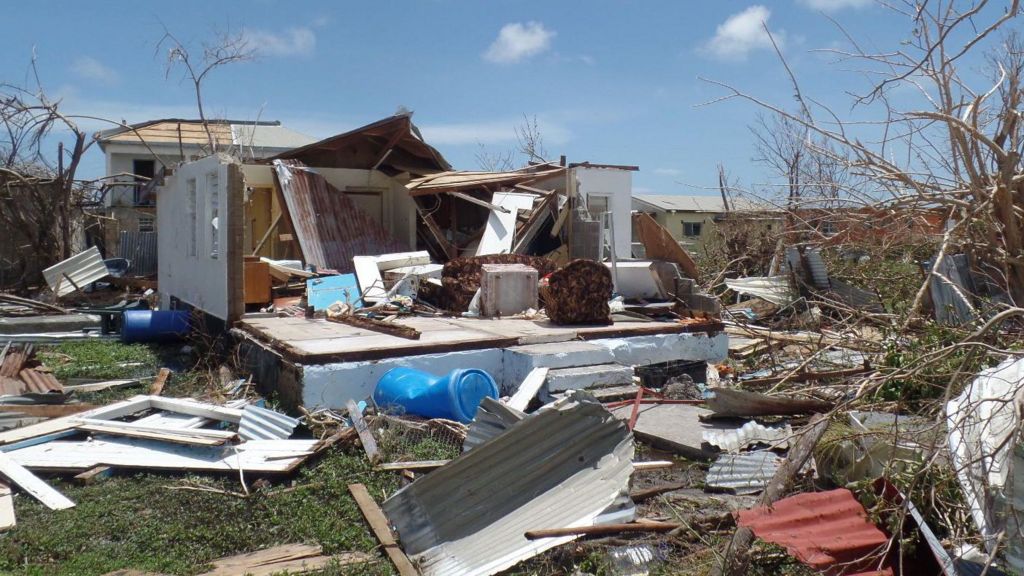
Hurricane season brings financial fears in the Caribbean
For many residents of Barbuda, the scars of Hurricane Irma’s devastation in September 2017 remain fresh. Eight years later, thunderstorms still evoke harrowing memories of the night when the Category 5 storm obliterated homes and livelihoods. While the emotional toll persists, the financial burden of recovery has become increasingly insurmountable, as home insurance premiums across the Caribbean have surged by up to 40% in the past two years. Experts attribute this spike to a combination of escalating cyclone risks and the region’s small population, which limits the profitability of insurance policies. Dwight Benjamin, a Barbudan whose home survived Irma, has fortified his property with a concrete-roofed extension to serve as a shelter. Yet, like many in the region, he has never purchased insurance, citing its prohibitive cost and a belief in the resilience of his self-built home. Across the Caribbean, the majority of homes remain uninsured, with only 20% coverage in Jamaica and 50% in Barbados. The region’s vulnerability extends beyond hurricanes to earthquakes and volcanic activity, further complicating the insurance landscape. Peter Levy, CEO of Jamaican insurance firm BCIC, describes the Caribbean as a ‘unique market’ where natural disaster risks perpetually drive high premiums. For instance, Antiguan insurer Anjo charges between 1.3% and 1.7% of a home’s value, compared to less than 0.2% in the UK. As the Atlantic hurricane season peaks, residents like Mohammid Walbrook, who lost his home to Irma, brace for the psychological and physical toll of potential storms. International aid, such as the $25 million provided by the United Nations Development Programme (UNDP) in 2017, has been crucial in rebuilding efforts. The UNDP’s cash-for-work program not only restored over 800 buildings but also provided employment to hundreds of suddenly jobless residents. Training in resilient construction techniques has further equipped locals to withstand future disasters. Regional initiatives like the Caribbean Catastrophe Risk Insurance Facility, which disbursed a record $85 million after Hurricane Beryl, offer some relief. However, for deeply indebted nations like Antigua and Barbuda, preparedness remains a year-round challenge. Sherrod James, director of the country’s disaster services, emphasizes proactive measures, from shelter assessments to flood mitigation. Despite the ongoing risks, the resilience of Caribbean communities endures, as they navigate the dual challenges of climate change and economic constraints.
-
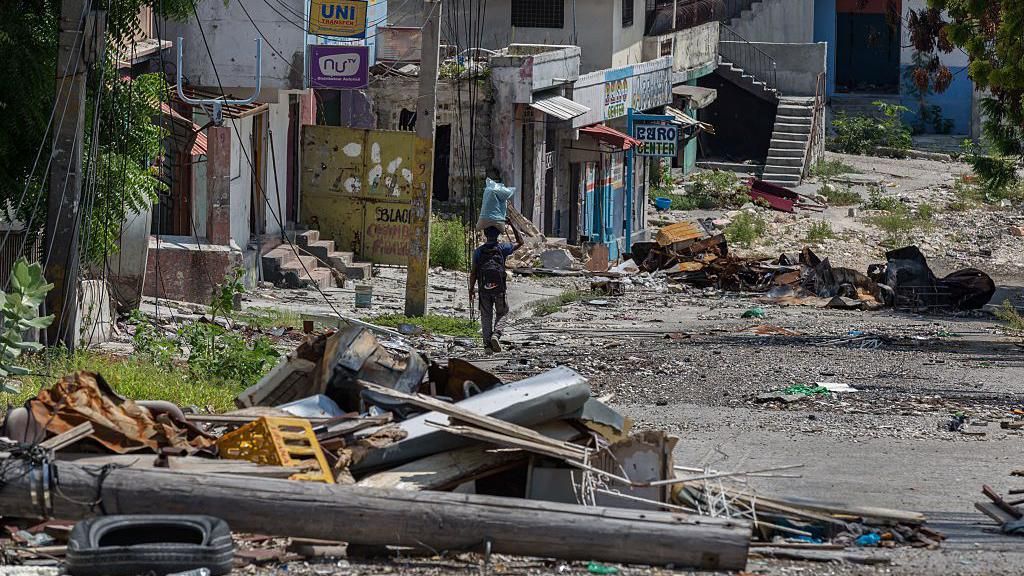
UN approves larger force to combat Haiti gang violence
The United Nations Security Council has greenlit a significant expansion of international security forces in Haiti to address the escalating gang violence that has ravaged the Caribbean nation. The newly established ‘Gang Suppression Force’ (GSF) will comprise up to 5,550 police and military personnel, equipped with the authority to detain suspected gang members. This move aims to bolster the Kenyan-led Multinational Security Support mission (MSS), which, despite its initial mandate for 2,500 members, has struggled with insufficient numbers and resources since its deployment in 2023. The MSS has been largely ineffective in curbing the violence, which claimed over 5,500 lives in 2024 alone. Armed gangs now control approximately 85% of Haiti’s capital, Port-au-Prince, exacerbating the country’s ongoing economic and political crises following the assassination of its president in 2021. The UN Security Council adopted a US-proposed resolution on Tuesday to establish the GSF, which will collaborate with Haitian authorities to enhance security and facilitate humanitarian access. The current MSS force, numbering fewer than 1,000 officers, has been overwhelmed by the well-armed gangs. US Ambassador to the UN Mike Waltz emphasized that the expanded mission, five times the size of its predecessor, is crucial to restoring stability. The resolution also includes the creation of a UN support office in Haiti to provide logistical and operational assistance. Haiti’s UN representative, Ericq Pierre, hailed the decision as a pivotal moment in the nation’s struggle against one of its most severe challenges. The GSF’s deployment timeline and contributing countries remain unclear, but the move comes as nearly 1.3 million Haitians have been internally displaced due to rampant violence. Gangs continue to expand their territories, committing human rights violations such as child exploitation, murder, and trafficking.