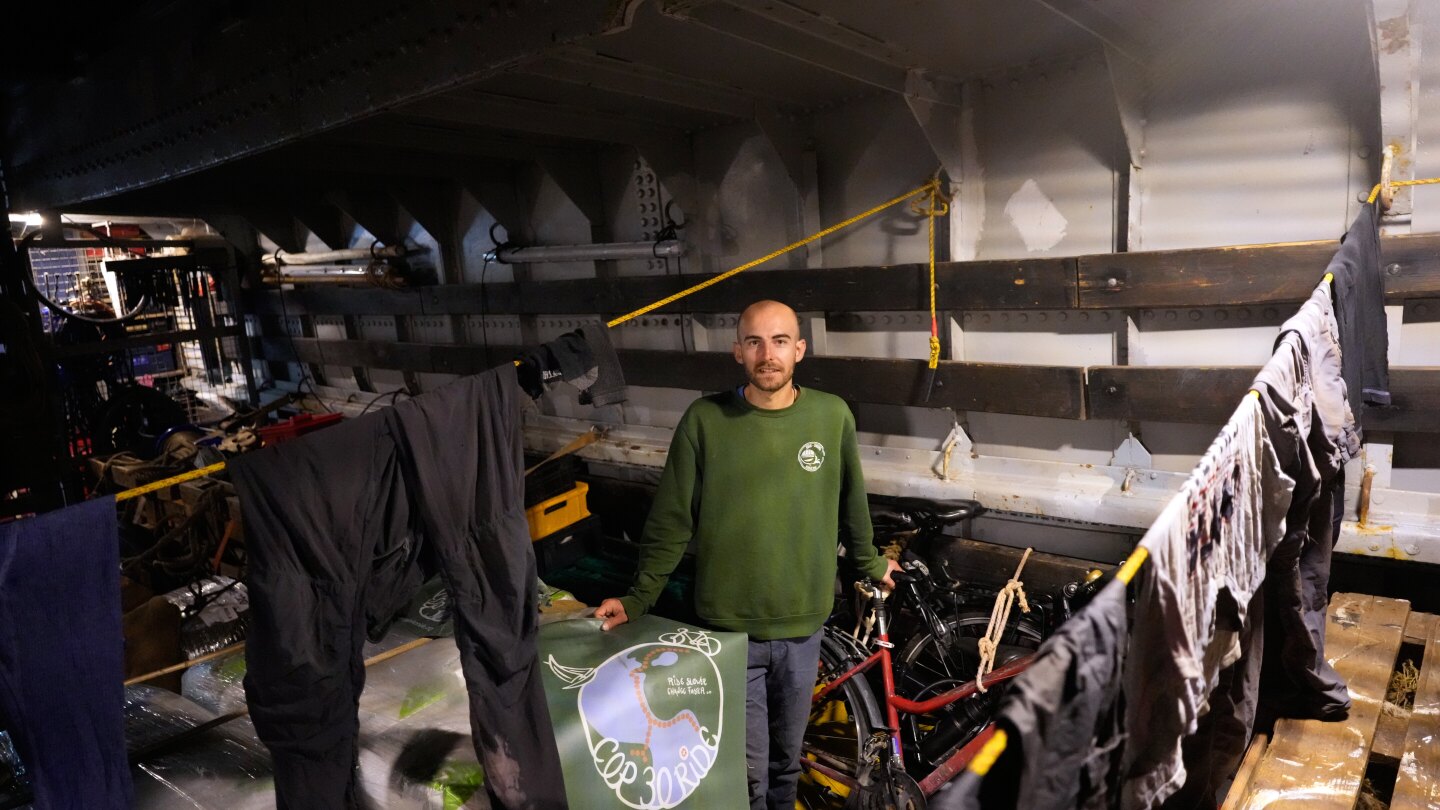
In a bold demonstration of environmental commitment, hundreds of climate activists are cycling thousands of kilometers to attend the United Nations COP30 climate summit in Belém, Brazil, this November. The journey, which began in Azerbaijan—the host of last year’s COP29 summit—has already spanned nearly 8,000 kilometers across Eurasia over 20 weeks. A second group of 200 cyclists covered an additional 1,800 kilometers across northern Europe, while others traversed parts of eastern and southern Africa. The riders, united under the banner of the COP30 Bike Ride, are now sailing from Portugal to Brazil aboard the schooner Avontuur, avoiding air travel to minimize their carbon footprint. The initiative, organized by Dutch activist Jolein Schorel, aims to highlight cycling as a sustainable, healthy, and cost-effective alternative to fossil-fuel-dependent transportation. Schorel emphasized that the journey is not just symbolic but also a practical call for cities to invest in cycling infrastructure. Along the way, the cyclists have engaged with local communities, sharing their mission and inspiring grassroots support. In Zambia, for instance, a young boy offered his only coin to support the riders, a gesture that deeply moved Schorel. The activists plan to present their demands for stronger climate action, particularly in protecting the Amazon rainforest and phasing out fossil fuels, when they arrive in Belém. Their journey underscores the power of collective action and the feasibility of sustainable alternatives in addressing the climate crisis.
标签: South America
南美洲
-
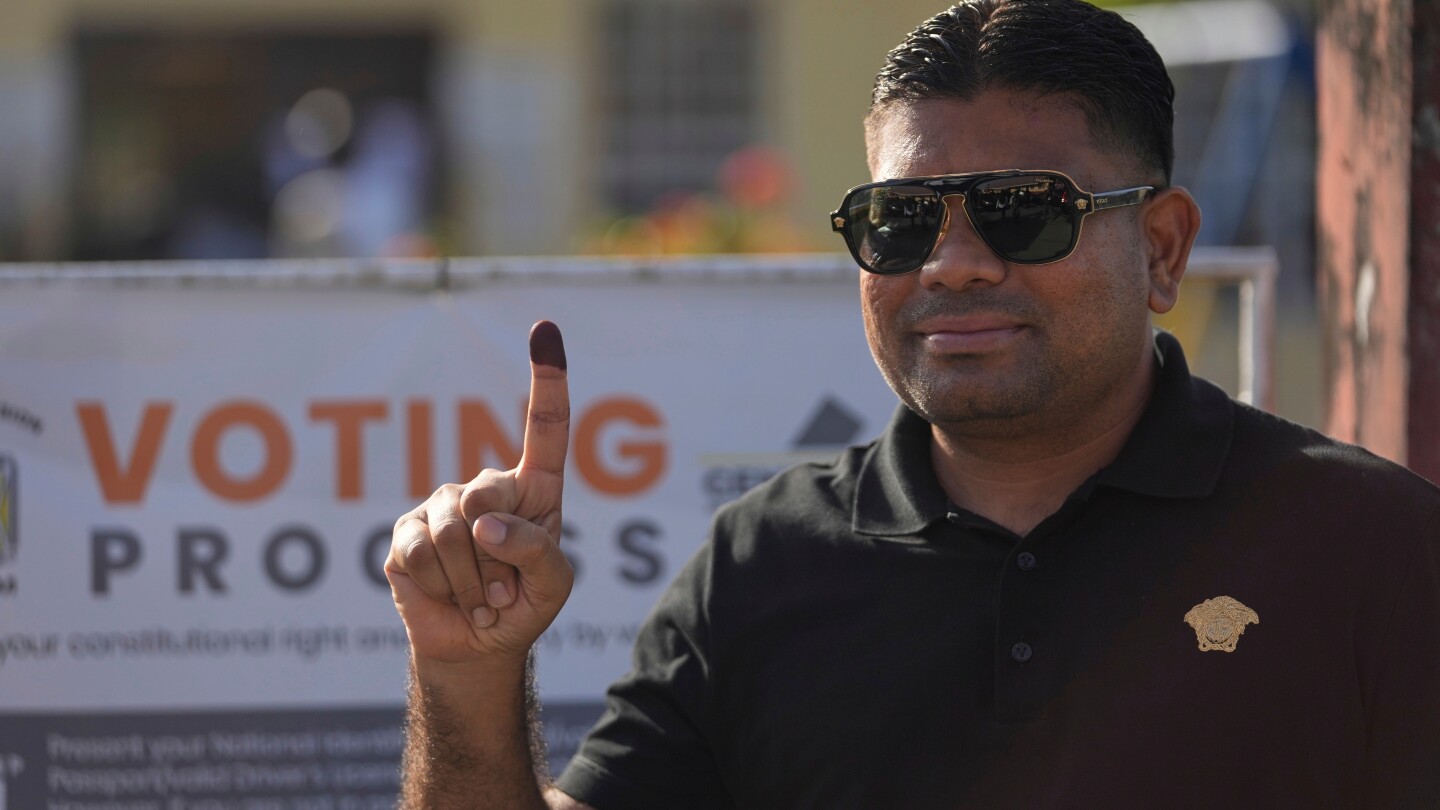
US corruption indictment of billionaire politician won’t block him from Guyana’s parliament
GEORGETOWN, Guyana — Despite facing a U.S. indictment on multiple corruption charges, billionaire businessman Azruddin Mohamed is set to assume his role as Guyana’s legislative opposition leader, legal experts confirm. The 38-year-old, part of a prominent family dynasty with vast interests in gold trading, foreign currency, and oil, secured significant political influence after his newly-formed party, We Invest in Nationhood (WIN), won 16 of 65 parliamentary seats in September’s elections. However, a grand jury in Florida’s Southern District recently unsealed documents accusing Mohamed and his father, Nazar Mohamed, of money laundering, bribery, tax evasion, and wire and mail fraud, among other charges. The case highlights the pervasive corruption in Guyana’s oil-rich government. Despite the allegations, Sherlock Isaacs, Clerk of the Guyanese parliament, stated that Mohamed can legally serve in Parliament unless convicted. Mark Kirton, former Director of the Institute of International Relations at the University of the West Indies, noted that the legal process could be lengthy, allowing Mohamed to retain his position until the case concludes. In his first public remarks since the indictment, Mohamed dismissed the charges as politically motivated. The U.S. Treasury Department previously sanctioned Mohamed and his family for allegedly smuggling gold and evading taxes, citing bribery schemes involving Guyanese officials. The indictment also accuses the Mohameds of reusing official revenue-sealed boxes to ship gold fraudulently. While extradition to the U.S. remains a possibility, Mohamed’s political trajectory appears undeterred for now.
-
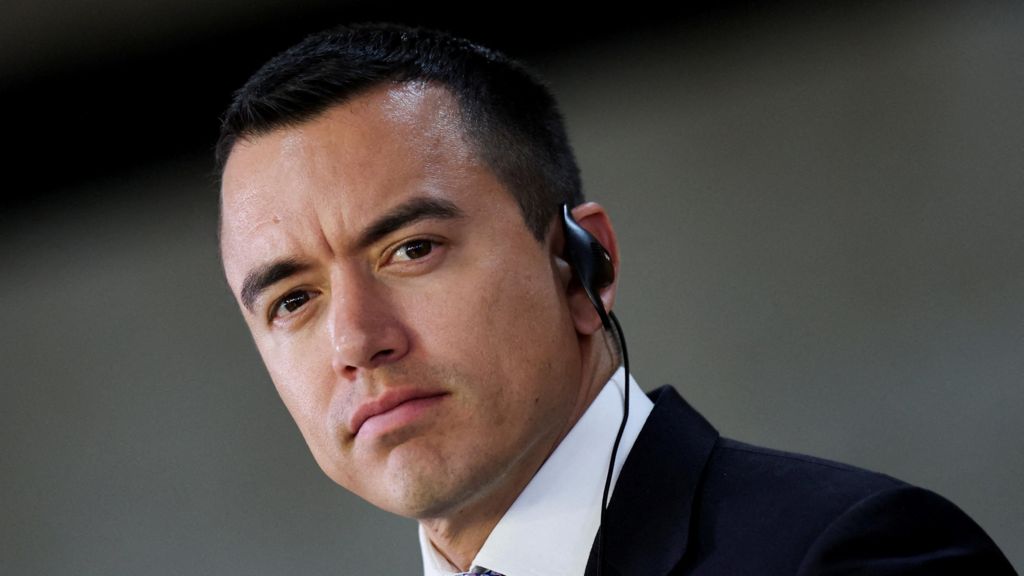
Ecuador arrests five for alleged presidential assassination attempt
Ecuador’s President Daniel Noboa narrowly escaped an alleged assassination attempt as his vehicle was targeted by protesters, leaving visible damage. The incident occurred amidst escalating tensions fueled by nationwide strikes and violent clashes. According to the country’s Energy and Environment Minister, approximately 500 individuals hurled rocks at the president’s car, with signs of bullet damage observed. Noboa, however, remained unharmed. A video shared by the president’s office, though unverified by the BBC, captured protesters attacking the vehicle and three small holes in one of its windows. The government has detained five individuals, accusing them of terrorism and attempted assassination. These arrests have sparked controversy, with Conaie, Ecuador’s largest indigenous organization, claiming the detentions were arbitrary. The unrest stems from the government’s decision to eliminate diesel subsidies, a move defended as a cost-saving measure to reallocate $1.1 billion annually to small-scale farmers and the transport sector. Conaie, which led the national strike, has organized marches and roadblocks, intensifying the crisis. Last week, Noboa’s convoy was ambushed while delivering aid during the strike, resulting in smashed vehicles and injuries among armed forces personnel. Conaie has accused the government of violent crackdowns, while the administration labels the group’s actions as criminal. This turmoil echoes Conaie’s historical role in toppling three presidents between 1997 and 2005, underscoring the deep-seated tensions in Ecuador.
-
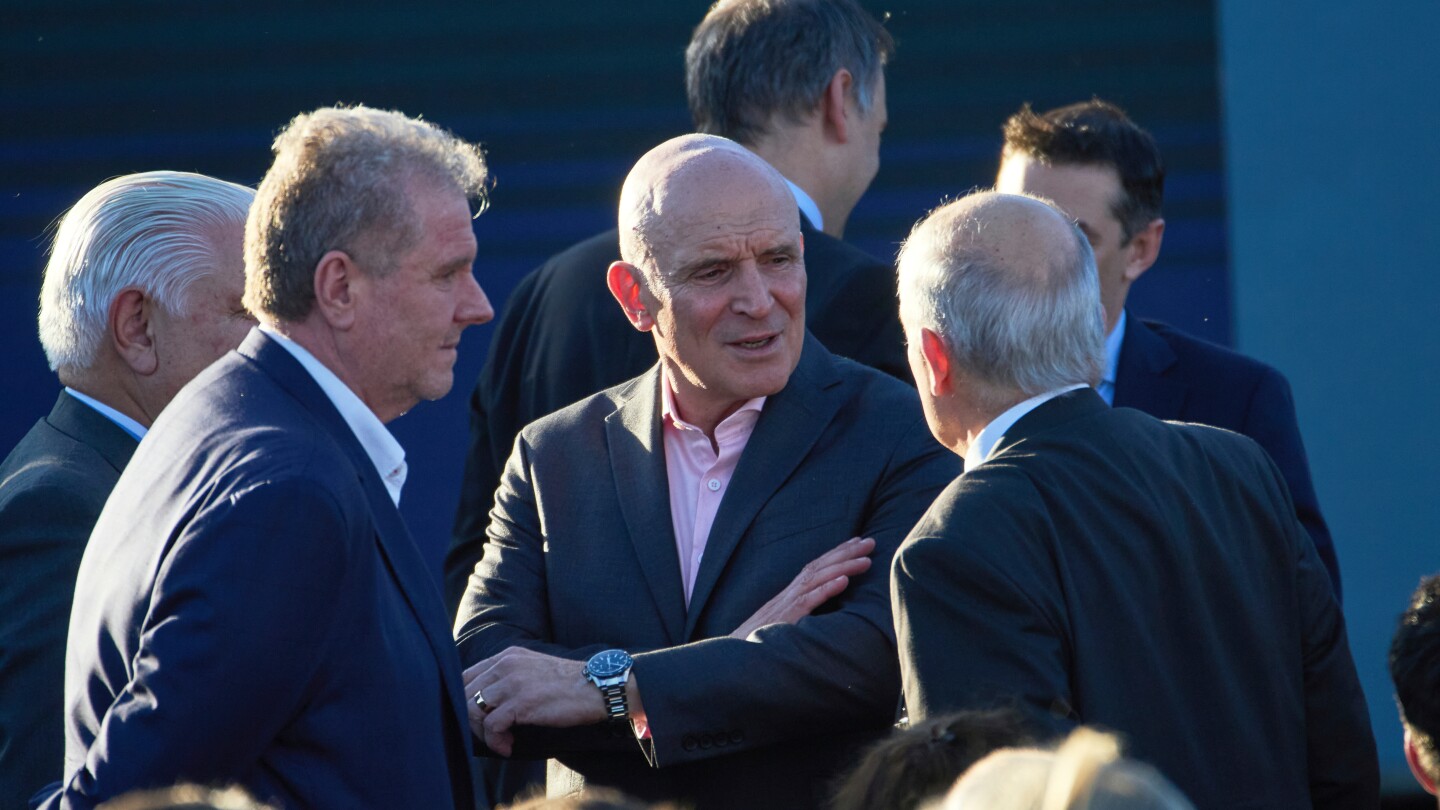
Argentina to extradite to US a suspected drug trafficker with ties to President Milei’s ally
The administration of Argentina’s President Javier Milei announced on Tuesday its decision to extradite Argentine businessman Fred Machado to the United States, where he faces charges of drug trafficking, money laundering, and wire fraud. This development marks a significant moment in a politically charged case that has implicated a key ally of the libertarian president. Machado, who was apprehended in Argentina in 2021 after fleeing charges in Texas, is accused of orchestrating a conspiracy to traffic narcotics by allegedly using shell companies to register planes, exporting them to criminal organizations in Latin America, and facilitating multi-ton cocaine shipments into the U.S. Machado has denied all allegations. The case gained national attention last week when documents revealed that José Luis Espert, a prominent member of Milei’s Libertad Avanza party, received a $200,000 payment from Machado in 2020. Espert admitted to accepting the funds, claiming it was for consulting work, but withdrew his candidacy for the upcoming midterm elections, asserting his innocence. The scandal has intensified political pressure on Milei, who has faced recent setbacks, including a significant loss in a provincial election, a bribery scandal involving his sister, and congressional votes that overturned his vetoes and increased social spending. Since assuming office in late 2023, Milei has implemented stringent austerity measures, successfully eliminating Argentina’s fiscal deficit but failing to deliver the promised economic recovery. With midterm elections approaching, Milei aims to expand his congressional minority to advance his economic reforms and stabilize investor confidence, which was shaken by his party’s defeat in the Buenos Aires provincial election, leading to a peso sell-off and bond market volatility. Milei’s government is seeking support from U.S. President Donald Trump, with Treasury Secretary Scott Bessent pledging financial assistance, though details remain unclear. Milei is scheduled to meet Trump at the White House on October 14 to discuss further collaboration.
-
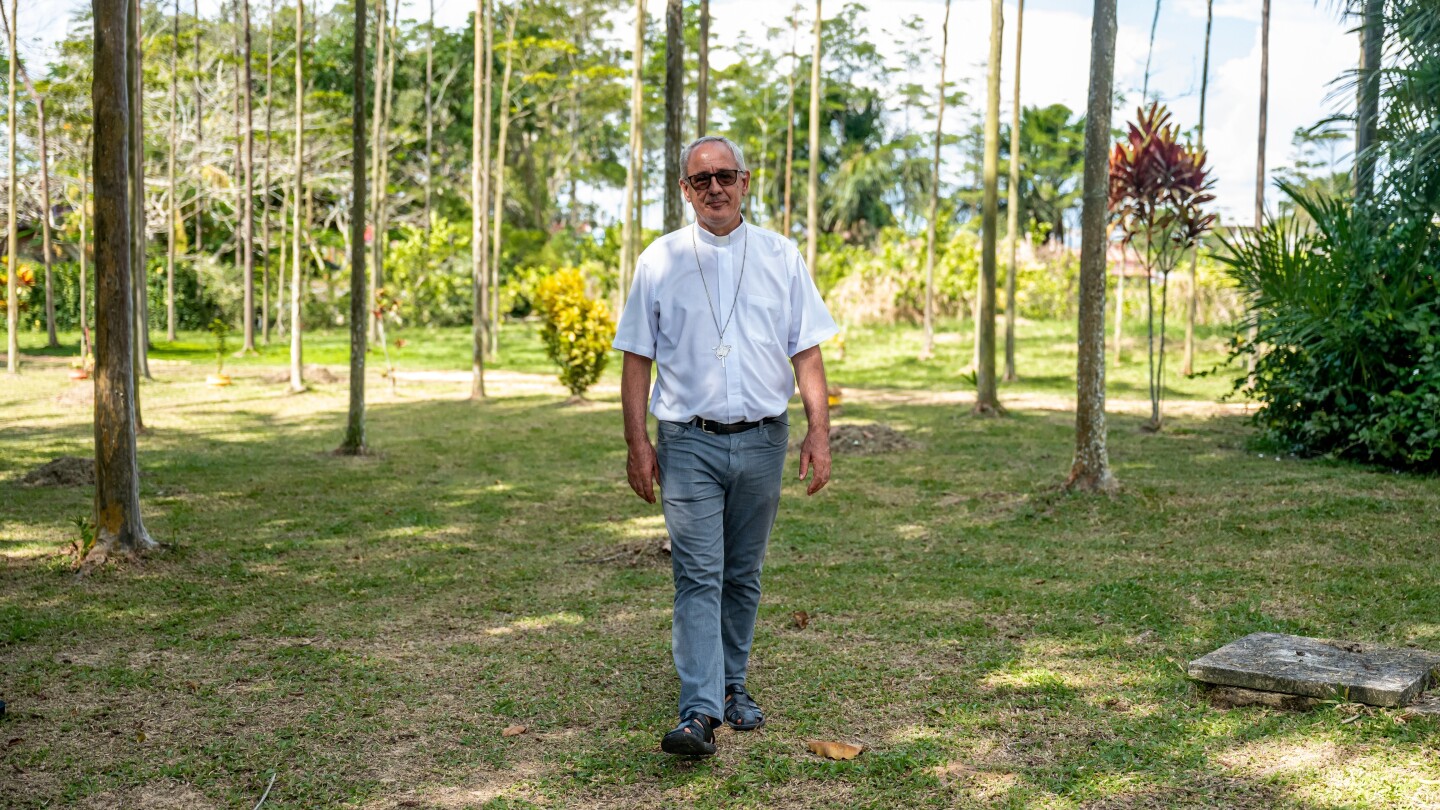
Gold demand puts Peru’s Amazon at greater risk from mercury poisoning, bishop warns
As gold prices reach unprecedented levels, a prominent Catholic leader in Peru’s Amazon region is calling on gold-importing nations to address the rampant illegal mining that is contaminating rivers with mercury. Miguel Ángel Cadenas, a Spanish Augustinian missionary who has lived in the Amazon for 30 years, highlights the alarming increase in illegal mining since the COVID-19 pandemic. Rivers such as the Tigre, Nanay, Napo, and Putumayo are now hotspots of mercury pollution, posing severe risks to local communities. Scientific tests reveal mercury levels in fish exceeding World Health Organization (WHO) safety limits, while hair samples from residents show dangerously high concentrations. Cadenas warns that the Amazonian diet, heavily reliant on fish, is leading to food insecurity and health crises in a region already lacking adequate medical services. Mercury, used extensively in small-scale gold mining, contaminates water, accumulates in fish, and causes neurological and developmental harm in humans. Research in Peru’s Madre de Dios region found 43% of women of childbearing age and nearly 80% of residents in Amazonian villages exceed WHO mercury safety thresholds. Cadenas emphasizes the need for better public awareness and alternative food sources, as many locals remain uninformed about the dangers. He also calls for stronger traceability systems to prevent illegally mined gold from entering global markets. Countries like China, the UAE, the UK, and Switzerland, which are major gold buyers, must enforce stricter regulations, he argues. Cadenas further highlights the escalating violence against environmental defenders in the Amazon, with illegal miners often linked to armed groups. Despite Peru’s efforts, including Operation Mercury in 2019, illegal mining persists, fueled by cross-border mercury smuggling. The recent Amazon Water Summit in Iquitos brought together 400 participants from Peru, Ecuador, Colombia, and Brazil to discuss solutions, but Cadenas stresses that international action is essential to curb the demand for illicit gold and protect the Amazon’s fragile ecosystem.
-

Third person dies from methanol poisoning in Brazil
A methanol poisoning crisis in Brazil’s São Paulo state has claimed its third victim, 30-year-old Bruna Araújo de Souza, who succumbed after consuming a vodka-based drink at a local bar. This tragic incident follows the deaths of two men, Marcos Antônio Jorge Júnior and Ricardo Lopes Mira, both of whom died after ingesting tainted alcohol. Health authorities have confirmed 225 cases of methanol poisoning nationwide, with the majority concentrated in São Paulo. In response, officials have shut down 11 businesses and seized over 10,000 bottles of alcohol suspected of contamination. The source of the methanol, a toxic substance commonly used in industrial products, remains under investigation. Authorities are urging the public to avoid unlabeled or unsealed alcoholic beverages. The crisis has sparked widespread concern, with Brazilian rapper Hungria among those hospitalized. Health Minister Alexandre Padilha has labeled the situation as unprecedented in the country’s history.
-
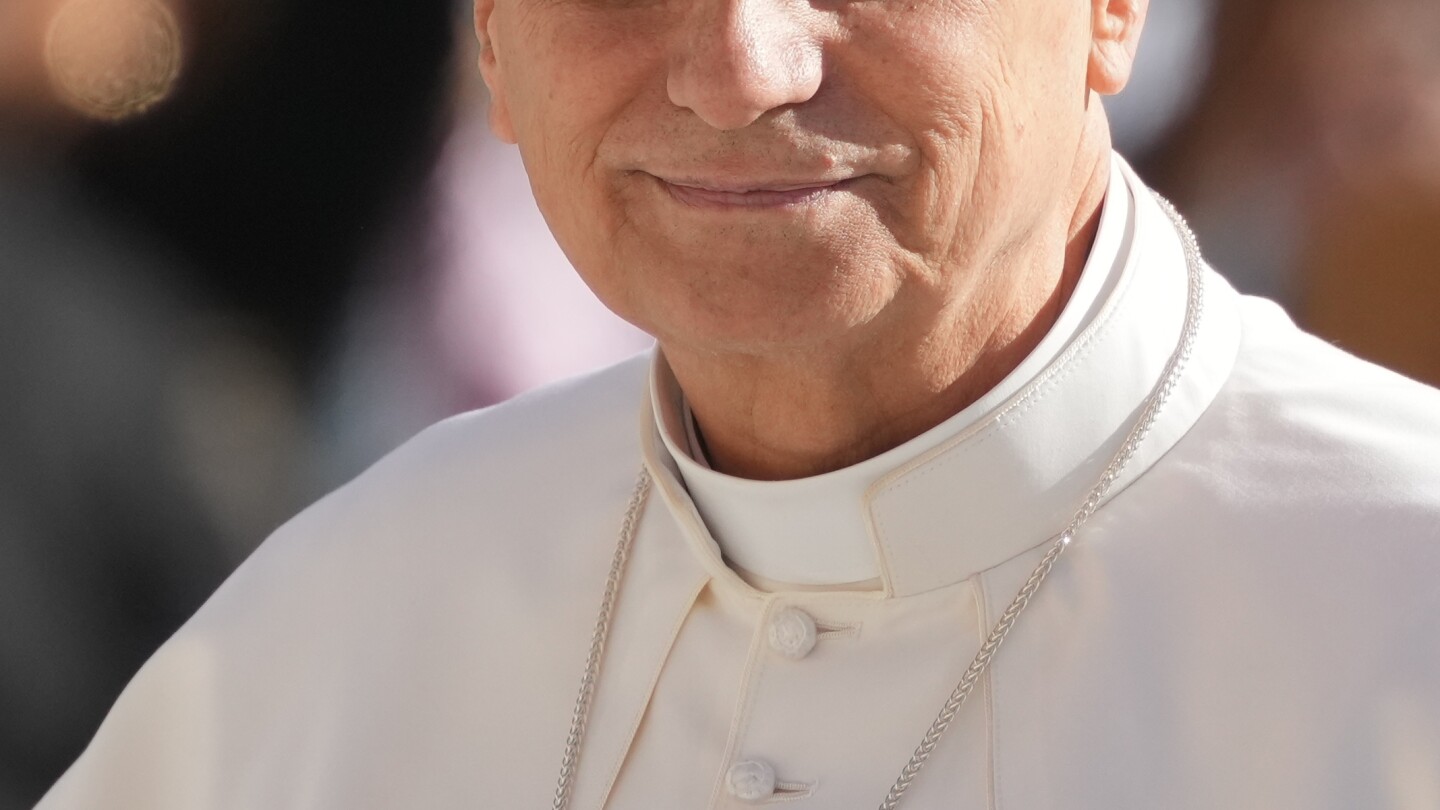
President Maduro asks Pope Leo XIV to help maintain peace in Venezuela
In a bid to address escalating tensions in Venezuela, President Nicolás Maduro has reached out to Pope Leo XIV for assistance in maintaining peace and stability within the South American nation. Maduro made this announcement during his weekly televised address, revealing that he had sent a letter to the pontiff expressing his hopes for Vatican mediation. However, details of the correspondence remain undisclosed, and the government’s press office has yet to release the document. This appeal comes amid heightened military actions by the United States in the Caribbean, where four deadly strikes have been conducted since last month, targeting alleged drug-trafficking operations. The most recent strike, occurring on Friday, resulted in four fatalities. President Donald Trump has characterized these operations as part of an ‘armed conflict’ with cartels, asserting that drug traffickers are unlawful combatants requiring military intervention. This stance has sparked debates over the extent of presidential war powers and the need for congressional approval. Maduro has consistently accused the U.S. of orchestrating these actions to destabilize his government and force his removal from power.
-
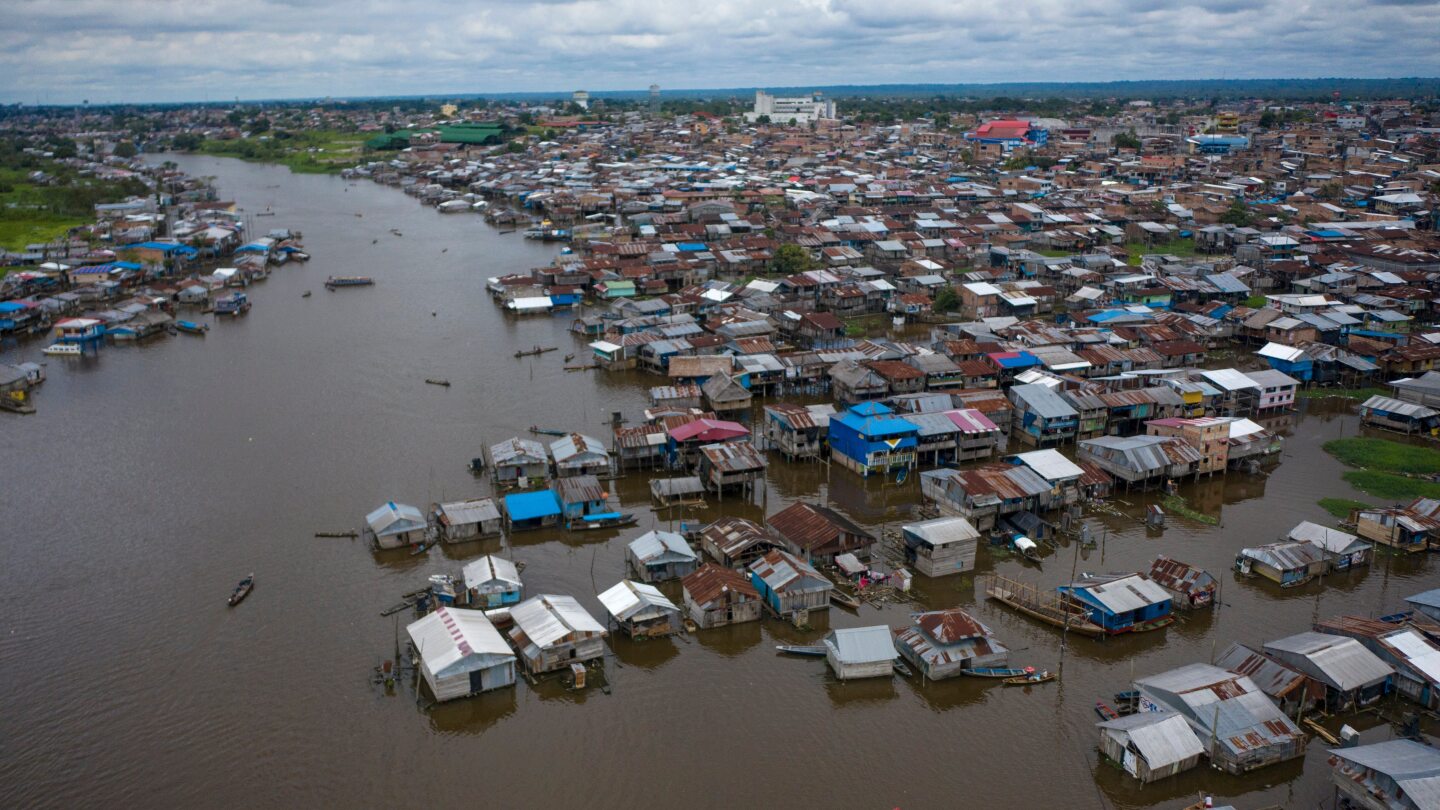
South American trade bloc orders Peru to crack down on mercury trafficking and illegal gold mining
In a landmark decision, the Andean Community, a South American trade bloc comprising Peru, Colombia, Ecuador, and Bolivia, has ruled that Peru is failing to meet its commitments to combat illegal gold mining and mercury trafficking. The ruling, issued on Monday, comes in response to complaints from Indigenous groups who allege that their Amazon rivers and food supplies are being poisoned by mercury contamination. This marks the first time the bloc has formally ruled against a member country in such a case, signaling a heightened effort to address the escalating environmental and health crisis. The Andean Community has ordered Peru to urgently reform its laws, confiscate mining equipment, and cease extensions of a registry for informal miners, which critics argue facilitates illegal activities. Peru has 20 working days to comply and report its actions, or face potential binding trade sanctions from the bloc’s Tribunal of Justice. Illegal gold mining has proliferated across the Amazon due to soaring global demand and rising gold prices, with analysts predicting gold could reach $4,000 per ounce by 2026. Mercury, used extensively in gold extraction, contaminates waterways, accumulates in fish, and poses severe health risks, particularly to children and pregnant women. The complaint was filed in June by Indigenous and rural communities from the Nanay River basin, where hair samples have revealed mercury levels far exceeding World Health Organization safety limits. Peruvian environmental lawyer César Ipenza emphasized the ruling’s significance, stating it sends a message to other countries to respect the right to a healthy environment. He warned that non-compliance could result in economic sanctions, such as tariffs on Peruvian products within the bloc. Despite occasional crackdowns, including the 2019 “Operation Mercury” and a record seizure of contraband mercury earlier this year, enforcement remains inconsistent, with corrupt networks enabling the illegal trade. The ruling also calls for stricter due diligence mechanisms to ensure gold traded internationally does not originate from environmental destruction or human rights violations.
-
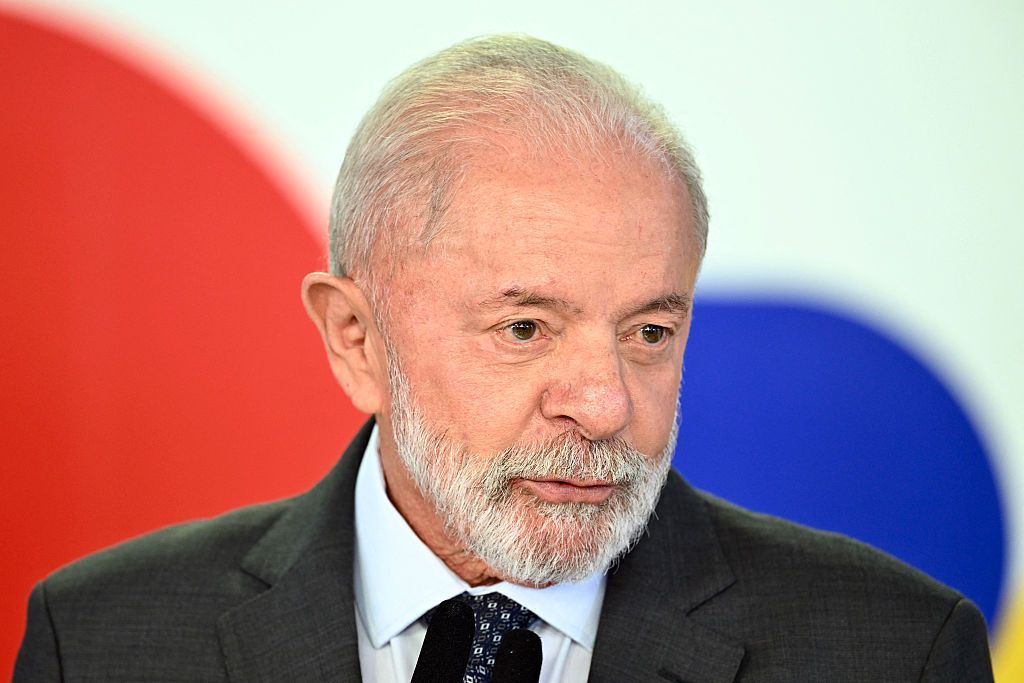
Trump and Brazilian President Lula have ‘friendly’ call
In a significant diplomatic development, U.S. President Donald Trump and Brazilian President Luiz Inácio Lula da Silva held a cordial and constructive phone conversation on Monday, marking a potential thaw in relations strained by trade tensions. The discussion centered on Brazil’s request to reduce a 50% U.S. tariff imposed on certain Brazilian imports, a measure introduced earlier this year in response to the trial of Lula’s predecessor, Jair Bolsonaro, over alleged coup-plotting. During the call, Lula urged Trump to lower tariffs to their original 10% and lift sanctions on some Brazilian officials. Trump described the conversation as “very good” on his Truth Social platform, emphasizing discussions on trade and economic ties. Both leaders expressed optimism about future engagements, with Lula inviting Trump to the upcoming UN climate summit in Belém, Brazil, and suggesting meetings during the ASEAN summit in Malaysia. Trump appointed Secretary of State Marco Rubio to lead negotiations with Brazil, a decision reportedly under review by Lula’s team due to Rubio’s perceived ideological alignment with Trump. Despite this, Brazilian officials acknowledged the advantage of having a negotiator directly linked to the U.S. president. The call, lasting half an hour, was characterized by both sides as friendly, with Lula emphasizing the importance of restoring relations between the two largest Western democracies.
-
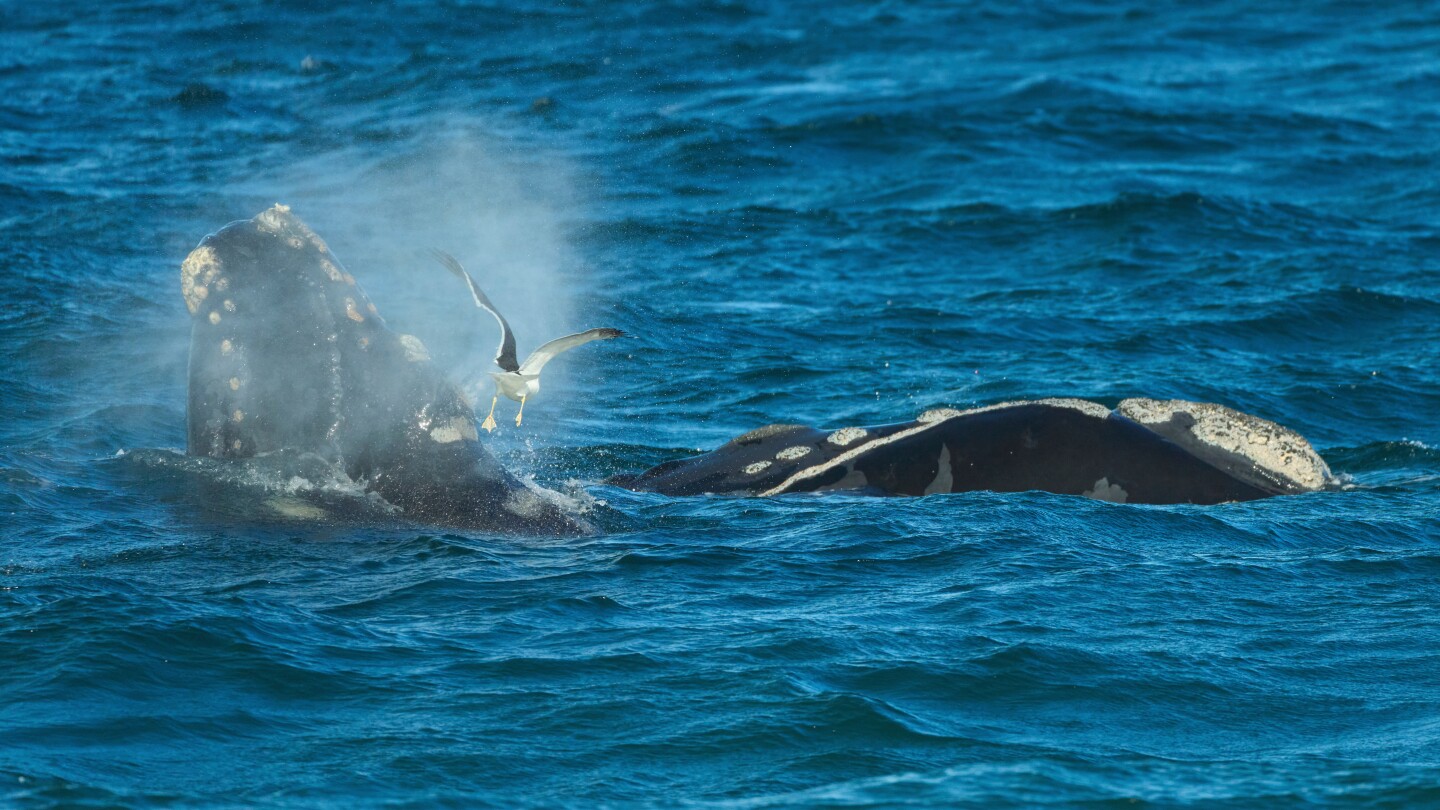
Southern right whales awe admirers in Patagonia after coming back from brink of extinction
PENÍNSULA VALDÉS, Argentina — Southern right whales, once teetering on the edge of extinction, are now flourishing in the waters off Argentina’s Patagonian coast, captivating tourists and conservationists alike. Peninsula Valdés, a globally significant marine mammal conservation site in the Chubut province, serves as a critical breeding ground for these majestic creatures, alongside elephant seals and sea lions. This year, the region has witnessed an unprecedented surge in whale sightings, with over 2,000 individuals spotted during the peak whale-watching season from August to September. The actual number is believed to be even higher, according to scientists. The Southern right whale population, which plummeted to around 600 due to rampant hunting in the last century, has now rebounded to approximately 4,700 in the Peninsula Valdés area. Tourists like Tino Ventz, a German visitor, have described the experience as unparalleled. “I’ve seen whales in Canada and California, but this was the best and probably the largest number of whales I’ve ever seen,” Ventz remarked. The whales’ acrobatic displays, particularly breaching, have left an indelible mark on observers. Some tourists prefer to watch from the shore, such as at El Doradillo Park in Puerto Madryn, where whales often linger close to the coast with their calves. Biologist Santiago Fernández, part of a long-term research project, noted that the whale population has been growing at an annual rate of 3% since 1999. However, this expansion brings new challenges, as whales increasingly encounter human-related hazards like fishing nets and boat propellers. Ongoing research, including the “Following Whales” project, aims to better understand their migration patterns and mitigate these risks.