
A devastating mine collapse in El Callao, Venezuela, has resulted in the deaths of at least 14 individuals, authorities confirmed on Monday. The incident, triggered by heavy rainfall in the southeast region, occurred in three separate shafts of the Cuatro Esquinas de Caratal gold mine, located approximately 850 kilometers (528 miles) southeast of Caracas. Brig. Gen. Gregory González Acevedo, head of the Operational Zones for Damage Assessment and Needs Analysis in Bolívar state, has been appointed to lead the recovery operations. Rescue efforts commenced with the pumping out of water from the flooded shafts to lower water levels, followed by an assessment of potential rescue strategies for those still trapped. The death toll was corroborated by testimonies from fellow miners and local firefighters, who attributed the collapse to flooding in the vertical mines, commonly referred to as ravines. El Callao, a town with a population of around 30,000, heavily relies on gold mining for its livelihood, with most residents directly or indirectly involved in the industry. Venezuela, rich in copper, diamonds, and other precious metals, frequently grapples with unsafe working conditions in its poorly regulated mining sector.
标签: South America
南美洲
-
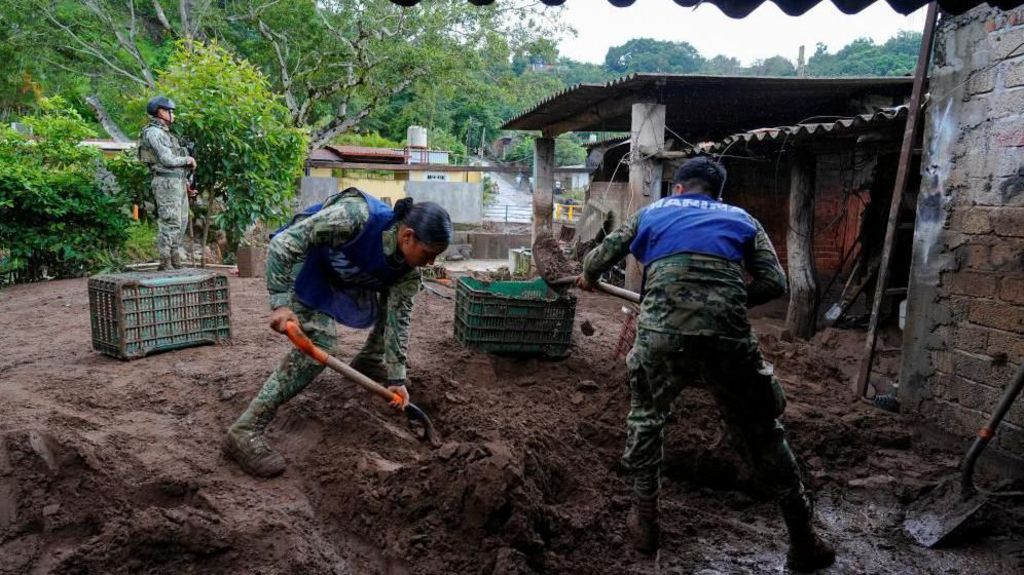
Rescuers search for missing in Mexico’s flooded towns
Mexico is grappling with catastrophic flooding as torrential rains, fueled by two tropical storms, have wreaked havoc across five states. The disaster has left at least 47 people dead and 38 missing, according to official reports released on Sunday. Rescue teams, supported by military personnel, are working tirelessly to locate survivors and assist in recovery efforts. Over 150 locations have been affected, with landslides and overflowing rivers destroying homes, roads, and vehicles. President Claudia Sheinbaum has pledged government assistance to rebuild devastated communities. In Huauchinango, Puebla state, María Salas, 49, tragically lost five family members when their home collapsed. Her own residence was swept away by a landslide, leaving her with nothing. The town remains one of the few accessible areas within the disaster zone. Sheinbaum visited a local shelter, promising aid to those whose homes were destroyed or rendered uninhabitable. Meanwhile, approximately 100 small communities remain isolated due to damaged power and communication lines. The situation underscores the urgent need for coordinated disaster response and long-term infrastructure resilience.
-

Paraguay – the Silicon Valley of South America?
Gabriela Cibils, a Paraguayan tech visionary, is spearheading efforts to transform her homeland into South America’s Silicon Valley. Growing up in Paraguay, a country nestled between Brazil and Argentina, Cibils observed that the nation was not traditionally tech-focused. However, inspired by her parents’ careers in technology and her education at the University of California, Berkeley, she pursued a path in computing and neuroscience. After eight years in Silicon Valley, Cibils returned to Paraguay, driven by a mission to elevate the country’s tech sector and attract global tech giants. Now a partner at Cibersons, a global technology and investment firm based in Asunción, she is leveraging Paraguay’s unique advantages to position it as a hub for innovation. Paraguay’s abundant, low-cost green energy, primarily from the Itaipu Dam—the world’s largest hydroelectric power station outside China—is a key selling point. The dam supplies 90% of Paraguay’s electricity needs and makes the country the largest exporter of clean energy globally. This reliable and renewable energy source is particularly appealing for energy-intensive industries like AI data centers. Paraguayan President Santiago Peña has actively promoted the country’s potential, engaging with tech giants like Google and OpenAI during a visit to California. The government is also investing $20 million in a new digital park near Asunción’s airport, designed to foster collaboration between public, private, and academic sectors. With a young population—average age 27—and initiatives to train software engineers and programmers, Paraguay is building a robust tech ecosystem. Vanessa Cañete, president of the Paraguayan Chamber of the Software Industry, emphasizes the importance of closing the gender gap in tech through initiatives like Girls Code, which has trained over 1,000 young women in programming and robotics. While challenges like bureaucratic hurdles remain, Cibils and other leaders are optimistic about Paraguay’s potential to become a global tech superpower.
-
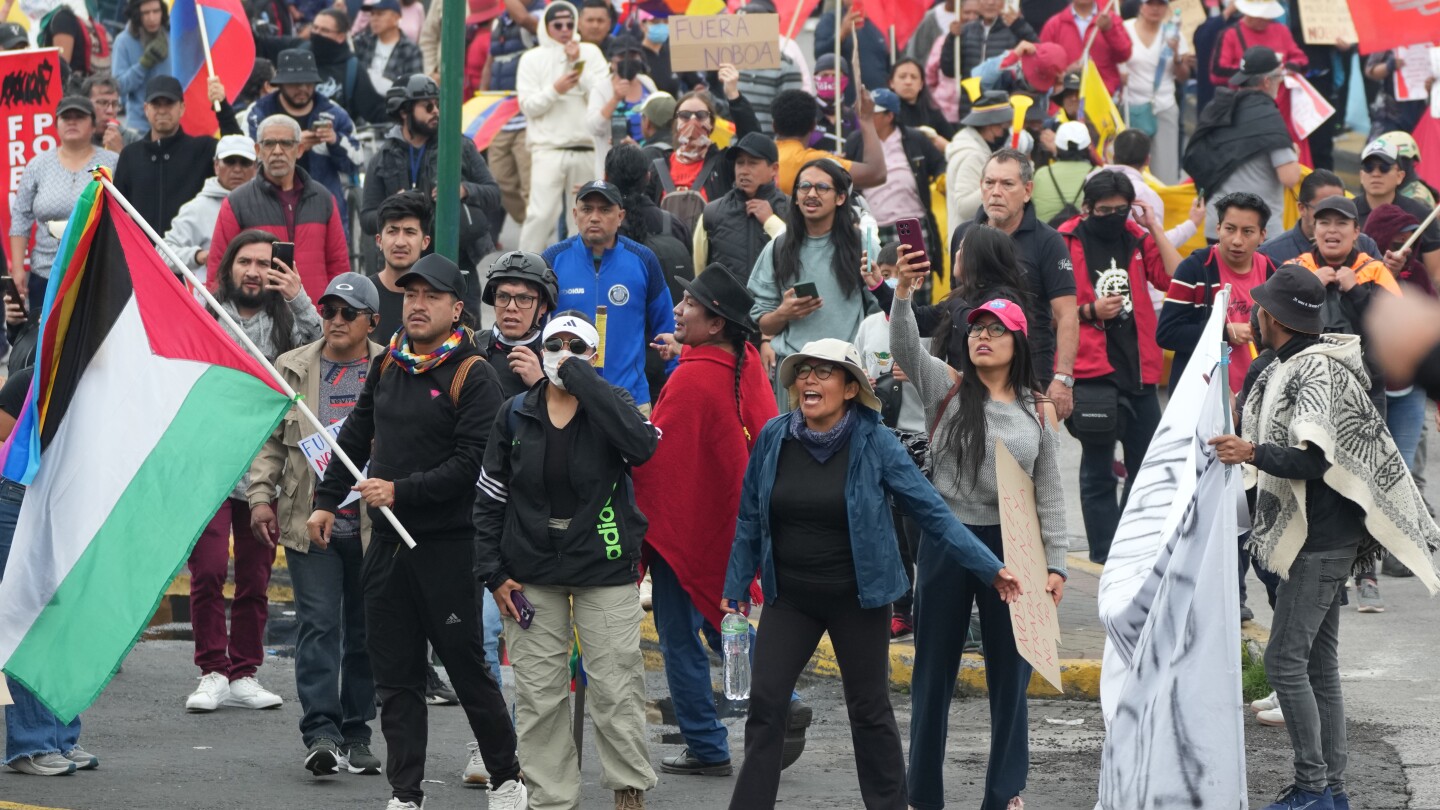
Protesters clash with police in Ecuador amid nationwide strike over fuel prices
QUITO, Ecuador — The streets of Ecuador’s capital, Quito, were engulfed in chaos on Sunday as demonstrators protesting soaring fuel prices clashed with riot police. Protesters burned tires, blocked roads, and faced off against law enforcement, who responded with tear gas. This marked the latest escalation in a series of nationwide protests that have tested President Daniel Noboa’s administration. The unrest was sparked 21 days ago by Ecuador’s largest Indigenous organization, which called for strikes following the government’s decision to eliminate a fuel subsidy, causing diesel prices to surge from $1.80 to $2.80 per gallon. The protests have often turned violent, resulting in one civilian death, dozens injured, and over a hundred arrests. In response, Noboa declared a state of emergency in 10 provinces, restricting public gatherings in Quito and other areas. Last week, the situation intensified when protesters attacked Noboa’s motorcade with rocks. Sunday’s rally, coinciding with Ecuador’s Day of Interculturality and Plurinationality—a holiday honoring the nation’s Indigenous heritage—drew thousands of police in riot gear to the capital. Protesters, chanting “Noboa out, out!,” marched from southern Quito but were dispersed by police before reaching their destination. President Noboa has defended the subsidy cuts, arguing they are necessary to address the country’s financial crisis and curb fuel smuggling across borders. However, the policy has disproportionately impacted Indigenous communities, who rely on affordable fuel for agriculture, fishing, and transportation. Despite offering bonuses to struggling farmers and transport workers, Noboa has refused to negotiate with the Indigenous federation, further fueling tensions.
-
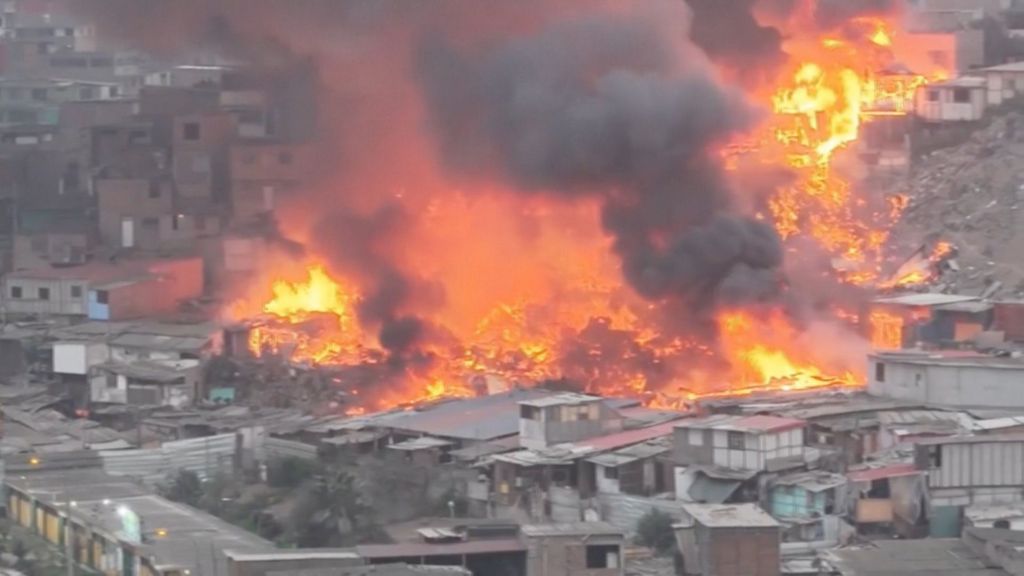
Drone captures huge fire engulfing homes in Peru
A devastating fire has swept through a residential neighborhood in Peru, causing extensive damage to numerous homes. The incident, captured by a drone, shows flames engulfing the area, leaving a trail of destruction in their wake. Local authorities and media sources have pointed to an illegal pyrotechnics warehouse as the likely cause of the blaze. The fire has raised concerns about safety regulations and the enforcement of laws governing the storage of hazardous materials. Emergency response teams were quick to the scene, working tirelessly to contain the fire and prevent further damage. Residents have been left in shock, with many losing their homes and possessions. Investigations are ongoing to determine the exact cause and to hold those responsible accountable. This tragic event underscores the importance of stringent safety measures and the need for greater vigilance in preventing such disasters.
-

A man in Brazil turned his childhood dream into a small cinema for film lovers
SAO PAULO — For Carlos Costa, the magic of cinema began at the age of six when his grandmother took him to see the 1977 Brazilian comedy “O Trapalhão nas Minas do Rei Salomão.” That experience ignited a lifelong passion and a dream: to one day own a movie theater. Five decades later, Costa turned that dream into reality with the opening of Cine LT3, a 35-seat independent cinema in Sao Paulo.
-
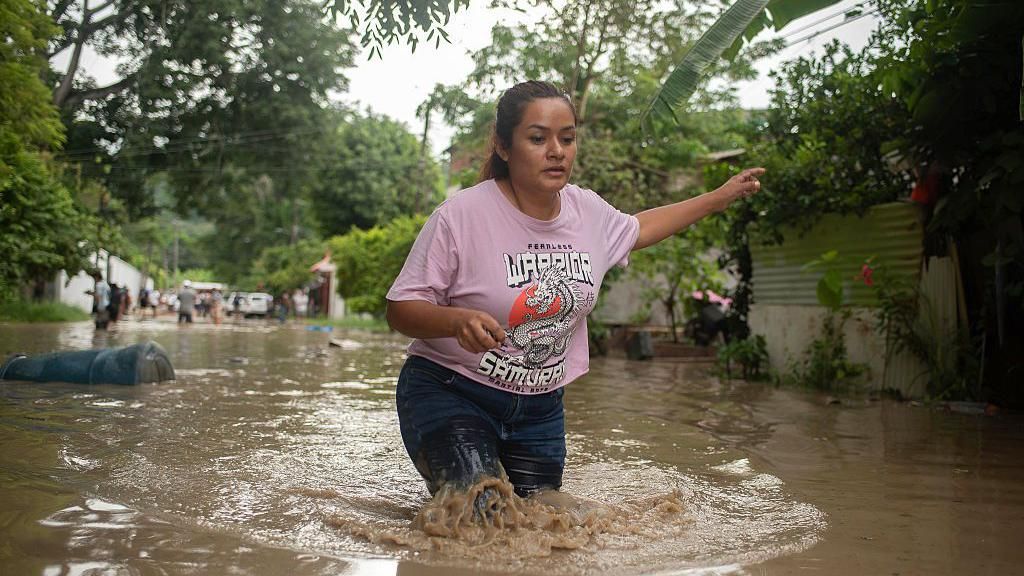
Mexico floods leave at least 27 dead and more missing
Torrential rains that battered Mexico on October 10 and 11 have unleashed catastrophic flooding and landslides, claiming at least 27 lives and leaving many others unaccounted for. The deluge, which caused rivers to overflow, wreaked havoc across multiple regions, with Hidalgo in eastern Mexico bearing the brunt of the disaster, reporting 16 fatalities. The floods swept away homes, vehicles, and bridges, leaving thousands of houses either damaged or completely destroyed. Fast-moving floodwaters inundated streets, carrying cars and debris, while highways were blocked and electricity supplies were severed.
-
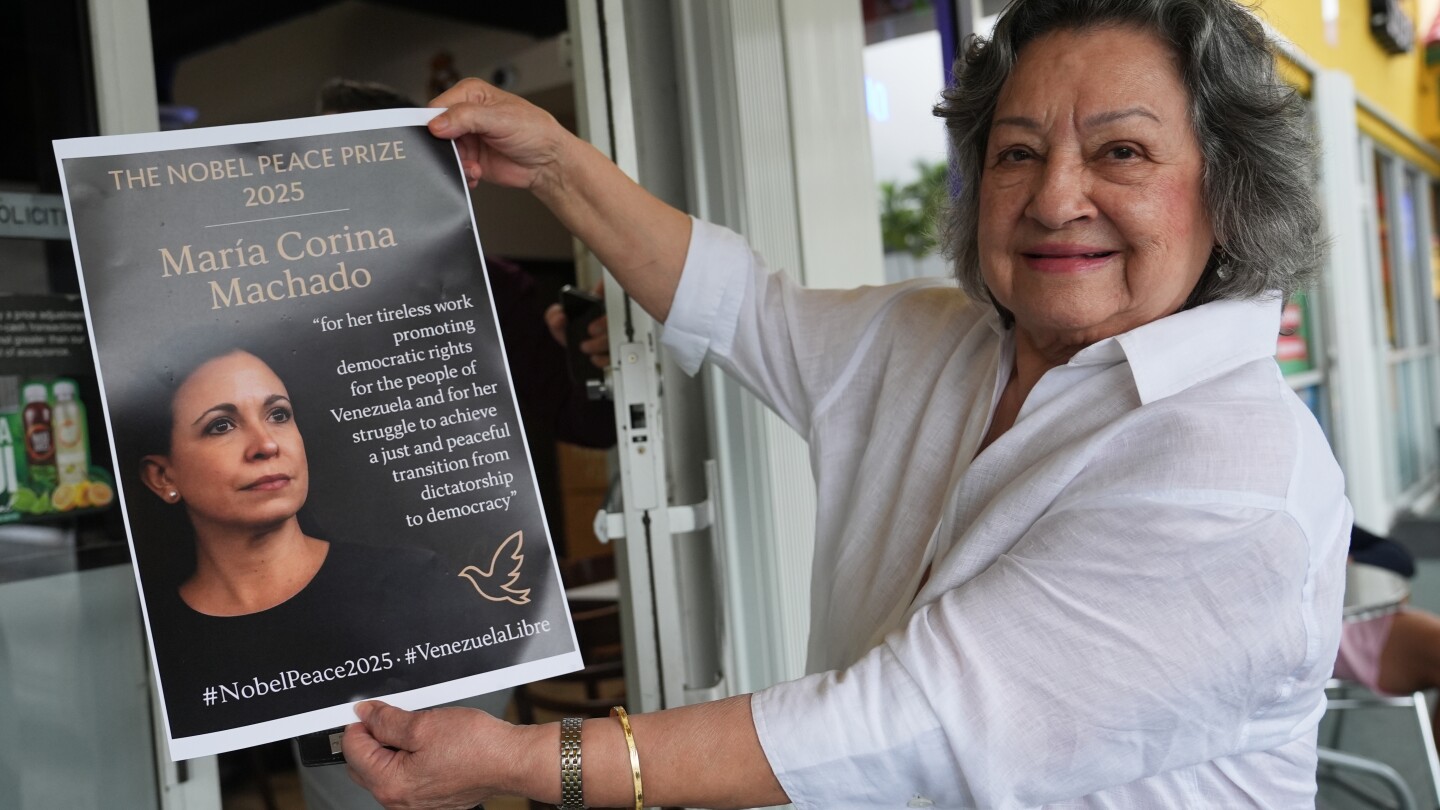
A look at how Venezuelans in the US are reacting to Maria Corina Machado’s Nobel Prize win
In Doral, Florida, often referred to as ‘Little Venezuela,’ the Venezuelan community has greeted the news of opposition leader Maria Corina Machado winning the Nobel Peace Prize with a mix of pride and apprehension. While the award recognizes her relentless fight for democracy in Venezuela, it offers little solace to the thousands of Venezuelans facing deportation threats in the United States. The Trump administration’s decision to terminate Temporary Protected Status (TPS) and humanitarian parole programs has placed over 700,000 Venezuelans at risk of being deported. Hundreds have already been sent to El Salvador, accused of being members of the Tren de Aragua gang and allegedly ‘invading’ the U.S. This policy shift comes amid a mass exodus of Venezuelans fleeing economic and political instability in their homeland. According to the United Nations High Commissioner for Refugees, more than 7.7 million Venezuelans have left since 2014, marking the largest migration crisis in Latin America’s recent history. While Machado’s Nobel Prize is celebrated as a symbol of hope for Venezuela’s democratic future, many in the diaspora fear it will not translate into tangible protections for those living in the U.S. Machado, who has aligned herself with President Trump’s policies on Venezuela, has not publicly expressed concerns about the termination of TPS, despite earlier promises to seek alternative protections for migrants. Frank Carreño, a prominent figure in the Venezuelan American community, noted that Machado views the U.S. government as an ally in her fight against Nicolás Maduro’s regime rather than a protector of Venezuelan migrants. Meanwhile, Venezuelan refugees like José Antonio Colina and Iris Wilthew expressed hope that the award would bolster efforts to remove Maduro from power, even as they grapple with the uncertainty of their own futures in the U.S.
-
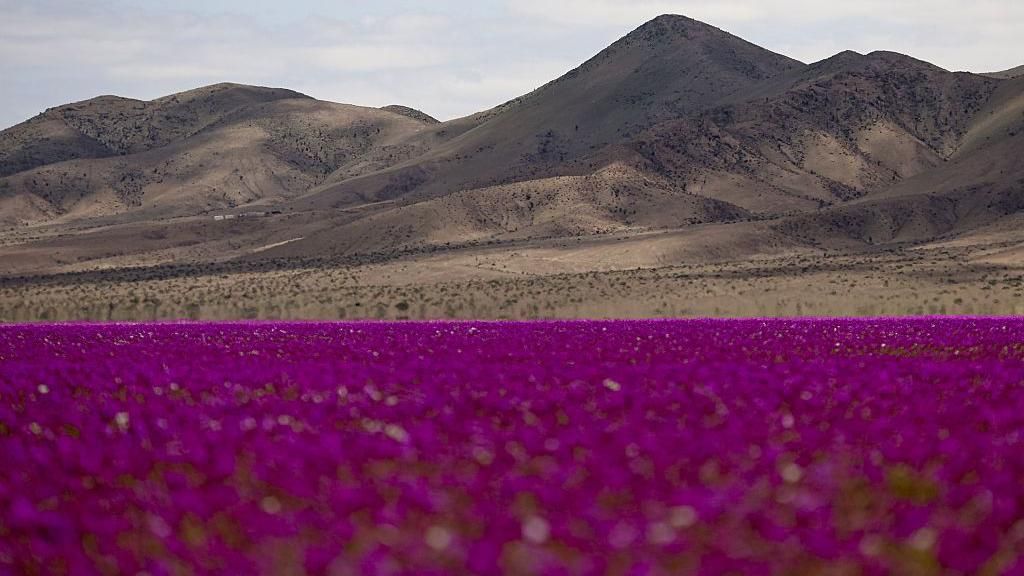
Rare wildflowers blanket Atacama desert
The Atacama Desert in Chile, renowned for its extreme aridity and status as one of the clearest places on Earth for stargazing, has undergone a stunning transformation. Typically a barren landscape, the desert has been blanketed by a vibrant carpet of wildflowers, a phenomenon triggered by unusually heavy rainfall during the southern hemisphere’s winter months. This rare event, which occurs only every few years, has brought dormant seeds to life, creating a breathtaking display of over 200 species of wildflowers, some of which are endemic to the region. The desert, which usually receives less than 15mm of rain annually, saw more than 12mm in August alone, with most of it falling in a single day. Additionally, a rare snowfall occurred in June, further contributing to the unique conditions. According to Chile’s National Forest Corporation (CONAF), this year’s bloom, which began in late August, will reach its peak in the coming weeks. This is the second consecutive year the phenomenon has occurred, following similar conditions in 2024. The Atacama’s wildflower bloom not only highlights the resilience of nature but also underscores the impact of climatic variations on even the most extreme environments.
-
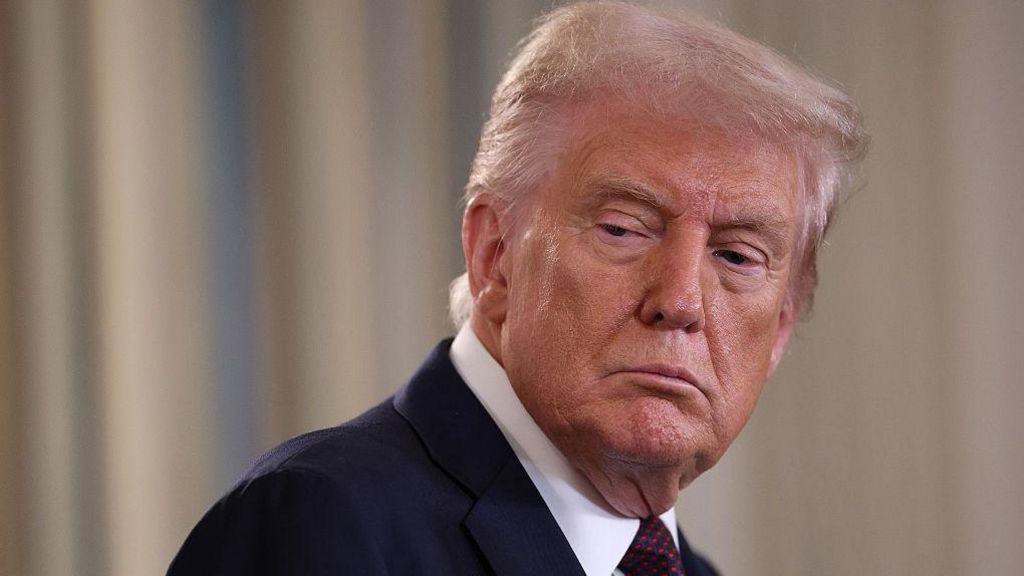
White House slams Nobel Committee for not awarding Peace Prize to Trump
The White House has sharply criticized the Nobel Committee for its decision to award the 2025 Nobel Peace Prize to Venezuelan pro-democracy activist María Coria Machado, accusing the committee of prioritizing politics over peace. The announcement, made on Friday, recognized Machado for her relentless efforts in advancing democratic rights in Venezuela. President Donald Trump, who has openly expressed his desire for the prestigious award, was notably overlooked despite his claims of resolving global conflicts and brokering a recent ceasefire in Gaza. White House communications director Steven Cheung condemned the decision, stating, ‘The Nobel Committee proved they place politics over peace.’ Cheung further praised Trump’s humanitarian efforts, calling him ‘the peace president’ and emphasizing his role in ending wars and saving lives. Trump’s supporters, including Israeli Prime Minister Benjamin Netanyahu and Russian President Vladimir Putin, have previously advocated for his nomination. Putin, however, remarked that the award had ‘lost credibility,’ a statement Trump shared on his Truth Social platform. Machado, in her acceptance message, acknowledged Trump’s support for her cause. Despite Trump’s diplomatic achievements, including the Gaza ceasefire, his eligibility for the prize was hindered by the nomination deadline of January 31, just days after he assumed office. The Nobel Committee’s criteria emphasize contributions to arms control, peace negotiations, democracy, and human rights—areas where Trump’s policies, such as mass deportations and the use of National Guard troops domestically, have drawn criticism. Only four U.S. presidents have received the Nobel Peace Prize, with Barack Obama being the sole recipient while in office.