标签: South America

南美洲

  • Five dead after plane carrying child burns victim crashes in Texas

    Five dead after plane carrying child burns victim crashes in Texas

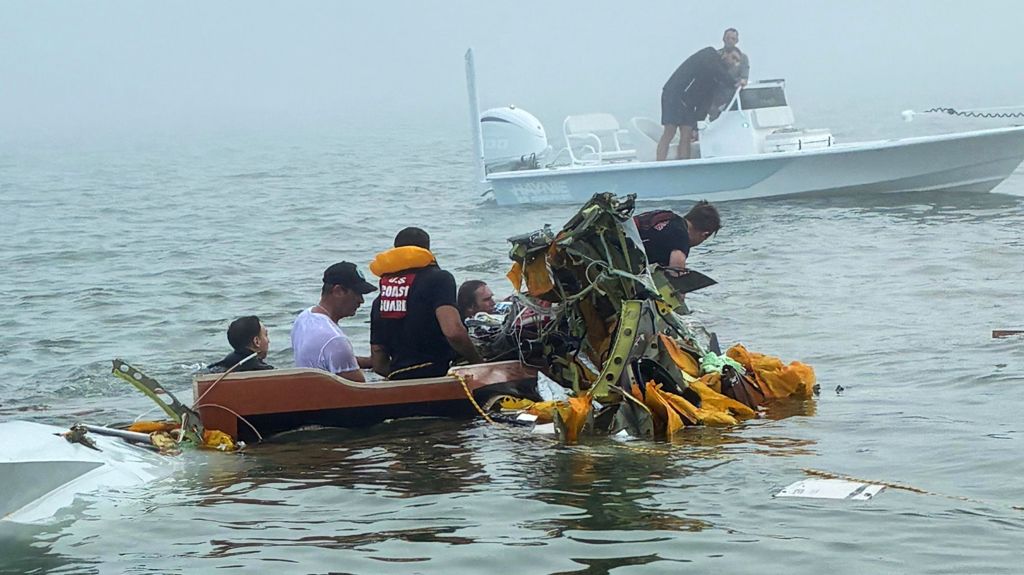
    A humanitarian medical flight operated by the Mexican Navy met with tragedy on Monday when it crashed into the waters near Galveston, Texas, under dense fog conditions, resulting in five fatalities and one individual reported missing. The aircraft was conducting a critical mission for the Michou y Mau Foundation, transporting a child with severe burns for specialized medical treatment at the time of the incident.

    According to data from Flight Radar, the last known position of the aircraft was recorded at 15:01 local time over Galveston Bay, in close proximity to Scholes International Airport. The Mexican Secretariat of the Navy confirmed that two survivors were rescued from the wreckage, while search operations for the missing person continue in coordination with the U.S. Coast Guard.

    Eyewitness accounts and video footage obtained by the Associated Press depict a harrowing rescue scene. Local yacht captain Sky Decker Jr., who assisted first responders, described discovering a severely injured woman trapped in the wreckage with merely three inches of airspace for breathing amid toxic jet fuel fumes. ‘She was really fighting for her life,’ Decker recounted, highlighting the perilous conditions faced by both victims and rescuers.

    The Michou y Mau Foundation, renowned for providing medical care to Mexican children suffering from severe burns, issued an official statement on social media platform X expressing their deepest condolences to the families affected by this devastating tragedy. The organization has temporarily suspended medical transport operations pending preliminary investigation results.

    Aviation safety authorities from both Mexico and the United States have initiated a collaborative investigation into the circumstances surrounding the crash, with particular focus on the challenging meteorological conditions that characterized the flight path. The incident represents one of the deadliest aviation accidents involving cross-border medical missions in recent years.
  • Judge rules Trump administration must allow court challenges for Venezuelan migrants sent to prison

    Judge rules Trump administration must allow court challenges for Venezuelan migrants sent to prison

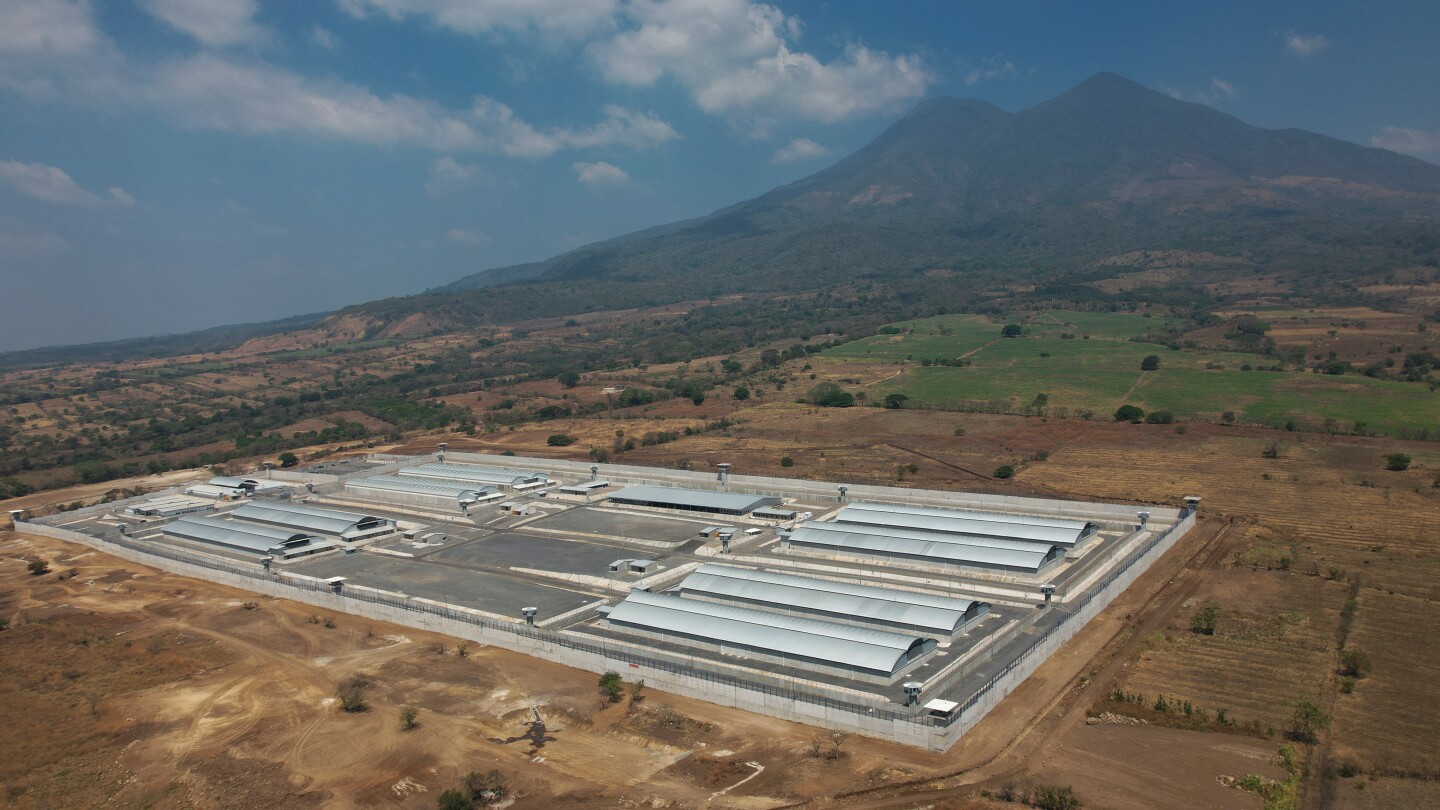
    In a significant judicial rebuke to the Trump administration’s immigration policies, U.S. District Judge James Boasberg has mandated that Venezuelan migrants abruptly flown to El Salvador’s notorious Terrorism Confinement Center (CECOT) must receive proper legal due process. The Monday ruling requires the administration to either provide court hearings or facilitate the return of these individuals to the United States within a two-week framework.

    The case originated in March when the administration invoked the 18th-century Alien Enemies Act to transport migrants accused of gang affiliations to CECOT, one of Latin America’s most severe maximum-security facilities. Despite Judge Boasberg’s initial verbal order to halt the transfers, two aircraft proceeded with the operation, prompting a contempt investigation that has since been suspended pending appellate review.

    More than 200 migrants were subsequently included in a prisoner exchange with Venezuela in July, though the ruling now establishes legal pathways for them to contest their classification as Tren de Aragua gang members. The American Civil Liberties Union, representing the migrants, hailed the decision as a critical check on executive overreach, emphasizing that the administration cannot bypass constitutional protections through extraordinary removal practices.

    The White House has maintained that it did not violate judicial orders, though officials declined immediate comment on the latest development. This case represents a continuing tension between federal judiciary authority and the administration’s aggressive immigration enforcement strategies.

  • Workers organized by a key union rally in Bolivia against scrapping fuel subsidies

    Workers organized by a key union rally in Bolivia against scrapping fuel subsidies

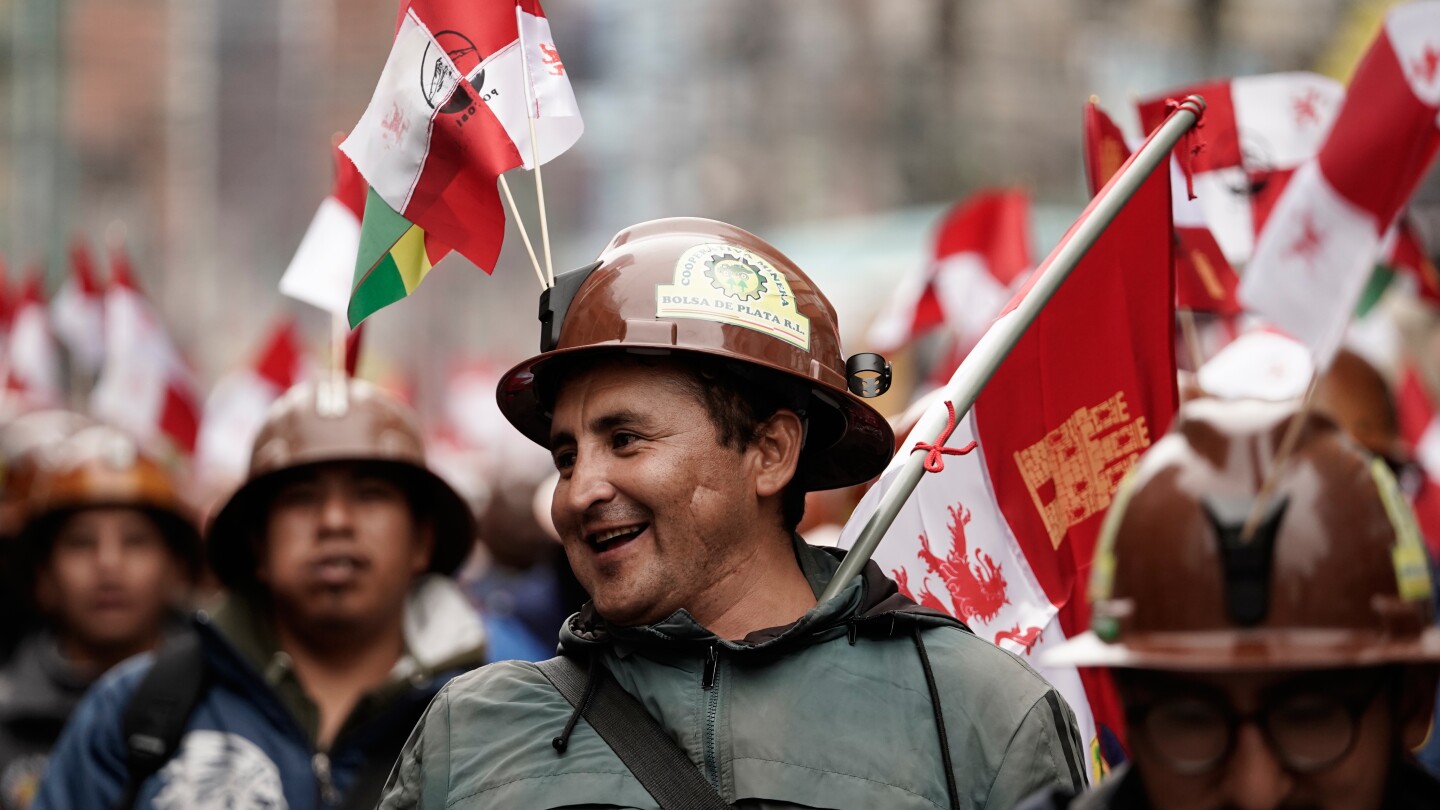
    LA PAZ, Bolivia — Bolivia’s political landscape erupted in protest on Monday as thousands of miners and union members launched a nationwide strike against President Rodrigo Paz’s controversial decision to eliminate long-standing fuel subsidies. The demonstrations, organized by Bolivia’s Central Union of Workers, marked the first major challenge to Paz’s centrist government since he took office on November 8.

    The core of the conflict centers on Paz’s emergency decree that abruptly ended two decades of fuel subsidies, catapulting gasoline prices from $0.53 to approximately $1 per liter. The president defended his decision during a televised town hall, stating, ‘The country is sick and must be healed. Every day, $10 million is spent on a subsidy that benefits smugglers’ who allegedly resell subsidized fuel both domestically and internationally.

    While transportation workers and several trade groups notably abstained from joining the protests, miners and coca growers—traditional allies of former left-wing governments—mobilized forcefully. In La Paz, police sealed off access to government buildings as protesters flooded the capital’s downtown. Simultaneously, roadblocks emerged in six of Bolivia’s nine regions, with significant demonstrations reported in Cochabamba, the country’s third-largest city, where supporters of former President Evo Morales blocked major highways.

    The economic context reveals deeper troubles: Bolivia’s foreign currency reserves have been depleted by $3 billion annually in fuel imports, exacerbating what analysts describe as the nation’s most severe economic crisis in forty years. This downturn follows the decline of Bolivia’s natural gas exports and has created critical dollar shortages that hampered business operations.

    Business groups have overwhelmingly supported Paz’s measures, anticipating they will stabilize currency availability and facilitate imports. Luis Paco, a merchant union leader from El Alto, acknowledged the inevitability of the reforms: ‘We knew that at some point the subsidies would end. There were no negotiations over the new adjustments, but we knew this was inevitable.’

    Political scientist Carlos Cordero suggested the protests reflect pre-electoral positioning ahead of next year’s local elections rather than widespread popular opposition. The relatively limited turnout, he noted, indicates weakening union influence and growing public acceptance that economic adjustment was necessary.

    Meanwhile, the government has implemented compensatory measures, including duty-free auto part imports for transportation sectors and a 20% minimum wage increase, which likely contributed to bus drivers’ decision to remain operational during the protests.

  • Colombia will use drones to destroy coca crops as it grapples with record cocaine production

    Colombia will use drones to destroy coca crops as it grapples with record cocaine production

    In a significant policy reversal, Colombia’s government has authorized the use of drone technology to resume aerial eradication of coca crops, responding to unprecedented cocaine production levels that have strained relations with the United States. The controversial program, announced Monday by Justice Minister Andrés Idárraga, will commence Thursday using precision drones targeting remote coca plantations controlled by armed groups.

    The decision marks a dramatic shift from Colombia’s 2015 ban on aerial fumigation, implemented after the World Health Organization classified glyphosate herbicide as a potential carcinogen. Traditional crop-dusting aircraft, often operated by U.S. contractors, faced widespread criticism for contaminating water sources and legal crops, prompting environmental activism that led to the prohibition.

    Minister Idárraga emphasized the technological advantages of drone deployment, noting aircraft will operate within 1.5 meters of targets to minimize ecological impact. Each drone reportedly can clear one hectare of coca every thirty minutes while providing enhanced safety for security forces operating in hazardous regions defended by drug traffickers and rebel factions.

    The policy evolution reflects the Petro administration’s increasingly pragmatic approach to narcotics enforcement. Initially critical of forced eradication methods, the left-wing government has adopted more aggressive measures against cocaine production as rebel groups funding their operations through drug trafficking intensify attacks on urban centers.

    This strategic pivot occurs amid escalating diplomatic pressure from Washington. The Trump administration recently designated Colombia as non-cooperative in narcotics control for the first time in three decades, imposing personal sanctions on President Gustavo Petro and threatening military action against drug operations within Colombian territory.

    Despite reporting record cocaine interdiction rates, Colombian authorities acknowledge cultivation has nearly doubled since 2016, with UN estimates indicating 261,000 hectares currently dedicated to coca production—primarily in remote, mine-protected areas where manual eradication proves exceptionally dangerous.

  • Mito Pereira was one hole away from winning a major. Three years later the Chilean is retiring

    Mito Pereira was one hole away from winning a major. Three years later the Chilean is retiring

    Chilean professional golfer Mito Pereira has declared his retirement from competitive golf at age 30, marking the end of a career that included both remarkable highs and heartbreaking near-misses. The announcement came via social media on Monday, where Pereira revealed he had been contemplating this decision for some time.

    Pereira’s career will be most remembered for his dramatic performance at the 2022 PGA Championship at Southern Hills, where he held a three-shot lead entering the final round and maintained a one-shot advantage approaching the 18th hole. In a fateful decision, he aggressively selected driver and found the water hazard, resulting in a double bogey that left him one stroke short of the playoff eventually won by Justin Thomas.

    After joining the LIV Golf League in 2023, Pereira earned approximately $11.5 million over three seasons but finished 51st in the standings this year, resulting in relegation from the league. His manager recently disclosed that Pereira had suffered a broken collarbone in a bicycle accident, further complicating his competitive future.

    In his retirement statement, Pereira emphasized evolving priorities: “After many years connected to this beautiful sport, priorities naturally evolve. Today, my main desire is to step away from constant travel, return to Chile, and focus on my personal life.” He reflected on the extensive travel demands of professional golf and expressed readiness to embrace his next chapter, citing family as his primary motivation.

    Beyond his PGA Championship performance, Pereira competed in a playoff for the bronze medal at the Tokyo Olympics and represented the International team in the 2022 Presidents Cup. He reached a career-high world ranking of 44 before transitioning to LIV Golf, where he initially found success with two top-3 finishes but saw declining results in subsequent seasons.

  • Neymar has minor left knee surgery and hopes to reach the World Cup

    Neymar has minor left knee surgery and hopes to reach the World Cup

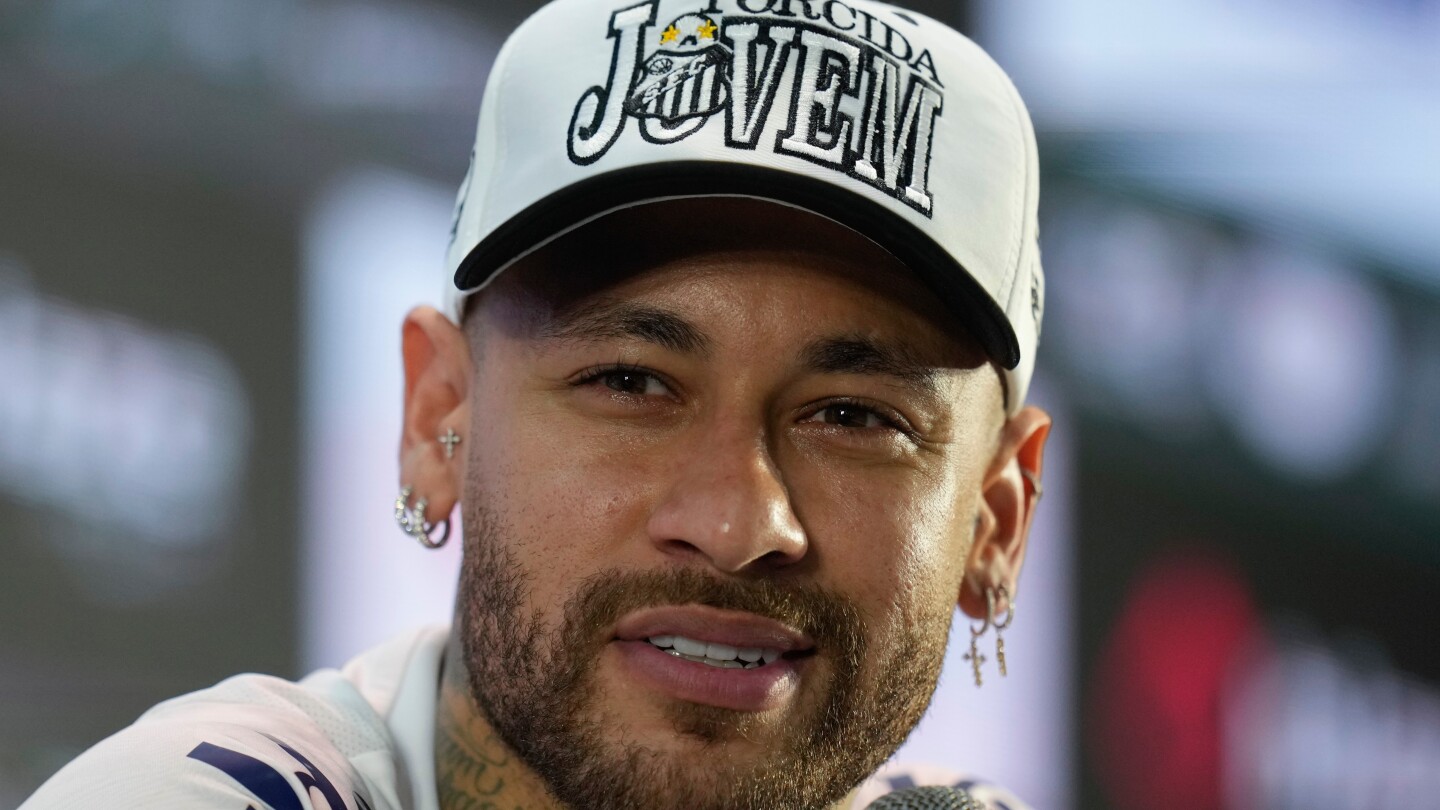
    Brazilian football star Neymar has successfully undergone minor arthroscopic surgery on his left knee, his current club Santos confirmed in a Monday announcement. The 33-year-old forward elected for the minimally invasive procedure to address persistent joint issues that have limited his playing time throughout the current season.

    Renowned orthopedic specialist Dr. Rodrigo Lasmar, who also serves as team physician for Brazil’s national squad, performed the surgery. The procedure represents the latest chapter in Neymar’s extended recovery journey since suffering a devastating ACL tear during World Cup qualifying in October 2023.

    Despite his physical challenges, Neymar remains publicly optimistic about his international future. During a recent musical event in São Paulo, the prolific scorer declared his ambition to not only compete in the upcoming World Cup but to net a goal in the championship match. He directly appealed to newly appointed Brazil coach Carlo Ancelotti, who assumed leadership in May but has yet to include Neymar in his selections.

    ‘We will do the impossible to bring this cup to Brazil,’ Neymar proclaimed to attendees. ‘In July, you can remind us of it. Hi, Ancelotti, helps us out!’

    The surgery comes after Neymar’s emotional return to his formative club Santos in January. Despite his limited availability, appearing in just 19 of 38 Serie A matches since the season commenced in April, he managed eight crucial goals. His late-season contributions proved particularly valuable, helping Santos narrowly avoid relegation in the tournament’s final rounds.

  • Ecuadorean soldiers found guilty of forced disappearance of boys

    Ecuadorean soldiers found guilty of forced disappearance of boys

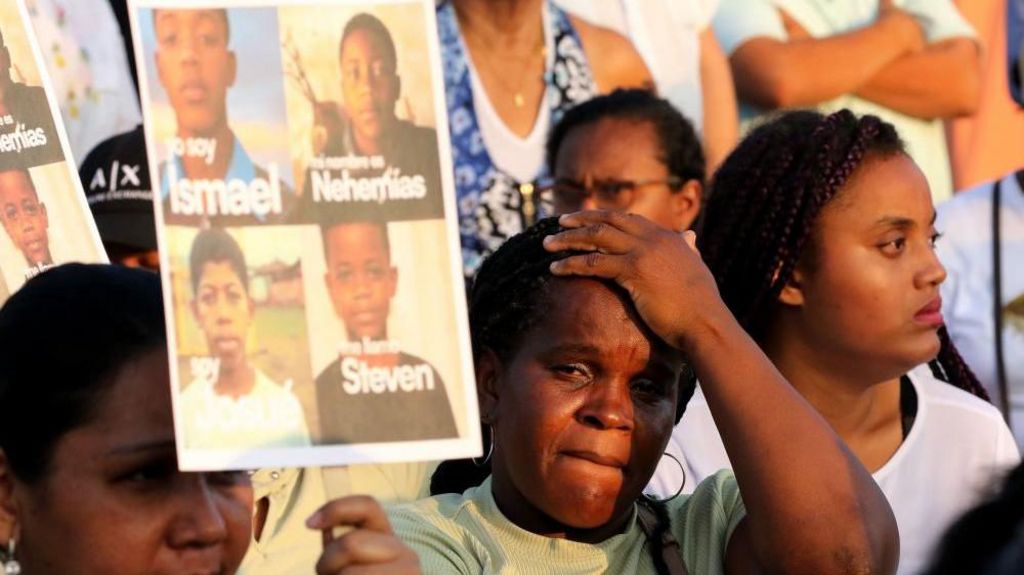
    In a landmark judicial ruling that has captured national attention, an Ecuadorian court has delivered severe sentences to military personnel convicted in the forced disappearance and subsequent deaths of four minors. Eleven soldiers received prison terms of 34 years and eight months each for their involvement in the 2023 incident that resulted in the tragic deaths of Nehemías Arboleda (15), Steven Medina (11), and brothers Ismael (15) and Josué Arroyo (14).

    The case unfolded in Guayaquil, where the boys were apprehended by a military patrol while returning from a football game. Judicial investigations revealed that the soldiers forcibly removed the children’s clothing, subjected them to physical abuse and racist taunts, and abandoned them naked in a perilous, isolated area. Despite one victim managing to contact his father, the boys had vanished by the time assistance arrived. Their brutally beaten and charred remains were discovered days later near a military installation.

    Of the seventeen defendants initially charged, five received reduced sentences of two and a half years for cooperating with prosecutors, while a lieutenant-colonel was acquitted entirely. The court dismissed the defense’s claim that the soldiers bore no responsibility since the victims were alive when abandoned, instead ruling that the deliberate placement in a hazardous environment directly caused their deaths.

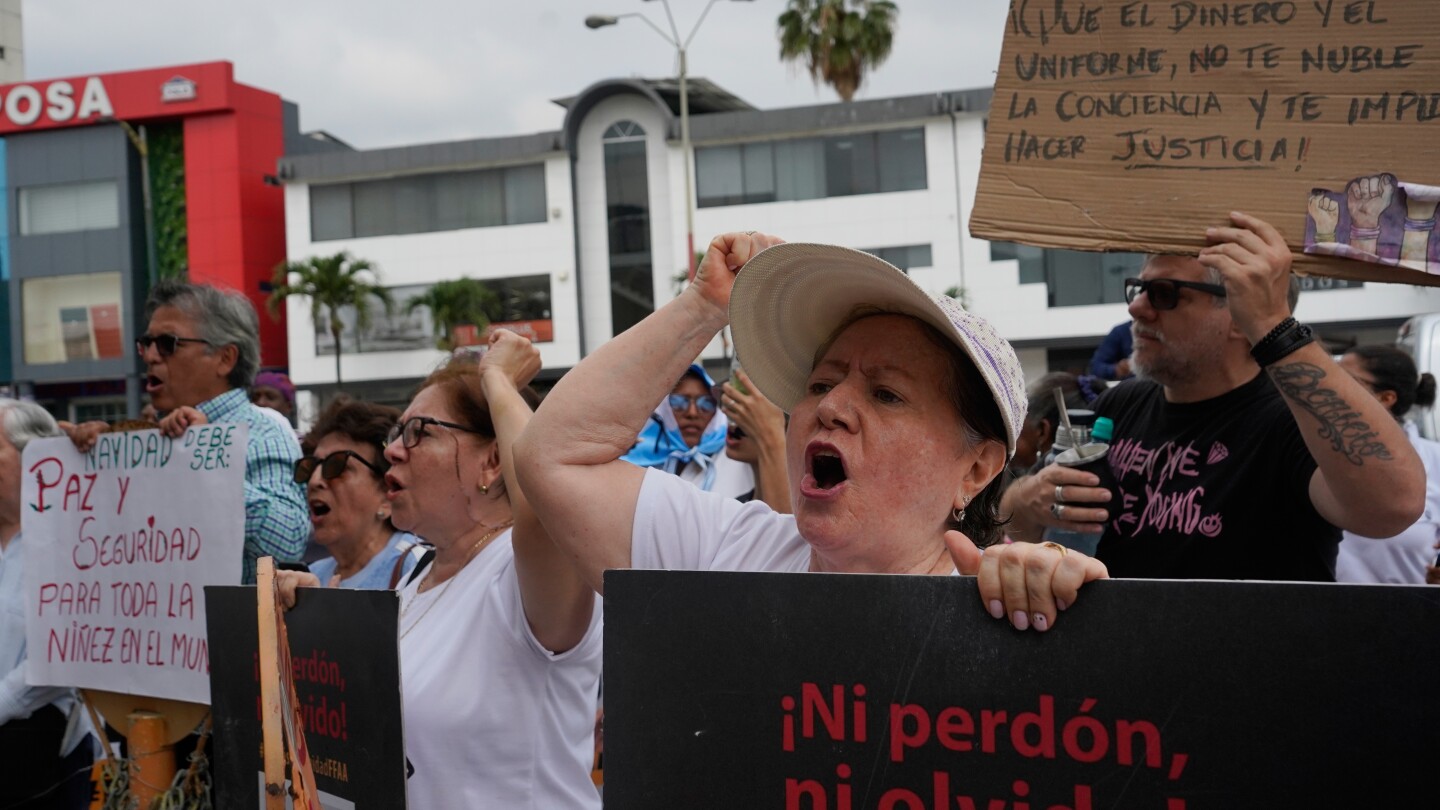
    Presiding Judge Rodríguez delivered a sweeping verdict that condemned the actions as ‘a state crime’ against innocent civilians. The ruling mandates official apologies to the victims’ families, the installation of a commemorative plaque, and compulsory human rights training for all military personnel. The case has sparked intense scrutiny of Ecuador’s ongoing militarized campaign against drug cartels and organized crime, which has significantly expanded military powers amid escalating violence nationwide.

    The victims, collectively known as ‘The Malvinas Four’ after their neighborhood, have become symbols of both institutional accountability and the human cost of Ecuador’s security crisis. While the judgment identifies the military patrol as responsible for the disappearances and subsequent deaths, investigations continue into the unidentified parties who burned the victims’ remains.

  • Ecuadorian court hands down max sentences to 11 soldiers in case of 4 disappeared minors

    Ecuadorian court hands down max sentences to 11 soldiers in case of 4 disappeared minors

    An Ecuadorian court has delivered landmark sentences against eleven military personnel for the abduction and torture of four children, marking a significant moment in the nation’s ongoing struggle with security forces accountability. The soldiers received 34-year prison terms for the forced disappearance of the victims—brothers Ismael and Josué Arroyo, along with their friends Saúl Arboleda and Steven Medina, aged 11 to 15—whose charred remains were discovered near a Guayaquil military base in December 2024.

    The case emerged when the children failed to return from a soccer match in the port city of Guayaquil on December 8, 2024. Security footage later revealed military patrols detaining the children and forcing them into a pickup truck. Initially, the military claimed drug gangs were responsible for the killings, but Judge José Suárez’s investigation determined that soldiers executed the children ‘in a cruel fashion’ after subjecting them to brutal beatings with rifles and forced labor.

    The ruling mandates each convicted soldier to pay $10,000 in reparations to the victims’ families and issue public apologies. Additionally, the military must conduct a formal ceremony acknowledging institutional responsibility and install a memorial plaque at the involved base. Five cooperating soldiers received reduced sentences of 2.5 years.

    This case occurs amid President Daniel Noboa’s controversial militarization initiative, launched in January 2024 to combat Ecuador’s spiraling drug violence. While homicide rates have tripled since 2021 due to gang conflicts over cocaine smuggling routes, human rights organizations have documented widespread abuses by security forces, including extrajudicial killings and mass arbitrary detentions.

    The Defense Ministry stated it would comply with the court’s decision, affirming ‘respect for the law.’ The convicted soldiers will face separate murder trials next year.

  • Trump holds an event with Rubio and Hegseth during vacation as tensions with Venezuela mount

    Trump holds an event with Rubio and Hegseth during vacation as tensions with Venezuela mount

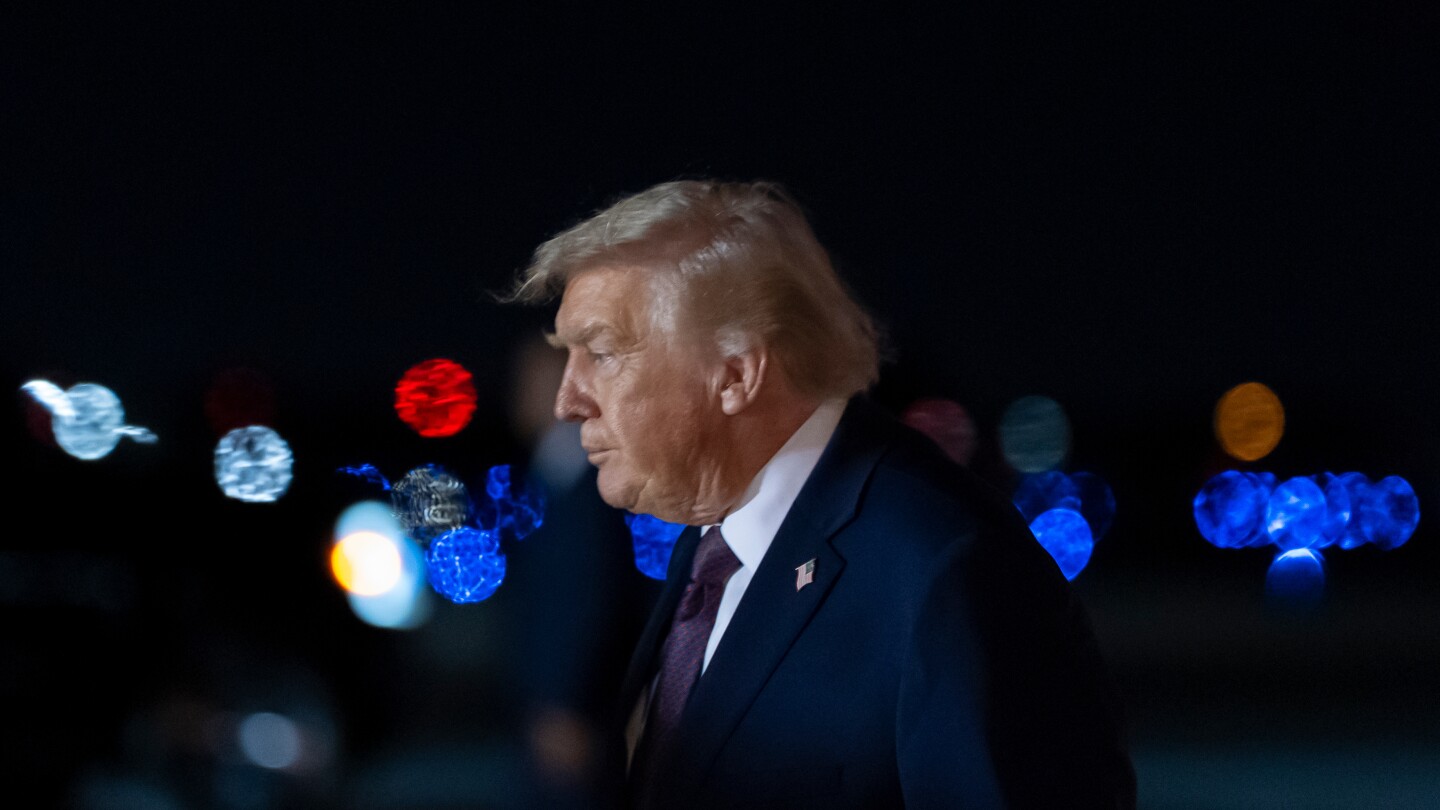
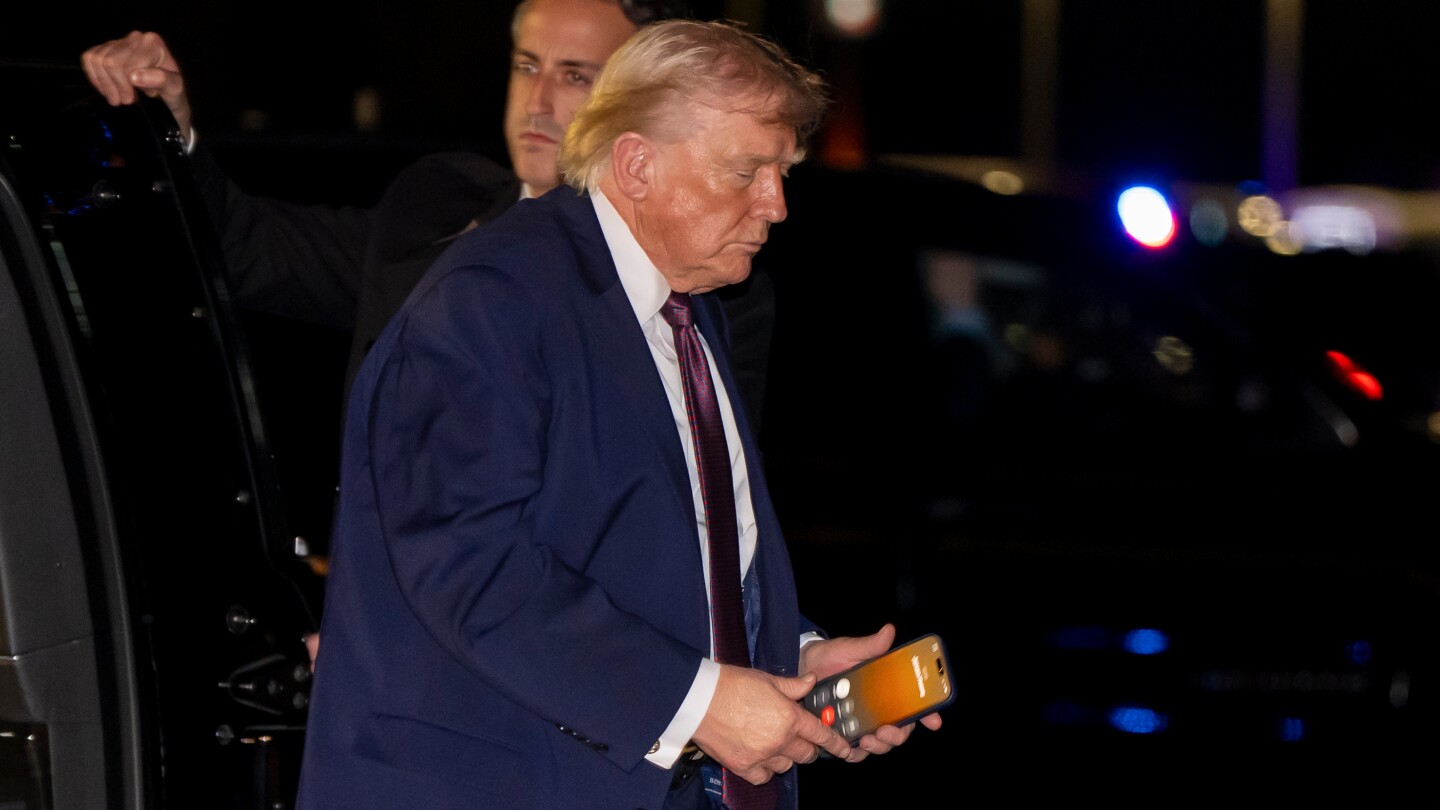
    WEST PALM BEACH, Fla. — President Donald Trump convened a high-level national security briefing at his Mar-a-Lago resort on Monday amid significant escalations in U.S. operations targeting Venezuelan oil shipments. The meeting included Secretary of State Marco Rubio, Defense Secretary Pete Hegseth, and Navy Secretary John Phelan, with the White House hinting at an impending “major announcement” regarding naval initiatives.

    The gathering occurs as U.S. Coast Guard and Navy forces intensify interdiction efforts against sanctioned oil tankers in the Caribbean Sea. According to an unnamed White House official, these operations target Venezuela’s “dark fleet”—vessels operating with false flags and judicial seizure orders to circumvent U.S. sanctions. This marks the third such pursuit in recent weeks, following the seizures of the Panama-flagged tanker ‘Centuries’ on Saturday and the sanctioned vessel ‘Skipper’ on December 10.

    Concurrently, European intelligence sources report that Russia’s Foreign Ministry has begun evacuating families of diplomats from Venezuela, describing the situation in “very grim tones.” This development suggests growing international concern over the escalating pressure campaign.

    The administration’s strategy has evolved from its initial focus on curbing drug trafficking to a broader coercive effort against Nicolás Maduro’s government. President Trump has repeatedly asserted that Maduro’s tenure is nearing its end and recently demanded the return of assets seized from U.S. oil companies, justifying what he termed a “blockade” against Venezuelan-bound tankers.

    Meanwhile, the Defense Department continues its controversial counter-narcotics operations in the Caribbean and eastern Pacific, conducting at least 28 known strikes since September that have resulted in 104 fatalities. These actions face mounting criticism from lawmakers and human rights advocates who question the evidence behind targeting decisions and raise concerns about extrajudicial killings.

  • Coast Guard is pursuing another tanker helping Venezuela skirt sanctions, US official says

    Coast Guard is pursuing another tanker helping Venezuela skirt sanctions, US official says

    The United States Coast Guard has initiated pursuit operations against another sanctioned oil tanker in Caribbean waters, marking the latest escalation in the Trump administration’s intensified campaign targeting Venezuelan energy shipments. This development follows Saturday’s predawn seizure of the Panama-flagged tanker ‘Centuries,’ which authorities identified as operating under false registration as part of Venezuela’s shadow fleet for illicit oil transportation.

    According to a U.S. official familiar with the ongoing operation, Sunday’s pursuit involves a sanctioned vessel from the ‘dark fleet’ that facilitates Venezuela’s sanctions evasion efforts. The official, speaking anonymously due to operational sensitivities, confirmed the target vessel was flying false colors and subject to a judicial seizure order. This represents the third such action in under two weeks, following the December 10th interception of the unflagged tanker ‘Skipper’ with U.S. Navy support.

    The maritime enforcement surge coincides with President Trump’s increasingly confrontational rhetoric toward Venezuelan leader Nicolás Maduro. Trump has vowed to implement a full naval ‘blockade’ against Venezuela and warned that Maduro’s tenure faces imminent conclusion. Administration officials justify these measures as necessary to recover assets seized from American oil companies during Venezuela’s industry nationalization, citing a 2014 international arbitration ruling that ordered $1.6 billion in compensation to ExxonMobil.

    These interdiction operations form part of broader regional security initiatives that include narcotics enforcement. Since September, the Defense Department has conducted at least 28 documented strikes against vessels suspected of smuggling fentanyl and other illegal drugs through Caribbean and Eastern Pacific corridors, resulting in over 100 casualties. The coordinated maritime strategy reflects the administration’s multi-front approach to pressuring Venezuela’s socialist government while combating transnational narcotics trafficking.