标签: South America

南美洲

  • Brazil floods: ‘I saw people trapped in their homes crying for help’

    Brazil floods: ‘I saw people trapped in their homes crying for help’

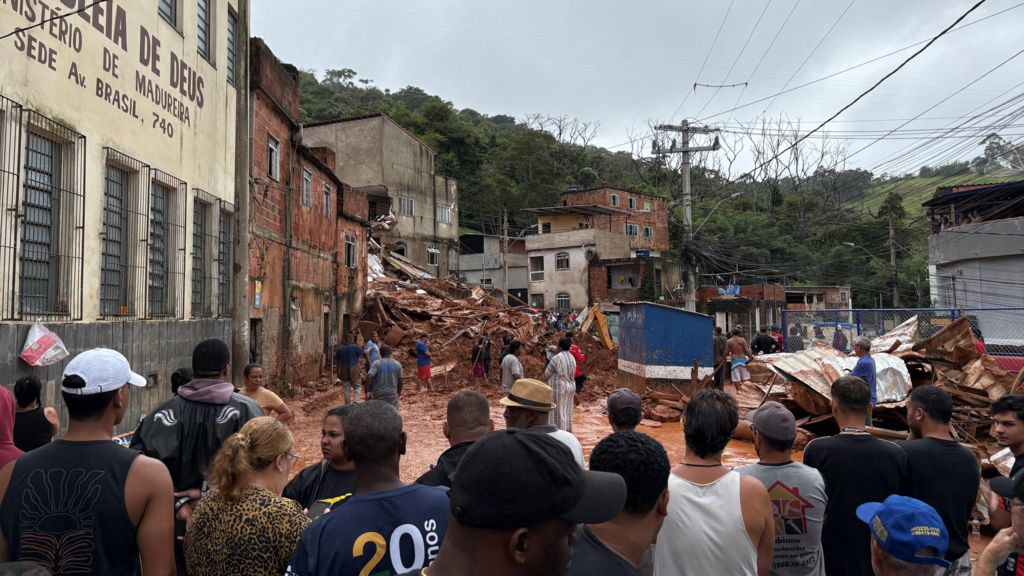
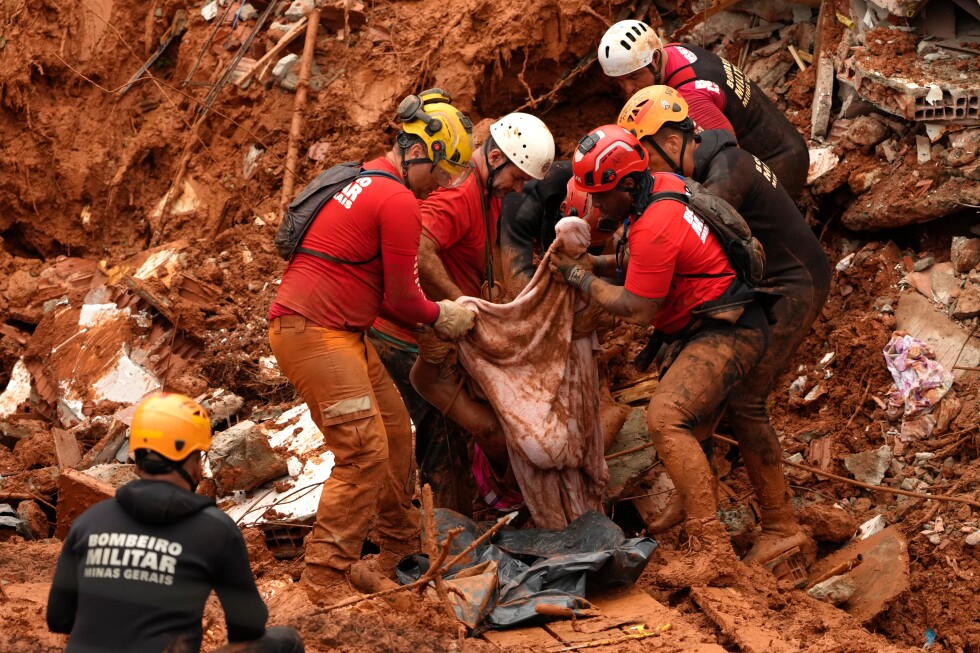
    Brazil’s southeastern state of Minas Gerais faces a mounting humanitarian crisis following torrential rainfall that triggered devastating floods and lethal landslides. Official reports confirm at least 32 fatalities, with rescue teams urgently searching for 38 individuals still missing amid the wreckage.

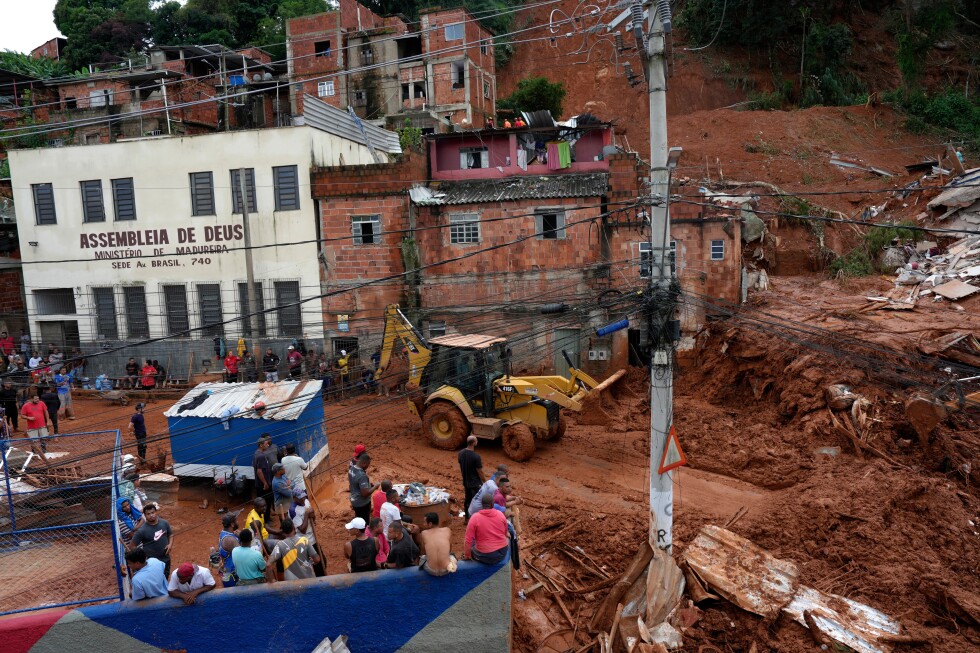
    The municipalities of Juiz de Fora and Ubá suffered the most severe impacts. In Juiz de Fora, entire neighborhoods vanished as mudslides swept away 12 residences. Ubá experienced catastrophic river overflow that submerged entire districts within minutes, with water levels rising at alarming speed according to local accounts.

    Meteorological data reveals extraordinary precipitation levels, with February’s rainfall already doubling the historical average for the region. Forecasters warn additional storms approaching in coming days could hamper rescue operations and exacerbate the situation.

    Eyewitness Lucas Gandra described the rapid escalation: ‘By 00:07 the water was overflowing and within twenty minutes it was causing enormous damage.’ The city, located 300km north of Rio de Janeiro, had experienced previous flooding in 2019 and 2020, but residents unanimously describe the current disaster as unprecedented in severity.

    Tragic accounts emerge of residents trapped in homes pleading for assistance as waters rose, with some victims reportedly perishing while attempting to rescue others. Over 200 people have been successfully evacuated by emergency services according to fire department statistics.

    Dentist Carolina Magalhães documented the surreal scene as floodwaters carried everything from household appliances to commercial vehicles through streets transformed into raging rivers. ‘First it was rubbish, then a freezer, a chair, motorbikes, lots of gas cylinders until even a van and a lorry floated past,’ she recounted.

    As waters recede, residents confront overwhelming destruction. Doctor Marcela Barbosa described Ubá as ‘unrecognizable’ with properties blanketed in thick mud and near-total infrastructure damage. Despite the devastation, community solidarity shines through as survivors coordinate cleanup efforts and support displaced neighbors.

    Temporary shelters are being established to accommodate thousands rendered homeless, while emergency crews continue their search operations in hazardous conditions complicated by unstable terrain and forecasted continued rainfall.
  • Floods ravage Minas Gerais, killing 36 as rescuers race to find dozens missing

    Floods ravage Minas Gerais, killing 36 as rescuers race to find dozens missing

    A catastrophic flooding event continues to unfold in southeastern Brazil’s Minas Gerais state, where torrential rains have claimed at least 36 lives and left dozens missing. Rescue operations persist under urgent conditions as meteorological forecasts predict additional precipitation in the coming days.

    The devastating impact has been concentrated in the municipalities of Juiz de Fora and Uba, located approximately 310 kilometers north of Rio de Janeiro. According to the latest figures from Minas Gerais fire authorities, 33 individuals remain unaccounted for while approximately 3,000 residents have been forcibly evacuated from their homes due to rising waters and landslide threats.

    Juiz de Fora, a urban center of 560,000 inhabitants, has been transformed into a landscape of mud-covered thoroughfares and destabilized terrain. Neighboring Uba, with its population of 107,000, has seen complete suspension of normal activities, including educational services which have been halted in both municipalities.

    Municipal authorities in Juiz de Fora reported that the region has experienced double the average February rainfall, triggering at least 20 separate landslide incidents since the precipitation began on Monday evening. Approximately 600 families residing in high-risk zones are being transferred to emergency shelters established in local educational facilities.

    The federal government has mobilized national resources in response to the emergency. President Luiz Inácio Lula da Silva confirmed via official communications that security forces have been deployed for search and rescue operations while medical teams have been dispatched to assist affected communities in the topographically vulnerable region characterized by hills, valleys, slopes.

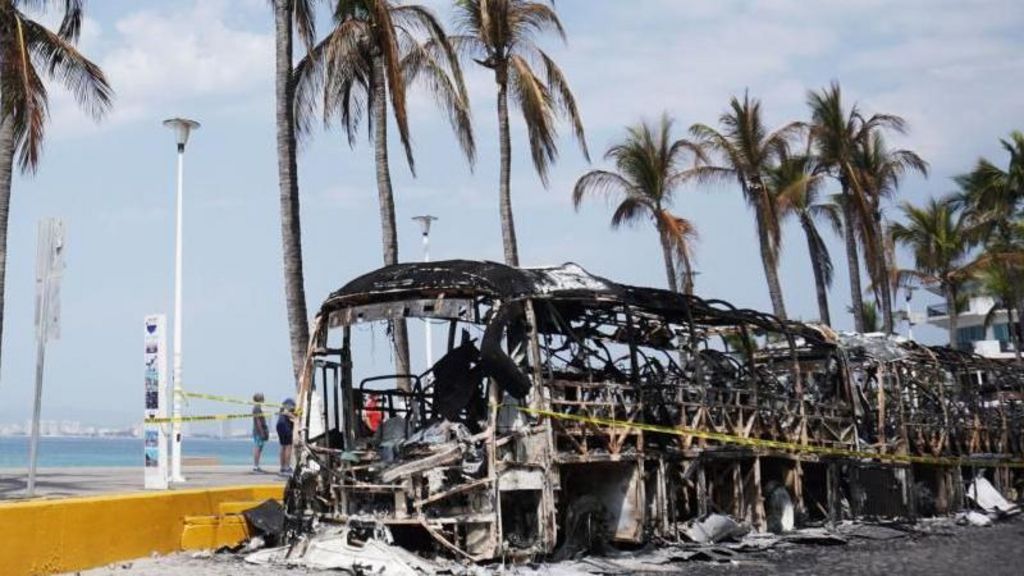
  • BBC sees damage in Puerto Vallarta after Mexican cartel violence

    BBC sees damage in Puerto Vallarta after Mexican cartel violence

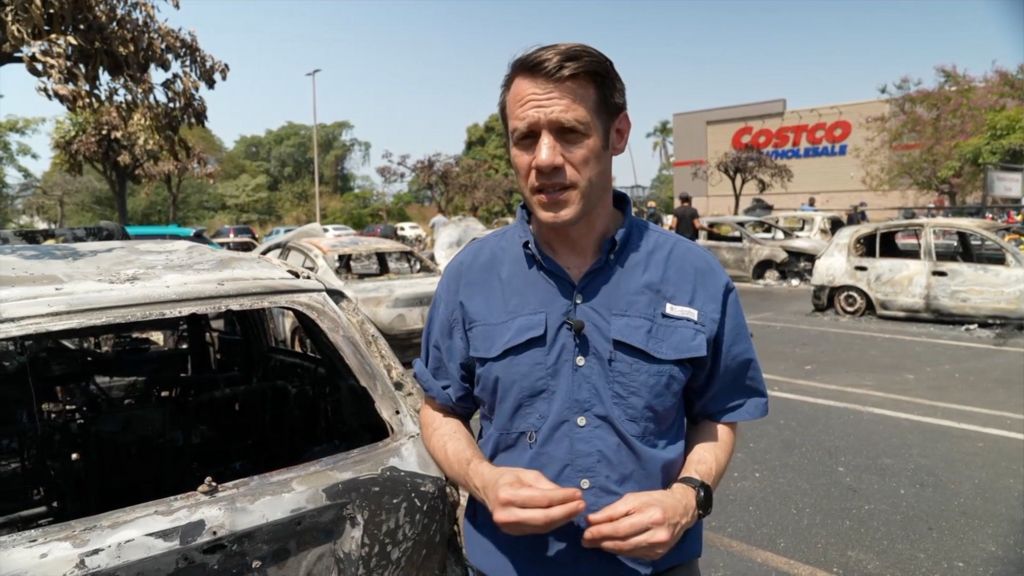
    The popular Mexican coastal resort of Puerto Vallarta is undergoing damage assessment following a recent outbreak of cartel-related violence. BBC correspondent Will Grant conducted a firsthand inspection of the affected areas, documenting the physical and psychological impact on this tourist-dependent community.

    Grant’s reporting reveals a stark contrast between the town’s international reputation as a vacation paradise and the current reality of violence-scarred streets. The assessment follows intense clashes between rival cartel factions that disrupted the normally tranquil atmosphere of this Pacific coast destination.

    Local authorities have intensified security measures while business owners and residents evaluate the economic consequences of the security incident. The timing proves particularly damaging as Puerto Vallarta typically experiences high tourist traffic during this season. Restoration efforts are underway, though the psychological impact on both visitors and residents may prove more lasting than physical repairs.

    This incident represents another challenge for Mexico’s tourism industry, which contributes significantly to the national economy yet remains vulnerable to security issues in various regions. The Mexican government faces ongoing difficulties in balancing tourist security with complex cartel dynamics that occasionally spill into resort areas.

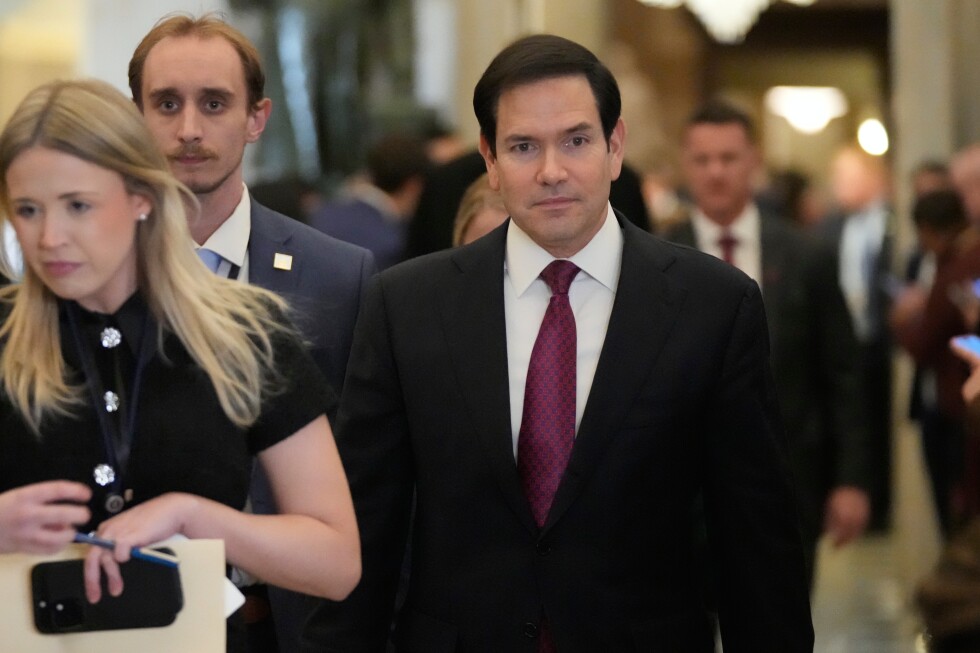
  • Rubio flies into the Caribbean for talks with leaders unsettled by Trump policies

    Rubio flies into the Caribbean for talks with leaders unsettled by Trump policies

    U.S. Secretary of State Marco Rubio arrived in St. Kitts and Nevis on Wednesday for high-stakes discussions with Caribbean Community (CARICOM) leaders, marking a pivotal moment in regional diplomacy. The visit follows a series of aggressive Trump administration policies that have created widespread uncertainty among Caribbean nations.

    The diplomatic mission comes precisely one month after President Trump ordered the military capture of Venezuela’s former leader Nicolás Maduro, whom Trump hailed during his State of the Union address as “an absolutely colossal victory for United States security.” This operation forms part of a broader strategy that includes intensified anti-narcotics operations, increased pressure on Cuba, and a renewed assertion of the Monroe Doctrine principles to ensure Western Hemisphere dominance.

    Caribbean leaders expressed deep concerns about shifting U.S. policies during the CARICOM summit opening. Terrance Drew, Prime Minister of St. Kitts and Nevis and current CARICOM chair, noted that the region “stands at a decisive hour” amid global order transformations, uncertain supply chains, and intensifying climate shocks.

    The administration’s demands for accepting third-country deportees, rejecting Cuban medical missions, and cooling relations with China have particularly troubled regional partners. Godwin Friday, newly elected Prime Minister of St. Vincent and the Grenadines, echoed European leaders’ apprehensions, stating that international rules “have changed in troubling ways.”

    Jamaican Prime Minister Andrew Holness emphasized the Cuba situation’s regional implications, warning that “a prolonged crisis in Cuba will not remain confined to Cuba” but would affect migration, security, and economic stability throughout the Caribbean basin. While affirming Jamaica’s support for democracy, Holness advocated for “constructive dialogue between Cuba and the U.S. aimed at de-escalation, reform and stability.”

    The U.S. State Department indicated Rubio would discuss regional security, stability, and economic growth in both group and bilateral meetings. Meanwhile, Caribbean leaders planned to address additional concerns including security, climate financing, reparations, and single market economy development.

    Background operations include U.S. drug interdiction efforts that have resulted in 151 fatalities since September, though evidence of drug smuggling remains undisclosed. Trinidad and Tobago’s Prime Minister Kamla Persad-Bissessar notably praised these operations, thanking Trump and Rubio for “standing firm against narcotrafficking.”

    Humanitarian concerns emerged regarding Cuba’s recovery from Hurricane Melissa, with U.N. officials citing the U.S. oil embargo as hindering aid distribution. The energy blockade and fuel shortages reportedly affect “the entire logistics chain” of recovery operations throughout the island nation.

  • Threat of further violence looms after Mexican cartel rampage

    Threat of further violence looms after Mexican cartel rampage

    GUADALAJARA, Mexico – The aftermath of a coordinated cartel assault continues to haunt Mexico’s western Jalisco state, where charred vehicle carcasses and scorched asphalt bear witness to Sunday’s eruption of violence. The Jalisco New Generation Cartel (CJNG), among Mexico’s most formidable criminal syndicates, orchestrated this display of force in retaliation for the killing of their leader, Nemesio “El Mencho” Oseguera.

    The systematic torching of vehicles and looting of convenience stores served as a stark demonstration of the cartel’s operational capacity and its intent to maintain dominance regardless of leadership decapitation. This calculated spectacle of chaos successfully instilled widespread fear across urban centers, challenging governmental authority and disrupting civilian life.

    President Claudia Sheinbaum’s administration has attempted to project control, emphasizing the restoration of “peace and tranquillity” during daily briefings while deploying military and police convoys throughout Guadalajara. Despite these visible security measures, public apprehension persists, evidenced by unusually empty streets, shuttered businesses, and closed educational institutions as residents adopt precautionary measures.

    Amid the tension, local entrepreneur Anwar Montoya defied the climate of fear by reopening his Severo café. “We’re a new business and I have a lot of things to pay for,” Montoya explained, acknowledging the previous day’s events as “strange and difficult” while hoping his establishment might provide a safe haven for the community. His café attracted patrons including left-wing parliamentarian Mariana Casillas, who criticized both the cartel violence and what she characterizes as the government’s inadequate response.

    Casillas contextualized the crisis within Mexico’s two-decade-long drug war, noting that Sunday’s violence represented an intensified manifestation of persistent patterns rather than an isolated incident. She argues that the government’s continued focus on high-profile leader extraction fails to address root causes including systemic violence, poverty, and forced recruitment that sustain cartel operations.

    Security analysts echo these concerns, with Insight Crime managing editor Deborah Bonello observing that leadership decapitation strategies consistently trigger violent power struggles within criminal organizations. “When you take out a major leader, there’s a detonation of a struggle to take control in that vacuum,” Bonello noted, predicting intensified conflict in various regions.

    This security crisis emerges as Guadalajara prepares to host World Cup matches in June, raising international concerns about spectator safety. While FIFA President Gianni Infantino expressed being “very reassured” about security preparations and Mexican officials guarantee fan protection, local skepticism remains profound. Montoya questioned the city’s readiness, stating “I don’t think this is a safe place for the World Cup,” while Casillas emphasized that residents prioritize basic security, clean water, and locating disappeared relatives over international sporting events.

    The unfolding situation underscores Mexico’s complex security challenges as the government balances international commitments against domestic crises, with the upcoming tournament presenting both an opportunity for global prestige and a potential flashpoint for further violence.

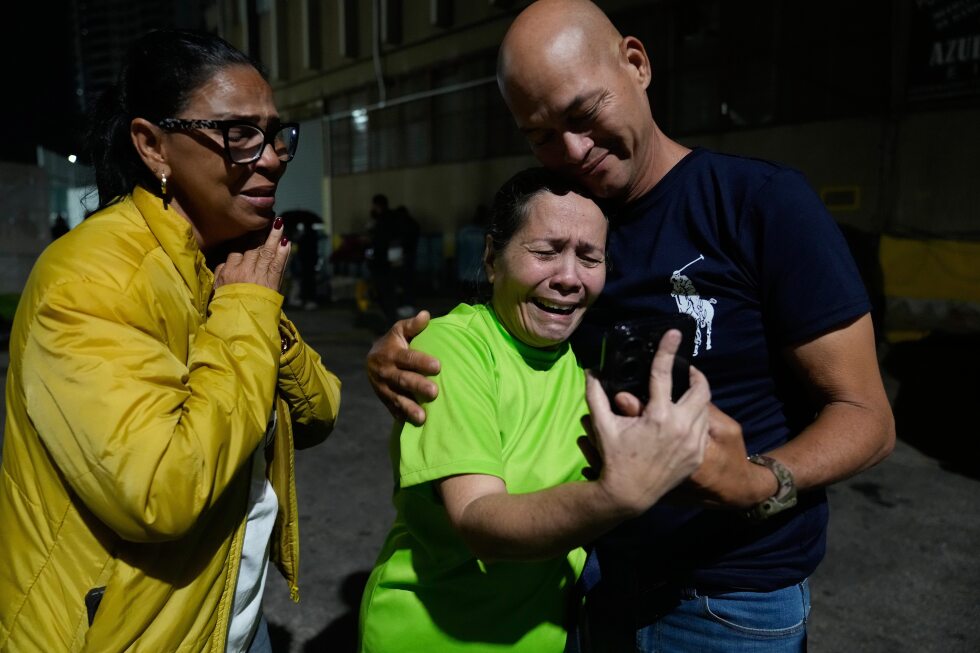
  • Venezuela says more than 3,200 people have been fully released since Amnesty Law took effect

    Venezuela says more than 3,200 people have been fully released since Amnesty Law took effect

    CARACAS, Venezuela — Venezuela’s National Assembly has reported significant progress in its prisoner release initiative, with more than 3,200 individuals granted full freedom since the implementation of the Amnesty Law last week. The announcement came Tuesday from a special commission overseeing the program’s execution.

    Commission leader Jorge Arreaza disclosed during a press briefing that authorities have received 4,203 applications for amnesty consideration. After thorough evaluation, 3,052 people previously under house arrest or restrictive measures have obtained complete liberty, while an additional 179 detainees have been released from correctional facilities.

    The amnesty program, initiated following the January 3rd transition of power from former President Nicolás Maduro, represents the new administration’s commitment to addressing prisoner rights. However, the legislation contains specific exclusions, barring clemency for those convicted of homicide, drug trafficking, military rebellion, or severe human rights violations.

    Despite the government’s reported numbers, independent monitoring organizations present contrasting figures. The Venezuela-based Foro Penal, a prisoners’ rights advocacy group, claims to have verified only 91 “political releases” since the law took effect on February 20. The organization has formally requested review of 232 cases currently excluded from amnesty considerations and estimates nearly 600 individuals remain in detention.

    Relatives of affected individuals and human rights watchdogs have expressed concerns regarding the pace of releases and the restrictive conditions imposed on many beneficiaries after leaving prison. These discrepancies highlight ongoing tensions between governmental transparency and independent verification in Venezuela’s judicial reform efforts.

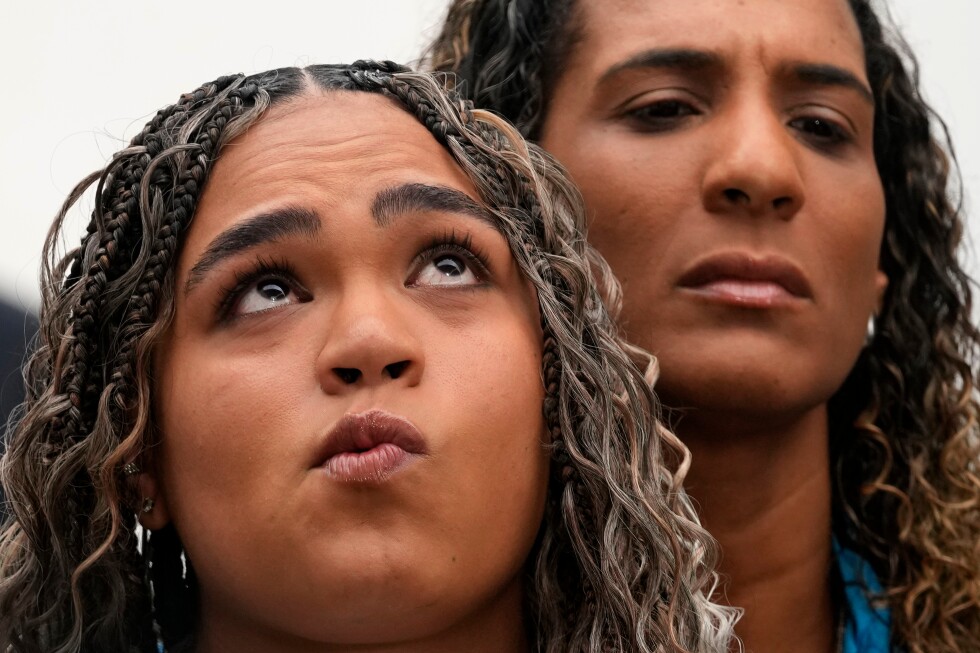
  • Brazil’s Supreme Court begins trial of suspects in Rio councilwoman Marielle Franco killing

    Brazil’s Supreme Court begins trial of suspects in Rio councilwoman Marielle Franco killing

    Brazil’s Supreme Court commenced a historic trial on Tuesday for the high-profile 2018 assassination of Rio de Janeiro councilwoman Marielle Franco and her driver Anderson Gomes. The proceedings mark a pivotal moment in a case that transformed Franco—a Black, bisexual human rights advocate for marginalized communities—into an international symbol of political resistance.

    A five-judge panel will adjudicate charges against five defendants: former congressman Chiquinho Brazão; his brother Domingos Brazão, who served on a Rio government watchdog body; their assistant Robson Calixto Fonseca; police investigator Rivaldo Barbosa; and former police officer Ronald Paulo Alves Pereira. The Brazão brothers, arrested in 2024 as alleged masterminds, have been connected to vigilante militia groups that frequently clashed with Franco’s advocacy work.

    Prosecutorial evidence relies substantially on plea bargain testimonies from former police officers Ronnie Lessa and Élcio Queiroz, who received 78 and 59-year sentences respectively in October 2024 for their direct roles in the drive-by shooting. Investigations suggest the murder was motivated by Franco’s legislative efforts to regulate public housing land—a proposal that allegedly angered Chiquinho Brazão during their simultaneous tenure on the city council.

    The trial commenced with Justice Alexandre de Moraes presenting a case summary, followed by statements from the Attorney General’s office and defense lawyers. A verdict from the judicial panel is anticipated between Tuesday evening and Wednesday morning.

    Despite the trial’s significance, crime expert Chico Otávio, author of a book on Franco’s killing, cautioned that convictions would represent merely symbolic victory rather than substantive progress against Brazil’s powerful militia groups. Meanwhile, United Nations experts issued statements calling for transparent proceedings and comprehensive justice, while Anielle Franco—Marielle’s sister and Brazil’s current racial equality minister—emphasized the trial’s critical importance for strengthening Brazilian democracy against patterns of violence, racism, and misogyny.

  • Floods and landslides in Brazil kill at least 20

    Floods and landslides in Brazil kill at least 20

    Southeastern Brazil is confronting a severe humanitarian crisis following torrential rainfall that triggered devastating floods and multiple landslides across Minas Gerais state on Monday evening. The catastrophic weather event has resulted in a confirmed death toll of at least 20 individuals, with rescue teams engaged in urgent operations to locate dozens more reported missing.

    The city of Juiz de Fora has borne the brunt of the disaster, accounting for 15 fatalities, while the neighboring municipality of Ubá reported six additional deaths. The intense precipitation caused significant structural damage, collapsing numerous homes and buildings overnight and leaving communities in ruins. In response to the scale of destruction, Brazilian President Luiz Inácio Lula da Silva has declared a ‘state of calamity’ for Juiz de Fora.

    President Lula expressed his profound condolences to bereaved families and those who have lost their homes, affirming via social media platform X that the federal government has been fully mobilized. He emphasized a dual focus on immediate humanitarian aid and subsequent reconstruction, pledging to act with the ‘speed and force this moment requires.’

    The local impact is staggering, with preliminary estimates indicating approximately 440 people have been rendered either homeless or displaced in Juiz de Fora alone. Municipal authorities are providing temporary shelters and have issued a public appeal for essential donations, including water, non-perishable food, clothing, and hygiene products.

    Juiz de Fora Mayor Margarida Salomão characterized the event as the most tragic incident during her five-year tenure, announcing a three-day period of official mourning. She confirmed that children were among the victims, though detailed information regarding the identities of the deceased has not yet been released.

    Governor Romeu Zema of Minas Gerais echoed sentiments of solidarity with affected families, describing the situation as a ‘sad day’ for the state. Meteorological data reveals that the region is experiencing its wettest February on record, with rainfall totals already surpassing more than double the historical average for the entire month.

    The national meteorological institute has expanded its warnings, issuing a heavy rain alert for Minas Gerais, Rio de Janeiro, and twelve other Brazilian states. This disaster occurs during Brazil’s summer peak rainy season, a period frequently marked by severe thunderstorms, flooding, and landslides. The event draws parallels to the 2024 floods in Rio Grande do Sul, which resulted in 85 deaths and displaced roughly 150,000 residents, highlighting a recurring pattern of extreme weather devastation in the country.

  • Severe floods in southeast Brazil kill at least 25 and force hundreds to evacuate

    Severe floods in southeast Brazil kill at least 25 and force hundreds to evacuate

    SOUTHEASTERN BRAZIL — Catastrophic flooding has struck the state of Minas Gerais, Brazil, resulting in at least 25 confirmed fatalities and leaving 43 individuals unaccounted for, according to official statements released Tuesday. Meteorological authorities have issued warnings of additional rainfall expected to batter the region in the coming days, exacerbating an already critical situation.

    The devastating downpours commenced on Monday, primarily affecting the municipalities of Juiz de Fora and Uba, located approximately 310 kilometers north of Rio de Janeiro. The unprecedented rainfall volume, which local officials reported as double the anticipated February precipitation, triggered massive evacuations with approximately 440 residents forced to abandon their homes amid rapidly rising waters.

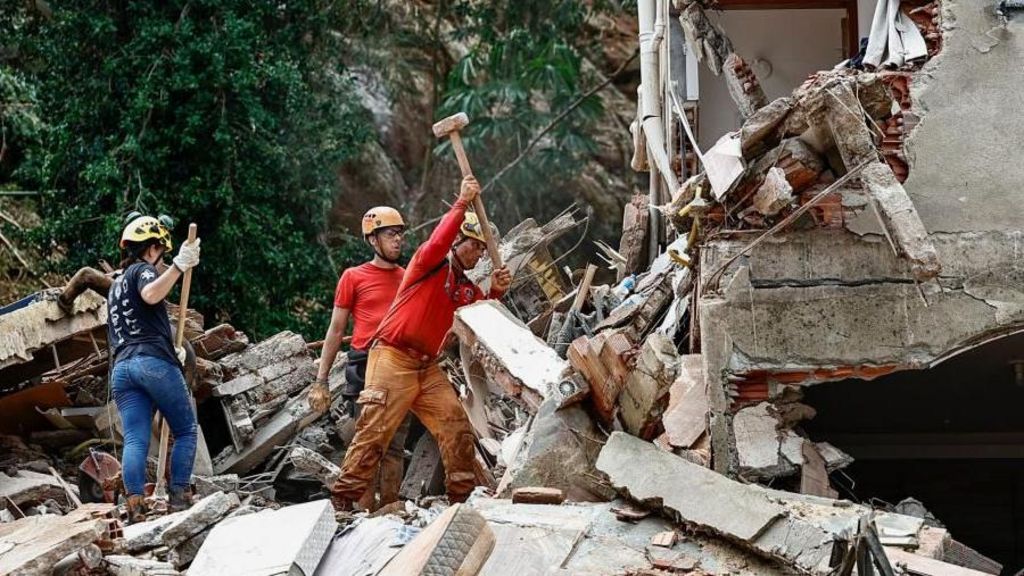
    Rescue operations led by Minas Gerais’ fire department are underway, though responders anticipate a protracted and meticulous search process. Firefighter Demetrius Bastos Goulart, 47, emphasized the challenges: “The enormous volume of mud from landslides requires extremely precise operations to avoid endangering potential survivors.”

    Urban infrastructure has been severely compromised, with viral footage from emergency services showing thoroughfares completely submerged and a local river dramatically diverting from its natural course. Authorities have urgently cautioned residents to avoid areas susceptible to additional mudslides.

    President Luiz Inácio Lula da Silva has publicly confirmed the deployment of security forces to assist with rescue missions and provide immediate aid to affected communities. The crisis response is further complicated by geographical factors, as Brazil’s meteorology institute Inmet noted the region’s proximity to hills, valleys, and slopes increases vulnerability to additional rainfall impacts.

    With Juiz de Fora’s population of 560,000 and neighboring Uba’s 107,000 residents facing ongoing threats, regional officials continue to monitor the situation closely as weather patterns show no immediate signs of improvement.

  • Mexico hunts 23 inmates sprung from jail during wave of violence

    Mexico hunts 23 inmates sprung from jail during wave of violence

    A coordinated wave of retaliatory violence orchestrated by the Jalisco New Generation Cartel (CJNG) has plunged multiple Mexican states into chaos following the confirmed death of its leader, Nemesio Oseguera Cervantes, alias “El Mencho.” The strategic resort city of Puerto Vallarta became a primary battleground where cartel operatives implemented road blockades, incinerated vehicles, and executed a brazen prison break.

    According to official reports, armed assailants utilized a vehicle to ram through prison gates in Puerto Vallarta, facilitating the escape of 23 inmates during the widespread unrest. The security apparatus across Jalisco state has initiated a multi-state manhunt for the fugitives, though authorities have not yet disclosed their identities or potential cartel affiliations.

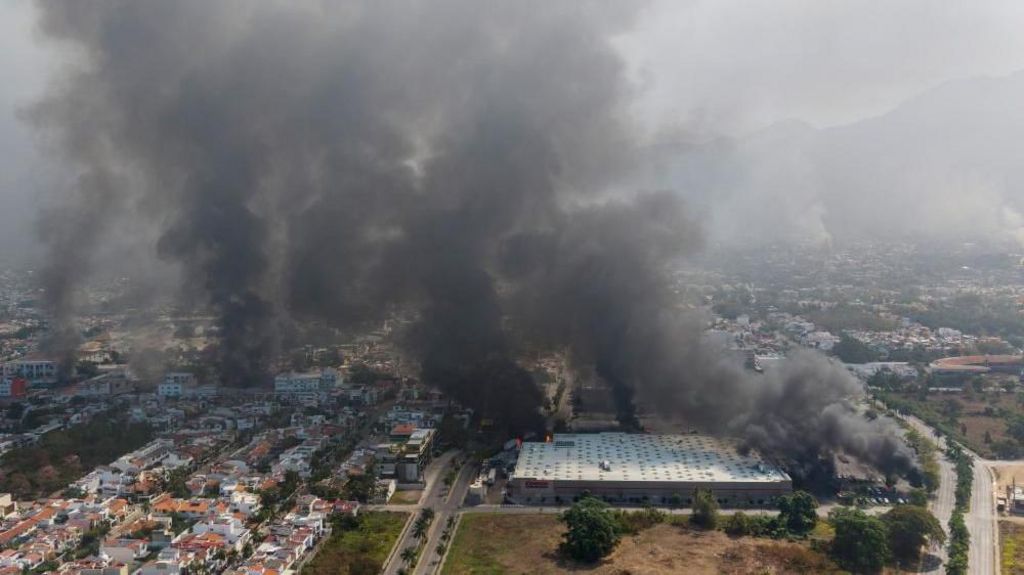
    The violence resulted in a devastating human toll, with over 70 casualties reported nationwide, including 25 members of Mexico’s National Guard. The tourist-oriented economy of Puerto Vallarta suffered immediate disruption as major airlines suspended flights and cruise lines canceled scheduled port calls. Residents and visitors received emergency shelter-in-place orders while thick black smoke from burning vehicles blanketed the resort landscape.

    El Mencho, who ranked as Mexico’s most-wanted criminal and carried a $15 million U.S. bounty for his capture, met his end during a special forces operation in Tapalpa, Jalisco. Defense officials revealed that intelligence from one of the drug lord’s romantic partners enabled authorities to locate him. A fatal firefight erupted between Cervantes’ security detail and Mexican forces during the apprehension operation, resulting in his subsequent death from sustained injuries.

    While the Mexican government reported successful clearance of most cartel-erected blockades by Monday, continued violence was documented in Morelia—El Mencho’s birthplace—where armed groups persisted in destroying property and terrorizing civilians.

    The CJNG, under El Mencho’s leadership, evolved into a formidable transnational criminal enterprise with operations extending beyond its Jalisco stronghold into numerous Mexican states. The organization has gained notoriety for its extreme brutality, frequent confrontations with security forces, and significant role in fentanyl trafficking that drew particular attention from the Trump administration.