标签: Oceania

大洋洲

  • ‘Test career over for now?’ – Ashes player ratings

    ‘Test career over for now?’ – Ashes player ratings

    In a decisive display of cricketing prowess, Australia has successfully retained the Ashes urn with a commanding 82-run victory over England in the third Test match at Adelaide. The win, achieved on December 21, 2025, propels the Australian team to an unassailable 3-0 series lead, marking their earliest Ashes retention in recent history.

    The match unfolded as a tale of contrasting performances, with Australia’s Travis Head emerging as a pivotal figure with his match-defining century in the second innings. His promotion to opener proved instrumental in extinguishing England’s fading hopes. Meanwhile, wicketkeeper Alex Carey continued his impressive series form, challenging Mitchell Starc for player-of-the-series honors despite a controversial first-innings reprieve.

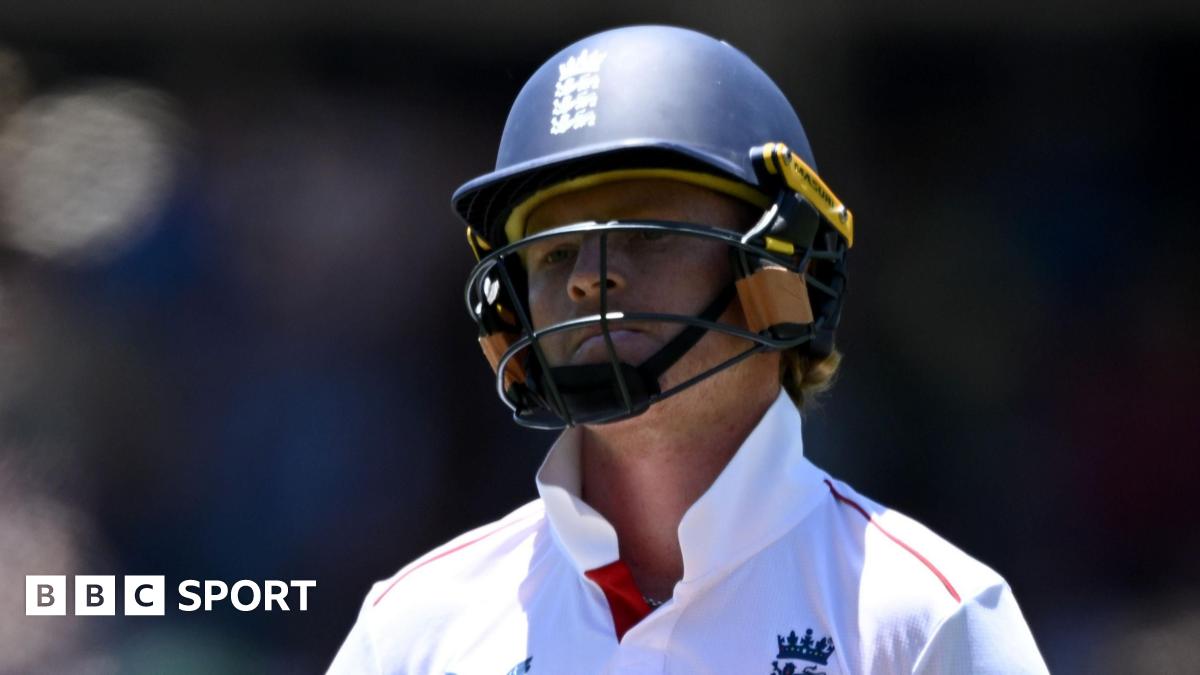
    England’s campaign suffered from inconsistent performances across the board. Ben Duckett’s unexpected form collapse at the top order and Ollie Pope’s continuing Ashes struggles (averaging just 17.6 in Ashes Tests) highlighted the visitors’ batting deficiencies. Only Jofra Archer delivered a standout performance for England, achieving his first Test half-century and a five-wicket haul after six years away from the format.

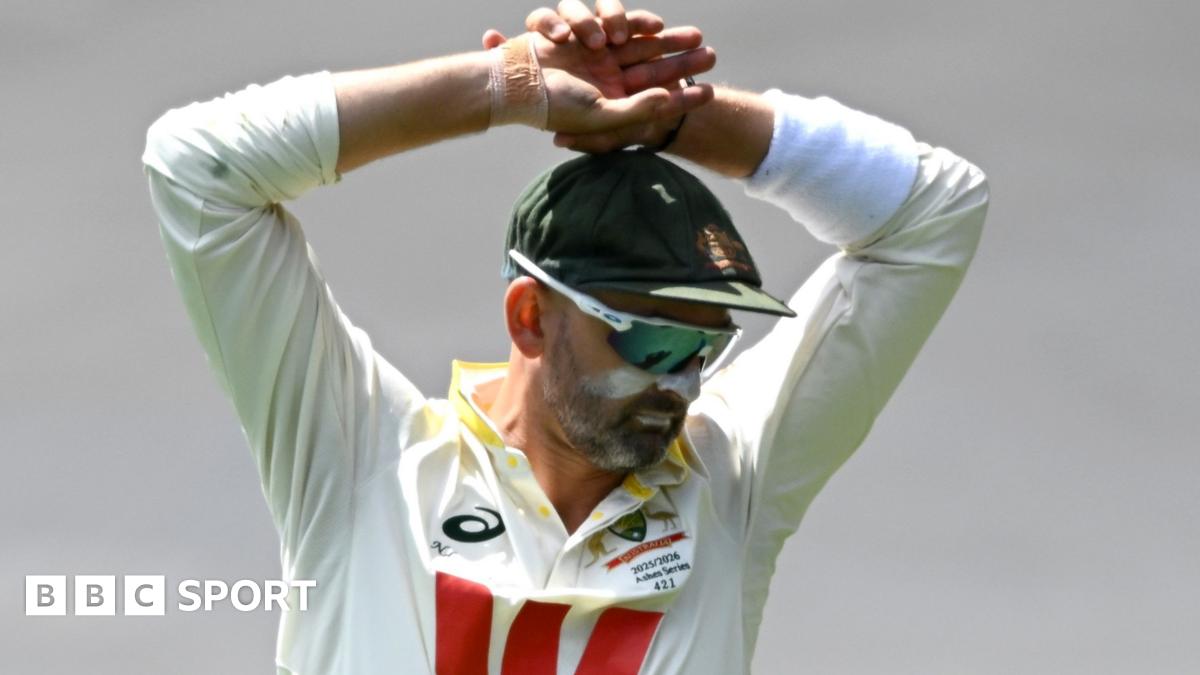
    Australian captain Pat Cummins made an immediate impact upon return, demonstrating relentless accuracy despite not bowling since July. The victory, however, came with concerns as veteran spinner Nathan Lyon hobbled off with a hamstring injury that could sideline him for the remainder of the series.

    The comprehensive defeat has sparked intense scrutiny of England’s ‘Bazball’ approach, with questions emerging about team selection, batting techniques, and leadership decisions. Captain Ben Stokes has expressed his desire to continue leading the team despite the series loss, though significant squad changes appear inevitable before the Melbourne Test.
  • England beaten to lose another Ashes in Australia

    England beaten to lose another Ashes in Australia

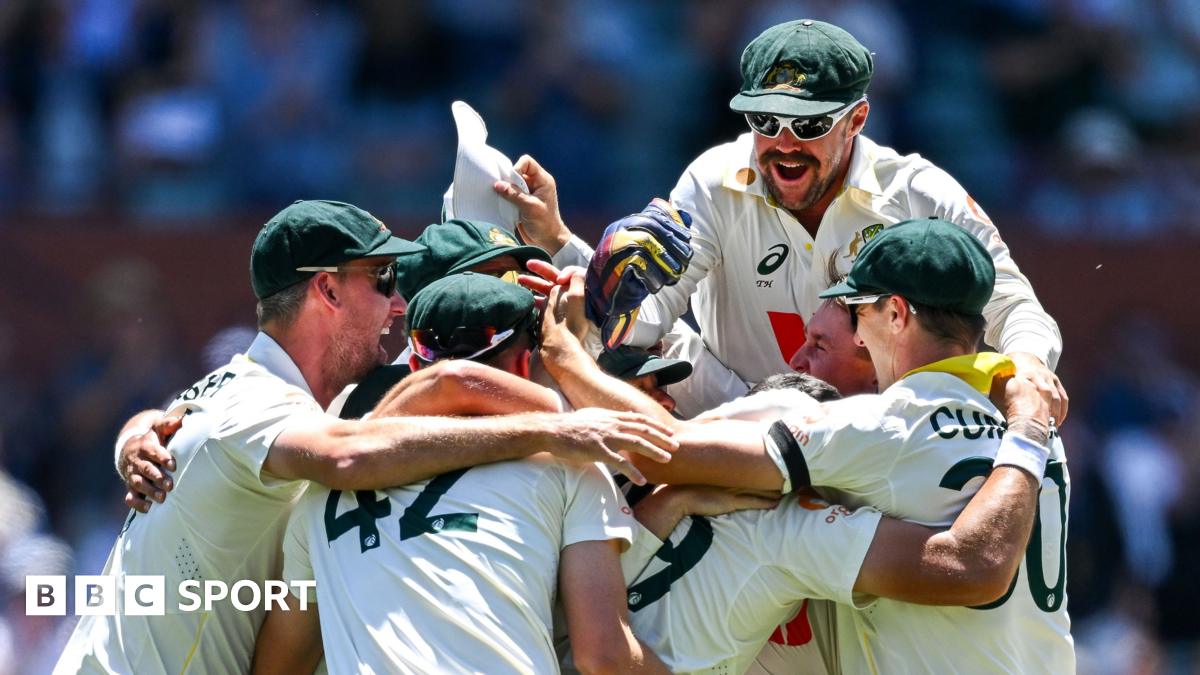
    ADELAIDE, Australia – Australia has emphatically retained cricket’s coveted Ashes urn, sealing a decisive 82-run victory over England in the third Test at Adelaide Oval. The win gives the hosts an unassailable 3-0 lead in the five-match series, extending England’s winless streak on Australian soil to a staggering 18 matches spanning 14 years.

    The final day’s play saw a brief English resistance led by Jamie Smith (60) and Will Jacks (47), but their efforts were ultimately in vain. The tourists, chasing a mammoth target, were bowled out for 352. The match-winning moment came when Josh Tongue edged Scott Boland to Marnus Labuschagne at first slip, who took a spectacular catch to seal the series.

    This outcome represents a catastrophic failure for England’s much-hyped ‘Bazball’ project under captain Ben Stokes and coach Brendon McCullum. Hailed as the most anticipated Ashes series in recent memory, the tour has instead devolved into a crisis, placing the futures of the entire leadership team in serious doubt. Selection strategies, a perceived lack of preparation including disdain for warm-up matches, and flawed on-field execution have been ruthlessly exposed by an Australian side considered ageing and injury-ravaged before the series began.

    In contrast, Australia’s victory is a testament to their depth and resilience. Despite missing captain Pat Cummins for the first two Tests and losing key bowler Josh Hazlewood for the entire series, players like Mitchell Starc and wicketkeeper Alex Carey have delivered career-defining performances. Travis Head’s pivotal promotion to opener in the first Test provided unstoppable momentum, while Pat Cummins returned from a back injury to lead superbly in Adelaide.

    With the urn retained, Australia now sets its sights on a 5-0 series whitewash in the remaining Tests in Melbourne and Sydney, an achievement that would place them among an elite group of dominant Australian sides. For England, the tour has become a desperate mission to avoid that ultimate humiliation, with sweeping changes to the team’s regime now appearing inevitable.

  • Lyon out of third Test and doubt for rest of Ashes

    Lyon out of third Test and doubt for rest of Ashes

    Australia’s triumphant march towards an Ashes series victory has encountered a significant setback with veteran spinner Nathan Lyon sustaining a serious hamstring injury during the final day of the third Test at Headingley. The 38-year-old off-spinner, who recently cemented his status as Australia’s second-highest Test wicket-taker, collapsed while executing a diving stop in the outfield during the morning session. Clutching his right hamstring in visible distress, Lyon required immediate assistance to leave the playing field.

    The injury could not have come at a more critical juncture. Just hours before his unfortunate exit, Lyon had delivered a masterclass performance, claiming three crucial wickets on day four to position Australia favorably for a series-clinching victory. His absence created a substantial void in Australia’s bowling attack, potentially altering the dynamics of the match’s tense final sessions.

    Medical staff now face an arduous challenge with the fourth Test scheduled to commence at Melbourne’s iconic MCG on December 26th—merely five days after the current match concludes. The compressed recovery timeline casts serious doubt on Lyon’s availability for both the Melbourne fixture and the subsequent final Test in Sydney, which follows after an equally brief five-day interval.

    This injury evokes troubling memories for the Australian camp, as Lyon previously suffered a calf injury during the 2023 Ashes that significantly hampered Australia’s effectiveness and contributed to England’s remarkable series comeback to draw 2-2. The current situation presents selectors with a complex dilemma, particularly given Lyon’s limited bowling involvement earlier in this series and his expressed frustration about being omitted from the second Test in Brisbane.

  • Australian state plans to ban intifada chants after Bondi shooting

    Australian state plans to ban intifada chants after Bondi shooting

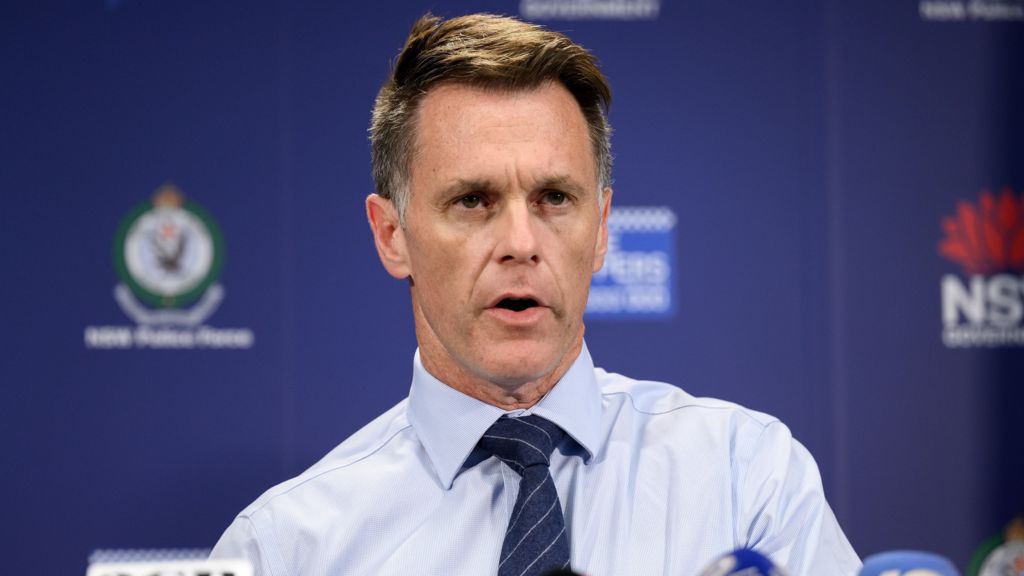
    In response to Australia’s deadliest shooting incident in nearly three decades, New South Wales Premier Chris Minns has initiated comprehensive security reforms targeting hate speech and firearm regulations. The devastating attack at Bondi Beach during a Jewish festival last Sunday resulted in 15 fatalities and numerous injuries, with authorities attributing the violence to Islamic State ideology.

    The state government will reconvene parliament urgently next week to legislate strengthened hate speech prohibitions, specifically targeting the phrase ‘globalise the intifada’ for classification as unlawful speech. This terminology, originating from Palestinian resistance movements, has generated international controversy regarding its interpretation as either advocating violence or peaceful resistance.

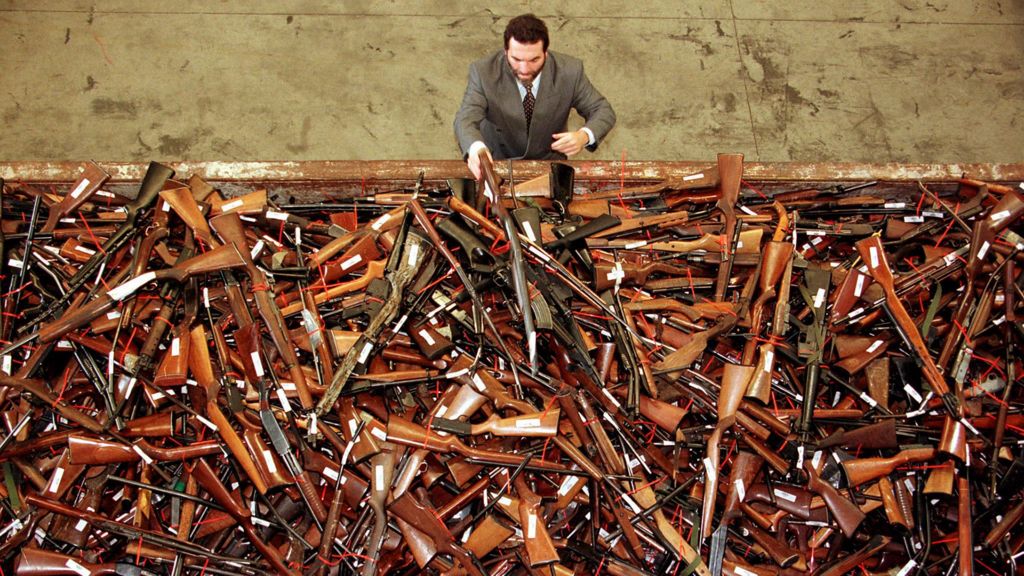
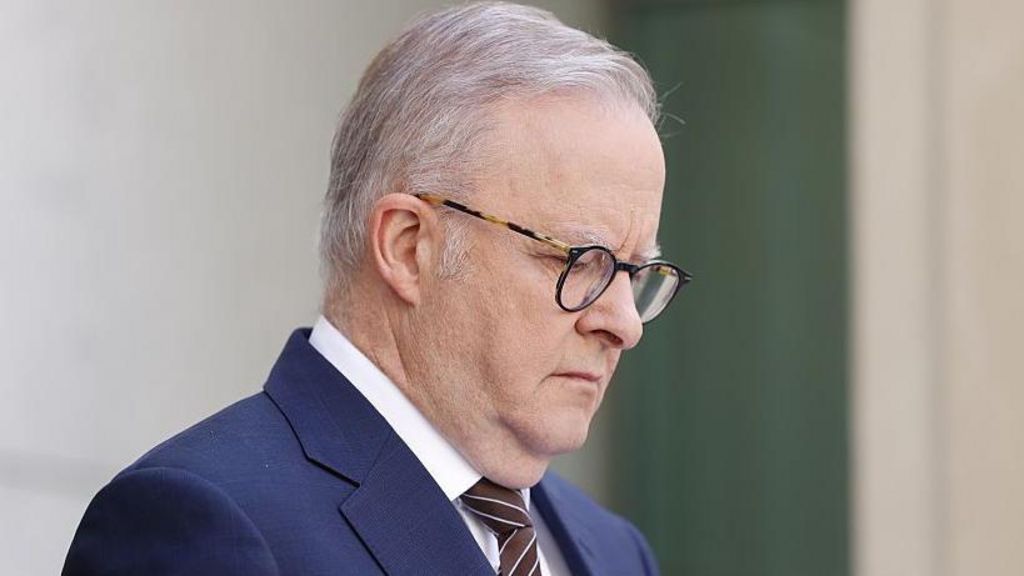
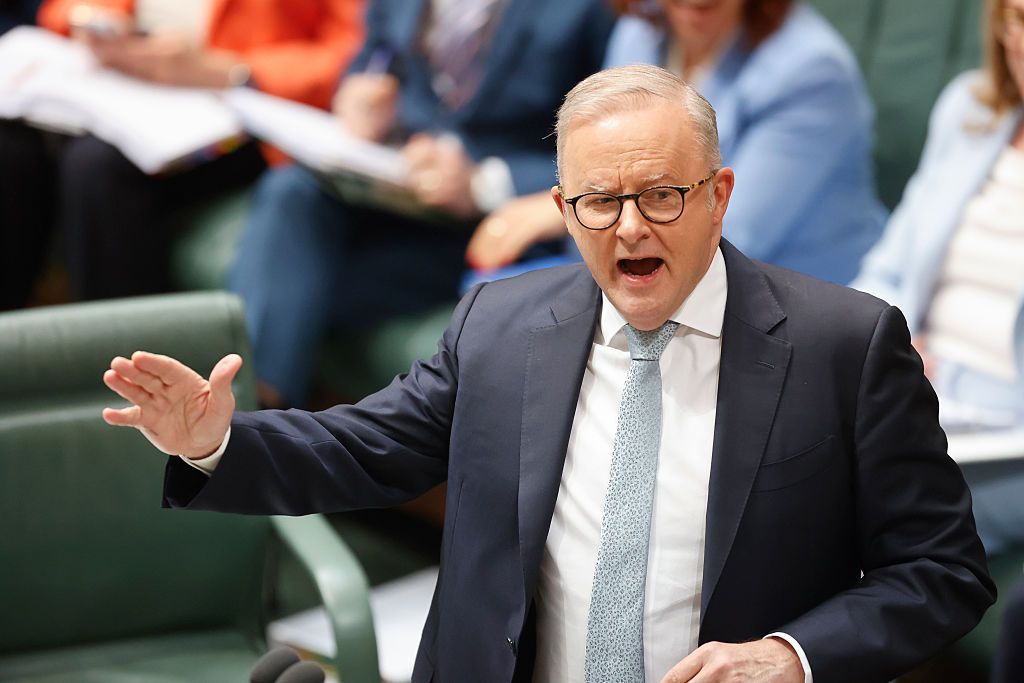
    Concurrently, Prime Minister Anthony Albanese has unveiled a national firearm buyback program designed to remove hundreds of thousands of surplus and illegal weapons from circulation. The federal initiative complements NSW’s planned weapon restrictions, echoing the transformative gun control measures implemented after the 1996 Port Arthur massacre.

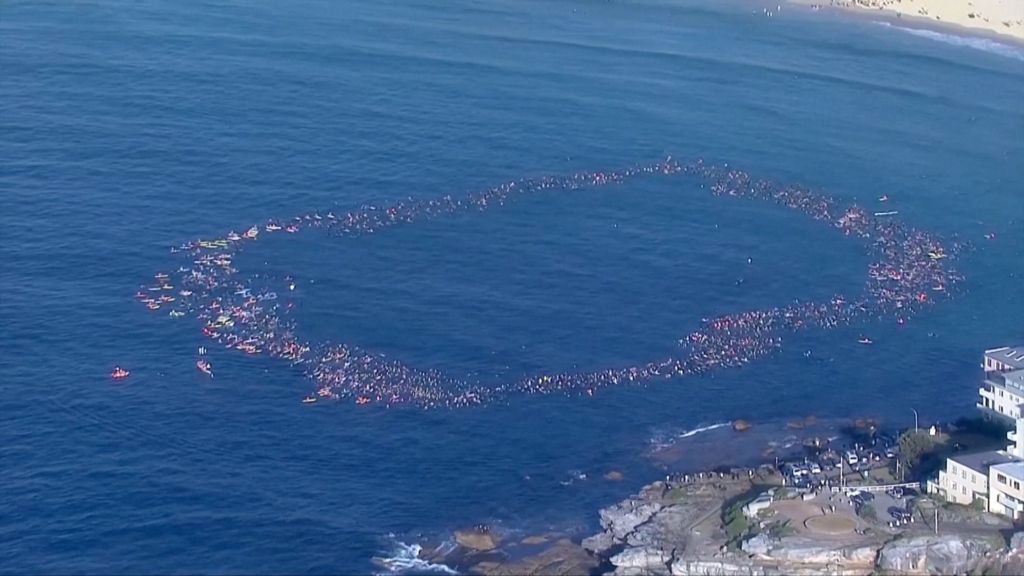
    Memorial activities have emerged nationwide, including a touching coastal tribute where approximately 1,000 lifeguards formed a human chain along Bondi’s shoreline. Additional commemorations featured aquatic ceremonies where surfers created symbolic circular formations on the water. Emergency responders, particularly surf lifesavers, have been recognized for their heroic actions during the crisis.

    Australia will observe a National Day of Reflection on Sunday, marked by a minute’s silence at 6:47 PM local time. Citizens are encouraged to display candles in windows and observe flags flown at half-mast under the thematic banner ‘light over darkness.’ Prime Minister Albanese characterized the moment as an opportunity to honor victims and reaffirm national values against hatred and violence.

    The government has additionally proposed a Royal Commission to thoroughly investigate the Bondi attack’s circumstances and implications, signaling the profound impact of this tragedy on Australian security policy and social cohesion.

  • Australia was seen as a world leader in gun control – Bondi has exposed a more complicated reality

    Australia was seen as a world leader in gun control – Bondi has exposed a more complicated reality

    The recent Bondi Beach massacre that claimed 15 lives has violently resurrected Australia’s long-dormant gun control debate, drawing stark parallels to the 1996 Port Arthur tragedy that transformed the nation’s firearm regulations. This latest attack targeting a Jewish Hanukkah celebration has compelled national leaders to confront uncomfortable truths about the evolving landscape of gun ownership in Australia.

    Despite being globally celebrated for stringent firearm laws implemented after Port Arthur, Australia now hosts over four million privately-owned guns—nearly double the quantity recorded two decades ago. Current statistics reveal one firearm for every seven Australians, with concerning concentrations in urban centers contrary to conventional wisdom about rural gun ownership patterns.

    Roland Browne, a prominent gun control advocate who witnessed both tragedies, emphasizes the disturbing similarities: “They’re both very public places frequented by tourists from around the nation and around the world.” Browne expresses profound disappointment that political action consistently follows rather than prevents such catastrophes.

    The government response has been swift. Prime Minister Anthony Albanese announced Australia’s first major national gun buyback scheme since 1996, alongside proposals to limit firearm quantities per owner, eliminate open-ended licensing, mandate Australian citizenship for ownership, and enhance intelligence sharing during license assessments.

    However, sporting advocates like Tom Kenyon of the Sporting Shooters Association argue these measures misdirect resources from addressing radicalization—the root cause of the Bondi attack. Kenyon maintains that determined attackers will simply employ alternative weapons if firearms are unavailable, citing vehicle attacks like the 2016 Nice massacre.

    Complicating the debate are jurisdictional inconsistencies in firearm regulations. While Western Australia recently implemented caps (5-10 guns per owner), most states lack such restrictions. The alleged Bondi attacker legally owned six registered firearms despite being investigated for extremist links.

    The conversation extends beyond quantity to firearm types. Modern high-capacity rifles with rapid-fire capabilities present new challenges unknown in 1996. Meanwhile, Australia still lacks a unified national firearm registry—a Port Arthur reform recommendation now accelerated post-Bondi with expected completion by 2028.

    As Australia grapples with balancing public safety against legitimate sporting interests, the nation confronts whether its famed gun control model requires modernization to address contemporary threats while preserving its core life-saving principles.

  • Surfers and swimmers pay tribute to victims of Bondi shooting

    Surfers and swimmers pay tribute to victims of Bondi shooting

    In a powerful display of community solidarity, hundreds of surfers and swimmers gathered at Sydney’s iconic Bondi Beach to honor the memory of those lost in Sunday’s tragic shooting incident. The emotional tribute, known as a ‘paddle out,’ saw participants forming a vast circular formation in the waters—a traditional aquatic memorial ceremony within surf culture.

    The gathering represented a cross-section of Australian society, united in grief and resilience. Local residents joined first responders and visitors in this spontaneous act of collective mourning, transforming the site of recent tragedy into a space of healing and remembrance. The ceremony proceeded in respectful silence, punctuated only by the sound of waves and occasional shared words of comfort among participants.

    This community-organized event demonstrates how public spaces can serve as venues for processing collective trauma. Beachgoers who typically visit for recreation instead came together in solemn contemplation, creating temporary memorials along the shoreline where floral tributes continue to accumulate. The Bondi community’s response highlights the enduring human capacity to find unity and support mechanisms following unexpected violence that disrupts everyday life in public spaces.

  • Australia announces gun buyback scheme in wake of Bondi attack

    Australia announces gun buyback scheme in wake of Bondi attack

    In response to the nation’s deadliest mass shooting in decades, the Australian government has initiated a comprehensive firearm buyback program—the most significant since the landmark Port Arthur massacre of 1996. Prime Minister Anthony Albanese announced the scheme following Sunday’s terrorist attack at Bondi Beach, where two assailants motivated by Islamic State ideology opened fire at a Jewish festival, killing 15 people and injuring dozens.

    The attack has been formally declared a terrorist incident by authorities, who identified the perpetrators as a father-son duo. Naveed Akram, 24, faces 59 criminal charges including 15 counts of murder and one count of committing a terrorist act. His father Sajid was killed during the confrontation with law enforcement.

    Revealing concerning statistics, Prime Minister Albanese stated that Australia now hosts over 4 million firearms—exceeding the number present during the Port Arthur tragedy that claimed 35 lives. ‘We know that one of these terrorists held a firearm licence and possessed six guns, despite residing in suburban Sydney,’ Albanese emphasized. ‘There’s no legitimate reason why someone in that situation needed that many firearms.’

    The security situation intensified on Thursday when counter-terrorism officers apprehended seven men in Sydney’s Liverpool suburb who had traveled from Victoria and were known to police. NSW Police Deputy Commissioner David Hudson indicated that while Bondi Beach was among locations the group might have visited, no specific malicious intent had been established. Authorities utilized rarely invoked national security powers to intercept the group preemptively, discovering only a knife during the operation.

    The national cabinet—comprising federal, state, and territory leaders—has unanimously agreed to strengthen gun control measures in the attack’s aftermath, signaling a renewed commitment to Australia’s traditionally strict firearm regulations.

  • ‘She’s a superhero’: The acts of bravery as Bondi horror unfolded

    ‘She’s a superhero’: The acts of bravery as Bondi horror unfolded

    In the wake of Australia’s deadliest terrorist attack at Sydney’s Bondi Beach, extraordinary accounts of human bravery have surfaced from the chaos that left 15 dead and dozens injured. The attack, carried out by two Islamic State-inspired gunmen during Hanukkah celebrations, revealed profound acts of selflessness from ordinary citizens.

    Among the most poignant stories is that of Jessica, a mother who, while separated from her own three-year-old, discovered another lost child—Gigi, wearing a rainbow skirt—crying for her parents. Without hesitation, Jessica used her body as a human shield, covering Gigi while repeating “I’ve got you” as gunfire erupted around them. They felt the impact when a woman just meters away was fatally shot.

    Meanwhile, Gigi’s father Wayne experienced what he describes as “the longest 10 minutes” of his life. While shielding his eldest daughter, he desperately searched for Gigi, eventually spotting her colorful skirt amidst the carnage. Finding his daughter safe beneath Jessica’s protection, Wayne declared her “an absolute superhero” to whom his family would be “indebted for the rest of our lives.”

    The heroism extended throughout the beachfront. Syrian-Australian shop owner Ahmed al Ahmed, having coffee nearby, sprang into action upon hearing gunshots. Viral footage shows him emerging from behind a car to wrestle a weapon from one attacker, sustaining multiple gunshot wounds that may cost him his arm. Reuven Morrison assisted by hurling objects at the disarmed attacker.

    Tragic bravery marked the attack’s beginning as well. The first victims, Boris and Sofia Gurman, were captured on dashcam footage grappling with a gunman for his weapon. Though they temporarily succeeded, the attacker retrieved another firearm and killed them. Their family expressed “overwhelming pride in their bravery and selflessness.”

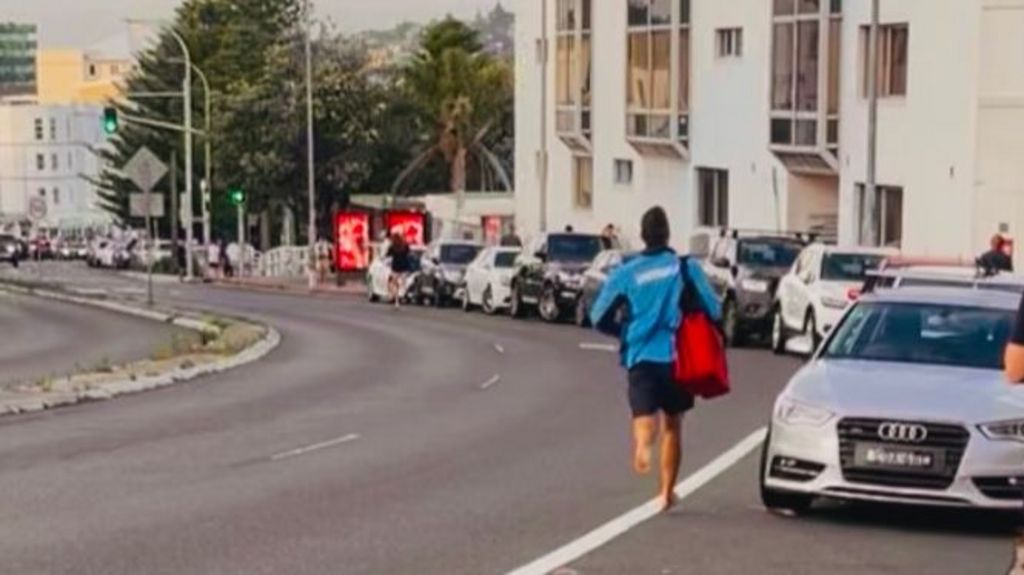
    Additional acts of valor included 14-year-old Chaya taking bullets in the leg while shielding younger children; rookie police officer Jack Hibbert, 22, continuing to aid victims after being shot in both head and shoulder; and lifeguard Jackson Doolan sprinting barefoot from a neighboring beach with medical supplies. Other lifeguards repurposed rescue boards as stretchers and even returned to the surf to save panicked swimmers.

    The response extended beyond the immediate scene. Thousands of Australians flocked to donation centers, shattering blood donation records. Off-duty first responders traveled up to two hours to assist, while healthcare workers rushed to hospitals—St Vincent’s Hospital operated eight theaters simultaneously instead of the usual one on Sunday nights.

    Prime Minister Anthony Albanese and State Premier Chris Minns have praised these extraordinary responses. Minns noted that despite “a terrible, wanton act of destructive violence,” Australians “showed their true colours” through their courage and compassion.

    As Wayne reflected after attending the funeral of 10-year-old Matilda, the attack’s youngest victim: “There could have been so much more devastation without the bravery of these people… That’s what the world needs more of.”

  • Mourning outside funeral of the youngest victim of the Bondi shooting

    Mourning outside funeral of the youngest victim of the Bondi shooting

    The Sydney community stood in solemn solidarity on Thursday as family, friends, and countless mourners gathered to honor the life of Matilda, a vibrant 10-year-old girl whose life was tragically cut short during the devastating Bondi Junction attack last Sunday. The funeral service, imbued with profound sorrow and heartfelt tributes, became a powerful symbol of collective grief and resilience in the wake of the inexplicable violence that shook the nation. Attendees, many dressed in the young girl’s favorite color, shared poignant memories of her kindness and spirited personality, transforming the ceremony into a celebration of a life cherished, albeit far too brief. The overwhelming public response, including floral tributes and messages of support extending blocks from the service, underscores a city’s attempt to grapple with an unimaginable loss and the indiscriminate nature of the tragedy that claimed six lives. This gathering not only provided a space for communal mourning but also highlighted the deep scars left on the fabric of the local community, prompting a renewed dialogue on public safety and support for victims of violent crime.

  • Australian PM announces crackdown on hate speech after Bondi shooting

    Australian PM announces crackdown on hate speech after Bondi shooting

    In a decisive response to the Bondi Beach massacre that claimed 15 lives during a Hanukkah celebration, Australian Prime Minister Anthony Albanese has unveiled comprehensive legislation targeting hate speech and radicalization. The legislative package represents Australia’s most significant hardening of hate crime laws in decades, introducing multiple layers of legal consequences for perpetrators of religious-based violence and intimidation.

    The framework establishes a new federal offense categorized as ‘aggravated hate speech’ while empowering courts to treat ‘hate’ as an aggravating factor during sentencing for online threats and harassment. Religious leaders and preachers who promote violence will face specific penalties under the new provisions. The Home Affairs Minister will receive expanded authority to cancel or refuse visas for individuals engaged in hate dissemination, fundamentally altering Australia’s approach to handling foreign nationals who propagate division.

    A specialized taskforce will oversee educational reforms to combat antisemitism systemically, ensuring institutions implement robust prevention and response mechanisms. This initiative follows the government’s full endorsement of recommendations from Antisemitism Envoy Jillian Segal’s July report, which previously sparked free speech concerns due to its proposed monitoring of universities and arts organizations.

    Prime Minister Albanese acknowledged criticisms regarding his administration’s response to rising antisemitism since the October 7 Hamas attacks, stating: ‘I accept my responsibility as Prime Minister of Australia. What people seek during this period isn’t further division but national unity.’ Home Affairs Minister Tony Burke emphasized the legislation ‘shifts the threshold’ for acceptable speech, addressing individuals who ‘exploit principles of free speech to dehumanize others without explicitly crossing into violence.’

    The Bondi attackers, identified as ISIS-inspired radicals, attempted to fracture Australian social cohesion through targeted violence against Jewish citizens. Instead, according to Albanese, Australians have responded with ‘love and sympathy for those in mourning,’ reinforcing the nation’s commitment to multicultural values and religious safety.