标签: Oceania

大洋洲

  • Venezuelans await political prisoners’ release after government vow

    Venezuelans await political prisoners’ release after government vow

    Venezuela enters a pivotal week as the interim government of Delcy Rodriguez begins implementing its promised release of political detainees, following last week’s dramatic capture of former president Nicolas Maduro by U.S. forces. The development marks a significant diplomatic shift as Caracas moves to normalize relations with Washington.

    Interim President Rodriguez’s administration commenced prisoner releases last Thursday as a goodwill gesture, responding to U.S. demands for access to Venezuela’s substantial oil reserves. While government officials promised a ‘large-scale’ liberation, human rights organizations and opposition groups report approximately 20 individuals have regained freedom thus far, including several prominent government critics.

    The prisoner release initiative occurs against the backdrop of Maduro’s incarceration in New York, where he faces serious drug-trafficking and weapons charges. From his detention facility, the ousted leader conveyed through his son that he remains ‘doing well’ despite the extraordinary circumstances of his capture during a January 3rd raid authorized by President Trump.

    Human rights advocates estimate between 800-1,200 political prisoners remain detained across Venezuelan facilities, including the notorious El Helicoide intelligence service prison and El Rodeo penitentiary. Families maintained vigil outside these institutions over the weekend, holding candlelight demonstrations and displaying signs bearing their relatives’ names.

    The political tension intensified with Sunday’s confirmation of a detained police officer’s death in state custody. Opposition groups identified the deceased as Edison Jose Torres Fernandez, a 52-year-old officer accused of ‘treason’ for sharing messages critical of Maduro’s government. Justice First, an opposition faction, directly blamed Rodriguez’s administration for the fatality.

    Meanwhile, the Trump administration continues applying pressure beyond Venezuela’s borders, specifically targeting Havana. President Trump warned Cuba to ‘make a deal’ or face consequences, explicitly threatening to切断 the flow of Venezuelan oil that has sustained the island nation under US embargo. Cuban President Miguel Diaz-Canel responded defiantly, asserting readiness to ‘defend the homeland to the last drop of blood.’

    Venezuela’s foreign ministry issued a statement advocating for ‘political and diplomatic dialogue’ between Washington and Havana, emphasizing principles of ‘non-interference, sovereign equality of states, and the right of peoples to self-determination.’

    As diplomatic envoys from the United States visited Caracas to discuss reopening embassy operations, the interim government maintains it will pursue ‘the diplomatic route’ while insisting Venezuela remains not ‘subordinate’ to Washington—a delicate balancing act aimed at placating Maduro’s still-influential political base.
  • Trump vows to cut off Cuba’s oil after toppling Venezuelan ally Maduro

    Trump vows to cut off Cuba’s oil after toppling Venezuelan ally Maduro

    In a significant escalation of hemispheric tensions, former U.S. President Donald Trump has issued a stark warning to Cuba regarding its energy security following the recent overthrow of Venezuelan leader Nicolás Maduro. Through his Truth Social platform, Trump declared an imminent complete cessation of oil and financial resources flowing to the communist nation, asserting that Venezuela’s new leadership would no longer provide subsidized petroleum that Cuba had received for decades.

    The controversial statements prompted an immediate and defiant response from Cuban leadership. President Miguel Díaz-Canel explicitly rejected external pressure, affirming Cuba’s sovereignty and readiness to defend national interests. Foreign Minister Bruno Rodríguez similarly emphasized Cuba’s right to engage in energy trade without submitting to unilateral coercive measures.

    This exchange occurs against the backdrop of a dramatic U.S. military operation that resulted in the capture of Maduro and numerous casualties among his security detail, many reportedly Cuban nationals. Trump has characterized the operation as liberation from extortionist protection arrangements, while framing Cuba’s economic predicament as an opportunity for political change.

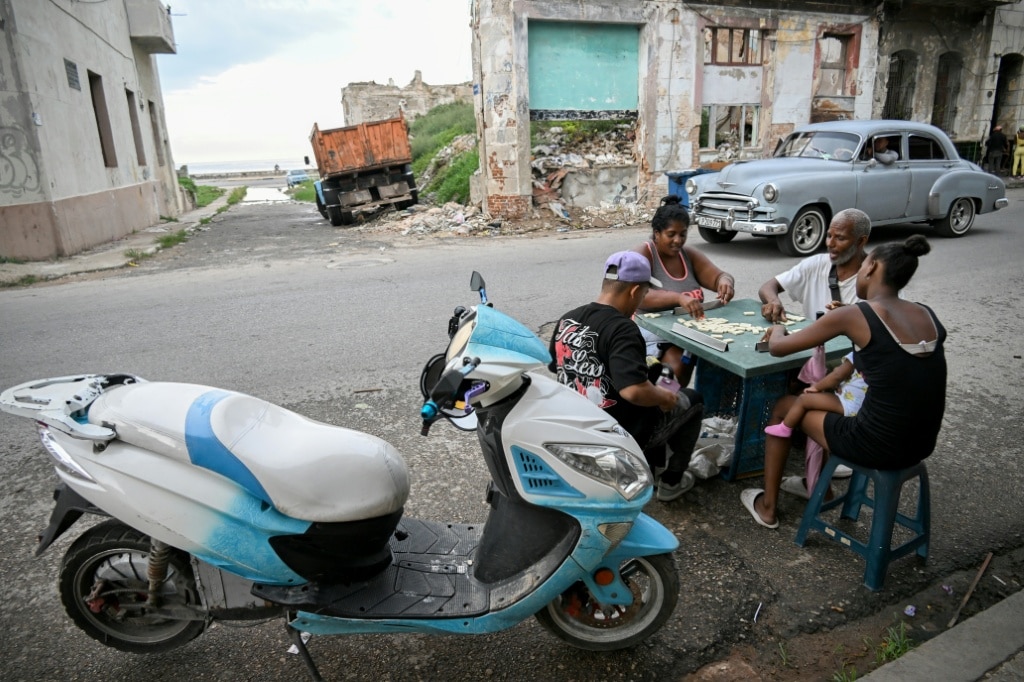
    The historical context reveals deepening complexities: since 1962, the U.S. embargo has constrained Cuba’s economy, with Caracas becoming Havana’s crucial petroleum supplier since 2000 through agreements initiated by Hugo Chávez. Cuban citizens expressed mixed reactions, with some dismissing Trump’s rhetoric as empty threats and others advocating for diplomatic resolution.

    Notably, Trump’s aggressive posture extends beyond Cuba, with recent threats directed toward Colombia, Mexico, Iran, and even Greenland. The statements received endorsement from Republican allies including Florida Congressman Mario Díaz-Balart, who predicted the collapse of Cuban leadership under continued pressure. This development signals a potential return to heightened confrontation in U.S.-Cuba relations should Trump return to power.

  • Fury over alleged Islamophobic attack on Muslim religious leader

    Fury over alleged Islamophobic attack on Muslim religious leader

    A prominent Muslim religious leader and his wife became targets of a vicious alleged hate crime in Victoria on Saturday evening, sparking widespread condemnation from community and government officials. Imam Ismet Purdic, leader of the Bosnia-Herzegovina Islamic Society’s Noble Park Mosque, was traveling with his wife along South Gippsland Highway toward Dandenong approximately at 7:40 PM when occupants of another vehicle initiated a racially motivated confrontation.

    According to Victoria Police reports, the assailants engaged in racial abuse before strategically blocking the victims’ vehicle, compelling them to divert to a nearby service station. The situation escalated dramatically when Imam Purdic exited his car, at which point he sustained a physical assault including being punched in the face while simultaneously receiving threats toward his wife. Bystanders eventually intervened to prevent further violence and damage to the vehicle.

    The Australian National Imams Council (ANIC) issued a forceful statement characterizing the incident as a ‘cowardly attack’ that highlights escalating dangers facing visibly Muslim Australians. The organization specifically noted the attackers employed tactics consistent with white-supremacist ideology and dangerous driving maneuvers to intimidate their targets.

    Victorian Multicultural Affairs Minister Ingrid Stitt denounced the incident as ‘violent, racist, Islamophobic and misogynistic,’ emphasizing that no Victorian should fear for their safety while simply driving. She particularly highlighted the threat against Muslim women, stating none should fear having their hijab forcibly removed.

    Law enforcement authorities have taken decisive action, arresting three individuals in connection with the attack. A 23-year-old Cranbourne North man faces criminal damage and common law assault charges and remains in custody awaiting court proceedings. A 22-year-old Cranbourne East man received bail and will appear in court on May 22, while an 18-year-old Dandenong South woman was released pending summons.

    ANIC further contextualized this incident within a broader pattern of rising Islamophobia, reporting a staggering 200% increase in anti-Muslim hate incidents since mid-December. The organization attributed this alarming trend to divisive political rhetoric and irresponsible media commentary that falsely equates peaceful pro-Palestinian advocacy with extremist violence.

    Imam Purdic, who has served as a religious leader and interfaith advocate for over twelve years through the Interfaith Network Dandenong, expressed gratitude that his children were not present during the traumatic event. He has subsequently called for national unity in combating such hatred and violence.

  • Trump admin sends more agents to Minneapolis despite furor over woman’s killing

    Trump admin sends more agents to Minneapolis despite furor over woman’s killing

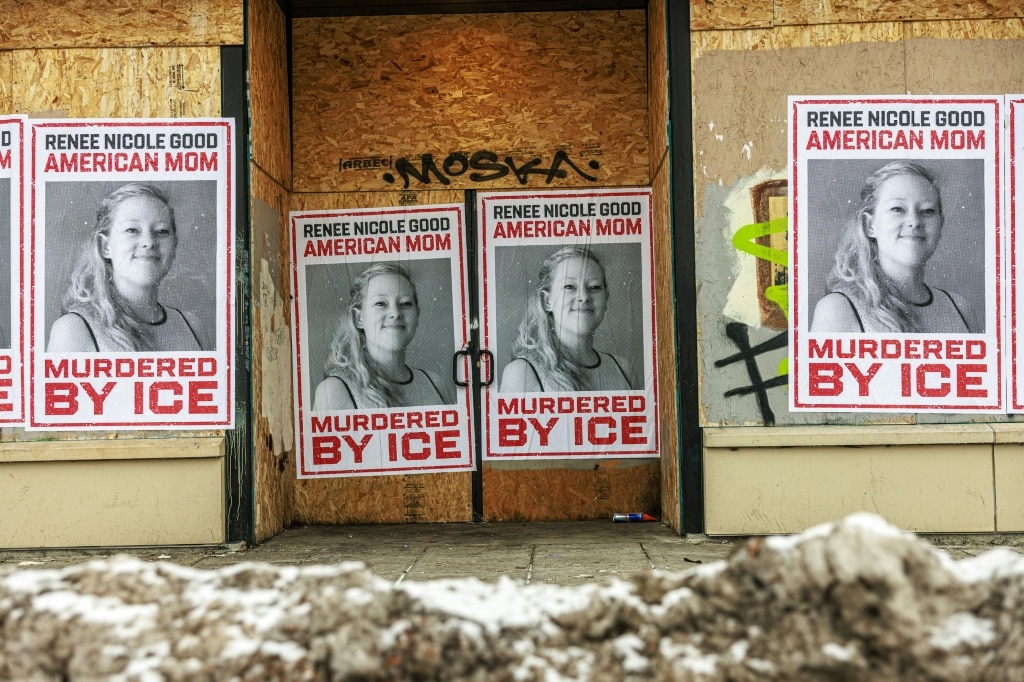
    The Trump administration is escalating its federal presence in Minneapolis despite mounting political opposition, deploying hundreds of additional agents following the fatal shooting of a woman during immigration enforcement operations. Homeland Security Secretary Kristi Noem defended the move Sunday across multiple television appearances, characterizing the actions of 37-year-old Renee Nicole Good that led to her death as “domestic terrorism” and insisting the agent acted in self-defense.

    The administration’s narrative clashes dramatically with local Democratic leadership. Minnesota Governor Tim Walz and Minneapolis Mayor Jacob Frey have vehemently disputed official accounts, citing viral footage that allegedly shows Good’s vehicle turning away from the agent without posing imminent threat. The incident has ignited nationwide protests and intensified scrutiny over President Trump’s immigration enforcement tactics.

    Confrontations between federal agents and protesters continued through the weekend, with officers deploying pepper spray against demonstrators outside an Immigration and Customs Enforcement (ICE) facility. Noem accused Democratic leaders of encouraging violence through what she called “extremely politicized” rhetoric that has “inflamed the public.”

    The investigation remains exclusively under federal jurisdiction, with the FBI leading the probe despite calls for local involvement. Mayor Frey emphasized the need for “a neutral, unbiased investigation where you get the facts,” while defending activists’ efforts to disrupt immigration operations as legitimate constitutional expression.

    The deployment expansion occurs alongside ongoing immigration enforcement actions in residential areas, creating a tense atmosphere in the city where makeshift memorials honor Good’s memory. This security escalation coincides with a separate, highly politicized fraud investigation in Minnesota, further complicating the political landscape.

  • Police charge man with multiple offences over suspicious Bondi vest incident

    Police charge man with multiple offences over suspicious Bondi vest incident

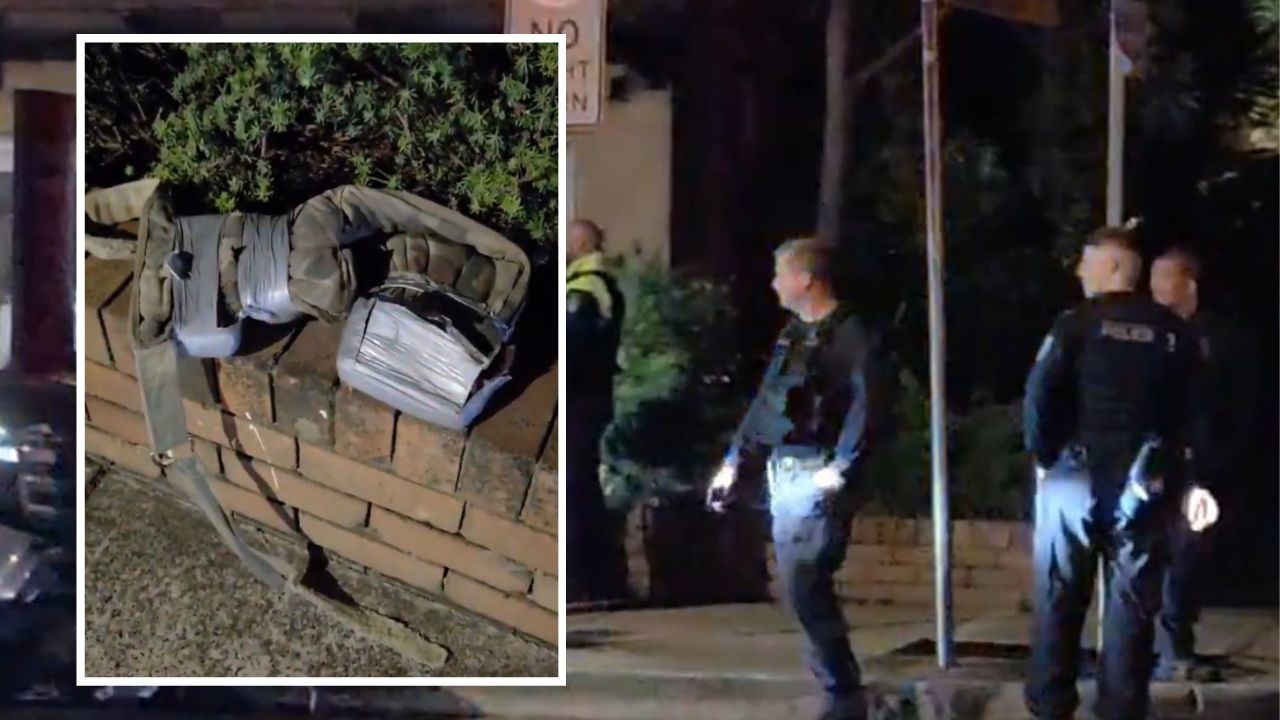
    Sydney’s eastern suburbs were thrust into a state of alarm on Sunday evening following a disruptive security incident at Bondi Junction. Authorities initiated a significant emergency response after receiving multiple reports of a man exhibiting suspicious behavior while wearing a vest conspicuously covered with duct-taped objects.

    Police units converged on Oxford Street approximately at 10:10 PM following concerned citizen reports. The situation escalated rapidly with the deployment of the specialized Rescue and Bomb Disposal Unit to assess potential threats. The 33-year-old Victorian man at the center of the incident was promptly detained at the scene.

    Further investigation revealed additional concerning materials. A secondary vest was discovered during a search of the suspect’s vehicle, along with a face mask and a container holding substances believed to be illicit drugs. The bomb squad conducted thorough examinations of both vests, ultimately determining they posed no explosive hazard.

    The individual now faces multiple criminal charges including providing false information that placed persons or property in danger, possession of prohibited drugs, and behaving in an offensive manner in a public space. The judicial process moved swiftly as the accused was denied bail during initial proceedings, with his case scheduled for immediate review before the Local Court on Monday.

    The incident caused temporary disruption in the popular Bondi Junction area, though normal activities resumed following the all-clear from bomb disposal experts. This event marks another instance of public safety resources being deployed in response to suspicious behavior in urban environments.

  • Meta locks 500,000 accounts in Australia but calls for a ‘better way’

    Meta locks 500,000 accounts in Australia but calls for a ‘better way’

    In an unprecedented global move, Australia’s implementation of a social media prohibition for users under 16 has resulted in the mass deactivation of hundreds of thousands of accounts across major platforms. Meta, the parent company of Instagram, Facebook, and Threads, reported disabling approximately 500,000 accounts during the initial enforcement period from December 4-11, 2023.

    The landmark legislation, which took effect on December 10, mandates age restrictions across nine prominent social media platforms including Instagram, Threads, Facebook, TikTok, Snapchat, X, YouTube, Reddit, and Kick. This regulatory intervention automatically deactivates or removes accounts belonging to minors under 16 years of age.

    Prime Minister Anthony Albanese characterized the policy as “one of the biggest social and cultural changes that our nation has faced” during the initiative’s launch. He acknowledged the implementation “won’t be perfect” but emphasized its significance as a “profound reform” expected to influence global approaches to youth digital protection. The Prime Minister noted that several other nations are considering emulating Australia’s regulatory framework.

    The legislative action follows News Corp’s ‘Let Them Be Kids’ advocacy campaign, with government officials stating the primary objective is to provide “greater peace of mind for Australian parents” regarding their children’s online activities.

    Meta, while asserting compliance with the new regulations, has simultaneously advocated for alternative approaches to age verification. The technology corporation proposed that age validation would be more effectively implemented at the app store level rather than within individual applications. This methodology, Meta contends, would prevent the “whack-a-mole effect” of minors migrating to newer, less-regulated platforms to circumvent the restrictions.

    The company further recommended establishing industry-wide incentives to develop “safe, privacy-preserving, age appropriate experiences online” as a more sustainable solution than blanket prohibitions. This position highlights the ongoing tension between regulatory intervention and technological innovation in addressing youth digital safety concerns.

  • Venezuelans demand political prisoners’ release, Maduro ‘doing well’

    Venezuelans demand political prisoners’ release, Maduro ‘doing well’

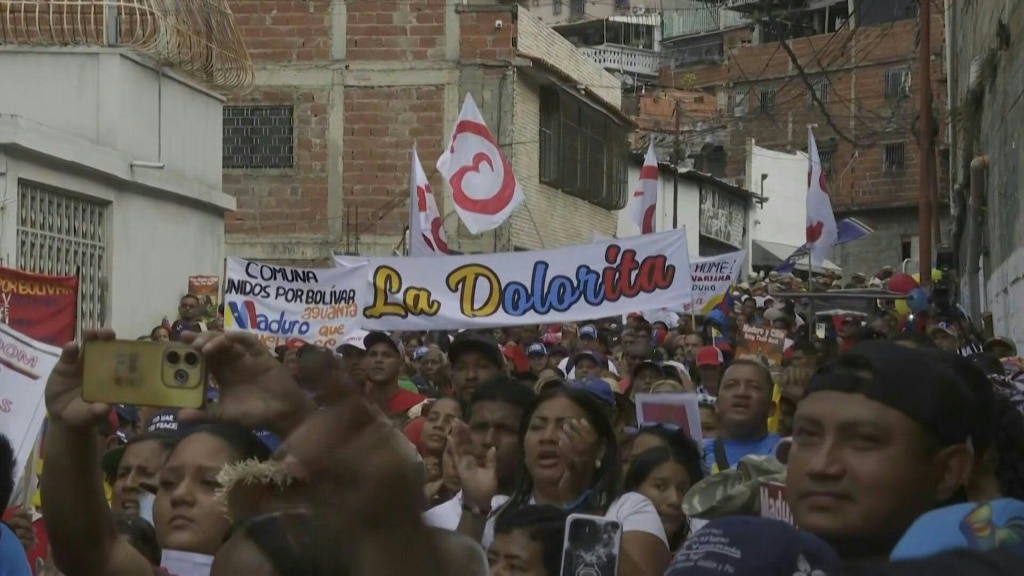
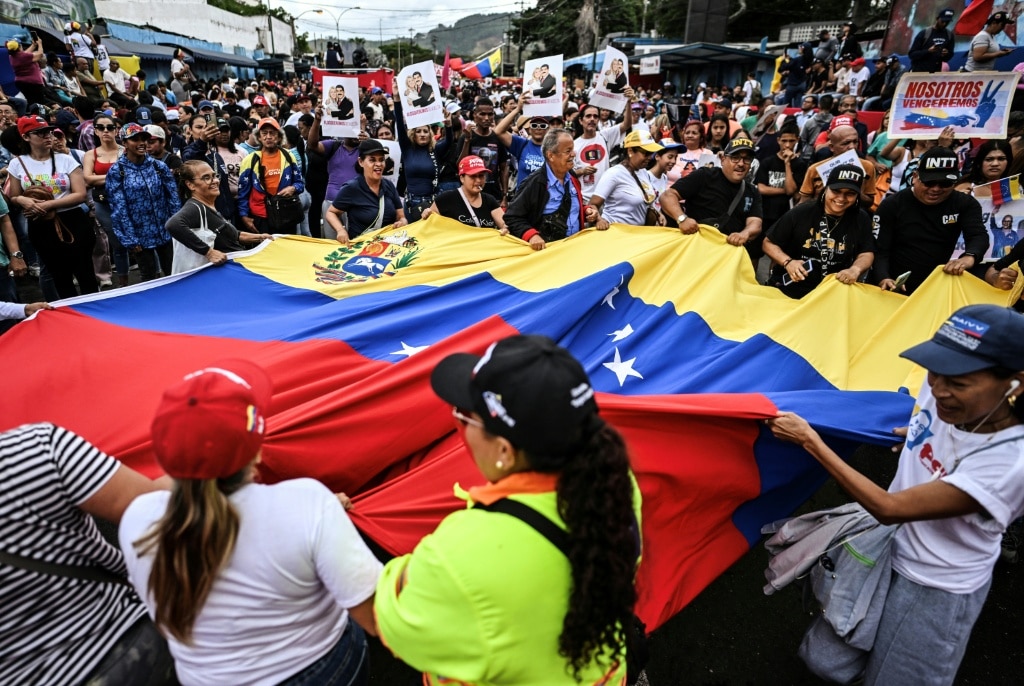
    Hundreds of demonstrators gathered in Caracas over the weekend as Venezuela’s political landscape undergoes dramatic shifts following the capture of former president Nicolas Maduro. The interim government of Delcy Rodriguez has initiated prisoner releases in what appears to be a carefully orchestrated diplomatic opening toward Washington.

    Interim President Rodriguez, who previously served as Maduro’s vice president, has committed to pursuing “the diplomatic route” with the United States. This policy shift has resulted in the liberation of several prominent opposition figures, though human rights organizations note that approximately twenty individuals have been freed thus far—far fewer than the “large” number initially promised.

    From his detention facility in New York, Maduro conveyed through his son that he remains “doing well” following his dramatic capture on January 3rd. US forces apprehended Maduro and his wife Cilia Flores during overnight airstrikes across Caracas, extraditing them to face trial on drug-trafficking and weapons charges.

    The prisoner release initiative has generated both hope and anxiety among Venezuelan families. Outside notorious detention facilities like El Rodeo and El Helicoide, relatives maintained candlelight vigils while displaying signs bearing names of incarcerated loved ones. The atmosphere turned tragic with reports of a detained police officer’s death in state custody, which opposition group Primero Justicia attributed directly to the Rodriguez regime.

    Meanwhile, former US President Donald Trump claimed credit for Venezuela’s political transformations, announcing on his Truth Social platform that the country had “started the process, in a BIG WAY, of releasing their political prisoners.” Trump administration officials have pressed for access to Venezuela’s substantial oil reserves, though industry executives responded cautiously due to the country’s deteriorated infrastructure following years of mismanagement and sanctions.

    The geopolitical ramifications extended to Cuba, with Trump warning Havana to “make a deal” or face consequences as Venezuelan oil exports diminish. Cuban President Miguel Diaz-Canel responded defiantly, asserting Cuba’s sovereignty and readiness to “defend the homeland to the last drop of blood.”

    Despite organized demonstrations featuring approximately 1,000 supporters waving flags with Maduro’s image, the protests notably lacked participation from top figures within the former administration, signaling potential fractures within the political establishment.

  • Syria govt forces take control of Aleppo’s Kurdish neighbourhoods

    Syria govt forces take control of Aleppo’s Kurdish neighbourhoods

    Syrian government forces have established complete military control over Aleppo’s Kurdish neighborhoods following several days of intense armed conflict, marking a significant shift in the city’s power dynamics. The takeover culminated on Sunday with the evacuation of Kurdish fighters to autonomous regions in northeast Syria under international mediation.

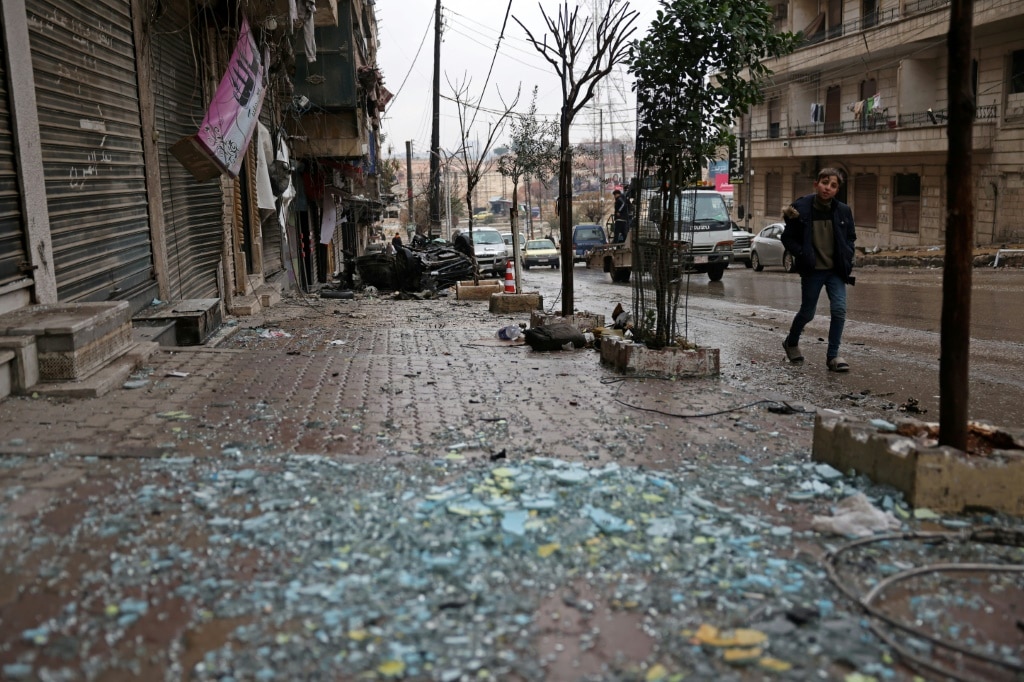
    In the Ashrafiyeh district—the first area to fall under army control—residents cautiously returned to assess substantial property damage, navigating streets littered with shrapnel and shattered glass. Local merchant Yahya al-Sufi reported widespread looting and structural damage to homes, reflecting the violence that displaced civilians earlier in the week.

    The clashes originated from stalled negotiations regarding the integration of Kurdish autonomous administration into Syria’s central government framework. A Syrian security official disclosed that 419 Kurdish combatants, including 59 wounded, were transferred from Sheikh Maqsud neighborhood to Kurdish-controlled zones. Simultaneously, approximately 300 Kurds described variably as fighters or civilians were detained by authorities.

    Contrasting casualty figures emerged from different sources: Syrian officials reported 24 fatalities and 129 wounded since Tuesday, while the Britain-based Syrian Observatory for Human Rights documented 45 civilian deaths plus 60 combatant casualties from both sides. The monitor additionally alleged field executions and body burnings by government forces in Sheikh Maqsud—claims that remain unverified independently.

    The political dimension intensified as Kurdish leader Mazlum Abdi acknowledged international mediation efforts to halt violations against Kurdish communities. U.S. envoy Tom Barrack met with Syrian President Ahmed al-Sharaa, urging a return to dialogue based on last year’s integration agreement. Meanwhile, emotional scenes unfolded in Qamishli where evacuated fighters were greeted by crowds chanting vows of vengeance, accompanied by symbolic defacement of images representing Syrian, Turkish, and American leadership.

    This development echoes earlier phases of Syria’s civil war, particularly the 2016 battle for Aleppo that resulted in government recapture of the city. The current situation underscores ongoing tensions between Damascus’ centralization efforts and Kurdish demands for decentralized governance, with neighboring Turkey monitoring closely due to perceived connections between Kurdish forces and the PKK organization.

  • One person dead and 300 buildings destroyed in Australia bushfires

    One person dead and 300 buildings destroyed in Australia bushfires

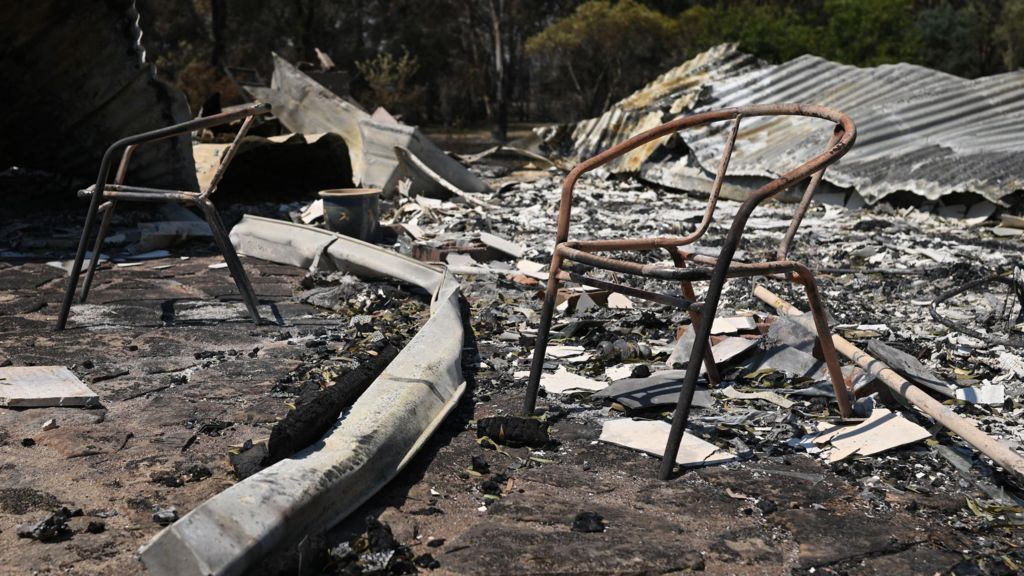
    A devastating bushfire crisis has engulfed southeastern Australia, resulting in one confirmed fatality and the destruction of approximately 300 properties across multiple regions. The fires, which have been raging for several days primarily in Victoria state with additional outbreaks in New South Wales, have consumed land areas nearly double the size of Greater London.

    Victoria Premier Jacinta Allan confirmed that 30 active fires were burning across the state as of Sunday, with 10 posing particular concern to authorities. The blazes have already scorched approximately 350,000 hectares of land, prompting the declaration of a state of emergency. Thousands of firefighters supported by more than 70 aircraft are battling the infernos amid extremely hot, dry, and windy conditions that officials fear could sustain the fires for several weeks.

    Human remains were discovered in the village of Gobur, approximately 110 kilometers north of Melbourne, though the victim has not yet been formally identified. Premier Allan praised emergency workers who recovered the body under difficult circumstances, noting that the Gobur community was experiencing profound grief.

    The current fires represent the most severe bushfire event in southeastern Australia since the catastrophic 2019-2020 season that killed 33 people and destroyed an area equivalent to Turkey’s size. Smoke from the current blazes has significantly degraded air quality across Victoria, including metropolitan Melbourne.

    In a particularly tragic development, firefighter Tyrone Rice lost his own home in Harcourt while battling fires elsewhere. Describing the experience as “a kick in the guts,” Rice acknowledged he was neither the first nor last to endure such loss. Local fire captain Andrew Wilson characterized the destruction in Harcourt as “gut-wrenching,” with journalists reporting catastrophic damage where only tin roofs remained where houses once stood.

    While scientists note that linking individual wildfires directly to climate change remains complex due to land management factors, they emphasize that climate change is making the hot, dry conditions that fuel such fires increasingly common across Australia.

  • Fresh protests in Iran as internet blackout persists

    Fresh protests in Iran as internet blackout persists

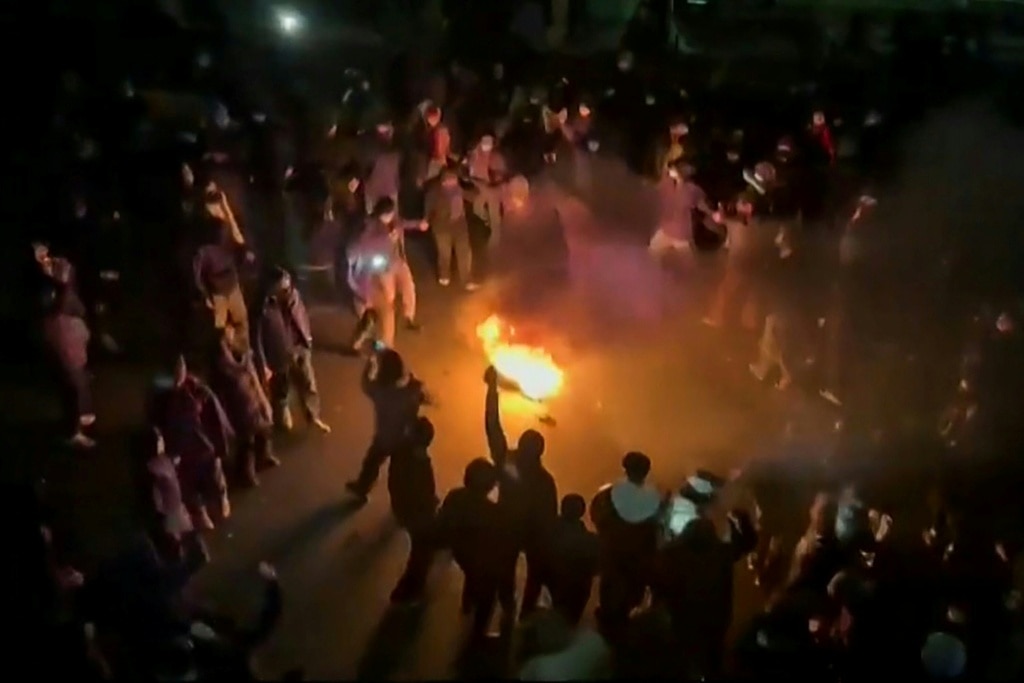
    Iran’s capital witnessed renewed anti-government demonstrations Saturday night as a nationwide internet blackout entered its third day, raising international concerns about the severity of the regime’s crackdown on protesters. The protests, which began two weeks ago over economic grievances, have evolved into the most significant challenge to Iran’s theocratic government since the 2019 unrest, now featuring explicit calls for regime change.

    Verified footage from Tehran’s northern districts showed protesters igniting fireworks, banging pots, and chanting slogans supporting the ousted monarchy. Additional unverified videos circulating on social media indicated similar demonstrations occurring across multiple cities including Mashhad, Tabriz, Qom, and Hamedan, where one individual waved the pre-revolutionary lion-and-sun flag—a potent symbol of opposition.

    The digital blackout, described by internet monitor NetBlocks as a near-total connectivity shutdown since Thursday, has severely limited information flow, prompting rights organizations to warn of escalating violence. Amnesty International reported analyzing ‘distressing reports’ of security forces intensifying lethal measures against demonstrators, while Norway-based Iran Human Rights documented at least 51 fatalities, with actual numbers potentially higher based on hospital imagery from eastern Tehran.

    International reactions have intensified, with U.S. President Donald Trump proclaiming on Truth Social that ‘Iran is looking at FREEDOM, perhaps like never before’ and offering American assistance. The New York Times reported that Trump had received briefings on potential military options, though no decisions have been made regarding intervention.

    Iran’s leadership has responded with increasing defiance. Supreme Leader Ayatollah Ali Khamenei condemned protesters as ‘vandals’ doing America’s bidding during a Friday address, while the Iranian army issued statements vowing to ‘vigorously protect national interests’ against enemies seeking to ‘disrupt order and peace.’

    European leaders have called for restraint, with EU Commission President Ursula von der Leyen expressing support for Iranian protesters and condemning the ‘violent repression’ by authorities. The situation remains volatile as citizens report inability to conduct basic communications or work, with one Tehran resident characterizing the internet shutdown as ‘the price to pay before the victory of the people.’