标签: Oceania

大洋洲

  • Andrew’s arrest hands King Charles fresh royal crisis

    Andrew’s arrest hands King Charles fresh royal crisis

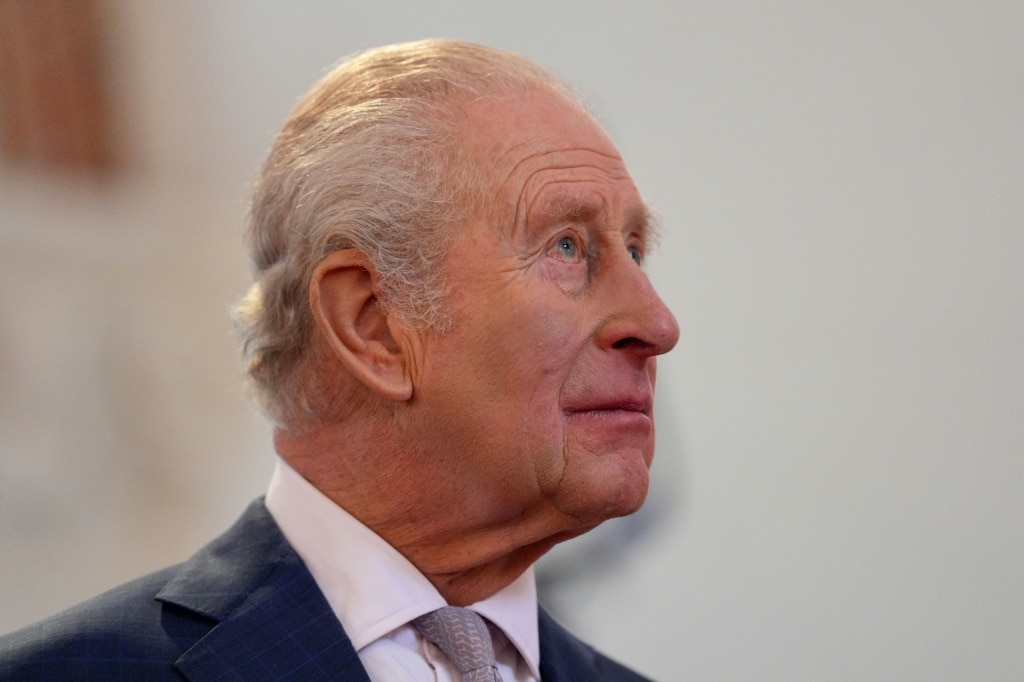
    The British monarchy faces one of its most severe constitutional crises in modern history following the unprecedented arrest of Prince Andrew, the younger brother of King Charles III. The Duke of York was taken into police custody on suspicion of transmitting confidential information to convicted sex offender Jeffrey Epstein during his tenure as UK trade envoy from 2001 to 2011.

    This development represents the latest in a series of formidable challenges that have plagued King Charles since his accession to the throne in September 2022 following the death of Queen Elizabeth II. Royal historians note that the current monarch has confronted an extraordinary convergence of personal and institutional crises unprecedented in recent royal history.

    The king’s reign, which began with the elaborate pageantry of his May 2023 coronation designed to project continuity, has instead been marked by continuous turmoil. The initial disruption came with Prince Harry’s explosive memoir ‘Spare’ in January 2023, which revealed damaging internal family conflicts to a global audience. Subsequently, both King Charles and Catherine, Princess of Wales, announced cancer diagnoses in early 2024, creating additional strain on the royal family’s public duties.

    However, experts identify the Andrew situation as potentially the most damaging to the institution’s stability. Royal historian Andrew Lownie characterized this moment as ‘a crunch point for the monarchy,’ suggesting that evidence of institutional protection for Andrew could necessitate the king’s abdication.

    The current investigation revives longstanding embarrassment over Andrew’s association with Epstein, particularly a 2011 photograph showing the prince with his arm around Virginia Giuffre, Epstein’s primary accuser. Although Charles had attempted to distance the monarchy from the scandal by stripping Andrew of all royal titles in October, the recent Justice Department document release has reignited public outrage.

    In a rare personal statement, King Charles acknowledged the gravity of the situation, vowing that ‘the law must take its course’ while expressing his ‘deepest concern.’ Commentators have drawn parallels to other monarchy-shaking events including the 1936 abdication of Edward VIII and the 1997 death of Princess Diana, noting that restoring public confidence typically requires more than a decade.

    Academic Pauline Maclaran suggests that Charles is partially a victim of timing, inheriting an ‘unexploded bomb’ from his mother, who had long protected Andrew. The queen’s seventy-year reign had provided exceptional stability, making the transition particularly challenging. Experts agree that restoring the monarchy’s moral authority will require visible changes, potentially accelerated under the future reign of Prince William.
  • Trump hikes US global tariff rate to 15 percent

    Trump hikes US global tariff rate to 15 percent

    In a decisive move that defies judicial constraints, former President Donald Trump has escalated his aggressive trade agenda by imposing a sweeping 15% tariff on all imports entering the United States. This action comes just one day after the Supreme Court delivered a significant legal setback to his administration’s economic policies.

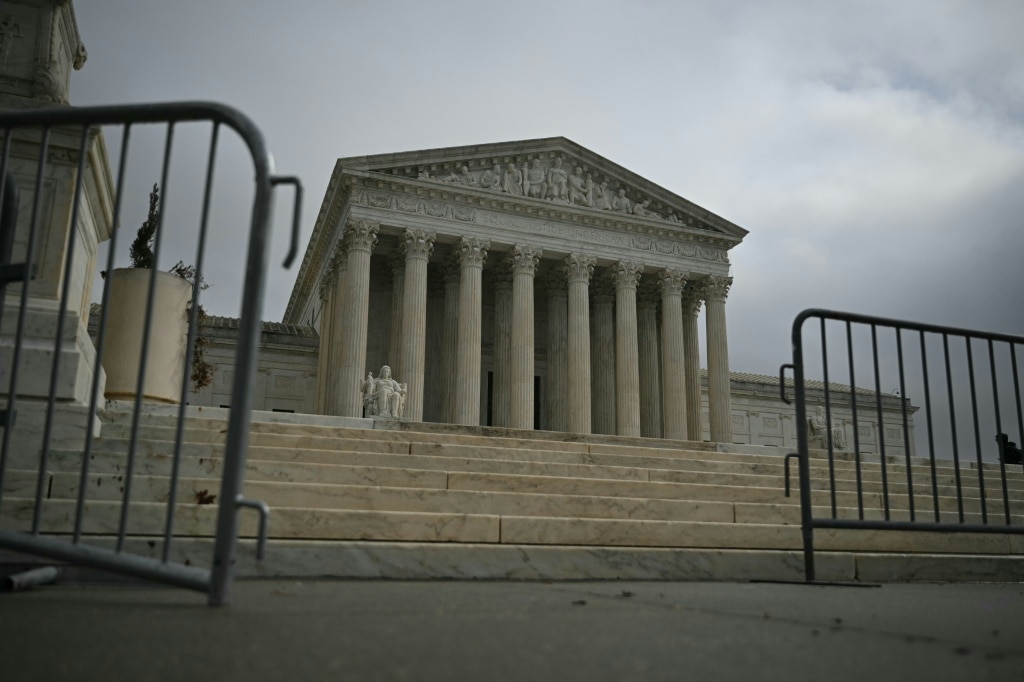
    The high court’s 6-3 ruling on Friday substantially limited presidential authority to implement tariffs under the 1977 International Emergency Economic Powers Act, declaring much of Trump’s tariff program unconstitutional. In response, Trump utilized an alternative legal mechanism to not only maintain but intensify his trade measures, announcing through his Truth Social platform that the administration was raising import levies to ‘the fully allowed, and legally tested, 15% level.’

    The political confrontation escalated as Trump launched personal attacks against the conservative justices who formed part of the majority opinion, accusing them of ‘disloyalty’ and characterizing them as ‘fools and lap dogs.’ This extraordinary criticism targeted members of a court that has generally supported the president since his return to office.

    International reactions emerged swiftly, with Brazilian President Luiz Inacio Lula da Silva urging equal treatment for all nations and German Chancellor Friedrich Merz announcing plans to coordinate a unified European response ahead of his scheduled March visit to Washington. Domestically, Pennsylvania Governor Josh Shapiro condemned the move as creating ‘havoc on our farmers, small business owners, and families.’

    The newly imposed tariff carries a 150-day limitation under current law, with exemptions remaining for pharmaceuticals and goods traded under the US-Mexico-Canada Agreement. The White House confirmed that even nations with previously negotiated tariff agreements would face the new global levy.

    While sector-specific duties on steel, aluminum, and other goods remain unaffected by the court’s decision, the ruling represents Trump’s most significant judicial defeat since returning to power. Business organizations including the National Retail Federation welcomed the court’s decision as providing ‘much-needed certainty,’ though questions regarding potential tariff refunds remain unresolved and may trigger extensive litigation.

  • India condemn Australia to first home series loss since 2017

    India condemn Australia to first home series loss since 2017

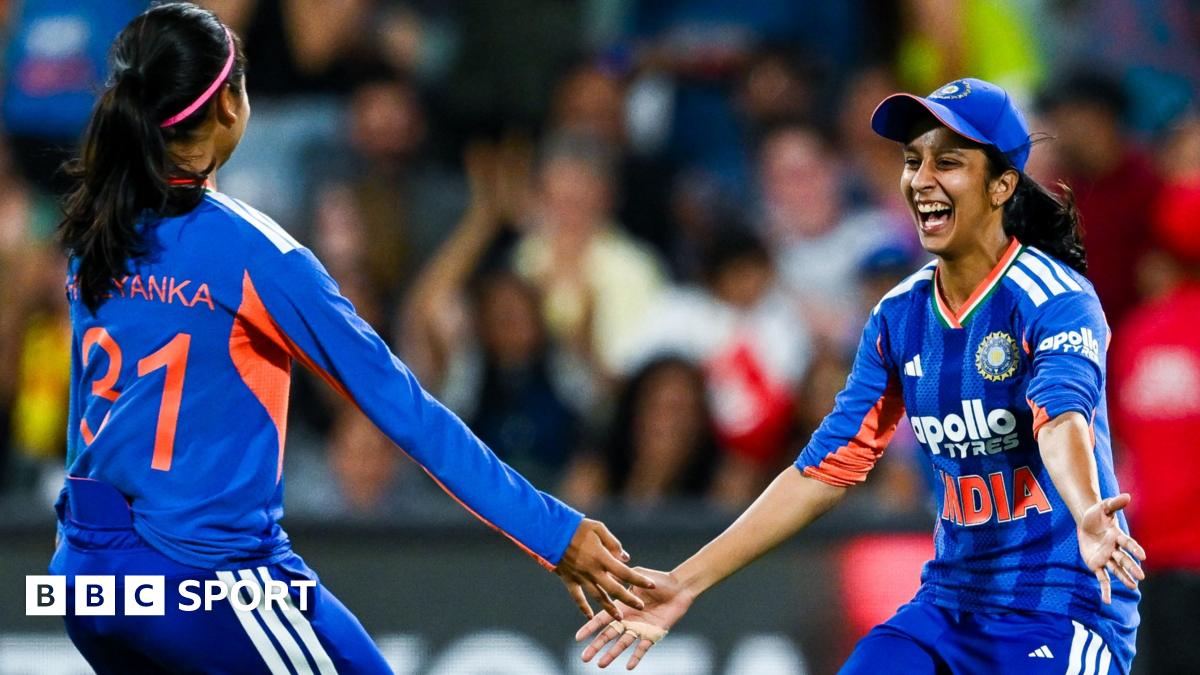
    In a historic triumph that shattered Australia’s nine-year home dominance, India’s women’s cricket team secured a dramatic 2-1 T20I series victory after claiming the decisive third match by 17 runs in Adelaide. The landmark win marks only India’s second-ever bilateral series triumph on Australian soil, with their previous success dating back to 2016.

    The victory was forged through exceptional batting prowess and strategic bowling execution. Opener Smriti Mandhana delivered a masterclass innings of 82 runs from just 55 deliveries, forming a record-breaking 121-run partnership with Jemimah Rodrigues (49) that established India’s commanding total of 176-6. This partnership now stands as India’s highest second-wicket stand in women’s T20 international history.

    Australia’s response began disastrously as off-spinner Shreyanka Patil dismantled the top order, removing both Georgia Voll and Ellyse Perry to leave the hosts reeling at 32-3. Despite a resilient 57 from 45 balls by Ash Gardner that temporarily revived Australian hopes, the required run rate proved insurmountable against India’s disciplined bowling attack.

    The match concluded with Patil recording impressive figures of 3-22, complemented by left-arm spinner Shree Charani’s equally impactful 3-28. The defeat marked a challenging start for Sophie Molineux’s captaincy tenure, as she assumed leadership of the Australian side for the first time.

    This series victory followed a weather-affected opening match where India prevailed by 21 runs via the DLS method, before Australia leveled the series with a 19-run win in the second encounter. The teams now prepare to extend their competition with a three-match ODI series commencing in Brisbane, followed by a standalone Test match in Perth beginning March 6th.

  • Welcome to Australia’s hottest beach event – nowhere near the sea

    Welcome to Australia’s hottest beach event – nowhere near the sea

    In the unlikeliest of locations—400 kilometers from the nearest coastline—the Australian town of Cootamundra transforms its asphalt streets into a vibrant beachfront spectacle each year. What began as a whimsical pub conversation has evolved into Coota Beach, a three-day volleyball extravaganza that defies geographical logic.

    The brainchild of local resident Simon Sutherland, the tournament emerged from his desire to replicate Bali’s festive atmosphere in rural New South Wales. Twenty-five years since its inception, the event has ballooned from a modest single-court competition into a major regional festival featuring nearly 200 teams across ten professionally constructed sand courts.

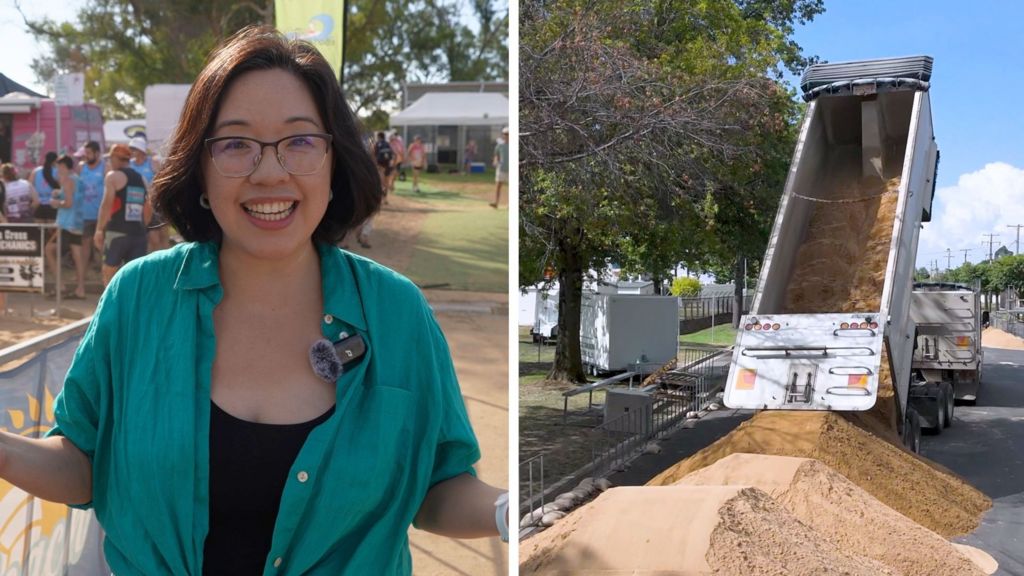
    This year’s tournament required approximately 900 tonnes of imported sand—equivalent to six blue whales—to create the temporary coastal environment. The transformation begins a week in advance, with council workers meticulously shaping the urban landscape into beach volleyball courts that participants claim rival those of actual coastal venues.

    The event has become a significant economic driver for Cootamundra, generating an estimated $2 million in revenue and swelling the town’s population of 7,000 by nearly 3,000 visitors during tournament weekend. Local accommodations consistently report complete occupancy, with hospitality businesses experiencing substantial benefits.

    Beyond economics, Coota Beach has fostered remarkable community integration. Recent Samoan immigrant Sia Lesa described the tournament as a vital social bridge, noting how it provides connection beyond her regular work at the local abattoir. The event has also become a multigenerational tradition, with 86-year-old Pat Roberts celebrating it as ‘bigger than Christmas’ for family gatherings.

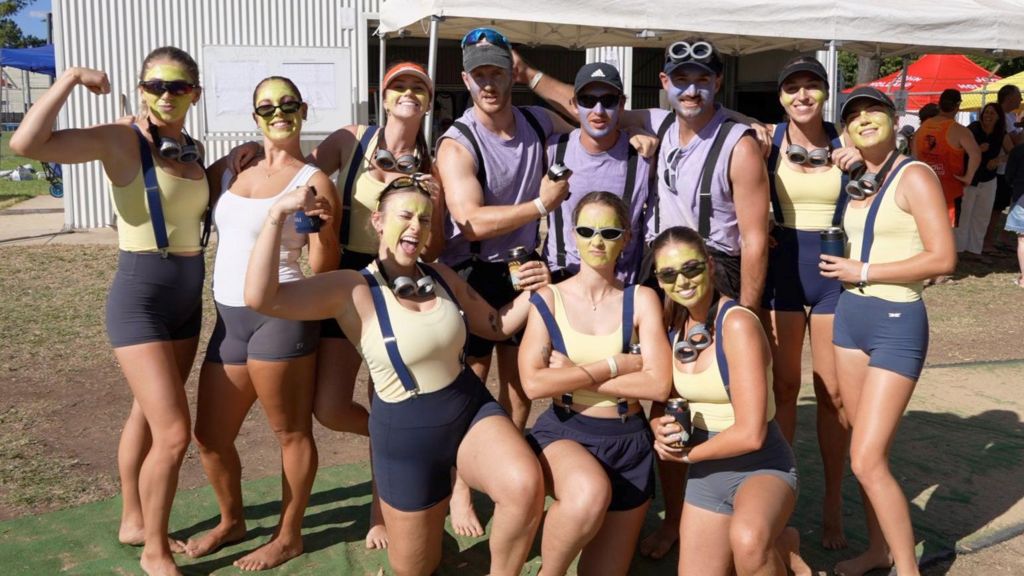
    The tournament maintains a distinctive character through creative team costumes—from yellow-faced minions to tasseled cowboy outfits—and playful team names like ‘Holy Blockamole.’ Matches follow hybrid volleyball rules with 20-minute games, creating an accessible competitive environment complemented by live music and festive atmosphere.

    Founder Sutherland now envisions expanding the event to rival Parkes’ Elvis Festival in scale, hoping to attract more urban visitors to experience country Australia’s unique community spirit.

  • Australia hammer Oman in final World Cup game

    Australia hammer Oman in final World Cup game

    In their final match of the ICC Men’s T20 World Cup 2024, Australia secured a commanding nine-wicket triumph against Oman at Pallekele International Cricket Stadium. Despite having already been eliminated from tournament contention, the Australian team delivered a polished performance to conclude their campaign on a positive note.

    The match saw Australia’s bowling attack effectively contain Oman’s batting lineup, restricting them to a modest total. The Australian chase was then executed with clinical precision, reaching the target with significant overs to spare and only one wicket lost. This demonstration of skill served as a reminder of the team’s underlying capabilities despite their overall disappointing tournament outcome.

    This victory stands as a consolation for the five-time champions who entered the competition with higher expectations. The win provides valuable momentum as the team regroups and evaluates strategies for future international competitions. For Oman, the match represented another challenging encounter against top-tier cricketing opposition in their World Cup journey.

  • Australia depart World Cup with big consolation win

    Australia depart World Cup with big consolation win

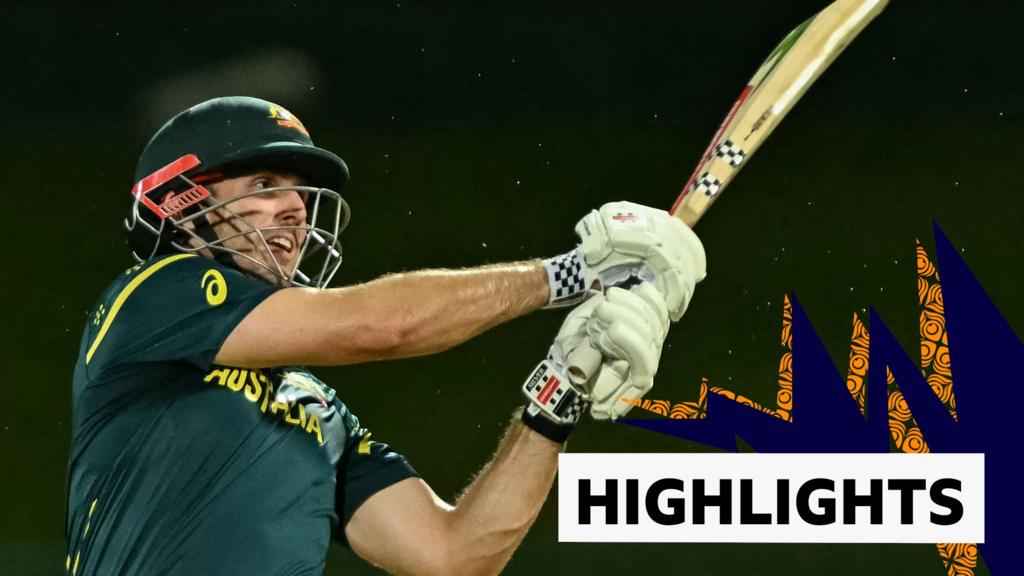
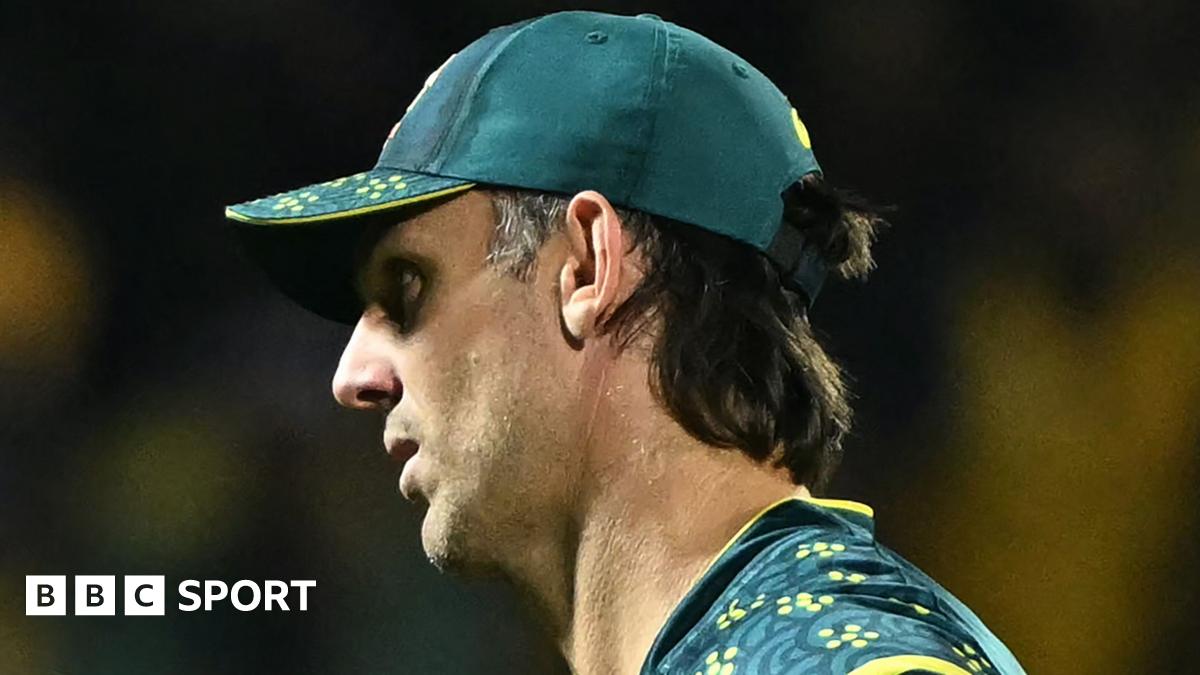
    In their final match of the T20 World Cup, Australia delivered a commanding performance against Oman, securing a nine-wicket victory in Pallekele. Despite having already been eliminated from the tournament following earlier defeats to Sri Lanka and Zimbabwe, Mitchell Marsh’s team demonstrated their competitive spirit by dismissing Oman for a mere 104 runs in 16.2 overs. Leg-spinner Adam Zampa emerged as the standout bowler, claiming impressive figures of 4-21. Oman’s batting struggled throughout, with Wasim Ali top-scoring at 32 runs. Australia’s chase was swift and efficient, achieving the target in just 9.4 overs. Captain Mitchell Marsh led from the front, finishing unbeaten on 64 from 33 deliveries, which included seven fours and four sixes. Travis Head contributed 32 runs before being dismissed by left-arm spinner Shakeel Ahmed. The match concluded the group stage of the tournament, highlighting the disparity between higher and lower-ranked teams. Australia’s early exit marks a significant disappointment for the cricketing powerhouse, while Oman leaves the competition without a win. The focus now shifts to the Super 8s, commencing with New Zealand versus Pakistan in Colombo, followed by England facing co-hosts Sri Lanka in Pallekele.

  • Four teenagers charged after drive-by shooting of Utai

    Four teenagers charged after drive-by shooting of Utai

    Sydney police have apprehended and charged four teenagers in connection with a series of violent incidents targeting former National Rugby League (NRL) player Matt Utai and his family, including a drive-by shooting and multiple arson attacks.

    The coordinated investigation, led by New South Wales Police, revealed a pattern of targeted violence that began Tuesday when Utai sustained serious gunshot wounds to his leg and shoulder during a drive-by shooting in the Greenacre suburb. The assailants fired from a white SUV, later discovered burned out in nearby Wiley Park.

    The violence escalated Wednesday with additional incidents across Sydney’s western suburbs. Shots were fired at a residence in St Clair while a woman in her 50s was home, followed by a vehicle fire in Colyton and simultaneous arson attacks targeting both a house and car in Guildford West.

    Police established a specialized task force that executed six search warrants on Thursday, resulting in the seizure of three vehicles, one kilogram of cocaine, and prohibited weapons including knuckle dusters.

    The four suspects face multiple charges: a 16-year-old boy and 19-year-old man were charged as accessories to attempted murder, while an 18-year-old and another 19-year-old face arson charges. The older suspect additionally faces drug supply charges.

    Utai, 44, remains in serious condition following emergency surgery. The former Canterbury Bulldogs and Wests Tigers winger, who represented both New Zealand and Samoa internationally during his 167-game NRL career, is not suspected of any criminal involvement according to police statements.

    Three of the accused were denied bail and will face court proceedings, while the 18-year-old received conditional bail pending further investigation.

  • BBC goes inside the beach volleyball contest hours from the nearest coast

    BBC goes inside the beach volleyball contest hours from the nearest coast

    For a quarter century, the remote Australian township of Richmond, Queensland, has defied geography by transforming its arid main thoroughfare into a vibrant beach volleyball arena. Located approximately 500 kilometers from the nearest coastline, this inland community has established what locals proudly call “the beach that shouldn’t exist” through an extraordinary annual tradition.

    The transformation begins each year as hundreds of tons of pristine white sand are meticulously transported and arranged along the town’s central avenue. This man-made coastal landscape creates a surreal juxtaposition against the surrounding outback terrain, complete with net systems, boundary markers, and the distinctive atmosphere of seaside competition.

    Organizers describe the event as both a sporting spectacle and a profound community-building exercise that reinforces regional identity. The tournament has evolved from a modest local initiative into a significant attraction drawing participants and spectators from across Australia. Beyond the athletic competition, the event features live music, food festivals, and cultural activities that celebrate the community’s innovative spirit.

    Environmental considerations have been integrated into the planning, with sand recycling programs and measures to minimize ecological impact. The event’s longevity demonstrates how rural communities can create sustainable tourism models while fostering social cohesion through creative placemaking initiatives that challenge conventional expectations of inland living.

  • Australian presenter apologises for drinking before slurred Olympics report

    Australian presenter apologises for drinking before slurred Olympics report

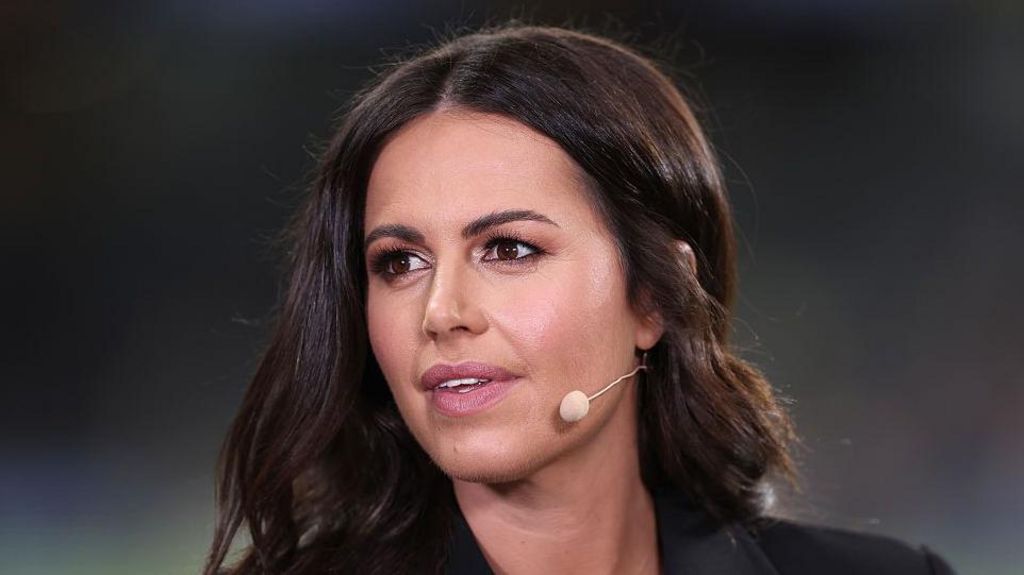
    Prominent Australian sports broadcaster Danika Mason has issued a public apology following a widely circulated clip of her visibly impaired performance during a live broadcast from the Winter Olympics in Italy. The Channel Nine reporter, renowned for her National Rugby League coverage, attributed the incident to poor judgment regarding alcohol consumption combined with altitude effects, cold weather, and lack of proper nutrition.

    During Wednesday’s live cross to the ‘Today’ breakfast program, Mason exhibited significant speech difficulties, delivering incoherent commentary that included random references to iguanas and comparative coffee pricing between Italy and the United States. The segment descended into confusion as she frequently slurred words and conflated geographical references, while studio host Karl Stefanovic’s audible laughter provided an awkward backdrop to the deteriorating broadcast.

    The viral clip sparked intense social media debate, with reactions ranging from sympathetic support to calls for immediate termination. Critics condemned the presentation as profoundly unprofessional, while defenders suggested it demonstrated human vulnerability in challenging broadcast conditions.

    Addressing the controversy during Thursday’s follow-up appearance, Mason expressed profound embarrassment while accepting full responsibility: ‘I totally misjudged the situation. I shouldn’t have had a drink, especially under these conditions combining cold, altitude, and without having dinner.’ Her contrite apology received supportive responses from colleagues, with Stefanovic labeling her a ‘legend’ and co-host Jenny Azzopardi acknowledging her established work ethic.

    Remarkably, the incident drew commentary from Australia’s highest political office, with Prime Minister Anthony Albanese publicly defending Mason’s professionalism while attributing the episode to fatigue and significant time zone differences. The unusual convergence of sports broadcasting mishap and political endorsement has created a multifaceted media narrative extending beyond typical entertainment news boundaries.

  • ‘It smacks of England’ – Australia fail again at T20 World Cup

    ‘It smacks of England’ – Australia fail again at T20 World Cup

    Australia’s unexpected elimination from the Men’s T20 World Cup has ignited intense scrutiny over team selection and preparation strategies. The tournament concluded prematurely for the Australians following a crucial washout in the Ireland-Zimbabwe match, marking their first absence from the Super 8s since 2009.

    The elimination came after captain Mitchell Marsh’s side suffered a decisive defeat against Sri Lanka, a loss that placed their advancement hopes in the hands of other teams. The subsequent abandonment of the Ireland-Zimbabwe match due to rain sealed Australia’s fate, allowing Zimbabwe to progress instead.

    Cricket legend Matthew Hayden delivered scathing criticism of Cricket Australia’s approach, stating the team had been ‘sold down the stream’ in terms of selection and preparation. ‘It smacks of England and their Ashes preparation questions – this kind of self-fulfilling prophecy of we’re OK,’ Hayden told Test Match Special. He particularly highlighted the mismatch between selecting power hitters for the finesse-required conditions of Sri Lankan pitches.

    The selection controversies included the late call-up of Steve Smith, who hadn’t featured in the T20 side for nearly two years, and the puzzling omission of Matthew Renshaw despite his decent performances. Hayden also expressed concern about all-rounder Cameron Green’s form, describing him as looking ‘awful with the bat’ and ‘a man with no confidence.’

    Australia’s bowling resources presented another concern, with Mitchell Starc retired from white-ball cricket and both Pat Cummins and Josh Hazlewood injured. The decision to call up batter Smith instead of additional bowling reinforcement raised questions about depth perception.

    The broader issue of Australia’s cultural approach to T20 cricket has come under examination. Despite healthy Big Bash League attendance, the tournament scheduling made viewing difficult for Australian fans, and only one Australian journalist traveled to cover the team in Sri Lanka – indicators of the format’s priority level.

    Australia will play their final match against Oman on Friday in what has become a dead rubber, an unfamiliar position for a team that won the T20 World Cup just four years ago but has now failed to reach the semi-finals in three consecutive tournaments.