标签: Oceania

大洋洲

  • Emergency call released of boy who swam for hours to save family

    Emergency call released of boy who swam for hours to save family

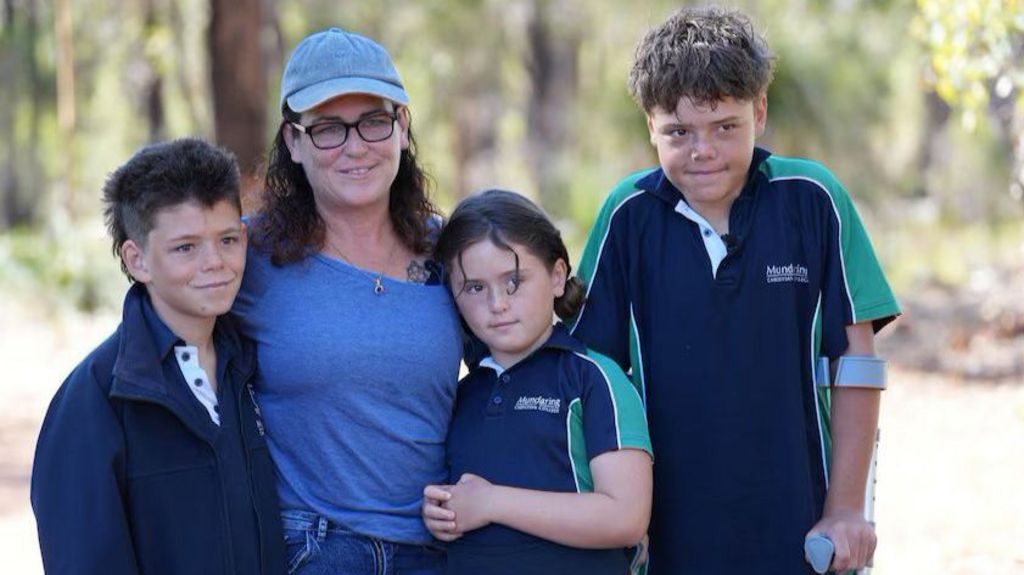
    A dramatic coastal rescue operation has highlighted extraordinary adolescent bravery after newly released emergency audio captured the moment a 13-year-old boy sought help following a maritime emergency. Austin Appelbee became his family’s sole hope for survival when strong currents swept his mother and siblings into treacherous waters off the Australian coast.

    The incident unfolded during what was supposed to be a routine family outing near Venus Bay, Victoria. Without hesitation, the teenager embarked on a grueling hours-long swim through darkness and challenging conditions to reach safety and alert authorities. His determined effort covered approximately one kilometer of open water before he could make contact with emergency services.

    Recordings from Triple Zero emergency services reveal the boy’s composed demeanor as he provided critical details to dispatchers while physically exhausted from his swim. Operators maintained communication with Austin as they coordinated a multi-agency response involving water police, air support, and local rescue teams.

    The successful rescue operation resulted in all family members being recovered alive and receiving medical treatment for exposure and exhaustion. Marine safety experts have since highlighted the dangerous coastal conditions that can develop rapidly in the area, even during seemingly calm weather.

    Australian authorities have praised Austin’s exceptional presence of mind and physical endurance under extreme duress, noting that his actions undoubtedly prevented a tragic outcome. The case has sparked renewed discussions about coastal safety education and emergency preparedness for families engaging in water-based activities.
  • Australia’s Marsh out with ‘testicular bleeding’

    Australia’s Marsh out with ‘testicular bleeding’

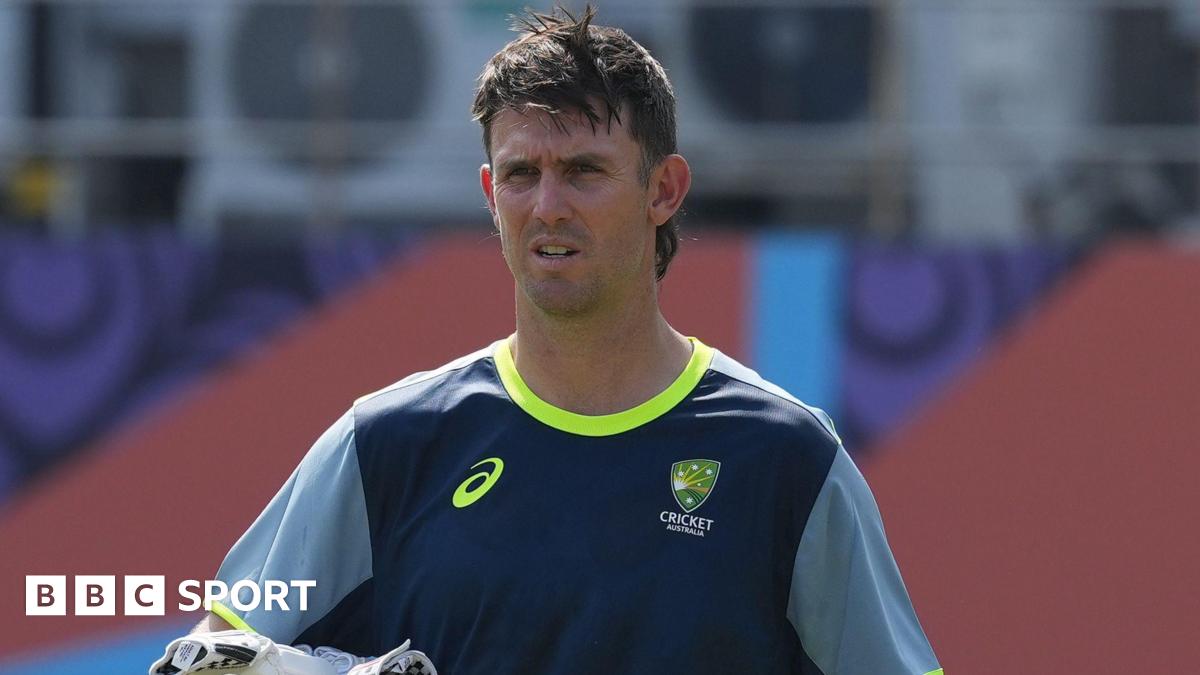
    Australian cricket team captain Mitchell Marsh has been sidelined from his team’s inaugural T20 World Cup match against Ireland due to a severe groin injury sustained during training. The 34-year-old all-rounder suffered testicular bleeding after being struck in the pelvic region while taking throwdowns during a practice session in Colombo this past Sunday.

    Cricket Australia’s medical team confirmed through comprehensive scans that Marsh has developed internal testicular bleeding, resulting in persistent pain and mobility restrictions. The national cricket body issued an official statement indicating the player will undergo a structured rehabilitation program with his return contingent upon symptom resolution and medical clearance.

    In response to this unexpected development, veteran batsman Steve Smith has been summoned as emergency cover. The 36-year-old, despite being omitted from the original World Cup roster despite strong Big Bash League performances, will join the squad in preparation for potential tournament involvement should Marsh’s recovery extend beyond initial projections.

    Travis Head assumed interim captaincy duties for Australia’s Group B encounter against Ireland in Marsh’s absence. The Australian team, now navigating early tournament challenges without their designated leader, faces Zimbabwe next at Colombo’s R. Premadasa Stadium this Friday.

    Marsh, who assumed T20 captaincy responsibilities in April 2024, brings substantial experience with 2,102 runs and 17 wickets across 78 international appearances in the format. His absence presents significant tactical adjustments for the Australian side as they commence their World Cup campaign.

  • Australia’s first female Liberal leader under pressure after front bench resignation

    Australia’s first female Liberal leader under pressure after front bench resignation

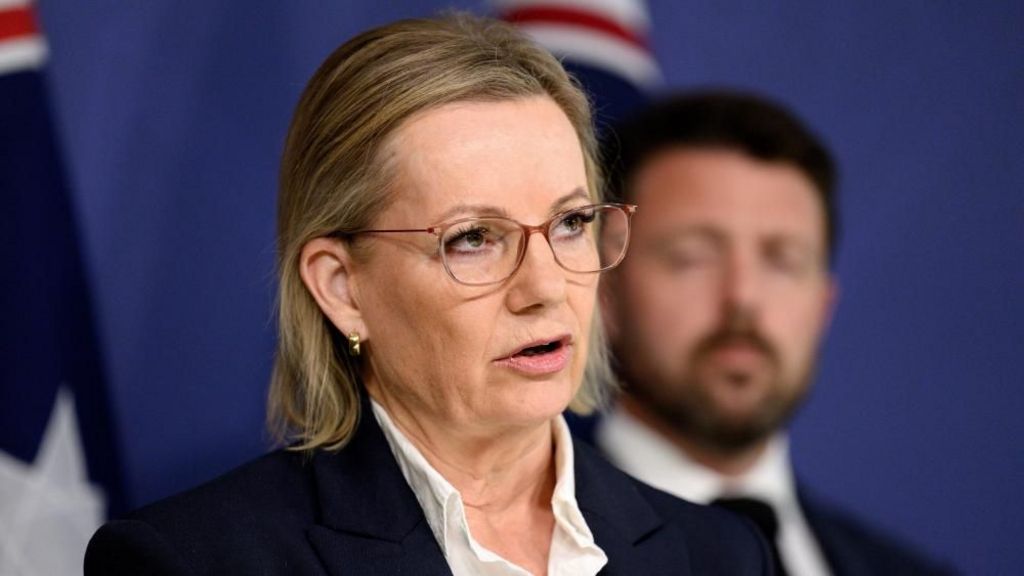
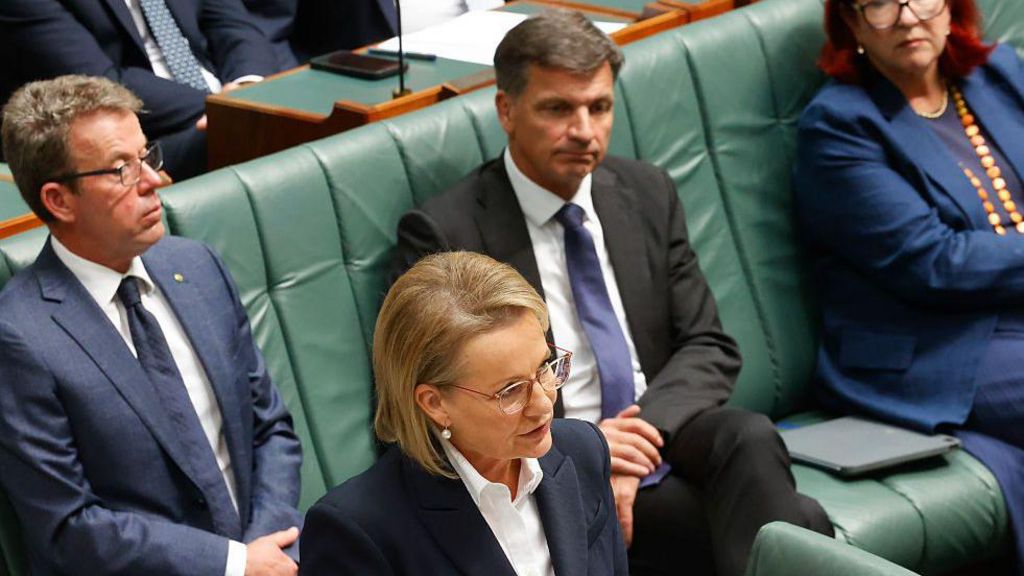
    Australia’s political landscape has been thrown into turmoil following the dramatic resignation of Shadow Defence Minister Angus Taylor from the opposition Liberal Party’s leadership team. This move signals an impending challenge to current leader Sussan Ley, who made history as the first woman to lead the conservative party.

    The resignation comes amid growing internal dissatisfaction with Ley’s leadership, which has been characterized by persistently poor polling numbers and deepening factional divisions within the Liberal-National coalition. Taylor, representing the party’s conservative wing, openly criticized Ley’s ability to effectively lead the opposition against the ruling Labor government.

    ‘We have failed to hold a bad Labor government to account,’ Taylor stated during his resignation announcement, emphasizing the need to ‘protect Australians’ way of life’ and restore living standards. His departure follows months of internal strife that saw the coalition temporarily split over contentious policy issues including hate speech legislation and climate commitments.

    The political instability has created an opening for the populist One Nation party, which recent polls show has overtaken the coalition to become the primary opposition force behind Labor. This development marks a significant shift in Australia’s political dynamics, particularly as the Liberals struggle to maintain relevance in urban centers while their coalition partners, the Nationals, pivot further right to counter rising populist sentiment.

    Political analysts note that the coalition’s failure to reconcile internal differences on key policy matters, combined with Ley’s declining personal approval ratings, has created ideal conditions for a leadership challenge. Taylor’s supporters are expected to call for a special party meeting to initiate a leadership spill motion, potentially ending Ley’s tumultuous tenure.

  • Australian author’s erotic novel is child sex abuse material, judge finds

    Australian author’s erotic novel is child sex abuse material, judge finds

    An Australian court has delivered a landmark verdict against author Lauren Mastrosa, finding her guilty of producing child sexual abuse material through her erotic age-gap romance novel. The New South Wales judicial proceeding revealed disturbing content within the publication, which chronicles the relationship between 18-year-old Lucy and her father’s 45-year-old friend Arthur, including explicit descriptions of the older man’s desires that originated when the protagonist was a child.

    Magistrate Bree Chisholm, after comprehensive examination of the entire work published under the pseudonym Tori Woods, determined that the material unequivocally ‘sexually objectifies children.’ The judicial assessment noted that despite the character’s technical adult age, the narrative persistently employs child-like language, describes the wearing of children’s clothing, and incorporates infantilized behavior during sexual scenes.

    The case emerged when Mastrosa, a 34-year-old marketing executive for Christian charity BaptistCare, distributed advance copies to 21 readers in March of last year. Online outrage followed, prompting a police investigation. The controversial book features a cover designed with pastel pink background and title spelled in children’s alphabet blocks, further reinforcing the problematic thematic elements.

    Magistrate Chisholm emphasized that occasional references to the character’s legal age were insufficient to counteract the overwhelming impression of child sexualization throughout the work. The court found that the material creates ‘visual imagery of an adult male engaging in sexual activity with a young child,’ rendering it ‘undeniably offensive’ to reasonable readers.

    Mastrosa, convicted on one count each of creating, possessing, and distributing child abuse material, will face sentencing on April 28. BaptistCare confirmed she has been suspended from her position pending internal investigation following the criminal charges.

  • Australia PM ‘devastated’ as police and protesters clash over Israeli leader’s visit

    Australia PM ‘devastated’ as police and protesters clash over Israeli leader’s visit

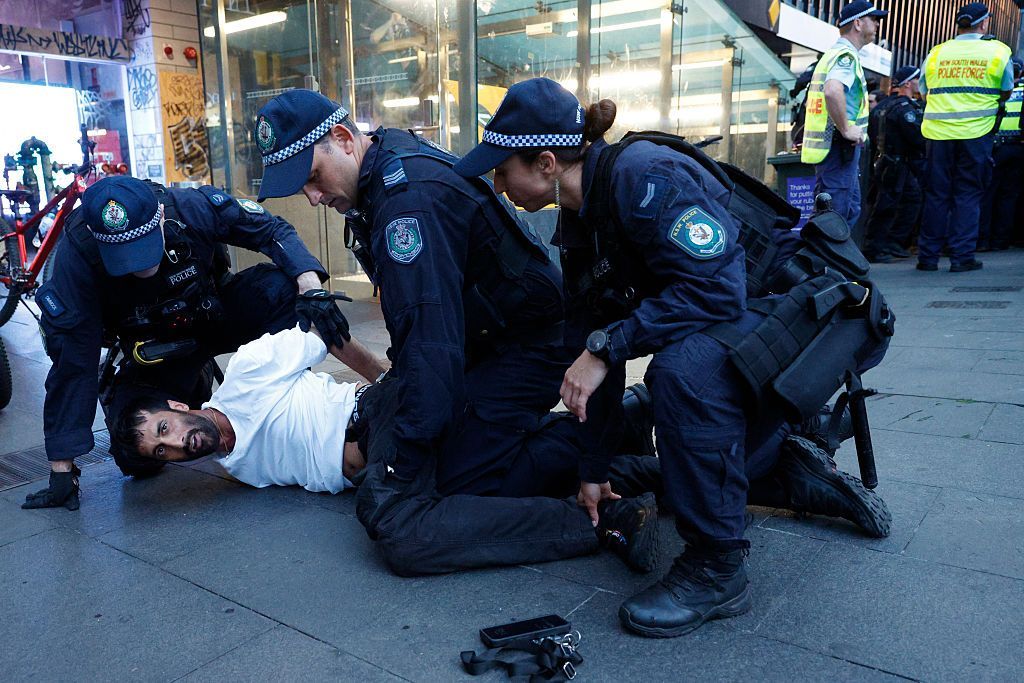
    SYDNEY – Australian Prime Minister Anthony Albanese expressed profound dismay Tuesday following violent confrontations between police and pro-Palestinian demonstrators during protests against Israeli President Isaac Herzog’s official visit. The clashes, which resulted in 27 arrests, marked one of the most significant public order challenges in Sydney in recent years.

    The unrest unfolded Monday evening outside Sydney’s Town Hall where an estimated 6,000 protesters gathered. Video footage captured intense physical altercations showing police officers deploying pepper spray, punching demonstrators, and forcibly removing Muslim men engaged in prayer. The demonstrations were organized by the Palestine Action Group, which had previously failed in a legal challenge to overturn police restrictions on their protest routes.

    Prime Minister Albanese defended his invitation to President Herzog, stating the visit would aid healing within Australia’s Jewish community following December’s Bondi shootings that killed 15 people, including a 10-year-old girl, during a Hanukkah celebration. “These are scenes that I think shouldn’t be taking place,” Albanese told reporters, though he maintained his support for the diplomatic engagement.

    The protests occurred under newly implemented police powers established after the Bondi tragedy, which banned demonstrations near Parliament and Hyde Park. Josh Lees of the Palestine Action Group asserted that “all of this could have been avoided” if police had permitted their planned march route, describing the violence as the worst he’d witnessed in years.

    New South Wales Premier Chris Minns supported police actions, stating authorities were “put in an impossible situation” and urging the public not to judge based on brief video clips without full context. Assistant Commissioner Peter McKenna reported officers faced threats, jostling, and assaults during what he characterized as “rolling fights” where police were “significantly outnumbered” by those intent on violence.

    The demonstrations were fueled by controversy surrounding President Herzog, whom a UN commission previously concluded had incited genocide against Palestinians through his statements. Herzog has condemned the report as taking his words out of context. Protest organizers have announced further demonstrations demanding dropped charges against arrested protesters and investigations into police conduct.

  • Israeli president lays wreath at Bondi at start of controversial visit

    Israeli president lays wreath at Bondi at start of controversial visit

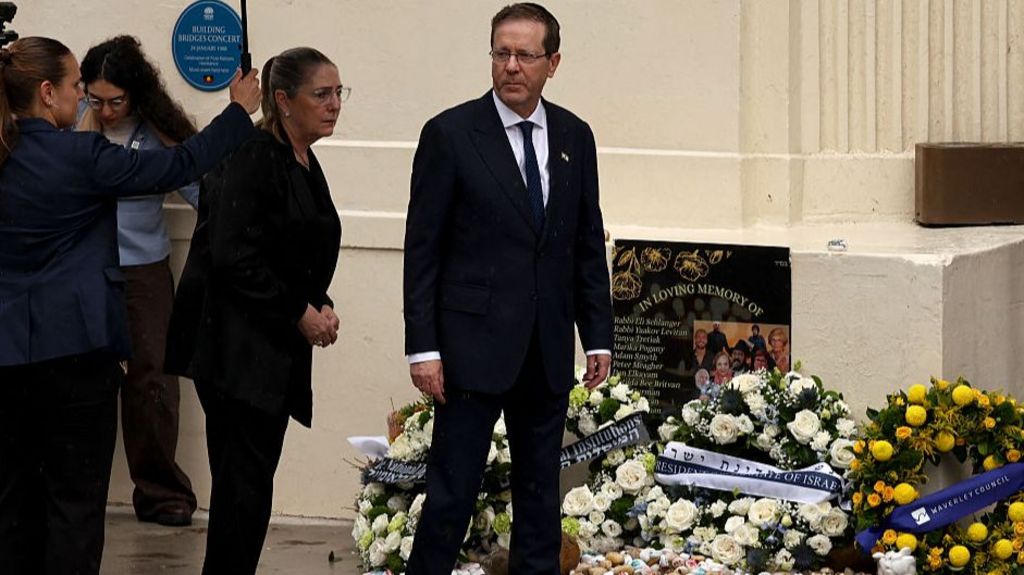
    Israeli President Isaac Herzog’s official visit to Australia has generated both solidarity and significant controversy, beginning with a solemn ceremony at Bondi Beach where a deadly shooting targeted a Jewish festival in December. Herzog laid a wreath and placed two stones from Jerusalem at the memorial site, stating, “When one Jew is hurt, all Jews feel their pain” as he sought to comfort bereaved families.

    The four-day visit, conducted under tight security arrangements, includes scheduled meetings with Prime Minister Anthony Albanese in Canberra and Melbourne. The Australian government maintains the visit will foster social cohesion and unity following the Bondi attack that killed 15 people, including a 10-year-old girl, during Hanukkah celebrations.

    However, the presidential visit faces substantial opposition from various groups citing Herzog’s alleged involvement in inciting genocide in Gaza. The Palestine Action Group is challenging the New South Wales government’s invocation of rare “major event” powers that grant police expanded authorities, including location closures, personal searches, and substantial fines for non-compliance.

    Australian Jewish leadership, including Alex Ryvchin of the Executive Council of Australian Jewry, has warmly welcomed Herzog’s presence, describing it as spiritually uplifting for a grieving community and potentially beneficial for bilateral relations. This perspective contrasts sharply with criticism from the Jewish Council of Australia and the Australian National Imams Council, who argue the invitation dangerously conflates Jewish identity with the actions of the Israeli state.

    The controversy stems from a UN commission report that concluded Herzog was among Israeli leaders who had “incited the commission of genocide” through public statements. The president has denied these allegations, claiming his words were taken out of context, while Australian Human Rights Lawyer Chris Sidoti has called for Herzog’s arrest, arguing immunity should not apply to “atrocity crimes.”

    Foreign Minister Penny Wong acknowledged the depth of feeling surrounding the visit while emphasizing its importance to the Australian Jewish community affected by terrorism. She reiterated that Israel must be judged by the International Court of Justice regarding genocide convention compliance and accept responsibility for Gaza’s humanitarian situation.

  • Christchurch shooter seeks to overturn guilty plea

    Christchurch shooter seeks to overturn guilty plea

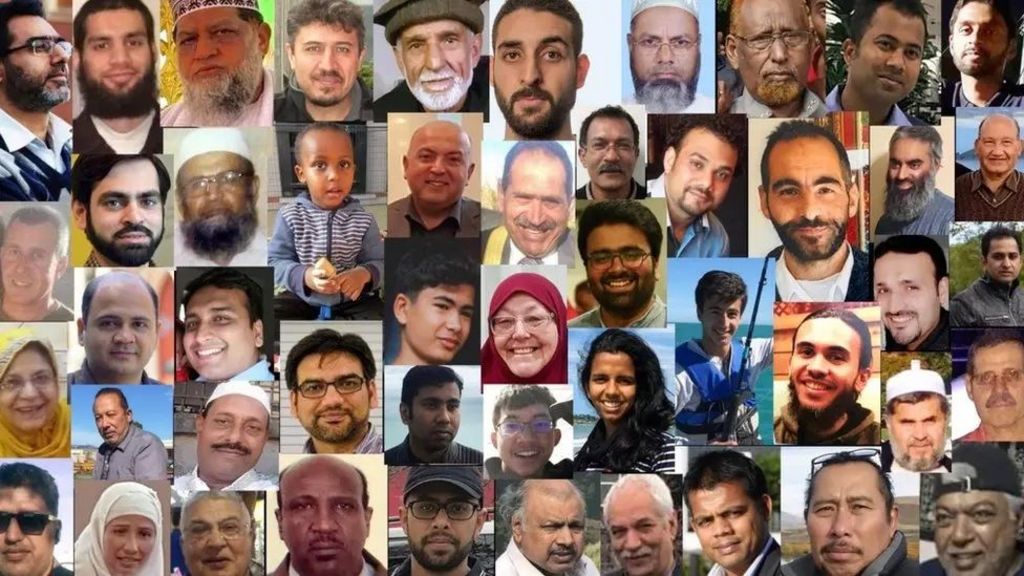
    Australian white supremacist Brenton Tarrant, currently serving life imprisonment without parole for the 2019 Christchurch mosque massacres, has initiated a controversial legal appeal seeking to retract his prior guilty plea. The 35-year-old terrorist, who admitted to murdering 51 worshippers and attempting to kill 40 others during Friday prayers, will present his case before New Zealand’s Court of Appeal in Wellington this week.

    Tarrant’s defense argues his prison conditions constitute ‘torturous and inhumane’ treatment that rendered him incapable of rational decision-making when he entered his guilty plea. The convicted mass murderer, who also confessed to terrorism charges, further intends to appeal his unprecedented sentence of life without parole.

    The hearing, expected to span the entire week, will feature Tarrant’s testimony delivered via video link. Victims’ families have been granted access to observe proceedings through a delayed broadcast system, reopening wounds from one of New Zealand’s most traumatic national tragedies.

    Among those preparing to witness the appeal is Aya al-Umari, whose brother Hussein was killed while confronting the attacker at Al Noor mosque. ‘I distinctly remember leaving court after sentencing thinking the trauma chapter was closed,’ al-Umari told the BBC. ‘But it pops up again and again.’

    The 2019 attacks, partially live-streamed by the perpetrator, triggered immediate legislative reforms including stringent gun control measures. Within weeks, New Zealand’s parliament overwhelmingly banned military-style semi-automatic weapons and implemented a compensated buyback scheme for newly prohibited firearms.

    Then-Prime Minister Jacinda Ardern declared during Tarrant’s 2020 sentencing that life without parole ensured the attacker would receive ‘no notoriety, no platform.’ The current appeal process challenges that resolution, potentially forcing a full trial if judges permit the plea withdrawal. Should the court deny this request, a separate hearing addressing sentence appeal will convene later this year.

  • Australia’s opposition coalition reunites after row over hate-speech laws

    Australia’s opposition coalition reunites after row over hate-speech laws

    Australia’s center-right political alliance has formally reconciled following a contentious three-week separation triggered by disagreements over proposed hate speech legislation. The Liberal-National Coalition, the nation’s primary opposition force, announced its reunification on Sunday with joint appearances by Liberal Leader Sussan Ley and Nationals Leader David Littleproud in the capital Canberra.

    The political fracture originated on January 22nd when the National Party, expressing constitutional concerns regarding free speech protections, declined to support government-proposed reforms. These legislative measures were introduced following December’s tragic Bondi Beach attack where two assailants targeted a Jewish festival, resulting in 15 fatalities.

    Ley characterized the reunion as forward-looking, stating: “The Coalition is back together and looking to the future, not to the past.” Littleproud acknowledged the substantive nature of the disagreement, noting: “It’s been disappointing, we’ve got to where we are but it was over a substantive issue.”

    This marks the coalition’s second separation within twelve months, following a May 2023 split primarily concerning climate and energy policy that was resolved within seven days. The current reconciliation includes a strengthened governance agreement establishing that neither party can unilaterally overturn decisions made by the coalition’s joint shadow cabinet.

    The controversial legislation at the heart of the dispute contains provisions authorizing the banning of organizations deemed to propagate hate speech and implementing enhanced penalties for religious leaders advocating violence. While Liberal parliamentarians ultimately supported the government’s position, National Party members abstained from voting in the lower house and opposed the measure in the senate, arguing the proposals were hastily constructed and threatened fundamental free speech rights.

    Dating to the 1940s, the coalition had maintained uninterrupted partnership since 1987 until last year’s ruptures. The alliance now confronts mounting pressure from populist movements including Senator Pauline Hanson’s anti-immigration One Nation party, which has gained significant polling traction while the Liberals suffered substantial seat losses in the most recent federal election.

  • ‘My life was transformed when I got rare sheep disease on holiday’

    ‘My life was transformed when I got rare sheep disease on holiday’

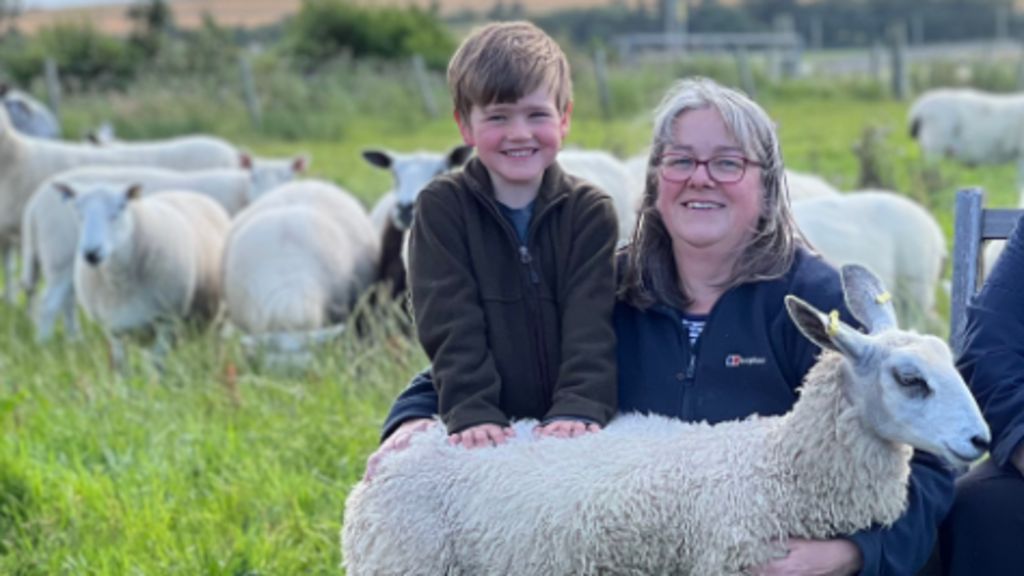
    A Scottish farmer’s encounter with a rare bacterial infection during an Australian holiday has fundamentally reshaped her approach to life and work over a transformative decade-long health journey. Sally Crowe, a 48-year-old Caithness crofter featured on BBC’s This Farming Life, contracted Q fever in 2012 while visiting friends working in a sheep-shearing facility in Western Australia.

    The initial symptoms manifested upon her return to the UK as severe flu-like sensations that medical professionals struggled to diagnose. After 18 months of uncertainty and being misdiagnosed with chronic fatigue syndrome (ME), doctors finally identified the condition as chronic Q fever—a rare airborne disease transmitted from farm animals that affects only approximately 5% of those exposed.

    The subsequent years brought profound challenges as Sally transitioned from an active farming lifestyle to being bedbound for up to 18 hours daily. The treatment landscape in Scotland proved limited, prompting her to seek specialized medical intervention from South Africa in 2016. Her year-long therapeutic regimen involved alternating weeks of antibiotics and anti-malarial medications, which initially exacerbated her discomfort before gradually restoring functionality.

    This health crisis precipitated a complete re-evaluation of priorities. Sally embraced IVF treatment and welcomed her son William in 2019, catalyzing a shift from work-centric living to quality family time. She implemented strategic energy management on her 65-acre family croft—established in 1972 and home to 60 breeding ewes, nine cattle, and numerous hens—alternating physical tasks with cognitively demanding activities across days.

    Medical authorities note that Q fever, while typically harmless, can develop into chronic conditions causing serious cardiovascular complications like endocarditis. The infection spreads primarily through contact with infected animals’ bodily fluids and tissues, posing particular risks to agricultural workers, veterinarians, and abattoir personnel. No licensed vaccine currently exists within the UK healthcare system.

    Sally’s narrative transcends medical statistics, embodying a powerful testament to resilience and reprioritization. She now consciously reserves weekends for meaningful interactions with her six-year-old son, recognizing the transient nature of childhood. Her experience underscores the importance of balancing occupational demands with personal fulfillment, offering insights relevant both to agricultural communities and broader discussions about occupational health risks and post-recovery life adaptation.

  • Coin portrait of late Queen draws criticism in Australia

    Coin portrait of late Queen draws criticism in Australia

    The Royal Australian Mint has ignited public debate with its newly released commemorative coins honoring the centenary of Queen Elizabeth II’s birth. The $5 and 50-cent silver coins, featuring a frontal portrait of the late monarch, have drawn significant criticism for their perceived lack of resemblance to Britain’s longest-serving ruler.

    Social media platforms erupted with negative reactions shortly after the coins’ unveiling. One commentator described the portrait as “the most unpleasant depiction on a coin,” while another suggested the frontal perspective made it appear “like she just ran into a wall.” Several observers noted the design bore stronger resemblance to fictional characters, including Mrs. Doubtfire from the beloved comedy film, than to the actual queen.

    The mint defended its artistic choices, explaining that “coin images don’t always capture the full beauty of a design once it’s etched in metal.” Despite the controversy, the limited edition coins proved immediately popular among collectors. The online ballot for purchasing the coins closed Wednesday with full subscription, and mint officials confirmed the silver proof versions had completely sold out.

    Only 30,000 of the 50-cent coins and 5,000 of the $5 denominations were produced, ensuring their status as exclusive collector’s items that will not enter general circulation. Beyond the controversial portrait, the coins feature intricate symbolic elements celebrating the queen’s life and legacy, including motifs of horses and corgis, artistic references to her cultural patronage, and floral emblems representing both her personal preferences (roses and lily of the valley) and Australia’s national flower (golden wattle).

    The design also incorporates Her Majesty’s Royal Cypher, a stylized St Edward’s Crown, and the Auxiliary Territorial Service emblem acknowledging her wartime service. The reverse sides display a profile portrait of King Charles III, continuing the royal numismatic tradition.