标签: Oceania

大洋洲

  • ‘Proud to have him’: Luke Garner officially off the market after agreeing to new deal with the Panthers

    ‘Proud to have him’: Luke Garner officially off the market after agreeing to new deal with the Panthers

    In a significant retention victory, Penrith Panthers have successfully secured versatile forward Luke Garner with a contract extension that will keep the two-time premiership winner at the club through the 2028 season. The decision effectively blocks ambitious expansion franchises Perth Bears and Papua New Guinea Chiefs from acquiring the highly-valued player when they enter the NRL competition in 2027 and 2028 respectively.

    Garner, who joined the Panthers in 2023 after five seasons with Wests Tigers, has become an integral component of Penrith’s success machine. The 30-year-old’s exceptional versatility allows him to excel in multiple positions across the back row and centers, providing crucial defensive coverage and tactical flexibility. His contribution was instrumental in securing consecutive premiership titles in 2023 and 2024.

    Panthers management expressed unanimous enthusiasm about the retention. Shane Elford, Panthers General Manager of Football, praised Garner as “a true professional who prepares diligently and consistently delivers for the team. His work ethic, versatility and team-first attitude are highly valued within our group.”

    Beyond his on-field capabilities, club officials highlighted Garner’s community engagement and character. Panthers Rugby League CEO Matt Cameron emphasized: “Luke is not only a high-quality footballer, but a terrific person who represents our club with integrity. He genuinely invests in the community through charity work and fan engagement, consistently giving his time to make a positive difference.”

    The retention represents a strategic coup for the Panthers organization, ensuring continuity in their championship-winning squad while denying expansion teams access to an experienced premiership veteran.

  • US deploys immigration agents to airports amid shutdown chaos

    US deploys immigration agents to airports amid shutdown chaos

    In an unprecedented response to mounting travel disruptions, U.S. Immigration and Customs Enforcement (ICE) personnel have been deployed to major airports nationwide as the partial government shutdown creates critical staffing shortages. The move places controversial enforcement agents—already under intense scrutiny following fatal shooting incidents—in highly visible roles at transport hubs including New York, Chicago, and Atlanta.

    With unscheduled absences among Transportation Security Administration (TSA) staff reaching record levels due to weeks without pay, ICE agents are being utilized in support capacities including exit monitoring and logistical management. This temporary measure aims to alleviate security checkpoint bottlenecks that have caused passenger wait times to exceed three hours during the busy spring break travel period.

    The deployment occurs against a backdrop of heightened political tension. House Democratic Leader Hakeem Jeffries condemned the move, warning about “untrained ICE agents being deployed at airports potentially to brutalize or kill” citizens. This criticism references recent fatalities in Minnesota involving ICE and Customs and Border Protection officers.

    Meanwhile, shutdown negotiations remain deadlocked. Democrats demand immigration enforcement limitations in exchange for Department of Homeland Security funding, while President Trump insists he won’t sign any deal without congressional passage of the contentious SAVE America Act voter registration overhaul. With Congress approaching recess and no breakthrough imminent, airport disruptions are expected to intensify, highlighting the increasingly blurred lines between immigration enforcement and domestic security operations.

  • EU ‘concerned’ by reports Hungary leaked information to Russia

    EU ‘concerned’ by reports Hungary leaked information to Russia

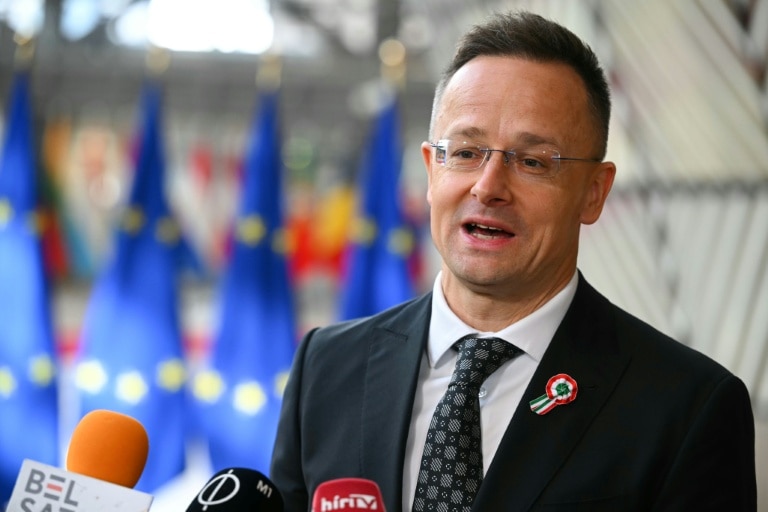
    The European Commission has formally requested clarification from the Hungarian government following explosive allegations that Budapest shared confidential EU negotiation details with Russian officials. According to a Washington Post investigation citing European security sources, Hungarian Foreign Minister Peter Szijjarto allegedly maintained regular contact with Russian counterpart Sergey Lavrov during breaks in EU meetings, providing direct reports on internal discussions and suggesting potential courses of action.

    These claims, described as “greatly concerning” by EU executives, emerge during particularly strained relations between Brussels and Budapest. The allegations gain significance given Hungary’s recent blocking of a crucial €90 billion aid package to Ukraine and Prime Minister Viktor Orban’s continued diplomatic engagement with Moscow despite the ongoing conflict.

    Minister Szijjarto has vehemently denied the reports, labeling them as “fake news” and “senseless conspiracy theories.” Hungarian European Affairs Minister Janos Boka defended the communications as normal diplomatic practice, while curiously questioning why other EU foreign ministers don’t maintain similar contact with Russian officials.

    The German government has characterized the allegations as “very serious,” emphasizing that EU discussions remain confidential and violations won’t be tolerated. Prime Minister Orban has responded aggressively, claiming the reports constitute “eavesdropping on a member of government” and ordering an investigation—despite the Washington Post article containing no mention of wiretapping activities.

    This controversy unfolds against the backdrop of Hungary’s upcoming April elections, with Orban’s party trailing in polls and European officials increasingly vocal about their frustration with Budapest’s obstructionist stance on Ukraine support.

  • Australia can’t guarantee Asian fuel supply, Coalition have no ‘solutions’: Minister

    Australia can’t guarantee Asian fuel supply, Coalition have no ‘solutions’: Minister

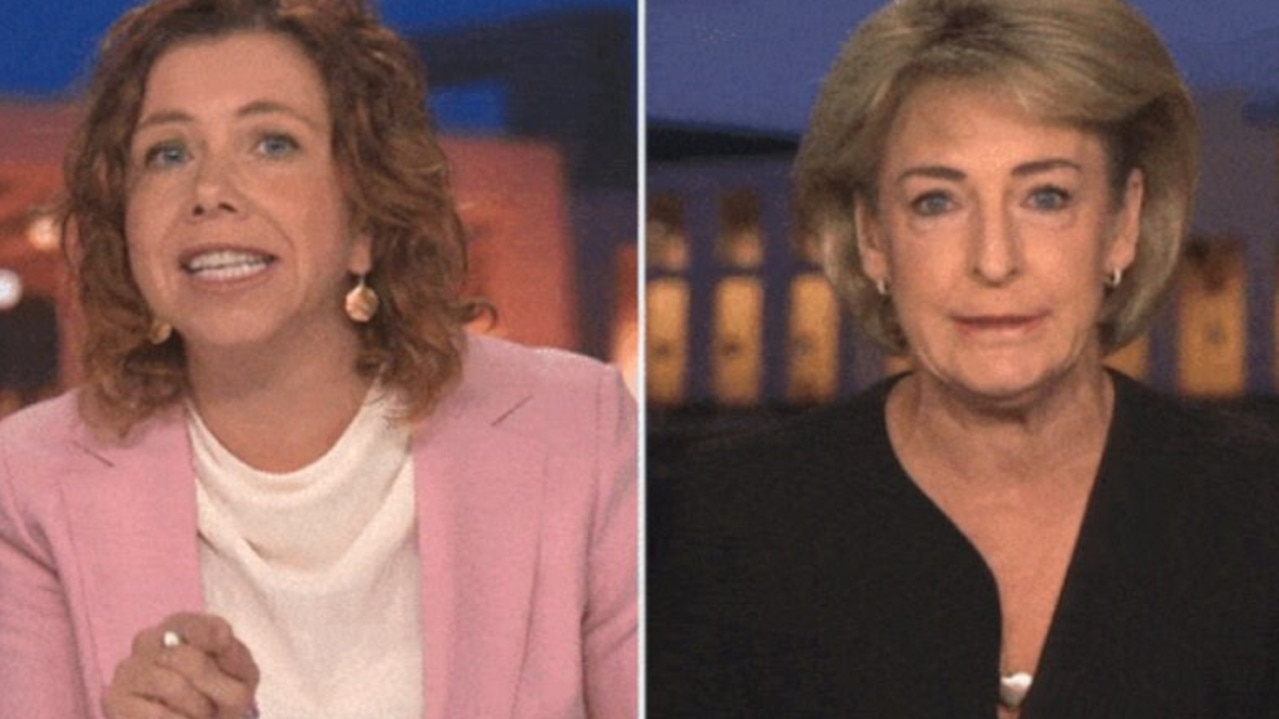
    A heated political confrontation has erupted between Employment Minister Amanda Rishworth and Senator Michaelia Cash regarding the Albanese government’s response to Australia’s escalating fuel crisis. The clash occurred during a televised interview on Tuesday, highlighting growing tensions over energy security concerns linked to Middle Eastern conflicts.

    Minister Rishworth emphasized the government’s around-the-clock efforts to maintain fuel supplies despite “very uncertain and difficult times.” She acknowledged working collaboratively with state and territory administrations to ensure proper fuel distribution while cautioning that the duration of overseas conflicts remains unpredictable.

    Senator Cash delivered scathing criticism, asserting that Australians have become “more confused than ever” about the situation. She recalled that the government initially denied existence of problems three weeks prior before recently acknowledging the national crisis. The opposition senator proposed practical solutions including improved fuel logistics to stations experiencing shortages, sarcastically suggesting Energy Minister Chris Bowen might personally drive fuel tankers if necessary.

    In defensive retort, Minister Rishworth dismissed these comments as lacking substantive solutions. The exchange grew increasingly tense with Senator Cash labeling the government’s position as “excuses.

    The administration has implemented several countermeasures including appointing a dedicated fuel taskforce coordinator, releasing emergency fuel reserves, and temporarily adjusting sulfur content standards. Energy Minister Chris Bowen confirmed that six of 81 expected fuel shipments had been canceled, though distribution responsibility primarily falls to state jurisdictions.

    Separately, NSW Opposition Leader Kellie Sloane advocated for complimentary public transportation during the upcoming Easter weekend to alleviate household budget pressures from soaring fuel prices. This proposal received endorsement from Business NSW, which anticipates increased consumer activity through improved accessibility.

    Concurrently, the Finance Services Union requested employers suspend office attendance requirements, citing successful remote work demonstrations during pandemic conditions. The union emphasized that flexible arrangements would provide immediate financial relief during global uncertainties and rising living expenses.

  • ‘Everyone was speaking about KD’: How an NBA legend helped Taniela Paseka recover from devastating achilles injury

    ‘Everyone was speaking about KD’: How an NBA legend helped Taniela Paseka recover from devastating achilles injury

    Manly Sea Eagles prop forward Taniela Paseka has revealed how studying NBA superstar Kevin Durant’s recovery from a similar injury provided crucial inspiration during his own rehabilitation from a devastating Achilles rupture. The 28-year-old rugby league behemoth suffered the catastrophic injury during Round 3 last year against Canberra Raiders, creating a significant void in Manly’s forward pack that proved difficult to fill throughout the season.

    Now making his gradual return to the NRL arena, Paseka has demonstrated encouraging progress through the opening two rounds of the 2024 season, averaging 123 meters per game—just three meters shy of his career-best performance set in 2023. Despite these promising metrics, the 1.97-meter-tall forward acknowledges that full recovery remains an ongoing process that may require additional time to regain his signature explosiveness and power through contact.

    “It’s been good, I’m just finding my feet,” Paseka commented regarding his comeback journey. “I’ve had three games now under my belt, including a trial, so I feel more than ready to return to that level I left at and hopefully keep going. My calf has obviously lost considerable strength, and being right-footed, I’ve experienced some reduction in push and explosiveness on that side.”

    The rehabilitation process led Paseka to research Durant’s successful return from an Achilles rupture sustained during the 2019 NBA Finals. Though the basketball legend stands 14 centimeters taller and was nearly 31 at the time of his injury, his remarkable return to elite performance—eventually becoming the fifth-highest scorer in league history—provided valuable psychological motivation for the Sea Eagles forward.

    “I actually searched on YouTube because everyone was discussing ‘KD’ and his return,” Paseka explained. “I watched some of his clips and how he managed the recovery process. While I primarily leaned on my partner and the rehabilitation trainers here, seeing Durant’s successful comeback provided additional encouragement.”

    The Sea Eagles urgently need Paseka at his peak performance as they prepare for Thursday night’s crucial match against the Roosters, seeking their first victory of the season. The team’s forward pack has faced criticism for lacking mobility, a critique that Paseka acknowledges motivates the squad to demonstrate their capabilities on the field.

  • Donald Trump’s Iran move sparks major relief rally for Australian sharemarket

    Donald Trump’s Iran move sparks major relief rally for Australian sharemarket

    Global financial markets experienced a significant surge following former U.S. President Donald Trump’s announcement regarding productive negotiations with Iran, triggering a substantial rally across international indices. The Australian ASX 200 futures catapulted 142 points (1.7%) to reach 8,627, mirroring substantial gains in U.S. markets where the Dow Jones Industrial Average advanced 600 points (1.38%) to 46,208 and the S&P 500 index climbed 1.15% to 6,581.

    This market upswing represents a dramatic reversal from Monday’s volatile trading session, during which the ASX initially plummeted 2% at opening before partially recovering to close 0.6% lower. The catalyst emerged through Trump’s Truth Social platform post indicating successful diplomatic engagement between the United States and Iran aimed at reducing hostilities. Although Iranian officials promptly disputed these claims, Trump reinforced his statements during subsequent brief remarks to journalists.

    The former president explicitly stated his objective to maximize oil availability within global systems, predicting prices would ‘drop like a rock’ upon successful agreement implementation. This declaration immediately impacted commodity markets, with crude oil prices declining approximately 10% to just under $100 per barrel.

    Market volatility had intensified over preceding weeks following heightened tensions between the U.S./Israel alliance and Iran, particularly concerning the strategic Strait of Hormuz closure threatening approximately 20% of global oil transportation. CommSec Senior Economist Ryan Felsman analyzed that markets responded positively to Trump’s announced postponement of planned strikes against Iranian energy infrastructure, which would have represented a substantial escalation in geopolitical conflict.

    Concurrent with equity market gains, U.S. Treasury yields and dollar values retreated as traders recalibrated Federal Reserve interest rate expectations amid the changing geopolitical landscape.

  • Sheffield Shield final: Victorian star Scott Boland on his side’s selection squeeze

    Sheffield Shield final: Victorian star Scott Boland on his side’s selection squeeze

    Victoria’s cricket team confronts a formidable selection challenge as they prepare for the Sheffield Shield final against South Australia, with veteran seamer Scott Boland expressing relief that the difficult decision rests with coaches rather than players. The team management must choose between Sam Elliott and Mitch Perry to make way for the returning Fergus O’Neill, who was rested during the final match of the regular season.

    This selection predicament stems from Victoria’s strategic approach throughout the summer, where they consistently fielded an additional seamer, leveraging their bowlers’ batting reliability. Both Perry and Elliott present distinct strengths, creating what Boland describes as a ‘tricky’ situation for coach Chris Rogers and the selection committee.

    Boland, preparing for his 100th Sheffield Shield appearance, emphasized the quality of both contenders: ‘Those guys have put in a lot of hard work over the last four or five years. Sam is probably the most inexperienced out of those guys, but whenever we’ve needed a wicket he’s bowled some really good spells.’

    The selection complexity would have intensified if not for Matt Short’s early departure for the Indian Premier League. Boland acknowledged the changing landscape of modern cricket, noting that while teams miss their own players to IPL commitments, they simultaneously benefit from not facing opposition stars who are similarly absent.

    The final decision will ultimately determine which promising bowler misses cricket’s premier domestic final, a harsh reality of professional sports where talent sometimes exceeds available opportunities.

  • Jury at US social media addiction trial reports ‘difficulty’ in finding consensus

    Jury at US social media addiction trial reports ‘difficulty’ in finding consensus

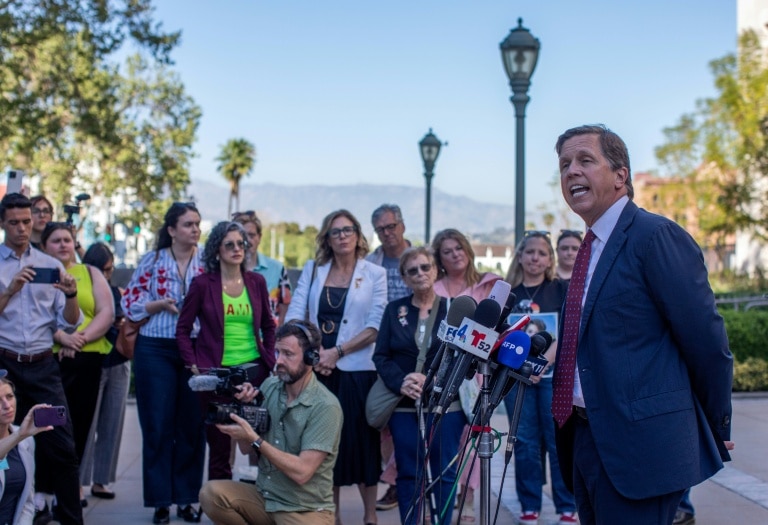
    A pivotal trial examining allegations of social media addiction has encountered significant hurdles as jurors struggle to reach unanimous verdicts against tech giants Meta and YouTube. The Los Angeles courtroom witnessed a dramatic development when the presiding judge, Carolyn Kuhl, revealed that the jury had formally communicated their inability to achieve consensus regarding one of the two defendants.

    The judicial panel explicitly requested guidance from Judge Kuhl on how to proceed given their deadlock, prompting the judge to urge continued deliberations. She emphasized the substantial costs and logistical challenges of a mistrial, noting that failure to reach verdicts would necessitate retrying the case with a new jury selected from the same community.

    This judicial impasse follows the jury’s first full week of deliberations, which concluded with panel members submitting queries about damage calculations—an indication that sufficient jurors had potentially agreed that one or both platforms featured negligently designed interfaces that failed to adequately warn users about potential harms.

    The case represents a watershed moment in litigation against social media corporations, with thousands of similar lawsuits pending nationwide. Plaintiffs allege that these platforms deliberately engineer addictive experiences that contribute to depression, eating disorders, psychiatric hospitalizations, and even suicide among young users.

    Central to the legal battle is the challenge to Section 230 of the U.S. Communications Decency Act, which traditionally shields internet companies from liability regarding user-generated content. The plaintiffs’ innovative legal strategy frames social media platforms as defective products with business models specifically designed to maximize engagement through harmful content promotion.

    The testimony of Kaley G.M., a 20-year-old California woman, has been particularly compelling. She described how her childhood exposure to YouTube and Instagram content exacerbated her depression and suicidal ideation, beginning with YouTube videos at age six. However, defense attorneys highlighted complicating factors during cross-examination, including familial discord and real-world trauma that may have contributed to her mental health challenges.

    The jury’s final determination will hinge on whether Meta or YouTube should have recognized the dangers their services posed to children and whether their design approaches constituted negligence. If liability is established, jurors must then decide to what extent these platforms substantially contributed to the plaintiff’s psychological distress and what corresponding damages should be awarded.

  • New laws to crush illegal e-bikes to be introduced in NSW parliament

    New laws to crush illegal e-bikes to be introduced in NSW parliament

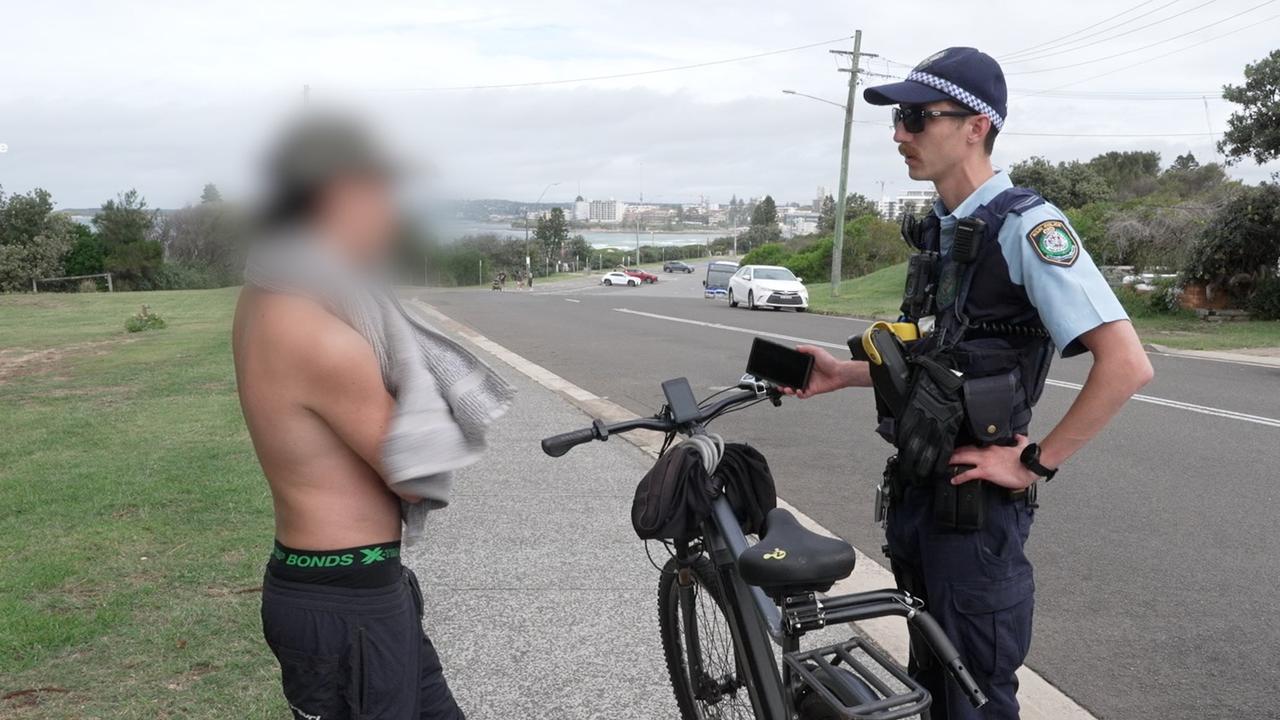
    In a dramatic escalation against dangerous electric bike modifications, New South Wales authorities have been granted unprecedented powers to seize and destroy illegally modified e-bikes through groundbreaking legislation introduced to state parliament.

    The comprehensive legal framework, modeled after Western Australia’s existing regulations, specifically targets throttle-operated, high-powered e-motorbikes that officials claim are driving a surge in dangerous anti-social behavior. The legislation represents Australia’s first implementation of roadside ‘dyno units’ capable of instantly detecting e-bikes exceeding the legal 25km/h speed limit.

    Transport Minister John Graham emphasized the dual nature of the initiative, stating, ‘While we actively encourage safe and healthy e-bike usage, we must simultaneously combat dangerous and illegal e-motorbike operations. These enhanced enforcement capabilities will achieve precisely that objective.’

    The minister issued a stark warning to potential offenders: ‘If the vehicle performs like a motorbike, it likely violates regulations and could face destruction. Our message remains unequivocal – refrain from purchasing illegal e-bikes.’

    Police Minister Yasmin Catley underscored the operational significance of the measures, noting, ‘These legislative adjustments empower officers to immediately intercept and confiscate dangerously operated e-bikes, enabling rapid risk mitigation. We’re equipping law enforcement with appropriate tools to exercise professional judgment while maintaining public safety standards.’

    The policy implementation follows a targeted two-day police operation across southern Sydney that resulted in multiple fines and criminal charges related to illegal e-bike activities.

    Concurrently, Queensland’s Crisafulli government has endorsed all 28 recommendations from a parliamentary committee investigating e-bike and e-scooter related injuries. Proposed regulations include age restrictions prohibiting riders under 16, imposing 10km/h speed limits on footpaths, and creating new offenses for careless operation near pedestrians. Additional requirements will mandate learner’s permits minimum licensing and compulsory third-party insurance for higher-powered devices.

  • On Iran, Trump executes his most spectacular U-turn yet

    On Iran, Trump executes his most spectacular U-turn yet

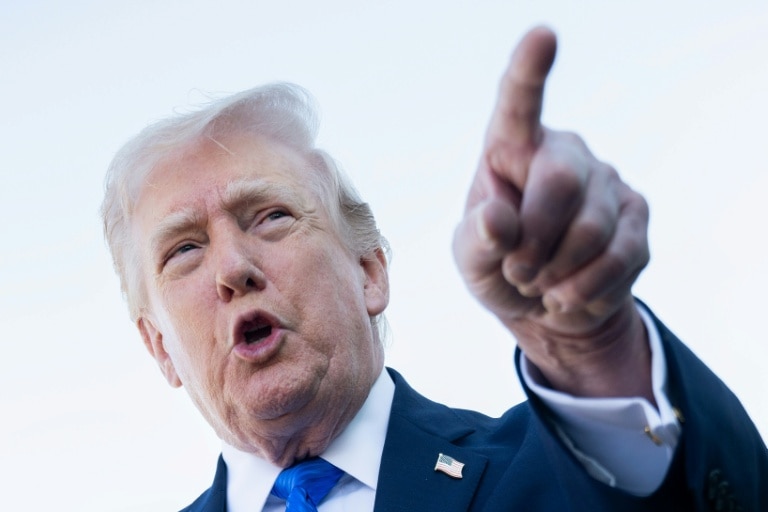
    In a stunning display of diplomatic whiplash, President Donald Trump has executed one of his most spectacular foreign policy reversals to date regarding Iran, demonstrating his self-proclaimed instinct-driven approach to governance. The abrupt shift sent international markets into dramatic fluctuations, with oil prices plummeting and stock indices surging within hours of his announcement.

    The pattern has become familiar to global observers: Trump issues aggressive ultimatums—in this case, a 48-hour demand for Iran to reopen the strategically vital Strait of Hormuz under threat of massive strikes—only to abruptly reverse course days later. On Monday, the president declared through his Truth Social platform that the United States had engaged in productive discussions with Iranian officials about resolving the conflict, extending a new five-day deadline for continued talks.

    Market response was immediate and severe. North Sea Brent crude oil prices collapsed by more than 14 percent, while West Texas Intermediate crude dropped nearly 10 percent. Simultaneously, the Dow Jones Industrial Average skyrocketed approximately 700 points in a classic demonstration of what analysts have dubbed the ‘TACO’ effect—an acronym for ‘Trump Always Chickens Out’ coined by Financial Times journalist Robert Armstrong.

    International relations experts note this behavior follows an established pattern. ‘Trump has been a master of sudden pivots and switches,’ observed Garret Martin, a professor at American University in Washington. ‘So it’s sometimes hard to know if there is a strategy or if it’s just always improvisation.’

    The administration’s volatility has created significant challenges for both allies and adversaries. As Martin further notes, global partners now understand that ‘agreements and promises are only as good as the minute they’re made’ with this administration.

    In the Iran case, analysts suggest multiple factors likely influenced Trump’s reversal: significant market turbulence, potential pressure from Gulf nations, and emerging tensions within his own MAGA political movement regarding the conflict. Iranian officials further complicated matters by denying that any negotiations were occurring, partially dampening the initial market enthusiasm generated by Trump’s announcement.

    The president himself framed the development as a demonstration of his legendary negotiation skills during a speech in Memphis, Tennessee, stating: ‘My whole life has been a negotiation, but with Iran we’ve been negotiating for a long time. And this time they mean business.’

    This incident represents merely the latest in a series of foreign policy reversals that have characterized Trump’s approach to international relations since returning to power, including previously abandoned threats regarding Greenland’s status and confrontations with Federal Reserve leadership over interest rates.