标签: Oceania

大洋洲

  • Rubio says Israel’s strike plan triggered US attack on Iran

    Rubio says Israel’s strike plan triggered US attack on Iran

    Secretary of State Marco Rubio revealed on Monday that the United States launched its military operation against Iran after obtaining intelligence about Israel’s planned strike, fearing Tehran would retaliate against American forces stationed in the region.

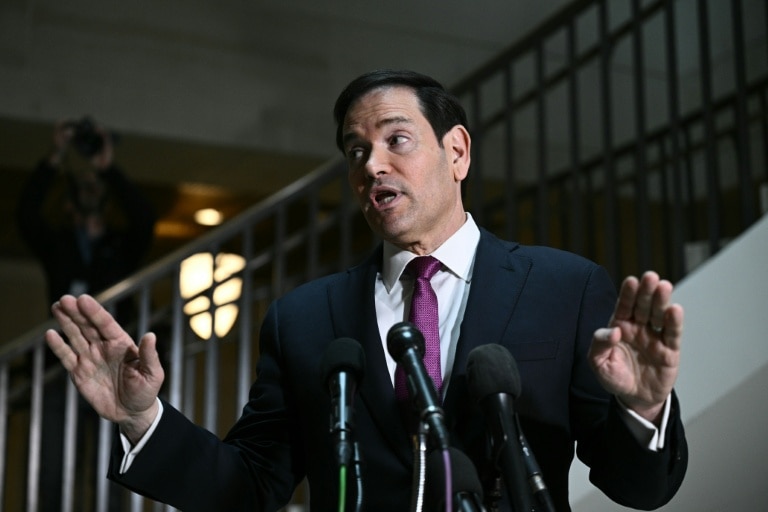
    Rubio, addressing reporters prior to briefing congressional leaders, explained the administration’s calculus: ‘We had intelligence indicating an imminent Israeli operation. We anticipated this would trigger Iranian retaliation against our forces. By taking preemptive action before they launched their attacks, we prevented significantly higher casualties.’

    The Secretary detailed that Iranian leadership had instructed field commanders to automatically respond against U.S. forces following any attack. ‘Waiting for their strike first would have resulted in substantially greater losses. President Trump made the strategically sound decision to conduct coordinated operations with Israel,’ Rubio stated.

    When questioned about the constitutional requirement for imminent threat justification—a key threshold for military action without congressional approval—Rubio maintained: ‘The imminent threat was unequivocal. We knew that if Iran was attacked, which we expected, they would immediately target American personnel. We refused to passively absorb a potentially devastating blow.’

    The revelation sparked immediate political backlash. Representative Joaquin Castro, a Democratic lawmaker, criticized Israel’s role, stating on social media platform X: ‘Israel endangered American forces by insisting on attacking Iran. This is unacceptable behavior from both the President and a nation that claims alliance with the United States.’

    Defense Secretary Pete Hegseth had previously confirmed that Israel executed Saturday’s strike in Tehran that eliminated Iran’s Supreme Leader Ayatollah Ali Khamenei and other high-ranking officials, based on intelligence about their gathering.

    Rubio emphasized that regardless of the timing catalyst, the Trump administration believed military action against Iran was necessary. ‘This operation was ultimately unavoidable,’ he asserted, while clarifying that regime change wasn’t the primary objective. ‘While we hope the Iranian people can overthrow this government and establish a new future, our mission specifically targeted the destruction of their ballistic missile and naval capabilities.’

  • Jacinda Ardern’s move to Australia renews spotlight on New Zealand’s brain drain problem

    Jacinda Ardern’s move to Australia renews spotlight on New Zealand’s brain drain problem

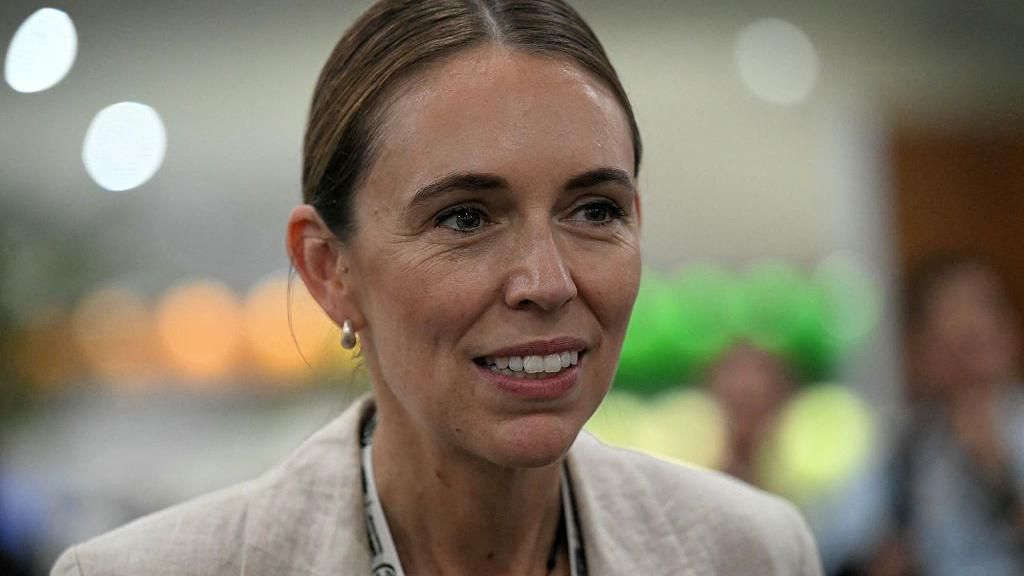
    New Zealand is confronting an unprecedented emigration crisis as its citizens depart in record numbers, with former Prime Minister Jacinda Ardern’s recent relocation to Sydney intensifying scrutiny on the nation’s struggle to retain talent. Despite its global reputation as an idyllic haven, the country is hemorrhaging approximately 180 residents daily—totaling over 66,000 departures last year—creating significant demographic challenges for a nation of merely 5.3 million people.

    This exodus represents a deepening structural trend rather than a temporary fluctuation. Migration expert Alan Gamlen from Australian National University notes that while overseas experience has long been a cultural rite of passage for young New Zealanders, the past five years have witnessed a troubling shift toward permanent relocation. Economic pressures including decade-high unemployment outside pandemic periods, wage stagnation against persistent inflation, and among the developed world’s highest grocery prices are primary drivers.

    The housing crisis compounds these challenges, with affordability constraints and supply shortages driving both rental and purchase costs to prohibitive levels. These economic realities are fracturing families and communities, as illustrated by opposition MP Ginny Anderson’s personal account of her son moving to Melbourne for work and her brother teaching in China for better wages.

    Australia remains the predominant destination, absorbing roughly half of New Zealand’s emigrants through favorable work rights and superior economic prospects. While some experts note potential long-term benefits through expanded global networks and returning talent, lawmakers acknowledge urgent needs for economic revitalization. With general elections approaching in November, policy proposals range from immigration adjustments to infrastructure investments, though governing coalition members attribute current challenges to pandemic aftermath.

    Ardern’s move, while personally motivated by family considerations and professional opportunities according to her office, symbolizes broader patterns affecting citizens across socioeconomic spectrums. As Housing Minister Chris Bishop concedes, despite government efforts toward progress, ‘a deep unease’ persists among New Zealanders about the nation’s trajectory and capacity to provide prosperous futures.

  • Pentagon chief refuses to rule out ‘boots on ground’ in Iran

    Pentagon chief refuses to rule out ‘boots on ground’ in Iran

    In a significant development in the escalating Middle Eastern conflict, U.S. Defense Secretary Pete Hegseth has explicitly refused to eliminate the possibility of deploying American ground forces in Iran. During a Pentagon press briefing on Monday, Hegseth emphasized a strategy of strategic ambiguity, stating the U.S. would pursue its military objectives without predetermined constraints on scope or duration.

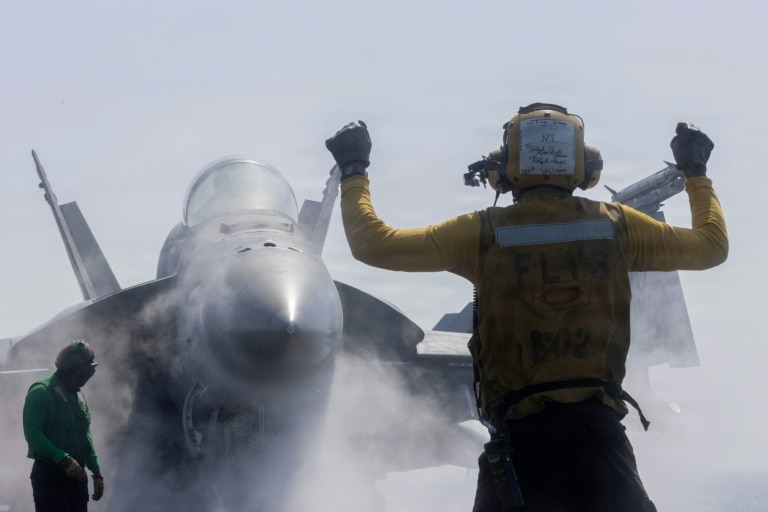
    The military campaign, initiated this past Saturday through coordinated airstrikes with Israel, has targeted hundreds of strategic sites across Iran. These operations have systematically degraded key components of Iran’s military infrastructure, including its missile arsenals, naval capabilities, and critical command-and-control networks.

    When pressed on the potential for ‘boots on the ground,’ Secretary Hegseth declined to specify operational details, asserting, ‘No, but we’re not going to go into the exercise of what we will or will not do. We’ll go as far as we need to go.’ He criticized previous administrations for publicly outlining military limitations, arguing such transparency benefits adversaries.

    Regarding the conflict’s timeline, Hegseth presented a fluid projection, suggesting operations could continue for two to six weeks, with flexibility based on evolving circumstances. Most notably, he drew sharp distinctions between current operations and prolonged U.S. engagements in Iraq and Afghanistan, explicitly rejecting nation-building or democracy promotion as objectives.

    ‘No stupid rules of engagement, no nation building quagmire, no democracy-building exercise. No politically correct wars. We fight to win and we don’t waste time or lives,’ Hegseth declared, echoing President’s previous characterization of nation-building wars as ‘dumb.’

    Adding military context, General Dan Caine, the nation’s top military officer, confirmed that U.S. forces have successfully established local air superiority over Iran. This achievement, he noted, significantly enhances force protection and enables the continuation of military operations with reduced risk. Both officials emphasized that the campaign’s objectives are narrowly focused on protecting U.S. interests and allies rather than transformative societal change.

  • Iran war spreads with strikes across Middle East and beyond

    Iran war spreads with strikes across Middle East and beyond

    The Middle East has descended into a rapidly expanding military conflict, with violence spreading across the region and beyond following the targeted killing of Iran’s Supreme Leader Ayatollah Ali Khamenei. For three consecutive days, joint U.S.-Israeli operations have continued striking targets within Tehran, while multiple fronts have opened throughout the region.

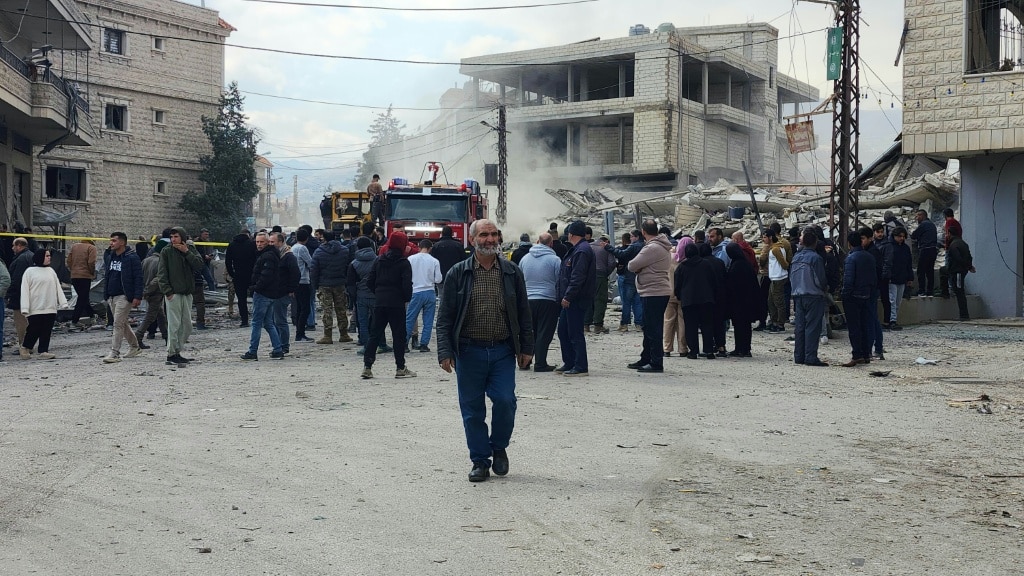
    The conflict has drawn in numerous state and non-state actors, with Lebanon’s Hezbollah launching rocket attacks against Israel, prompting Israeli airstrikes across Lebanon. The Israeli Defense Minister issued stark warnings to Hezbollah leadership, vowing to eliminate them following the same path as Khamenei. In response, Lebanon’s government announced an immediate ban on all Hezbollah military activities, declaring them illegal.

    Critical infrastructure throughout the Gulf region has been severely impacted, with a Saudi oil refinery set ablaze, Qatar halting its liquefied natural gas production, and multiple tankers attacked near the Strait of Hormuz. The strategic waterway, crucial for global oil transit, has become a flashpoint as Iran had previously warned vessels against crossing.

    The conflict has reached European territory with an Iranian drone striking a UK air force base in Akrotiri, Cyprus, prompting evacuations and resulting in Greece deploying naval frigates and fighter jets to protect its EU partner nation.

    In a tragic incident of friendly fire, three U.S. F-15E Strike Eagle jets were mistakenly shot down by Kuwaiti air defenses during active combat operations. The pilots and gunners survived the incident according to CENTCOM statements.

    Communication within Iran has been severely restricted, with internet services down for over 48 hours according to NetBlocks monitoring organization. World leaders have offered mixed reactions to the escalating conflict, which began just two days after Iran and the United States had held negotiations regarding Tehran’s nuclear program.

  • Energy prices soar, stock markets slide on Iran war fallout

    Energy prices soar, stock markets slide on Iran war fallout

    Financial markets worldwide experienced significant turbulence on Monday following a dramatic escalation of military conflict in the Middle East. The commencement of U.S. and Israeli strikes against Iran over the weekend triggered a chain reaction across global economies, with energy commodities surging while equity markets faced substantial declines.

    The energy sector witnessed remarkable gains as Brent crude oil futures climbed 8.0 percent to reach $78.65 per barrel, while West Texas Intermediate increased by 7.5 percent to $72.02. European natural gas prices experienced an even more dramatic surge, skyrocketing over 20 percent amid growing concerns about potential disruptions to Middle Eastern energy supplies. This price surge generated substantial gains for energy corporations globally, with Australia’s Woodside Energy jumping more than six percent, while industry giants including PetroChina, TotalEnergies, and Shell recorded gains between three and four percent.

    Conversely, global stock markets faced considerable pressure as investors shifted capital toward traditional safe-haven assets. Major European indices including London’s FTSE 100, Paris’s CAC 40, and Frankfurt’s DAX all registered declines between 0.8 and 1.7 percent. Asian markets mirrored this trend, with Tokyo’s Nikkei 225 and Hong Kong’s Hang Seng Index dropping 1.4 and 2.1 percent respectively. The flight to safety bolstered both the U.S. dollar, which gained nearly one percent against the British pound, and gold, which advanced 2.1 percent to $5,389.5 per ounce.

    The transportation sector emerged as one of the most severely affected industries, with airline stocks suffering substantial losses. Carriers including Qantas, Singapore Airlines, and British Airways owner IAG each declined approximately five percent, while Air France-KLM plummeted more than eight percent in Paris trading following widespread flight cancellations to and from the Middle East.

    Market analysts expressed concern about the potential for prolonged economic repercussions. Susannah Streeter, chief investment strategist at Wealth Club, observed that ‘investors are scuttling towards safe havens, seeking shelter as conflict widens in the Middle East.’ Economists warned that sustained energy price increases could generate stickier headline inflation, potentially complicating monetary policy decisions for central banks worldwide.

    Eric Dor, economist at the IESEG School of Management in Paris, highlighted the broader economic implications: ‘Rising energy prices, increased shipping costs and loss of revenue for air transport could have a harmful effect on growth. If it’s a matter of three days, it’s not serious. But if it’s over a longer period, then it will have an additional recessionary effect.’

    The strategic Strait of Hormuz, through which approximately 20 percent of global seaborne oil passes, has effectively shut down with several ships reportedly attacked, creating additional supply chain concerns. While oil-importing nations maintain strategic reserves—with OECD members required to stockpile 90 days’ worth—analysts cautioned that prices exceeding $100 per barrel remain a distinct possibility if disruptions persist.

  • Land reforms not ‘anti-farmer’, expert says, as clearing explodes by 129 per cent

    Land reforms not ‘anti-farmer’, expert says, as clearing explodes by 129 per cent

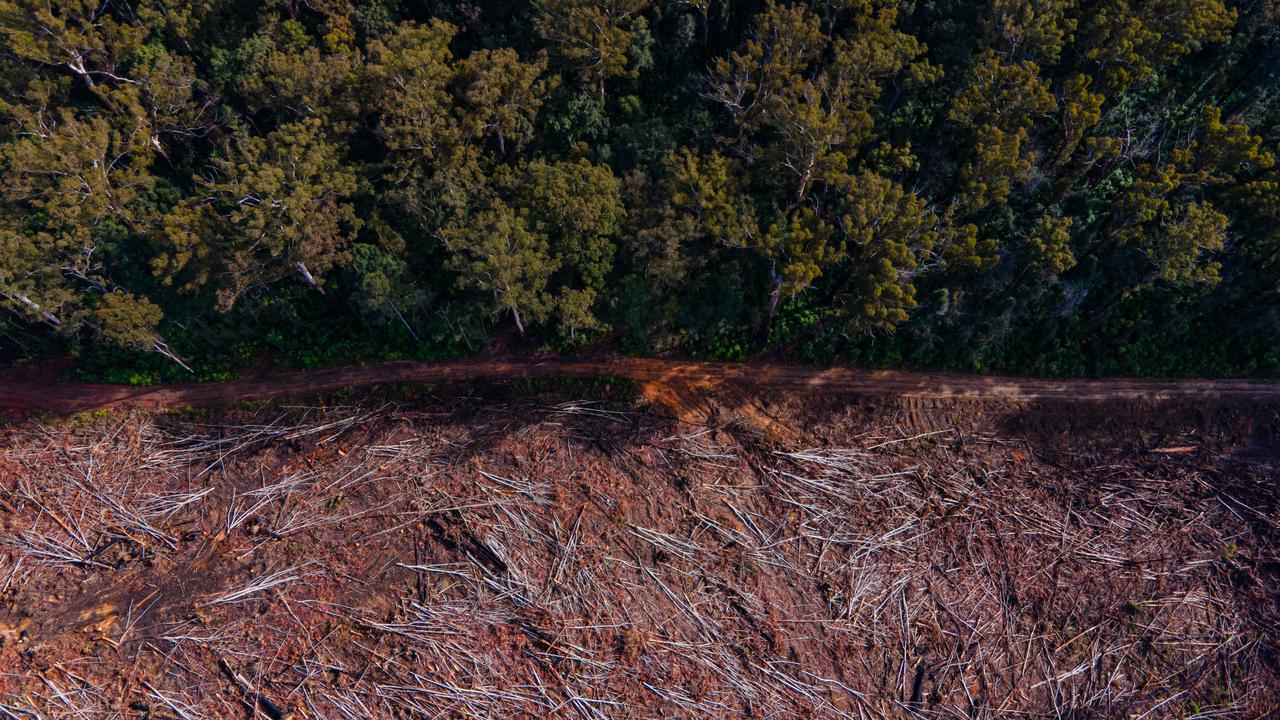
    Alarming new data reveals land clearing activities in New South Wales have surged by 129% following significant environmental law reforms implemented in 2016, creating unprecedented risks for both agricultural sustainability and endangered wildlife populations. The findings from the Wentworth Group demonstrate how vegetation management deregulation has triggered widespread ecological consequences across the Australian state.

    Former Treasury Secretary Dr. Ken Henry, now chair of the Australian Climate and Biodiversity Foundation, is delivering an urgent plea for policy reform, emphasizing that environmental protection and economic interests are fundamentally aligned rather than contradictory. “When we destroy the vegetation that stabilises our soils and regulates our water, we destroy our capacity to farm,” Dr. Henry stated in his address to the Rural Press Club. “Protecting nature is not anti-farmer—abandoning it is.”

    The statistical analysis reveals approximately 677,500 hectares of land has been cleared since 2010, equivalent to three times the area of the Australian Capital Territory. This destruction has impacted 34,000 hectares of vital riparian corridors and jeopardized up to 150,000 hectares of habitat for vulnerable species including greater gliders, malleefowl, southern brown bandicoots, and long-nosed potoroos.

    The 2016 legislative changes transferred significant vegetation management authority to landowners through self-assessable clearing codes, creating a regulatory conflict with federal environmental protections established under the Environment Protection and Biodiversity Conservation Act. Dr. Henry highlighted how this legal contradiction places landowners in an impossible position where clearing activities may be permitted under state law while violating federal regulations.

    NSW Premier Chris Minns previously committed to addressing excessive land clearing during the 2022 state election campaign. The current administration is now examining comprehensive biosecurity law reforms aligned with Dr. Henry’s recommendations, which include establishing absolute no-clearing zones, implementing real-time spatial monitoring systems, and providing enhanced support services for landholders engaged in ecosystem restoration.

  • ‘Not party to the intelligence’: Albo avoids questions on legality of strikes which killed Iran’s Supreme Leader, condemns planned mourning

    ‘Not party to the intelligence’: Albo avoids questions on legality of strikes which killed Iran’s Supreme Leader, condemns planned mourning

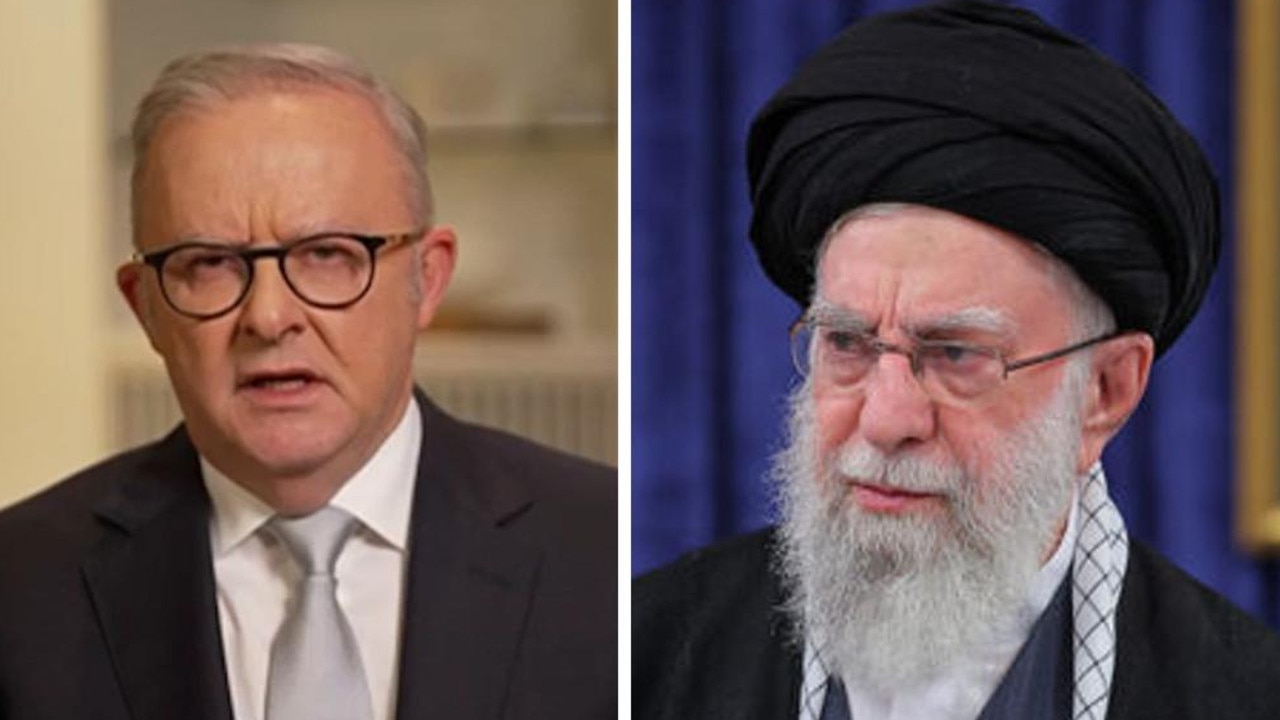
    Australian Prime Minister Anthony Albanese has reaffirmed his government’s endorsement of the military operation that eliminated Iran’s Supreme Leader Ayatollah Ali Khamenei, while carefully sidestepping inquiries regarding the operation’s compliance with international law. The coordinated US-Israeli strikes, which targeted Tehran over the weekend, resulted in the death of Khamenei—who had governed Iran since 1989—alongside several other high-ranking Iranian officials.

    The geopolitical aftermath has triggered immediate regional instability, with Iran already launching retaliatory assaults against multiple Gulf States. Australia emerged among the earliest nations to publicly support the offensive, with Albanese, Deputy Prime Minister Richard Marles, and Foreign Minister Penny Wong issuing a collective statement justifying the action as necessary to prevent Iran from acquiring nuclear capabilities and endangering global security.

    During an appearance on ABC’s 7.30 Report, Albanese declined to address legal questions surrounding the preemptive strike, emphasizing that Australia was not privy to the intelligence underpinning the decision. He stated that the ayatollah’s death ‘would not be mourned’ in Australia, citing Iran’s history of state-sponsored terrorism, domestic oppression, and violent crackdowns on dissent.

    Albanese further condemned any public memorials honoring Khamenei as ‘inappropriate,’ expressing hope that the Iranian people would now determine their own political future free from the influence of the Islamic Revolutionary Guard and theocratic leadership.

    Meanwhile, Israel’s newly appointed ambassador to Australia, Hillel Newman, defended the operation as a justified act of self-defense, citing two primary threats: Iran’s nuclear ambitions and its development of ballistic missiles capable of large-scale attacks.

  • Australian Grand Prix to feel ‘no impact’ of travel chaos

    Australian Grand Prix to feel ‘no impact’ of travel chaos

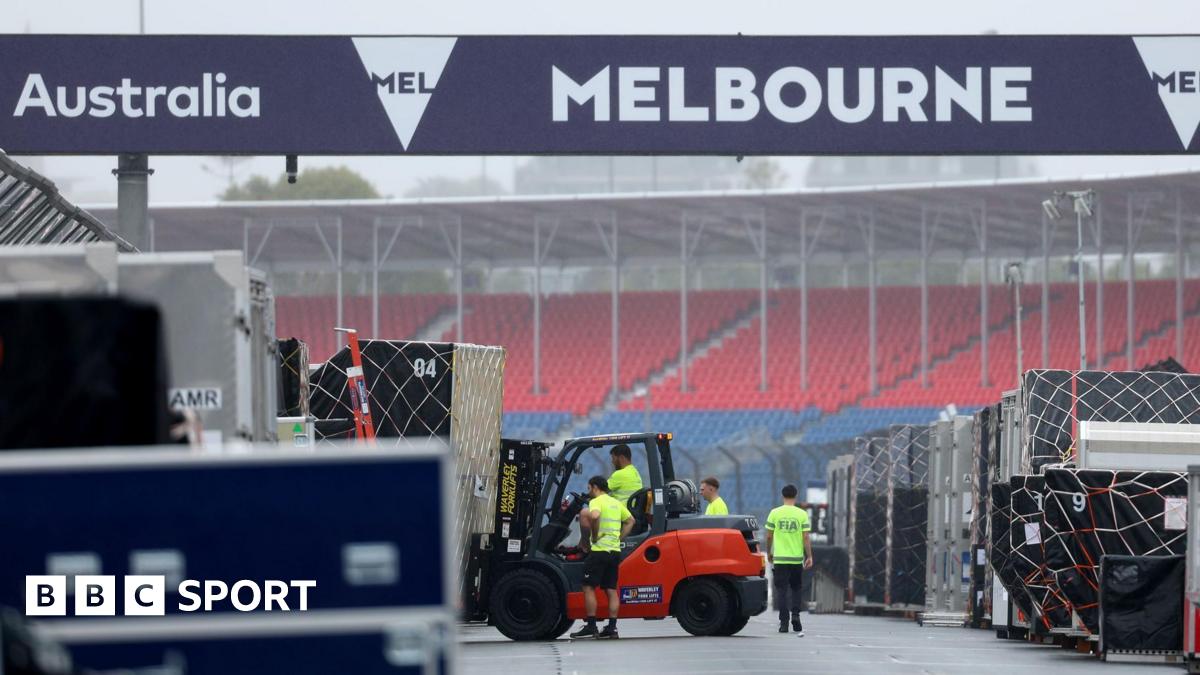
    Melbourne’s Albert Park Circuit remains poised to host the 2026 Formula 1 season opener despite significant travel disruptions stemming from recent Middle East military actions. Australian Grand Prix officials have expressed strong confidence that all essential personnel will arrive in time for this weekend’s event, following extensive logistical reorganization.

    Approximately 1,000 Formula 1 staff members faced substantial travel complications after U.S. and Israeli forces launched strikes against Iran last Saturday, triggering regional retaliatory measures that disrupted key air routes through Qatar and the United Arab Emirates. This development forced Formula 1 management to implement contingency plans, including arranging three charter flights from Europe to transport an estimated 500 personnel.

    Australian Formula 1 chief Travis Auld addressed the situation Monday, confirming that despite the ‘reshuffling of flights’ during the past 48 hours, all critical personnel including drivers, team members, and technical staff would arrive without impacting the event’s operation. ‘My understanding is that’s all now been locked in,’ Auld stated, assuring fans that ‘everyone will be here ready for the race and fans won’t notice any difference.’

    While the immediate focus remains on the Australian Grand Prix, Formula 1 authorities are simultaneously monitoring the geopolitical situation for potential implications on upcoming Middle Eastern races scheduled for April. The championship is set to visit Bahrain on April 12th and Saudi Arabia on April 19th following events in China and Japan, which are not expected to be affected by current air travel disruptions.

    An official Formula 1 spokesperson emphasized that the organization maintains its standard protocol of ‘closely monitoring any situation like this and working closely with relevant authorities’ regarding future events. Auld acknowledged that while the current race faces no operational challenges, series organizers are undoubtedly ‘thinking ahead to what the implications might be’ for the calendar should regional tensions persist.

  • Myanmar grants amnesty to over 7,000 convicted of ‘terrorist group’ support

    Myanmar grants amnesty to over 7,000 convicted of ‘terrorist group’ support

    In a significant prisoner amnesty, Myanmar’s military regime has ordered the release of more than 7,300 individuals convicted under anti-terrorism legislation. The move, announced on a national holiday, comes as the junta attempts to reposition itself following controversial elections held earlier this year.

    The released prisoners had been sentenced for offenses including financing designated ‘terrorist organizations’ and providing logistical support through shelter or transportation. The military government has systematically applied the terrorist label to pro-democracy movements and armed resistance groups that emerged following the 2021 coup that overthrew Aung San Suu Kyi’s elected government.

    Simultaneously, the junta disclosed that nearly 12,500 pending cases involving similar terrorism charges would be dismissed. The amnesty also extended to over 2,800 additional prisoners and ten foreign nationals, though specific details regarding their offenses remain undisclosed.

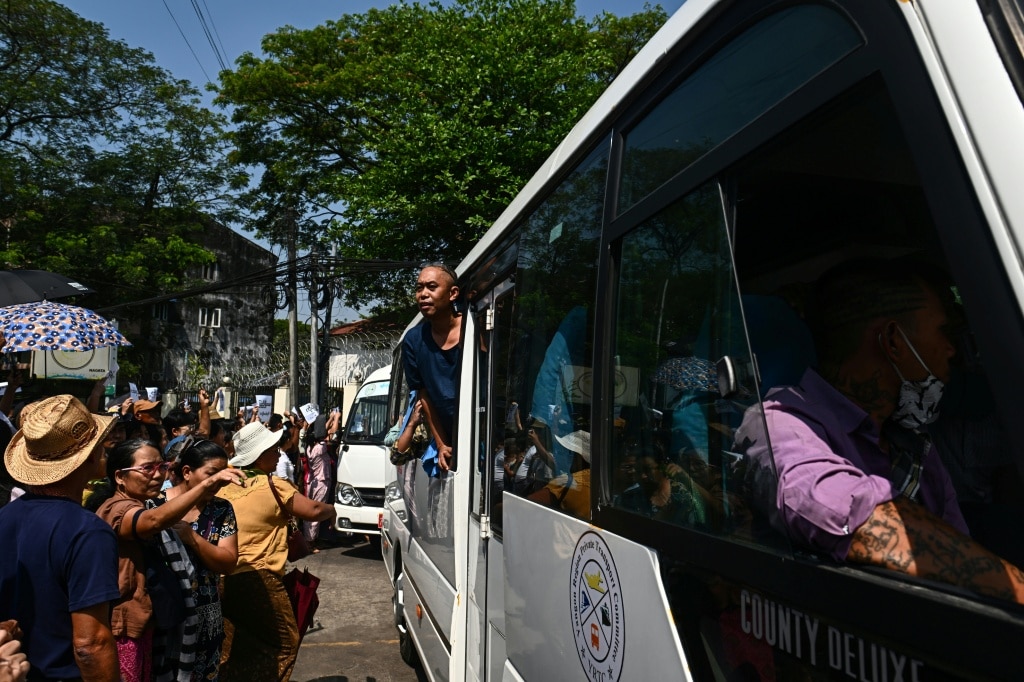
    Eyewitness accounts from outside Yangon’s notorious Insein Prison described emotional scenes as approximately 300 detainees were transported from the facility in convoy buses. Anxious relatives gathered at the barbed-wire perimeter holding flowers and placards bearing names of loved ones.

    The military administration cited humanitarian considerations and public tranquility as motivations for the mass release. However, regional analysts interpret the move as a strategic effort to soften the regime’s international image during its transition to a nominally civilian government structure.

    This recalibration follows January’s widely criticized elections, which saw the pro-military party secure an uncontested victory while Suu Kyi remains imprisoned and her political party dissolved. The junta maintains that its phased electoral process represents a return to civilian rule and an opportunity to resolve the ongoing civil conflict, though substantial portions of the country remain under rebel control and the military’s ultimate political intentions remain unclear.

  • ‘Deep regret’: Victorian anti-corruption watchdog issues rare apology for mishandling complaint against police officer

    ‘Deep regret’: Victorian anti-corruption watchdog issues rare apology for mishandling complaint against police officer

    In a remarkable display of institutional accountability, Victoria’s Independent Broad-based Anti-corruption Commission (IBAC) has delivered an unprecedented formal apology to a survivor of police-perpetrated family violence. Commissioner Victoria Elliott offered the profound apology during a parliamentary committee hearing, expressing deep regret for the watchdog’s inadequate handling of Dr. Jana Katerinskaja’s complaints.

    The case originated in 2018 when Dr. Katerinskaja, whose former partner was a serving police officer, reported serious family violence incidents to Victoria Police. She subsequently escalated her concerns to IBAC after discovering that the investigation was being conducted by her partner’s colleagues and that confidential information had been improperly shared.

    IBAC’s initial response involved referring the complaint back to Victoria Police’s Professional Standards Command, which initially dismissed the allegations as “unfounded.” Despite identifying deficiencies in the police investigation, IBAC again referred the matter back to the same force. Dr. Katerinskaja filed a second complaint two years later regarding her treatment by police handling her case.

    The Victorian Inspectorate’s 2022 special report revealed significant systemic failures, including IBAC’s failure to consider potential corrupt conduct, substantial procedural delays, and inadequate attention to the complainant’s welfare. Commissioner Elliott acknowledged that IBAC had adopted a “highly adversarial approach” when responding to the critical report, which she now characterizes as “inappropriate and insensitive.”

    Dr. Katerinskaja described the apology as a potential “turning point” for the organization but cautioned that similar cases could still occur under the current system. Her legal representative, Jeremy King of Robinson Gill, noted the historical significance of the apology while emphasizing the need for structural reforms, including the establishment of an independent police ombudsman to handle complaints through trauma-informed approaches.

    The case has highlighted ongoing concerns about Victoria’s police oversight framework, with IBAC reportedly investigating only 1% of police complaints while referring the overwhelming majority back to Victoria Police for internal review.