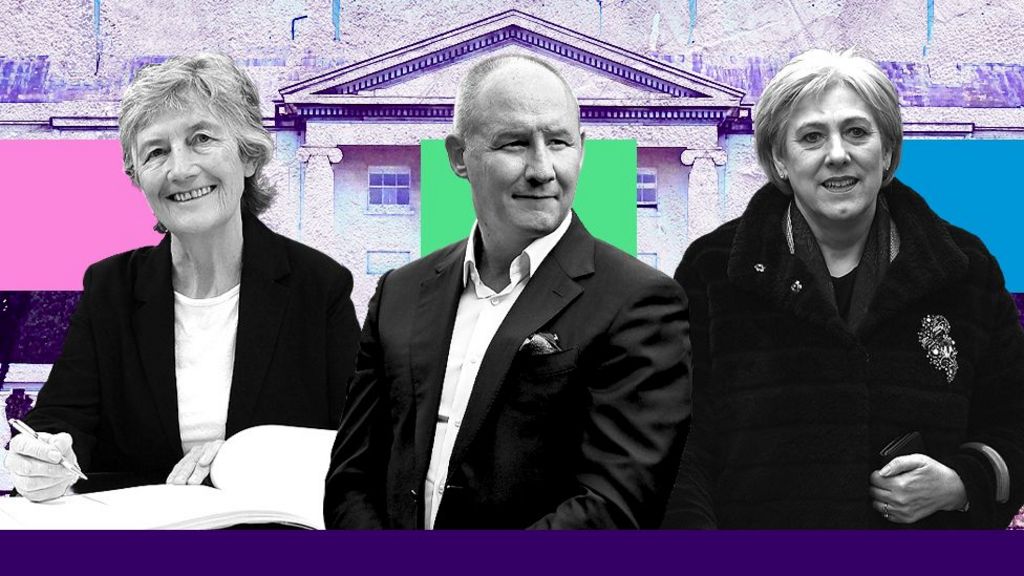
Ireland is gearing up for a significant political transition as President Michael D Higgins prepares to step down in November, marking the end of his impactful decade-long tenure. Widely regarded as one of the nation’s most popular leaders, Higgins has redefined the role of the Irish presidency by actively addressing pressing issues such as housing shortages and foreign policy. His departure has set the stage for a competitive election scheduled for October 24, with three prominent candidates emerging as frontrunners. Catherine Connolly, an independent candidate supported by major left-wing parties, brings a wealth of experience as a barrister, clinical psychologist, and former deputy speaker of the Dáil. Jim Gavin, representing Fianna Fáil, is celebrated for his achievements as a Gaelic football manager and his military background. Heather Humphreys, the Fine Gael candidate, is a seasoned cabinet minister with a diverse portfolio of experience. The election process, governed by the Single Transferable Vote system, will see voters rank candidates in order of preference, with results expected by October 25. The winner will assume the presidency for a seven-year term, shaping Ireland’s future on both domestic and international stages.
标签: Europe
欧洲
-
Italy condemns ‘drone attack’ on Gaza aid flotilla and deploys frigate
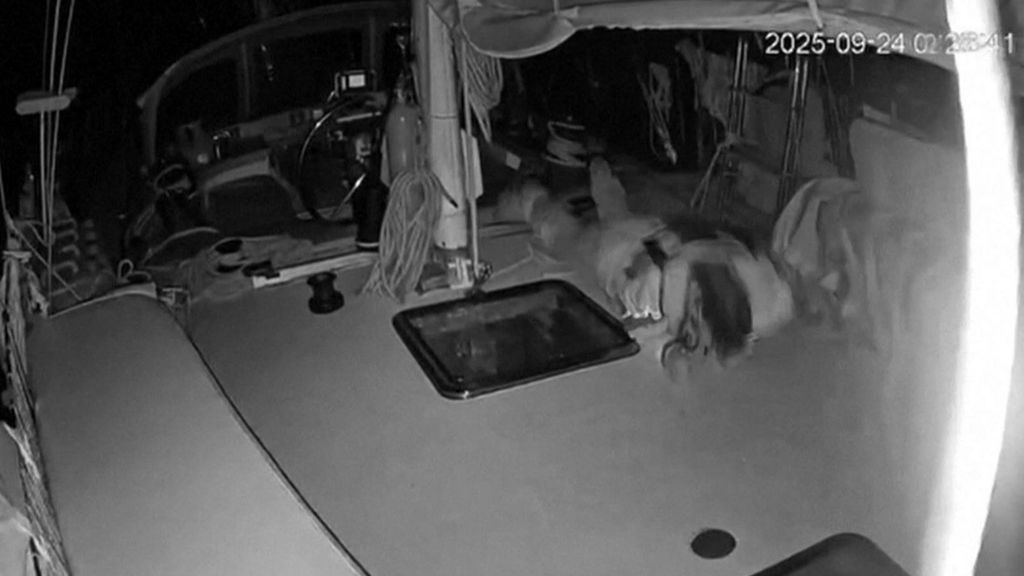
Italy’s Defense Minister Guido Crosetto has strongly condemned an alleged drone attack on the Global Sumud Flotilla (GSF), a humanitarian mission attempting to breach Israel’s naval blockade of Gaza. The flotilla, comprising 52 boats, is currently stationed off the coast of Crete. Crosetto has deployed an Italian Navy frigate to assist Italian citizens on board, following reports of explosions, unidentified objects being dropped, and communications jamming. The GSF has accused Israel of a ‘dangerous escalation,’ though Israel has yet to comment. Unverified footage released by the GSF shows a man jumping onto a yacht’s deck after an apparent explosion nearby, while another video captures a visible explosion from the vessel Spectre. The GSF claims at least 13 explosions occurred around several boats, with drones dropping objects on at least 10 vessels, though no material damage was reported. Passengers have requested assistance from the Greek coastguard, and a Frontex vessel dispatched to the area found no evidence of damage. Prominent activists, including Swedish climate campaigner Greta Thunberg, have vowed to continue the mission despite the risks. Thunberg described the incident as a ‘scare tactic’ and emphasized the group’s determination to deliver aid. Israel’s Foreign Ministry has accused the flotilla of being ‘organized by Hamas’ and reiterated its commitment to enforcing the naval blockade. The GSF, however, maintains its goal is to ‘break the illegal siege on Gaza by sea, open a humanitarian corridor, and end the ongoing genocide of the Palestinian people.’ The mission follows a UN-backed report confirming famine in Gaza City, with warnings of its spread to central and southern Gaza. The Hamas-run health ministry reports at least 440 deaths from malnutrition since the war began. Italy’s stance on the conflict has shifted, with Prime Minister Giorgia Meloni now aligning more closely with positions favoring Palestinian statehood, amid domestic political pressure and widespread protests.
-
Rosenberg: Russia brushes off Trump’s claim of ‘paper tiger’ in aimless war
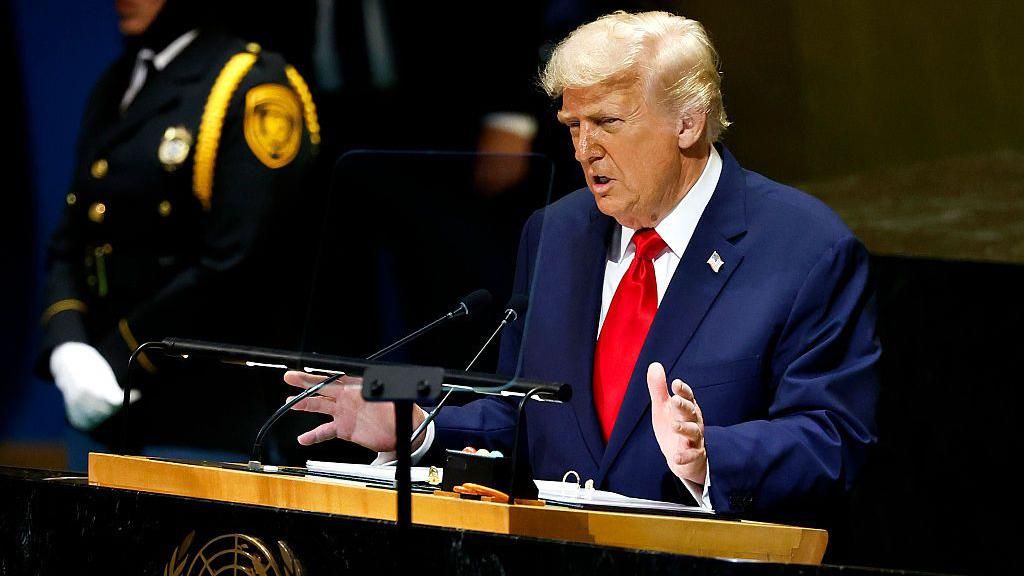
Former U.S. President Donald Trump’s recent comments on Ukraine and Russia have sparked significant diplomatic ripples, particularly in Moscow. Trump’s characterization of Russia as a ‘paper tiger’ engaged in ‘aimless fighting’ in Ukraine has drawn sharp reactions, though the Kremlin’s response has been notably restrained. Trump further suggested that Ukraine could reclaim all territories seized by Russia, a statement that has raised eyebrows in Moscow. Additionally, his endorsement of NATO countries shooting down Russian aircraft entering their airspace added fuel to the fire. Kremlin spokesman Dmitry Peskov downplayed these remarks, emphasizing Russia’s resilience and dismissing the notion of a ‘paper bear.’ Peskov also highlighted President Vladimir Putin’s appreciation for Trump’s efforts toward peace, despite the critical tone. Analysts suggest that Moscow’s muted response stems from a belief that Trump’s stance on Ukraine is not fixed and could be influenced through diplomatic channels. Meanwhile, Russia’s economic challenges, exacerbated by sanctions and war expenditures, continue to mount, though they appear to have little impact on the Kremlin’s strategic decisions in Ukraine. As tensions persist, Trump’s comments underscore the complex and evolving dynamics of U.S.-Russia relations.
-
How will the EU’s new border system work?
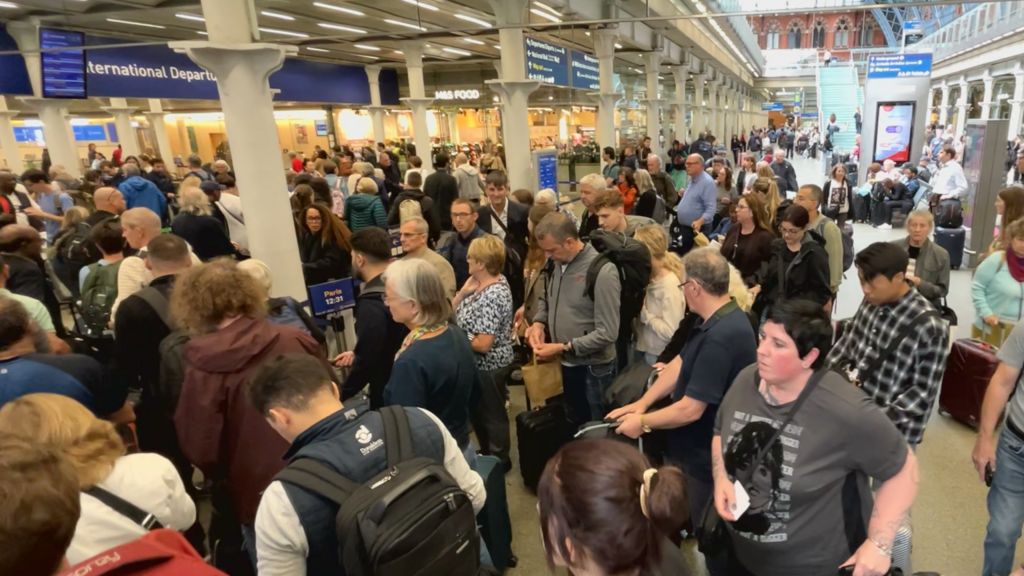
Travelers between the UK and Europe are set to experience significant changes this autumn with the phased introduction of the European Union’s Entry/Exit System (EES). Designed to enhance security and streamline border controls, the EES will replace the current manual passport stamping process for non-EU citizens entering and leaving the Schengen Area. The system, which has faced multiple delays, will officially commence on October 12, 2024, with a gradual rollout expected to be completed by April 10, 2026. The Schengen Area comprises 29 European countries, including popular destinations for UK travelers such as France, Spain, Italy, and Greece.
-
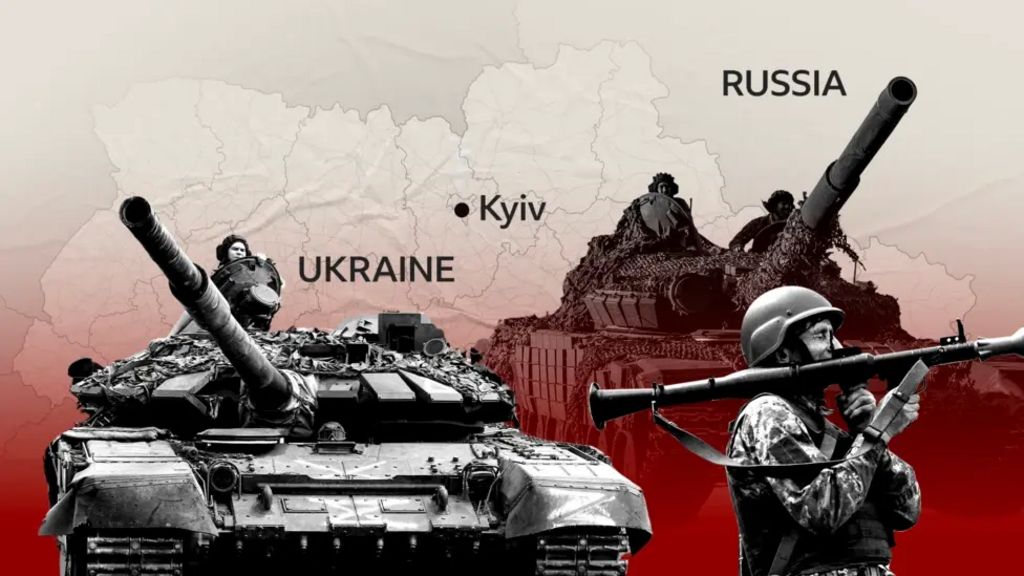
Ukraine in maps: Tracking the war with Russia
The ongoing conflict in Ukraine, now in its fourth year, has seen significant developments as Russian forces continue to expand their territorial control, particularly in the eastern regions of Luhansk and Donetsk. Despite fierce Ukrainian resistance, Moscow’s military has made incremental gains, bolstered by increased use of unmanned aerial vehicles (drones) to reduce casualties. The strategic ‘fortress belt’ in western Donetsk, a heavily fortified defensive line, remains a critical stronghold for Ukraine, though analysts predict it could take years for Russia to achieve its objectives in the region.
-
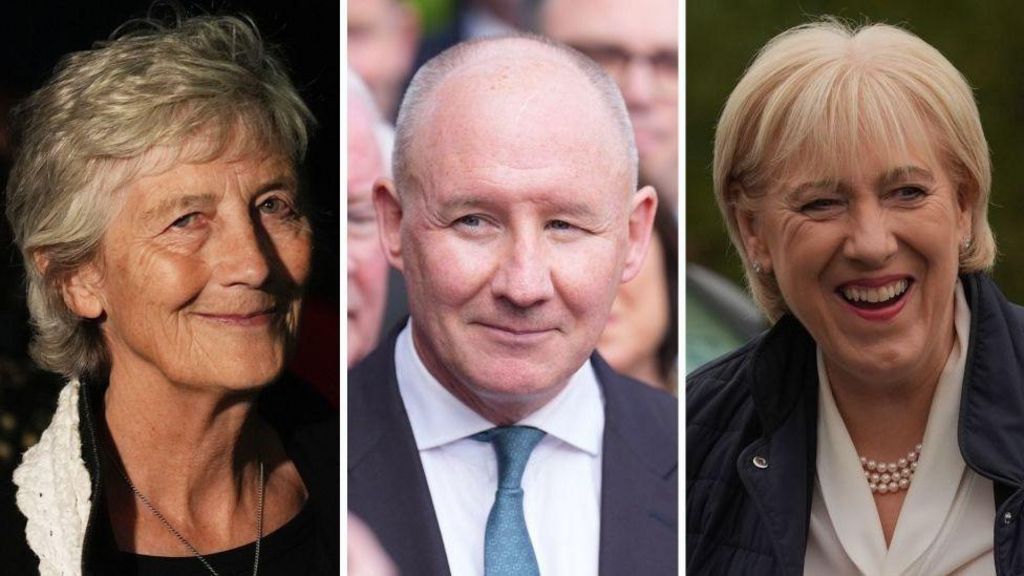
Three candidates will contest Irish presidential election
The Irish presidential election, set for October, will see three candidates compete to succeed Michael D. Higgins, whose second and final seven-year term concludes in November. The contenders represent a mix of political backgrounds, with two aligned to major government parties and one supported by a coalition of opposition groups.
-
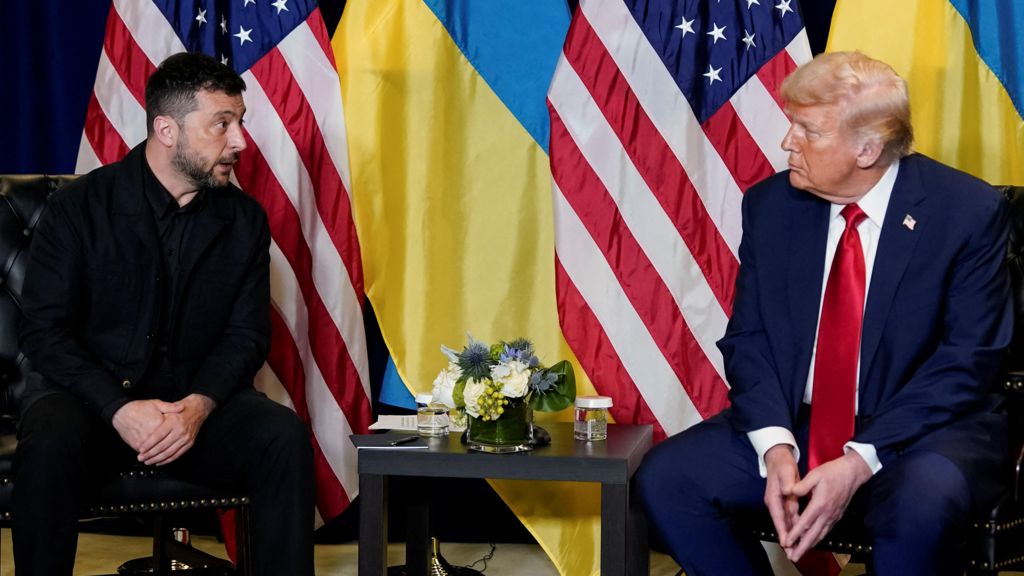
Kyiv can win all of Ukraine back from Russia, Trump says
In a significant policy shift, former US President Donald Trump has declared that Ukraine could reclaim its original borders with the backing of Europe and NATO, citing Russia’s economic vulnerabilities. This statement, made on his Truth Social platform, marks a departure from his previous stance, which suggested Ukraine might need to cede territory to end the conflict. Trump’s remarks followed a meeting with Ukrainian President Volodymyr Zelensky after addressing the UN General Assembly in New York. Trump emphasized that Russia’s economic struggles present a critical opportunity for Ukraine to act, labeling Russia as a ‘paper tiger.’ The Kremlin dismissed this characterization, asserting Russia’s strength and denying economic distress. Zelensky welcomed Trump’s change in tone, interpreting it as a positive signal of US support. Trump also urged NATO nations to defend their airspace against Russian incursions, a stance supported by Poland and other NATO members. This shift in Trump’s position comes after months of advocating for a negotiated settlement involving territorial concessions. His latest comments suggest a more robust commitment to Ukraine’s defense, though not as extensive as the Biden administration’s support. The move may aim to reinvigorate stalled peace talks and align more closely with NATO’s defensive posture.
-

Italian actress and star of The Leopard Claudia Cardinale dies aged 87
Claudia Cardinale, the legendary Tunisian-born Italian actress celebrated for her roles in cinematic masterpieces such as *The Leopard*, *8 ½*, and *The Pink Panther*, has died at the age of 87. Her passing occurred in Nemours, France, surrounded by her children, as confirmed by her agent, Laurent Savry. Cardinale’s illustrious career spanned six decades, during which she became a symbol of Italian cinema’s golden era, collaborating with iconic directors like Federico Fellini and Luchino Visconti. Born in Tunisia in April 1938 to Sicilian parents, Cardinale’s journey to stardom began when she won a beauty contest at 16, earning her the title of ‘the most beautiful Italian woman in Tunis.’ This victory led her to the Venice Film Festival, where she was discovered by filmmakers. Despite her initial reluctance to pursue acting, she eventually embraced the craft, driven by a desire for independence and financial stability. Her early career was marked by personal challenges, including a traumatic assault and the secret birth of her son, Patrick, whom she initially introduced as her younger brother. Cardinale’s unique multilingual background initially posed challenges in Italian cinema, as her accent led to her voice being dubbed by other actors. However, her breakthrough came in 1963 with her roles in Fellini’s *8 ½* and Visconti’s *The Leopard*. She later ventured into Hollywood, starring in *The Pink Panther* and *Once Upon a Time in the West*, working alongside legends like Henry Fonda and Charles Bronson. Cardinale’s career was also marked by her advocacy for women’s rights, earning her the title of UNESCO Goodwill Ambassador in 2000. She continued acting into her 80s, leaving behind a legacy of grace, resilience, and artistic brilliance. Italy’s Culture Minister, Alessandro Giuli, hailed her as ‘one of the greatest Italian actresses of all time,’ embodying ‘Italian grace.’
-
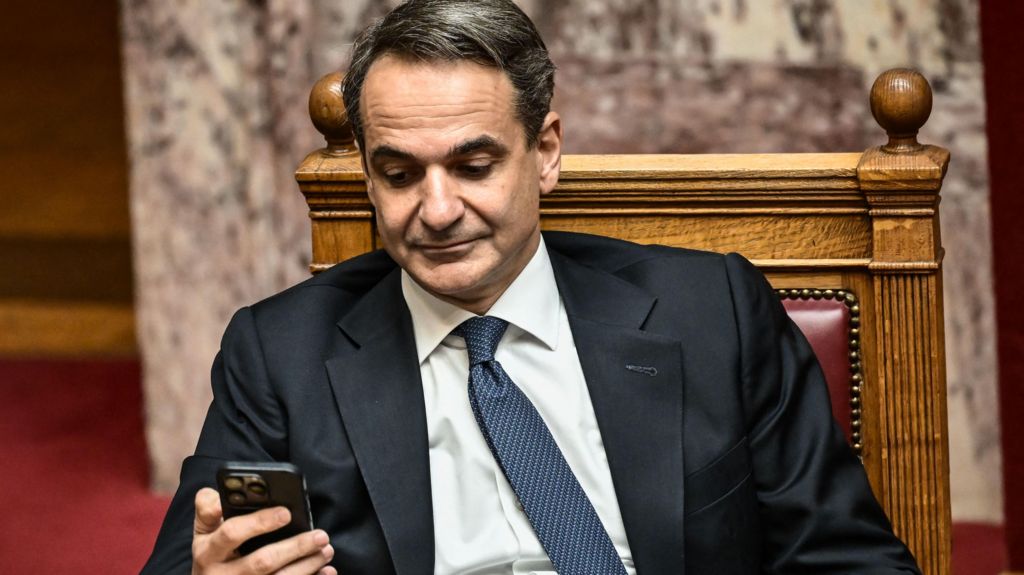
Phone spyware scandal in Greece moves to court as critics claim cover-up
The unfolding saga of Greece’s spyware scandal, often likened to a modern-day Watergate, has sent shockwaves through the nation’s political and judicial systems. At the heart of the controversy is the use of Predator spyware, developed by the Athens-based Israeli company Intellexa, which allegedly targeted the mobile phones of government ministers, senior military officers, judges, and journalists. Prime Minister Kyriakos Mitsotakis has labeled the incident a scandal, yet no government officials have faced charges in court, leading critics to accuse the administration of a cover-up.
-
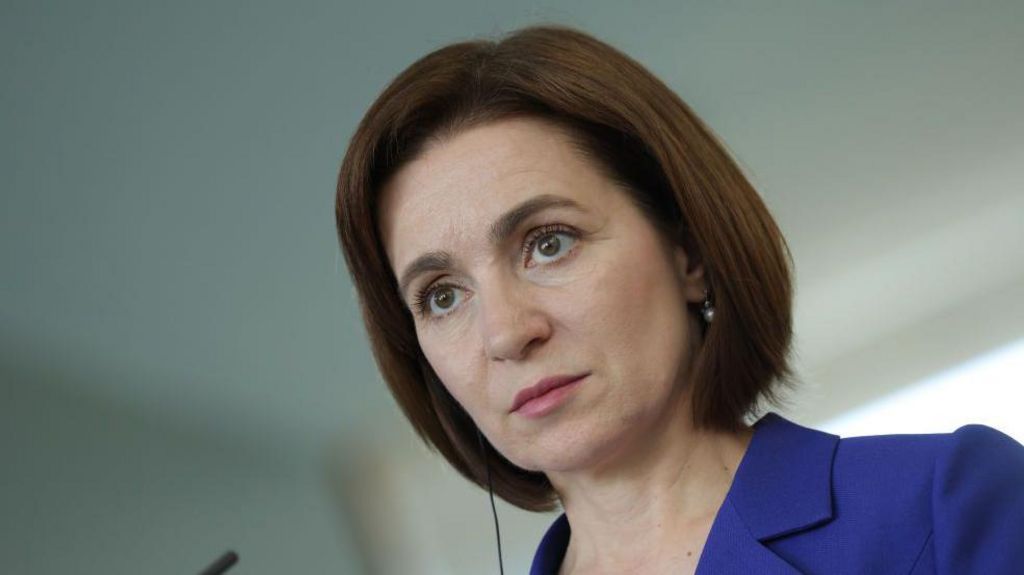
Kremlin threatening Moldova’s independence, president warns ahead of key vote
Moldovan President Maia Sandu has issued a stark warning about the threats to her country’s independence and European aspirations, as authorities arrested dozens of individuals allegedly involved in a Russian-backed plot to incite violence. The arrests, which occurred just days before pivotal parliamentary elections, included the seizure of weapons and explosives in nationwide raids. Authorities claim that some of the 74 detainees received training in Serbia from Russian instructors, including firearms instruction. President Sandu accused the Kremlin of investing heavily in efforts to destabilize Moldova through violence, disinformation, and fear, asserting that Russia views Moldova as a territory rather than a sovereign nation. She emphasized Moldova’s determination to resist such interference, declaring, ‘Moldova is our home. And our home is not for sale.’ Pro-Russian parties, however, have accused Sandu of attempting to intimidate them and influence the election outcome. Sandu has urged her supporters to participate actively in the elections, where pro-Russian forces are poised to challenge the pro-EU status quo. The ruling Party of Action and Solidarity (PAS), led by Sandu, faces significant risks of losing its majority. A high voter turnout, particularly among the diaspora, is seen as crucial for maintaining Moldova’s pro-European trajectory. Moldova, which declared independence from the USSR over 30 years ago, has a significant Russian-speaking population and a breakaway region, Transnistria, supported by Moscow. Despite Russia’s lingering influence, Sandu has pursued EU integration, including a constitutional referendum last year that narrowly endorsed EU accession. However, the referendum was marred by evidence of Russian interference, including vote-buying. Analysts warn that Russia may resort to violence if pro-EU forces prevail in the elections. Recent reports from Bloomberg and the BBC have uncovered extensive Russian plans to sow unrest and spread disinformation, further complicating Moldova’s political landscape. Russia’s SVR intelligence service has even accused European countries of planning to falsify election results, a claim dismissed as baseless by experts. As Moldova braces for a high-stakes election, the nation’s future hangs in the balance between European integration and Russian influence.