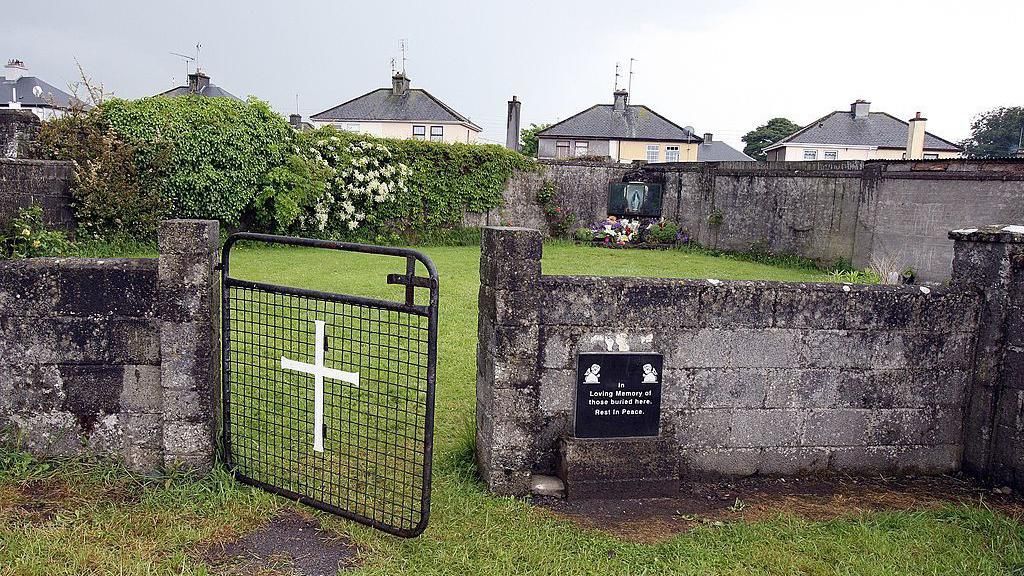
Archaeologists excavating the site of a former mother-and-baby institution in Tuam, County Galway, have uncovered seven sets of infant remains. The institution, operated by the Bon Secours Sisters and open from 1925 to 1961, has long been a subject of controversy. The Office of the Director of Authorised Intervention, Tuam (ODAIT), which began the excavation in July, issued its third monthly update, revealing the discovery of the remains near a ‘vaulted structure’ on the western edge of the site. Initial assessments suggest the remains belong to infants, but further analysis, including radiocarbon dating, will be required to determine their age and historical context. This process is expected to take at least three months. The site, previously used as a military barracks and a workhouse, has a complex history, making it challenging to pinpoint the exact era of the remains. ODAIT also reported finding two additional sets of remains believed to date back to the workhouse era, alongside numerous artifacts, including personal items like a razor. The excavation has drawn international attention since 2014, when local historian Catherine Corless revealed that 796 children and babies died at the institution without burial records. In 2017, Irish government investigators discovered ‘significant quantities of human remains’ in underground chambers. ODAIT continues to collaborate with the National Museum of Ireland to manage and analyze the findings.
标签: Europe
欧洲
-
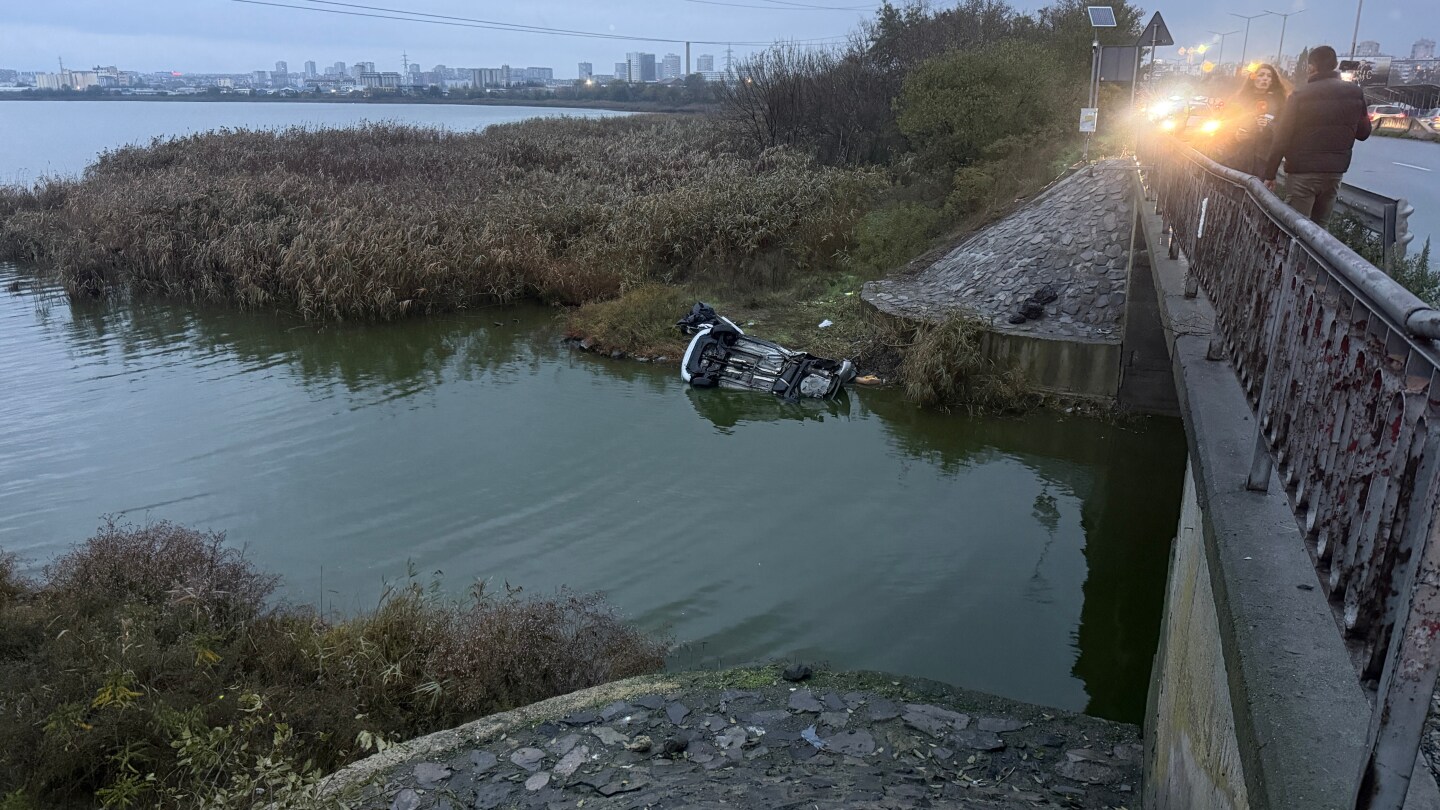
Van is chased by police in Bulgaria and crashes, killing six migrants
A tragic incident unfolded near Bulgaria’s eastern Black Sea coast late Thursday night, resulting in the deaths of six migrants and injuries to four others, including the driver of the van they were traveling in. The vehicle, bearing Romanian registration plates, was being pursued by Bulgarian police when it crashed into a lake after the driver lost control while attempting to evade spike strips laid by authorities. The accident occurred near the city of Burgas, according to Border Police Chief Anton Zlatanov, who briefed reporters on Friday. The migrants, believed to be from Afghanistan, were illegally entering Bulgaria at the time of the crash. The driver, a Romanian national, and three other passengers sustained minor injuries and were transported to a hospital after receiving initial medical care at the scene. Bulgaria, a key transit country for migrants from the Middle East and Afghanistan, has seen a significant reduction in migration pressure over the past year, with authorities dismantling up to 20 organized criminal groups involved in human trafficking. Zlatanov emphasized that while complete elimination of migration is unattainable, efforts have led to a 70% decrease in migration-related challenges compared to the previous year.
-
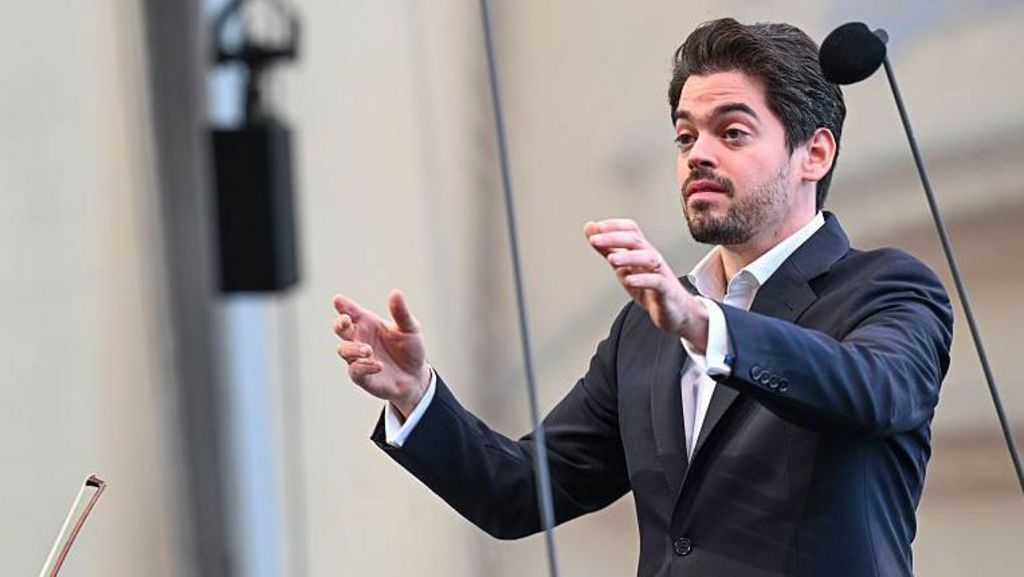
Four held after protesters set off flares during Israeli orchestra concert in Paris
A performance by the Israel Philharmonic Orchestra in Paris on Thursday night was marred by protests and clashes, leading to the detention of four individuals by French police. The concert, conducted by Lahav Shani and featuring pianist Sir Andras Schiff, was interrupted three times, with protesters setting off flares and causing chaos in the auditorium. The event, which showcased works by Beethoven and Tchaikovsky, had already faced criticism from a French performing arts union and pro-Palestinian activists, who called for a boycott. Despite the disruptions, the concert resumed and concluded peacefully. The Philharmonie de Paris condemned the incidents, emphasizing that such actions threaten public safety and are unacceptable. French Culture Minister Rachida Dati defended artistic freedom, while Interior Minister Laurent Nuñez praised the police for their swift response. However, European Parliament member Manon Aubry refused to condemn the protests, arguing that the orchestra represents a state accused of war crimes. The incident highlights the ongoing tensions surrounding cultural events linked to the Israeli-Palestinian conflict.
-
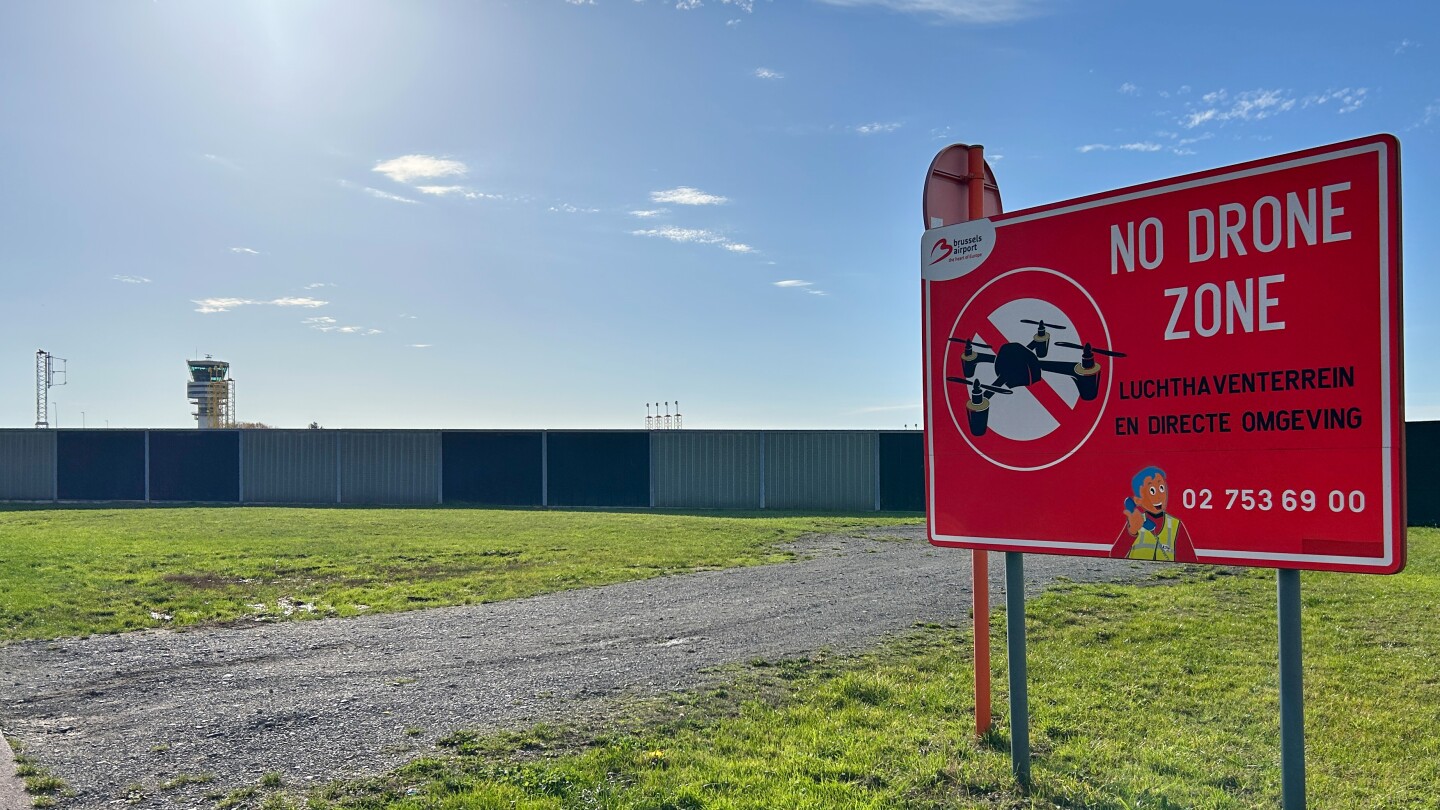
Drone sightings halt flights at major European cargo airport in Belgium
Belgium’s airspace has been thrust into turmoil following a series of drone sightings that disrupted operations at two major airports. Liege Airport, one of Europe’s largest cargo hubs, experienced multiple flight suspensions between Thursday evening and Friday morning due to unauthorized drone activity. This incident follows a similar disruption at Brussels Airport, Belgium’s primary international gateway, which was temporarily shut down on Wednesday after drone sightings the previous night. The closure marked the first time Brussels Airport had been forced to halt operations due to drones.
-
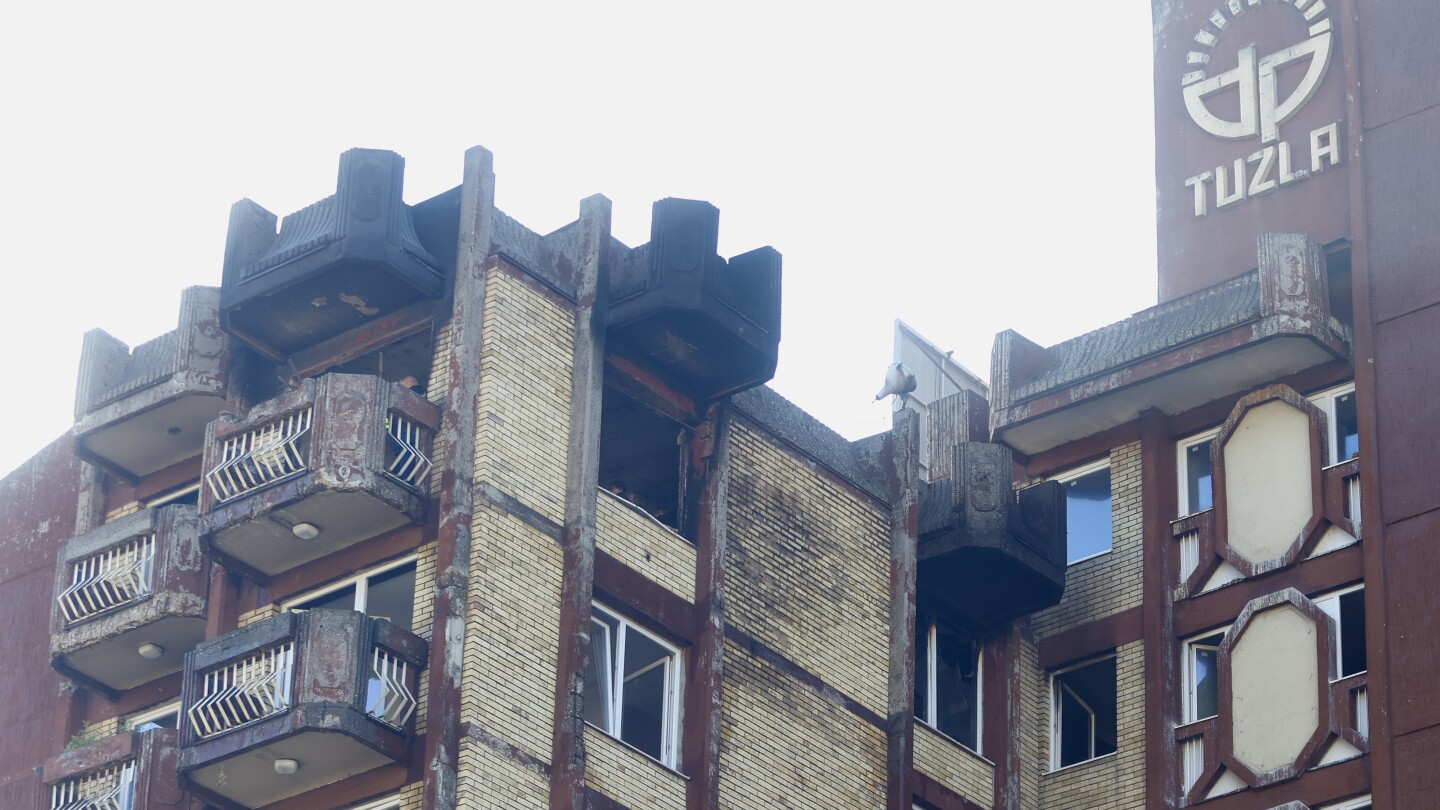
Two hospital deaths raise the toll from a retirement home fire in Bosnia to 13 dead
A devastating fire at a retirement facility in Tuzla, Bosnia-Herzegovina, has resulted in the deaths of 13 elderly residents, with two more succumbing to their injuries in the hospital on Friday. The blaze erupted on Tuesday evening on the seventh floor of the boarding house, causing panic as residents scrambled to escape. Initial reports indicate that 11 individuals died from smoke inhalation on the day of the incident. Thirteen others remain hospitalized, according to medical authorities in Tuzla. An official investigation is currently in progress to ascertain the cause of the fire. Local media highlighted that the upper floors of the facility housed elderly residents with limited mobility or chronic illnesses, raising concerns about safety protocols. In the wake of the tragedy, the facility’s manager has resigned. The incident has sparked widespread grief and calls for improved safety measures in care facilities across the region.
-

Protesters disrupt an Israeli Philharmonic concert in Paris. 4 people are detained
The Israel Philharmonic Orchestra’s performance in Paris was marred by repeated disruptions as protesters brandished flares and triggered sound alarms, causing panic among the audience and forcing musicians to leave the stage. The incident, which occurred on Thursday night at the Paris Philharmonic concert hall, led to the detention of four individuals. Pro-Palestinian activists also demonstrated outside the venue, highlighting the ongoing tensions surrounding the Gaza conflict spilling into European protests. The French government condemned the disruptions as antisemitic and an attack on cultural freedom. Witnesses inside the hall described a performance fraught with chaos, as the orchestra faced multiple interruptions. Osnat Menache, an official from the Israeli Embassy in Paris, recounted the ordeal, stating that every 10 to 20 minutes, someone attempted to sabotage the concert. Minutes into the performance, loud alarms forced the orchestra to halt and exit the stage. Protesters shouted slogans such as ‘Israel Assassin,’ as reported by Jonathan Arfi, president of France’s national Jewish organization CRIF. Flares were also ignited, with one landing dangerously close to the orchestra. Despite the turmoil, the musicians eventually returned to complete the concert. Interior Minister Laurent Nunez denounced the disruptions on social media, emphasizing that ‘nothing can justify them.’ Earlier, a group of pro-Palestinian musicians had urged the Paris Philharmonic’s director to cancel the event, arguing that it would endorse Israel’s impunity and misuse classical music to whitewash its policies. The group maintained its stance despite a recent ceasefire, citing unresolved historical issues. Arfi criticized the disruptions as an attempt to ‘kidnap culture and arts’ to propagate violent messages within French society. Menache emphasized the French government’s commitment to addressing such antisemitic acts, stating that ‘every antisemitic act should be brought to justice.’
-

At the 6-months mark, Pope Leo finds his footing and starts charting his own path and style
VATICAN CITY — Six months into his papacy, Pope Leo XIV is steadily adapting to his role, demonstrating a blend of continuity with his predecessor, Pope Francis, and a willingness to carve out his own path. During a historic visit to the Vatican last month, King Charles III remarked on the omnipresent television cameras, to which Leo responded with a casual, “You get used to it.” This offhand comment underscores the pontiff’s growing comfort in his position, according to Vatican observers.
-
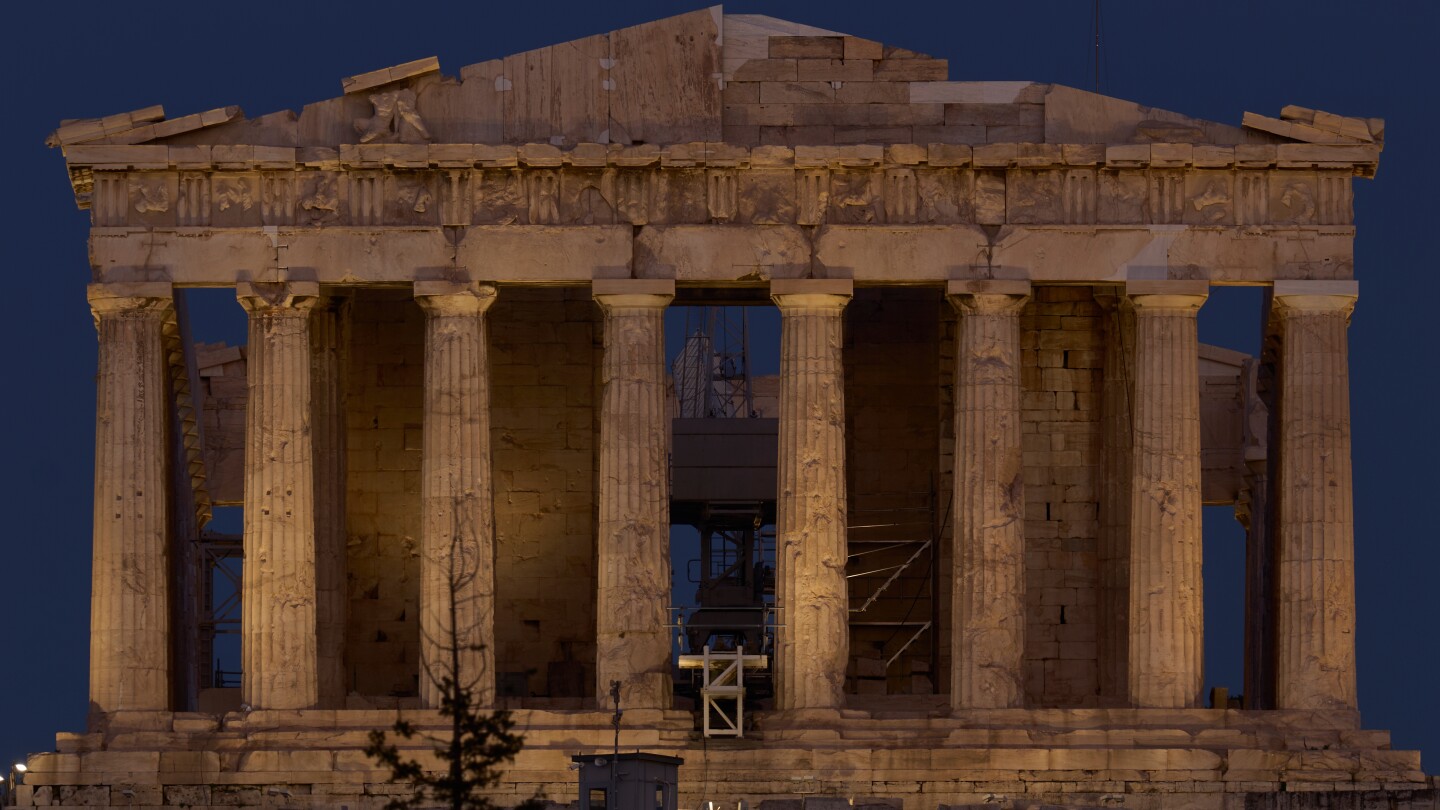
The Parthenon in Athens briefly shed its scaffolding. Here’s a look at its restoration
For the first time in years, the iconic Parthenon stood free of scaffolding, offering residents and visitors in Athens an unobstructed view of the ancient marble temple atop the Acropolis. This rare sight, lasting roughly four weeks, was a testament to the ongoing restoration efforts that have spanned decades. Culture Minister Lina Mendoni described the scene as “breathtaking,” likening the gleaming temple to its appearance nearly 2,500 years ago. However, the scaffolding returned in late September, albeit in a lighter and less intrusive form, to continue fine-tuning work on the western façade. The Parthenon has been under restoration since 1975, a process that has already taken more than three times longer than its original construction. The project involves 161 highly specialized professionals, including engineers, archaeologists, and marble craftsmen, who meticulously work to stabilize and preserve the temple. The restoration includes replacing rusted iron clamps with titanium fasteners and reassembling over 1,500 marble blocks like pieces of a colossal puzzle. The Parthenon, built between 447 and 432 BC, remains a symbol of Greece’s Golden Age, showcasing the unmatched skill of its ancient builders. With 4.5 million visitors in 2024, the Acropolis is Greece’s most-visited site, and the current restoration phase is expected to conclude in 2026, marking a significant milestone in preserving this architectural marvel.
-

Ballet star Roberto Bolle will headline 2026 Winter Olympics closing ceremony in Verona
Internationally renowned ballet star Roberto Bolle has been confirmed as the headline performer for the closing ceremony of the 2026 Milan-Cortina Winter Olympics. The event, titled “Beauty in Motion,” will take place on February 22 in Verona’s ancient Roman amphitheater, the Arena, one of the world’s oldest and most iconic venues. The ceremony will honor Verona, a UNESCO World Heritage Site, and the Arena’s legacy as the stage for a celebrated summer opera festival. It will also celebrate athletic achievements and highlight the urgent issue of climate change, according to Alfredo Accatino, the artistic director for the closing ceremony. Accatino emphasized the symbolic significance of the central stage, shaped like a waterdrop, which will connect the mountain venues with the fertile Po River Valley and the Venetian lagoon. Bolle, who previously performed at the 2006 Winter Olympics in Turin, is a familiar figure at the Arena, where he hosts his annual “Roberto Bolle and Friends” gala. The 2026 Winter Games, scheduled from February 6 to 22, will mark the first time two cities—Milan and Cortina—officially co-host the event. The opening and closing ceremonies will also be held in separate locations: Milan and Verona, respectively. Verona, a picturesque city with cobblestone streets and pre-Alpine landscapes, has generated significant excitement among Olympic delegations. Giovanni Malagò, president of the Milan Cortina Foundation, described the choice of Verona as a unique opportunity to showcase the city’s charm. Mayor Damiano Tommasi noted that Verona’s central location among Olympic venues makes it a convenient base for visitors. The city is approximately an hour and 15 minutes by train from Milan and three hours by car from Bormio and Cortina. Organizers are finalizing ticket details, with the Arena’s capacity expected to be lower than its usual 15,000 seats due to stage expansions and reserved seating for athletes and delegations.
-
UK police arrest 6 ahead of soccer match between Aston Villa and Israeli club Maccabi Tel Aviv
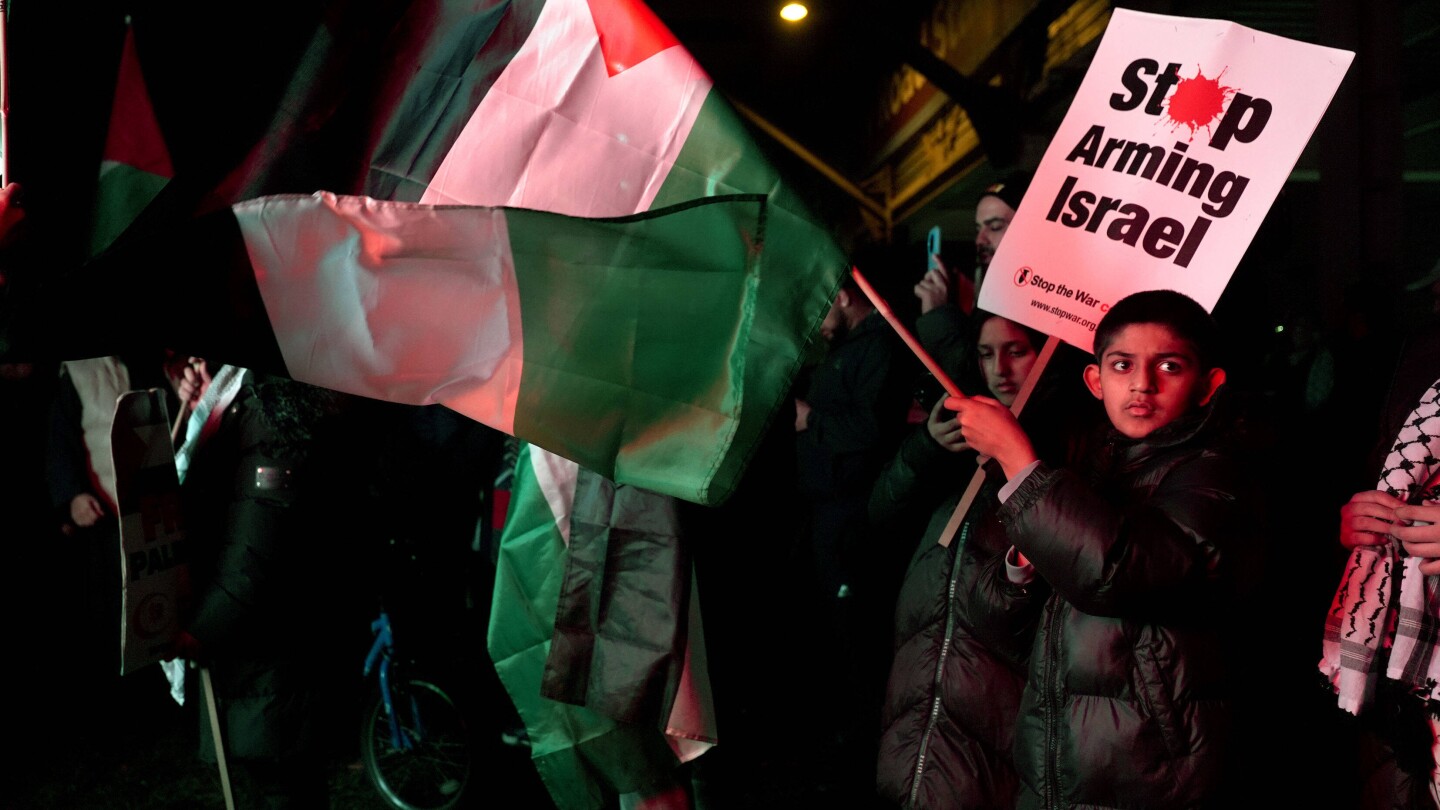
In a tense prelude to the Europa League soccer match between Aston Villa and Maccabi Tel Aviv in Birmingham, British police arrested six individuals on Thursday evening. The match, which saw Maccabi Tel Aviv fans banned from attending, was marked by heightened security and protests. West Midlands Police deployed over 700 officers to manage the situation, which included the arrest of a 21-year-old man for refusing to remove a face mask and a 17-year-old boy for violating a dispersal order. Three others were detained for racially aggravated public order offenses, and one for breach of the peace. Approximately 200 protesters, including members of the Palestine Solidarity Campaign, gathered near a children’s playpark adjacent to Villa Park’s Trinity Road stand. Palestinian flags and banners calling for a boycott of Israel were displayed, accompanied by pro-Gaza chants. Police briefly formed a cordon to prevent a surge of protesters after an Israeli flag was reportedly waved by a passer-by. Prior to kick-off, five vehicles with electronic billboards opposing antisemitism drove past the stadium. One message, featuring a Star of David, read “Ban hatred not fans,” while another quoted French soccer legend Thierry Henry, emphasizing football’s role in uniting people. The decision to ban visiting fans, made by Birmingham’s Safety Advisory Group last month, was widely criticized, including by British Prime Minister Keir Starmer, and led Maccabi Tel Aviv to announce their fans would not travel. The ban comes amid heightened concerns about antisemitism in Britain, following a deadly attack on a Manchester synagogue earlier this month and calls for a sports boycott of Israel over the Gaza conflict. West Midlands Police deemed the match high-risk due to current intelligence and past incidents, including violence and hate crimes during Maccabi Tel Aviv’s match against Ajax in Amsterdam last season.