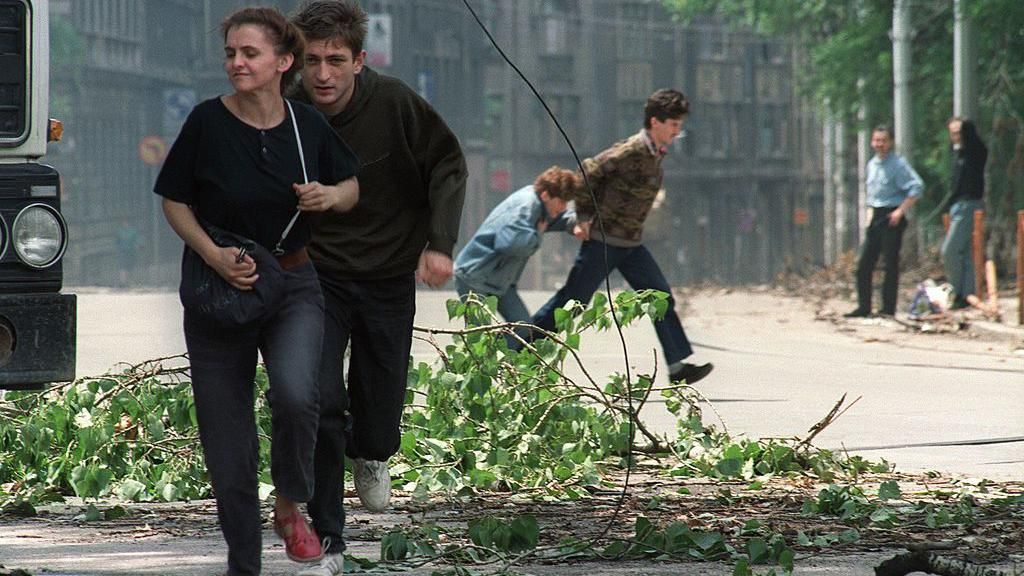
Serbian President Aleksandar Vucic has vehemently denied allegations of his involvement in ‘sniper tourism’ during the siege of Sarajevo, labeling the claims as a ‘lie.’ The accusations stem from a complaint filed by Croatian journalist Domagoj Margetic with Italian prosecutors, who cited 1990s video footage and testimonies from Bosnian officials suggesting Vucic was a ‘war volunteer’ with Bosnian-Serb forces. Vucic, speaking at a UK-Western Balkans business conference in Belgrade, asserted that he had ‘never killed anyone, wounded anyone, or done anything similar,’ and clarified that images purportedly showing him with a sniper rifle actually depicted him carrying a camera tripod. He accused the journalist of attempting to portray him as a ‘monster’ and a ‘cold-blooded murderer.’ The siege of Sarajevo, which lasted from 1992 to 1996, claimed over 11,000 lives as the city was encircled by Serb forces and subjected to relentless shelling and sniper fire. Italian prosecutors recently launched an investigation into claims that wealthy foreigners paid to shoot at civilians during the siege, following a complaint by Italian writer Ezio Gavazzeni, who referenced the 2022 Slovenian documentary ‘Sarajevo Safari.’ Vucic’s spokesperson, Suzana Vasiljevic, dismissed the allegations as ‘malicious disinformation’ aimed at undermining Serbia’s institutional credibility. She emphasized that Vucic was working as a journalist and translator in Pale during the conflict, with no involvement in military activities. While similar allegations of ‘human hunters’ have surfaced over the years, the International Residual Mechanism for Criminal Tribunals in The Hague has stated it lacks information on the matter, and Bosnia’s war crimes prosecutor has yet to issue any indictments. UK special forces veterans who served in Sarajevo have also dismissed the claims as an ‘urban myth.’
标签: Europe
欧洲
-
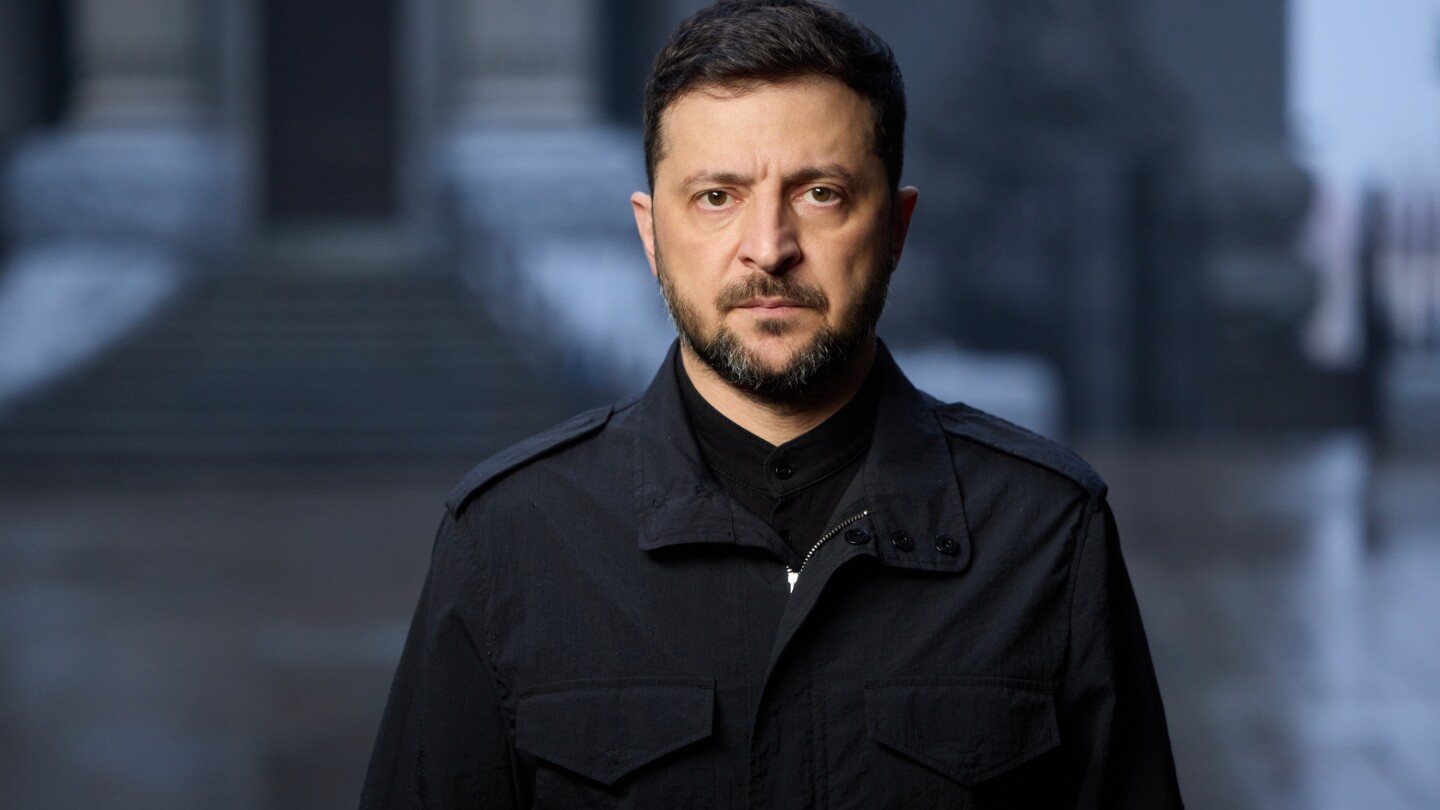
Proposed peace plan for Ukraine leaves country in a delicate position between US and Russia
The United States has proposed a 28-point peace plan aimed at ending the ongoing conflict in Ukraine, a move that has placed Kyiv in a precarious diplomatic position. Crafted by the Trump administration and the Kremlin without Ukraine’s involvement, the plan has drawn criticism for its concessions to Russian demands, including the recognition of Crimea, Luhansk, and Donetsk as de facto Russian territories. Ukrainian President Volodymyr Zelenskyy has repeatedly rejected such territorial compromises, emphasizing the need for a peace agreement that ensures Russia does not invade again. The proposal also includes provisions limiting Ukraine’s military capabilities, barring NATO membership, and requiring constitutional changes to enshrine neutrality. While Russian President Vladimir Putin has welcomed the plan, Ukrainian officials and analysts view it as a nonstarter, citing contradictions and potential violations of Ukraine’s sovereignty. The plan further calls for Russia to relinquish control of certain territories and proposes using frozen Russian assets to fund Ukraine’s reconstruction, a move Moscow has vehemently opposed. As Ukraine navigates this complex diplomatic landscape, the proposal underscores the challenges of balancing international alliances with national sovereignty.
-
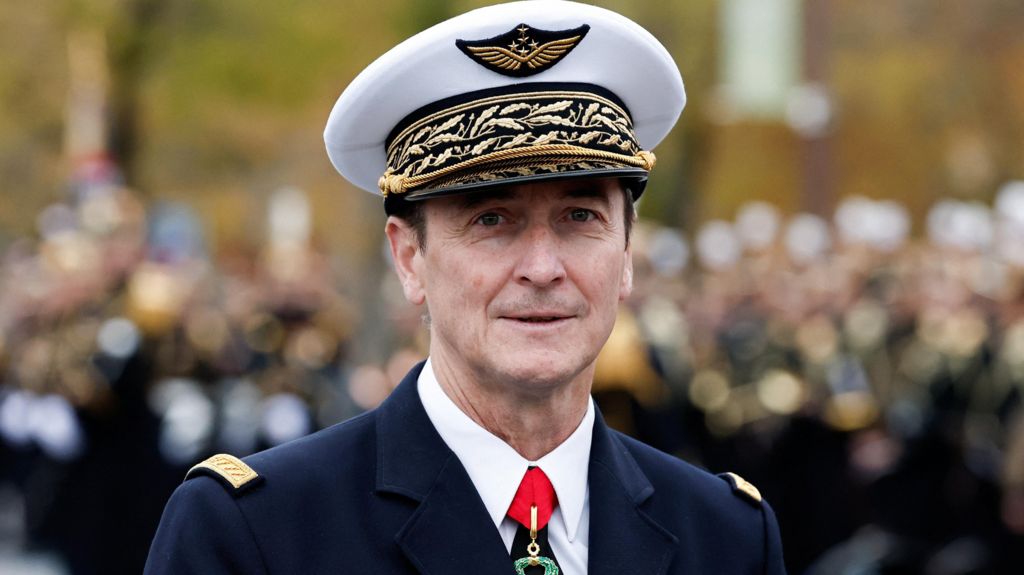
Outcry at army chief’s warning France must prepare to ‘lose children’ in war
France’s newly appointed army chief, General Fabien Mandon, has ignited a heated political debate with his stark warning about the nation’s readiness for a potential conflict with Russia. Speaking at a congress of mayors on Tuesday, Mandon emphasized that France’s greatest vulnerability lies not in its military or economic capabilities but in its lack of collective will to endure the sacrifices necessary for national defense. ‘We possess the expertise, economic strength, and demographic resources to deter Moscow,’ he stated. ‘However, what we lack is the spirit to accept suffering in defense of our values. If our nation falters because it is unwilling to lose its children or endure economic hardships for military production, we are truly at risk.’ Mandon urged mayors to foster this spirit within their communities. His remarks, consistent with previous warnings about a looming confrontation with Russia, were met with sharp criticism from both the left and nationalist right. Jean-Luc Mélenchon of the far-left France Unbowed party denounced the general’s comments as ‘warmongering,’ while Communist Party leader Fabien Roussel condemned the ‘intolerably belligerent’ rhetoric. In contrast, Raphael Glucksmann, a pro-Ukraine MEP, supported Mandon, accusing critics of being in ‘denial and capitulation.’ The far-right National Rally was divided, with Sébastien Chenu questioning Mandon’s legitimacy but Louis Aliot affirming the necessity of readiness for war. Defense Minister Catherine Vautrin and government spokeswoman Maud Bregeon defended Mandon, stressing the importance of preparation while striving to avoid conflict. Mandon’s warnings align with broader European concerns, as German Defense Minister Boris Pistorius recently suggested that Europe may have experienced its ‘last peacetime summer,’ with potential Russian aggression anticipated as early as 2028.
-

Man jailed for 24 years for manslaughter of Irish woman in New York
A tragic incident that shook the Irish community in New York has reached a legal conclusion. Marcin Pieciak, a man responsible for the fatal stabbing of Sarah McNally, has been sentenced to 24 years in prison. The horrific event occurred on March 30 last year at the Céilí House pub in Maspeth, Queens, where McNally, originally from County Longford, Ireland, was working as a bartender. Pieciak, who had previously been in a relationship with McNally, attacked her with a knife, stabbing her 19 times. The assault resulted in severe injuries to her neck, back, and chest, including a severed spine and damage to her carotid artery. Despite being rushed to the hospital in critical condition, McNally succumbed to her injuries. Pieciak, who initially faced a murder charge, pleaded guilty to first-degree manslaughter last month. During the court proceedings, he expressed remorse, stating that he thinks about McNally daily and hopes for forgiveness from her family in Ireland. The attack ended with Pieciak attempting to stab himself, but he was restrained by bar patrons until law enforcement arrived.
-
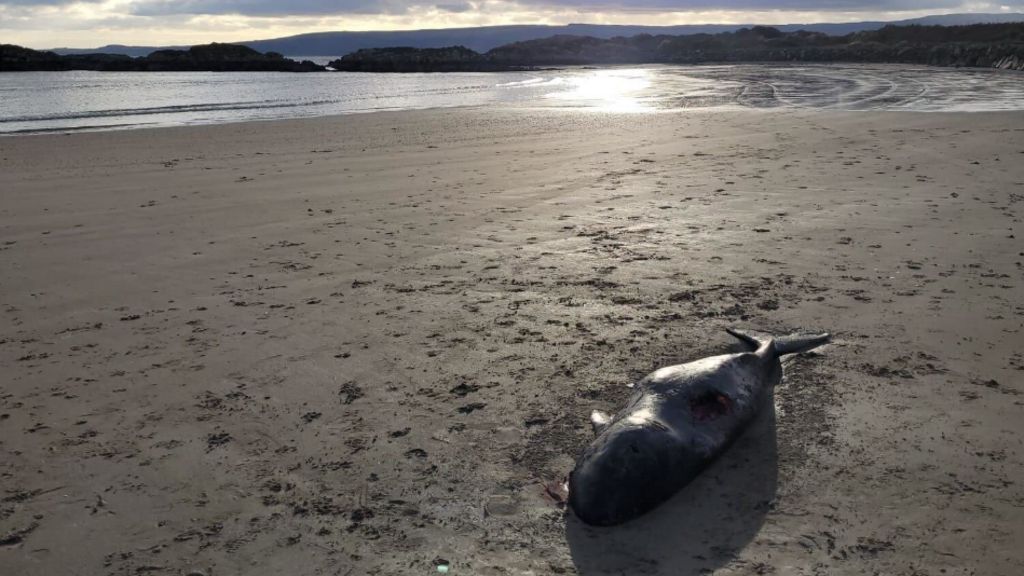
Narwhal carcass washes ashore on County Donegal beach
In an unprecedented event, the body of a female narwhal, a species typically found in Arctic waters, washed ashore on Sweet Nellies Beach in County Donegal, Ireland, last weekend. This marks the first recorded sighting of a narwhal in Irish waters and only the tenth recorded stranding of the species in western Europe. The discovery was made by a local family during a beach walk, prompting immediate attention from wildlife authorities. Niall Ó Donnchú of Ireland’s National Parks and Wildlife Service (NPWS) described the event as ‘extraordinary and unprecedented.’ The narwhal, often referred to as the ‘unicorn of the sea’ due to its distinctive spiraled tusk, was transported to the Regional Veterinary Laboratory in Cork for a post-mortem examination. While male narwhals typically grow tusks, some females also exhibit this rare trait. Narwhals inhabit the Arctic Circle, migrating to coastal waters in summer and returning offshore in winter to avoid ice entrapment. With an estimated global population of 170,000, their natural predators include polar bears, orcas, and sharks. Dr. Simon Berrow of the Irish Whale and Dolphin Group (IWDG) emphasized the significance of this stranding, noting that warming waters have caused a northward migration of marine species. ‘To have an Arctic species stranded for the first time is somewhat unexpected,’ he said. The incident underscores the importance of long-term monitoring and public involvement in reporting such events. Ireland’s Minister for Nature, Heritage and Biodiversity, Christopher O’Sullivan, highlighted the broader implications, stating that the narwhal’s stranding serves as a stark reminder of the vulnerability of wildlife in the face of climate change. The post-mortem results, expected soon, may provide crucial insights into the narwhal’s life history and the reasons behind its unusual journey to Irish shores.
-
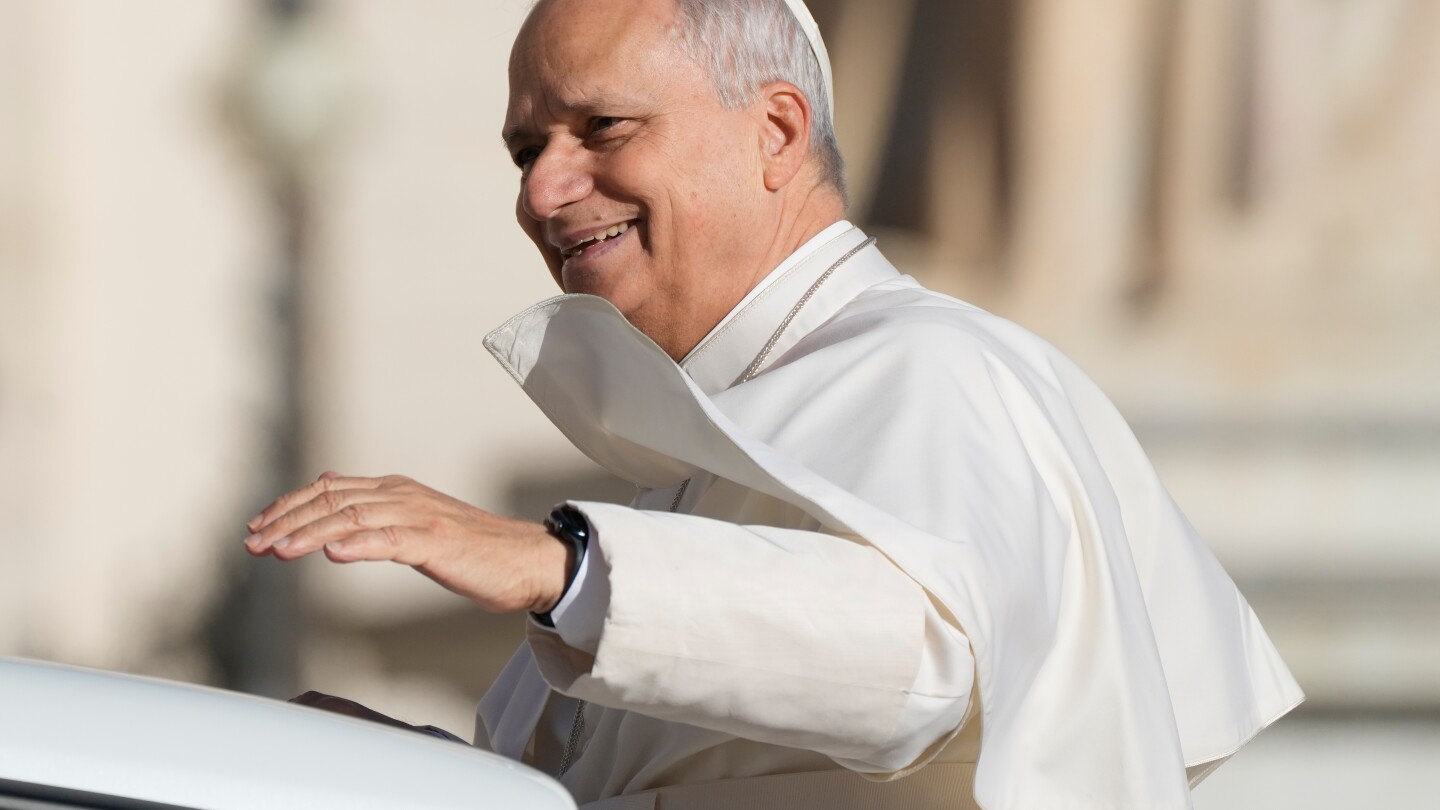
Pontifical secret revealed: Pope Leo XIV changes his Wordle start word each day
In a surprising revelation during a virtual meeting with American Catholic youth on Friday, Pope Leo XIV disclosed a personal detail about his daily routine: he uses a different starting word each day when playing the popular online game Wordle. The pontiff shared this tidbit at the outset of a Q&A session, which was part of his remote address to the National Catholic Youth Conference held this year in Indianapolis. The event was broadcast via U.S. Catholic network EWTN, connecting the Vatican to the annual Catholic rally. Pope Leo, who was elected in May, has been known to enjoy Wordle daily, a fact previously revealed by his brother, John Prevost. The brothers often compare their Wordle strategies, a common practice among friends and family. During the session, which touched on topics like artificial intelligence, social media, and the future of the Catholic Church, the Pope’s casual mention of his Wordle habits added a lighthearted moment to the otherwise structured discussion. Wordle, a simple yet addictive online puzzle, challenges players to guess a five-letter word in six attempts and has garnered millions of daily users worldwide.
-
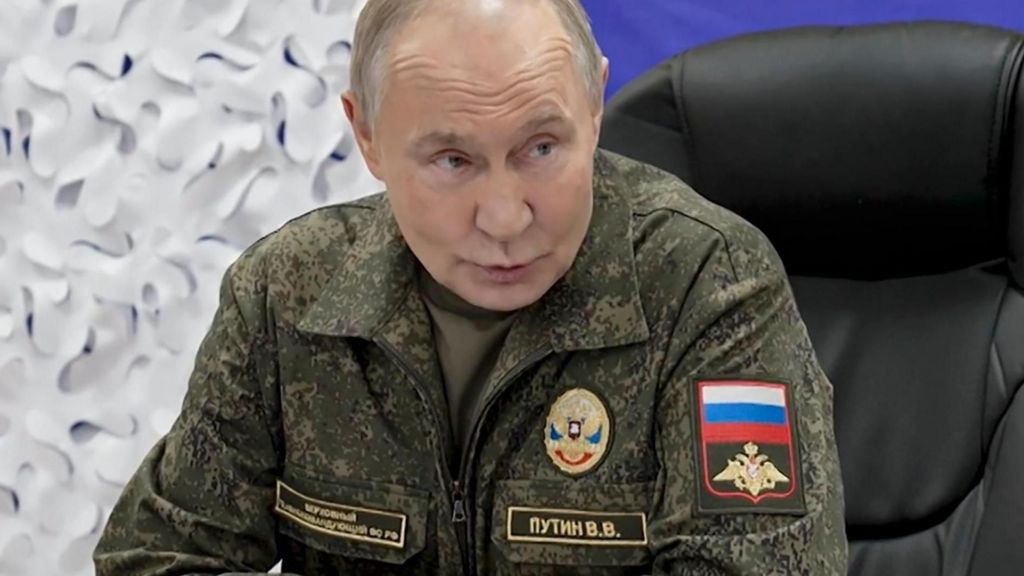
Steve Rosenberg: Kremlin tight-lipped on leaked plan – but advises Kyiv to accept
In a striking juxtaposition of diplomatic and military postures, the United States and Russia presented divergent approaches to the ongoing conflict in Ukraine on Thursday. While a US Pentagon delegation engaged in discussions with Ukrainian President Volodymyr Zelensky regarding a draft peace plan, Russian President Vladimir Putin, clad in military attire, reaffirmed his commitment to continuing the war during a meeting with army chiefs. Putin emphasized the ‘unconditional achievement’ of Russia’s objectives in what he termed the ‘special military operation.’
-
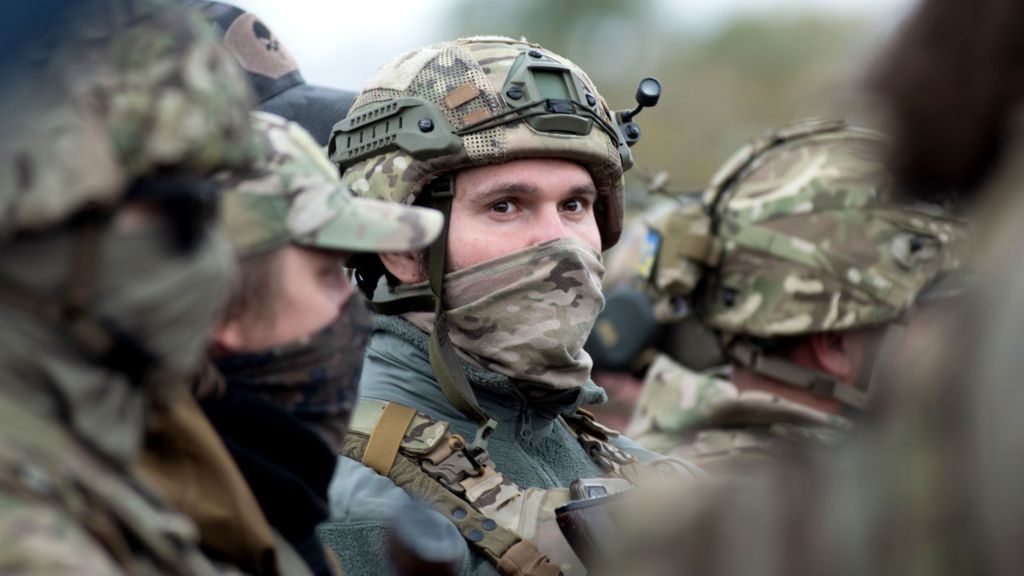
What we know about leaked US draft plan to end Russia’s Ukraine war
A leaked draft of a US-Russia peace plan has ignited widespread debate as it outlines significant concessions to Moscow, particularly regarding Ukraine’s sovereignty and territorial integrity. The proposal suggests transferring control of Ukraine’s industrial eastern Donbas region, still under Ukrainian authority, to de facto Russian control. Additionally, Ukraine would be required to reduce its armed forces to 600,000 personnel, a move that has drawn sharp criticism from Kyiv. The draft, comprising 28 key points, includes provisions for Ukraine’s sovereignty to be “confirmed” and a comprehensive non-aggression agreement between Russia, Ukraine, and Europe. However, the lack of detail on security guarantees and the proposal for snap elections within 100 days have raised concerns. The plan also calls for Ukraine to constitutionally renounce NATO membership, while offering short-term EU market access. Critics argue that the draft heavily favors Russia, particularly with provisions to reintegrate Moscow into the global economy and the G8. The proposal to invest $100 billion of frozen Russian assets in Ukraine’s reconstruction, with half the profits going to the US, has also been met with skepticism. While some points aim to address Russia’s grievances, such as halting NATO expansion and ensuring equal rights for Russian-speaking populations in Ukraine, the overall slant towards Moscow’s narrative has been widely criticized. The plan’s aggressive timeline, with Ukraine reportedly given until Thanksgiving to agree, has further fueled tensions. Both the European Union and Russia have stated they have not officially seen the draft, adding to the uncertainty surrounding its legitimacy and implementation.
-
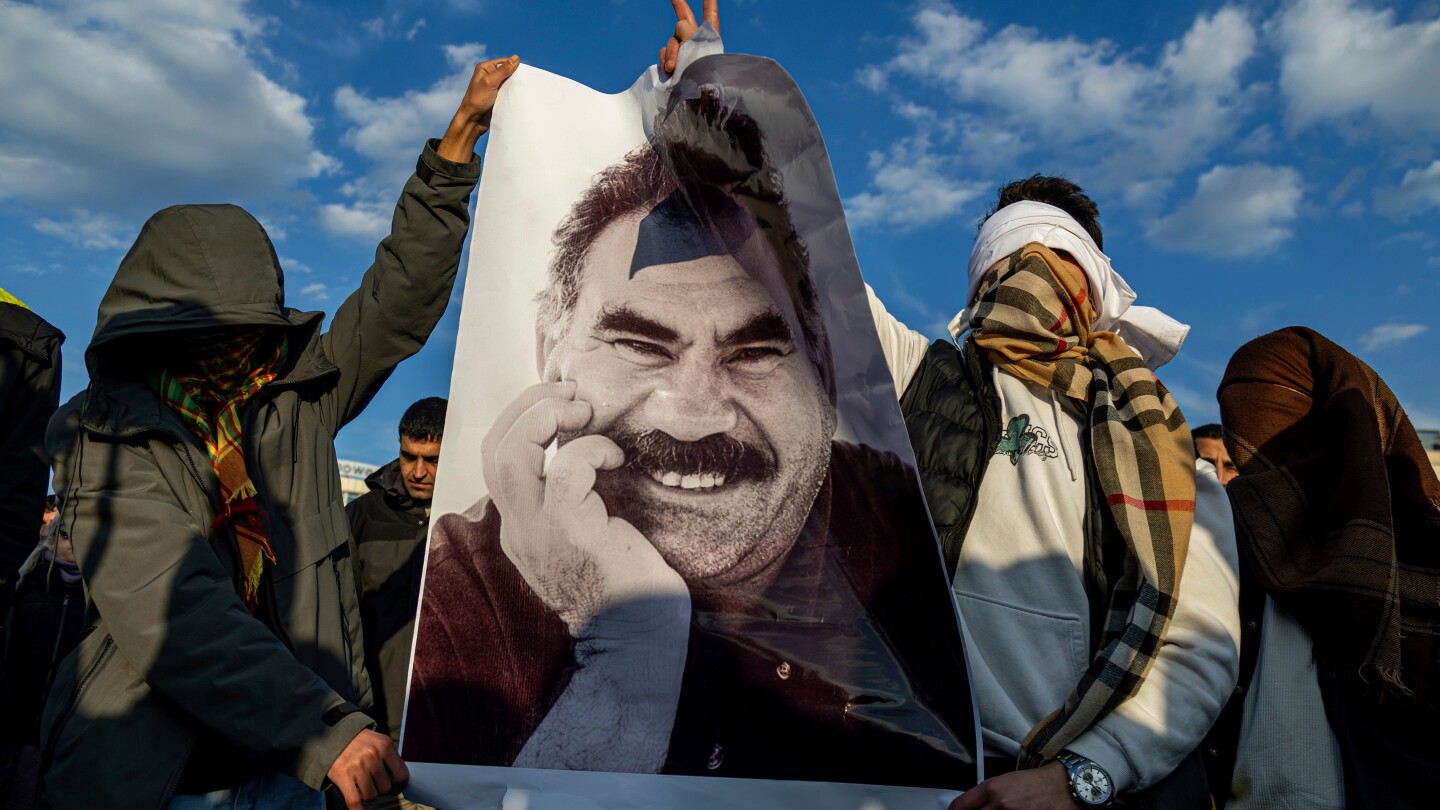
Turkish committee to visit PKK leader Ocalan in prison as part of peace initiative
In a groundbreaking move, a Turkish parliamentary committee established to oversee a new peace initiative with Kurdish militants has voted in favor of meeting Abdullah Ocalan, the imprisoned leader of the Kurdistan Workers’ Party (PKK). The decision, reported by state broadcaster TRT, marks a significant step in efforts to end a decades-long insurgency that has claimed tens of thousands of lives. Ocalan, who has been incarcerated on Imrali Island near Istanbul since 1999, remains a pivotal figure among Kurds despite being widely condemned by the Turkish public for his role in the conflict. The cross-party committee’s decision to send a delegation—potentially including members of a nationalist party—to Imrali is unprecedented. While the timing of the visit remains unclear, this development underscores the complexity of the peace process. Notably, the main opposition Republican People’s Party (CHP) abstained from the vote and has refused to participate in the visit, citing ongoing political tensions. The committee was formed in August following the PKK’s announcement in May that it would disarm and disband, a move prompted by Ocalan’s call for peace. The group later held a symbolic disarmament ceremony in northern Iraq, signaling a shift toward de-escalation. However, skepticism persists due to the collapse of previous peace efforts, most recently in 2015. President Recep Tayyip Erdogan’s nationalist ally, Devlet Bahceli, has endorsed the initiative, even offering to visit Ocalan personally if others decline. This latest effort represents a delicate balance between reconciliation and political resistance in Turkey.
-
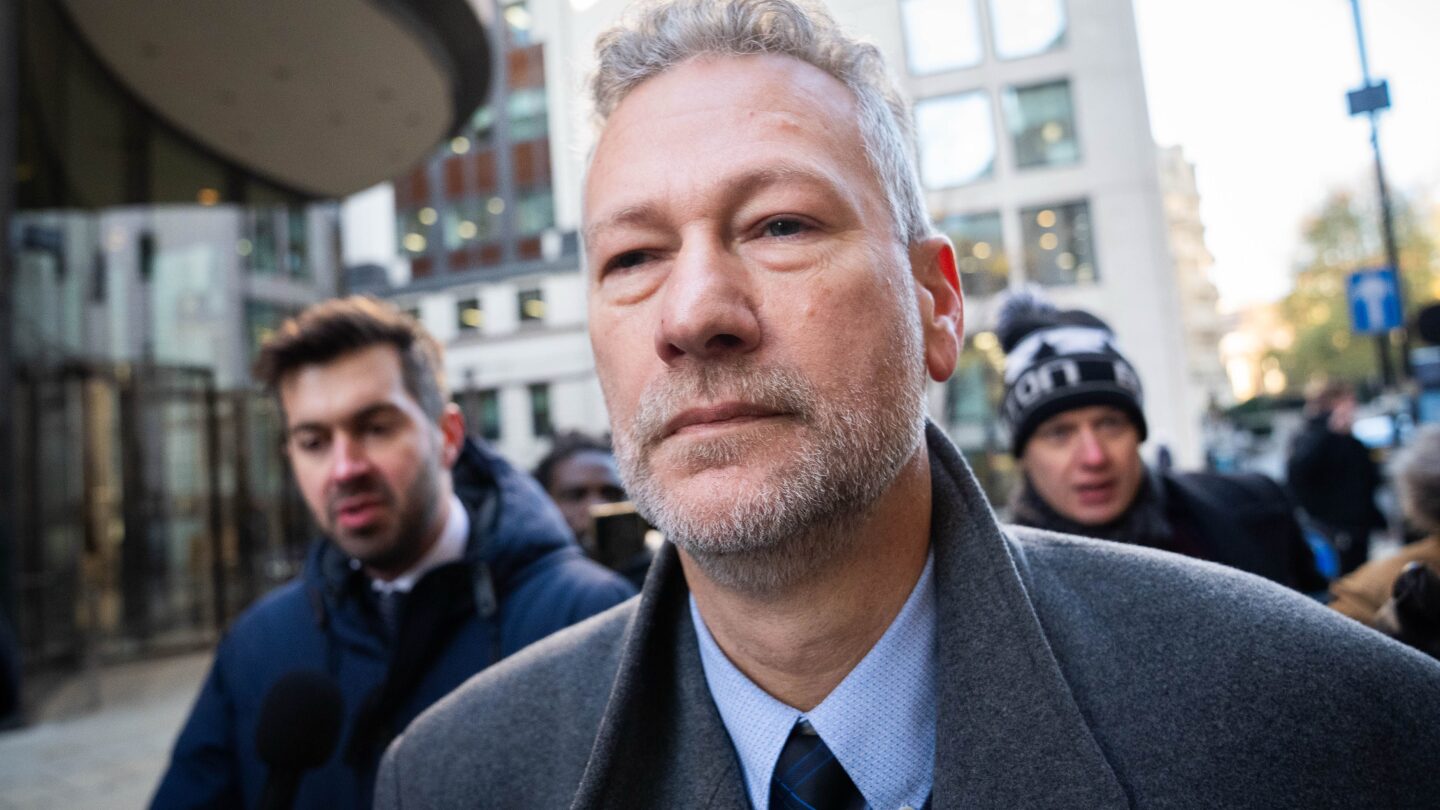
UK politician sentenced to over 10 years for accepting bribes to make pro-Russia statements
In a landmark ruling, Nathan Gill, a prominent hard-right British politician and former ally of Reform U.K. leader Nigel Farage, has been sentenced to ten and a half years in prison for accepting bribes to promote pro-Russian narratives in the European Parliament. The 52-year-old, who pleaded guilty earlier this year to eight counts of bribery, was found to have accepted at least £40,000 ($53,000) between December 2018 and July 2019. The bribes were orchestrated by Oleg Voloshyn, a pro-Russia Ukrainian politician, who tasked Gill with making favorable statements about Russia’s actions in Ukraine, including in the European Parliament and media outlets like 112 Ukraine. Russia’s full-scale invasion of Ukraine in February 2022 followed its annexation of Crimea in 2014, events that Gill’s statements sought to legitimize. Sentencing Gill at London’s Central Criminal Court, Justice Bobbie Cheema-Grubb condemned his actions, stating that he had allowed money to “corrupt his moral compass” and betrayed his duty to speak with honesty and conviction. Gill’s arrest in September 2021 at Manchester Airport, as he attempted to travel to Russia, and subsequent investigation revealed coded messages between him and Voloshyn, exposing their financial dealings. Gill, who was first elected to the European Parliament in 2014 for the anti-EU U.K. Independence Party, later represented the Brexit Party and remained in the legislature until the U.K.’s departure from the EU in 2020. Reform U.K., the successor to the Brexit Party, denounced Gill’s actions as “reprehensible, treasonous, and unforgivable,” expressing relief that justice had been served. Voloshyn, believed to be residing in Russia, is wanted by authorities in both the U.K. and Ukraine.