标签: Europe

欧洲

  • NATO chief dismisses concerns about US commitment to the alliance ahead of Ukraine meeting

    NATO chief dismisses concerns about US commitment to the alliance ahead of Ukraine meeting

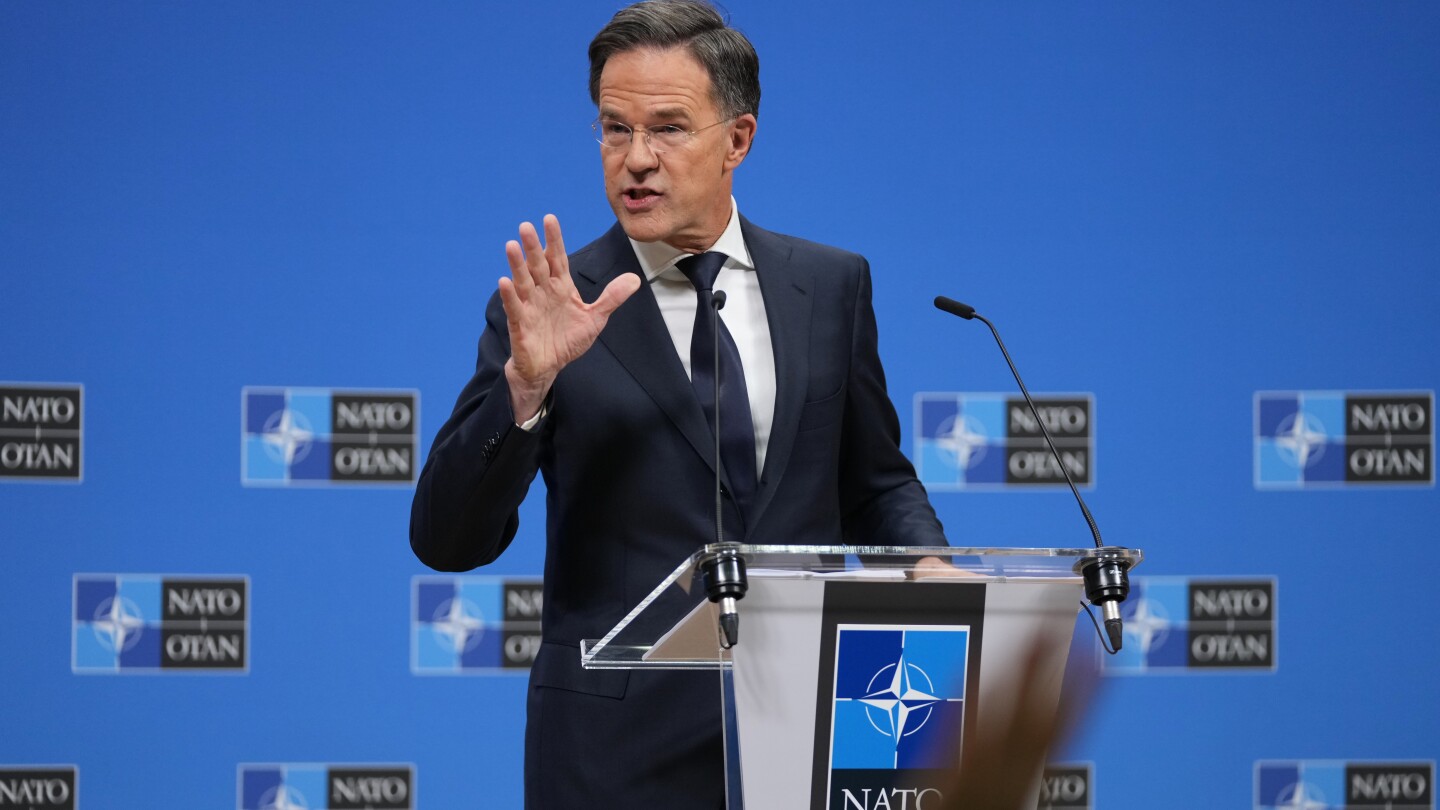
    BRUSSELS — NATO Secretary-General Mark Rutte addressed mounting concerns regarding U.S. dedication to the military alliance during a press briefing Tuesday, preceding a crucial meeting of allied foreign ministers centered on Russia’s ongoing aggression against Ukraine.

    The absence of U.S. Secretary of State Marco Rubio from Wednesday’s high-stakes negotiations has raised eyebrows among European partners, particularly following the Trump administration’s controversial 28-point peace proposal that alarmed NATO members last month. The draft plan, which suggested halting NATO expansion and denying Ukrainian membership—direct concessions to Russian demands—also proposed U.S.-mediated security talks between Russia and NATO.

    Rutte defended Rubio’s non-attendance, stating: ‘He maintains an extraordinarily demanding schedule addressing not only the Ukraine situation but numerous other pressing matters. I fully understand his inability to participate tomorrow and would caution against reading deeper implications into his absence.’

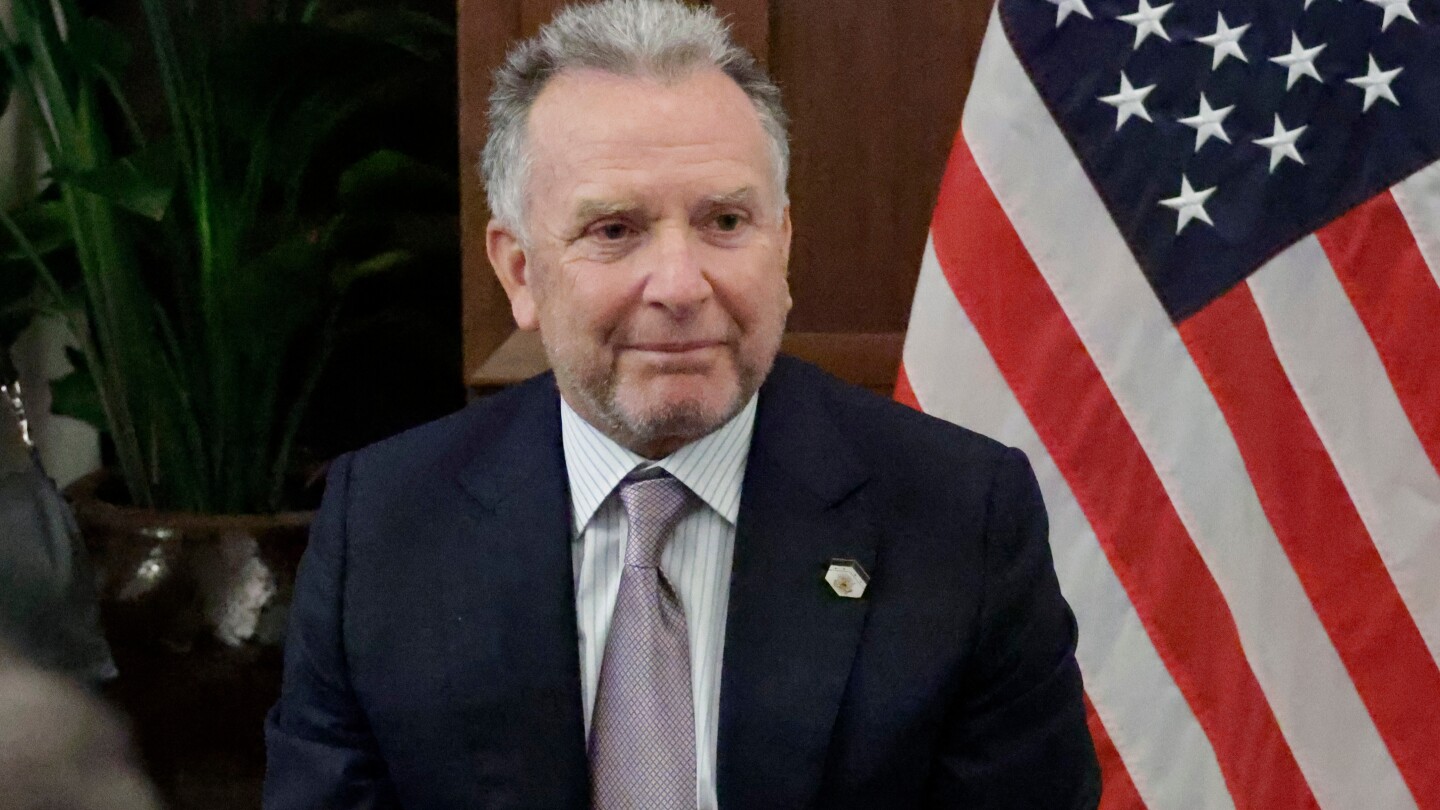
    A senior State Department official, speaking anonymously, emphasized that Rubio has participated in dozens of NATO meetings and cannot reasonably attend every gathering. Deputy Secretary of State Christopher Landau will represent U.S. interests instead, urging allies to fulfill their commitment to allocate 5% of GDP to defense spending.

    Regarding Trump’s contentious peace framework, Rutte indicated significant revisions have addressed European concerns. ‘All peace processes require starting points and concrete proposals,’ he noted, adding that NATO-related aspects would be handled separately through alliance channels.

    The former Dutch prime minister reaffirmed Ukraine’s ‘irreversible path’ to NATO membership despite the proposal’s exclusionary language, acknowledging however that political consensus remains unattainable currently. The Trump administration has explicitly opposed Ukrainian membership, with Hungary and Slovakia similarly positioned.

    Rutte referenced Trump’s reaffirmation of Article 5 commitments during The Hague summit, though recent presidential remarks have seemingly distanced the U.S. from its traditional leadership role. Concerns intensify regarding potential troop reductions in Europe, with Romania announcing a planned withdrawal of up to 3,000 U.S. personnel as Washington shifts focus to Asian security threats. Formal troop movement announcements are anticipated in early 2026.


  • Lithuania accuses Belarus of ‘cynical hybrid attack’ as balloons disrupt airport

    Lithuania accuses Belarus of ‘cynical hybrid attack’ as balloons disrupt airport

    VILNIUS, Lithuania — A sophisticated aerial confrontation has emerged between Lithuania and Belarus, with Vilnius accusing its neighbor of orchestrating deliberate disruptions to aviation security through coordinated meteorological balloon launches. The ongoing incidents have forced repeated shutdowns of Vilnius International Airport, creating travel chaos and stranding thousands of passengers in what Lithuanian officials characterize as a calculated hybrid warfare campaign.

    The situation reached critical levels when operations at Lithuania’s primary airport were suspended for eleven consecutive hours last Saturday night. Aviation authorities documented at least sixty balloons originating from Belarusian territory, with approximately forty penetrating restricted airspace crucial for flight safety. The systematic timing and precise trajectory of these incursions suggest intentional targeting of aviation infrastructure rather than random meteorological activity.

    Deputy Foreign Minister Taurimas Valys condemned the actions as “a cynical hybrid attack against our economy, aviation security, and the entire nation.” The balloons, ostensibly used for cigarette smuggling operations, have become instruments of geopolitical tension between the neighboring states.

    Belarusian President Alexander Lukashenko previously offered conditional apologies if Minsk’s involvement could be definitively established. However, the Belarusian government has simultaneously accused Lithuania of dispatching surveillance drones into its airspace for espionage purposes and distributing “extremist materials.” These allegations prompted Minsk to summon Lithuanian diplomat Erikas Vilkanecas this week, demanding formal explanations and investigations while reserving “the right to take all necessary measures to protect its sovereignty.”

    The border region has become an arena for reciprocal measures, with Lithuania initially closing frontier crossings in October following repeated aerial incursions. Belarus retaliated by blocking over 1,000 Lithuanian commercial trucks from exiting its territory. Although Vilnius subsequently reopened borders under pressure from logistics companies, balloon incursions have continued escalating.

    Prime Minister Inga Ruginienė acknowledged the government’s delicate balancing act, stating, “If necessary, we will close the border, but please understand that we must coordinate every action with our strategic partners.” This reference to NATO allies underscores the broader security implications as the alliance remains vigilant following unprecedented drone intrusions in September.

    Lithuania is developing technological countermeasures, including a €1 million investment in an Intelligent Airspace Security System (IOEAS) that incorporates artificial intelligence for target recognition and trajectory prediction. IT Logika, a project beneficiary, is developing a high-power laser system capable of neutralizing multiple balloons during single operations. Additional proposals include relocating night flights to secondary airports like Kaunas and implementing stricter penalties for cigarette smuggling networks.

    The escalating tensions occur against the backdrop of Belarus’s alignment with Russia and the ongoing conflict in Ukraine, now approaching its fourth year. This aerial provocation represents a new dimension in the complex security challenges facing NATO’s eastern flank.

  • UK government plans to scrap some jury trials in an attempt to clear a court backlog

    UK government plans to scrap some jury trials in an attempt to clear a court backlog

    The British government has unveiled sweeping reforms to the nation’s justice system, significantly scaling back the right to trial by jury in an effort to address a critical backlog of cases that has accumulated since the COVID-19 pandemic. Justice Secretary David Lammy declared the situation “an emergency in our courts” that threatens to undermine public confidence in British justice.

    The reforms represent the most substantial changes to jury trials in decades. Under the new measures, cases with expected sentences of three years or less—increased from the current two-year threshold—will be heard by judges alone without juries. Additionally, judges will gain authority to preside over certain complex fraud and financial cases without jury participation. Magistrates, who handle less serious offenses, will see their sentencing powers expanded from 12 to 18 months, enabling them to process more cases independently.

    These changes come as the justice system confronts nearly 80,000 pending criminal cases in England and Wales—more than double the pre-pandemic volume—with some trials delayed for several years. The government estimates these reforms will reduce jury trials by approximately 25%, while maintaining jury proceedings for the most serious offenses including murder, manslaughter, rape, serious assault, and robbery.

    Lammy invoked the Magna Carta’s principles during his announcement to Parliament, emphasizing that justice delayed effectively constitutes justice denied for victims. However, legal professionals have raised significant concerns about the erosion of fundamental rights. Riel Karmy-Jones, chairwoman of the Criminal Bar Association, criticized the move as “eviscerating protection by eroding the public’s right to trial by jury,” attributing court delays to systemic underfunding rather than jury proceedings.

    The reforms apply specifically to England and Wales, as Scotland and Northern Ireland maintain separate judicial systems.

  • Belgian police make 3 arrests after raids on college and EU diplomatic headquarters

    Belgian police make 3 arrests after raids on college and EU diplomatic headquarters

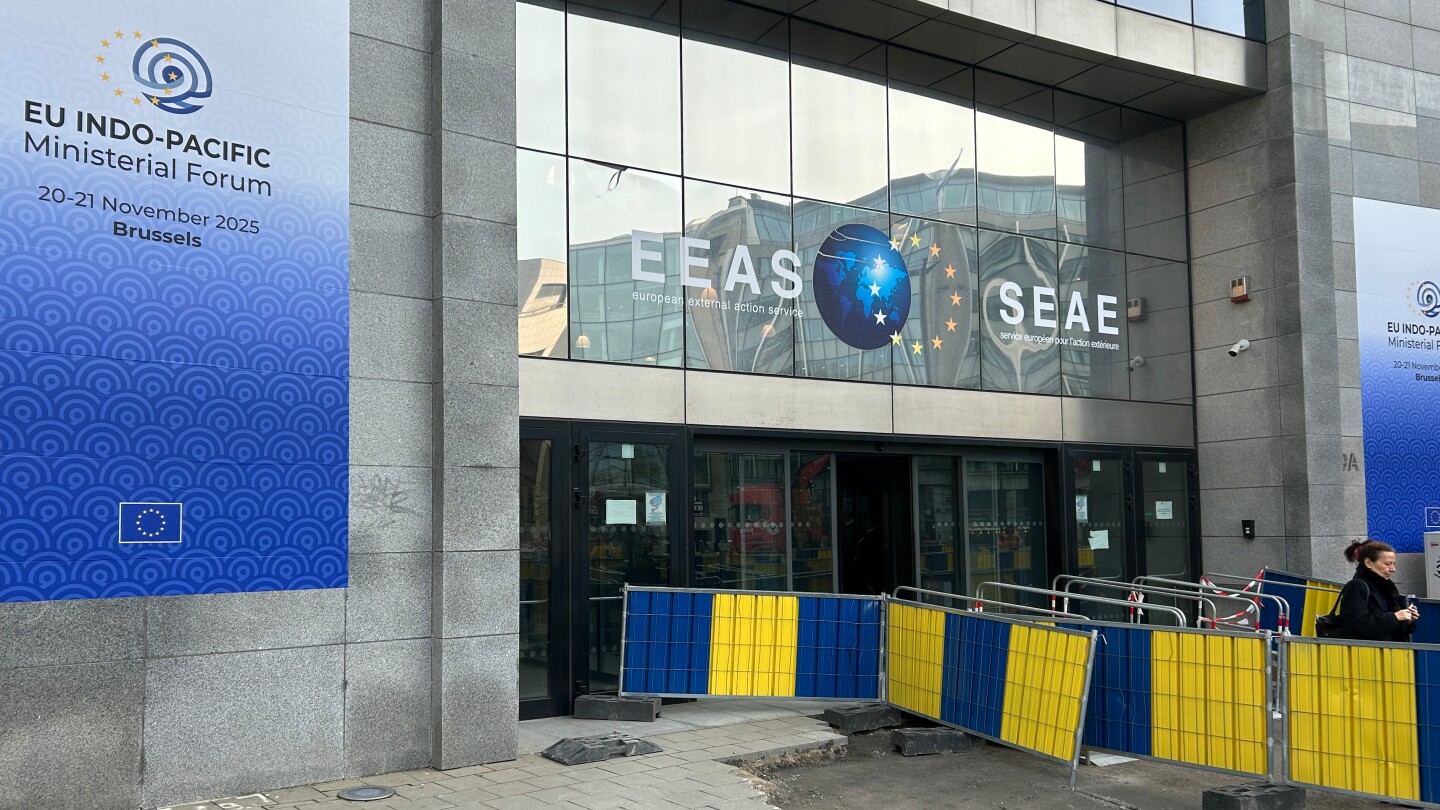
    BRUSSELS — Belgian law enforcement officials executed coordinated raids on Tuesday targeting key European Union institutions, resulting in three arrests amid a widening fraud investigation. The operation, authorized by the European Public Prosecutor’s Office (EPPO), targeted both the European External Action Service headquarters in Brussels and multiple facilities at the prestigious College of Europe in Bruges.

    The investigation centers on alleged misconduct in the awarding of a training program contract for the EU Diplomatic Academy during the 2021-2022 academic cycle. Prosecutors have identified multiple potential violations including procurement fraud, corruption breaches, conflict of interest infringements, and unauthorized disclosure of protected information.

    EPPO, the EU’s independent judicial body, issued a statement revealing ‘substantial evidence’ suggesting systematic irregularities in the tender process for junior diplomat training. The office has formally requested the waiver of diplomatic immunity for several individuals connected to the case, indicating the investigation may reach high-level officials.

    European Commission representative Anitta Hipper acknowledged the search operation at the EU’s diplomatic service headquarters while maintaining procedural discretion during her press briefing. Both federal police authorities and the prosecutor’s office have maintained strict confidentiality regarding ongoing investigative details and suspect identities.

    The raids represent one of the most significant anti-corruption operations targeting EU institutions recently, highlighting the increasing vigilance of European judicial authorities in maintaining institutional integrity within the bloc’s diplomatic training mechanisms.

  • Bulgaria ditches budget plan after tens of thousands join protests

    Bulgaria ditches budget plan after tens of thousands join protests

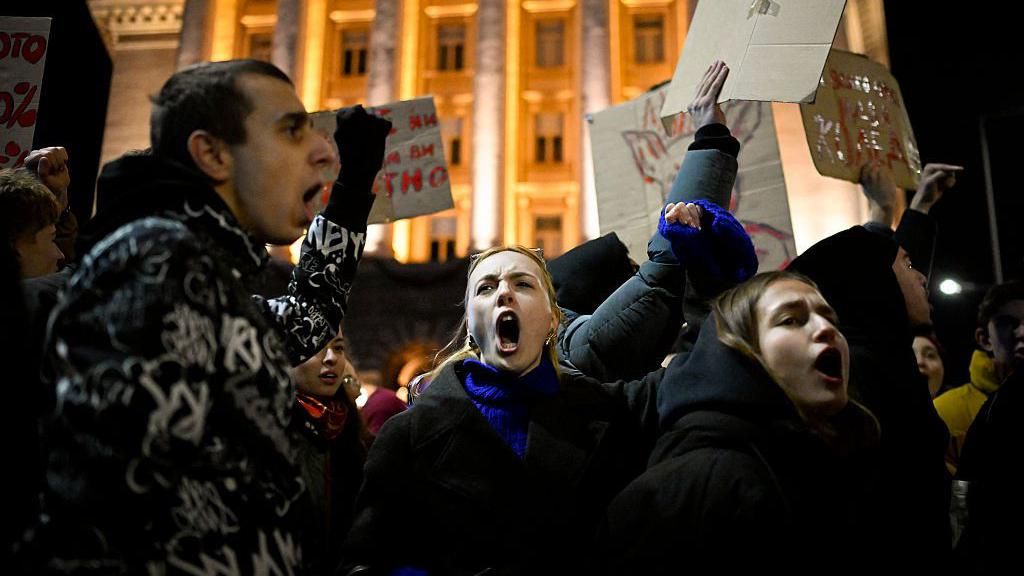
    Bulgaria’s government has capitulated to public pressure by withdrawing its controversial 2026 budget proposal following the largest anti-government demonstrations the country has witnessed in decades. The decision comes after tens of thousands of citizens flooded streets across multiple cities on Monday night, with the capital Sofia witnessing particularly massive gatherings in front of parliament buildings.

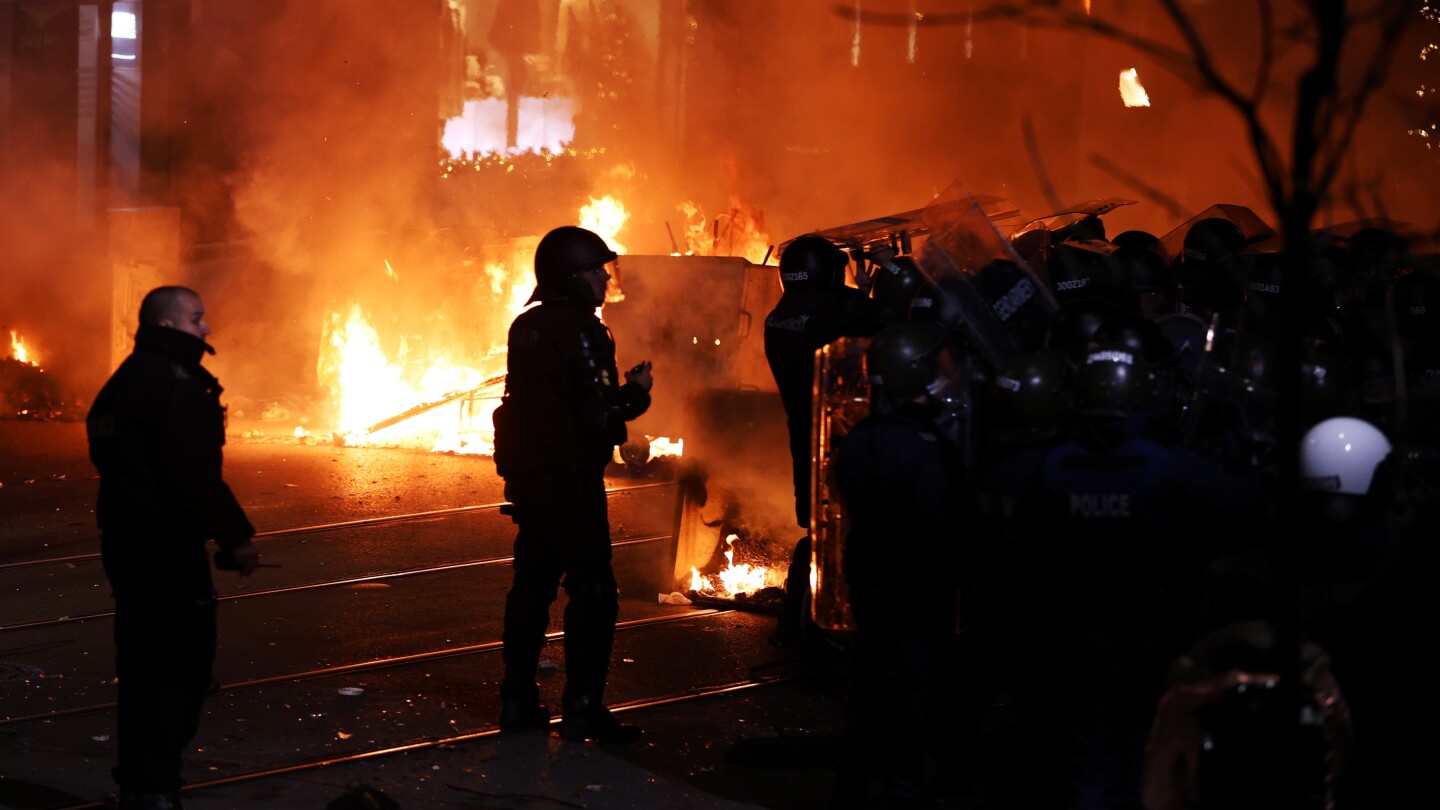
    The now-abandoned fiscal plan faced vehement opposition for its proposed tax increases and social security contribution hikes, which protesters argued served to mask systemic government corruption rather than address genuine economic needs. The demonstrations turned confrontational in Sofia where masked individuals clashed with riot police, damaged political party offices, and set fires, resulting in over 70 arrests according to local authorities.

    President Rumen Radev condemned the violence as ‘mafia provocations’ while simultaneously acknowledging the legitimacy of public discontent. Through social media, Radev demanded governmental resignation and early elections, stating that Bulgarians had unequivocally rejected the current administration.

    The political context underscores deeper tensions as Bulgaria prepares for its inaugural eurozone budget on January 1, 2026. Public opinion remains sharply divided on euro adoption, with many citizens in one of the EU’s poorest nations fearing potential inflationary consequences. The current minority coalition government under Prime Minister Rosen Zhelyazkov, formed after inconclusive 2024 elections, now faces intensified opposition calls for complete resignation rather than mere policy adjustments.

    This episode continues Bulgaria’s pattern of political instability that has persisted since 2020, when previous anti-corruption protests toppled another GERB-led coalition government. The government has committed to initiating a new budget consultation process involving opposition parties, trade unions, and employer representatives.

  • US envoy Witkoff will meet Putin in Moscow while Zelenskyy tours Europe as peace efforts press ahead

    US envoy Witkoff will meet Putin in Moscow while Zelenskyy tours Europe as peace efforts press ahead

    In a significant diplomatic development, U.S. Special Envoy Steve Witkoff convened with Russian President Vladimir Putin in Moscow on Tuesday, presenting preliminary peace proposals aimed at resolving the protracted conflict in Ukraine. The Kremlin meeting represents Washington’s latest effort to advance negotiations after months of stalled diplomatic initiatives.

    Concurrently, Ukrainian President Volodymyr Zelenskyy traveled to Ireland as part of his ongoing European tour to secure continued support from nations backing Ukraine’s defense against Russian aggression. This diplomatic parallelism underscores the complex multilateral nature of the peace process.

    The Trump administration has intensified its diplomatic outreach following previous frustrations, deploying officials on dual tracks: Secretary of State Marco Rubio engaging with Ukrainian leadership while Witkoff pursues dialogue with Russian officials. Despite these efforts, substantive details remain closely guarded, particularly regarding territorial disputes and security arrangements that constitute the core disagreements between the warring parties.

    European leaders, concerned about Russia’s expansionist ambitions and contemplating long-term funding for Ukraine’s military efforts, are actively seeking involvement in peace discussions after perceiving marginalization by Washington. French President Emmanuel Macron revealed that he and Zelenskyy conducted multilateral consultations with Witkoff and numerous European counterparts, including EU officials and NATO Secretary-General Mark Rutte, characterizing the upcoming days as critical for diplomatic engagement.

    The challenges facing negotiators remain formidable. Fundamental issues including territorial concessions and security guarantees for Ukraine appear unresolved, while Zelenskyy confronts mounting pressures including financial constraints, corruption scandals within his administration, and deteriorating battlefield conditions. The Kremlin’s claim of capturing Pokrovsk in Donetsk region—contested by Ukrainian authorities—further complicates the diplomatic landscape.

  • Bulgaria’s government withdraws controversial budget after major protests

    Bulgaria’s government withdraws controversial budget after major protests

    SOFIA, Bulgaria — In a significant reversal, Bulgaria’s government has officially withdrawn its contentious budget proposal following days of widespread demonstrations that culminated in violent clashes between protesters and police forces. The decision comes after tens of thousands of citizens took to the streets across major cities, expressing vehement opposition to fiscal measures they believe would adversely impact economic stability.

    The proposed budget, which included elevated tax rates, increased social security contributions, and substantial spending hikes, faced fierce criticism from both opposition parties and business associations. Critics argued these measures would deter foreign investment, encourage growth of the shadow economy, and potentially trigger inflation without corresponding improvements in public service efficiency. These concerns are particularly acute as Bulgaria prepares for its anticipated entry into the eurozone at the beginning of next year.

    Initially, the administration pledged to retract the draft for comprehensive revision after earlier protests but subsequently reaffirmed its commitment to the proposal, sparking renewed public outrage. Monday night witnessed one of the largest gatherings in the capital, with organizers estimating approximately 50,000 participants in Sofia alone.

    The demonstrations, predominantly led by younger citizens, began peacefully with participants chanting slogans such as ‘We will not allow ourselves to be lied to; we will not allow ourselves to be robbed’ and demanding either substantial revisions or the government’s resignation. Signs reading ‘Generation Z is Coming’ and ‘Young Bulgaria Without the Mafia’ highlighted the intergenerational discontent with current policies.

    However, tensions escalated dramatically when splinter groups of protesters targeted the headquarters of major ruling parties. These individuals, many clad in black hoodies and masks, engaged in violent acts including throwing projectiles, setting fire to garbage containers, and vandalizing police vehicles. Riot police responded with pepper spray and other crowd control measures, resulting in multiple injuries and at least 10 arrests according to official statements.

    The government maintained that its original budget draft was essential for complying with eurozone membership requirements, particularly the mandate to maintain budget deficits below 3% of GDP. Nevertheless, the scale of public opposition has forced a strategic retreat, signaling the growing influence of civic mobilization in shaping national economic policy.

  • ‘Hung by my wrists and beaten’: Israeli-Russian woman says Iraqi militants tortured her in captivity

    ‘Hung by my wrists and beaten’: Israeli-Russian woman says Iraqi militants tortured her in captivity

    Elizabeth Tsurkov, an Israeli-Russian academic held captive for 903 days by Iran-backed militants in Iraq, has provided a harrowing account of her ordeal to the BBC. The Princeton University doctoral student, kidnapped in March 2023 while conducting fieldwork in Baghdad, endured extreme torture including electrocution, whipping, sexual abuse, and being suspended from ceilings with her hands cuffed behind her back.

    Ms. Tsurkov described how her captors—believed to be members of Kataib Hezbollah, a US-designated terrorist organization—initially didn’t know about her Israeli citizenship. When they accessed her phone and discovered her nationality, the brutal interrogation intensified. She resorted to inventing false confessions based on her captors’ conspiracy theories, attempting to satisfy their demands while protecting Iraqi activists she knew.

    Her release in September came after what she describes as a direct US intervention. According to Ms. Tsurkov, Trump-appointed special envoy Mark Savaya delivered an ultimatum to Iraqi Prime Minister Mohammed Shia al-Sudani: secure her release within a week or face the elimination of Kataib Hezbollah’s leadership. She was freed within days, though Iraqi officials credited their own security services’ efforts.

    Now recovering in Israel, Ms. Tsurkov faces significant physical and psychological challenges. She notes the irony that her PTSD symptoms align with Israel’s collective trauma following the October 7 attacks. Despite being a longtime critic of Israeli policy and advocate for Palestinian rights, she expresses deepened pessimism about regional peace prospects, noting that the Gaza border communities attacked on October 7 were home to many peace activists.

    The academic remains determined to complete her PhD while confronting the lasting effects of her captivity, including the psychological impact of having internalized elements of her false confessions. She describes her survival as a combination of luck and resilience in extraordinarily unlucky circumstances.

  • Crumbling homes redress payouts top €230m

    Crumbling homes redress payouts top €230m

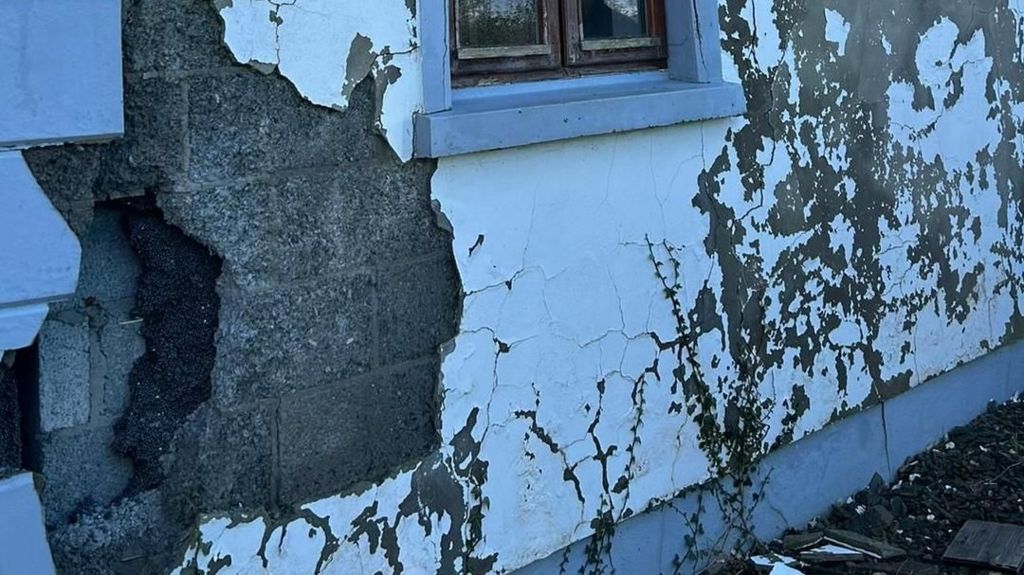
    A severe housing crisis continues to unfold across Ireland’s northwestern regions as thousands of families remain trapped in structurally compromised homes due to defective concrete blocks. Despite government allocations exceeding €235 million through a redress program established in November 2021, implementation delays have left numerous households facing unsafe living conditions.

    The problematic construction materials, containing water-absorbing minerals that cause cracking and structural failure, have predominantly affected properties in Donegal, Clare, Limerick, Mayo, and Sligo. Many residences have experienced significant deterioration, with some requiring complete demolition like the family home of Joy Beard, a councilor from the 100% Redress Party.

    Official statistics reveal modest progress within the compensation framework. While over 1,700 remediation determinations have been issued and approximately 320 households completed repairs by October, campaigners emphasize these numbers represent just a fraction of affected homeowners. More than 1,000 additional properties have commenced repair operations, yet thousands await assistance.

    Critics highlight systemic flaws in the current approach. The financial cap of €420,000 per home, combined with insufficient upfront funding and a critical shortage of temporary housing during reconstruction, creates impossible barriers for many families. Additionally, Ireland’s broader housing shortage exacerbates relocation challenges during necessary repairs.

    With winter intensifying, thermal inefficiency in damaged homes presents immediate health and safety concerns. Heat loss through wall cracks further compounds the financial strain on residents already facing substantial reconstruction costs. Government projections indicate additional funding of approximately €175 million earmarked for 2026, but affected communities demand accelerated action and program reforms to address what many describe as a worsening humanitarian issue.

  • Russia and the US threatened to resume nuclear testing after several decades. Here is why it matters

    Russia and the US threatened to resume nuclear testing after several decades. Here is why it matters

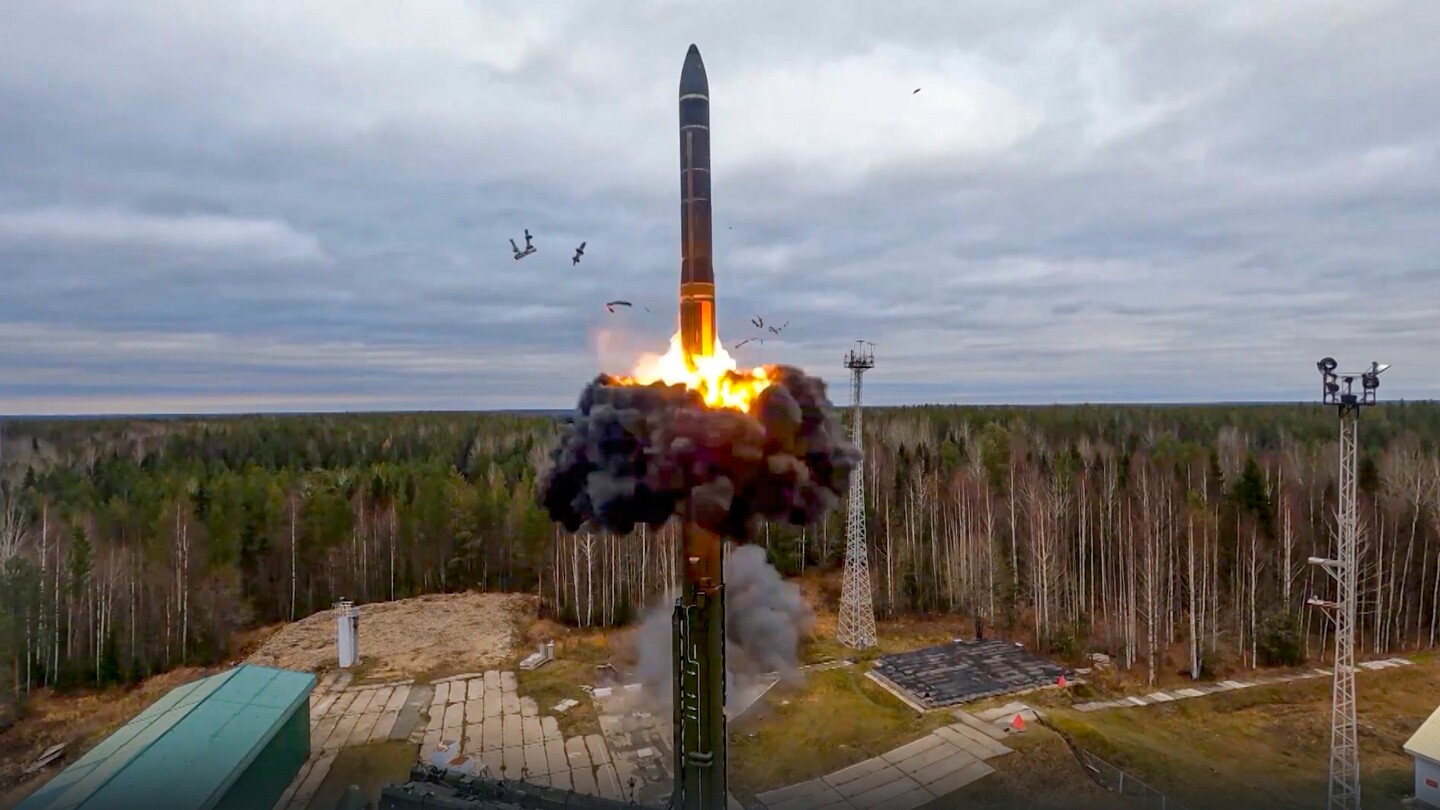
    VIENNA — The fragile international consensus against nuclear weapons testing faces unprecedented strain as both the United States and Russia have issued reciprocal threats to resume atomic experiments, triggering widespread alarm among nonproliferation experts and global security analysts.

    In late October, U.S. President Donald Trump declared via his Truth Social platform that he had instructed the Department of War to initiate nuclear weapons testing “on an equal basis” with other nations’ programs, asserting this process would “begin immediately.” This pronouncement prompted a swift response from Moscow, where Russian President Vladimir Putin informed his Security Council that Russia would be “under obligation to take reciprocal measures” should the U.S. or any Comprehensive Nuclear-Test-Ban Treaty (CTBT) signatory conduct nuclear tests.

    The current crisis unfolds against the backdrop of the CTBT, adopted by the U.N. General Assembly in 1996 following decades of escalating concerns about atmospheric testing. Although the treaty has achieved near-universal acceptance with 187 signatories and 178 ratifications, it has never formally entered into force due to the requirement that 44 specific nuclear technology-capable states must ratify it. Nine nations remain outside the ratification framework: China, Egypt, Iran, Israel and the U.S. have signed but not ratified; India, North Korea and Pakistan neither signed nor ratified; while Russia recently revoked its ratification in 2023, citing “unacceptable” imbalance with the U.S. position.

    Vienna-based Comprehensive Nuclear-Test-Ban Treaty Organization (CTBTO) maintains an extensive global monitoring network comprising 307 stations utilizing seismic, hydroacoustic, infrasound and radionuclide technologies to detect nuclear explosions. With a 2025 budget exceeding $139 million, the organization has successfully detected all six North Korean tests between 2006-2017.

    Arms control experts warn that resumed testing would particularly benefit nations with less nuclear testing experience. Daryl Kimball of the Arms Control Association cautioned that U.S. testing would “open the door for states with less nuclear testing experience to conduct full-scale tests that could help them perfect smaller, lighter warhead designs,” ultimately decreasing both U.S. and international security. Joseph Rodgers of the Center for Strategic and International Studies noted that countries like China and India “stand to profit from a resumption of nuclear tests” more than the U.S. or Russia, who have conducted the vast majority of the approximately 2,000 tests occurring mostly before 1996.

    The nature of potential testing remains unclear. U.S. Energy Secretary Chris Wright indicated new tests would exclude nuclear explosions, referencing subcritical experiments that produce no self-sustaining chain reaction and thus don’t violate the CTBT. The treaty specifically bans supercritical tests creating nuclear yield—the energy release defining destructive power—under a zero yield standard.

    Detection challenges persist for extremely low-yield hydronuclear tests conducted underground in metal chambers, which Kimball describes as creating a “verification gap.” While the monitoring system was designed to detect 1 kiloton explosions (compared to Hiroshima’s 15 kilotons), CTBTO Executive Secretary Robert Floyd noted it actually performs at approximately 500 tons TNT sensitivity.

    In the current climate of uncertainty, Floyd emphasizes his organization’s role in providing “confidence to states” that they would detect any nuclear explosion “anywhere, anytime,” even as diplomatic tensions escalate between the world’s nuclear superpowers.