标签: Europe

欧洲

  • Turkey’s energy minister warns of threat to oil and gas supplies after tankers targeted

    Turkey’s energy minister warns of threat to oil and gas supplies after tankers targeted

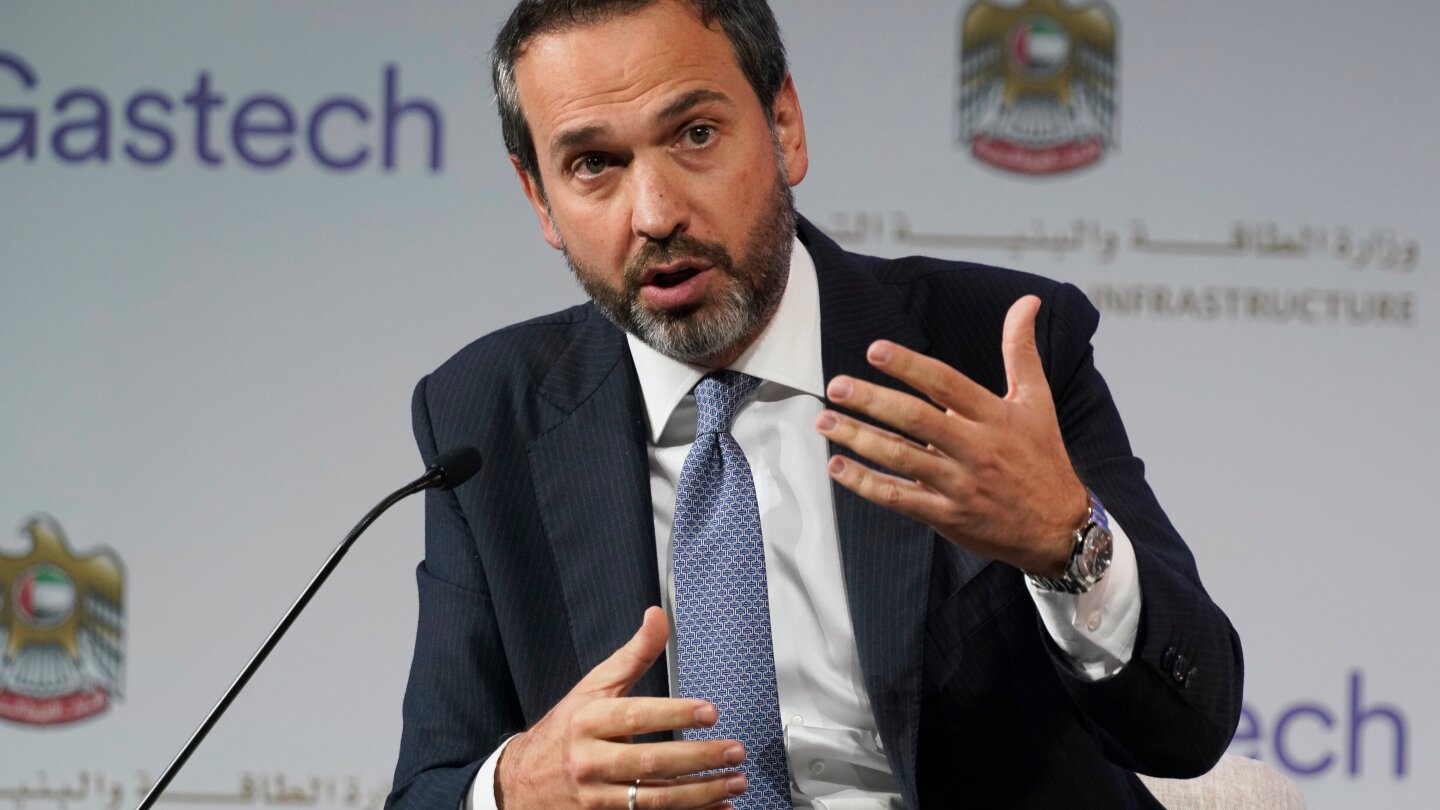
    ISTANBUL — Turkish Energy Minister Alparslan Bayraktar has issued an urgent appeal for safeguarding critical energy infrastructure in the Black Sea following a series of naval drone strikes targeting Russian oil tankers near Turkey’s coastline. The recent attacks, claimed by Ukrainian forces, have raised significant concerns about the security of energy transportation routes and underwater pipelines in the region.

    Speaking at a press conference on Wednesday, Minister Bayraktar emphasized the dual vulnerability of maritime shipping and two crucial subsea pipelines—Blue Stream and Turk Stream—that transport natural gas from Russia to Turkey. Drawing parallels to the 2022 Nord Stream pipeline sabotage incident, Bayraktar highlighted Turkey’s substantial dependence on imported energy resources.

    “We implore all involved parties to exempt energy infrastructure from military conflicts, as these facilities directly impact civilian daily life,” Bayraktar stated. “Maintaining uninterrupted energy flows through the Black Sea and the strategic Bosphorus and Dardanelles straits remains imperative for regional stability.”

    Ukrainian authorities confirmed targeting two tankers on November 28, with a third vessel struck Tuesday en route to the Turkish port of Sinop. President Recep Tayyip Erdogan condemned these incidents as serious threats to “navigation safety, human life, and environmental protection” within Turkey’s exclusive economic zone.

    The situation presents complex geopolitical challenges for Turkey, a NATO member that relies on Russian hydrocarbons for nearly half its total energy consumption. This dependency has drawn pressure from Washington, including during President Erdogan’s September meeting with Donald Trump, where the former U.S. president encouraged reduced Turkish energy ties with Moscow.

    Despite these pressures, Bayraktar defended Turkey’s energy relationship with Russia, noting Moscow’s historical reliability as a supplier since Turkey’s gas transition in the 1980s. However, he acknowledged the necessity of diversifying Turkey’s energy portfolio: “While Russia has proven dependable, maintaining a balanced supply framework remains crucial. We are actively pursuing competitive gas from multiple sources to avoid overreliance on any single nation.”

    Concurrently, Turkey continues expanding energy cooperation with Russia beyond hydrocarbons. The Russian state corporation Rosatom is constructing the Akkuyu nuclear power plant on Turkey’s Mediterranean coast, projected to generate approximately 10% of Turkey’s electricity upon completion. However, the project faces significant challenges including Western sanctions-related delays and a reported $2 billion financing obstruction at JP Morgan due to frozen Russian assets.

    Bayraktar revealed that project administrators have sought Chinese components to replace unavailable Western technology and are now seeking mediation to release frozen funds for project continuation. The minister anticipates the first electricity generation from Akkuyu by next year, despite ongoing complications arising from geopolitical tensions.


  • Russia bans Roblox over concerns about safety and extremist content

    Russia bans Roblox over concerns about safety and extremist content

    Russian authorities have implemented a nationwide ban on the popular gaming platform Roblox, citing significant concerns regarding child safety and the proliferation of extremist content. The country’s media watchdog, Roskomnadzor, officially restricted access to the U.S.-based platform after identifying numerous violations of Russian digital laws.

    According to official statements from Russian media outlets, the regulator determined that Roblox contained ‘inappropriate content that can negatively impact the spiritual and moral development of children.’ The platform’s open architecture, which enables users to create and share custom games, has reportedly facilitated the spread of content related to terrorism simulations, gambling activities, and LGBT themes—the latter being classified as extremist under Russian law.

    The multiplayer platform, which has ranked among Russia’s most downloaded mobile applications in recent years, now joins several other countries that have restricted Roblox over similar concerns. Turkey previously banned the platform, while Singaporean authorities investigated Roblox in 2023 after a self-radicalized teenager accessed ISIS-themed servers through the platform.

    Roblox Corporation responded to the ban by emphasizing its commitment to user safety. ‘We respect the laws of the countries where we operate,’ a company spokesperson stated. ‘Our platform provides a positive space for learning and creativity, backed by robust proactive and preventative safety measures designed to detect and prevent harmful content.’

    The Russian ban comes amid increasing global scrutiny of Roblox’s safety protocols. Last month, Texas Attorney General Ken Paxton filed litigation against the company, accusing it of ‘flagrantly ignoring’ child protection laws and ‘deceiving parents’ about potential dangers. In response to mounting criticism, Roblox recently announced it would prohibit children from chatting with adult strangers, marking a significant policy shift for its networking features.

  • Eurovision faces crucial decision over Israel

    Eurovision faces crucial decision over Israel

    The Eurovision Song Contest confronts its most consequential crossroads in decades as organizers convene in Geneva for a pivotal emergency session. At stake is Israel’s continued participation in the world’s largest music competition amid escalating geopolitical tensions and allegations of improper voting practices.

    The emergency meeting follows two consecutive years of significant protests targeting Israel’s involvement. During the 2025 grand final in Basel, Switzerland, security personnel intercepted two protesters attempting to storm the stage and throw paint on Israeli contestant Yuval Raphael—a singer who had previously survived the October 2023 Hamas attacks. Despite the disruption, Raphael secured second place overall after winning the public vote, a result that sparked immediate controversy.

    Multiple participating nations, including Ireland, Spain, the Netherlands, and Slovenia, have threatened complete withdrawal if Israel remains in the competition. Their objections center on Israel’s military operations in Gaza and allegations of government-mediated voting manipulation. Conversely, Germany has indicated it would boycott if Israel is excluded, creating a diplomatic stalemate.

    In response to voting integrity concerns, the European Broadcasting Union (EBU) recently announced sweeping reforms to safeguard contest neutrality. These measures include reducing maximum votes per person from 20 to 10, implementing enhanced fraud detection systems, and explicitly discouraging ‘disproportionate promotion campaigns’ supported by governmental entities.

    EBU leadership hopes these changes will alleviate concerns regarding Israel’s participation. However, should member broadcasters—including BBC Director General Tim Davie—deem the measures insufficient, a direct vote on Israel’s Eurovision future will proceed.

    Natalija Gorščak of Slovenian broadcaster RTV stated her country would refuse participation regardless of the outcome, emphasizing moral principles over musical diplomacy. Eurovision analyst Paul Jordan described the situation as ‘a real crisis point’ for an event designed to transcend politics.

    The decision carries practical implications for the 2026 contest in Vienna, where Austrian broadcaster ORF has already declared Israel ‘an inseparable part of Eurovision.’ Meanwhile, Spanish RTVE’s president has condemned Israel’s participation as ‘untenable’ given Gaza casualties, which Hamas-run health authorities report exceed 70,000.

    With the EBU attempting to balance artistic unity against deepening geopolitical fractures, Thursday’s meeting may determine whether the contest can preserve its apolitical ethos or succumb to irreversible politicization.

  • Banquet, Royal Family and Starmer on first day of German state visit

    Banquet, Royal Family and Starmer on first day of German state visit

    The United Kingdom rolled out the ceremonial red carpet for Germany’s President Frank-Walter Steinmeier, marking the first German state visit to Britain in over a quarter-century. The historic occasion commenced with traditional pomp and circumstance at Windsor Castle, where the Royal Family hosted a series of diplomatic engagements.

    This significant diplomatic event featured an elaborate state banquet attended by key political figures including Prime Minister Keir Starmer, signaling the reinforced ties between the two European powers. The meticulously orchestrated ceremonies blended centuries-old royal traditions with contemporary diplomatic dialogue, creating a powerful visual representation of Anglo-German relations.

    The three-day visit represents a carefully choreographed demonstration of post-Brexit European cooperation and international diplomacy. Beyond the ceremonial aspects, the agenda includes substantive discussions on trade, security cooperation, and collaborative efforts addressing global challenges from climate change to geopolitical stability.

    The choice of Windsor Castle as the primary venue underscored the visit’s importance, with its rich historical significance providing an impressive backdrop for strengthening bilateral relations. This state visit, the first since 1997, occurs at a pivotal moment as both nations navigate new European political dynamics and seek to deepen their strategic partnership.

  • Royals host glittering state banquet for German president

    Royals host glittering state banquet for German president

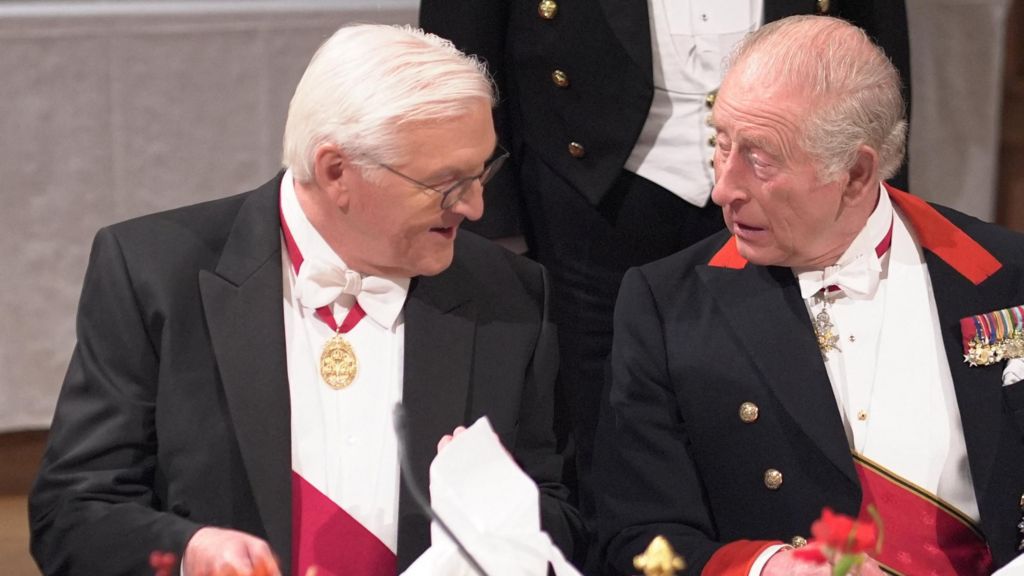
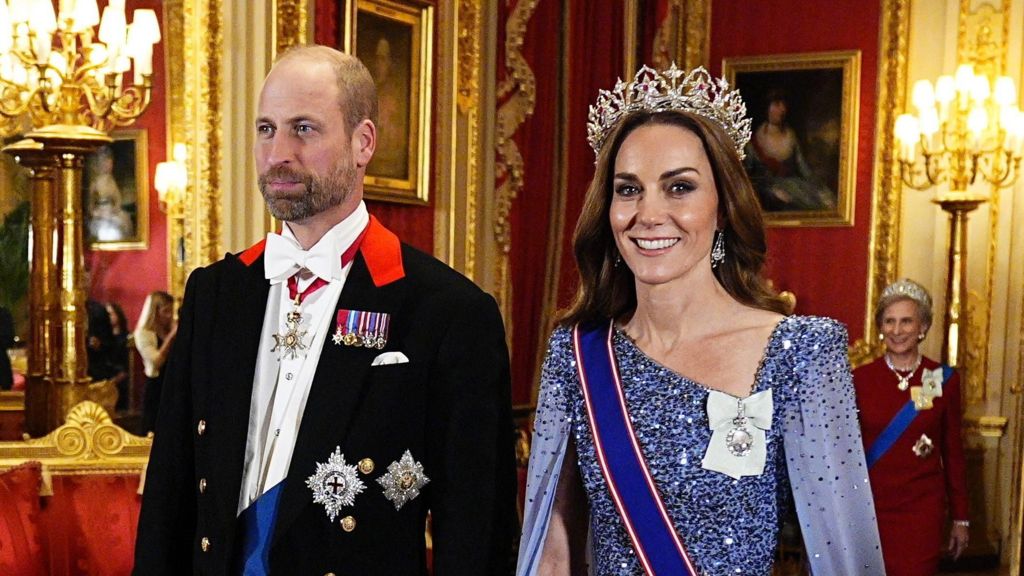
    Windsor Castle hosted a momentous state banquet on Wednesday evening as King Charles III welcomed German President Frank-Walter Steinmeier, marking the first German state visit to the UK in 27 years. The glittering event, adorned with seasonal decorations including a 20-foot Christmas tree illuminated by thousands of lights, brought together 152 distinguished guests from political, business, and cultural spheres.

    The royal family was prominently represented with Queen Camilla, the Prince and Princess of Wales, the Princess Royal, and the Duke and Duchess of Edinburgh in attendance. Catherine, Princess of Wales, made a notable sartorial statement wearing Queen Victoria’s diamond and ruby tiara, originally designed by her German-born husband Prince Albert.

    Among the celebrity guests were model Claudia Schiffer—seated beside Prime Minister Sir Keir Starmer—renowned film composer Hans Zimmer, and virtuoso violinist Anne-Sophie Mutter. The banquet menu featured a fusion of British and German culinary traditions, including tartlet of hot smoked trout with langoustines, Windsor partridge supreme, and Black Forest gateau-inspired cocktails.

    In his address delivered in both English and German, King Charles emphasized the critical need for Western allies to support Ukraine against Russian aggression, stating: “The United Kingdom and Germany together stand with Ukraine and bolster Europe against the threat of further Russian aggression.” President Steinmeier reciprocated this sentiment, affirming Germany’s unwavering support for Ukraine.

    The King also reflected on the profound historical connections between the two nations, acknowledging both cultural exchanges and the “most terrible consequences of conflict.” He spoke thoughtfully about the social and political transformations following the fall of the Berlin Wall, noting how change can be “unsettling and even frightening” and emphasizing the necessity of defending democratic values.

    Lighter moments included the King’s humorous reference to football rivalries: “One has to admit some element of truth in the famous description of football as a game where 11 people play 11 people and then, in the end, Germany win!” He also quipped about horse-drawn royal coaches being the “ultimate low-emissions vehicle.”

    The banquet culminated a day of ceremonial activities that included a military parade featuring 850 service personnel and 150 horses. Gift exchanges held symbolic significance, with German presents including an umbrella, Bach’s Christmas Oratorio, and traditional nutcrackers, while the King offered a horn-handled walking stick and rare literary editions.

    President Steinmeier later remarked on the improved UK-Germany relations following post-Brexit challenges, praising the recent bilateral treaty signed in July as instrumental in achieving closer cooperation. Meanwhile, First Lady Elke Budenbender visited Judith Kerr Primary School in London, honoring the German-born author of beloved children’s literature.

    The visit will include gestures of reconciliation, with plans for President Steinmeier to visit Coventry Cathedral ruins, bombed during World War II. Minor protests by anti-monarchy groups occurred but were managed peacefully by Thames Valley Police without arrests.

  • Stop wasting the world’s time, Ukraine tells Putin after US talks in Moscow

    Stop wasting the world’s time, Ukraine tells Putin after US talks in Moscow

    High-stakes diplomatic efforts to end the Ukraine conflict reached an impasse as US-Russia negotiations concluded without substantive progress. Ukrainian Foreign Minister Andrii Sybiha sharply criticized Vladimir Putin for “wasting the world’s time” following the unsuccessful talks, warning of consequences if Russia continues to “spit into the world’s face.”

    The extensive five-hour meeting between Putin and US envoys Steve Witkoff and Jared Kushner at the Kremlin failed to bridge fundamental divides. Kremlin adviser Yuri Ushakov confirmed “no compromise” had been achieved, though he acknowledged some US proposals appeared “more or less acceptable” pending further discussion.

    Core disagreements remain entrenched, particularly regarding the status of Russian-occupied Ukrainian territories and future security guarantees. Ukraine and European allies maintain that NATO membership represents the most effective deterrent against future Russian aggression—a proposition both Moscow and the Trump administration explicitly reject.

    Russia’s negotiating position appears strengthened by recent battlefield gains. Putin’s military commanders reported capturing the strategic city of Pokrovsk in eastern Ukraine, with Russian forces seizing approximately 701 square kilometers of territory in November alone, bringing total controlled Ukrainian territory to 19.3%.

    As US-Russia relations show tentative warming, European nations are moving decisively toward energy independence. EU member states finalized an agreement to completely eliminate Russian gas imports by 2027, with European Commission President Ursula von der Leyen heralding “the dawn of a new era.”

    Simultaneously, the EU proposed a €90 billion financial package for Ukraine, potentially funded through frozen Russian assets—a plan facing resistance from Belgium and the European Central Bank over legal concerns. The proposal would cover two-thirds of Ukraine’s financing needs through 2027 amid ongoing conflict.

  • Missing boy’s case ‘could not have been anticipated’

    Missing boy’s case ‘could not have been anticipated’

    An independent review into the disappearance of Irish schoolboy Kyran Durnin has concluded that child welfare authorities could not have anticipated the tragic outcome based on information available to them at the time. The National Review Panel (NRP), which examines serious incidents involving children in state care, released its findings regarding the case that has shocked the Republic of Ireland.

    Kyran was reported missing from his Drogheda, County Louth home in August 2024 alongside his 24-year-old mother, Dayla Durnin. The last confirmed images of the boy dated back to June 2022 when he was just six years old. In a devastating turn of events, gardaí launched a murder investigation in October 2024, stating they were treating Kyran as ‘missing, presumed dead.’

    Dr. Helen Buckley, head of the NRP, emphasized that while the review identified certain practice and policy weaknesses within Tusla (Ireland’s Child and Family Agency), no direct causal link was established between these shortcomings and Kyran’s disappearance. ‘The serious incident which elicited this review could not have been anticipated from knowledge available to Tusla’s social work department at the time,’ Dr. Buckley stated.

    The comprehensive investigation has involved extensive police resources, with gardaí confirming over 570 investigative actions, two arrests (a man and woman suspected of murder), searches of three residential properties with adjoining lands, and review of more than 29,500 hours of CCTV footage. Despite these efforts, Kyran’s whereabouts remain unknown.

    In response to the tragedy, the review panel has recommended significant systemic changes including enhanced tracking of pupil movement between primary schools (including cross-border monitoring), GDPR regulation reviews, updated guidance for social workers, and revised protocols between Tusla and gardaí.

    Tusla CEO Kate Duggan committed to ‘full transparency and meaningful reform,’ acknowledging the need to review the agency’s interactions with children, families, and service providers. Meanwhile, Children’s Minister Norma Foley described the case as ‘heartbreaking’ and confirmed that while the full report cannot be published due to potential prejudice to future prosecutions, the recommendations would be made public.

    The government has approved the Child Care (Amendment) Bill 2025, which will establish the NRP on statutory footing with enhanced powers to compel evidence and publish reports. The legislation will also formalize a ‘duty to cooperate’ among relevant agencies including Tusla and government departments.

    Kyran’s educational history shows he attended a primary school near his Dundalk home but did not return following summer holidays in 2022. His family relocated from their Emer Terrace residence in May 2024, with Tusla alerting gardaí about ‘significant concerns’ regarding the child in August 2024. The last confirmed sighting of Kyran and his mother occurred in Drogheda on August 28, 2024, with their formal disappearance reported two days later.

  • Exclusive drone footage shows devastated Ukrainian town almost encircled by Russian forces

    Exclusive drone footage shows devastated Ukrainian town almost encircled by Russian forces

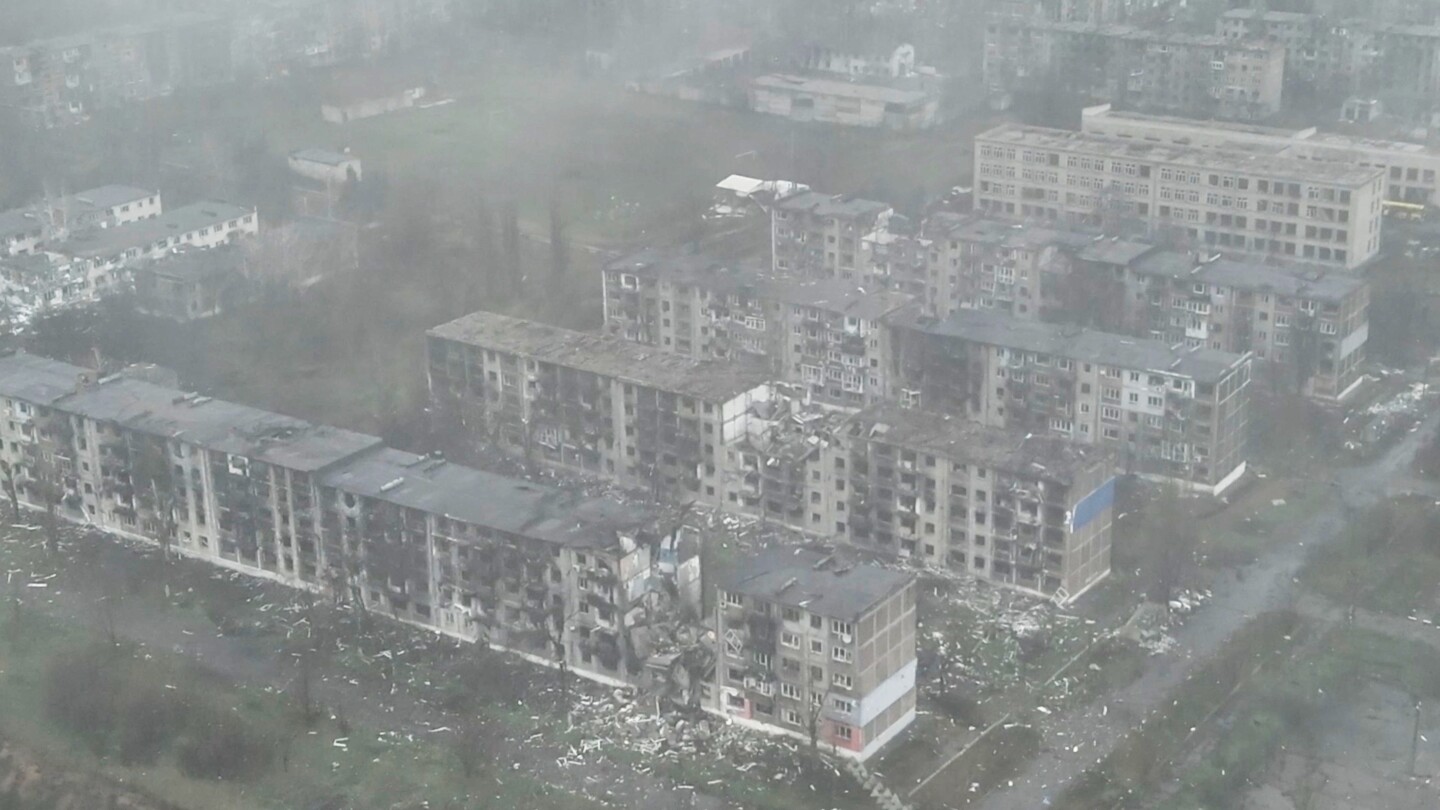
    KYIV, Ukraine — Exclusive aerial footage captured by The Associated Press reveals the near-total destruction of Myrnohrad, a strategically significant Ukrainian town now almost completely encircled by Russian forces in the Donetsk region. Located merely 12 kilometers from the contested logistics hub of Pokrovsk, the settlement shows virtually no intact structures, with recent bombardment so intense that smoke continues to rise from fresh impact sites.

    Military officials describe a desperate situation where Ukrainian marines from the 38th Brigade continue to mount a defense despite overwhelming odds. Oleksii Hodzenko, press officer for the brigade’s drone battalion, stated Russian forces are attempting to ‘erase the town from the face of the earth’ through relentless aerial assaults using 500-kilogram glide bombs, attack drones, and sustained artillery barrages.

    The tactical situation has deteriorated to the point where standard military logistics have become nearly impossible. While Ukrainian command confirms supply lines are being maintained through innovative methods—including ground-robot drones delivering essential provisions—personnel rotations occur only rarely, leaving defenders entrenched for weeks without relief.

    This devastation follows Russia’s disputed claim of capturing Pokrovsk, a declaration firmly rejected by Ukraine’s military leadership. Colonel Volodymyr Polevyi of the 7th Corps Assault Brigade confirmed ongoing combat operations in Pokrovsk’s northern districts, contradicting Moscow’s victory assertions.

    The humanitarian toll is catastrophic. Myrnohrad, once home to 46,000 residents, now stands largely empty after more than two years of full-scale invasion, mirroring the fate of numerous eastern Ukrainian communities.

    Amid the battlefield developments, Kremlin officials signaled that recent territorial gains have strengthened Russia’s diplomatic position. Presidential aide Yurii Ushakov stated military successes have positively influenced negotiations regarding a U.S.-drafted peace proposal.

    Ukrainian forces continue to appeal for sustained Western military support, emphasizing that adequate assistance remains critical to preventing broader regional escalation.

  • What latest Ukraine talks reveal about Putin’s state of mind

    What latest Ukraine talks reveal about Putin’s state of mind

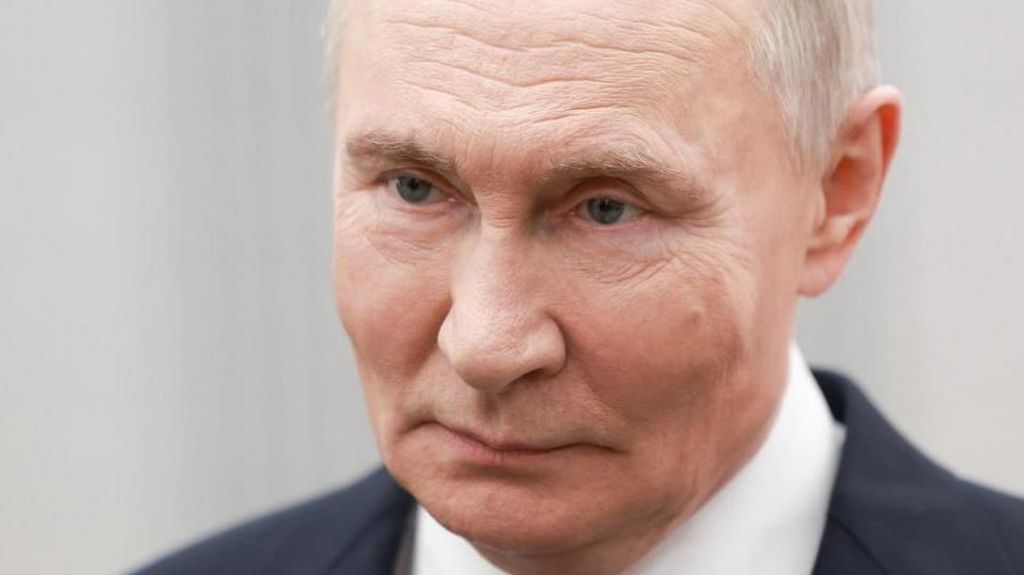
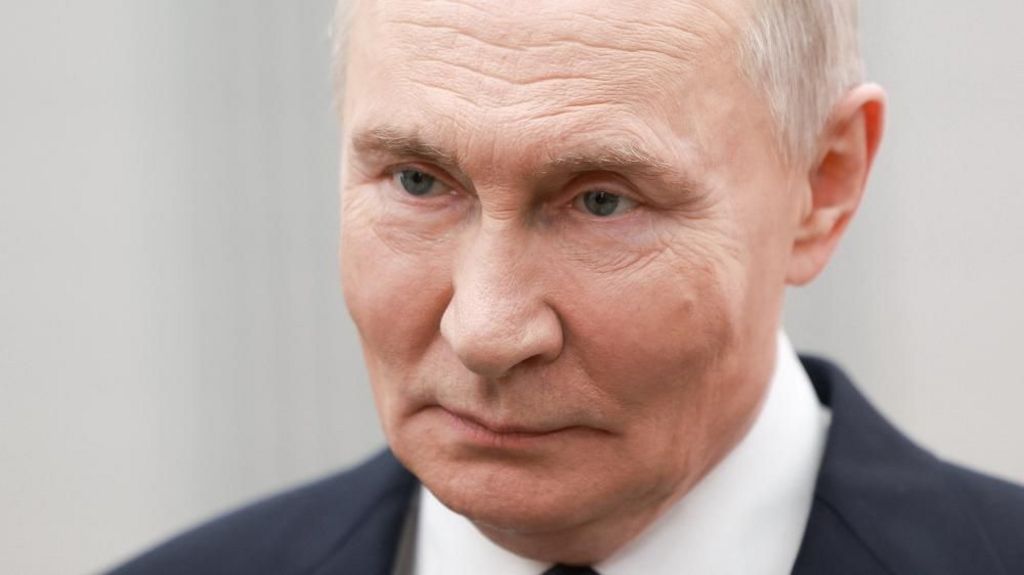
    Recent diplomatic engagements concerning Ukraine have revealed Russian President Vladimir Putin’s unwavering position on continuing military operations despite growing economic challenges. During five hours of negotiations in Moscow involving U.S. envoy Steve Witkoff and Donald Trump’s adviser Jared Kushner, Kremlin foreign policy aide Yuri Ushakov explicitly stated that “no compromise version has yet been found” regarding potential peace agreements.

    This hardened stance aligns with Putin’s recent rhetoric, where he has characterized Ukrainian leadership as a “thieving junta” and accused European officials of undermining peace initiatives. Russian state media has simultaneously projected images of Putin in military attire analyzing frontline maps and celebrating alleged battlefield advances—claims frequently disputed by Ukrainian authorities and international observers.

    Nearly four years into Russia’s full-scale invasion, the Kremlin leader appears convinced of his strategic advantage despite substantial Russian casualties and economic strain. Putin’s demeanor suggests a leader determined to persuade Western nations of his inevitable victory, projecting an image of unstoppable momentum in pursuing military objectives.

    However, beneath this show of confidence lies increasing economic vulnerability. Despite circumventing international sanctions, Russia faces declining hydrocarbon revenues and expanding budget deficits. Putin himself acknowledged concerning “imbalances” within the Russian economy, noting decreased production output across several sectors this year.

    The critical question emerging from these developments is whether mounting economic pressures will eventually compel Moscow to recalibrate its military ambitions. While Putin currently maintains a posture of invincibility, the sustainability of Russia’s war effort remains contingent on continuous financial resources that show signs of deterioration.

  • Germany starts putting into place the Arrow 3 missile defense system, bought from Israel

    Germany starts putting into place the Arrow 3 missile defense system, bought from Israel

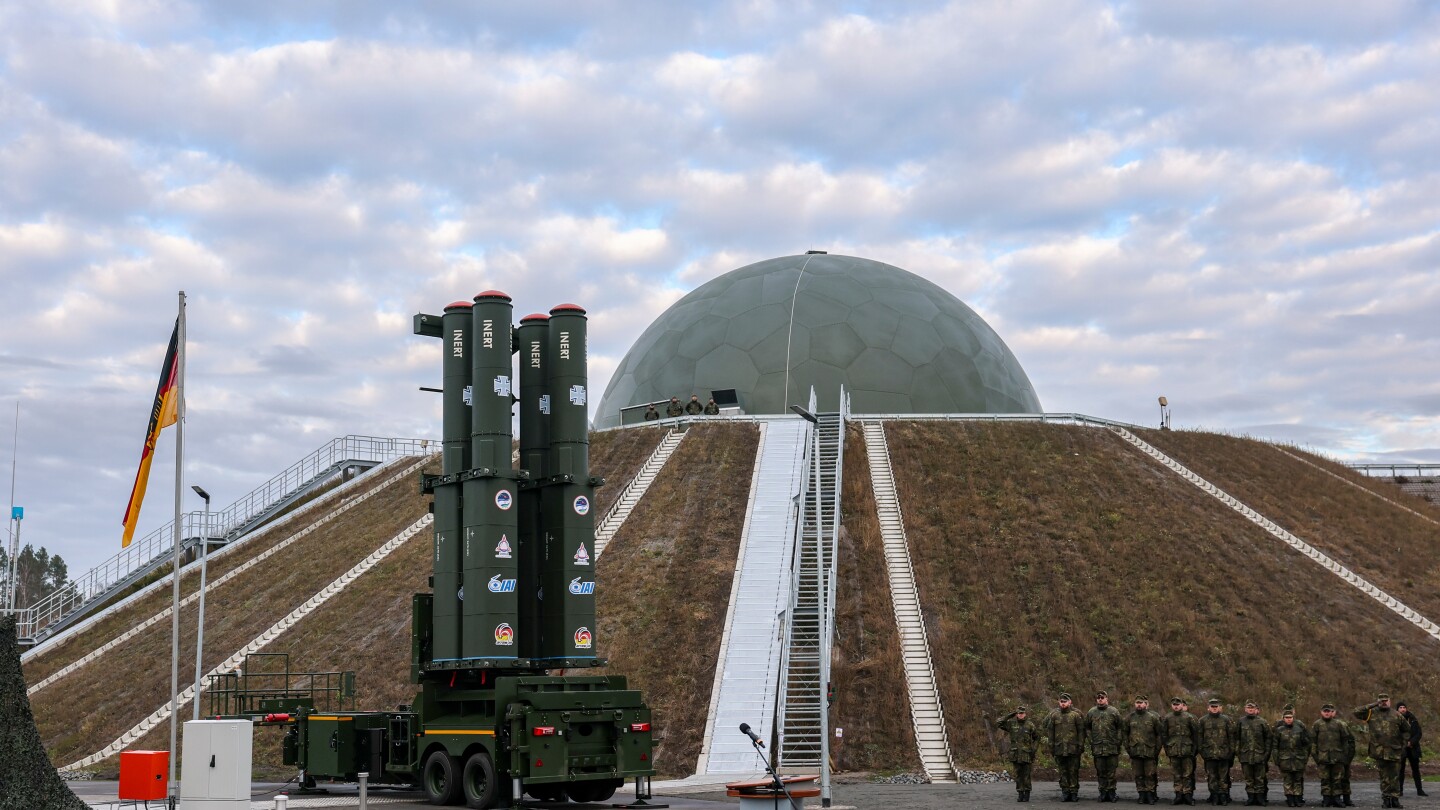
    BERLIN — In a significant advancement of its national security infrastructure, Germany has officially commenced the deployment of the cutting-edge Arrow 3 missile defense system, acquired through a landmark agreement with Israel. The inaugural components of this sophisticated defense network were activated Wednesday at the Schönewalde military installation south of Berlin, marking the initial phase of a comprehensive rollout across multiple sites.

    Defense Minister Boris Pistorius emphasized the transformative nature of this acquisition, stating that Germany has now established its first-ever early-warning and protective capacity against long-range ballistic missile threats. “This strategic capability, which remains unique among our European partners, reinforces our central role at the heart of Europe,” Pistorius declared. “Consequently, we are providing protection not merely for ourselves but equally for our allied nations.”

    The procurement agreement, finalized in September 2023 following necessary authorization from the United States—a development partner in the Arrow system’s creation—represents a direct response to evolving security challenges following Russia’s military operations in Ukraine. The German Defense Ministry has allocated approximately €3.8 billion (equivalent to $4.4 billion) for the complete implementation, with spokesperson Mitko Müller confirming subsequent elements will be progressively integrated.

    Germany intends to incorporate the Arrow 3 system within broader NATO and European air defense initiatives, enhancing collective security architecture. The technology originates from Israel’s proven multi-tiered missile defense framework, which has demonstrated effectiveness against rocket threats from Gaza, Lebanon, and more recently, Yemeni rebels and Iranian capabilities.