Four high-ranking officials from the Greek Coast Guard, including its current commander, Vice Admiral Tryfon Kontizas, are set to face criminal prosecution for negligent manslaughter in connection with the tragic sinking of the migrant vessel Adriana in 2023. The fishing boat, carrying approximately 650 people, capsized off the coast of Pylos, Greece, after a failed attempt by the coastguard to tow it. Survivors reported that the vessel sank due to the coastguard’s mishandling of the operation. The disaster, which occurred in June 2023, has been a subject of intense scrutiny and legal battles. Earlier this year, prosecutors at the maritime court in Piraeus recommended charges against 17 members of the coastguard, including the captain of the coastguard ship and the then-head of the coastguard, Vice Admiral Giorgos Alexandrakis. However, Vice Admiral Kontizas and three other senior officers were initially cleared of blame. This decision was later challenged by lawyers representing survivors and victims’ families. The charges now include manslaughter by negligence, exposure to danger, and failure to fulfill legal obligations to rescue. Although only 82 bodies were recovered, it is believed that hundreds more perished in the incident. Greece has consistently denied any wrongdoing, emphasizing its commitment to human rights and its record of rescuing over 250,000 people at sea in the past decade.
标签: Europe
欧洲
-

Solar storms bring colorful northern lights to unexpected places
A series of powerful solar storms have painted the night skies with dazzling auroras, reaching regions far beyond their typical polar confines. On Tuesday night, vibrant northern lights were observed in unexpected locations across Europe, including Hungary and the United Kingdom, while in the U.S., the celestial display stretched as far south as Kansas, Colorado, and Texas. These geomagnetic disturbances, classified as severe by space weather forecasters, have also caused minor disruptions to GPS communications and power grids, according to Shawn Dahl of the National Oceanic and Atmospheric Administration (NOAA).
The surge in solar activity has prompted NASA to delay the launch of Blue Origin’s new rocket, which was set to carry Mars orbiters, until space weather conditions stabilize. Over the past few days, the sun has emitted multiple coronal mass ejections (CMEs), with two already reaching Earth and at least one more expected to arrive on Wednesday. Forecasters warn that this upcoming solar outburst could be the most intense of the trio, potentially amplifying the brightness and southern reach of the auroras depending on its interaction with Earth’s magnetic field and atmosphere.
This heightened solar activity is part of the sun’s 11-year cycle, currently at its peak phase, which has made auroras more frequent and widespread. The phenomenon occurs when charged particles from the sun collide with Earth’s atmosphere, creating the mesmerizing light displays known as the northern and southern lights. Last year, the strongest geomagnetic storm in two decades illuminated skies across the Northern Hemisphere, followed by another powerful solar storm that brought auroras to unexpected locations like Germany, the United Kingdom, and New York City.
While auroras are a breathtaking spectacle, solar storms can also pose significant risks. They have the potential to disrupt power grids, interfere with air traffic control, and scramble radio and GPS communications. Historical events, such as the 1859 solar storm that set telegraph lines on fire and the 1972 storm that detonated magnetic sea mines off Vietnam’s coast, underscore the unpredictable and occasionally hazardous nature of space weather. Despite advancements in forecasting, experts can only provide alerts days in advance, leaving limited time for preparation.
For those eager to witness the auroras, NOAA’s Space Weather Prediction Center website and aurora forecasting apps offer real-time updates. Skygazers are advised to seek out dark, quiet areas away from city lights, such as local or national parks, and to check weather forecasts to avoid cloud cover. Smartphone cameras can also capture subtle auroral details invisible to the naked eye, enhancing the experience of this natural wonder.
-

French auditors slam Louvre for prioritising art over security
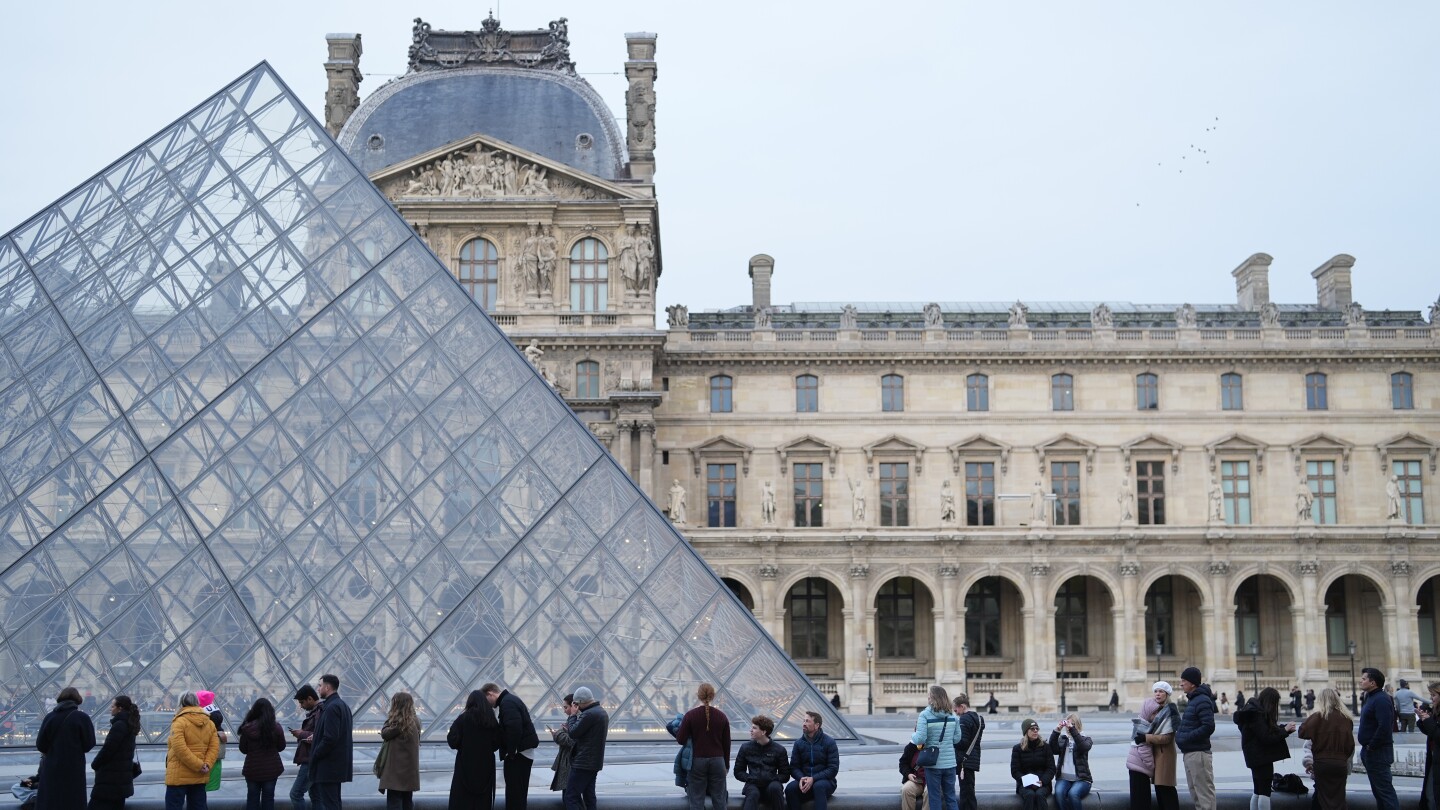
Three weeks following the audacious theft of €88 million worth of jewels from the Louvre, the museum faces severe criticism for its neglect of security measures. A report by the Court of Auditors, prepared prior to the heist, revealed that for years, the Louvre prioritized acquiring new artworks and enhancing exhibition spaces over essential maintenance and security upgrades. The theft, which occurred in broad daylight on October 19, saw thieves using an angle-grinder to break into display cases in the Apollo Gallery, making off with priceless jewels once owned by 19th-century queens and empresses. The report highlighted that between 2018 and 2024, the Louvre spent €105.4 million on new acquisitions and €63.5 million on exhibition spaces, while allocating only €26.7 million to maintenance and €59.5 million to the restoration of the palace building. This imbalance has drawn sharp criticism from figures like Culture Minister Rachida Dati and art expert Didier Rykner, who accused the museum of favoring ‘eye-catching initiatives’ over fundamental security. The incident has also cast doubt on the Louvre’s ambitious New Renaissance project, which aims to expand the museum’s facilities but has been criticized for lacking proper feasibility studies. The Louvre has acknowledged most of the court’s recommendations but defended its long-term vision. Meanwhile, one of the suspected thieves, Abdoulaye N, a former guard at the Center Pompidou, has been identified, with French media suggesting the heist may have been orchestrated by a wealthy third party. The investigation continues as authorities search for the missing jewels and the fourth suspect.
-

Mistakenly released UK prisoner turns himself in as search continues for second freed convict
In a glaring administrative error, two inmates were mistakenly released from HMP Wandsworth, a Victorian-era prison in London, drawing sharp criticism of the UK’s overcrowded and under-resourced prison system. Billy Smith, 35, who was sentenced to nearly four years for multiple frauds, surrendered himself on Thursday after being accidentally freed on Monday. Meanwhile, Brahim Kaddour-Cherif, 24, a registered sex offender serving time for trespass with intent to steal, remains at large after his erroneous release on October 29. The Algerian national, who had overstayed his visa, was in the initial stages of deportation. These incidents have reignited scrutiny of Wandsworth, which faced similar criticism two years ago when another inmate escaped by clinging to a food delivery truck. The blunders follow stricter controls implemented after Hadush Gerberslasie Kebatu, an asylum-seeker convicted of sexual assault, was mistakenly released from Chelmsford Prison in October. Deputy Prime Minister and Justice Minister David Lammy expressed outrage, blaming the previous Conservative government for systemic failures. Government data reveals a 128% increase in erroneous releases, with 262 cases recorded in the year ending March 2025. Critics argue the Labour government’s decision to release prisoners early to alleviate overcrowding has exacerbated the issue.
-

Weapons cache linked to Hamas found in Vienna by Austria’s intelligence service
Austria’s domestic intelligence agency, the Directorate for State Security and Intelligence (DSN), has discovered a weapons cache in Vienna allegedly connected to the Palestinian militant group Hamas, raising concerns about potential terrorist attacks in Europe. The Austrian government announced the findings on Thursday, emphasizing the international scope of the investigation. The weapons, including five handguns and 10 accompanying magazines, were found in a suitcase stored in a rented facility in Vienna. Authorities suspect the cache was intended for use in attacks targeting Israeli or Jewish institutions across Europe.
-

Pope Leo meets Palestinian President Abbas, discuss urgent need for Gaza aid, two-state solution
In a historic meeting at the Vatican, Pope Leo XIV and Palestinian President Mahmoud Abbas convened for the first time on Thursday to address the ongoing crisis in Gaza and the broader Israeli-Palestinian conflict. The hour-long discussion, described as “cordial” by the Vatican, centered on the urgent need to provide humanitarian aid to civilians in Gaza and to advance a two-state solution as a pathway to lasting peace. This meeting marked a significant diplomatic engagement, coming nearly a month after a U.S.-brokered ceasefire took effect in the region. The two leaders had previously communicated over the phone in July, discussing the escalation of violence in Gaza and the West Bank. The Vatican emphasized the shared recognition of the necessity to alleviate the suffering of civilians and to pursue a political resolution to the conflict. Abbas’s visit to the Vatican also commemorated the 10th anniversary of the Comprehensive Agreement between the Holy See and the State of Palestine, underscoring the longstanding diplomatic ties between the two entities. During his stay in Rome, Abbas paid homage at the Basilica of St. Mary Major, honoring the late Pope Francis, with whom he had maintained regular contact, particularly in the aftermath of the October 7, 2023, Hamas attacks and Israel’s subsequent military response in Gaza.
-

Divided Bank of England holds key interest rate at 4% despite hopes inflation has peaked
The Bank of England (BoE) has decided to maintain its benchmark interest rate at 4% during its latest policy meeting on Thursday. The decision, made by the nine-member Monetary Policy Committee (MPC), was widely expected, though some analysts had speculated on a potential quarter-point reduction to 3.75%. The vote was notably close, with five members favoring no change and four supporting a rate cut. Governor Andrew Bailey emphasized the need for greater certainty that inflation is on a sustainable path toward the bank’s 2% target before considering further reductions. Currently, the annual consumer price inflation rate stands at 3.8%, nearly double the BoE’s target. The MPC noted in its meeting minutes that inflation has likely peaked at a lower level than previously forecasted in August, when the last rate cut was implemented. Economists anticipate that inflation will continue to decline in the coming months, potentially reaching the target by next year, which could pave the way for a rate cut at the December meeting. The upcoming UK budget announcement on November 26 is expected to play a pivotal role in shaping economic policy, with Treasury chief Rachel Reeves signaling potential tax increases aimed at reducing inflation and stabilizing the economy. Since initiating rate cuts in August 2024, the BoE has adopted a cautious approach, adjusting rates every three months. Thursday’s decision marks the first time the bank has opted against a rate cut within this quarterly framework. Meanwhile, the US Federal Reserve recently reduced its key interest rate for the second time this year, though Chair Jerome Powell cautioned that further cuts are not guaranteed, citing economic uncertainties and internal divisions among policymakers.
-

France urges EU to investigate Shein for selling illegal items including child-like sex dolls
France has formally requested the European Union’s executive arm to investigate fast-fashion giant Shein for allegedly selling illegal items, including child-like sex dolls and weapons, on its expansive online marketplace. Two French ministers, Roland Lescure and Anne Le Henanff, have sent a letter to Henna Virkkunen, the European Commission’s executive vice-president for tech sovereignty, urging immediate action. The ministers emphasized that Shein must comply with the Digital Services Act (DSA), the EU’s regulatory framework aimed at ensuring online platform safety and user protection. The French government has initiated procedures to suspend access to Shein’s marketplace in France unless the platform demonstrates compliance with national laws. Authorities discovered not only child-like sex dolls but also significant quantities of illegal ‘Class A’ weapons, including firearms, knives, and war materials, on the platform. Shein, which was classified as a ‘very large online platform’ by the EU last year due to its 45 million European users, faces stringent regulatory requirements. Non-compliance could result in suspension and fines of up to 6% of its annual profits. The company, founded in China in 2012 and now headquartered in Singapore, has pledged to collaborate with French authorities to address concerns promptly.
-

Cars in German city found smeared with swastikas in blood, police say
A disturbing incident has shaken the German city of Hanau, located near Frankfurt, as approximately 50 vehicles, walls, and postboxes were defaced with a reddish liquid suspected to be human blood. The vandalism, which included the application of swastikas, was first reported late Wednesday night by a resident in the Lamboy district. The liquid was smeared in the shape of the banned Nazi symbol, prompting a widespread police investigation. Preliminary tests indicate the substance is likely human blood, though its origin remains unknown, and no injuries have been linked to the incident. Local authorities have launched an urgent appeal for public assistance to solve the case. The incident has drawn sharp condemnation, with Bundestag Vice President Omid Nouripour describing it as a painful reminder of the far-right terrorist attack in Hanau five years ago, which claimed nine lives. The community is now grappling with the emotional and symbolic weight of this act, which has reignited fears of far-right extremism.
-

At White House meeting, Hungary’s Orbán to seek Trump’s blessing to keep buying Russian oil
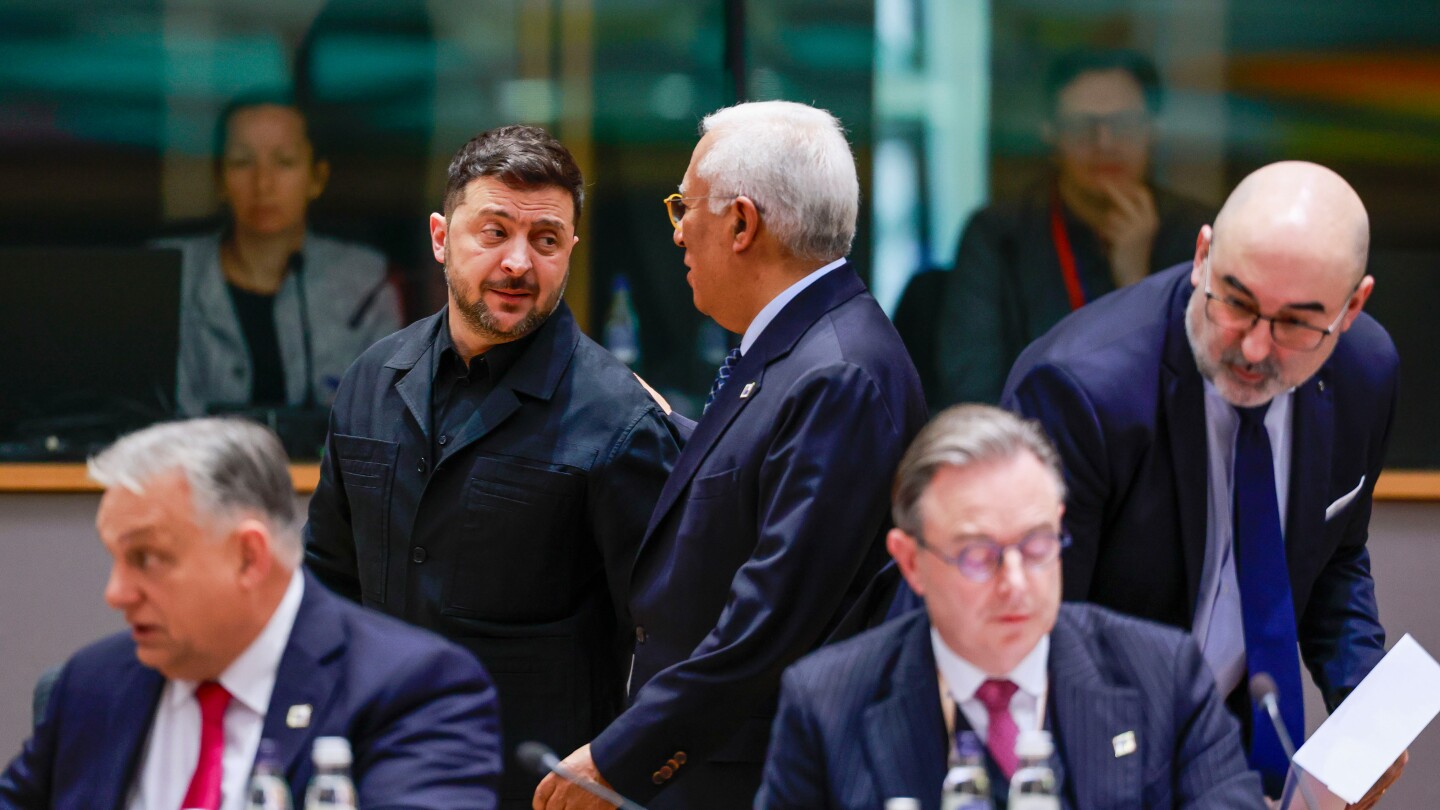
Hungarian Prime Minister Viktor Orbán is set to meet with former U.S. President Donald Trump at the White House on Friday, with a key agenda: securing U.S. leniency for Hungary’s continued reliance on Russian oil. This meeting underscores Orbán’s strategic pivot toward Moscow over the past decade, a shift that has perplexed many of his former allies and critics. Orbán, once a vocal critic of Russian influence during the Cold War, has emerged as one of Russian President Vladimir Putin’s staunchest supporters within the European Union, maintaining warm ties with the Kremlin despite its ongoing war in Ukraine. His alignment with Trump’s MAGA movement has further solidified his image as a conservative nationalist, even as Hungary’s democratic institutions face erosion. However, as Russia’s invasion of Ukraine nears its fourth year, Orbán faces mounting pressure from both Brussels and Washington to sever Hungary’s dependence on Russian oil, a critical revenue stream for Moscow’s war efforts. Last month, the Trump administration imposed sanctions on Russian energy giants Lukoil and Rosneft, potentially exposing Hungary to secondary sanctions. Orbán, however, is banking on his personal rapport with Trump to secure an exemption, arguing that Hungary has no viable alternatives to Russian crude and that cutting off supplies would trigger economic collapse. Critics dispute this claim, pointing to alternative pipelines like the Adria, which delivers non-Russian oil to Hungary. Despite Hungary’s increased reliance on Russian oil—rising from 61% pre-war to 86%—Orbán’s critics accuse him of prioritizing political alliances over energy diversification. The meeting also raises questions about Orbán’s broader geopolitical strategy, as he seeks to position Hungary as a mediator in potential U.S.-Russia peace talks. While a proposed Trump-Putin summit in Budapest was scrapped, Hungarian officials remain hopeful for future negotiations. Orbán’s adversarial stance toward Ukraine and his reluctance to support EU sanctions against Moscow have further isolated him within Europe, leaving him increasingly reliant on Trump’s support.