标签: Europe

欧洲

  • New US sanctions against Iran target interior minister over crackdown on protesters

    New US sanctions against Iran target interior minister over crackdown on protesters

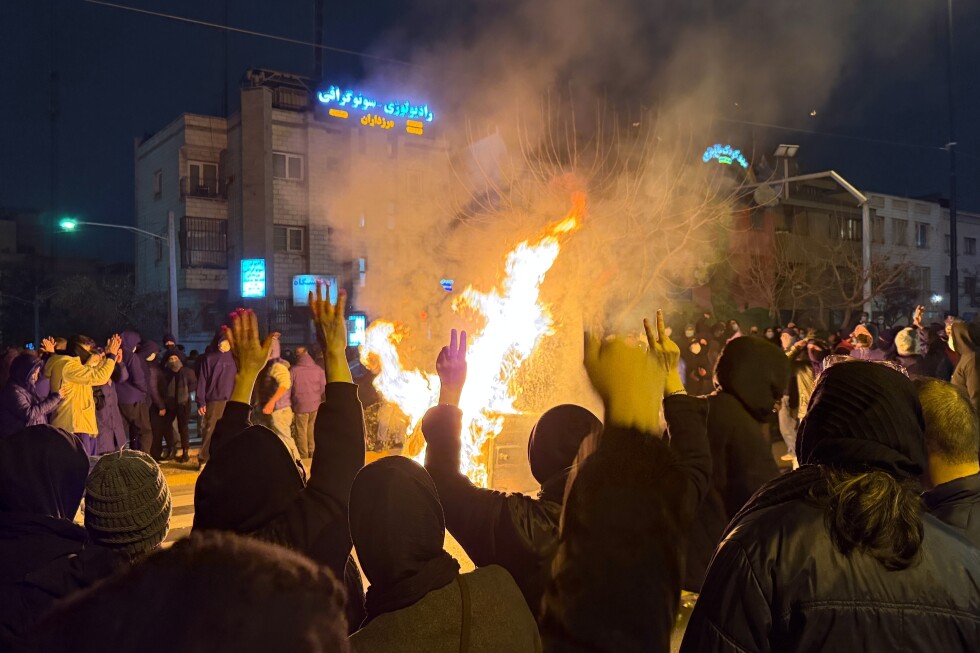
    In a significant escalation of international pressure, the United States has imposed targeted sanctions against Iran’s Interior Minister Eskandar Momani for his alleged role in suppressing nationwide protests. The Treasury Department’s Friday announcement marks the latest coordinated action with European allies against Tehran’s theocratic government.

    The sanctions specifically cite Momani’s oversight of Iranian law enforcement forces responsible for the deaths of thousands of peaceful demonstrators. The protests initially emerged in December amid economic hardships but rapidly evolved into broader challenges against the Islamic Republic’s authority. According to activist accounts, the subsequent government crackdown has resulted in more than 6,000 fatalities, though Iranian officials consistently label protesters as “terrorists.

    This move follows the European Union’s Thursday sanctions against Momani, alongside members of Iran’s judicial system and other high-ranking officers. EU authorities stated these individuals were “all involved in the violent repression of peaceful protests and the arbitrary arrest of political activists and human rights defenders.”

    Concurrently, the Treasury Department’s Office of Foreign Assets Control sanctioned Babak Morteza Zanjani, an Iranian investor accused of embezzling billions in oil revenue for government benefit. Two digital asset exchanges processing substantial volumes of funds for Zanjani were also penalized.

    In a notable development, the EU has agreed to designate Iran’s paramilitary Revolutionary Guard as a terrorist organization—a largely symbolic but politically significant gesture. In response, Iran is considering reciprocal measures against EU countries’ militaries, according to Ali Larijani, secretary of Iran’s Supreme National Security Council.

    The latest U.S. sanctions package additionally targets the secretary of Iran’s Supreme Council for National Security, accused of being among the first officials to advocate violence against protesters. Eighteen individuals and companies allegedly participating in money laundering operations for Iranian oil sales through shadow banking networks were also sanctioned.

    Treasury Secretary Scott Bessent emphasized the department’s commitment to “target Iranian networks and corrupt elites that enrich themselves at the expense of the Iranian people,” vowing continued action against global financial transfers of “stolen” Iranian funds.

    These sanctions effectively freeze any U.S. assets held by designated individuals and entities, restrict travel to the United States, and prohibit American citizens and companies from engaging in business with them.
  • UN nuclear watchdog discusses risks to Ukraine’s nuclear safety after relentless Russian strikes

    UN nuclear watchdog discusses risks to Ukraine’s nuclear safety after relentless Russian strikes

    VIENNA — The International Atomic Energy Agency’s (IAEA) Board of Governors convened an urgent special session on Friday to address escalating nuclear safety concerns in Ukraine amid intensifying Russian attacks on energy infrastructure. The meeting, requested by the Netherlands with backing from eleven nations including Canada, France, Germany, Japan, and the United Kingdom, aimed to amplify diplomatic pressure on Moscow despite lacking binding authority.

    Netherlands Ambassador Peter Potman presented alarming testimony, detailing how Russia’s ‘ongoing and daily’ assaults have crippled Ukraine’s energy grid during severe winter conditions. ‘These attacks not only deprive millions of Ukrainians of heating and electricity but critically compromise nuclear safety,’ Potman warned, noting the heightened prospect of a nuclear incident approaching ‘the very precipice of reality.’

    IAEA Director General Rafael Grossi emphasized the direct correlation between damaged electrical substations and nuclear risk, stating such targeting ‘undermines nuclear safety and must be avoided.’ An IAEA expert mission is currently assessing ten critical substations essential for maintaining safety at Ukrainian nuclear facilities.

    Ukraine’s nuclear infrastructure includes four active power plants, with the Zaporizhzhia facility remaining under Russian occupation since 2022. While plants generate power internally, they require continuous external electricity for reactor cooling systems. Emergency diesel generators provide backup during power losses, but consecutive failures could precipitate meltdown scenarios.

    Ukrainian Ambassador Yurii Vitrenko urged the IAEA to intensify scrutiny of Russia’s ‘systematic destruction’ of energy infrastructure, acknowledging U.S. President Donald Trump’s diplomatic efforts to curb attacks. However, specifics regarding Russia’s purported commitment to temporarily suspend bombardments remained unclear amid one of Ukraine’s most severe winters in recent history.

  • Denmark unveils legal reform to allow the worst foreign criminals to be deported

    Denmark unveils legal reform to allow the worst foreign criminals to be deported

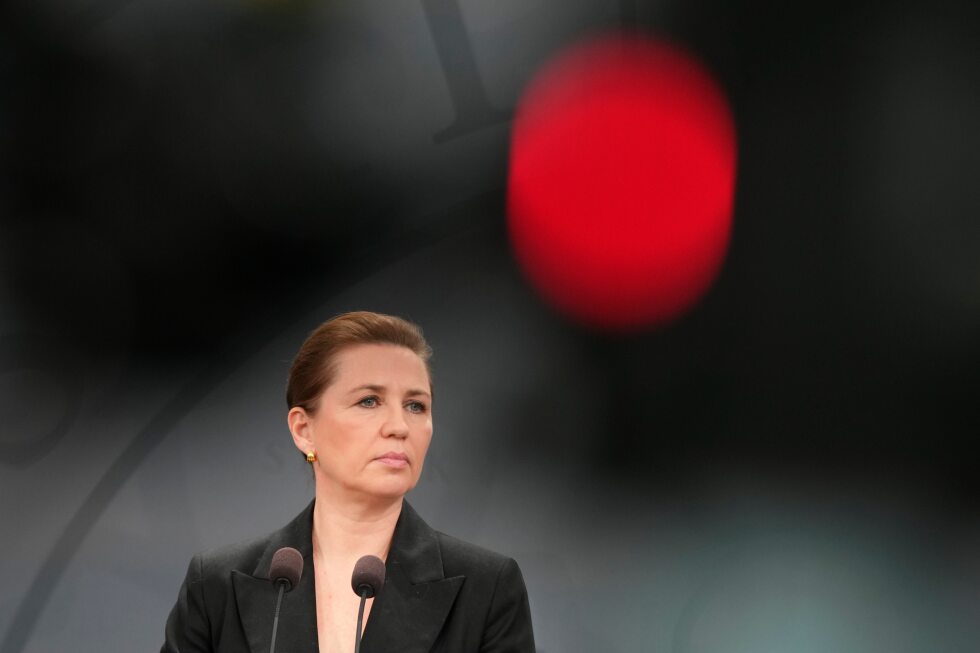
    The Danish government has introduced groundbreaking legislative changes that empower authorities to deport foreign nationals convicted of serious crimes, marking a significant shift in the country’s immigration policy. Prime Minister Mette Frederiksen announced the reform on Friday, which targets individuals sentenced to at least one year of unconditional imprisonment for offenses including aggravated assault and sexual violence.

    The comprehensive policy overhaul extends beyond deportation measures to include enhanced monitoring of undocumented migrants through electronic ankle bracelets, stricter border control mechanisms, and the reestablishment of diplomatic presence in Syria. Additionally, Denmark plans to strengthen collaborative efforts with Afghan authorities to address migration challenges at their source.

    Minister for Immigration and Integration Rasmus Stoklund provided compelling statistics revealing that over the past five years, 315 non-EU foreign criminals receiving sentences exceeding one year had avoided expulsion. This data underpins the government’s argument for legislative intervention rather than relying on judicial determinations in individual deportation cases.

    The initiative emerges amid broader European Union efforts to reform migration systems, with the 27-member bloc recently implementing stricter asylum regulations. This continental trend reflects growing political concerns about immigration levels, particularly among right-wing factions across Western nations who have expressed dissatisfaction with current migration patterns.

    Frederiksen acknowledged the potential conflict between these measures and established European human rights conventions, characterizing the government’s approach as deliberately ‘unconventional’ in addressing public safety concerns while navigating complex international legal frameworks.

  • Europe sees modest growth, but the weaker dollar looms as a threat

    Europe sees modest growth, but the weaker dollar looms as a threat

    FRANKFURT, Germany — The European economy demonstrated unexpected durability during the final quarter of 2025, registering a 0.3% growth rate that matched previous quarter performance despite ongoing trade uncertainties. According to Eurostat’s Friday report, year-over-year expansion reached 1.3%, defying earlier recession predictions that emerged during heightened U.S. trade tensions.

    The moderate growth occurred following the resolution of tariff negotiations between the European Union and the United States, which established a 15% cap on import taxes. While not ideal for commercial operations, this agreement provided businesses with sufficient certainty to proceed with strategic planning. However, this stability was temporarily jeopardized in January when former President Trump threatened additional tariffs regarding Greenland, though these warnings were subsequently retracted.

    Economic activity within the services sector—encompassing diverse industries from personal care to healthcare—showed consistent improvement according to S&P Global’s purchasing managers index. Consumer spending resilience emerged from December’s reduced inflation rate of 1.9% and rising wages, though industrial exports continued facing challenges.

    A new economic challenge has materialized through the euro’s significant appreciation against the U.S. dollar, which has reached its weakest point in 4.5 years. This 14.4% currency shift over twelve months makes European exports less price-competitive in critical international markets. The dollar’s decline stems from concerns that proposed tariffs could hinder economic growth and that political pressure on Federal Reserve Chair Jerome Powell might undermine the institution’s inflation control capabilities.

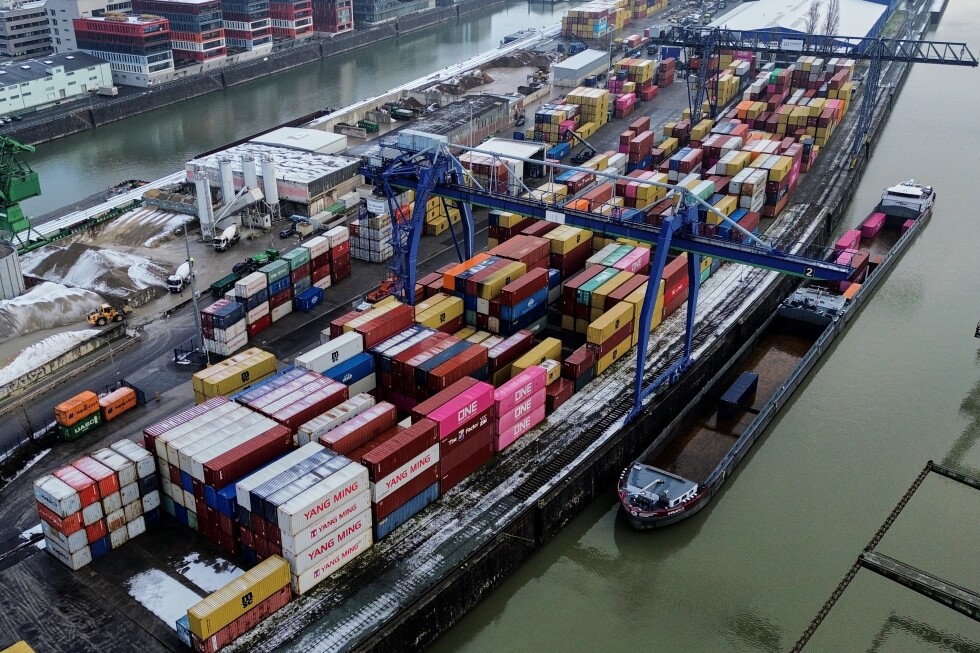
    Financial analysts suggest the European Central Bank might implement interest rate reductions later this year should currency pressures persist. Meanwhile, Germany—the eurozone’s largest economy—recorded its strongest quarterly performance in three years with 0.3% growth, though the government has revised its 2026 growth forecast downward from 1.3% to 1%. The nation continues confronting multiple structural challenges including energy price volatility, skilled labor shortages, increased Chinese competition in automotive and machinery exports, and chronic infrastructure underinvestment.

    The broader 27-nation European Union mirrored the eurozone’s 0.3% quarterly growth, achieving 1.4% annual expansion. The euro currency union expanded to 21 members in January following Bulgaria’s accession.

  • Foreign women linked to IS group in Syrian camp hope for amnesty after government offensive

    Foreign women linked to IS group in Syrian camp hope for amnesty after government offensive

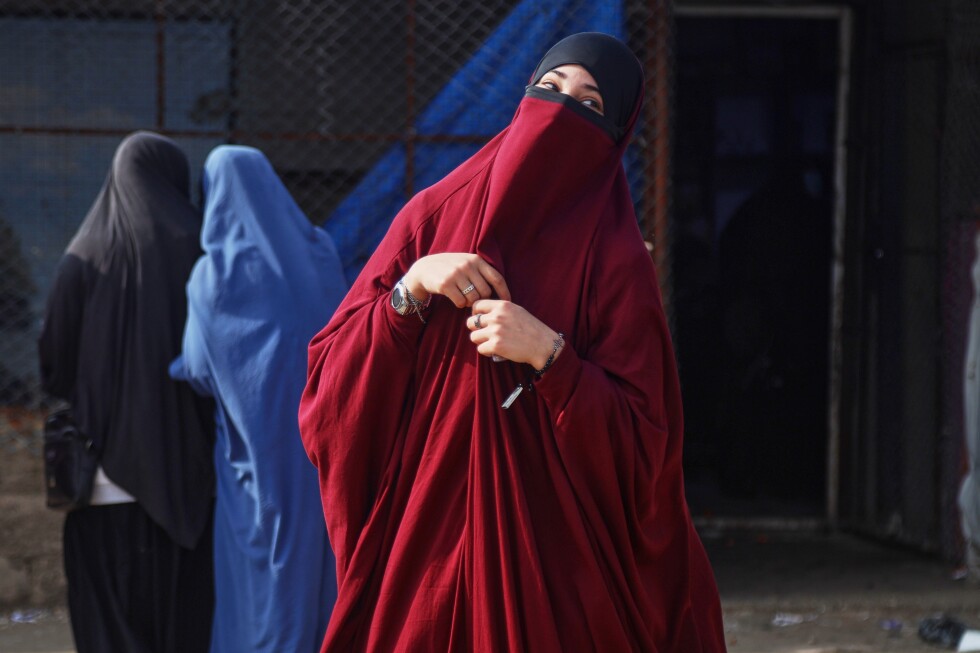
    ROJ CAMP, Syria — Foreign women affiliated with the Islamic State group, currently detained in northeastern Syria’s Roj camp, are expressing renewed hope for potential amnesty following significant territorial shifts in the region’s military balance.

    The camp, housing over 2,300 individuals primarily comprising women and children with IS connections, remains under the guard of the Kurdish-led Syrian Democratic Forces. However, a recent government offensive has substantially weakened the SDF’s control, capturing most of their previously held territories including the massive al-Hol camp which detained approximately 24,000 IS-linked individuals.

    Camp residents interviewed by The Associated Press revealed growing optimism that Syria’s new leadership might offer clemency. This sentiment stems from the political transformation of Ahmad al-Sharaa (formerly known as Abu Mohammed al-Golani), once a designated terrorist linked to al-Qaeda, who now serves as interim president following the toppling of Bashar Assad in December 2024.

    Buthaina, a Tunisian national who has been detained for nine years, articulated the prevailing hope: “The international community gave al-Golani amnesty. I should be given amnesty too. I did not kill anyone or do anything.”

    Camp director Hakmiyeh Ibrahim reported noticeable behavioral changes among residents, who have become increasingly hostile and emboldened by recent developments. “It gave them hope that the Islamic State group is coming back strongly,” Ibrahim observed.

    The situation highlights the complex international dilemma regarding repatriation. While some women express desire to return to their home countries, others like German national Aysha prefer remaining in Syria, stating “Germany is all infidels.” Meanwhile, human rights organizations criticize the prolonged detention without trial as a political failure.

    Beatrice Eriksson of Repatriate the Children in Sweden noted: “The continued existence of these camps is not an unfortunate by-product of conflict, it is a political decision.”

    With Syrian government forces now controlling key detention facilities and part of a ceasefire agreement involving transfer of camp management to Damascus, the future of these detainees hangs in uncertainty as the world watches how Syria’s new leadership will handle this enduring legacy of the IS caliphate.

  • Ukraine is bracing for brutal weather as Trump says Putin agreed to halt power grid attacks

    Ukraine is bracing for brutal weather as Trump says Putin agreed to halt power grid attacks

    KYIV, Ukraine — As Eastern Europe grapples with an extreme winter cold snap, diplomatic tensions intensify over unverified claims of a temporary ceasefire on energy infrastructure attacks. U.S. President Donald Trump announced Thursday that Russian President Vladimir Putin had acquiesced to a one-week moratorium on targeting Ukraine’s power grid, though neither the Kremlin nor White House provided immediate confirmation of the alleged agreement.

    Ukrainian President Volodymyr Zelenskyy expressed profound skepticism regarding Moscow’s intentions, stating publicly Friday: ‘I do not believe that Russia wants to end the war. There is a great deal of evidence to the contrary.’ His comments came as the conflict approaches its fourth anniversary with no diplomatic resolution in sight.

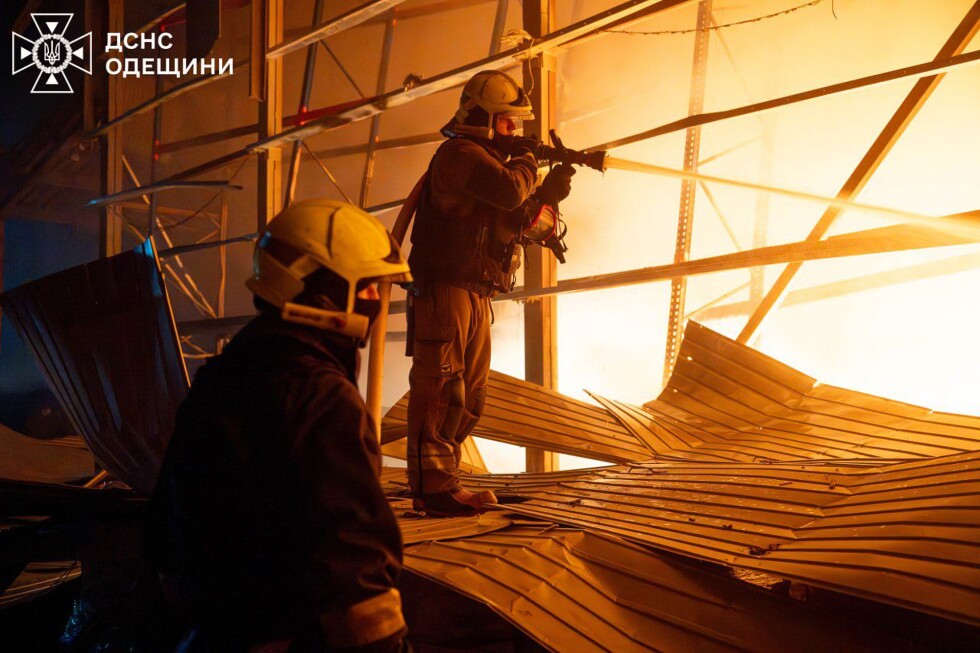
    The purported truce discussion emerged against a backdrop of continued hostilities. Overnight, Russia launched 111 drones and one ballistic missile toward Ukraine, resulting in at least three casualties according to Ukrainian air defense reports. Simultaneously, Russia’s Defense Ministry claimed interception of 18 Ukrainian drones over multiple regions including annexed Crimea and the Black Sea.

    Meteorological conditions compound the humanitarian crisis, with temperatures forecast to plunge to -30°C (-22°F) across Ukraine this week. This severe cold wave threatens millions already suffering from Russia’s documented strategy of weaponizing winter conditions by targeting energy infrastructure.

    The energy truce concept originated during multilateral talks in Abu Dhabi last weekend involving envoys from Ukraine, Russia, and the United States. Zelenskyy confirmed his administration’s willingness to adopt reciprocal measures: ‘If Russia does not strike us, we will take corresponding steps regarding their energy infrastructure.’

    However, the Ukrainian leader clarified that no formal ceasefire agreement exists, emphasizing the absence of direct negotiations between the warring nations. Fundamental disagreements over occupied territories remain the primary obstacle to peace, with Zelenskyy reiterating Ukraine’s stance against compromising territorial integrity while expressing openness to economic compromise solutions.

    Further diplomatic engagements scheduled for Abu Dhabi this weekend face uncertainty due to escalating tensions between the U.S. and Iran, potentially delaying critical dialogue on the conflict.

  • Mum of girl killed in blast asks government for direct talks

    Mum of girl killed in blast asks government for direct talks

    Donna Harper, whose 14-year-old daughter Leona perished in the catastrophic Creeslough service station explosion, has issued a heartfelt plea to the Irish government for immediate commencement of substantive discussions regarding a statutory judicial public inquiry. The October 2022 disaster in County Donegal claimed ten lives, yet despite the passage of over three years, no definitive explanation has been provided regarding the explosion’s cause.

    Harper will address a significant gathering in Londonderry this Saturday, coinciding with the 54th anniversary of Bloody Sunday. The event will unite families from multiple historical tragedies—including Stardust, Hillsborough, the Post Office scandal, Ballymurphy, and Bloody Sunday—creating a collective platform for sharing experiences in pursuing truth and institutional accountability.

    In an emotional interview with BBC Radio Foyle, Harper expressed her unexpected transition from observer to activist: “I grew up in Letterkenny witnessing these major events through media coverage. Never did I imagine I would stand alongside these families, now fighting for justice for my daughter and the nine other victims.”

    The ongoing investigation involves collaboration between Donegal-based Gardaí, the Commission for the Regulation of Utilities, and the Health and Safety Authority. Harper has been informed that the final segment of the case file will be submitted to the Director of Public Prosecutions (DPP) in March 2026, following an initial submission last September.

    Despite Donegal County Council’s 2024 motion endorsing a public inquiry and subsequent planning permission reversals for redevelopment at the site, the Department of Justice maintains that the criminal investigation remains the “most appropriate avenue” for addressing concerns. Minister Jim O’Callaghan has emphasized allowing the Garda investigation to conclude before considering further actions.

    Harper remains steadfast in her pursuit of transparency: “We are approaching a critical juncture in the criminal investigation, which I fully support. However, the questions we hold require answers beyond what this process alone can provide. The government must engage with us directly.”

    The Harper family continues to await Leona’s death certificate, as full inquests cannot proceed until criminal investigations conclude. Donna Harper draws strength from her daughter’s memory, asserting: “Leona’s life mattered, those nine people mattered, and consequently their deaths must matter equally. No parent should endure this perpetual state of waiting and uncertainty.”

    Referencing the 1987 Raglan House gas explosion precedent where parallel investigations occurred, Harper emphasizes: “That occurred nearly four decades ago. We cannot burden families with determining the appropriate path forward in 2026.”

    The Department of Justice confirmed the Minister’s December 2025 meeting with the Harpers in Donegal, where he expressed profound sympathy while maintaining the DPP’s operational independence. Gardaí continue to solicit information from individuals present at the site prior to the explosion.

  • Viral ‘2016′ trend reveals an appetite for nostalgia in uncertain times

    Viral ‘2016′ trend reveals an appetite for nostalgia in uncertain times

    A profound cultural phenomenon is sweeping across social media platforms as millions in their twenties and thirties embark on a collective journey back to 2016. This digital nostalgia movement, characterized by shared throwback photos and memories, represents more than mere reminiscence—it signifies a generational search for comfort in what many perceive as simpler times.

    According to sociological experts, 2016 marked a critical transitional period before significant global shifts. Professor Janelle Wilson of the University of Minnesota-Duluth identifies this era as existing “on the cusp of things, but not fully thrown into the dark days that were to come.” The year preceded monumental developments including Donald Trump’s presidency, Brexit implementation, and the impending COVID-19 pandemic that would reshape global society.

    The nostalgia manifests through distinct cultural touchpoints: Snapchat’s dog filters, Instagram’s sepia-toned aesthetics, maximalist fashion trends from Coachella, and the musical dominance of Beyoncé, Drake, and Rihanna. For individuals like Maren Nævdal, 27, and Njeri Allen, 27, these elements created an atmosphere of authenticity and carefree expression that contrasts sharply with contemporary concerns.

    Professor Nina van Volkinburg of University of the Arts London notes that 2016 represented “a new world order” beginning with fractured trust in institutions while maintaining a sense of possibility. The era’s ‘boss babe’ culture and millennial pink aesthetics symbolized young adulthood emerging with optimism.

    Technological advancements have accelerated nostalgic tendencies, making past experiences instantly accessible. This accessibility, combined with current uncertainties about artificial intelligence and global instability, has intensified the yearning for recent history. As Allen notes, having moved between the U.S. and Taiwan, “When both of your homes don’t feel safe, it’s easier to return to a time that felt comfortable.”

    The trend reflects broader cultural movements toward analog experiences—vinyl records, letter writing, and retro aesthetics—suggesting a collective desire for tangible connections in increasingly digital landscapes. This nostalgia serves not only as escape but as meaningful reflection on personal and societal evolution over the past transformative decade.

  • American defender Alex Freeman transfers to Spain’s Villarreal from Orlando City of the MLS

    American defender Alex Freeman transfers to Spain’s Villarreal from Orlando City of the MLS

    ORLANDO, Fla. — In a significant transatlantic move, United States Men’s National Team (USMNT) defender Alex Freeman has finalized his transfer from Major League Soccer’s Orlando City to La Liga club Villarreal CF. The 21-year-old rising star, whose transfer was confirmed on Thursday, represents one of the most promising American talents to make the leap to European football.

    Freeman, son of former NFL All-Pro wide receiver Antonio Freeman, has rapidly emerged as a key defensive prospect for the USMNT program. His international breakthrough came during May’s friendly against Turkey, where he capitalized on playing opportunities created by Sergiño Dest’s ACL recovery period. Freeman’s impressive performances yielded 13 international caps and a memorable brace against Uruguay in a November exhibition match.

    His club trajectory demonstrates remarkable progression: after minimal playing time in his initial MLS seasons, Freeman claimed Orlando’s starting right back position last season, displacing Dagur Dan Thórhallsson. The defender’s 2023 campaign proved particularly productive with six goals across 29 league appearances, earning him MLS All-Star honors and the league’s Young Player of the Year award.

    The transfer agreement includes a significant sell-on clause for Orlando City, ensuring the MLS club will receive compensation percentage should Villarreal transfer Freeman to another club in the future.

    Freeman’s athletic pedigree extends beyond soccer—his father Antonio enjoyed a distinguished nine-year NFL career that included All-Pro recognition in 1998 and a Super Bowl XXXI championship with the Green Bay Packers.

    This move positions Freeman favorably for inclusion in the upcoming U.S. World Cup roster as he joins a Spanish club renowned for developing defensive talent and competing in top European competitions.

  • Visit the North Sea oil field used to store greenhouse gas

    Visit the North Sea oil field used to store greenhouse gas

    A revolutionary transformation is underway in the North Sea, where aging oil infrastructure is being repurposed for climate solutions. The Greensand Future project, spearheaded by British multinational Ineos Energy, is converting the nearly-depleted Nini oil field into Europe’s first large-scale offshore carbon storage facility.

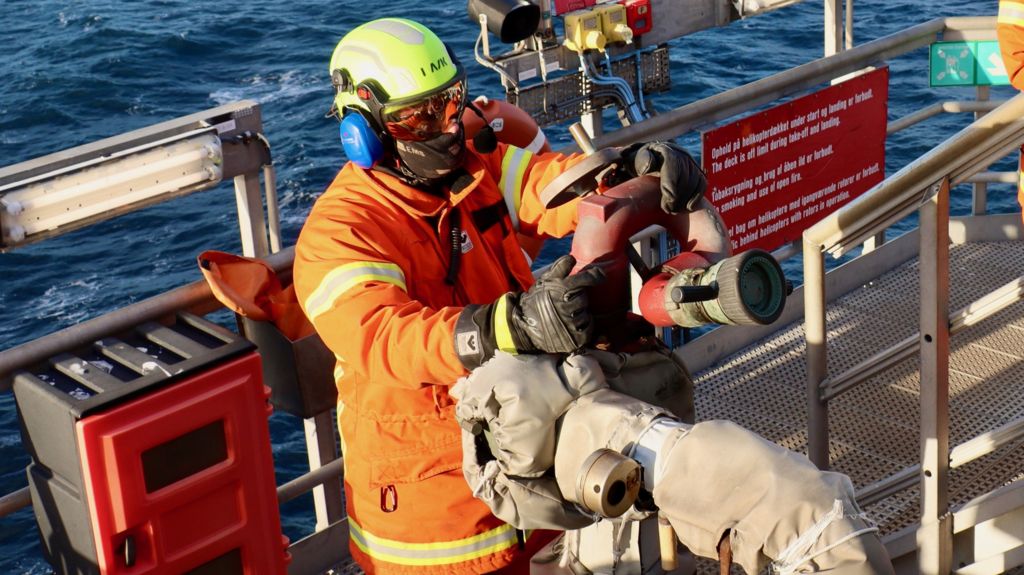
    Located 250 kilometers off Denmark’s western coast, the Siri platform serves as the operational hub for this ambitious initiative. Instead of extracting fossil fuels, engineers will now inject thousands of tonnes of captured CO2 into the same geological formations that once held oil and gas. “Instead of pulling oil and gas up from the ground, we’re going to inject CO2 into the ground instead,” explains Ineos Energy CEO Mads Gade.

    The project represents a significant scaling of Carbon Capture and Storage (CCS) technology, with plans to store approximately 400,000 tonnes of CO2 this year alone. By 2030, the consortium aims to increase capacity to eight million tonnes annually – equivalent to nearly 40% of Denmark’s emission reduction targets.

    This initiative arrives as international climate bodies including the Intergovernmental Panel on Climate Change (IPCC) and International Energy Agency (IEA) have recognized carbon capture as an essential tool for achieving climate goals. The European Union has similarly endorsed CCS as necessary for reaching net-zero emissions by 2050.

    The North Sea’s geological characteristics make it ideally suited for carbon storage. According to Niels Schovsbo, senior researcher at the Geological Survey of Greenland and Denmark, the region’s porous rock formations and thick clay layers provide natural containment, similar to how they trapped oil and gas for millions of years.

    However, the technology faces criticism from environmental groups. Helene Hagel, head of climate policy at Greenpeace Denmark, cautions that CCS might discourage essential emission reductions and could create problems for future generations by occupying seabed storage capacity.

    Despite concerns, CCS projects are advancing rapidly across Northern Europe. Norway’s Northern Lights project began operations last August as the world’s first commercial carbon storage service, while the UK is developing multiple capture clusters including Scotland’s Acorn Project.

    The transition also offers new opportunities for offshore workers. Maintenance manager Peter Bjerre notes that skills previously used for maintaining turbines and gas compressors will now be applied to high-pressure pumps for CO2 injection, representing a significant workforce transformation in the green transition.