标签: Europe

欧洲

  • €400m weight loss tablet factory to be built in Ireland

    €400m weight loss tablet factory to be built in Ireland

    Danish pharmaceutical giant Novo Nordisk has announced a major €400 million (£350 million) investment to upgrade its manufacturing facility in Athlone, County Westmeath, Republic of Ireland. This strategic move will enable the production of tablet versions of its blockbuster weight-loss medication Wegovy, marking a significant expansion beyond the currently available injectable form.

    The investment represents a pivotal shift in obesity treatment delivery methods. While Wegovy and similar GLP-1 receptor agonist drugs have traditionally been administered via injection, the tablet formulation offers patients an alternative delivery method. The oral version of Wegovy received regulatory approval in the United States in January 2024 and is anticipated to gain approval in other global markets shortly.

    Kasper Bødker Mejlvang, Executive Vice President at Novo Nordisk, characterized the development as “a historic milestone which marks our continued commitment to Ireland and our highly skilled employees in Athlone.” Construction activities have already commenced at the Athlone site and are projected to continue through 2028. The facility will specifically manufacture tablets for markets outside the United States.

    This expansion occurs against a backdrop of intensifying competition in the weight-loss pharmaceutical sector. Ireland already serves as a major manufacturing base for Novo Nordisk’s primary competitor, Eli Lilly, which produces active pharmaceutical ingredients for its Mounjaro and Zepbound medications at its Kinsale, County Cork facility. These ingredients are subsequently air-freighted to the United States, making Eli Lilly one of Ireland’s most significant exporters.

    Both Wegovy and Mounjaro function as appetite suppressants by mimicking the GLP-1 hormone that induces feelings of fullness, with Mounjaro additionally affecting metabolism and energy balance regulation. Treatment typically begins with low doses that are gradually increased until patients reach a maintenance dosage, always accompanied by healthier eating and exercise programs when prescribed in the UK.

    The investment decision follows recent job cuts at Novo Nordisk, reflecting the company’s strategic response to growing market competition and impending patent expirations that could affect its product portfolio.
  • Energy prices surge as tanker disruptions, facility shutdowns, rattle global supply

    Energy prices surge as tanker disruptions, facility shutdowns, rattle global supply

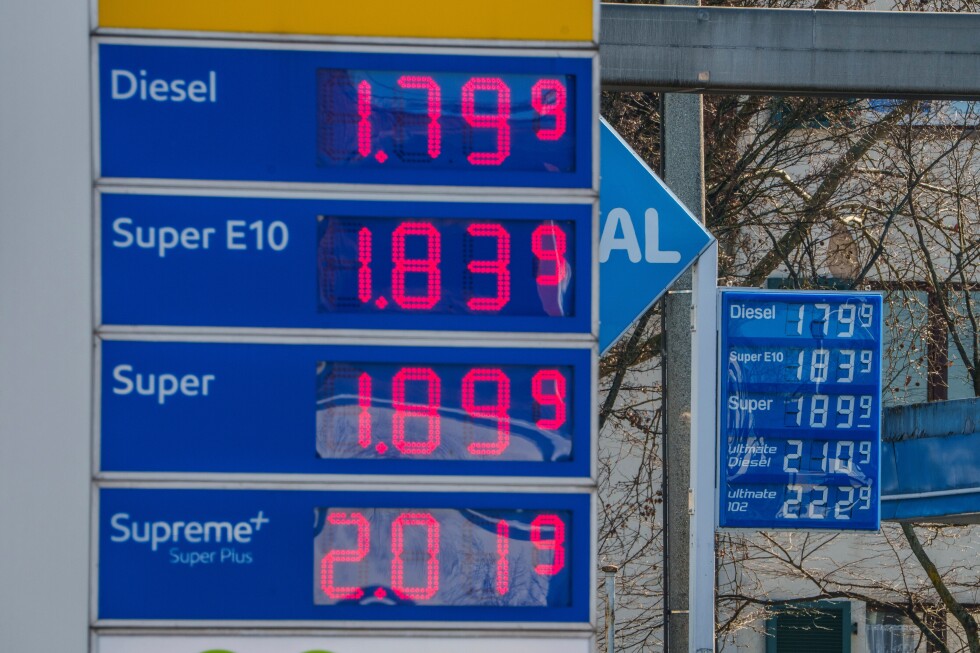
    Global energy markets experienced significant volatility Monday as escalating Middle East tensions triggered substantial disruptions to maritime traffic through the strategically vital Strait of Hormuz. Benchmark crude indices surged dramatically, with U.S. oil climbing 8% to $72.40 per barrel and international standard Brent crude rising 8.8% to $79.30 per barrel. The price movements came as satellite navigation systems experienced widespread interference and multiple vessels reported attacks in the region.

    The energy shock extended beyond oil markets, with European natural gas futures skyrocketing over 40% following QatarEnergy’s announcement that it would halt liquefied natural gas production due to the ongoing conflict. This development poses particular concern for European nations already grappling with energy security challenges following the reduction of Russian pipeline gas.

    Maritime authorities confirmed several security incidents, including a drone boat attack on a Marshall Islands-flagged tanker in the Gulf of Oman that resulted in one casualty. Simultaneously, Saudi defenses intercepted Iranian drones targeting the critical Ras Tanura oil refinery near Dammam, prompting precautionary shutdowns of facility operations.

    Market analysts emphasized the Strait of Hormuz’s indispensable role in global energy logistics, with approximately 20% of worldwide oil supply transiting through this narrow passage. Despite existing pipeline infrastructure that bypasses the strait, Saudi Arabia, Iraq, and the United Arab Emirates remain heavily dependent on tanker traffic for exporting their hydrocarbon production.

    The price surge arrives as U.S. consumers already face increasing gasoline costs, with the national average approaching $3 per gallon ahead of the summer driving season. Economists warn that sustained oil price increases could add 0.5 percentage points to European consumer prices, potentially complicating central banks’ inflation management strategies.

    Market observers suggest the current price spike incorporates substantial risk premium, with further escalation contingent on the conflict’s duration and potential expansion to additional energy infrastructure. The coming weeks will likely determine whether these price movements represent temporary volatility or the beginning of more persistent energy market disruption.

  • Britain says it’s not at war after a drone strikes its Akrotiri base in Cyprus

    Britain says it’s not at war after a drone strikes its Akrotiri base in Cyprus

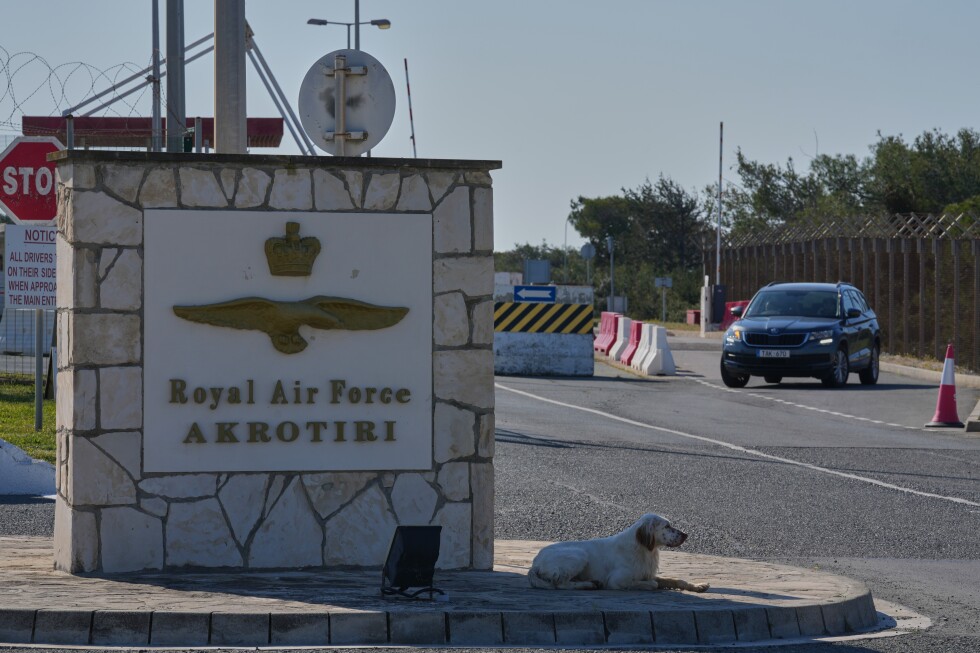
    CYPRUS — The British government has emphatically declared that the United Kingdom remains in a non-belligerent status despite escalating Middle East tensions, even as Royal Air Force installations in Cyprus faced direct drone attacks and Britain authorized American forces to utilize UK bases for regional operations.

    RAF Akrotiri, Britain’s pivotal Middle East operations hub, sustained a direct hit from an Iranian-manufactured drone late Sunday, marking the first time the Iran-Israel conflict has physically extended to European territory. While the strike resulted in no casualties and minimal infrastructure damage, it triggered renewed security alerts Monday as Typhoon and F-35 fighter jets scrambled in response to emerging threats.

    The Cypriot government confirmed intercepting two drones headed toward the island nation, while base authorities circulated emergency alerts instructing personnel to remain indoors away from windows. The attack represents the first significant assault on Akrotiri since Libyan militants targeted the facility in 1986.

    British leadership has walked a diplomatic tightrope, refusing to explicitly endorse U.S.-Israeli military actions against Iran while simultaneously permitting American forces to utilize UK bases for targeting Iranian missile launch sites. Prime Minister Keir Starmer emphasized that Britain’s bases cannot be used for strikes on political or economic targets within Iran, stating: ‘We are not joining these strikes, but we will continue with our defensive actions in the region.’

    The shadow of Iraq looms large over British decision-making, with the memory of the 2003 invasion that claimed 179 British lives and thousands of Iraqi and American casualties. Middle East Minister Hamish Falconer reiterated Britain’s defensive posture while acknowledging the necessity of countering Iranian ballistic threats: ‘Iran has ballistic missiles pointed at the Gulf and it is vital that those missile launchers are taken out.’

    Critics within the governing Labour Party, including MP John McDonnell, warn that Britain risks repeating the same trajectory that led to full involvement in Iraq: ‘We are being drawn in, just as we were in Iraq, following the U.S. into an incredibly dangerous situation.’

    The British military has reinforced Akrotiri with additional F-35s, advanced radar systems, and counter-drone technologies in recent weeks, while relocating military families to secure accommodations as tensions continue to mount.

  • Macron says France will allow temporary deployment of nuclear-armed jets to allied nations

    Macron says France will allow temporary deployment of nuclear-armed jets to allied nations

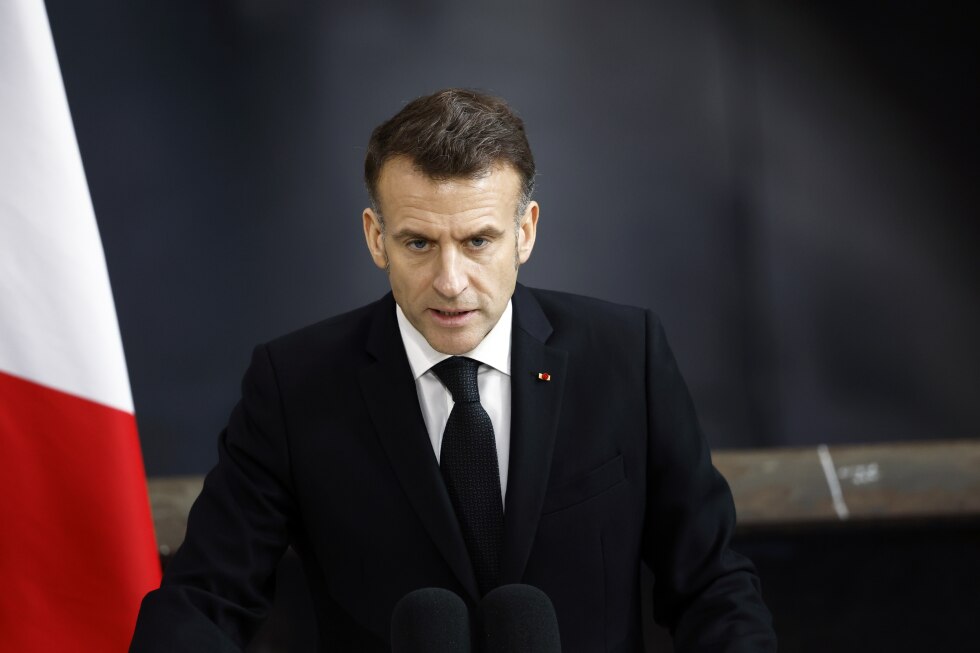
    In a significant shift in nuclear policy, French President Emmanuel Macron declared on Monday that France would permit the temporary stationing of its nuclear-capable aircraft at allied nations’ facilities. The announcement, made during a strategic address at the L’Ile Longue ballistic missile submarine base in northwestern France, marks a recalibration of Europe’s security architecture amid growing continental uncertainties.

    Macron emphasized that while elements of France’s strategic air forces might be deployed to partner nations, ultimate authority over nuclear weapon deployment would remain exclusively with the French presidency. This distinction maintains France’s sovereign control while extending deterrence capabilities to allies.

    The French leader confirmed ongoing discussions with multiple European partners including Britain, Germany, Poland, the Netherlands, Belgium, Greece, Sweden, and Denmark regarding these arrangements. In a parallel development, Macron revealed plans to expand France’s nuclear arsenal by increasing warhead numbers above the current level of approximately 300—the first such augmentation since at least 1992, though specific quantities remain unspecified.

    This doctrinal evolution responds to mounting European security concerns, particularly regarding the reliability of American nuclear guarantees under NATO’s umbrella policy. Macron’s speech positioned French nuclear capabilities as a stabilizing force within the European Union, where France remains the sole nuclear power since Britain’s EU departure.

    The president articulated the deterrence philosophy underpinning these changes: ‘My responsibility is to ensure that our deterrence maintains—and will maintain in the future—its assured destructive power. If we had to use our arsenal, no state, however powerful, could shield itself from it.’

    Several nations have already engaged with France’s year-old offer to discuss nuclear deterrence cooperation, including German Chancellor Friedrich Merz’s acknowledgment of preliminary talks regarding potential German aircraft carrying French nuclear ordnance. Additionally, France and Britain recently established a framework for coordinated though independent nuclear forces, reinforcing trans-European security coordination.

  • As Macron sets out his nuclear doctrine, a look at France’s capability by the numbers

    As Macron sets out his nuclear doctrine, a look at France’s capability by the numbers

    PARIS — In a significant address on Monday, French President Emmanuel Macron articulated France’s nuclear deterrence doctrine against a backdrop of mounting European anxieties regarding potential U.S. strategic disengagement and persistent Russian threats. As the European Union’s sole nuclear power, France maintains a strictly defensive posture designed to protect its fundamental interests, which Macron explicitly acknowledges now encompass a distinct “European dimension.

    While operating within NATO’s framework, France preserves complete autonomy over its nuclear arsenal, with constitutional authority for deployment resting solely with the president. The nation’s nuclear capabilities present a formidable deterrent force, characterized by both strategic depth and technological sophistication.

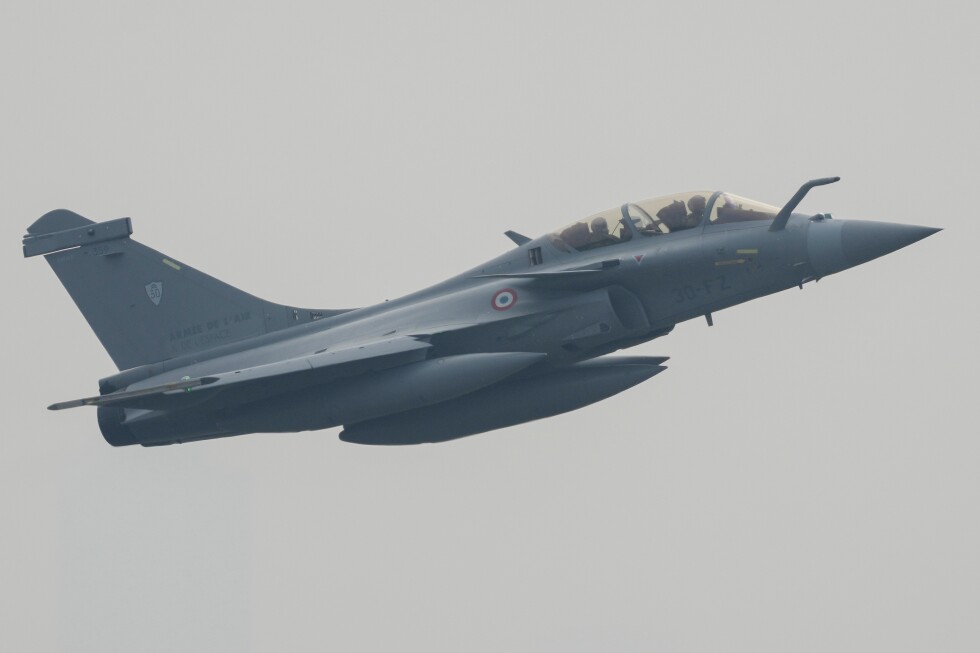
    France’s naval nuclear capacity centers on the aircraft carrier Charles de Gaulle, Europe’s only nuclear-capable surface warship. Currently operating in Northern European waters with recent port calls in Sweden, the carrier enables Rafale fighter jets to deploy nuclear weapons. However, due to extensive maintenance cycles, France does not maintain continuous sea-based air nuclear readiness. Macron has confirmed plans for a next-generation nuclear-powered carrier to replace the Charles de Gaulle by 2038.

    The underwater component of France’s nuclear triad consists of four ballistic missile submarines: Le Triomphant, Le Téméraire, Le Vigilant, and Le Terrible. Based at the highly secure Ile Longue facility on the Atlantic coast, these 138-meter vessels each carry 16 M51 intercontinental ballistic missiles with multiple warhead capability. Since 1972, at least one submarine has remained on continuous patrol, ensuring permanent strike capacity.

    France’s air-launched capability features the ASMPA cruise missile with an estimated 500-kilometer range, deployed by Rafale jets from both land bases and the Charles de Gaulle. This system serves as a final warning mechanism before potential escalation to full-scale nuclear conflict.

    The recently upgraded M51 submarine-launched missile boasts an estimated range of 8,000-10,000 kilometers with improved accuracy and countermeasure penetration capabilities. According to independent analyses by SIPRI and the Federation of American Scientists, France maintains approximately 290 nuclear warheads, positioning it as the world’s fourth-largest nuclear power behind Russia, the United States, and China. Over 80% of these warheads are submarine-deployed.

    This demonstration of French nuclear capability occurs amid heightened global non-proliferation concerns, particularly regarding Iran’s uranium enrichment activities and the ambiguous nuclear status of several nations outside the Non-Proliferation Treaty framework.

  • Silvana Armani honors a fashion dynasty with fluid, essential collection during Milan Fashion Week

    Silvana Armani honors a fashion dynasty with fluid, essential collection during Milan Fashion Week

    MILAN — The Giorgio Armani fashion house embarked on a transformative new chapter as Silvana Armani, niece of the late design legend, presented her inaugural signature collection during Milan Fashion Week’s closing show. This historic presentation marked the first runway showcase without direct creative input from founder Giorgio Armani, who passed away on September 4 at age 91.

    Actor Andie MacDowell, 67, graced the front row wearing a sophisticated dark Armani suit adorned with three-dimensional rose detailing. “Representing women of a certain age is profoundly important to me,” MacDowell stated. “This demonstration of our enduring power, strength, and appreciation for beauty resonates deeply. This suit feels personally crafted for me—elegant and empowering.”

    The Fall/Winter collection embodied the house’s essential philosophy through fluid, contemporary silhouettes. Opening ensembles featured urban slate gray tones, softened by silk blouses with delicate foulard neck detailing. Burgundy belts provided structural definition while scoop-neck knitwear maintained sartorial discipline. Notably, the collection included no jewelry except for Cancer zodiac pins—a subtle tribute to Giorgio Armani’s birth sign.

    Silvana Armani established tailored jackets as the collection’s foundation, presenting quilted Japanese-inspired designs and vibrant shearling coats. These were paired with fluid trousers featuring side pleats for volumetric interest. Winter white trousers combined with high-neck silk blouses and technical anoraks suggested dynamic sophistication, complemented by cozy knitwear, cross-body bags, and tinted eyewear.

    The palette evolved into rich burgundy and midnight blue—positioned as the new chromatic neutrals. Velvet ensembles with beaded embroidery offered luxurious comfort, while eveningwear featured iridescent corsets designed with deliberate spatial awareness. Practical cross-body satchels accompanied even the most formal looks, suggesting the modern Armani woman’s active lifestyle.

    Post-show, Silvana Armani revealed her personal connection to the designs: “Working with fluidity and simplicity felt inherently natural—it reflects my personal aesthetic.” Mirroring her uncle’s tradition, she took her bow in a navy sweater and trousers ensemble.

    This presentation followed Thursday’s Emporio Armani co-ed collection, where Silvana collaborated with Leo Dell’Orco as creative successors. The Armani Theater transformed into a musical conservatory setting with wooden flooring, blending British formality with Italian sensibility through tailcoats, waistcoats, and contemporary denim interpretations. The show culminated in a striking finale of starched white shirts and impeccable black tie, earning sustained applause for the creative partnership.

    Olympic medalists from Team Italia occupied front-row seats, showcasing EA7 Emporio Armani performance athleticwear designed for the upcoming Winter Games.

  • Fog forces cancelation of men’s World Cup super-G in Germany. Race will be rescheduled in France

    Fog forces cancelation of men’s World Cup super-G in Germany. Race will be rescheduled in France

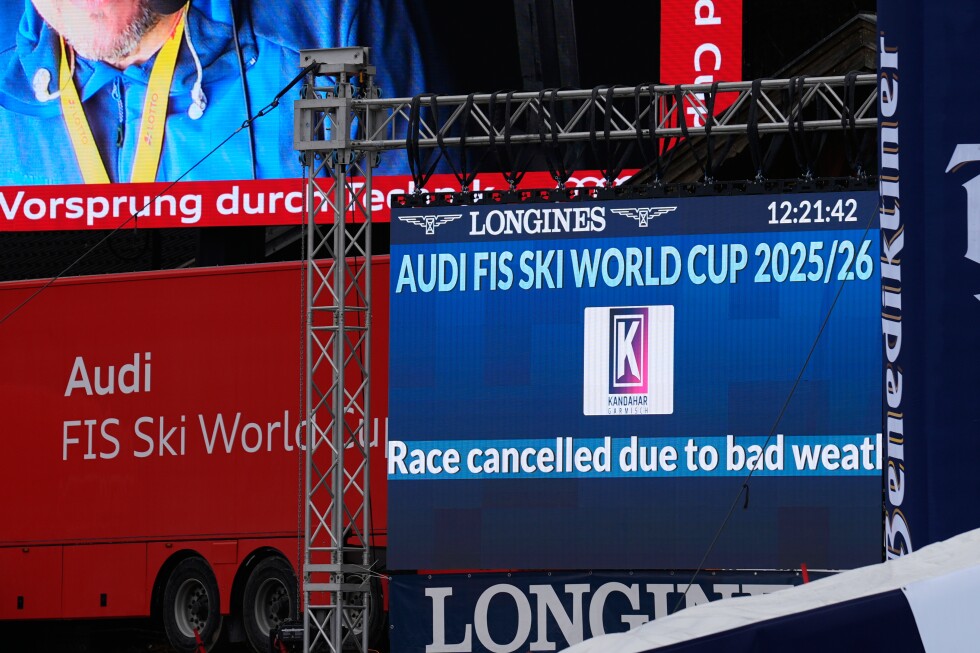
    GARMISCH-PARTENKIRCHEN, Germany — Adverse weather conditions led to the abandonment of the first men’s World Cup super-G event following the Milan Cortina Winter Olympics this Sunday. Dense fog enveloping the upper section of the renowned Kandahar course severely compromised visibility, rendering competition unsafe despite repeated efforts by organizers.

    The International Ski & Snowboard Federation (FIS) announced the official cancellation after multiple delays and attempts to adjust the start gate position failed to mitigate the challenging atmospheric conditions. ‘Due to the present weather situation with limited visibility from the fog,’ the federation stated, the decision was made to prioritize athlete safety.

    In response to the cancellation, FIS men’s race director Markus Waldner confirmed via Austrian television that the event will be rescheduled for March 13th in Courchevel, France. This venue will host the final weekend of speed races preceding the World Cup Finals scheduled in Norway the subsequent week.

    The cancellation leaves the super-G season standings with Swiss skier Marco Odermatt maintaining a substantial advantage. Odermatt currently commands the discipline with 425 points, establishing a formidable 158-point lead over his closest competitor, Austria’s Vincent Kriechmayr, who trails with 267 points. Three super-G events remain in the season.

    The World Cup circuit now progresses to Kranjska Gora, Slovenia, where athletes will compete in technical events including a slalom and giant slalom next weekend.

  • US wins the Sydney leg of Sail GP, showing its class in light winds

    US wins the Sydney leg of Sail GP, showing its class in light winds

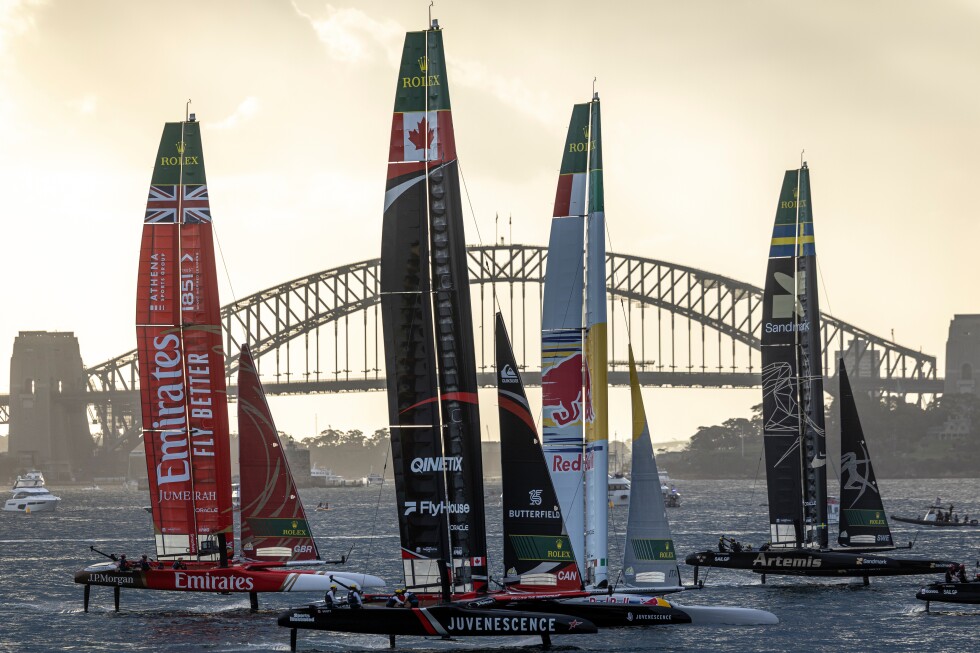
    SYDNEY — The United States SailGP Team delivered a masterclass in light-wind sailing tactics to claim victory in the Sydney leg of the global championship series on Sunday. In a dramatic three-boat final against Great Britain and Spain, the American team demonstrated exceptional boat handling and strategic positioning to secure their first event win since the fourth season.

    The final race unfolded in challenging conditions with winds ranging between 8-15 knots (9-17 mph). American driver Taylor Canfield executed a perfect start from the favored upper end of the line, immediately establishing competitive advantage. Though Britain crossed the starting line marginally ahead, the U.S. vessel demonstrated superior speed and optimal sailing angles to overtake their rivals.

    At the first mark, Britain maintained a narrow lead, but the Americans quickly leveraged their foiling catamaran’s performance capabilities to establish a dominant position they would maintain throughout the remainder of the race. When the British team attempted to split from the course in search of favorable wind conditions on the second leg, their tactical gamble failed to produce results, allowing the U.S. team to consolidate their lead.

    The victory marked a significant milestone for the American team, ending a two-season win drought dating back to the Cádiz event in Season 4. Despite achieving a peak speed of approximately 41 knots during competition, the team maintained foiling flight for only 22% of the final race duration.

    The Sydney event proceeded with a reduced fleet of 11 vessels following a serious collision during the previous Auckland competition that sidelined both the French and New Zealand teams. That incident resulted in hospitalizations, with New Zealand sailor Louis Sinclair sustaining compound fractures to both legs and French strategist Manon Audinet suffering chest injuries.

    SailGP competition features identical 50-foot foiling catamarans capable of reaching speeds approaching 100 km/h (60 mph), as demonstrated in the high-wind Auckland conditions. Britain had previously won the season opener in Perth, Australia, while the home-team Flying Roos claimed victory in Auckland.

    Following three events in the sixth season championship, Great Britain maintains the overall series lead with 29 points, followed by Australia with 25 points and the United States with 20 points.

  • Dudley MP delivers physiotherapy help to Ukraine

    Dudley MP delivers physiotherapy help to Ukraine

    In an unprecedented humanitarian initiative, British Member of Parliament Sonia Kumar has spearheaded a specialized physiotherapy training program for Ukrainian medical professionals confronting the devastating aftermath of ongoing conflict. The Labour representative for Dudley, who maintains her clinical practice as an NHS physiotherapist alongside parliamentary duties, organized the pioneering mission following an emotionally impactful visit to Ukraine in September 2024.

    The delegation, which included Anju Jaggi (Clinical Director of Therapies at the Royal National Orthopaedic Hospital) and physiotherapist Tanisha Sandhu, conducted intensive training sessions at Kyiv’s Institute of Vertebrology and Rehabilitation. Their collaboration with the Patients of Ukraine Charitable Foundation addressed the critical shortage of rehabilitation expertise in a nation where official figures acknowledge 55,000 military fatalities with actual casualty estimates potentially reaching 200,000.

    Kumar described the complex medical landscape facing Ukrainian clinicians, noting that while some injuries mirror those seen in UK practice, the battlefield context creates unique challenges. “When an ankle injury balloons up in combat, how do you manage that rapidly to return someone to duty?” she questioned, highlighting the practical realities of front-line medicine.

    The training program equipped 25 clinicians with advanced techniques for addressing severe trauma cases, including neurological deficits, limb amputations, and complex spinal injuries. Sandhu observed that the injuries being treated “are incredibly complex” and emphasized that sharing techniques “that improve recovery or reduce pain can make a huge difference to someone’s life.”

    Ukrainian Deputy Health Minister Yevheniy Honchar formally acknowledged the mission’s significance, stating that “rehabilitation is really our key priority because we have huge demand in Ukraine because of the war.” He expressed particular appreciation for the knowledge transfer from “well recognized experts from Great Britain.”

    Beyond physical rehabilitation, Kumar identified mental health support as equally crucial, noting that Ukrainian healthcare professionals specifically requested practical skills and partnerships rather than sympathy. She characterized the collaboration as “what international cooperation looks like at its best” and expressed hope that this mission would establish lasting professional bridges between British and Ukrainian medical teams, proving that “even in the shadow of war, collaboration like this can help rebuild lives.”

  • Middle East airports closed and thousands of travelers stranded after attack on Iran

    Middle East airports closed and thousands of travelers stranded after attack on Iran

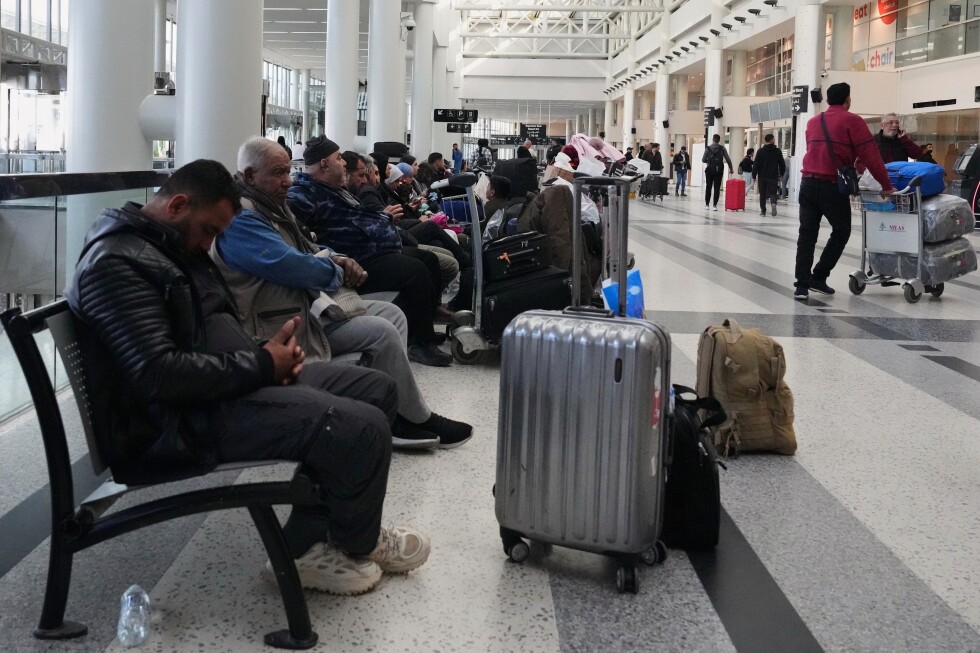
    A severe aviation crisis has gripped the Middle East following military strikes by the United States and Israel against Iranian targets, triggering unprecedented regional airspace closures that have stranded hundreds of thousands of travelers worldwide.

    The coordinated offensive, launched Saturday, prompted immediate shutdowns of airspace across Iran, Israel, Qatar, Syria, Iraq, Kuwait, and Bahrain. The United Arab Emirates implemented a partial airspace closure while Dubai’s Emirates Airlines suspended all operations until at least Sunday afternoon. Qatar Airways extended its closure through Monday morning, creating massive disruptions at three of the world’s busiest aviation hubs in Dubai, Abu Dhabi, and Doha.

    According to aviation analytics firm Cirium, these airports typically handle approximately 90,000 daily passengers through Emirates, Qatar Airways, and Etihad. The conflict has resulted in the cancellation of over 1,800 flights, with major carriers including Air India, Turkish Airlines, Lufthansa, and Air France suspending regional operations through the weekend.

    The aviation chaos extended beyond cancellations as at least 145 aircraft en route to Middle Eastern destinations were diverted to alternative airports in Athens, Istanbul, and Rome. One transatlantic flight from Philadelphia spent nearly 15 hours airborne before returning to its origin point after reaching Spanish airspace.

    Aviation experts warn travelers to expect prolonged disruptions. ‘There’s no way to sugarcoat this,’ said Henry Harteveldt, president of Atmosphere Research Group. ‘Prepare for delays or cancellations for the next few days as these attacks evolve.’

    The crisis has also produced tragic consequences on the ground. Dubai International Airport reported four injuries from attacks, while Abu Dhabi’s Zayed International Airport confirmed one fatality and seven injuries from a drone strike. Kuwait International Airport also experienced strikes, though Iran hasn’t publicly claimed responsibility for these specific incidents.

    Airlines now face substantial operational challenges, having to reroute flights south over Saudi Arabia—adding hours to travel time and significantly increasing fuel consumption. These added costs may quickly translate to higher ticket prices if the conflict persists.

    Mike McCormick, former FAA air traffic control official and current Embry-Riddle Aeronautical University professor, suggested partial airspace reopenings might occur within 24-36 hours as military operations become more defined and Iran’s missile capabilities diminish. However, the situation remains highly volatile, with the previous June 2025 conflict between Israel and Iran having lasted 12 days.

    Travelers like Jonathan Escott, whose Emirates flight from Newcastle to Dubai was canceled, expressed widespread frustration: ‘No one knows what’s going on with the conflict. Not Emirates, Emirates don’t have a clue. No one has a clue.’

    With India’s civil aviation agency designating most Middle Eastern airspace as high-risk and numerous airlines suspending operations indefinitely, aviation authorities recommend passengers verify flight statuses directly with carriers and explore flexible rebooking options during this unprecedented regional aviation crisis.