标签: Europe

欧洲

  • Trump lashes out at Spain, says he is ‘going to cut off all trade’

    Trump lashes out at Spain, says he is ‘going to cut off all trade’

    President Donald Trump has issued a severe economic threat against Spain, declaring his intention to sever all trade relations with the European nation. The extraordinary declaration follows a diplomatic confrontation regarding U.S. military access to Spanish bases during recent operations targeting Iran.

    The escalation began when Spanish authorities reportedly denied American forces permission to utilize strategic military installations on Spanish territory. These bases, particularly Rota Naval Station which hosts U.S. Aegis missile defense systems, play significant roles in American military operations in the Mediterranean and Middle Eastern theaters.

    Trump’s retaliatory threat represents one of the most direct economic challenges to a NATO ally in recent history. Spain currently maintains substantial trade relationships with the United States, with bilateral trade exceeding $40 billion annually across automotive, agricultural, and technology sectors. A complete trade termination would disrupt global supply chains and impact both economies significantly.

    The Spanish government has maintained that its decision reflects sovereign foreign policy considerations and commitment to international law. This incident highlights growing tensions within traditional alliances as the Trump administration continues its assertive approach to international relations, prioritizing unilateral action over multilateral cooperation.

  • New charges for son of Norway’s crown princess on trial for rape

    New charges for son of Norway’s crown princess on trial for rape

    The ongoing trial of Marius Borg Høiby, son of Norway’s Crown Princess Mette-Marit, has taken a significant turn as prosecutors filed additional charges against him. The 29-year-old now confronts a total of 40 criminal charges, including reckless behavior and violation of a restraining order, adding to the serious rape allegations that initially prompted the legal proceedings.

    Høiby’s arrest occurred abruptly on the eve of his trial in early February, following allegations of threats and violence against a woman at his Oslo residence. Authorities maintained him in custody throughout the initial four-week phase of the judicial process. While some accusations involving physical harm and knife threats have been withdrawn, the defendant has acknowledged engaging in reckless conduct and breaching a court-issued restraining order.

    The most severe allegations involve four distinct rape charges, all concerning situations where the accuser was either unconscious or physically incapacitated following consensual intercourse. Høiby maintains his innocence regarding these particular accusations while admitting to certain lesser offenses among the comprehensive list of charges.

    Notably, the recent charges pertain to a woman from Oslo’s affluent Frogner district, whom Høiby was legally prohibited from contacting. He had previously confessed to violating the restraining order concerning this individual when the trial commenced and partially acknowledges additional allegations dating back to 2024.

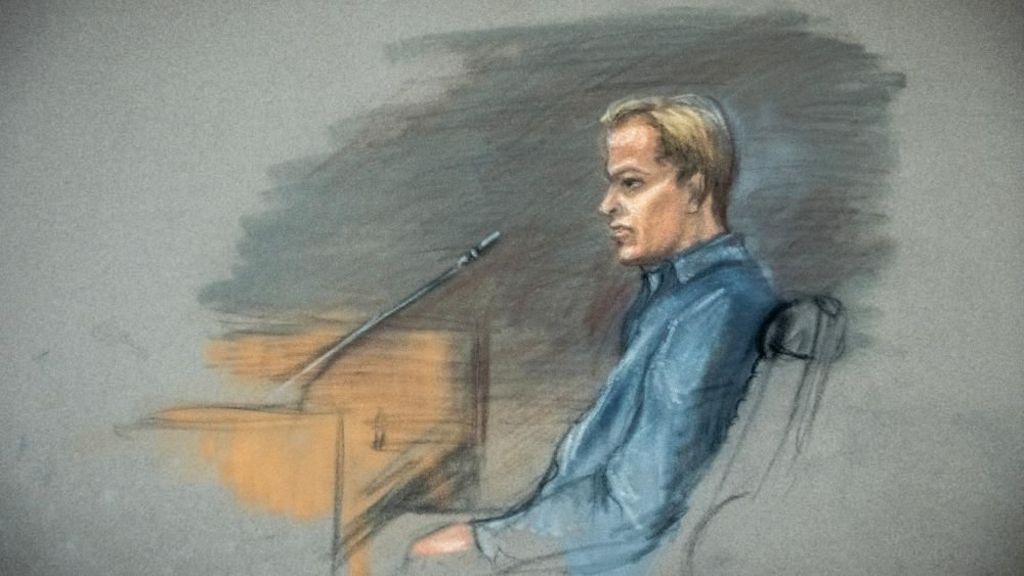
    The judicial proceedings, now in their seventeenth day at Oslo District Court, operate under stringent media restrictions that forbid any photographic documentation of either the defendant or the four women allegedly involved in the rape cases. The sole identifiable complainant is Nora Haukland, a social media influencer with substantial online following, who testified about experiencing physical abuse including kicking, punching, and choking during their 2022-2023 relationship.

    The courtroom recently reviewed an audio recording featuring Høiby verbally assaulting Ms. Haukland during a heated argument. Defense representatives contest these characterizations, asserting that the former girlfriend never existed within an ‘atmosphere of fear.’ Counter-testimony from Haukland’s previous partners presented conflicting perspectives, with one describing an amicable separation and another acknowledging a tumultuous relationship dynamic.

    State prosecutor Sturla Henriksbø clarified that adding charges mid-trial, though uncommon, remains permissible when defendants admit to offenses. Conviction on the most serious charges could result in a minimum ten-year prison sentence, with reckless behavior alone carrying a potential two-year incarceration period.

  • Cyprus becomes embroiled in another Middle Eastern maelstrom with UK military bases on its soil

    Cyprus becomes embroiled in another Middle Eastern maelstrom with UK military bases on its soil

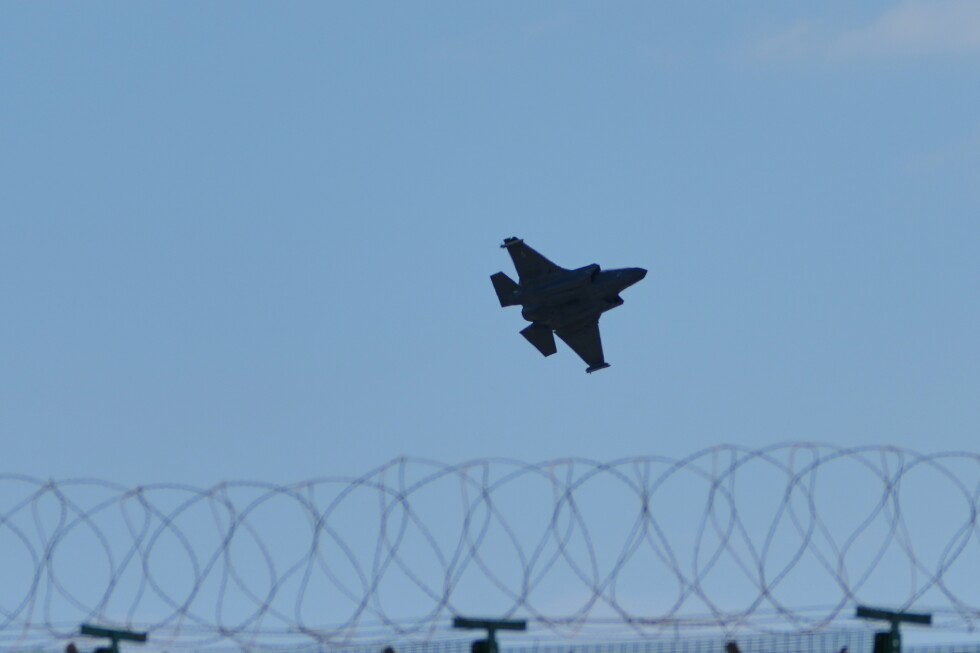
    NICOSIA, Cyprus — The recent drone assault on a British military installation in Cyprus has thrust the Mediterranean island nation into the escalating Middle Eastern conflict, highlighting its precarious geopolitical positioning. Early Monday, a Shahed drone penetrated sophisticated radar defenses at RAF Akrotiri, prompting the deployment of Typhoon and F-35 fighter jets. Although the strike caused minimal structural damage and no casualties, it marked the first foreign attack on Cypriot territory since Turkey’s 1974 invasion.

    A subsequent drone interception hours later confirmed the deliberate nature of these incursions. While no entity has claimed responsibility, security analysts attribute the attacks to Iranian-backed Hezbollah forces in Lebanon. British officials maintain the timing preceded Prime Minister Keir Starmer’s authorization of U.S. operations from Cypriot bases, though the distinction appears largely academic given the base’s historical role in regional conflicts.

    The Akrotiri base, spanning 255 square kilometers, represents Britain’s most significant military foothold in the Eastern Mediterranean. Its strategic value was demonstrated during the 2003 Iraq invasion and continues through U-2 spy plane operations monitoring Middle Eastern activities.

    Cyprus’s current administration under President Nikos Christodoulides has markedly shifted from the nation’s traditional neutrality. The U.S.-educated leader has positioned Cyprus as a bridge between the EU and Middle East while strengthening ties with Israel, Lebanon, and Gulf states. Despite this alignment, government officials emphatically deny direct participation in military actions.

    In response to the security breach, Greece deployed four F-16s and two advanced frigates, while France committed additional naval support and anti-drone systems. Germany and Britain are similarly reinforcing Cyprus’s defenses with warships and helicopter units.

    Anna Koukkides-Procopiou of Politeia think tank observed that Cyprus’s strategic choices have inevitable consequences: ‘We’ve chosen sides and we have to face the music now.’ The enduring presence of British military installations continues to complicate Cyprus’s foreign policy autonomy, serving as both strategic asset and geopolitical vulnerability in a perpetually volatile region.

  • Inside Macron’s new deterrence strategy: 8 European allies, 1 French nuclear button

    Inside Macron’s new deterrence strategy: 8 European allies, 1 French nuclear button

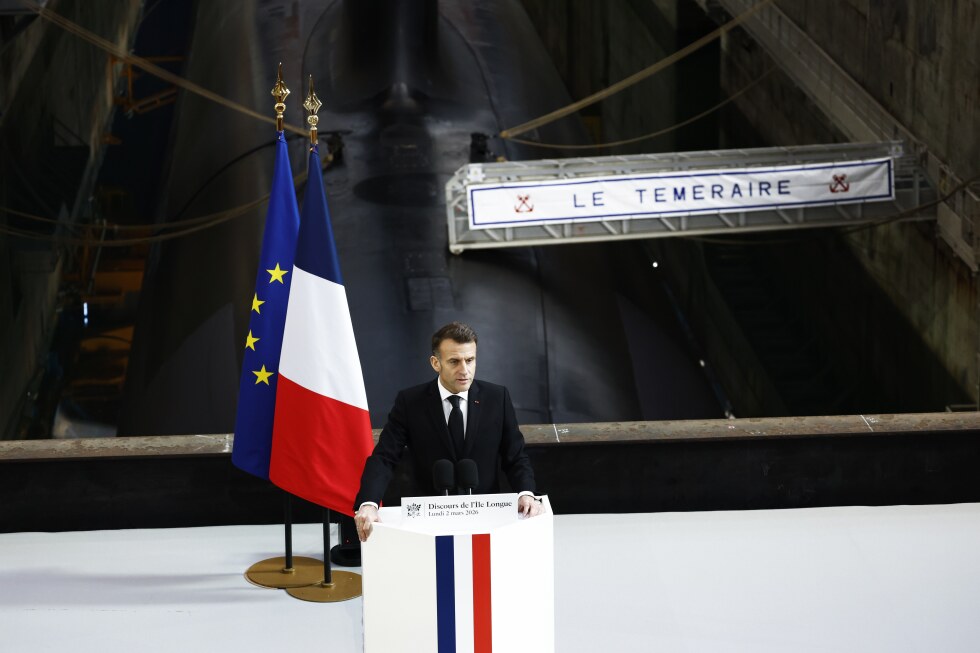
    In a landmark strategic shift, French President Emmanuel Macron has unveiled plans for enhanced nuclear deterrence coordination with European allies while maintaining France’s sovereign authority over launch decisions. Speaking from a classified submarine base in Western France, Macron articulated a vision for ‘forward deterrence’ that marks a significant evolution in continental security architecture.

    The initiative emerges against a backdrop of growing European skepticism regarding American defense commitments and heightened tensions with nuclear-armed Russia. As the European Union’s sole nuclear power since Brexit, France has initiated consultations with eight nations—Britain, Germany, Poland, Netherlands, Belgium, Greece, Sweden, and Denmark—to establish a collaborative security framework.

    Macron’s proposal includes the unprecedented option for temporary deployment of French nuclear-armed aircraft to allied territories and joint participation in deterrence exercises. The president emphasized that while European partners would gain ‘a clearly affirmed link’ to French nuclear capabilities, constitutional authority for any weapons deployment remains exclusively with the French presidency.

    Nuclear experts identify inherent complexities in this approach. Florian Galleri of MIT’s security studies program notes the fundamental contradiction between offering nuclear guarantees while avoiding joint decision-making: ‘Strategic backing intended to integrate French nuclear deterrence into collective European defense necessarily requires coordination and joint planning.’

    The new doctrine also addresses evolving threats through force modernization. Macron announced plans to increase France’s nuclear warhead inventory for the first time since the Cold War’s conclusion, responding to advancements in adversary defenses and regional proliferation risks. France currently maintains an estimated 290 warheads.

    Significantly, Macron positioned the initiative as complementary to NATO’s existing nuclear mission, which France does not participate in directly. Ian Lesser of the German Marshall Fund observed that the proposal reflects Europe’s transformed security environment following Russia’s invasion of Ukraine and uncertainties about America’s commitment.

    The French approach envisions integrating European conventional capabilities—including early warning systems, satellite surveillance, missile tracking, and air defense networks—to support nuclear deterrence operations. This reimagined European security framework represents Macron’s continued advocacy for strategic autonomy while acknowledging NATO’s enduring role in continental defense.

  • Shane Lowry has no choice but to pick himself up and move on after PGA National collapse

    Shane Lowry has no choice but to pick himself up and move on after PGA National collapse

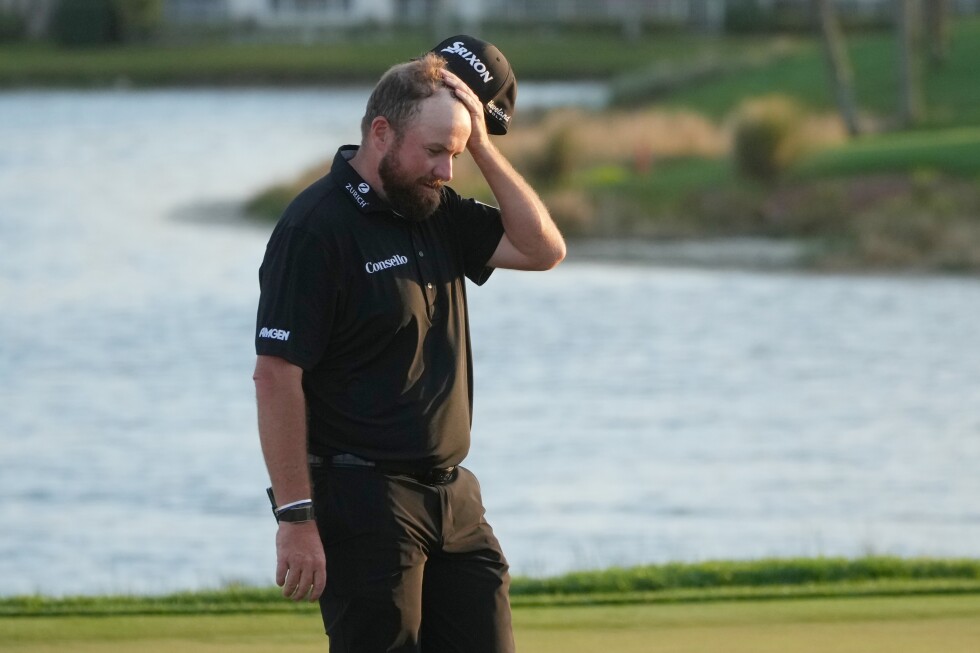
    In a stunning reversal of fortune at PGA National, Irish golfer Shane Lowry experienced one of the most devastating collapses in recent tournament history during the final round of the Cognizant Classic. The 2019 Open Champion held a commanding position with victory seemingly assured until a catastrophic sequence on the 16th and 17th holes transformed certain triumph into heartbreaking defeat.

    Lowry’s personal motivation centered around creating a special moment for his 4-year-old daughter Ivy, envisioning her ‘ginger hair running down the 18th green’ to celebrate what would have been her first time witnessing her father’s victory. This poignant family narrative made the subsequent collapse particularly emotional for spectators and players alike.

    The dramatic turnaround began when Lowry’s 3-iron approach on the 16th found water, resulting in a double bogey that narrowed his lead to a single stroke. The situation deteriorated further when opponent Nico Echavarria birdied the par-3 17th to draw level. Lowry’s response—a perfectly calculated 7-iron chip that should have secured advantage—instead found water, producing another double bogey and completing a five-shot swing across two holes.

    This collapse joins golf’s extensive history of dramatic reversals, including Scott Hoch’s missed 30-inch putt at the 1989 Masters and Mike Reid’s three-shot lead evaporation during the same year’s PGA Championship. Lowry himself referenced his recent Ryder Cup heroics—where he birdied three of the final four holes to secure Europe’s victory—highlighting the sport’s extreme emotional whiplash between triumphant highs and devastating lows.

    Golf legend Jim Furyk’s observation that ‘losing always hurts worse than winning feels good’ perfectly encapsulates the emotional reality facing professionals. Lowry’s response demonstrated professional resilience as he immediately looked toward his next tournament appearance at Bay Hill, acknowledging golf’s unpredictable nature while committing to move forward despite the disappointment.

  • Russia bans a prominent LGBTQ+ rights group as extremist in a new blow to the beleaguered community

    Russia bans a prominent LGBTQ+ rights group as extremist in a new blow to the beleaguered community

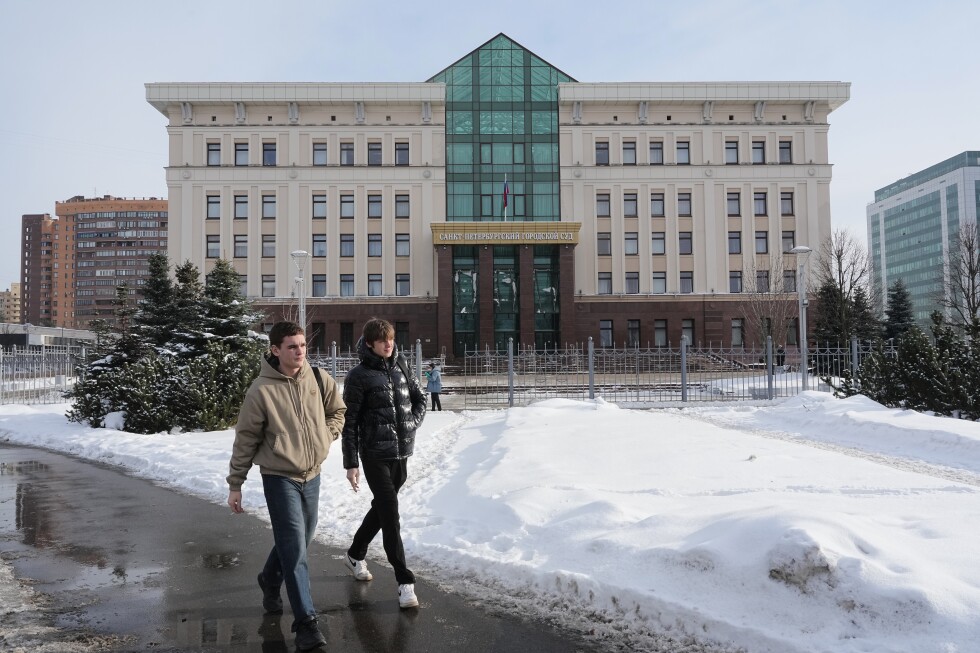
    A Russian court has formally designated the prominent LGBTQ+ rights organization Coming Out as an extremist group, marking another significant escalation in the Kremlin’s systematic suppression of sexual and gender minorities. The St. Petersburg City Court reached this verdict during a closed-door hearing on Tuesday, with details of the Justice Ministry’s lawsuit remaining classified as secret.

    This ruling represents the first application of Russia’s 2023 Supreme Court decision that effectively outlawed all LGBTQ+ activism by labeling the ‘international LGBT movement’ as extremist. The designation creates legal vulnerability for anyone associated with the group, potentially leading to criminal prosecution and imprisonment.

    Despite operating from abroad since Russia’s full-scale invasion of Ukraine, Coming Out has vowed to continue providing support to LGBTQ+ individuals both within Russia and internationally. The organization emphasized its long-term preparation for this development, having enhanced security protocols and developed sustainable remote working methods to ensure continued operation.

    The crackdown on LGBTQ+ rights has intensified dramatically under President Vladimir Putin, who has framed his Ukraine invasion as a defensive measure against Western values that he claims threaten Russia’s traditional family structure. Since the war began, Russia has implemented sweeping bans on any positive or neutral depiction of LGBTQ+ relationships, prohibited gender-affirming medical care, and banned legal gender recognition.

    Similar lawsuits are pending against two other LGBTQ+ rights organizations in St. Petersburg and the Samara region, indicating a coordinated nationwide effort to eliminate LGBTQ+ advocacy. The extremist designation creates practical barriers to support, making it dangerous for Russians to share the group’s content or provide financial assistance, while also potentially frightening those in need from seeking help.

    Despite these challenges, Coming Out continues to provide remote psychological and legal support while collaborating with international organizations to advocate for LGBTQ+ rights and assist those fleeing the country. The organization’s leadership acknowledges the increased risks but remains committed to their mission, emphasizing that community solidarity remains stronger than government-imposed labels.

  • UK considers sending Royal Navy warship to Cyprus

    UK considers sending Royal Navy warship to Cyprus

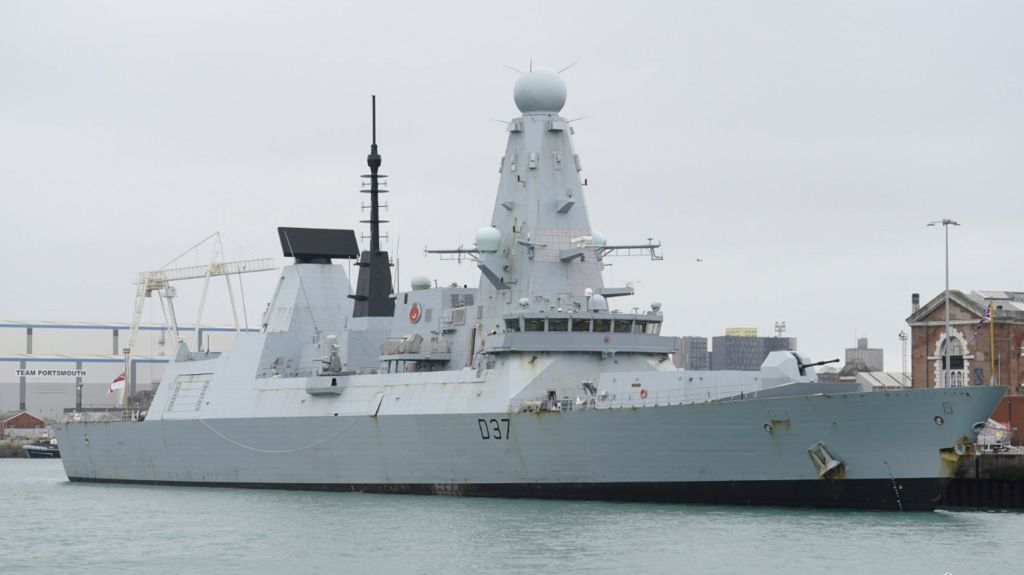
    The British government is actively contemplating the deployment of Royal Navy’s HMS Duncan, a Type 45 Destroyer, to the Mediterranean Sea following heightened security concerns around RAF Akrotiri in Cyprus. This consideration emerges in response to increasing regional instability and recent drone incursions that targeted the British airbase.

    Defense authorities confirm that while no final decision has been formalized, HMS Duncan is undergoing preparatory measures for potential deployment. The Type 45 Destroyer represents one of the Royal Navy’s most technologically sophisticated warships, equipped with advanced air defense capabilities that could significantly enhance the protective perimeter around the Cyprus installation.

    This strategic evaluation follows direct criticism from Cypriot officials regarding inadequate air defense coverage as Middle East conflicts continue to escalate. The urgency was underscored when a drone struck RAF Akrotiri’s runway, though Ministry of Defence reports characterized the damage as minimal.

    Currently, the Royal Navy maintains no major warship presence in the Mediterranean theater. Of Britain’s six Type 45 Destroyers, three remain in various readiness stages while the others undergo maintenance procedures. The potential deployment signals a recalibration of Britain’s defensive posture in the region.

    The discussion of naval reinforcement coincides with France’s announced plans to relocate air defense systems to Cyprus, highlighting multinational concerns about regional stability. French military representatives confirmed their armed forces are adjusting regional deployments in coordination with defense partners, though UK officials declined to comment specifically on allied nations’ military movements.

    Prime Minister’s spokespersons emphasized that Britain has already committed substantial defensive resources to Cyprus, including radar systems, air defense technologies, and F-35 fighter jets. However, questions persist regarding the adequacy of existing protections against evolving threats.

    HMS Duncan recently completed intensive training exercises off the Welsh coast, successfully countering simulated swarm drone attacks and virtual missile threats exceeding 200 mph. These drills demonstrate the vessel’s preparedness for contemporary naval challenges, should deployment orders be issued.

  • Mafia boss behind notorious murders in Italy dies behind bars in Milan

    Mafia boss behind notorious murders in Italy dies behind bars in Milan

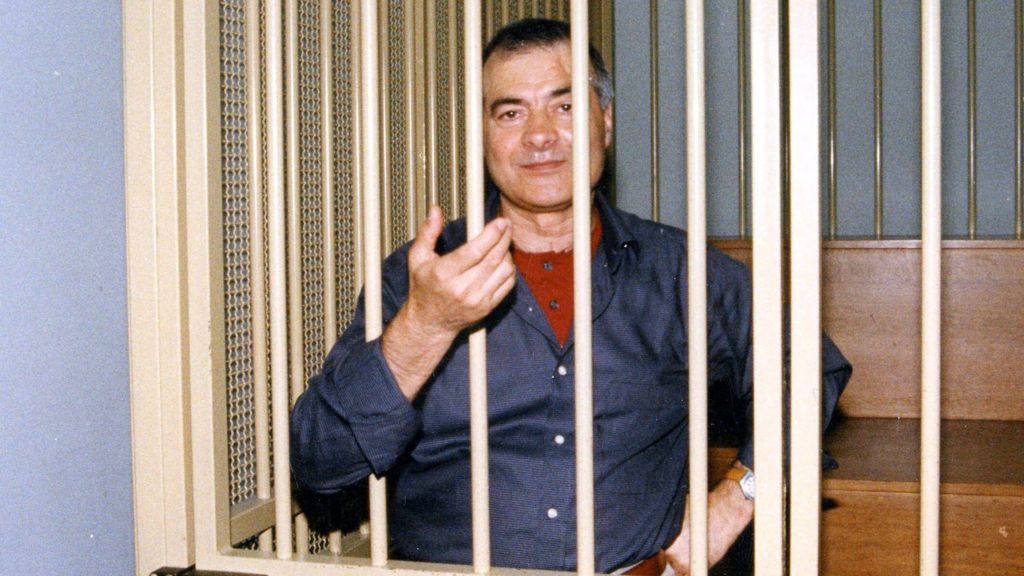
    Benedetto Santapaola, one of Italy’s most feared Mafia leaders known as “il cacciatore” (the hunter), has died at age 87 while serving a life sentence in Milan’s San Paolo hospital prison ward. The notorious crime boss spent over three decades incarcerated under Italy’s strictest security measures following his 1993 capture.

    Santapaola rose through the ranks of Sicily’s Cosa Nostra during the 1970s, establishing himself as a dominant figure in Catania’s criminal underworld. His criminal legacy includes convictions for orchestrating numerous high-profile assassinations, most notably the 1992 Capaci massacre that killed anti-Mafia prosecutor Giovanni Falcone, his wife, and three police officers. Weeks later, he engineered the murder of another prominent judge, Paolo Borsellino, along with his security detail.

    The mobster was ultimately convicted in 2006 for his role in both bombings that shocked the nation and triggered sweeping legal reforms. Earlier convictions included the 1984 murder of journalist Pippo Fava and the killing of rival mobster Alfio Ferlito alongside three officers during a prison transfer in 1982.

    Santapaola spent his final years under Article 41bis, a special prison regime created specifically to isolate Mafia bosses following the 1992 judicial killings. The stringent measures were designed to prevent incarcerated criminals from directing external operations. Despite multiple investigations, authorities never definit established who ordered the fatal bombings that claimed Falcone and Borsellino’s lives.

    His death marks the end of an era for Italian organized crime, closing a chapter on one of the country’s most brutal Mafia careers that exemplified the violent clash between the state and Sicilian organized crime syndicates.

  • Gasoline and diesel prices spike overnight as anxious drivers fill up tanks

    Gasoline and diesel prices spike overnight as anxious drivers fill up tanks

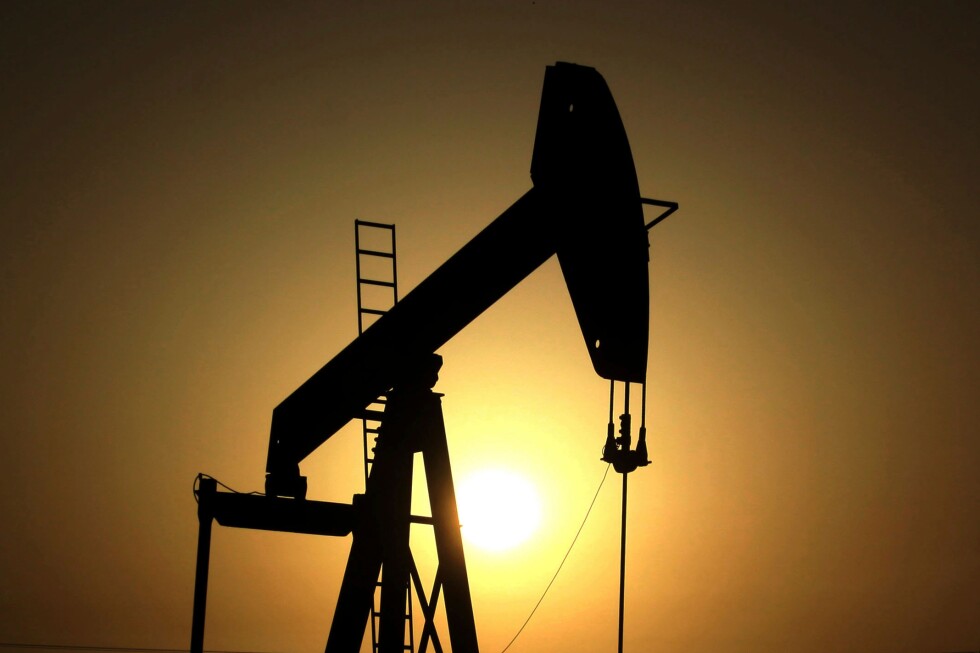
    A severe energy crisis is unfolding worldwide as escalating Middle East hostilities trigger dramatic spikes in fuel prices and widespread supply chain disruptions. The conflict has effectively paralyzed critical oil shipments through the Strait of Hormuz, the vital maritime passage handling approximately 20% of globally traded oil, sending shockwaves through international markets.

    In the United States, motorists experienced an abrupt 11-cent overnight surge in gasoline prices, pushing the national average to $3.11 per gallon according to AAA data. This increase compounds existing seasonal price pressures as refineries transition to more expensive summer-grade fuel blends designed to reduce evaporation in warmer temperatures.

    Europe faces particularly acute challenges, with diesel prices skyrocketing 27% since Friday—an increase of approximately 62 cents per gallon. Lengthy queues formed at French filling stations where diesel reached approximately €1.846 per liter (equivalent to $7 per gallon), as consumers rushed to secure diminishing supplies.

    Energy analysts warn the situation may deteriorate further depending on conflict duration. ‘The worst impacts are currently concentrated in Europe due to its status as a net importer,’ explained Susan Bell of Rystad Energy. ‘Europe’s already constrained diesel supply has experienced substantial price increases.’

    The price surge immediately affected American consumers like Anne Dulske of Jackson, Mississippi, who paid $15 more than usual to fill her tank. ‘It’s going to affect everything in our lives,’ she remarked. ‘It’s very scary, and it hits closer to home than people think.’

    Despite the U.S. being a net oil exporter, consumers remain vulnerable to global market fluctuations. Patrick DeHaan of GasBuddy noted that while further increases are likely, prices reaching $4 per gallon remain ‘quite improbable based on current developments.’

    Regional disparities are emerging, with import-dependent states experiencing more severe impacts. California faces particular vulnerability as it relies on refined fuel imports from South Korea, China, and occasionally the Middle East. ‘We have an energy security problem in California. It’s not looking good for us,’ stated USC’s Shon Hiatt, noting that constrained Middle Eastern supplies could prompt China to prioritize domestic needs over exports.

    The crisis intensified as benchmark U.S. crude jumped 8.6% to $77.36 per barrel while Brent crude rose 6.7% to $81.29—both reaching annual highs. President Trump addressed the situation, predicting prices would eventually ‘drop lower than even before’ while ordering naval escorts for tankers and offering political risk insurance for Persian Gulf shipments.

    Business operators expressed growing concern, with landscaping professional Brody Wilkins noting, ‘We use gas nonstop. I don’t know how long this is supposed to last, but I hope not very long.’ The price increases are already affecting household budgets, with Massachusetts resident Erin Kelly calling the nearly $4 per gallon prices ‘hefty’ and noting simultaneous increases in grocery costs.
  • War with Iran strains the US-UK relationship as Starmer and Trump disagree

    War with Iran strains the US-UK relationship as Starmer and Trump disagree

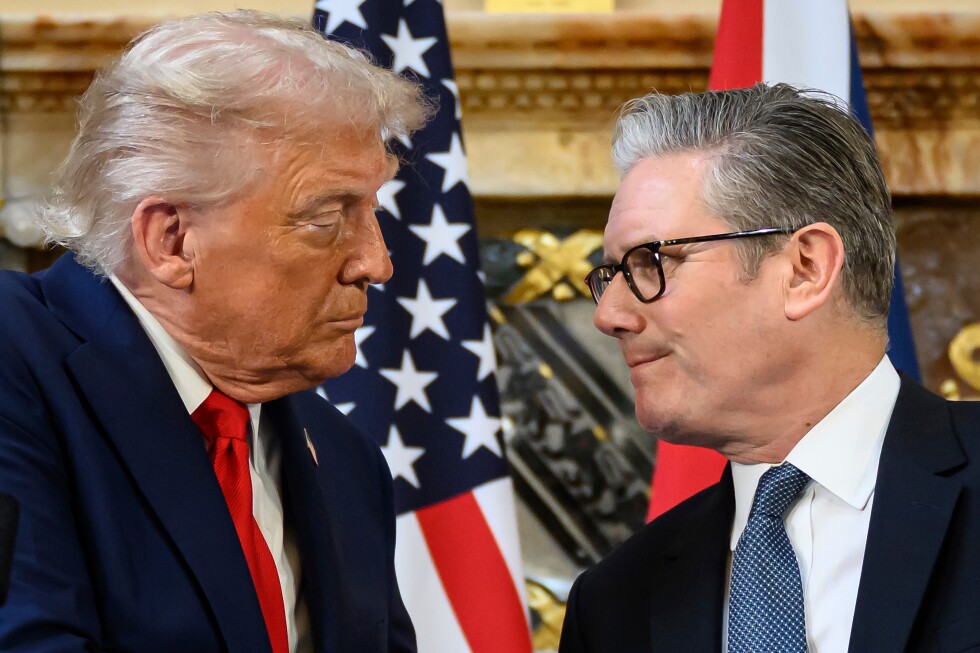
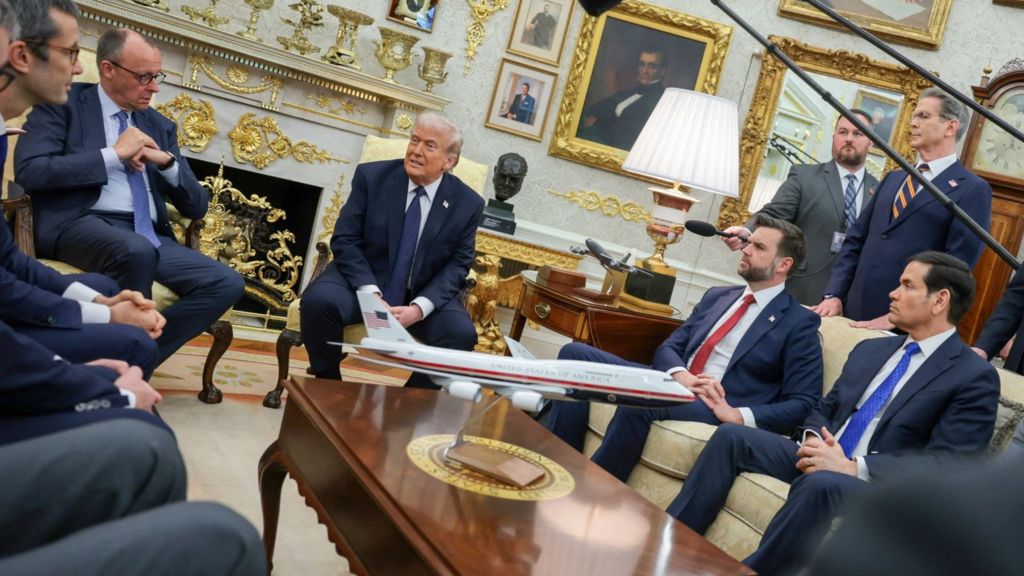
    A significant diplomatic rift has emerged between the United States and United Kingdom as President Donald Trump publicly criticized Prime Minister Keir Starmer’s cautious approach to joint military operations against Iran. The tension represents a notable deterioration in the traditionally robust Anglo-American alliance that Starmer had diligently cultivated since Trump’s return to office in 2025.

    In a candid interview with British tabloid The Sun, Trump expressed disappointment with Britain’s stance, contrasting it favorably with other European allies. “The UK has been much different from others,” Trump stated, adding that “It’s very sad to see that the relationship is obviously not what it was.” This public admonition follows Starmer’s initial refusal to permit American aircraft to utilize British bases for offensive strikes against Iranian targets, though he later authorized limited use for defensive operations targeting ballistic missile facilities.

    The divergence centers on fundamental philosophical differences regarding international law and military intervention. Starmer, drawing upon his legal background as former chief prosecutor for England and Wales, emphasized that “Any UK actions must always have a lawful basis and a viable, thought-through plan” during his address to the House of Commons. His reference to avoiding “regime change from the skies” constituted a subtle but clear critique of Trump’s more aggressive stance.

    This confrontation extends beyond the immediate Iran conflict, with previous tensions emerging over Trump’s controversial proposal regarding Greenland and Britain’s decision to transfer the Chagos Islands to Mauritius. Foreign policy experts note that the current administration in Washington has effectively abandoned consistency with international law, creating a fundamental incompatibility with Starmer’s principled approach to governance.

    The disagreement has generated mixed reactions within European leadership circles. While NATO Secretary General Mark Rutte expressed full support for Trump’s actions, Spanish Prime Minister Pedro Sánchez condemned the strikes as “unjustifiable and dangerous.” Domestically, Starmer faces pressure from conservative opponents who argue that Britain should stand firmly with its American allies, even as public opinion remains skeptical of military escalation.

    Despite the public friction, British officials maintain that the special relationship remains fundamentally strong, with Foreign Office Minister Stephen Doughty asserting that the alliance “has endured, it continues to endure, and it will endure into the future on both economic and security fronts.”