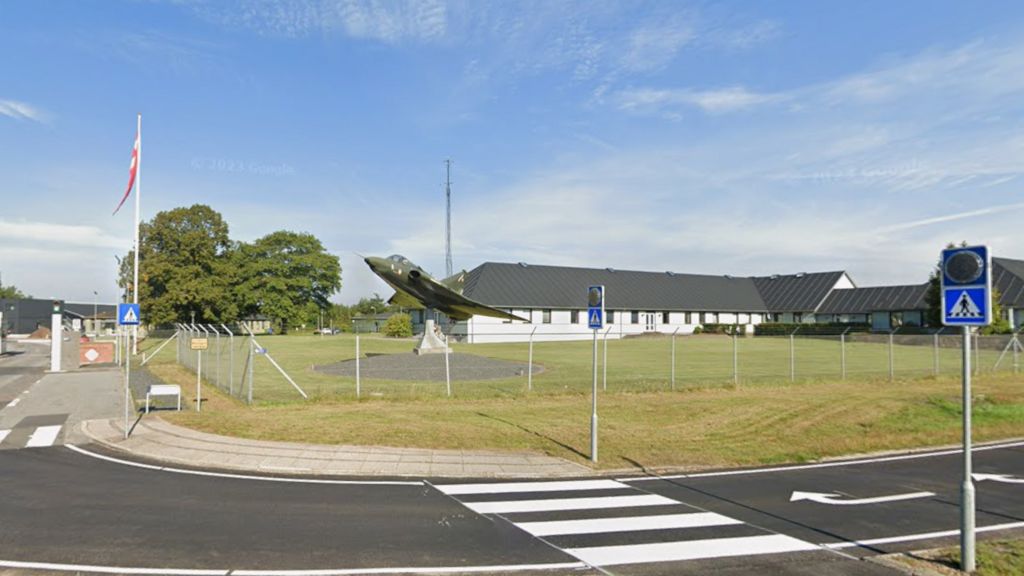
In a series of unsettling events, unidentified drones have been observed hovering over Denmark’s largest military base, Karup Airbase, and other key military installations. The incidents, which occurred overnight, forced the temporary closure of airspace and raised alarms about potential vulnerabilities to aerial threats. Similar drone sightings were reported in Germany, Norway, and Lithuania, further amplifying regional security concerns. Danish authorities have labeled these incursions as a ‘hybrid attack,’ though they have yet to attribute the activity to any specific entity, including Russia. The Russian embassy in Copenhagen has vehemently denied involvement, dismissing the allegations as ‘absurd speculations.’ The Danish Defence Ministry confirmed the sightings but refrained from providing further details, citing an ongoing investigation. This wave of drone activity follows recent disruptions at Danish airports, including Copenhagen, Aalborg, and Billund, where drones forced temporary shutdowns. Experts speculate that these incidents may be part of a broader strategy of indirect aggression by Russia against NATO members supporting Ukraine. However, no concrete evidence has been presented to substantiate these claims. Denmark’s Defence Minister emphasized that the attacks were orchestrated by a ‘professional actor’ but appeared to have been launched locally. The incidents have reignited debates about hybrid warfare tactics, which blend military and non-military methods to destabilize a nation’s infrastructure. NATO member states, including Estonia, Poland, and Romania, have also reported recent Russian drone and aircraft incursions, heightening tensions across Europe. Danish Prime Minister Mette Frederiksen has not ruled out Russian involvement, while Kremlin spokesman Dmitry Peskov has dismissed the accusations as baseless. As investigations continue, the drone sightings underscore the evolving challenges of modern security and the need for robust defense mechanisms.
标签: Europe
欧洲
-
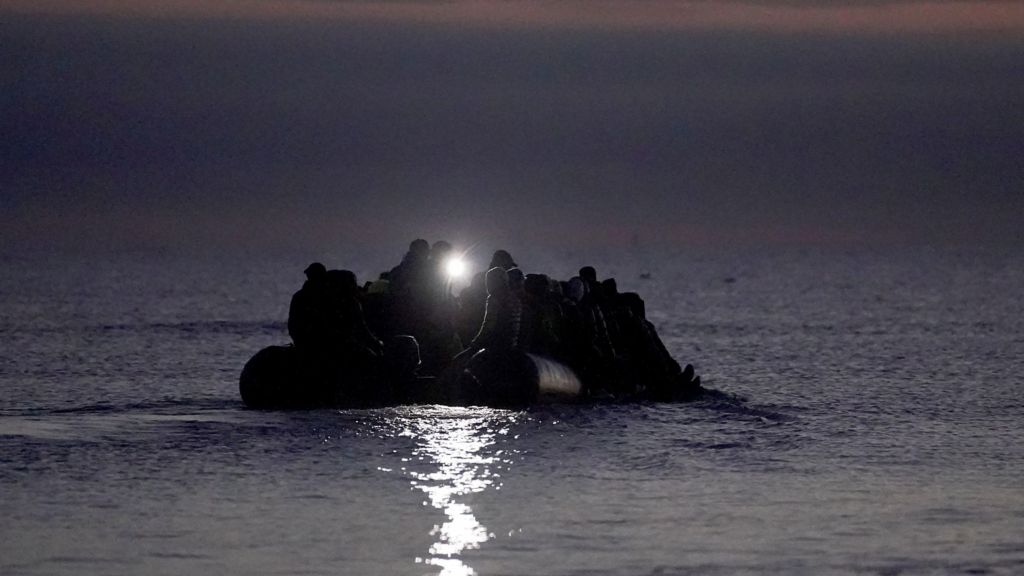
Two people die during failed Channel crossing attempt
In a tragic turn of events, two individuals lost their lives early Saturday morning while attempting to cross the perilous English Channel. French authorities confirmed the incident, which occurred off the northern coast of France, where approximately 100 migrants embarked on a makeshift boat in hopes of reaching the UK. According to Isabelle Fradin-Thirode, a French official cited by AFP, 60 people were successfully rescued and are currently receiving care from civil protection services. Among the survivors, a couple and their child, suffering from moderate hypothermia, were urgently transported to a hospital in Boulogne. This latest tragedy unfolded south of the beaches of Neufchâtel-Hardelot in the Pas-de-Calais region, adding to the grim toll of at least 25 deaths recorded this year in similar crossing attempts. Earlier this month, three migrants died in a crush on an overcrowded boat off the coast of Calais. Last year, the French coastguard reported 50 fatalities during such crossings. Since the beginning of 2025, over 30,000 people have reached the UK via small boats, with more than 50,000 making the journey since the Labour Party came into power in July 2024. The UK government faces mounting pressure over the increasing number of small boat crossings and asylum seeker applications. In response, France and the UK recently agreed on a ‘one in, one out’ returns deal, aimed at deterring further crossings by allowing the UK to return one migrant to France for each migrant with a strong asylum case who is allowed to enter the UK. Sir Keir Starmer has condemned the crossings as ‘totally unacceptable,’ while Home Secretary Shabana Mahmood has criticized the ‘vile’ people-smugglers responsible for the chaos at the borders.
-
Netflix Irish subtitles ‘step in right direction’ for language
Netflix has taken a significant step toward cultural inclusivity by introducing Irish-language subtitles for its new series, *House of Guinness*. This marks the first time the streaming giant has incorporated Irish subtitles into one of its productions. The series, which delves into the storied history of the Guinness family and their iconic brewery, has been lauded as a positive move by Irish language advocates. The decision underscores Netflix’s commitment to supporting Ireland’s creative sector and its diverse audience. Linda Ervine, manager of the Irish language project Turas in east Belfast, described the initiative as ‘very positive’ and symbolic of the growing demand for the language. She emphasized the importance of offering viewers the choice to engage with content in both English and Irish. Póilín Nic Géidigh, a broadcaster and Irish language speaker from County Donegal, echoed this sentiment, calling it ‘a good step in the right direction’ and expressing hope that other companies would follow suit. Mary Delargy from Cultúrlann Uí Chanáin, an Irish language cultural organization, expressed her delight, noting that the move recognizes the power and significance of the Irish language on a global scale. Steven Knight, the creator of *House of Guinness*, highlighted the importance of the Irish language to the country’s cultural identity, stating that the subtitles allow the series to celebrate Ireland’s heritage. The show, set in 19th-century Dublin and New York, explores the legacy of Sir Benjamin Guinness and the impact of his will on his four children. Featuring a talented cast of Irish actors, the series is part of Netflix’s broader efforts to highlight Irish culture and history. This initiative not only enhances accessibility for Irish-speaking viewers but also amplifies the global recognition of Ireland’s rich linguistic and cultural heritage.
-
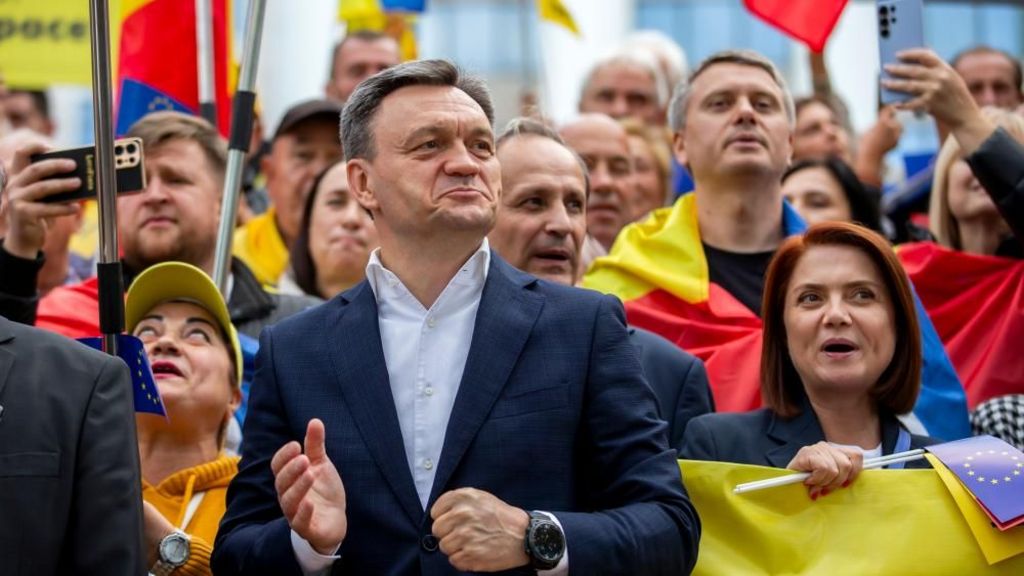
Moldova holds key election as Russia’s shadow looms large
As Moldova approaches its pivotal parliamentary elections on Sunday, the nation finds itself at a crossroads, torn between its aspirations for European Union membership and the looming shadow of Russian influence. Prime Minister Dorin Recean, leading the pro-European PAS party, has framed the election as a ‘final battle’ for Moldova’s future, warning of unprecedented Russian interference aimed at destabilizing the country and installing pro-Kremlin politicians.
-
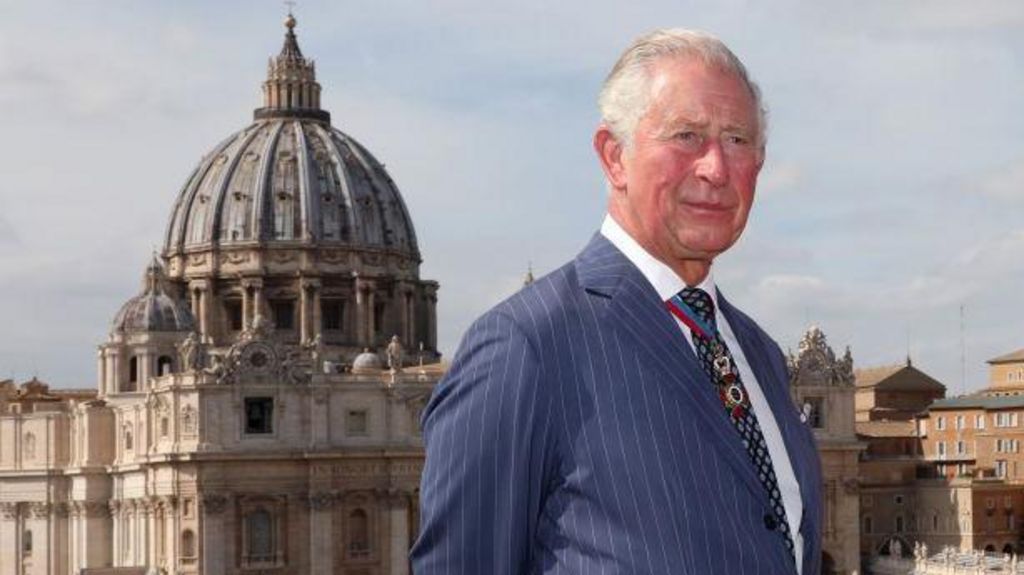
King Charles to meet Pope Leo on rearranged Vatican visit
King Charles III and Queen Camilla are set to embark on a significant state visit to the Vatican later this month, where they will meet Pope Leo XIV. This visit, announced by Buckingham Palace, underscores the enduring and amicable relationship between the Catholic Church and the Church of England, of which King Charles is the supreme governor. The trip was initially scheduled earlier this year but was postponed due to the declining health of the late Pope Francis. In April, the royal couple paid a private visit to Pope Francis on their 20th wedding anniversary, marking one of the pontiff’s final high-profile meetings before his passing. The upcoming visit coincides with a special ‘jubilee’ year for the Catholic Church, celebrated every 25 years, and will focus on the theme of ‘pilgrims of hope.’ King Charles has long championed interfaith dialogue, and this visit symbolizes unity between Catholic and Anglican traditions. Earlier this month, the King and Queen attended the first Catholic funeral for a member of the Royal Family in modern times, honoring the Duchess of Kent. Additionally, the King visited the Oratory of St Philip Neri in Birmingham, founded by the 19th-century Catholic theologian St John Henry Newman, further highlighting his commitment to fostering religious harmony. The royal couple’s private meeting with Pope Francis in April 2025, held during their state visit to Italy, left a profound impression, with Buckingham Palace noting their deep appreciation for the pontiff’s kind words on their anniversary. Following Pope Francis’s death, Robert Prevost, a Chicago native, was elected as Pope Leo XIV by the conclave of cardinals.
-

Student fell from Cliffs of Moher due to ‘huge puddle’ – inquest
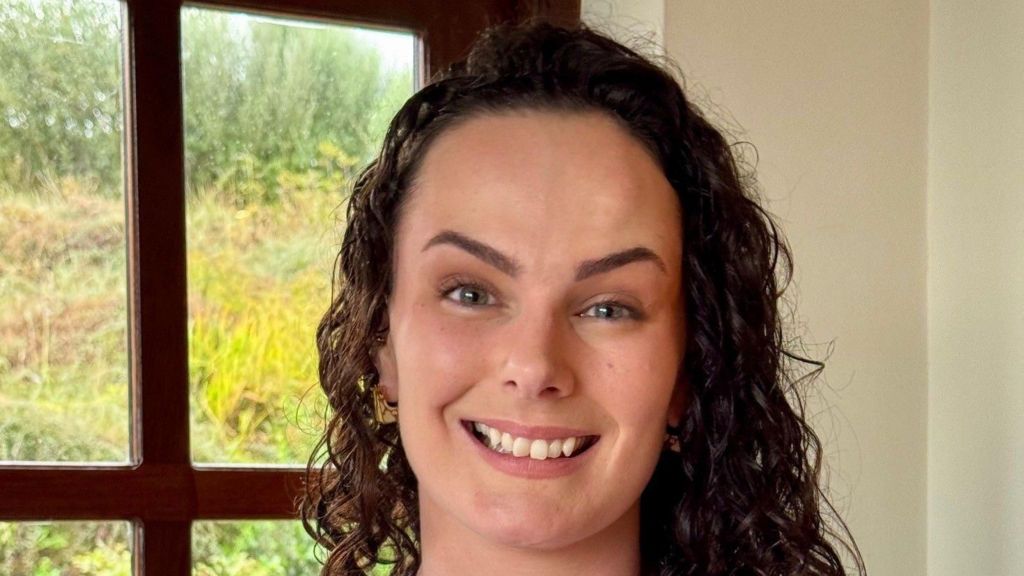
In a tragic incident at the Cliffs of Moher in May 2024, 20-year-old Roxan Bastaens, a student at the University of Edinburgh, lost her life after falling from the cliff edge. The Clare Coroner’s Court in Kilrush, County Clare, concluded that her death was accidental. Witnesses testified that the trail, initially protected, became slippery and lacked barriers. Roxan was walking single file with friends when she slipped near a large puddle, tumbling down the cliff. Despite efforts to save her, she fell into the water and was later recovered by an RNLI boat. The coroner confirmed her death was instantaneous and painless. This incident marks the second accidental death at the cliffs in 2024, prompting the Clare Local Development Company to close off large sections of the trail.
-
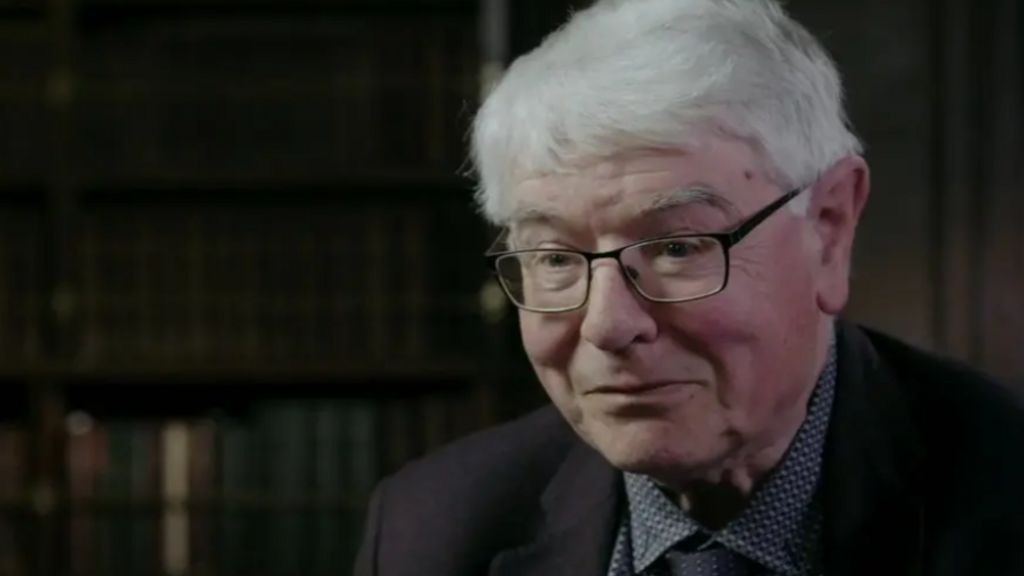
Former peace process adviser Martin Mansergh dies aged 78
Martin Mansergh, a pivotal figure in the Northern Ireland peace process and former advisor to the Irish government, has died at the age of 78. His passing occurred during a trip to the Sahara with fellow retired parliamentarians. Mansergh, who served as an advisor to Fianna Fáil, was widely recognized for his instrumental role in securing peace in Northern Ireland, particularly through his early secret negotiations in Belfast and his decade-long efforts to overcome obstacles in the peace process. Irish Taoiseach Micheál Martin hailed him as a ‘true Irish republican’ who leaves behind a ‘proud legacy,’ emphasizing his critical contributions to the Good Friday Agreement. Mansergh also held various political roles, including Minister of State for the Office of Public Works, Senator from 2002 to 2007, and TD for Tipperary South from 2007 to 2011. Former Sinn Féin leader Gerry Adams praised him as a ‘key figure’ in building the peace process, while former Taoiseach Bertie Ahern described him as an ‘extraordinary person with a towering intellect.’ Tánaiste Simon Harris underscored Mansergh’s unparalleled influence in shaping Irish government policy on Northern Ireland, highlighting his dual role as an intermediary and a visionary in crafting a new political framework for peace.
-
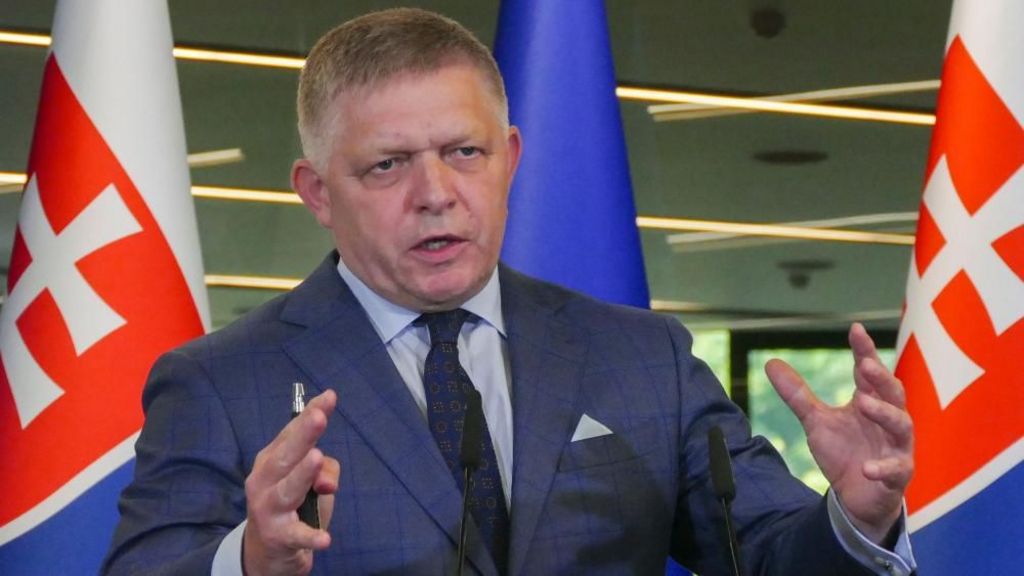
Slovakia passes law to recognise only two sexes and restrict adoption
Slovakia has enacted a significant constitutional amendment, legally recognizing only two sexes—male and female—and imposing restrictions on adoption and surrogate pregnancies. The amendment, which passed by a narrow margin in parliament, also asserts sovereignty in cultural and ethical matters. Prime Minister Robert Fico hailed the decision as a ‘great dam against progressivism,’ emphasizing his government’s commitment to traditional values. Critics, including Amnesty International, have condemned the move, warning it could marginalize the LGBT community and align Slovakia with illiberal regimes like Hungary and Russia. The amendment’s passage was unexpected, as Fico’s coalition initially lacked the necessary votes. However, last-minute support from opposition MPs secured the majority. Opposition leader Igor Matovic labeled the defectors as ‘traitors.’ Legal experts predict the amendment will provoke legal disputes with the European Union, potentially leading to sanctions. Critics argue the move is a political maneuver by Fico to divert attention from declining poll ratings and unpopular policies. President Peter Pellegrini has pledged to sign the amendment, calling it a unifying measure in a divided society. Meanwhile, Fico’s Smer-Social Democracy party faces expulsion from the Party of European Socialists (PES) for deviating from progressive values. The party’s alignment with far-right factions and Fico’s frequent meetings with Russian President Vladimir Putin have further strained relations with European allies.
-

Turkey abandons bid to force doner kebab rules on Europe
Turkey has abandoned its attempt to impose strict regulations on how doner kebabs are prepared across the European Union, a move that would have significantly impacted Germany’s thriving kebab industry. The proposal, which sought a ‘Traditional Speciality Guaranteed’ label, aimed to standardize ingredients and preparation methods, including meat types, slicing thickness, and marinades. However, the bid faced strong opposition, particularly from Germany, where the doner kebab has evolved into a distinct culinary tradition. German officials argued that the kebab has become an integral part of their national cuisine, diverging from its Turkish origins. The Turkish International Doner Federation (Udofed) had proposed that only specific meats, such as beef, lamb, or chicken, be used, while banning veal and turkey. The German version, often made with veal and served in flatbread with vegetables and sauces, would have been at odds with these rules. The bid’s withdrawal on September 23 followed widespread objections and failed compromise attempts. Germany’s kebab industry, which employs 60,000 people and generates €2.4 billion annually, celebrated the decision. Former German Agriculture Minister Cem Özdemir, of Turkish descent, emphasized that the doner kebab ‘belongs to Germany,’ reflecting its cultural integration.
-

Eurovision body to hold vote on Israel’s participation
The European Broadcasting Union (EBU) has announced a pivotal vote to determine whether Israel will be allowed to participate in the 2026 Eurovision Song Contest. This decision follows mounting controversy over Israel’s inclusion due to the ongoing conflict in Gaza. The vote, set to take place at the EBU’s general assembly in early November, will involve all 68 member countries, including non-participating broadcasters from nations such as Tunisia, Egypt, Turkey, Algeria, Jordan, and Lebanon. A simple majority will decide the outcome, potentially excluding Israel if over 50% of members vote in favor.