
Denmark has implemented a comprehensive ban on all civilian drone flights this week in anticipation of the European Union summit in Copenhagen. The country’s transport minister announced the decision on Sunday, citing the need to ‘simplify security operations’ for law enforcement and prevent ‘foreign drones from causing uncertainty and disruption.’ The ban, effective until October 3, carries severe penalties, including fines or imprisonment for up to two years. This move follows a series of recent drone sightings over Danish military sites and airports, which have raised significant security concerns. In response, defense ministers from ten EU countries have agreed to establish a ‘drone wall,’ while NATO has heightened its vigilance across the Baltic region. Danish authorities have yet to identify the perpetrators behind these incursions, with the defense minister labeling them as part of a ‘hybrid attack’ and a ‘systematic operation.’ Prime Minister Mette Frederiksen has not ruled out Russian involvement, though Moscow has vehemently denied any connection. The situation has also prompted Norway and Romania to report similar drone incidents, with Romania recently passing legislation to empower air force pilots to shoot down unidentified aircraft. The ongoing war in Ukraine and previous Russian incursions into NATO airspace have further intensified regional tensions.
标签: Europe
欧洲
-

The picturesque Dutch village set to charge tourists an entry fee
The iconic Dutch village of Zaanse Schans, renowned for its historic windmills, is grappling with an overwhelming influx of tourists. This year, the village is projected to attract 2.8 million visitors, a significant increase from the 2.6 million recorded last year. For a community with a resident population of just 100, this surge has become unsustainable. In response, the local council has announced a new €17.50 ($20.50; £15) entry fee for non-residents, effective next spring, aimed at curbing the numbers and preserving the village’s charm. This measure is rare but deemed necessary by local authorities, including Marieke Verweij, director of the village’s museum, who highlights the strain on the community. ‘Visitors often intrude into private gardens and homes, leaving residents with no privacy,’ she explains. The fee will grant access to the museum and windmills, which currently require separate payments. The museum houses a painting by Claude Monet, while the windmills showcase their 17th-century industrial uses. However, local businesses fear the fee will deter budget-conscious tourists, threatening their livelihoods. Sterre Schaap, co-owner of a gift shop, warns, ‘Families may spend €100 on entry and parking, leaving little for shopping.’ Despite concerns, some tourists, like Elisia from Albania, support the fee, believing it will protect the village’s charm. The council plans to reinvest the revenue in infrastructure and windmill maintenance, addressing the village’s growing needs.
-

Moldovans await pivotal election result as leader warns of Russian interference
Moldova’s parliamentary elections, held amidst allegations of significant Russian interference, have been described as a pivotal moment for the nation’s democratic future and its aspirations to join the European Union. President Maia Sandu, a staunch advocate for European integration, emphasized the fragility of Moldova’s democracy and the threats posed by external influences, particularly from Russia. Speaking outside a polling station in Chisinau, Sandu urged citizens to safeguard their votes, warning that the nation’s future hangs in the balance.
-

Swiss voters narrowly approve plan for electronic ID cards
In a closely contested referendum, Swiss voters have narrowly endorsed the introduction of voluntary electronic identity cards, with 50.4% voting in favor and 49.6% opposing the measure. This outcome defied earlier opinion polls, which had predicted a 60% approval rate for the digital IDs, a proposal supported by the Swiss government and both houses of parliament. The vote marks Switzerland’s second attempt at implementing digital IDs, following the rejection of a 2021 proposal due to concerns over centralized data control by private entities. The revised plan ensures that the system remains under government oversight, with data stored exclusively on users’ smartphones and the use of digital IDs remaining optional. Citizens retain the choice to continue using traditional national identity cards, a long-standing standard in Switzerland. To address privacy concerns, authorities will only be able to access specific details, such as proof of age or nationality, when necessary. This development coincides with the UK government’s announcement of its own mandatory digital ID system aimed at curbing illegal migration, which has sparked similar privacy and security debates. Proponents of the Swiss system argue that it will streamline bureaucratic processes, from obtaining phone contracts to age verification for purchases. However, opponents, who successfully petitioned for the referendum, remain wary of potential privacy infringements and misuse of data for tracking or marketing purposes. Switzerland’s strong tradition of privacy protection, exemplified by its banking secrecy laws and stringent regulations on services like Google Street View, underscores the cautious approach to digital innovation.
-
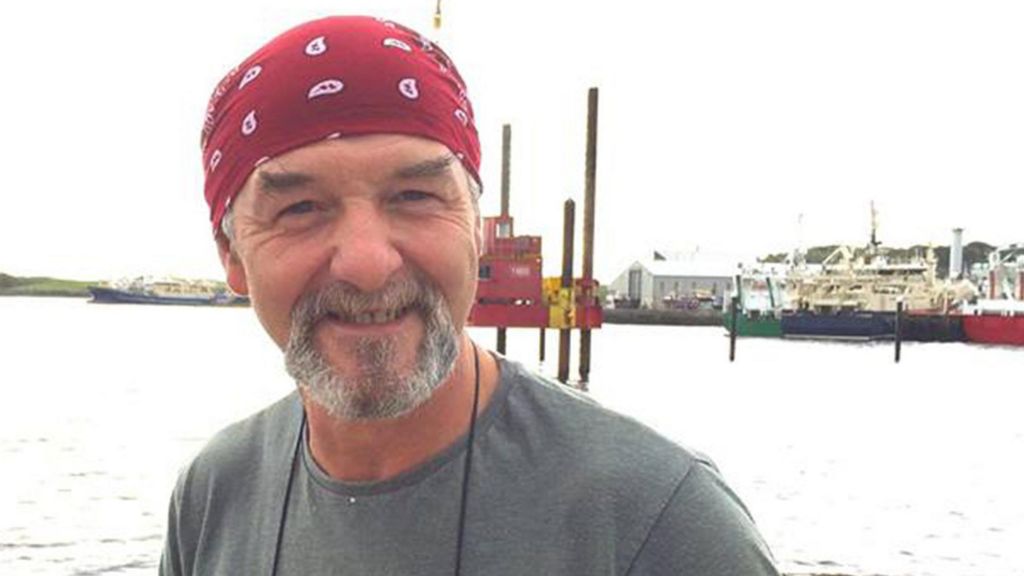
Fisherman ‘lost his life doing what he loved’
The Irish fishing community is mourning the loss of Kevin McCloskey, a seasoned fisherman and former chairman of the Killybegs Fishermen’s Organisation (KFO), who tragically lost his life after his boat ran aground off the Sligo coast. McCloskey, a resident of County Donegal, had been missing since Thursday evening when a member of the public alerted authorities after spotting his stranded vessel with its engine still running near Cliffoney Beach. An extensive three-day search operation, led by the Irish Coast Guard and involving multiple agencies, culminated in the discovery of his body off the port village of Teelin on Saturday evening. The KFO expressed deep sorrow over the incident, describing McCloskey as a respected and experienced fisherman who dedicated his life to the industry. The Coast Guard extended its condolences to his family and acknowledged the efforts of all search units and local fishing vessels involved in the operation. McCloskey’s death has been deemed a significant loss for the fishing community, with the KFO noting that he was known for his positive outlook on life and his passion for fishing.
-

Poland says jets scrambled over Russian attack on Ukraine
Poland and NATO swiftly deployed fighter jets early Sunday in response to Russian airstrikes targeting western Ukraine, according to the Polish armed forces. The entire region of Ukraine was placed under air raid alerts, prompting the temporary closure of airspace near Poland’s southeastern cities of Lublin and Rzeszow until at least 0400 GMT. Flight tracking site Flightradar24 cited ‘unplanned military activity related to ensuring state security’ as the reason for the closure. Kyiv Mayor Vitali Klitschko reported a ‘massive attack’ on the capital, with a five-story building partially destroyed by drone debris, leaving at least three people hospitalized. Tensions have intensified following repeated Russian incursions into NATO airspace this month. The Polish military stated on X that its actions, alongside allied forces, were preventive measures to secure airspace and protect citizens. Moscow has denied involvement in recent drone incidents over Denmark, which described the activity as the work of a ‘professional actor’ but found no evidence of Russian responsibility. Estonia also accused Russia of violating its airspace with warplanes. Meanwhile, NATO conducted an air defense mission over Poland in response to Russian drone incursions, including the downing of three Russian drones in Polish airspace on September 10. U.S. President Donald Trump has urged NATO nations to shoot down Russian planes in their airspace, while NATO has vowed to use ‘all necessary tools’ to defend itself. In a speech at the UN General Assembly, Russian Foreign Minister Sergei Lavrov denied intentions to attack EU or NATO states but warned of a ‘decisive response’ to any aggression.
-

Swiss vote on electronic identity cards for second time
Swiss citizens are heading to the polls this Sunday to decide on the introduction of electronic identity cards, a proposal that has already gained parliamentary approval and government endorsement. This marks the second nationwide referendum on the issue, following a 2021 rejection driven by data protection fears and unease over private sector involvement. The revised plan ensures the system remains entirely public, with data stored on users’ smartphones rather than centrally, and participation remains optional. Citizens can still opt for the traditional national identity card, a long-standing standard in Switzerland. To address privacy concerns, authorities will only access specific details, such as proof of age or nationality, rather than comprehensive personal data. Proponents argue the system will streamline bureaucratic processes, from obtaining phone contracts to age verification for purchases, making daily life more convenient. However, Switzerland’s strong tradition of privacy protection, exemplified by its banking secrecy laws and stringent regulations on Google Street View, fuels opposition. Critics, who gathered enough signatures to force the referendum, fear the system could still enable tracking and marketing misuse, despite new safeguards. Recent polls suggest voters may now be more open to the idea, partly due to their positive experience with the Covid ID, which facilitated access to public spaces during the pandemic. Many Swiss, already active smartphone and social media users, acknowledge that tech giants already collect extensive personal data, leading some to believe that limited government access would not significantly impact privacy.
-
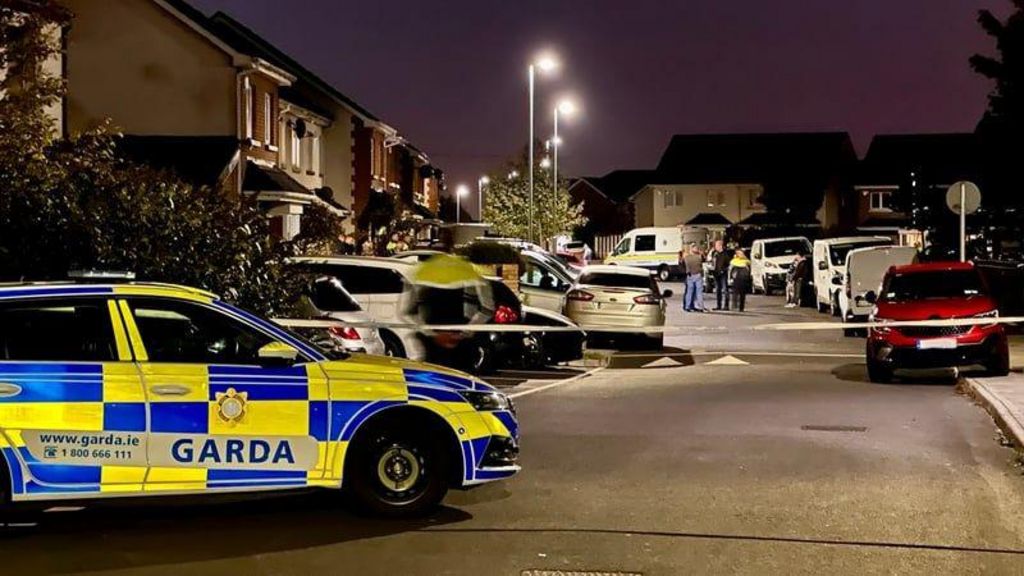
Bodies of child and man found at house in Dublin
A somber investigation is underway in Dublin following the grim discovery of two bodies at a residence in Finglas on Saturday evening. Gardaí, the Irish police force, were alerted to the scene in the Cappagh area shortly before 8:00 PM local time. The victims, identified as a young girl and a man, were found lifeless within the property. Authorities have cordoned off the location to facilitate a thorough forensic examination, ensuring that all potential evidence is meticulously preserved. The Office of the State Pathologist has been engaged to assist in determining the cause of death, and the coroner has been formally notified. This tragic incident has cast a shadow over the local community, with many awaiting further details as the investigation progresses.
-
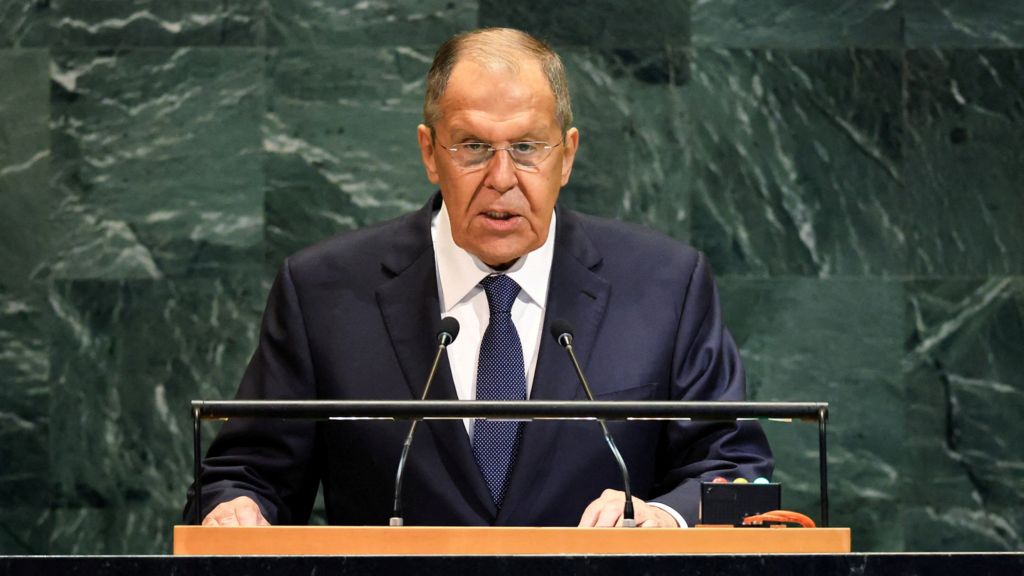
Russia has no intention of attacking EU or Nato states, foreign minister says
Russian Foreign Minister Sergei Lavrov has firmly stated that Russia harbors no intentions of attacking NATO or EU member states. However, he warned that any aggression directed towards Moscow would be met with a ‘decisive response.’ Lavrov made these remarks during a comprehensive address at the UN General Assembly on Saturday, where he highlighted the increasing frequency of threats against Russia by Western nations. Lavrov also criticized Israel, condemning the October 7, 2023, attacks by Hamas but asserting that there is ‘no justification’ for the ‘brutal killings’ of Palestinians in Gaza or for plans to annex the West Bank. He accused Israel of using its mission to eliminate Hamas as a pretext for air strikes on other Middle Eastern countries, including Qatar. On Iran, Lavrov accused Western powers of undermining diplomatic efforts after a last-minute bid by Russia and China to delay the reimposition of sanctions failed on Friday. Lavrov labeled the move as ‘illegal,’ with the sanctions set to take effect at 00:00 GMT on Sunday. Addressing tensions in Europe, Lavrov reiterated that Russia has never planned to attack NATO or the EU and warned that any aggression against Russia would be met with a robust response. He also commented on the US-Russian relationship, noting a desire in the current US administration to develop pragmatic cooperation without adopting an ideological stance. Lavrov further criticized the West for the delayed recognition of a Palestinian state by some countries, suggesting that they waited until there was ‘no one and nothing left to recognise.’
-
Man dies weeks after being hit by car
A tragic road traffic accident in Monaghan has resulted in the death of a 47-year-old man from Northern Ireland. The incident occurred in the early hours of Saturday, September 6, on the Broad Road, shortly before 01:00 local time. The collision involved an SUV and a pedestrian, who sustained serious injuries and was promptly transported to Our Lady of Lourdes Hospital in Drogheda via ambulance. Despite medical efforts, the man succumbed to his injuries. The Gardaí, Ireland’s national police service, are actively investigating the circumstances surrounding the collision. Authorities are urging anyone who may have witnessed the event or has relevant information to come forward to assist with the ongoing inquiry. This unfortunate incident highlights the critical importance of road safety and vigilance.