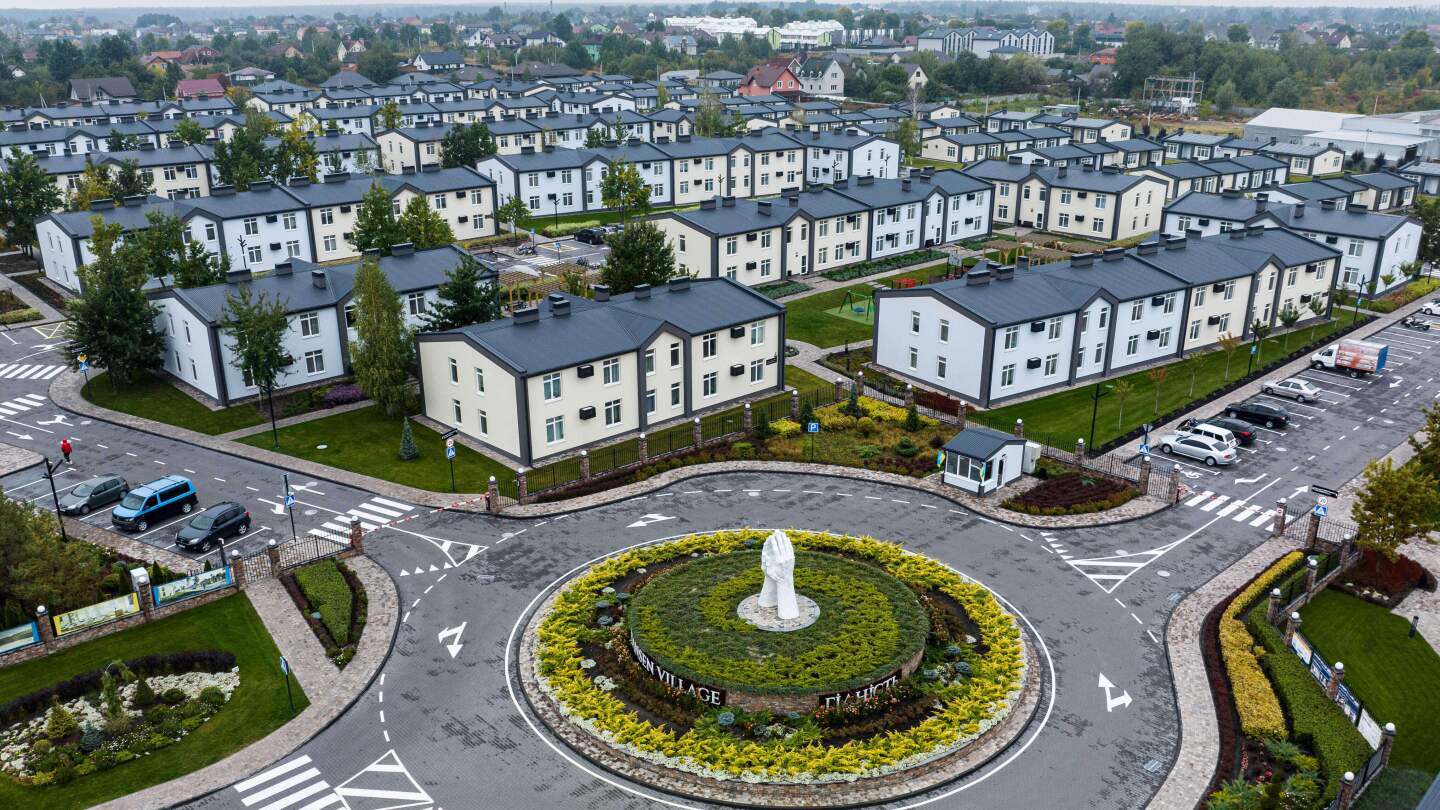
In the midst of the ongoing Russian invasion of Ukraine, which has displaced millions and scattered families across the nation and beyond, a privately-built settlement near Kyiv stands as a beacon of hope. Hansen Village, located approximately 400 miles west of the front lines, provides stable housing, personal space, and a sense of dignity to 2,000 displaced individuals, many of whom have fled occupied territories. The village, equipped with amenities such as a swimming pool, basketball court, health clinic, and school, was established by Dell Loy Hansen, a Utah-based real estate developer who has invested over $140 million in building and repairing homes across Ukraine since 2022. At 72, Hansen remains committed to expanding his efforts, driven by a sense of responsibility rather than charity. His projects include expanding Hansen Village, supporting elderly individuals and families, funding a prosthetics clinic, and planning a cemetery to honor displaced people. Hansen’s journey to Ukraine followed a public reckoning in 2020, when he sold his Major League Soccer team, Real Salt Lake, amid allegations of racist comments. Although he denied the claims, the experience instilled in him a sense of humility and a new mission. Ukraine’s housing crisis is dire, with nearly one-third of its population displaced, including 4.5 million internally displaced persons. The government struggles to fund shelters and repairs, as the cost of national reconstruction is estimated at $524 billion. Private initiatives like Hansen’s, though vital, remain a fraction of what is needed. Hansen’s work has earned him recognition, including an upcoming civilian honor from Ukraine, which he views as a means to bring visibility to the plight of the displaced and elderly. His efforts, while not a miracle, provide essential stability and hope to those who have lost everything.
标签: Europe
欧洲
-
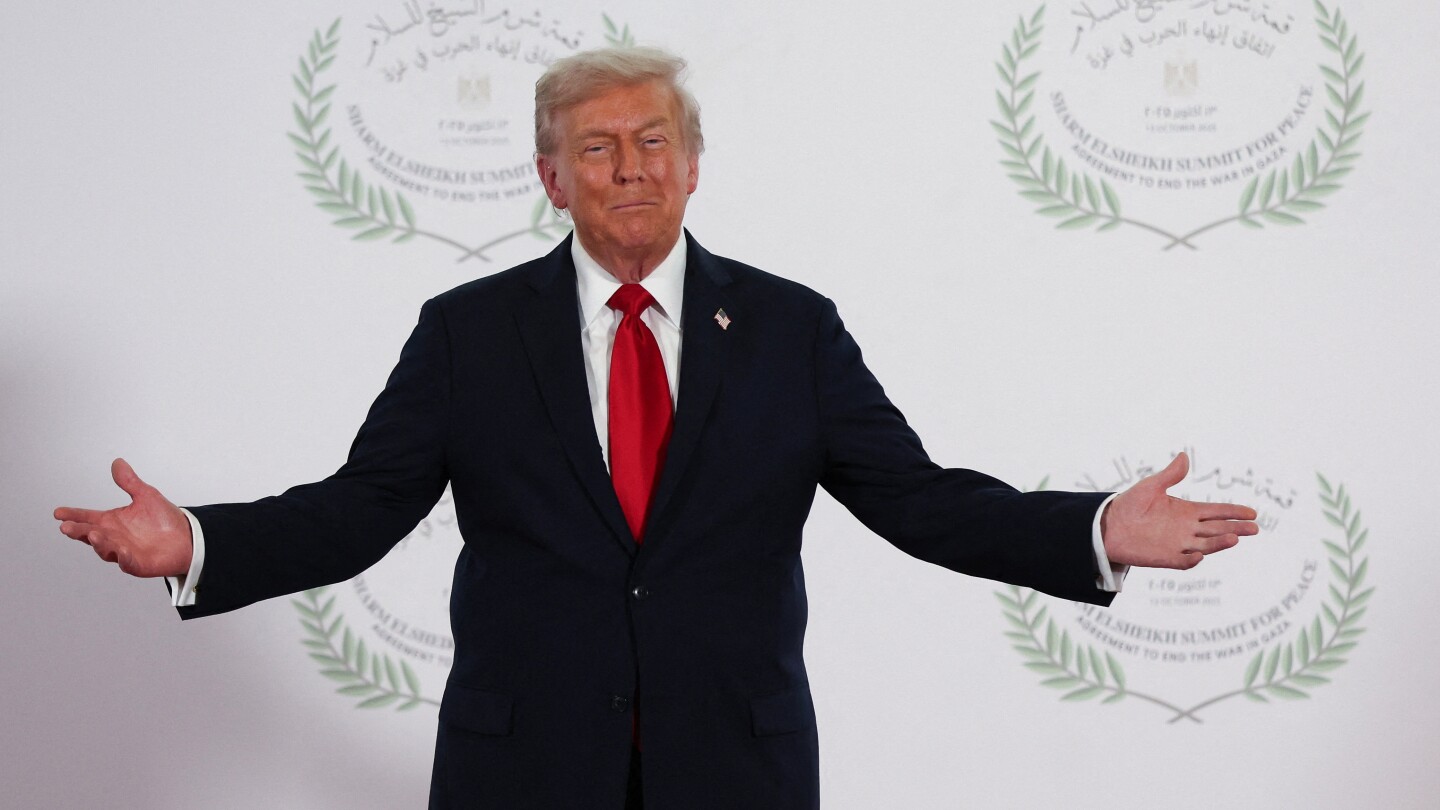
With fragile Gaza ceasefire taking hold, Trump says he’s now looking to ‘get Russia done’
Following the fragile ceasefire between Israel and Hamas, former President Donald Trump has redirected his attention to resolving the ongoing conflict between Russia and Ukraine. Trump, who has consistently criticized President Joe Biden’s handling of international crises, is now exploring the possibility of supplying Ukraine with long-range Tomahawk cruise missiles. This move aims to pressure Russian President Vladimir Putin to engage in peace negotiations. Despite previous unsuccessful attempts to broker talks between Putin and Ukrainian President Volodymyr Zelenskyy, Trump expressed renewed confidence in his ability to mediate, citing recent progress in the Middle East as a catalyst. Speaking at a dinner event, Trump emphasized the urgency of addressing the Ukraine conflict, which is nearing its fourth year. He also hinted at escalating pressure on Russia if diplomatic efforts fail. Trump is scheduled to meet with Zelenskyy on Friday, marking their fourth face-to-face meeting this year. The potential provision of Tomahawk missiles, capable of striking deep into Russian territory, has been a long-standing request from Ukraine. However, analysts caution that deploying such advanced weaponry could take years and may strain U.S.-Russia relations further. In the interim, experts suggest that supplying Ukraine with shorter-range missiles like the Extended Range Attack Munition (ERAM) and the Army Tactical Missile System (ATACMS) could be more immediately effective. Meanwhile, Trump has also signaled a willingness to impose stricter sanctions on Russia, particularly targeting its oil exports, though he has yet to formally endorse pending legislation in the Senate.
-
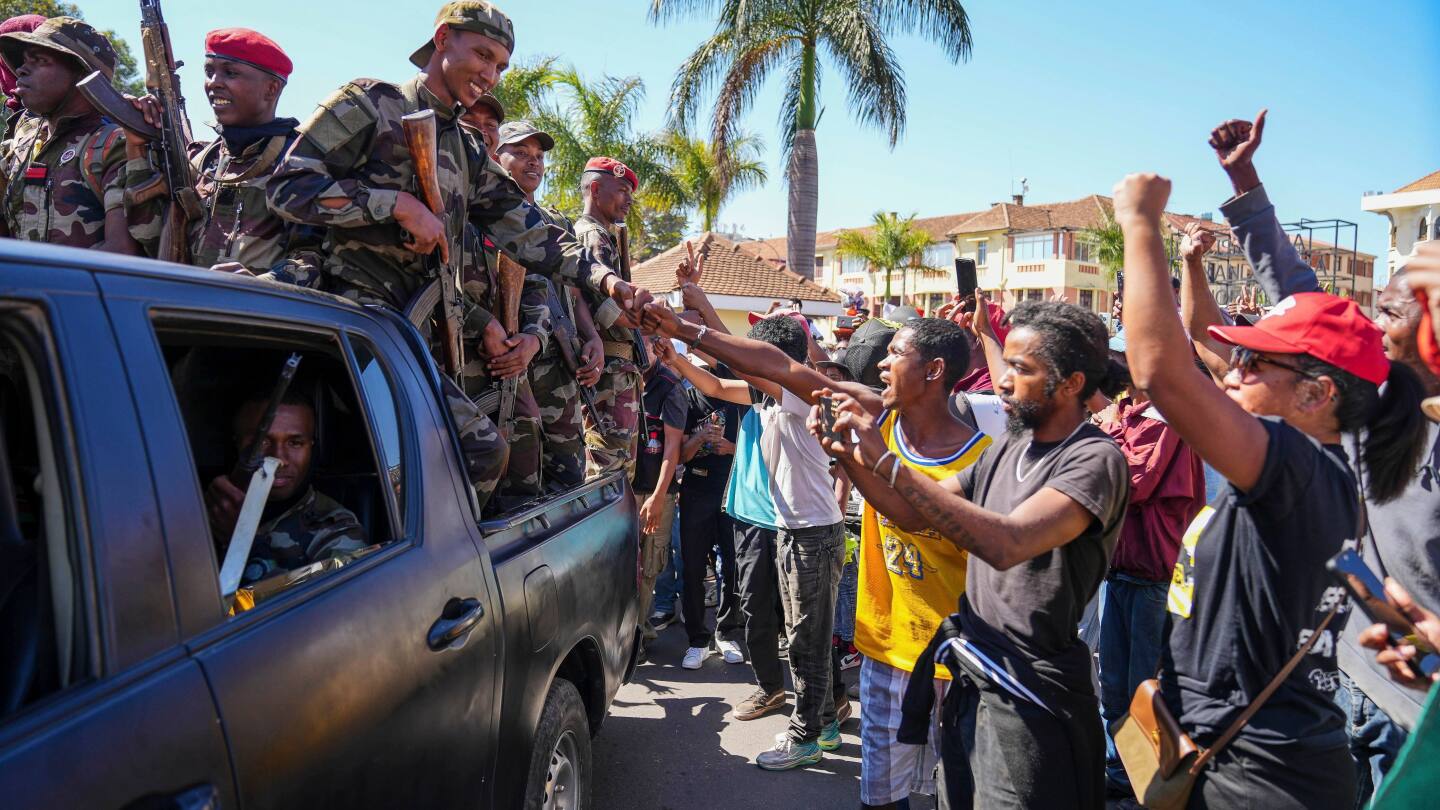
Angry with their governments, the world’s young are filling the streets as ‘Gen Z’ protesters
From the Andes to the Himalayas, a new wave of youth-led protests is sweeping across the globe, driven by generational discontent and frustration with political systems. These movements, often leaderless and primarily composed of individuals born between 1996 and 2010, are united by shared grievances such as economic inequality, corruption, and government neglect.
-
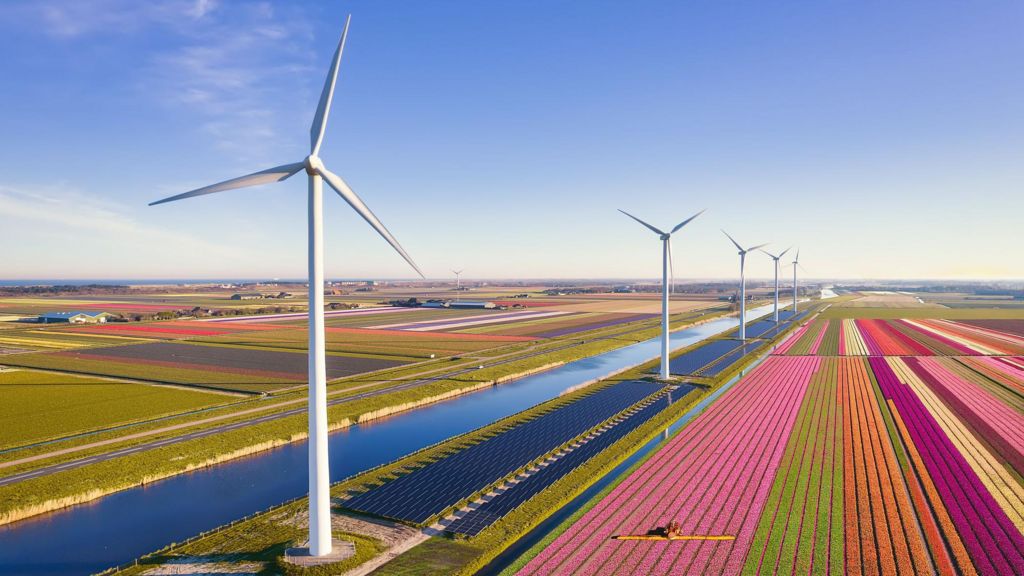
Netherlands’ renewables drive putting pressure on its power grid
The Netherlands, a global leader in renewable energy adoption, is grappling with a severe electricity grid crisis as its rapid shift to wind and solar power overwhelms the existing infrastructure. The country has embraced electric vehicles and renewable energy with remarkable enthusiasm, boasting the highest number of charging points per capita in Europe and more than a third of homes equipped with solar panels. By 2030, offshore wind farms are expected to become the nation’s largest energy source. However, this green transition has come at a cost: the national grid is under immense strain, leading to frequent power outages and widespread grid congestion. Kees-Jan Rameau, CEO of Dutch energy provider Eneco, likens the issue to a ‘traffic jam on the power grid,’ caused by an imbalance between supply and demand. The grid, originally designed for centralized gas-fired power plants, is ill-equipped to handle the decentralized nature of renewable energy. Small power lines in rural areas, where most solar panels and wind turbines are located, are particularly overwhelmed. Damien Ernst, a leading grid expert, warns that resolving this crisis will require billions of dollars and years of investment. The Dutch government has launched initiatives like the ‘Flip the Switch’ campaign to encourage energy conservation during peak hours, but the problem persists. Businesses and households face long waiting lists for grid connections, hampering economic growth and new housing developments. Tennet, the national grid operator, plans to invest €200 billion to reinforce the grid by 2050, but the process is slow and complex. Meanwhile, grid congestion costs the Dutch economy up to €35 billion annually, according to a 2024 report. The Ministry for Climate Policy and Green Growth acknowledges the challenges and is working on a ‘National Grid Congestion Action Plan’ to expedite grid expansion and adjust legislation. Despite these efforts, the Netherlands’ rapid energy transition continues to outpace its infrastructure, highlighting the urgent need for innovative solutions.
-
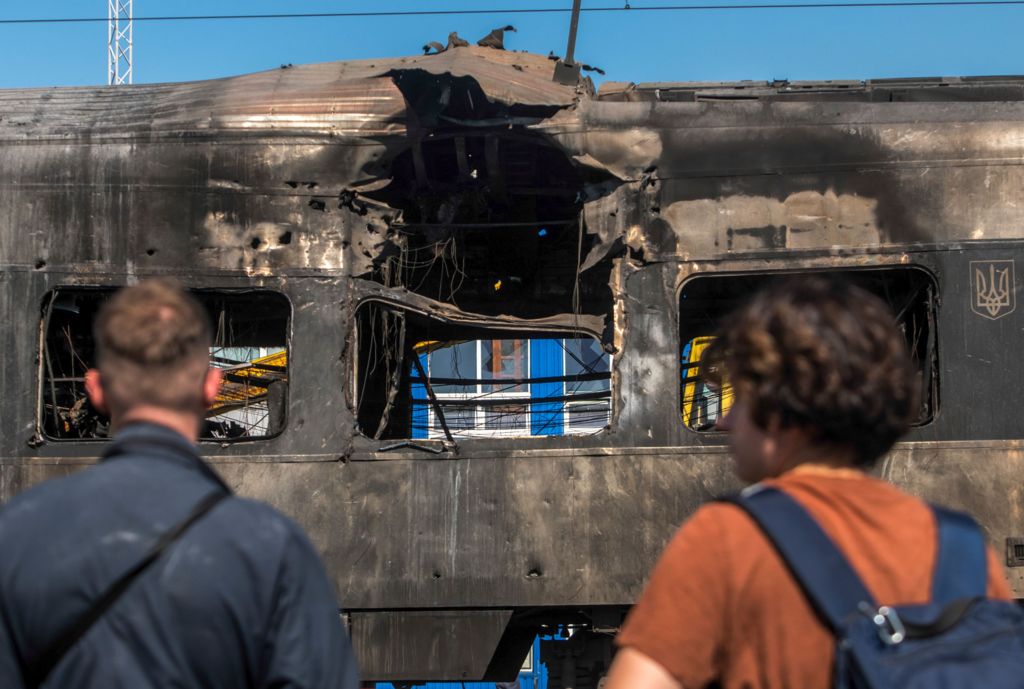
Russia intensifies attacks on Ukraine’s trains in ‘battle for the railways’
In the heart of Ukraine’s ongoing conflict, the nation’s railway system has become both a lifeline and a target. Olha Zolotova, a train conductor, lies in a Kyiv hospital bed, recounting the harrowing moment her train was struck by a Russian drone. ‘When the Shahed hit, I was buried under rubble. Everything was burning,’ she recalls. Her injuries, severe enough to require surgery and a metal plate in her leg, are a stark reminder of the relentless attacks on Ukraine’s railways, a critical infrastructure sustaining the country’s war effort and economy.
-
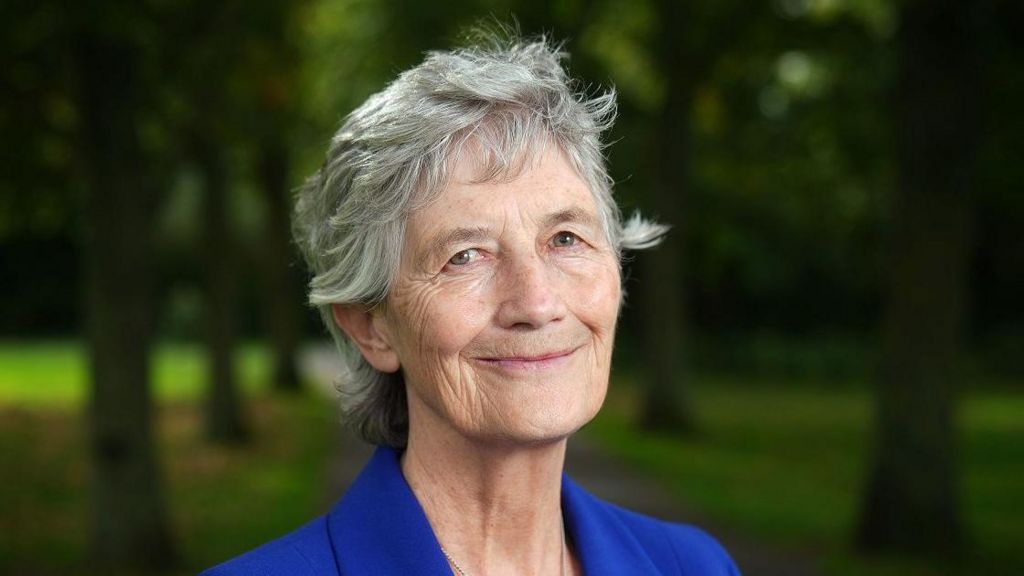
Irish presidential candidate concerned by EU ‘militarisation’
Independent Irish presidential candidate Catherine Connolly has voiced her concerns over the European Union’s increasing militarization, describing it as a persistent worry. Speaking on RTE’s Katie Hannon Interview Live, Connolly emphasized her unease as a woman and mother, criticizing the trend of nations allocating more resources to arms while reducing welfare spending. She also clarified that her campaign’s focus on an Irish border poll was not a concession to secure Sinn Féin’s political support. Connolly highlighted her longstanding advocacy for allowing Northern Ireland residents to vote in Irish presidential elections, noting growing public support for this initiative. Addressing controversy over her hiring of a former Éirígí member with a criminal record, Connolly defended her decision, citing the individual’s strong recommendations and her belief in rehabilitation. She also justified her 2018 trip to Syria, funded by the Parliamentary Activities Allowance, as a fact-finding mission, denying any association with pro-Assad militias. Connolly reiterated her commitment to serving only one term if elected, pledging to dedicate her energy fully to the presidency. She also expressed support for greater transparency in the office of the presidency, subjecting all expenses to Public Accounts Committee scrutiny. When asked about her husband’s potential public role, Connolly left the decision to him.
-
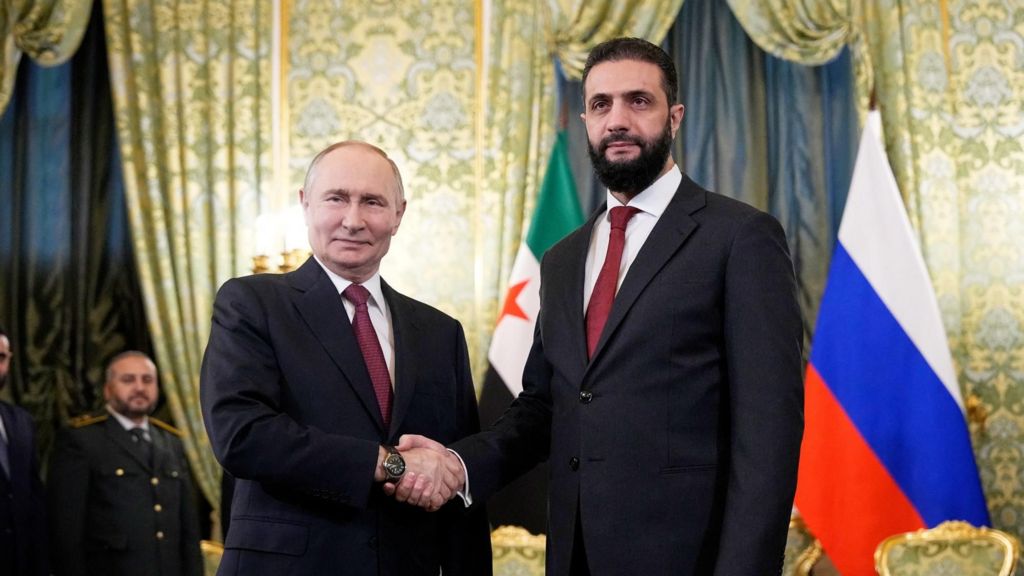
Syria’s Sharaa meets Putin in Moscow for first time since fall of Assad
In a significant diplomatic development, Syria’s interim President, Ahmed al-Sharaa, met with Russian President Vladimir Putin in Moscow for their first talks since Sharaa’s forces ousted Russia’s long-time ally, Bashar al-Assad, ten months ago. The meeting marked a pragmatic shift in relations between the two nations, which had previously been on opposing sides of Syria’s protracted civil war.
During the discussions, Putin emphasized the ‘special relationship’ between Russia and Syria, expressing readiness to collaborate on ‘interesting and useful undertakings.’ Sharaa, in turn, signaled his willingness to maintain Russia’s access to key military installations in Syria, including the Tartous naval port and Hmeimim airbase, while seeking to redefine bilateral ties to ensure Syria’s sovereignty and territorial integrity.
Sharaa also indicated his intent to request the extradition of Assad, who fled to Moscow and was granted asylum after being forced from power. However, Russian officials have previously stated that Assad and his family faced ‘the risk of physical elimination,’ making extradition unlikely.
The talks underscored a mutual desire for cooperation, with Russia pledging to provide humanitarian aid, including food and medical supplies, and assist in rebuilding Syria’s damaged infrastructure. Sharaa, meanwhile, seeks Russian support to consolidate his authority, secure Syria’s borders, and revive its struggling economy through energy and investment partnerships.
Despite the cordial atmosphere, underlying tensions persist, particularly regarding Assad’s fate. The meeting highlights the complex dynamics of post-conflict diplomacy, as both leaders prioritize pragmatism over past hostilities.
-
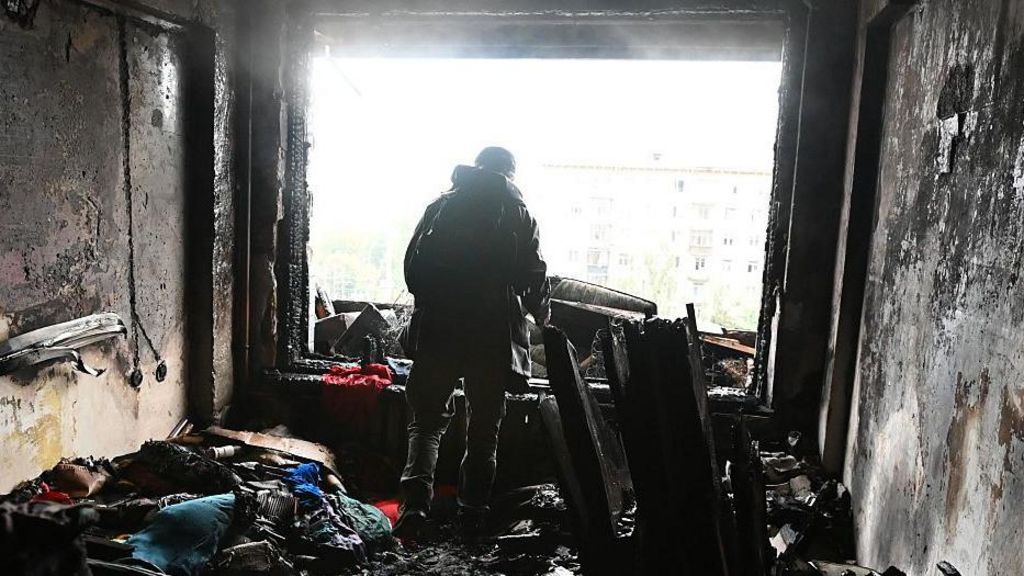
Ukraine imposes blackouts in most regions after Russian power grid attacks
Ukraine is grappling with widespread power outages following a relentless barrage of Russian missile and drone attacks targeting its energy infrastructure. This marks the fourth consecutive winter of blackouts since Russia’s full-scale invasion began in February 2022. The Ukrainian Energy Ministry reported that nearly all regions, except for the war-torn Donetsk and the already struggling Chernihiv, are affected. Emergency measures have been implemented to manage the crisis, with grid operator Ukrenergo urging citizens to conserve electricity. Temperatures are expected to drop to 3°C, exacerbating the humanitarian impact.
In addition to energy infrastructure, Russia has intensified strikes on Ukraine’s railways, while Ukraine has retaliated with drone attacks on Russian oil refineries and depots. A significant fire at the Marine Oil Terminal in Feodosia, Crimea, has been burning for three days after a Ukrainian drone strike, disrupting fuel supplies crucial for Russian military operations. These attacks have reduced Russian fuel exports to their lowest levels since the war began, according to the International Energy Agency.
Ukrainian President Volodymyr Zelensky accused Moscow of aiming to ‘create chaos and apply psychological pressure’ through these strikes. Kyiv has sought long-range weapons from Western allies to target military installations deeper within Russia, though concerns over escalation have tempered support. Meanwhile, NATO countries have pledged additional military aid, with Germany committing $500 million and other nations collectively promising $1 billion.
Despite these efforts, military aid to Ukraine has declined by 43% compared to the first half of the year, according to the Kiel Institute. As the war drags on, the humanitarian and economic toll continues to mount, with civilians bearing the brunt of the crisis.
-
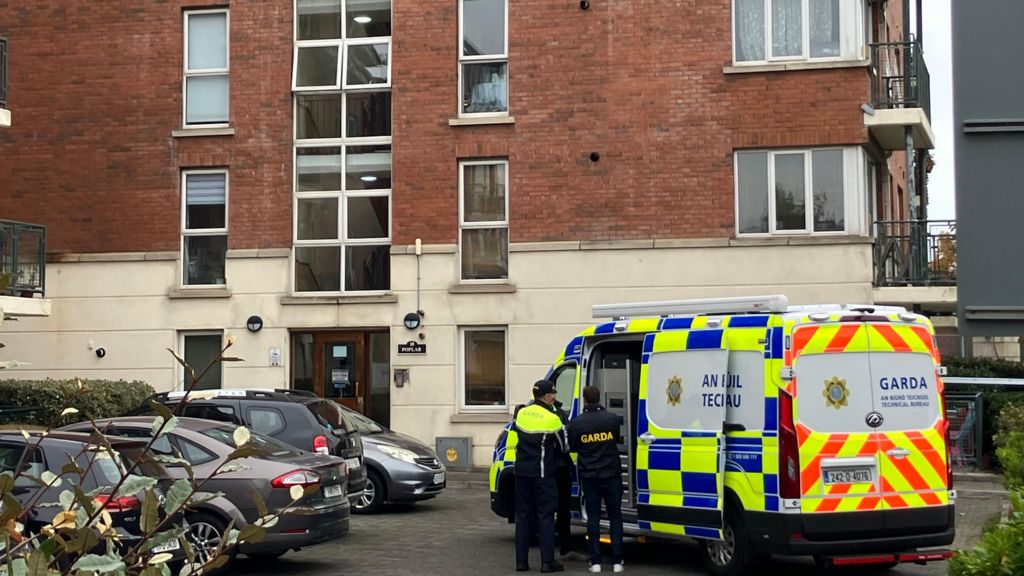
Teenage boy dies following incident at Dublin apartment
A tragic event unfolded at the Grattan Wood apartment complex in Donaghmede, north Dublin, resulting in the death of a teenage boy and injuries to another. The incident occurred at an emergency residential unit managed by Tusla, Ireland’s child welfare and protection agency. A woman also received medical attention for non-life-threatening injuries at the scene. Irish police, Gardaí, confirmed that the situation is no longer active and poses no ongoing threat to the community. They are following a definite line of inquiry and are not seeking any other individuals in relation to the incident. Tusla expressed deep sorrow over the event, stating that it involved two young people, one of whom sustained fatal injuries. The agency is cooperating fully with the Gardaí’s investigation and is prioritizing the safety and well-being of the other young people and staff at the unit. Additional supports are being provided to those directly affected, and efforts are being made to contact the families of the young people residing there. Emergency services responded to a call for assistance shortly after 11:00 BST, discovering a seriously injured teenage boy who was later pronounced dead at the scene. The scene remains preserved for examination by the Garda Technical Bureau and Forensic Science Ireland. The body has been taken to Dublin City Mortuary for a post-mortem examination, the results of which will aid the investigation. Irish Prime Minister Micheál Martin and Deputy Prime Minister Simon Harris expressed their shock and sadness over the loss of life, emphasizing the importance of the well-being of the young people and staff at the facility. Sinn Féin TD Denise Mitchell commended the Gardaí and emergency services for their swift response.
-
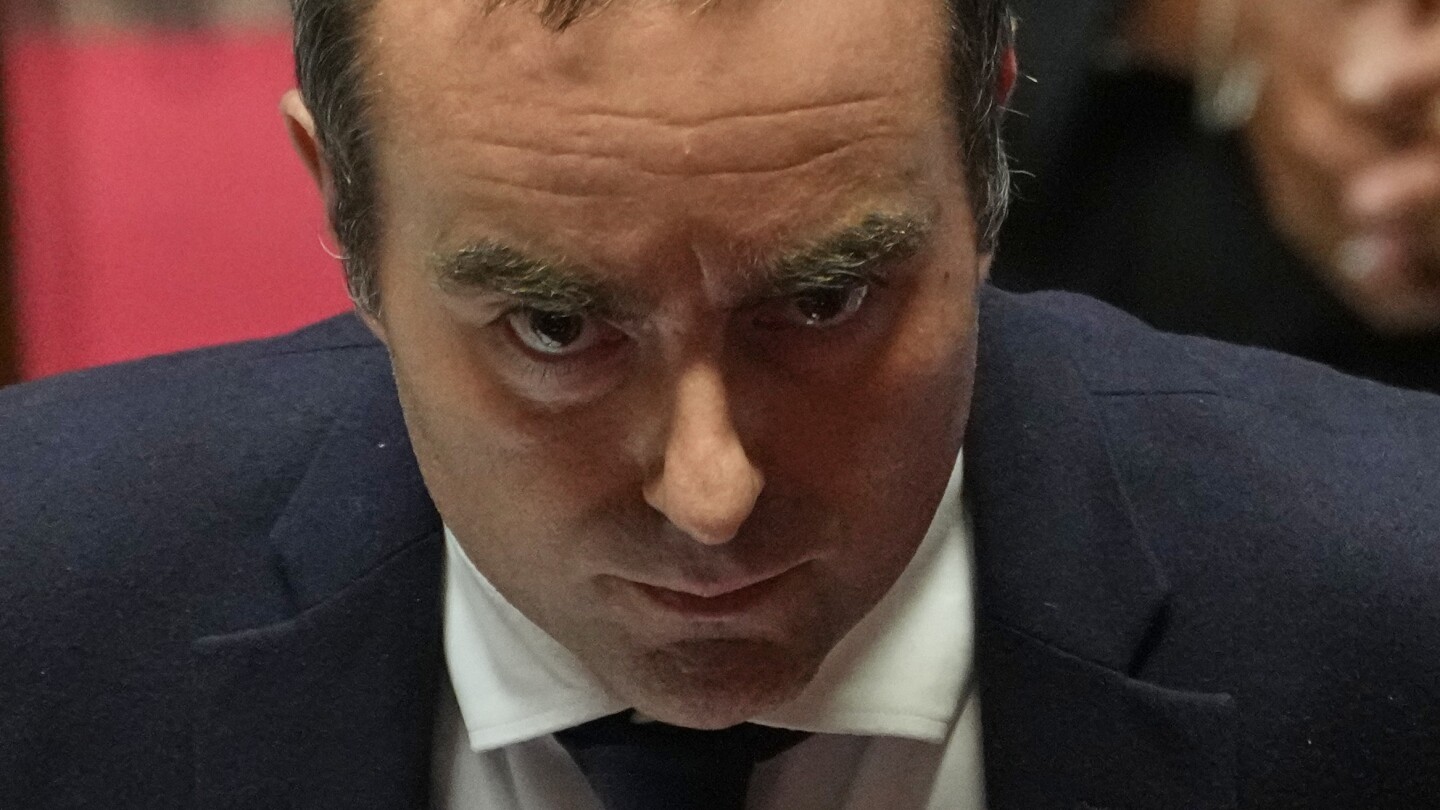
France is on the brink as Macron’s government faces no-confidence votes
France is on the brink of a deepening political crisis as Prime Minister Sébastien Lecornu faces two no-confidence motions in the National Assembly on Thursday. These motions, filed by President Emmanuel Macron’s staunch opponents—the hard-left France Unbowed party and Marine Le Pen’s far-right National Rally—threaten to destabilize the fragile government. Should Lecornu’s administration fall, Macron may be compelled to dissolve the National Assembly and call for snap legislative elections, a move fraught with uncertainty.