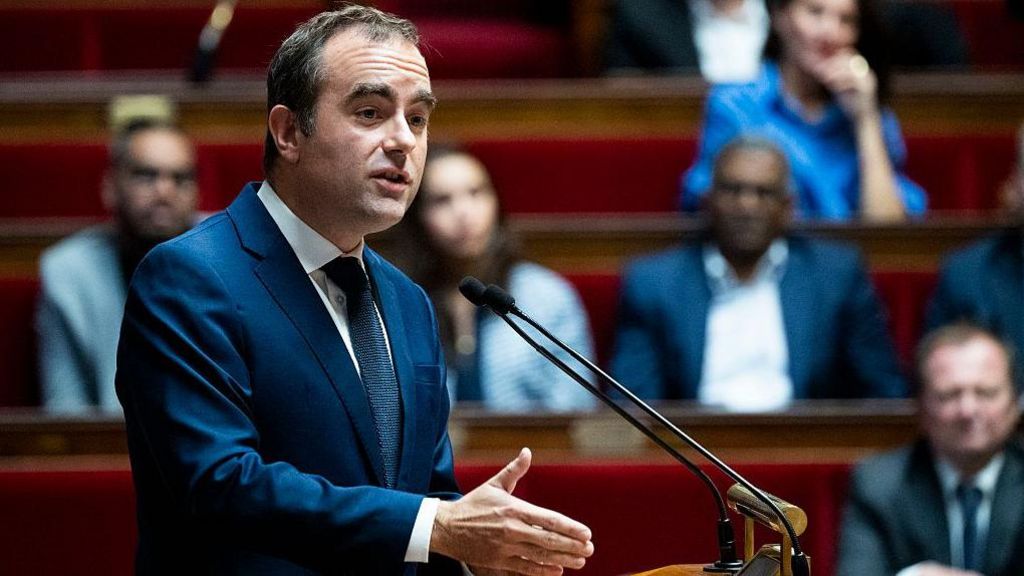
France’s newly appointed Prime Minister, Sébastien Lecornu, has narrowly survived two no-confidence motions tabled by opposition parties, marking a turbulent start to his tenure. In a closely contested vote, a motion led by the far-left fell 18 votes short of the 289 required to oust him. This victory provides Lecornu with temporary respite, allowing him to focus on passing the 2026 budget. However, challenges persist as both the far-left and far-right remain determined to destabilize his government. The Socialists, who supported Lecornu in this round, have signaled they will not be as lenient in future votes. Lecornu’s survival hinges on significant concessions to the left, including freezing President Emmanuel Macron’s key economic reform—raising the retirement age to 64—and relinquishing the use of the constitutional tool 49:3, which allows governments to bypass parliamentary votes. This shift in power reflects the waning influence of Macron’s presidency since his controversial dissolution of parliament in July 2024. Critics argue that these compromises undermine France’s fiscal discipline, jeopardizing efforts to reduce the deficit to 4.7% of GDP by 2026. The political gridlock has fueled public disillusionment, with Macron’s approval ratings plummeting to 14%. Analysts warn that France’s political instability could have far-reaching implications for Europe and beyond, as international observers express concern over the nation’s economic and strategic future.
标签: Europe
欧洲
-
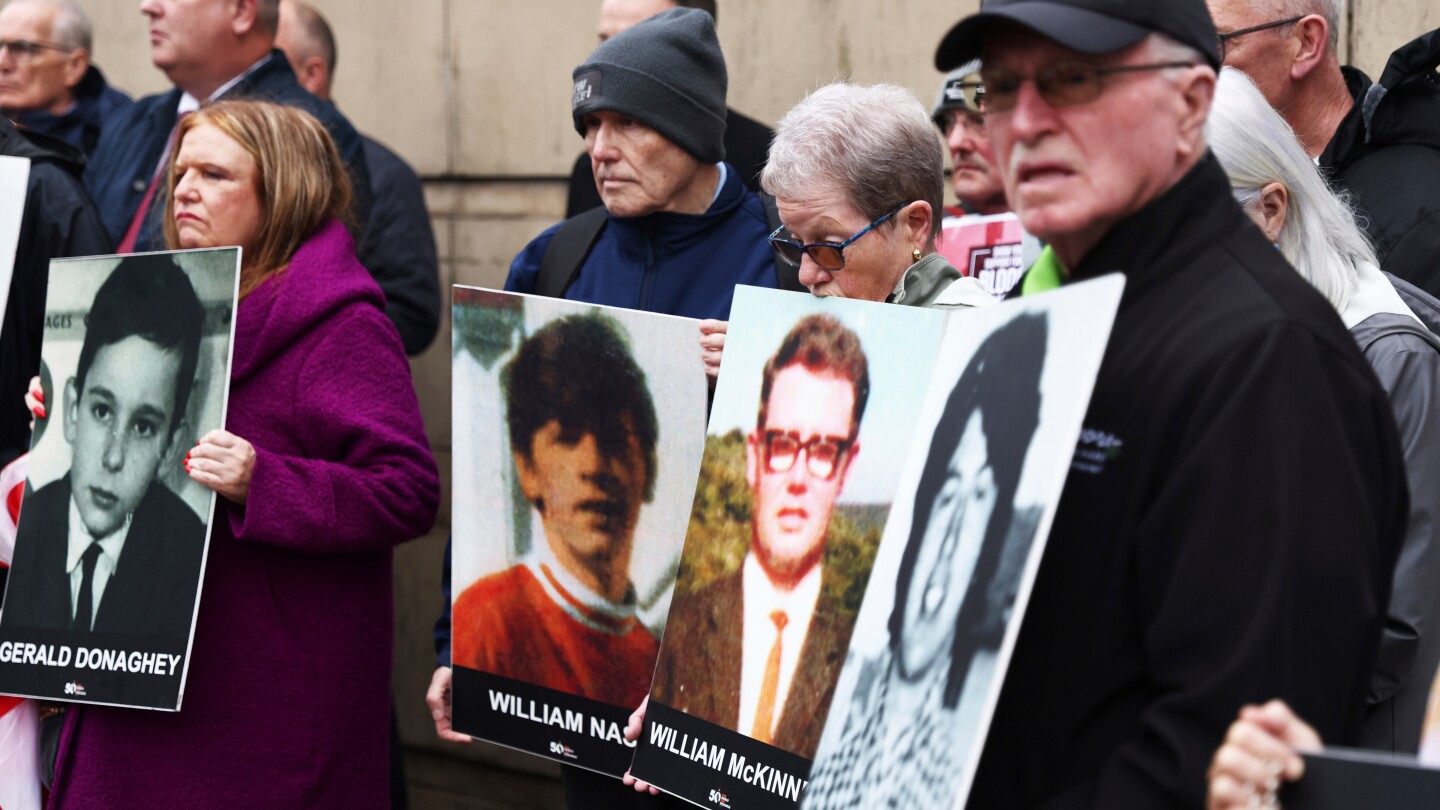
Lawyer urges judge to acquit British ex-soldier in 1972 Bloody Sunday killings in Northern Ireland
In a dramatic closing argument, defense lawyer Mark Mulholland urged a judge to acquit Soldier F, the only British soldier charged in the 1972 Bloody Sunday massacre. Mulholland asserted that the prosecution’s case was ‘fundamentally flawed and weak,’ relying on unreliable evidence from ‘fabricators and liars.’ The former lance corporal, whose identity remains protected, faces two counts of murder and five counts of attempted murder for his alleged role in the Jan. 20, 1972, shooting in Londonderry, also known as Derry, which left 13 dead and 15 wounded. The incident marked one of the darkest chapters in the sectarian violence known as ‘The Troubles.’ Mulholland rested his case without presenting evidence or calling his client to testify, instead challenging the credibility of inconsistent statements from fellow soldiers and fading memories of witnesses. Judge Patrick Lynch denied the defense’s request to dismiss the charges and is set to deliver his verdict on Oct. 23. The trial, held at Belfast Crown Court, has reignited tensions over accountability for the massacre. Families of the victims continue to seek justice, while supporters of army veterans argue that soldiers have been unfairly targeted. The prosecution, led by Louis Mably, contends that Soldier F and his fellow troops opened fire on unarmed civilians fleeing the scene. A 2010 inquiry overturned an earlier exoneration of the soldiers, leading to the eventual prosecution of Soldier F. The defense unsuccessfully sought to exclude hearsay statements from deceased Soldier G and Soldier H, who refused to testify. Soldier F, who pleaded not guilty, maintains he has no ‘reliable recollection’ of the events but insists he acted properly. The case underscores the lingering scars of Northern Ireland’s troubled history, even decades after the 1998 Good Friday peace accord.
-
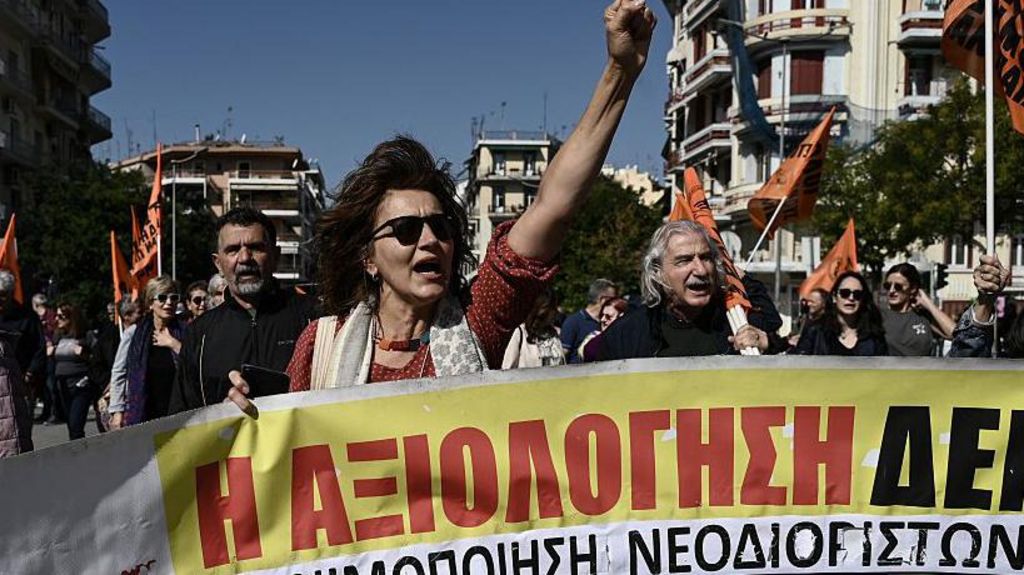
Greece passes labour law allowing 13-hour workdays in some cases
Greece’s parliament has passed a contentious labor reform bill permitting 13-hour workdays, sparking widespread protests and strikes across the nation. The government argues the legislation modernizes labor laws, aligning them with contemporary market demands. However, opposition parties, including the left-wing Syriza, have condemned the bill as a ‘legislative monstrosity’ that undermines workers’ rights. The new law caps annual overtime at 150 hours and maintains the standard 40-hour workweek. It also stipulates that extended workdays are optional, limited to the private sector, and applicable for no more than 37 days annually. The ruling center-right New Democracy party supported the bill, while the center-left Pasok party opposed it, and Syriza abstained. Labor Minister Niki Kerameus defended the reforms, stating they comply with EU working-time rules, which allow flexibility over a 12-month period. The law permits workers to opt for additional hours with a 40% pay increase and protects them from dismissal for refusing overtime. Critics, including public-sector union ADEDY, argue the reforms erode the eight-hour workday, disrupt family life, and legitimize worker exploitation. Greece, still recovering from its decade-long debt crisis, has among the lowest wages and living standards in the EU. The country recently introduced a six-day workweek for certain industries to stimulate economic growth. Despite these measures, Greek employees already work longer hours than most Europeans, earning less and struggling financially. Unemployment remains higher than the EU average, highlighting ongoing economic challenges.
-
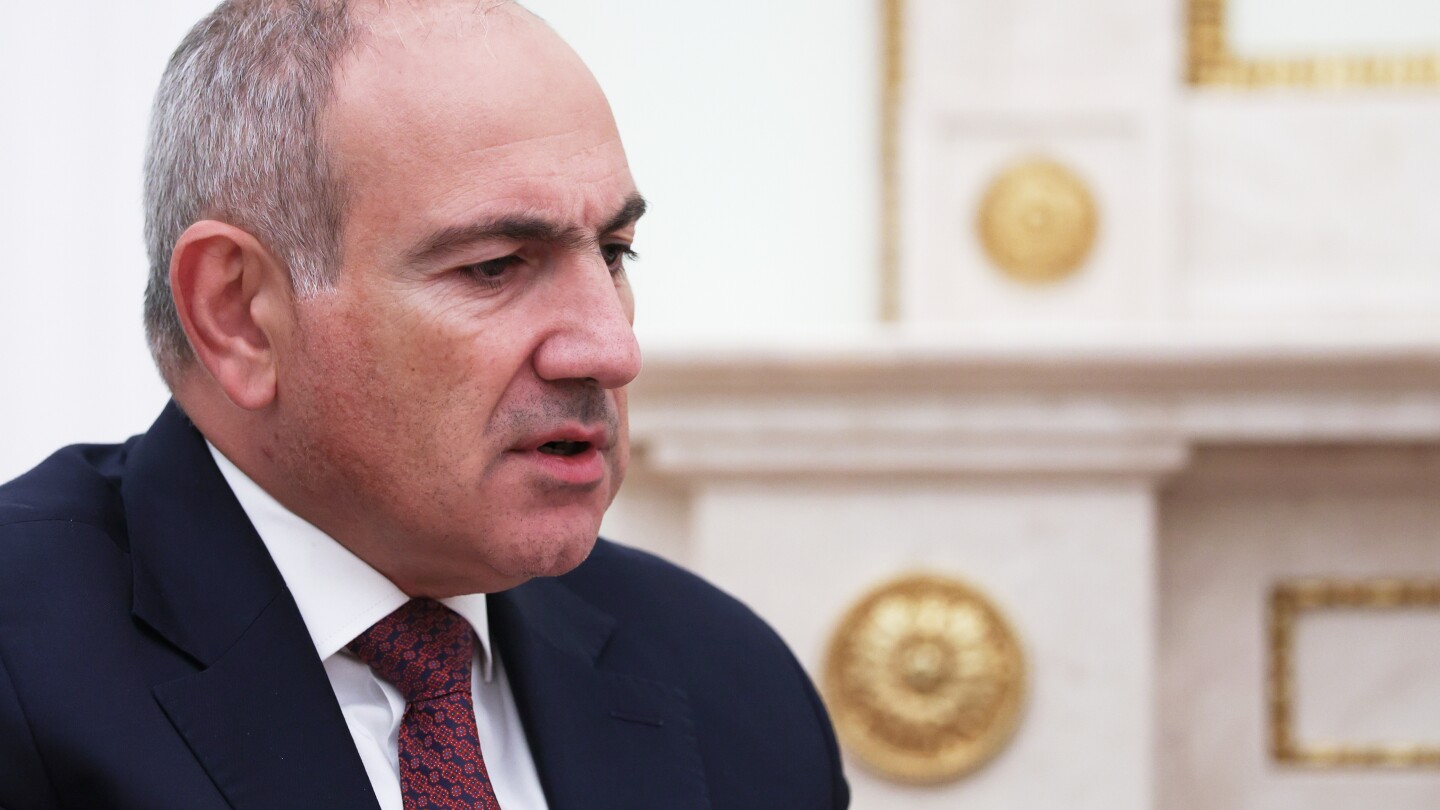
Leading bishop among Armenian clerics arrested in government crackdown on church
In a significant escalation of tensions between the Armenian government and the influential Armenian Apostolic Church, Bishop Mkrtich Proshyan has been charged with coercing citizens into participating in public gatherings, as well as allegations of large-scale theft and obstruction of electoral rights. The charges, announced by Armenia’s Investigative Committee on Wednesday, mark the latest in a series of high-profile arrests targeting critics of Prime Minister Nikol Pashinyan. Proshyan, who is the nephew of the church’s leader, Catholicos Karekin II, was detained alongside twelve other clergymen from his diocese. The church has condemned the arrests as part of a systematic campaign to undermine its activities, stating on social media that there is ‘obvious malicious intent to hinder the normal activities of the church.’ The investigation into Proshyan began in September following accusations from a clergy member that the church pressured its members to join anti-government rallies in 2021. This arrest follows the sentencing of Archbishop Mikael Ajapahyan to two years in prison in June for allegedly calling for the government’s overthrow. Relations between Pashinyan and the church have deteriorated sharply since April 2024, when tens of thousands of demonstrators protested Armenia’s decision to cede control of several border villages to Azerbaijan as part of a broader effort to normalize relations. The church, along with opposition groups like Sacred Struggle, has vehemently opposed these territorial concessions, which have become a focal point of broader grievances against Pashinyan’s administration. The ongoing conflict between Armenia and Azerbaijan, rooted in territorial disputes since the early 1990s, has further complicated the political landscape. In September 2023, Azerbaijan reclaimed full control of the Karabakh region, leading to Armenia’s subsequent handover of border villages. A White House-brokered peace deal signed in August aimed to end decades of conflict, but internal tensions in Armenia continue to simmer.
-

Taylor Swift fans flood German museum to see painting echoing her hit video ‘The Fate of Ophelia’
A German museum has experienced an unexpected surge in visitors, thanks to Taylor Swift’s latest music video. The Hessische Landesmuseum in central Germany has drawn hundreds of additional guests over the weekend, with some traveling from as far as Hamburg, after fans noticed a striking resemblance between an Art Nouveau painting in its collection and the opening scene of Swift’s hit song, “The Fate of Ophelia.” The painting, created by Friedrich Heyser around 1900, depicts Ophelia, a character from William Shakespeare’s “Hamlet,” clad in white and surrounded by white water lilies. Museum spokesperson Susanne Hirschmann confirmed the influx of visitors to German news agency dpa. Museum director Andreas Henning expressed both surprise and delight at the possibility that Swift’s video was inspired by the painting. “This is a great opportunity to attract people who don’t know us yet,” he said. While the museum has attempted to contact Swift to confirm the connection, they have yet to receive a response. Henning added, “I would love to show Taylor Swift the original painting sometime.” The song currently tops the charts in both Germany and the United States.
-
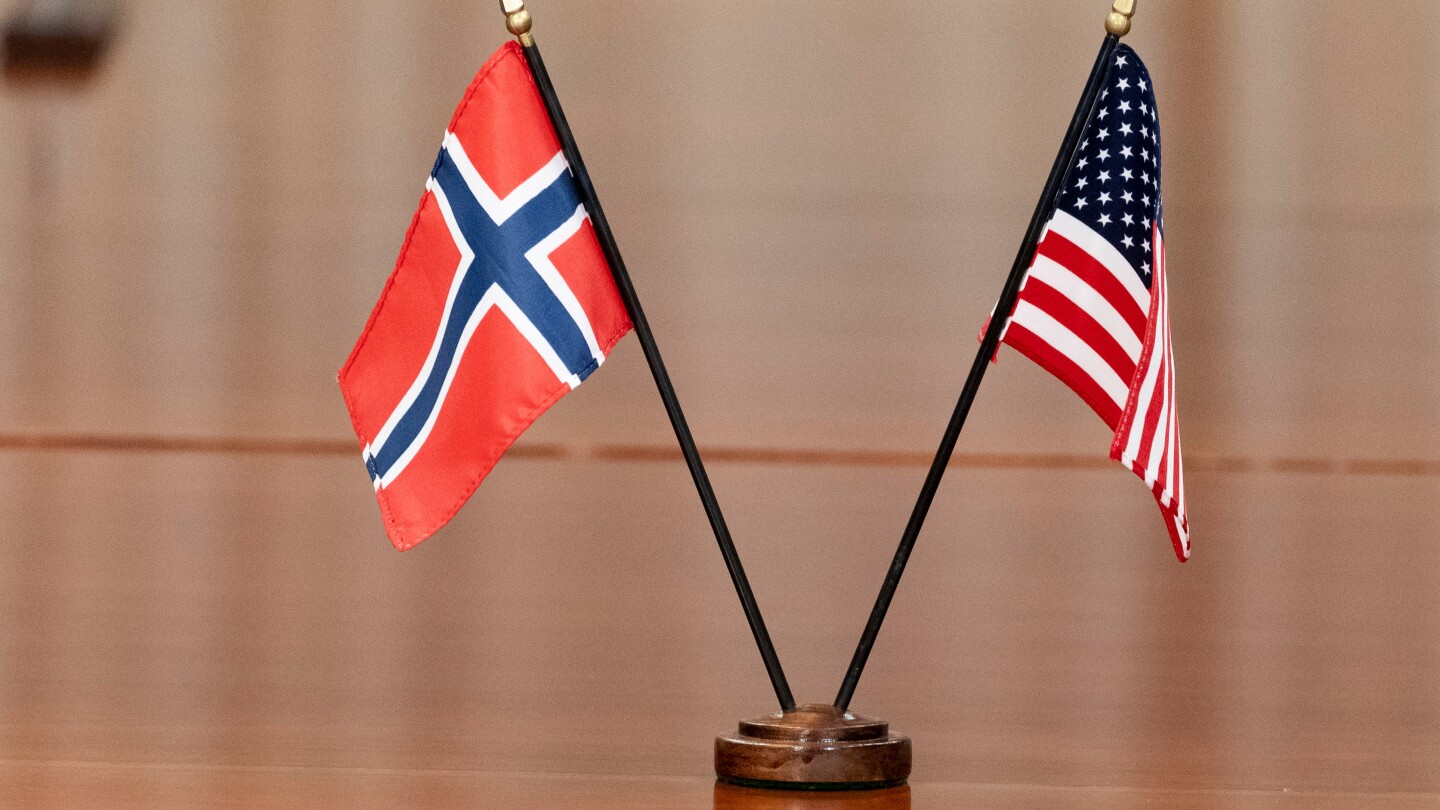
A former security guard at the US Embassy in Norway is convicted of spying for Russia and Iran
A former security guard at the U.S. Embassy in Norway has been convicted of espionage after a court in Oslo found him guilty of spying for Russia and Iran. The 28-year-old Norwegian national, whose identity remains undisclosed, was sentenced to three years and seven months in prison. While he admitted to the facts of the indictment, he denied any criminal wrongdoing. Prosecutors revealed that he had shared sensitive information, including details about embassy diplomats, floor plans, and security protocols, with foreign agents. According to Norwegian state broadcaster NRK, the man’s actions were reportedly influenced by American ties to Israel and the Gaza conflict. His defense attorneys argued that the information he provided was of minimal value, likening his access to that of a janitor. They also questioned the legal definition of espionage under Norwegian law. The defendant was convicted on five espionage charges but acquitted of gross corruption. Both the defense and prosecution are considering appeals, with the latter seeking a harsher sentence than the three-and-a-half-year term imposed. The case marks the second espionage incident involving Norway’s Arctic University, UiT, in recent years. Norway, which shares a 198-kilometer Arctic border with Russia, has tightened restrictions on Russian nationals since the 2022 invasion of Ukraine and is contemplating building a fence along the border.
-
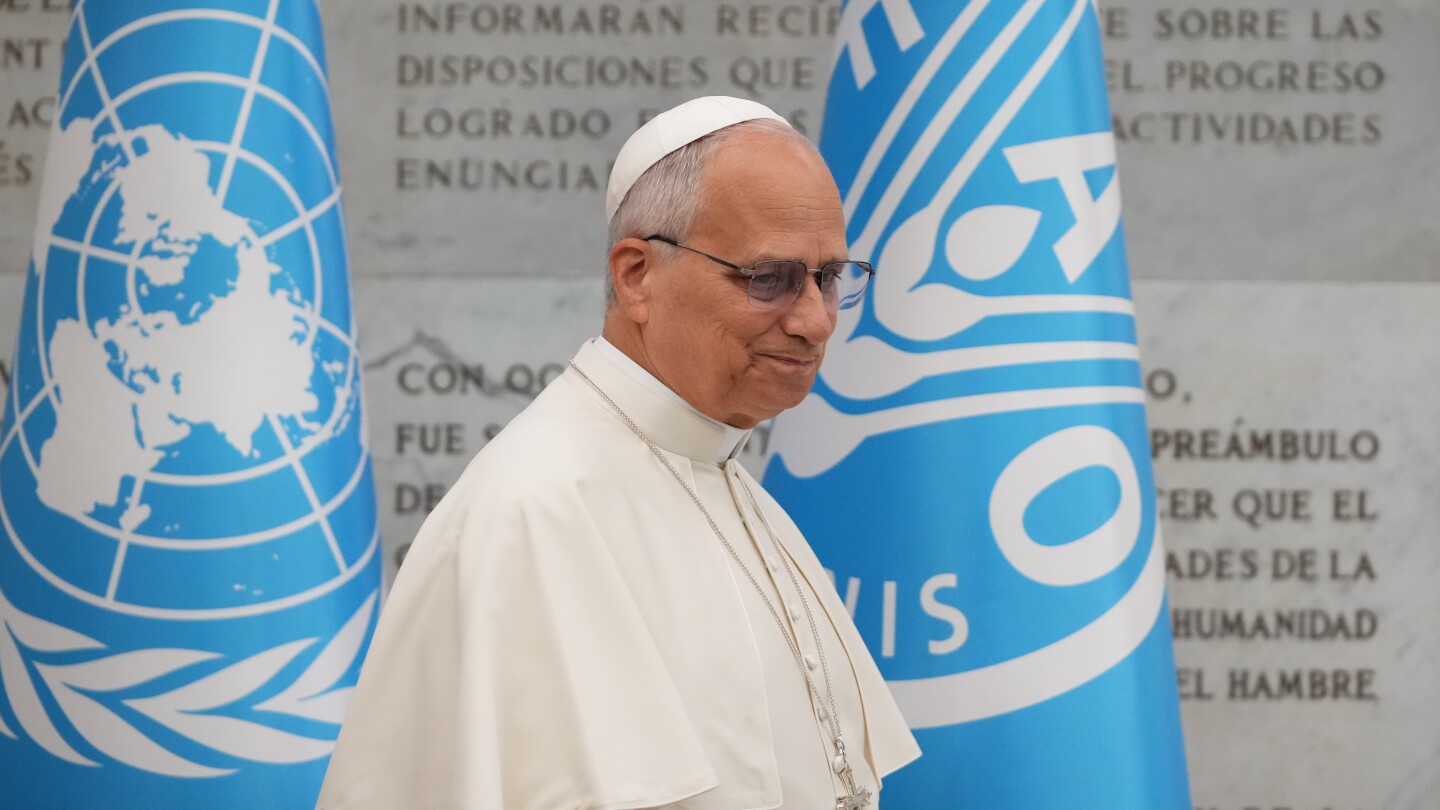
Pope Leo urges world leaders ‘not to look the other way’ in fighting global hunger
In a powerful address during the World Food Day global ceremony at the U.N. Food and Agriculture Organization’s headquarters in Rome, Pope Leo XIV urged world leaders to take responsibility for addressing the escalating crises of hunger, war, and suffering worldwide. The event also commemorated the 80th anniversary of the FAO. The pontiff emphasized the need for the international community to confront global food emergencies head-on, rather than turning a blind eye. He specifically highlighted the ongoing conflicts in Ukraine, Gaza, Haiti, Afghanistan, Mali, the Central African Republic, Yemen, and South Sudan, underscoring the dire consequences of inaction. Citing U.N. statistics, Pope Leo revealed that approximately 673 million people globally suffer from insufficient daily food intake. He challenged the global community to reevaluate their lifestyles and priorities, stating, ‘The hungry faces of so many who still suffer challenge us and invite us to reexamine our lifestyles, our priorities, and our overall way of living in today’s world.’ The pope concluded his speech by urging collective empathy, declaring, ‘We must make their suffering our own.’ Pope Leo also condemned the use of hunger as a weapon of war, labeling it a ‘collective failure, an ethical derailment, and a historic offence.’ His warning comes as U.N. food aid agencies face significant funding cuts, particularly from the U.S. and other Western donors, threatening operations in critical regions and potentially pushing millions into emergency hunger levels. The World Food Program reported that 13.7 million recipients of its aid could face severe food insecurity due to these cuts, with Afghanistan, Congo, Haiti, Somalia, South Sudan, and Sudan at the greatest risk.
-
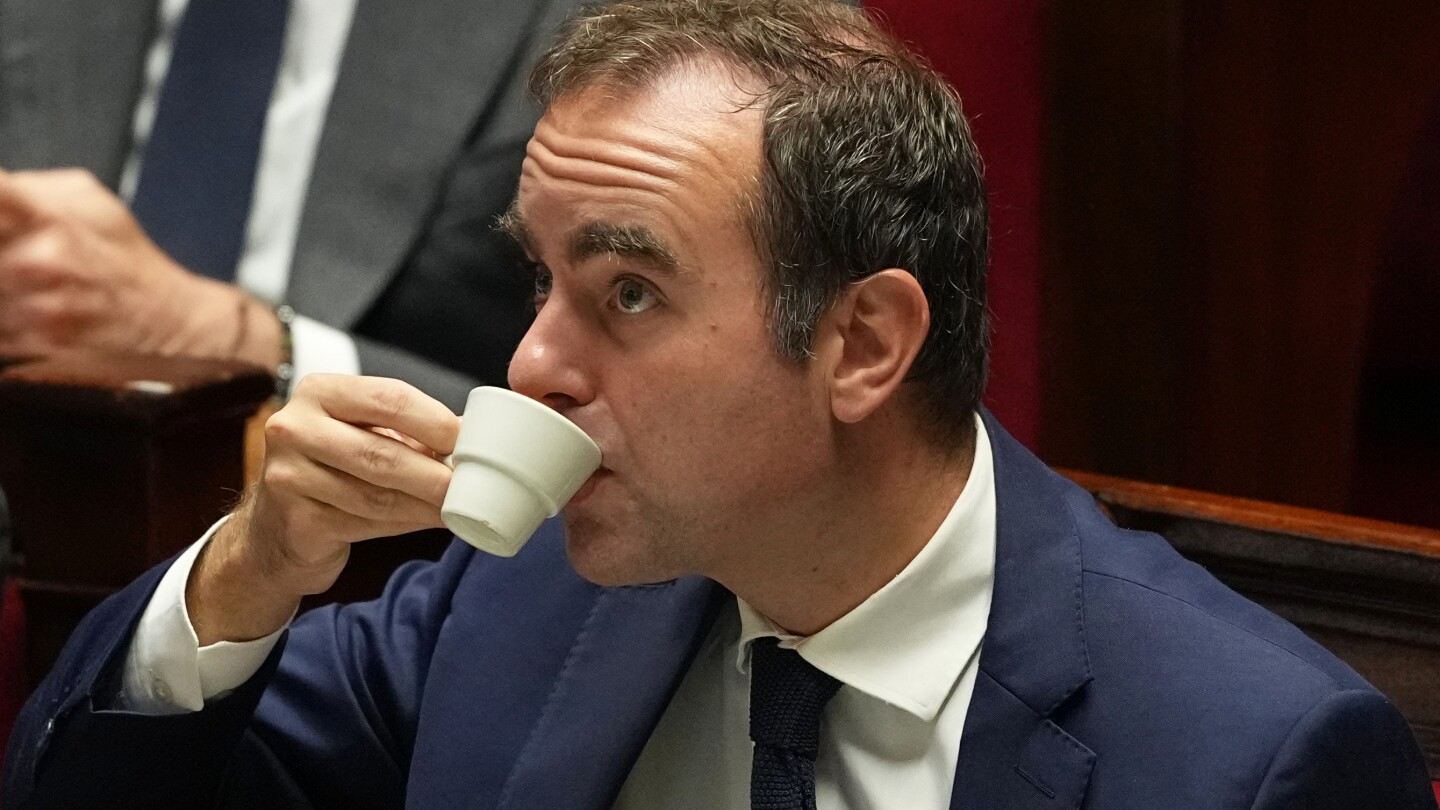
Embattled French PM Sébastien Lecornu survives no-confidence vote in Parliament
In a critical political showdown, French Prime Minister Sébastien Lecornu narrowly survived a no-confidence vote on Thursday, averting the collapse of his fragile government and preventing further political instability in France. The National Assembly’s decision allows Lecornu to focus on the daunting task of passing the 2026 budget for the European Union’s second-largest economy through a deeply divided Parliament. The vote also spared President Emmanuel Macron from the risky prospect of dissolving the National Assembly and calling snap elections, a move he had hinted at if Lecornu’s government fell. Two no-confidence motions were filed by Macron’s staunch opponents: the hard-left France Unbowed party and Marine Le Pen’s far-right National Rally. The first motion, led by France Unbowed, failed with 271 votes, falling short of the 289 required for a majority. The second motion, initiated by Le Pen, is also expected to fail, as left-wing lawmakers are unlikely to support it. Despite his survival, Lecornu remains in a precarious position. To secure votes, he offered to suspend the highly contentious pension reform, which raises the retirement age from 62 to 64. This concession swayed some opposition lawmakers to withhold support for his ouster, at least temporarily. However, future no-confidence motions could gain traction if budget negotiations—expected to be fraught with conflict—fail to meet opposition demands. Lecornu has pledged not to use constitutional powers to bypass Parliament, a tactic employed by Macron’s government to enforce the pension reform despite widespread protests. Achieving consensus on tax hikes, spending cuts, and other measures to address France’s soaring deficit and debt will prove exceptionally challenging.
-
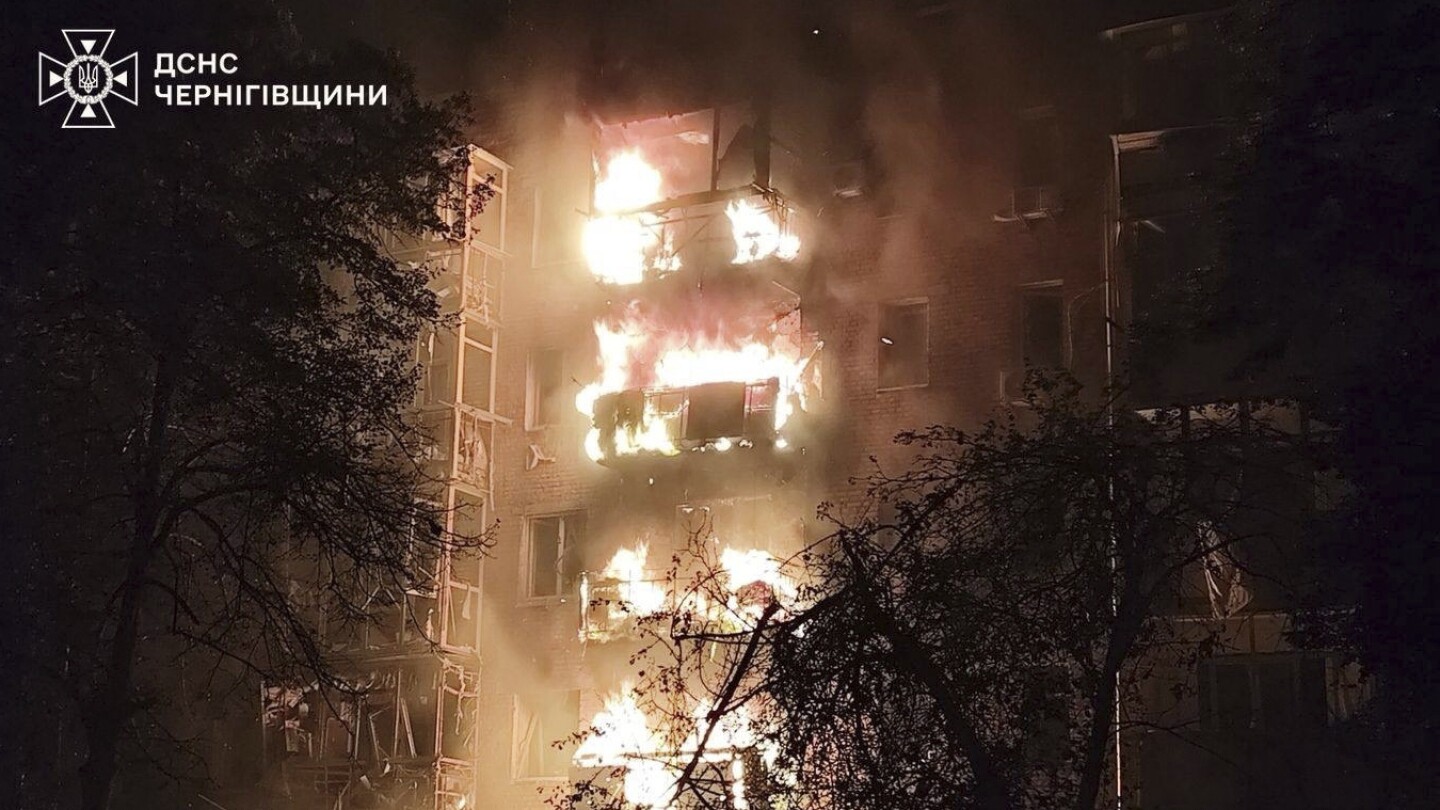
Russian barrage causes blackouts in Ukraine as Zelenskyy seeks Trump’s help
In a significant escalation of hostilities, Russia launched a massive assault on Ukraine’s energy infrastructure, deploying hundreds of drones and dozens of missiles in a targeted bombardment. Ukrainian authorities reported widespread blackouts across eight regions, including the capital, Kyiv. The attacks forced DTEK, Ukraine’s largest private energy company, to halt natural gas extraction in the central Poltava region. Ukrainian President Volodymyr Zelenskyy condemned the strikes, accusing Russia of using cluster munitions and repeatedly targeting emergency repair crews. He emphasized that Russia’s strategy of attacking energy facilities aims to cripple Ukraine’s resilience as winter approaches. Zelenskyy is scheduled to meet with U.S. President Donald Trump to request advanced air defense systems and long-range missiles to counter the ongoing aerial assaults. The Ukrainian power grid has been a primary target since Russia’s invasion over three years ago, with attacks intensifying as colder months near. Despite Ukraine’s resistance, the country’s vast territory makes it challenging to defend against aerial attacks. Zelenskyy’s visit to the U.S. also seeks to secure tougher international economic sanctions on Moscow and joint drone production agreements. Meanwhile, U.S. Defense Secretary Pete Hegseth warned that Washington will impose costs on Russia if it continues its aggression. Trump, frustrated by the prolonged conflict, has expressed impatience with Russian President Vladimir Putin, whom he views as the main obstacle to peace. The U.S. has hesitated to provide long-range missiles, fearing escalation, but Trump’s administration is exploring ways to increase pressure on Russia to end the war.
-
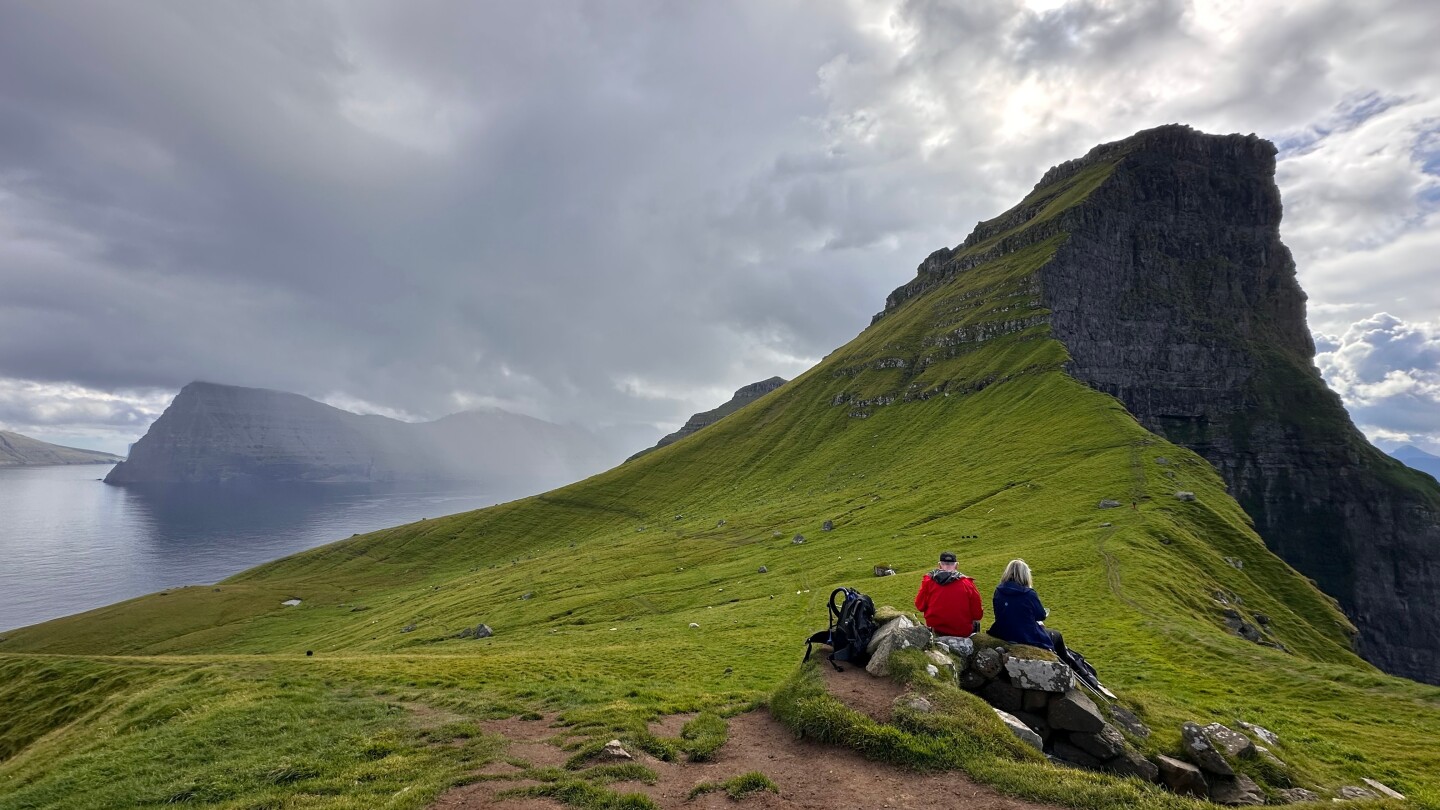
Take a ‘stormcation’ in the dramatic Faroe Islands, where James Bond died
The Faroe Islands, a remote archipelago in the North Atlantic, offer awe-inspiring landscapes but pose significant challenges for visitors. Known for its dramatic cliffs, sudden gale-force winds, and steep hillsides, this self-governing territory under Denmark has become a magnet for adventurous travelers seeking bird-watching, unique culinary experiences, and ‘coolcations’ amid rising global temperatures. However, the islands’ rugged beauty comes with risks. In September, three tourists vanished near a famous waterfall, highlighting the dangers of the terrain. Locals, accustomed to the harsh environment, navigate it with ease, but tourists are often unprepared for the sudden fogs and unprotected cliffs. The Faroe Islands are taking steps to balance tourism growth with environmental preservation. Initiatives like the annual ‘closed for maintenance’ program, launched in 2019, enlist volunteers to combat erosion and maintain trails. The tourism office has also introduced self-navigating tours to divert visitors from overcrowded spots to lesser-known areas. Despite the challenges, the islands’ growing infrastructure, including undersea tunnels and an expanding network of Airbnbs, is making travel more accessible. The Faroe Islands’ unique blend of natural beauty and cultural richness continues to attract visitors, but the message is clear: respect the environment and heed local warnings to ensure a safe and memorable experience.