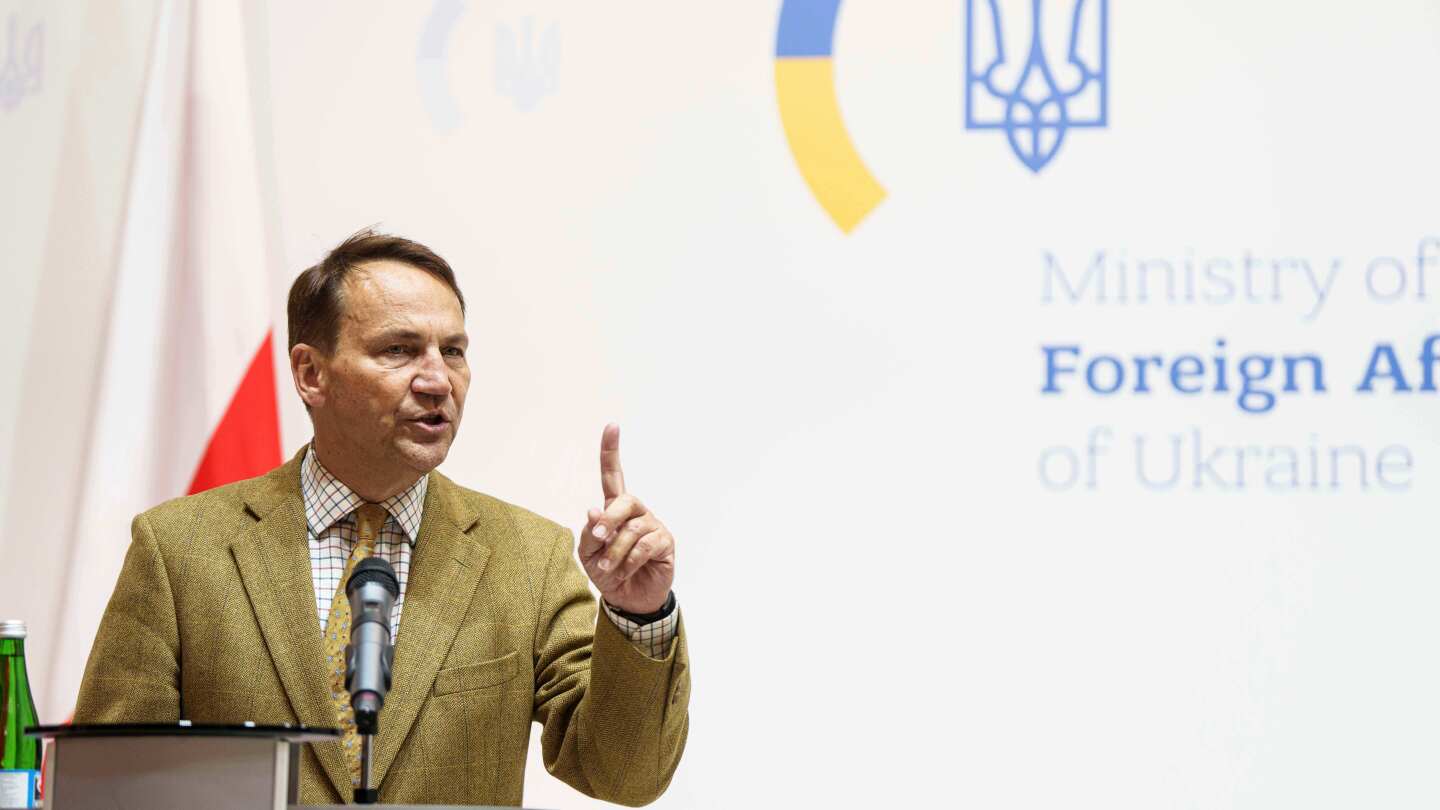
Poland’s Foreign Minister Radek Sikorski announced on Monday that he was summoning the Israeli ambassador following a contentious post by Yad Vashem, Israel’s Holocaust memorial institution. The post, published on X (formerly Twitter) on Sunday, stated that ‘Poland was the first country where Jews were forced to wear a distinctive yellow badge to isolate them from the surrounding population.’ Sikorski urged Yad Vashem to revise the post to clarify that the order was issued in ‘German-occupied’ Poland, emphasizing that Poland itself was not responsible for the Nazi-imposed measures. Polish officials have long opposed language that could inaccurately attribute Nazi crimes to Poland. The previous nationalist government even considered criminal penalties for those suggesting Polish complicity in Nazi atrocities. Yad Vashem’s post detailed how Hans Frank, the governor of the Generalgouvernement, ordered Jews aged 10 and above to wear armbands marked with a blue Star of David on November 23, 1939. Poland was occupied by Nazi Germany in September 1939, marking the start of World War II. During the Holocaust, six million Jews and others were killed, many in Nazi death camps located on occupied Polish soil. Beyond Sikorski, Polish Prime Minister Donald Tusk and others criticized Yad Vashem’s wording. Yad Vashem responded on social media, clarifying that the order was issued by German authorities but did not amend the original post. Sikorski’s decision to summon the Israeli ambassador underscores the sensitivity of historical narratives in Polish-Israeli relations.
标签: Europe
欧洲
-
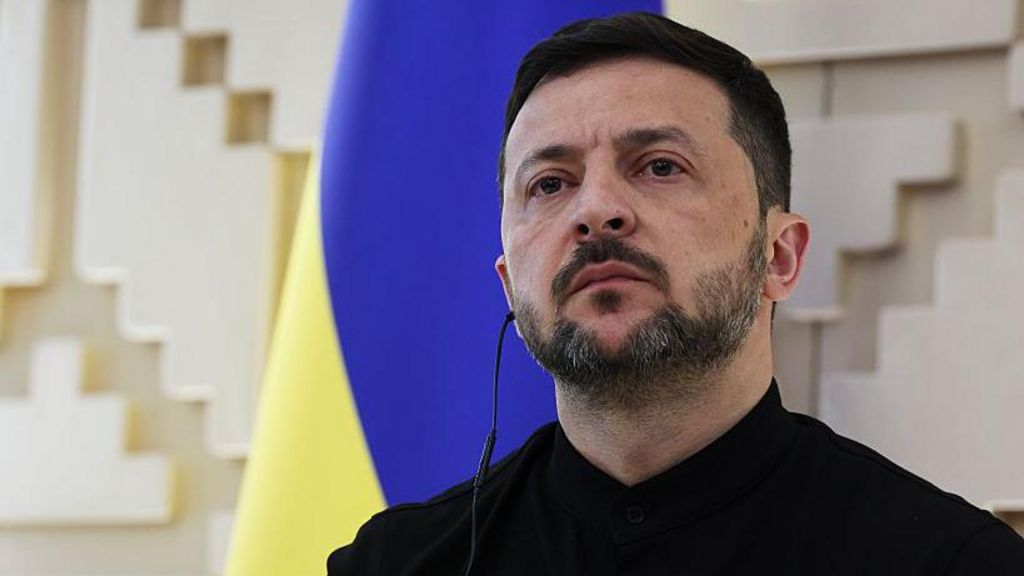
Zelensky warns against giving away territory as latest Ukraine talks end
Recent negotiations in Geneva between the United States and Ukraine, aimed at ending the ongoing conflict with Russia, have concluded with both sides reporting “progress” and a commitment to continue discussions. However, significant challenges remain, particularly regarding territorial disputes and security guarantees for Ukraine. Ukrainian President Volodymyr Zelensky acknowledged the “important steps” taken but emphasized that the primary obstacle to peace talks is Russian President Vladimir Putin’s demand for legal recognition of Russian-occupied territories in eastern Ukraine. Zelensky warned that such recognition would undermine the principles of territorial integrity and sovereignty, potentially rewarding Russia for its aggression. Meanwhile, former US President Donald Trump expressed cautious optimism on social media, stating, “Something good just may be happening,” while advising skepticism until concrete results are seen. The Geneva talks did not include Russian representatives, and the Kremlin stated it had not received any information on the outcomes. Kremlin spokesman Dmitri Peskov noted that Moscow was aware of “adjustments” to a peace plan previously welcomed by Putin. The 28-point peace plan, drafted by US and Russian officials and presented to Ukraine last week, appeared to favor Moscow’s demands, causing concern in Kyiv and among European allies. Trump’s comments suggesting Ukraine had a deadline to accept the deal or face reduced US support added urgency to the discussions. US Secretary of State Marco Rubio described the talks as making “tremendous” progress, expressing confidence in reaching a resolution. However, European leaders, including Polish Prime Minister Donald Tusk and German Chancellor Friedrich Merz, remained cautious, with Merz describing the process as “lengthy” and unlikely to yield immediate breakthroughs. European nations, caught off guard by the US draft peace plan, proposed a counter-proposal excluding recognition of Russian-held territories, increasing Ukraine’s allowed army size, and leaving open the possibility of Ukraine joining NATO. Rubio claimed unawareness of this plan, while Kremlin foreign policy aide Yuri Ushakov dismissed it as “completely unconstructive.” Since Russia’s full-scale invasion of Ukraine in 2022, Moscow has demanded Ukrainian withdrawal from the Donbas region, a condition Kyiv and its European partners reject due to concerns over territorial integrity and sovereignty. Despite recent diplomatic efforts, the next steps remain unclear. Zelensky is expected to speak with Trump soon, after which a revised peace plan may be presented to Moscow. British Prime Minister Sir Keir Starmer emphasized the need for further work to achieve a “just and lasting peace” in Ukraine, with a virtual “coalition of the willing” meeting scheduled to discuss developments.
-
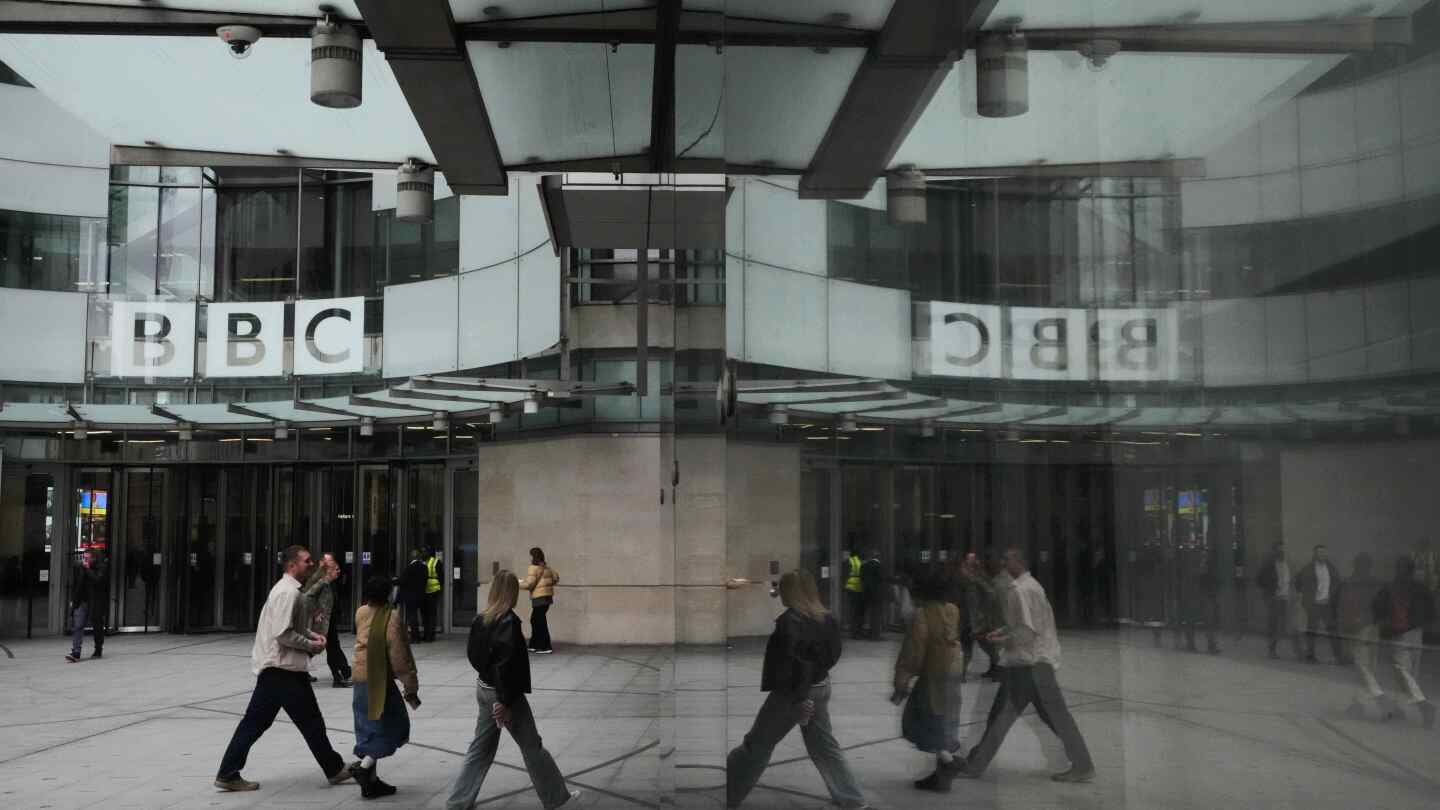
BBC leaders to face lawmakers’ grilling over its standards after Trump threatened to sue
The BBC’s leadership is set to undergo intense scrutiny as its chairman, Samir Shah, along with board member Robbie Gibb and former editorial adviser Michael Prescott, face questioning from the UK Parliament’s Culture, Media and Sport Committee. This hearing comes in the wake of a controversy surrounding a misleading edit of former U.S. President Donald Trump’s speech in a BBC documentary titled ‘Trump: A Second Chance?’. The documentary, produced by a third-party company, spliced three quotes from Trump’s January 6, 2021 speech into a single statement, creating the impression that he directly incited the Capitol riot. Trump has threatened a billion-dollar lawsuit over the edit, which the BBC has apologized for but denies constitutes defamation. The broadcaster’s editorial standards have been further questioned following internal concerns raised by Prescott about alleged institutional bias in its coverage of issues like Gaza and transgender rights. The crisis has deepened with the recent resignations of the BBC’s director general and head of news, as well as board member Shumeet Banerji, citing governance issues.
-
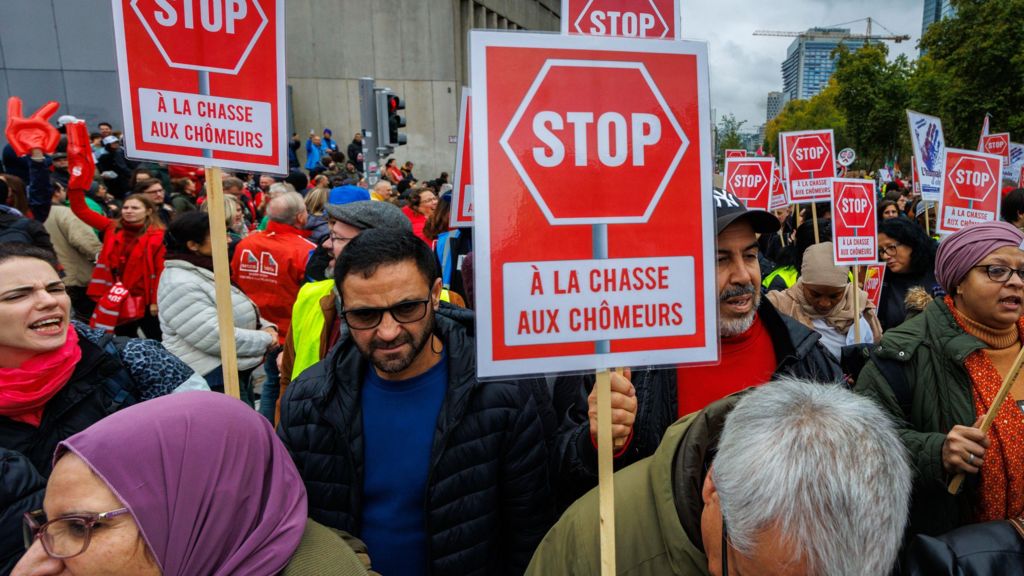
Belgian airports warn of ‘major disruption’ amid nationwide strikes
Belgium is in the midst of a three-day wave of strikes, culminating in a nationwide general strike on Wednesday, as workers protest against government-imposed austerity measures. The industrial action, organized by major unions, includes disruptions to public transport on Monday, a public service strike on Tuesday, and a full-scale general strike on Wednesday. Key transportation hubs, including Eurostar and Belgium’s two main airports—Brussels and Charleroi—have warned of significant disruptions, with all departure flights canceled on Wednesday. The strikes follow widespread protests last month, where tens of thousands took to the streets to oppose government reforms and spending cuts. Unions have criticized the government for its lack of response to their demands, which include fair pensions, a wealth tax, a tax on digital activities for tech giants, and transparent scrutiny of corporate subsidies. The strikes coincide with a day of action against violence against women, which unions have linked to the broader protest movement. The industrial action has been a recurring issue since Flemish nationalist Bart De Wever became Prime Minister in February. Despite the unrest, Belgium’s coalition government announced a budget agreement on Monday, with De Wever emphasizing the need for fiscal responsibility to sustain the welfare state. The government claims its reforms have already reduced debt accumulation by €32 billion during its term. Meanwhile, public transport services across the country are expected to face severe disruptions throughout the strike period.
-
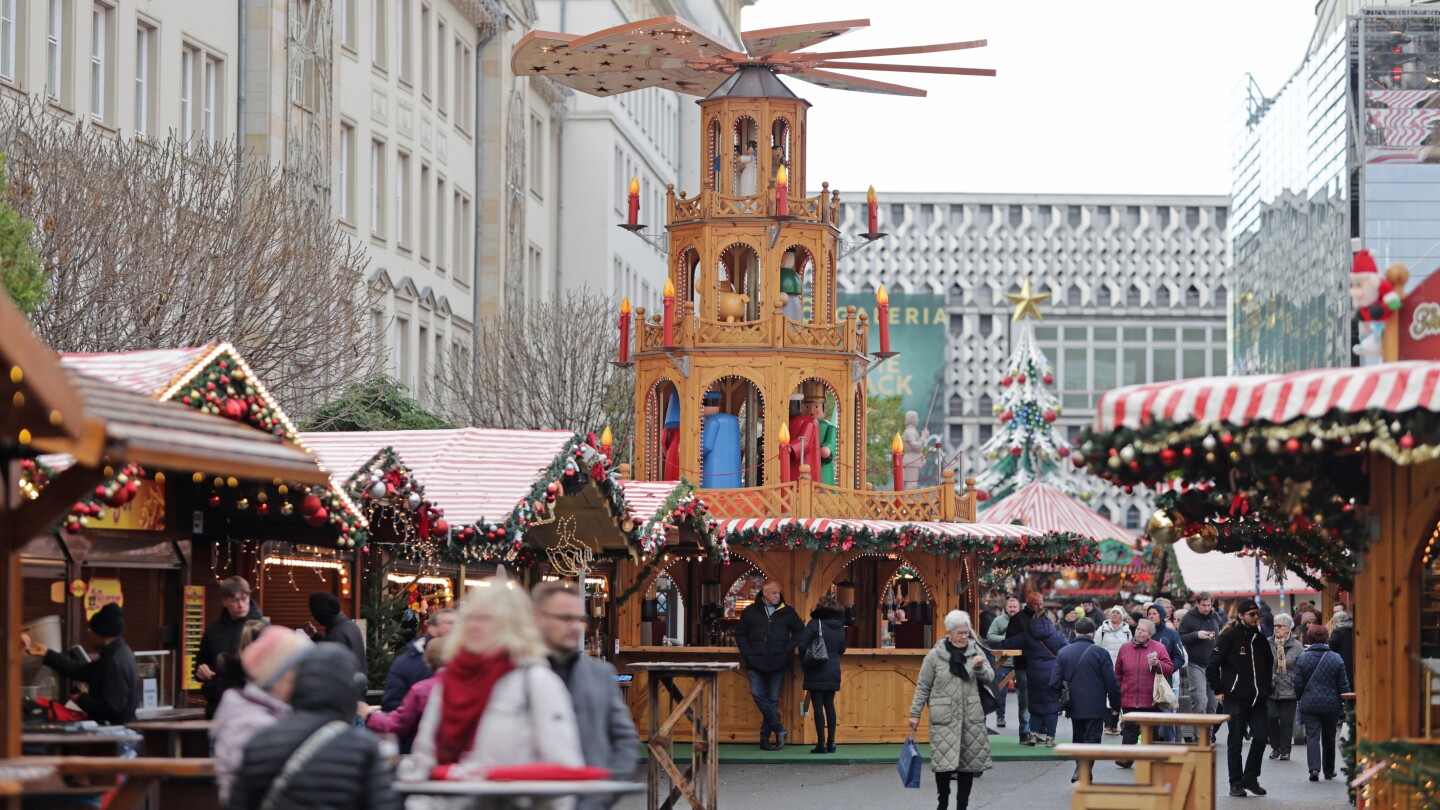
Germany’s Christmas markets open with festive cheer and tight security
As Germany’s cherished Christmas markets opened on Monday, the festive atmosphere was accompanied by heightened security measures, a reminder of the tragic attacks that have marred these annual celebrations in recent years. From Berlin to Cologne, markets welcomed visitors with traditional delights such as mulled wine, grilled sausages, and handmade crafts, while ensuring safety remained a top priority. In Berlin, the iconic market at Gedächtniskirche church commenced with a public service, alongside other prominent markets at Rotes Rathaus, Gendarmenmarkt, and Charlottenburg Palace. Vendors offered a variety of goods, from snacks and drinks to woolen hats and festive decorations, while children enjoyed rides and ice-skating. The markets, a tradition dating back to the Middle Ages, have become a global symbol of holiday cheer. However, the shadow of past attacks looms large. In December 2022, a car-ramming attack in Magdeburg claimed six lives, while the 2016 Berlin truck attack at Gedächtniskirche left 13 dead. Authorities have implemented robust security measures, including anti-terrorism barriers and private security, to ensure the safety of visitors. Despite the challenges, organizers like Birgit Grothues in Cologne emphasized the importance of providing a joyful escape during difficult times, noting the smiles and festive spirit among attendees.
-
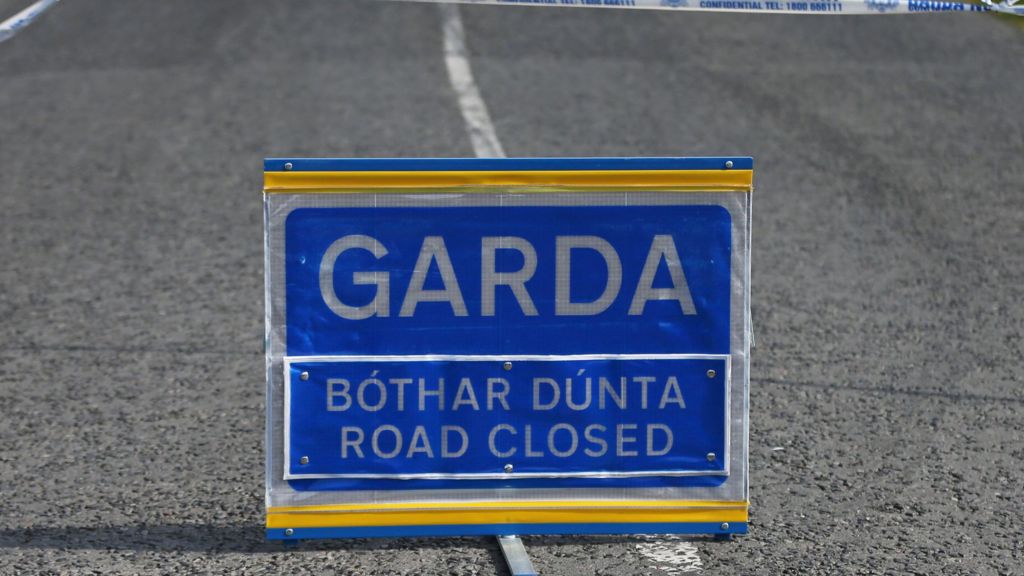
Emergency services at scene of multi-vehicle crash involving bus
A significant multi-vehicle accident involving a Bus Éireann bus has been declared a major incident by the Irish transport company. The collision occurred on the R132 in Gormanston, County Meath, on Monday morning. Bus Éireann has confirmed that its Route 101 service was involved in the crash, which included multiple other vehicles. Emergency services, including Gardaí, are currently on-site managing the situation, and local traffic diversions have been implemented to facilitate the response. The incident has caused significant disruption in the area, with authorities urging the public to avoid the location while investigations and recovery operations continue. Further details regarding injuries or fatalities have not yet been disclosed, but the severity of the crash has raised concerns about road safety in the region.
-
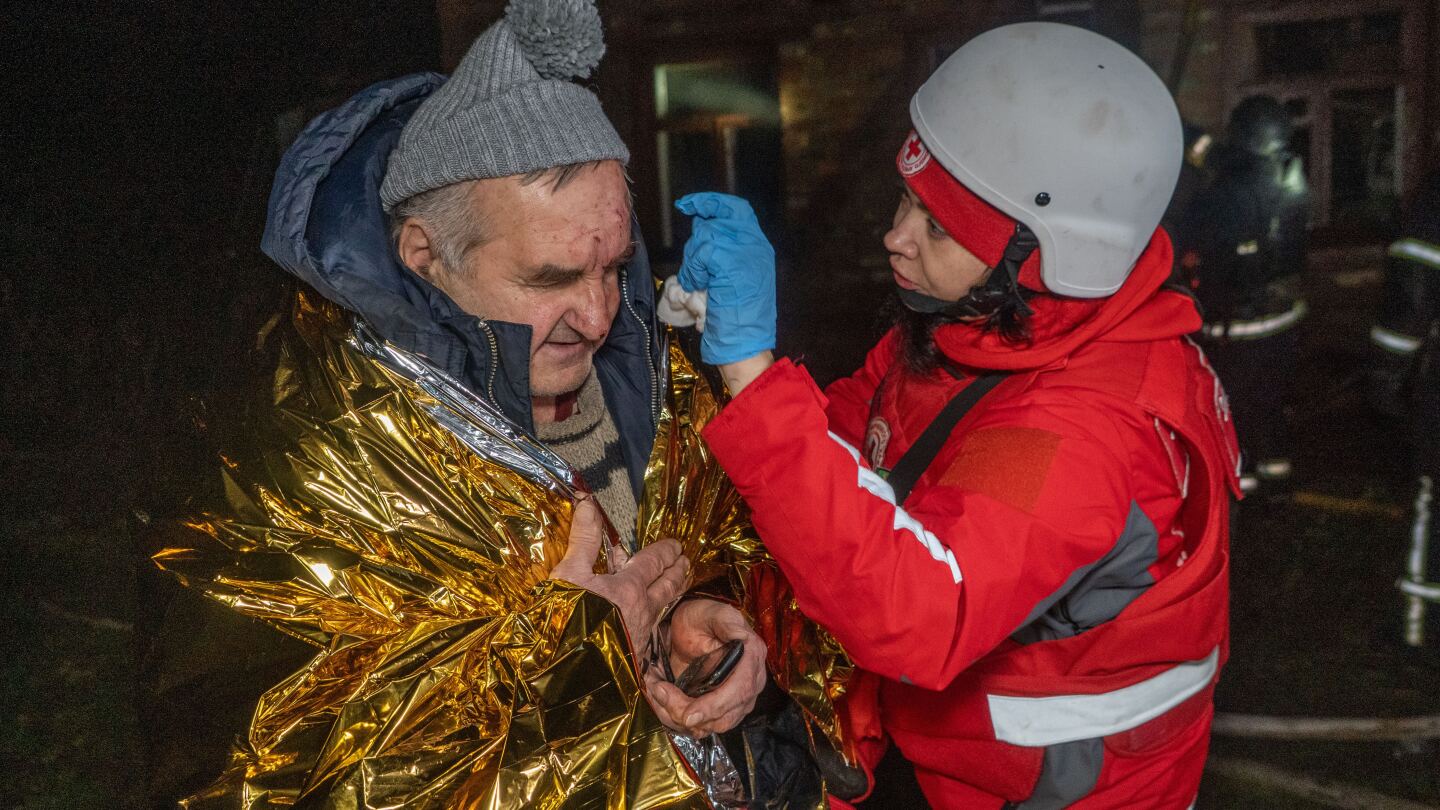
European officials welcome progress in talks on US proposals to end Russia-Ukraine war
European officials expressed cautious optimism on Monday regarding the recent Geneva talks on a U.S.-proposed peace plan for Ukraine, acknowledging progress while emphasizing that significant challenges remain. The discussions, held in Switzerland, centered on a 28-point proposal presented by the United States, which has sparked concern in Kyiv and European capitals due to its perceived favoritism toward Russia. The plan reportedly urges Ukraine to cede territory to Moscow, reduce its military size, and abandon aspirations for NATO membership—a contentious point given NATO’s previous commitment to Ukraine’s eventual inclusion.
Finnish President Alexander Stubb described the negotiations as a ‘step forward’ but highlighted unresolved issues in a post on social media platform X. Ukrainian President Volodymyr Zelenskyy, facing mounting domestic and military pressures, welcomed the diplomatic efforts, calling them ‘very good.’ However, the path to peace remains fraught with uncertainty. Kremlin spokesperson Dmitry Peskov noted that Russian officials had yet to review the revised plan and confirmed no immediate plans for further U.S.-Russia talks, though Moscow remains open to dialogue.
German Foreign Minister Johannes Wadephul praised U.S. Secretary of State Marco Rubio’s role in the talks, particularly his efforts to address European and Ukrainian concerns. Rubio described the discussions as the most productive in ‘a very long time,’ expressing optimism about reaching a resolution. Meanwhile, Turkey continues to mediate between Russia and Ukraine, with President Recep Tayyip Erdogan set to discuss the 2022 Black Sea grain deal with Russian President Vladimir Putin. The agreement, which allowed Ukraine to export grain safely, collapsed last year after Moscow accused the West of failing to honor related commitments.
Despite diplomatic efforts, the war’s grim reality persists. Russian drone strikes on Kharkiv, Ukraine’s second-largest city, killed four people and injured 13, including children. The attacks damaged residential buildings, an educational facility, and power lines, underscoring the ongoing humanitarian crisis. Ukraine’s air force reported 162 Russian drones fired overnight, with Romania scrambling fighter jets in response to incursions near its border. The juxtaposition of diplomatic progress and relentless violence highlights the complex and fragile nature of the conflict.
-
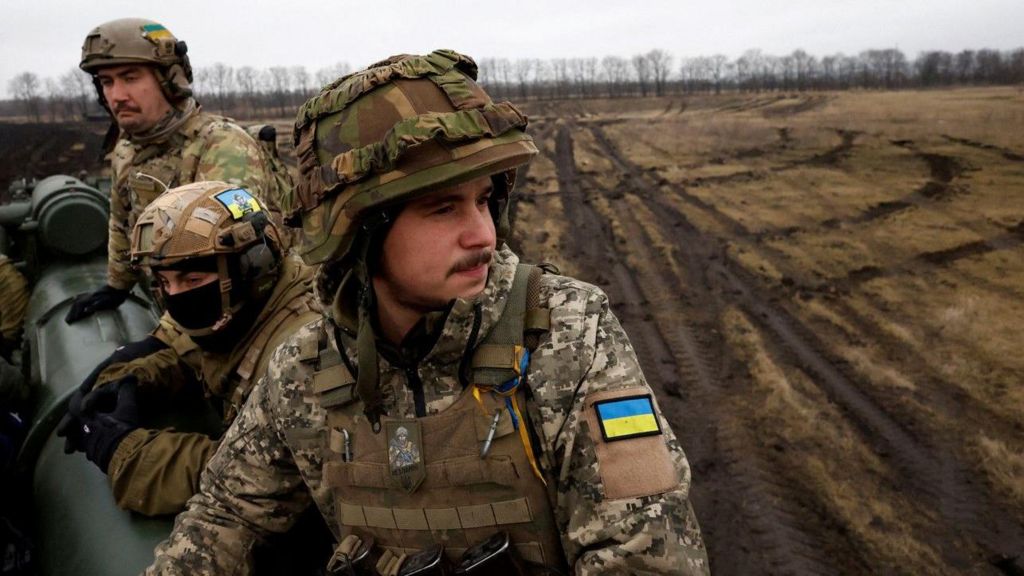
‘No one will support it’: Ukraine’s soldiers react to US peace plan
Ukraine’s frontline soldiers have expressed a range of emotions—defiance, anger, and resignation—in response to the draft US peace proposals. The BBC gathered insights from several soldiers via social media and email, revealing a deeply divided reaction to the plan, details of which were leaked last week. American and Ukrainian negotiators have since been revising the proposals, with ongoing discussions about the ‘peace framework.’
Yaroslav, a soldier in eastern Ukraine, criticized the plan as ‘sucks… no one will support it,’ while an army medic with the call sign Shtutser labeled it an ‘absolutely disgraceful draft of a peace plan, unworthy of our attention.’ However, another soldier, Snake, argued that ‘it’s time to agree at least on something.’
The US proposal comes as Russia makes significant battlefield advances, with Ukraine losing 450 sq km in the past month alone. Kyiv still controls about 15% of the Donbas region, a key war goal for Russia. The US plan suggests Ukraine cede the entire region, including areas it has defended for nearly four years. Snake commented, ‘Let them take it… We’re not fighting for the people but for the land, while losing more people.’ Andrii, an officer in Ukraine’s general staff, acknowledged the proposal as ‘painful and difficult’ but suggested Ukraine may have no alternative.
Ukraine has defended the Donbas since 2014, when Russia annexed Crimea and its proxy forces seized parts of the region. Andrii noted, ‘We may not want to give it up, but we won’t be able to hold it by military force and resources.’ Matros, a soldier since 2018, argued that relinquishing the Donbas would ‘nullify everything—all the efforts of the armed forces’ and ‘disregard the lives of fallen soldiers and civilians.’
The US draft also proposes limiting Ukraine’s armed forces to 600,000, down from the current estimate of over 800,000. Snake questioned the need for such a large peacetime army, stating, ‘What’s the point of having so many people in the army if there will be security guarantees?’ Andrii agreed, emphasizing that Ukraine’s economy would struggle to sustain such forces post-war.
However, Shtutser and Matros opposed the reduction, with Shtutser calling the army ‘the only thing separating us from defeat and enslavement.’ The plan rules out Ukraine’s NATO membership but not EU membership, offering US security guarantees if Russia attacks again. Yevhen, a drone operator, supported the UK and France’s ‘Coalition of the Willing’ to provide a ‘reassurance force’ in Ukraine.
Andrii expressed skepticism about Europe’s ability to offer security guarantees, stating, ‘Europe has turned out to be completely spineless and divided.’ Shtutser also doubted US guarantees under the current administration. The draft proposes fresh elections within 100 days post-war, a move supported by soldiers like Snake, Marin, and Andrii, who called for a ‘complete reset of government.’
Despite some support for elections, the overall sentiment among soldiers is one of exhaustion and skepticism. Andrii concluded, ‘If it stops the war, then it works for me.’
-
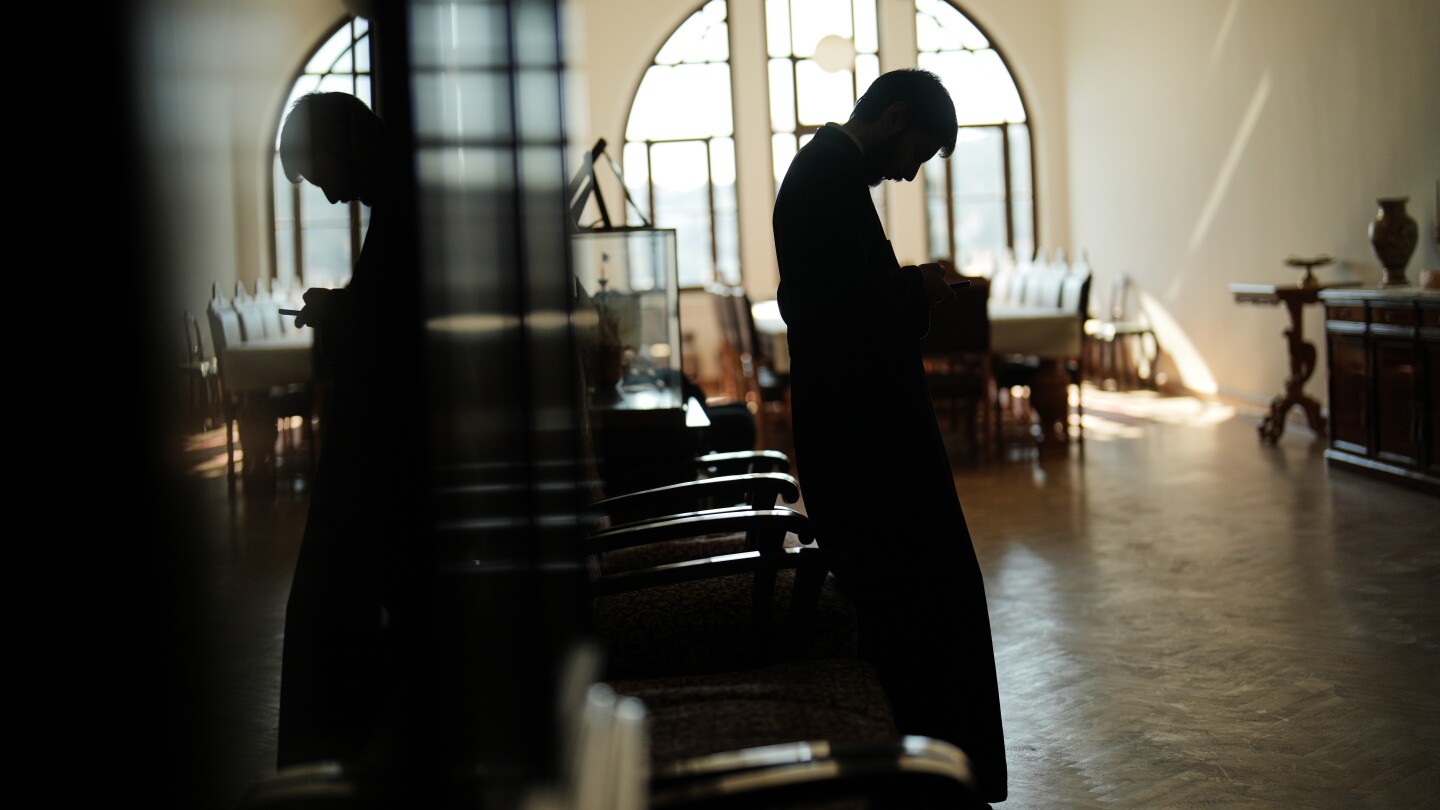
Optimism ahead of pope’s visit to Turkey for reopening of Istanbul’s Greek Orthodox seminary
As Pope Leo XIV prepares for his inaugural international visit to Turkey, there is growing optimism about the potential reopening of the Halki Theological School, a Greek Orthodox seminary that has been closed since 1971. Located on Heybeliada Island near Istanbul, the seminary has long been a symbol of Orthodox heritage and a focal point in the struggle for religious freedoms in Turkey. The school, which trained generations of Greek Orthodox patriarchs and clergy, including Ecumenical Patriarch Bartholomew I, was shuttered under laws restricting private higher education. Despite legal reforms allowing private universities to flourish, the seminary has remained closed, despite repeated appeals from international religious leaders and human rights advocates. The momentum for reopening the seminary gained traction after Turkish President Recep Tayyip Erdogan discussed the issue with U.S. President Donald Trump in September, expressing willingness to ‘do our part’ regarding its reopening. Erdogan had previously linked the move to reciprocal measures from Greece to improve the rights of Muslims there. Renovation work is already underway at the seminary, with completed clergy quarters and classrooms standing ready to welcome students. During his visit to Turkey, starting on November 27, Pope Leo XIV is scheduled to meet Erdogan and join Ecumenical Patriarch Bartholomew in commemorating the 1,700th anniversary of the Council of Nicaea, a key event in Christian history. Archbishop Elpidophoros, head of the Greek Orthodox Archdiocese of America, expressed optimism about the seminary’s reopening, stating that a committee of representatives from the Greek Orthodox Patriarchate and the Turkish government has begun discussions. He emphasized that keeping the school closed is a ‘political and diplomatic anachronism’ that hinders Turkey’s progress. The fate of the seminary is seen as a test of Turkey’s treatment of religious minorities, including its Christian population, which is estimated at 200,000 to 370,000 out of nearly 86 million. While Turkey’s Constitution guarantees freedom of religion, only Armenians, Greeks, and Jews are allowed to operate places of worship and schools, leaving other Christian groups without formal recognition. The reopening of the seminary could serve as a significant step toward improving religious freedoms and fostering cultural development and affinity between Greece and Turkey.
-
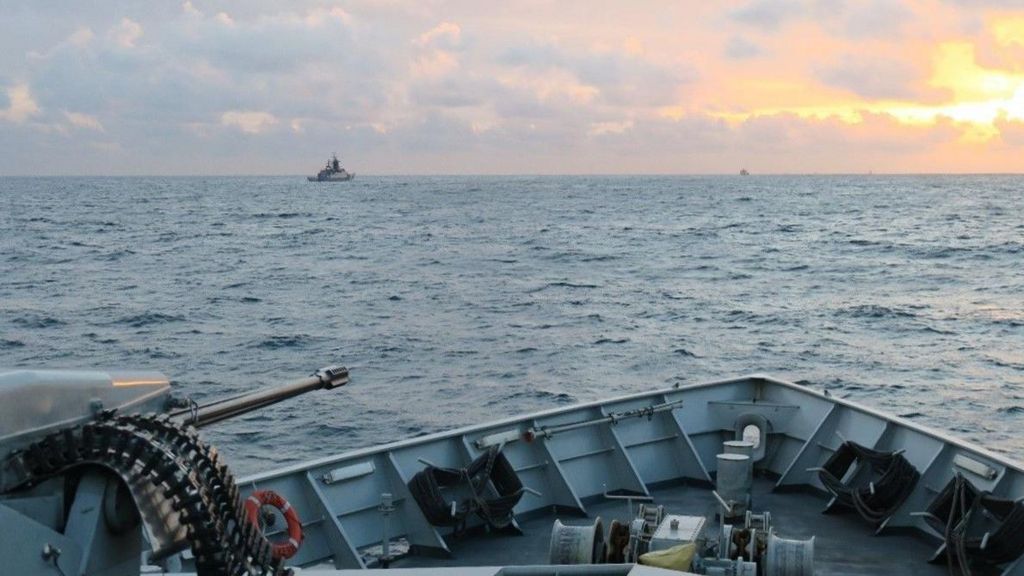
Navy intercepts two Russian ships in English Channel
The UK Ministry of Defence (MoD) has reported that the Royal Navy intercepted two Russian warships, the RFN Stoikiy and the Yelnya, as they navigated through the English Channel. This incident marks the latest in a series of Russian naval activities in UK waters, raising concerns over escalating tensions. The HMS Severn, a River-class offshore patrol vessel, successfully tracked and monitored the Russian corvette and tanker as they passed through the Dover Strait. The MoD confirmed that the HMS Severn later transferred monitoring responsibilities to a NATO ally near Brittany, maintaining a vigilant presence to respond to any unexpected developments. This interception follows recent reports of the Russian spy ship Yantar using lasers to disrupt RAF pilots off the coast of Scotland, an act described by Defence Secretary John Healey as ‘deeply dangerous.’ Healey emphasized that the UK is fully aware of Russia’s actions and remains prepared to respond. He also highlighted a 30% increase in Russian vessels threatening UK waters over the past two years, attributing this to broader ‘Russian aggression’ impacting Europe. The RFN Stoikiy has previously been monitored by the Royal Navy, including in May when it was shadowed by HMS Hurworth and the 814 Naval Air Squadron. HMS Severn, commissioned in 2002, is part of the Royal Navy’s efforts to safeguard UK borders and monitor foreign warships. The MoD reiterated its commitment to defending UK waters and maintaining regional security amidst growing Russian naval activity.