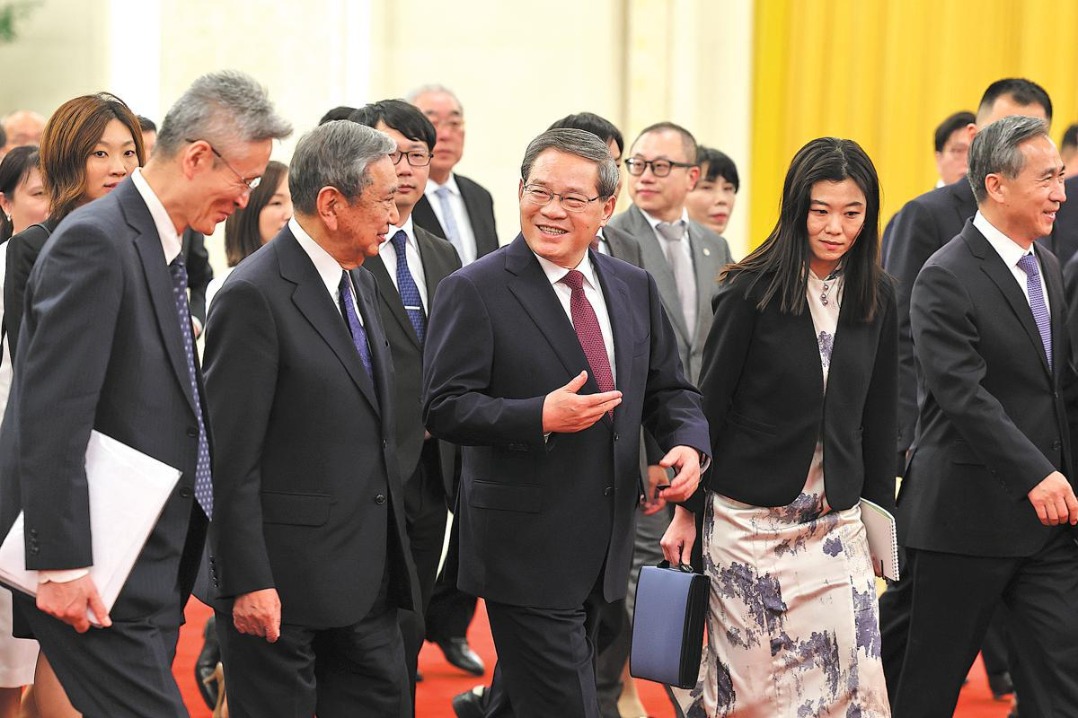
Premier Li Qiang emphasized the importance of expanding trade and investment between China and Japan during a meeting with a Japanese business delegation in Beijing. The meeting, held at the Great Hall of the People, was led by Yohei Kono, president of the Japanese Association for the Promotion of International Trade. Premier Li highlighted the strategic and mutually beneficial relationship between the two nations, recalling the recent agreement between President Xi Jinping and Japanese Prime Minister Shigeru Ishiba to advance bilateral ties. He stressed the need for proactive actions to strengthen political mutual trust and people-to-people connections, urging both countries to manage differences constructively and promote stable bilateral relations. Premier Li also pointed out the challenges posed by the evolving international landscape and called for leveraging the industrial complementarity and technological expertise of both nations to explore new areas of cooperation, such as the digital economy, green economy, and biopharmaceuticals. He reaffirmed China’s commitment to high-standard opening-up and welcomed Japanese enterprises to expand their presence in China. The meeting followed the sixth China-Japan High-Level Economic Dialogue in Tokyo, where both sides reached a 20-point consensus to deepen economic cooperation. Kono acknowledged China as Japan’s most important economic partner and emphasized the need for enhanced communication to safeguard multilateralism and the free trade system. Since the normalization of diplomatic relations in 1972, bilateral trade has grown over 300-fold, with accumulated investment nearing $140 billion.
标签: Asia
亚洲
-
Fallen WWII Chinese laborers honored in Japan
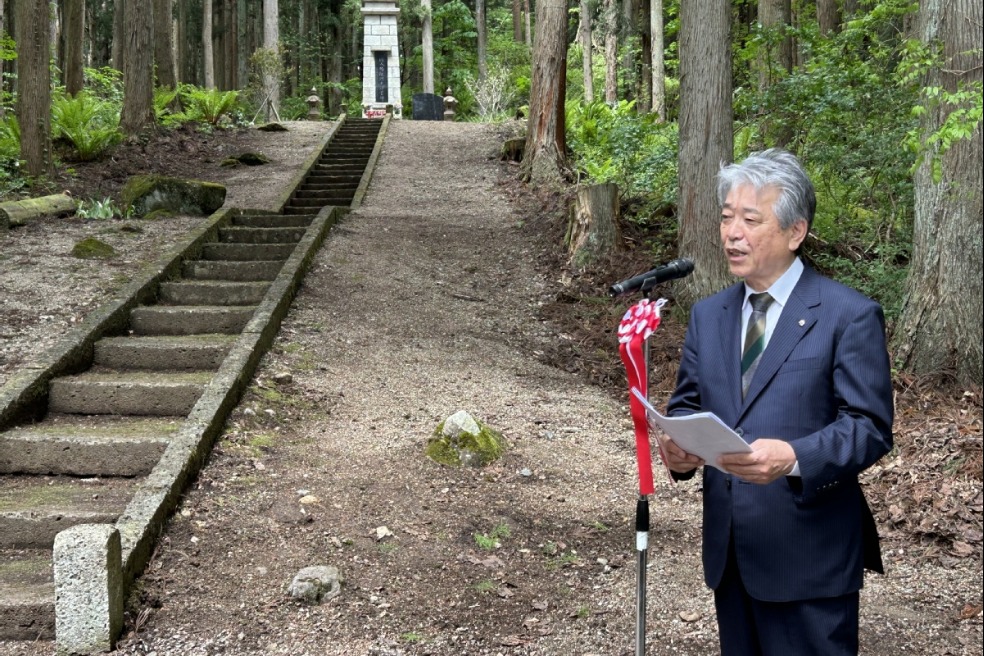
In a poignant ceremony held in Inawashiro, Fukushima Prefecture, Japan, diplomats and advocates for Japan-China friendship gathered to honor the memory of Chinese laborers who perished during World War II. The event, which took place on May 18, marked the completion of the renovation of a monument dedicated to these fallen workers and included a commemorative tree-planting ceremony. Historical records reveal that near the end of WWII, approximately 40,000 Chinese individuals were forcibly brought to Japan, enduring brutal labor conditions and inhumane treatment, leading to the deaths of nearly 7,000 people. Among them, about 1,000 were sent to Fukushima, where 25 lost their lives due to persecution. The monument, initially unveiled in 1971 and expanded in 1988, underwent a significant renovation in 2023, supported by Japan-China friendship organizations. Cui Weilei, Chinese consul general in Niigata, emphasized the importance of remembering history not to perpetuate hatred but to learn from the past and foster a peaceful future. He urged Japan to reflect on its historical responsibilities and reject the revival of militarism. Hisashi Endou, president of the Fukushima Prefectural Japan-China Friendship Association, highlighted the spirit of gratitude and reconciliation, noting that the monument was built with the support of a repatriated Japanese POW. The ceremony also saw the participation of Shinji Oguma, a member of Japan’s House of Representatives, who stressed the significance of a strong Japan-China relationship for regional and global peace. Wang Jiangkun, a PhD graduate from the University of Aizu, expressed hope that younger generations would continue to build a future of understanding and cooperation between the two nations.
-
Japan-China friendship advocates mark renovation of monument honoring WWII Chinese laborers
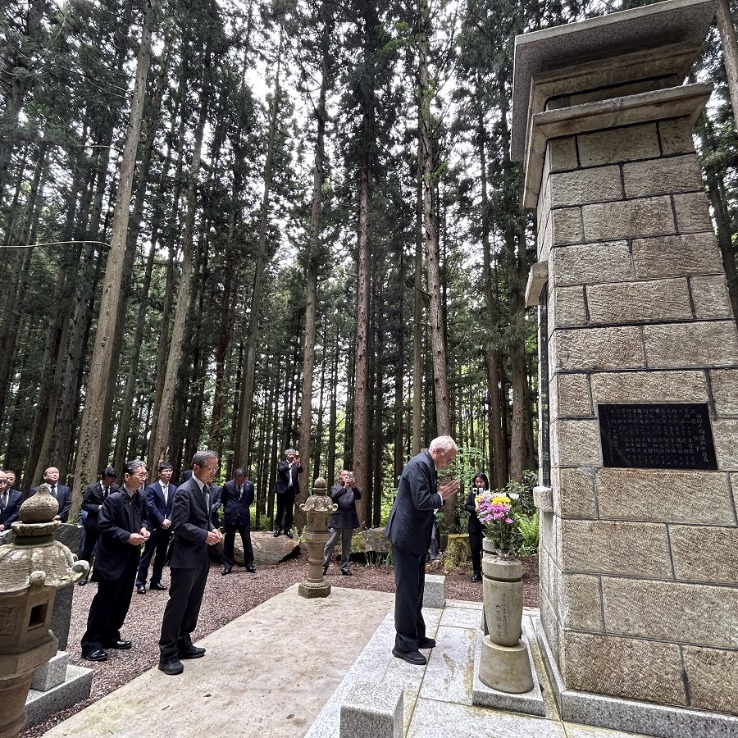
In a poignant ceremony held on May 18 in Inawashiro, Fukushima Prefecture, diplomats and advocates for Japan-China friendship gathered to honor the completion of the renovation of a monument dedicated to Chinese laborers who perished during World War II. The event, which included a commemorative tree-planting ceremony, served as a reminder of the shared history and a renewed commitment to fostering peace between the two nations.
Historical records reveal that towards the end of World War II, approximately 40,000 Chinese individuals were forcibly taken to Japan and subjected to harsh forced labor, resulting in the deaths of 6,830 people. Among these, about 1,000 were sent to Fukushima, where 25 died under inhumane conditions. In 1971, a 17-foot-tall monument was erected in Inawashiro to mourn these souls and stand against militarism. The monument underwent its first expansion in 1988 and recently completed a second major renovation in 2023, supported by Japan-China friendship organizations.
Participants at the ceremony emphasized the importance of learning from history, looking towards the future, and working together to safeguard peace. They also expressed their support for the continued improvement of China-Japan relations. The event was attended by notable figures, including Hisashi Endou, president of the Fukushima Prefectural Japan-China Friendship Association, who delivered a speech during the ceremony.
The renovation of the monument and the commemorative ceremony underscore the ongoing efforts to acknowledge past injustices and build a foundation for a peaceful and cooperative future between Japan and China.
-
China urges Japan to ensure the quality of aquatic products
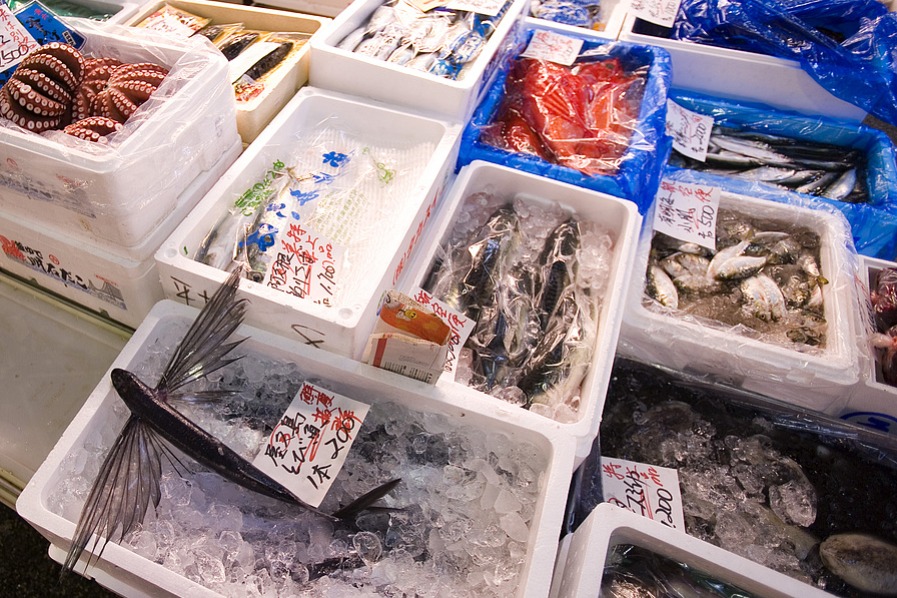
China has formally urged Japan to implement robust measures to guarantee the safety and quality of its aquatic products, reiterating its steadfast opposition to Japan’s unilateral discharge of Fukushima nuclear-contaminated water. The call was made during a technical exchange between China’s General Administration of Customs and Japanese officials on Thursday, as confirmed by Foreign Ministry spokesman Lin Jian. The discussions focused on enhancing inspection and monitoring protocols to ensure the safety of aquatic products. Lin emphasized that any resumption of aquatic product imports from Japan must be grounded in continuous, independent scientific data collected by China. He further stressed that Japan must take concrete actions to ensure its exports comply with Chinese legal and regulatory standards. Japan, in response, acknowledged China’s concerns and reaffirmed its commitment to international monitoring and independent sampling to meet Chinese requirements. Lin reiterated China’s unwavering stance against the unilateral ocean discharge of nuclear-contaminated water, pledging continued collaboration with the international community to ensure strict oversight of such activities.
-

China rips Japan over aircraft’s intrusion
China has issued a stern protest to Japan following the unauthorized entry of a Japanese civilian aircraft into the airspace over the Diaoyu Islands. The incident, which occurred on Saturday, has prompted Beijing to demand an immediate halt to such provocative actions, warning that they could jeopardize the stability of bilateral relations. Liu Jinsong, Director-General of the Asian Affairs Department at China’s Foreign Ministry, conveyed the protest to Yokochi Akira, the Chief Minister of the Japanese Embassy in Beijing, emphasizing the gravity of the situation. The Chinese Coast Guard swiftly responded by deploying ship-based helicopters to warn and expel the intruding aircraft during a routine patrol in the area. Japan’s Ministry of Defense, however, accused Chinese helicopters of violating its territorial airspace—a claim vehemently denied by Zhang Xiaogang, a spokesman for China’s Ministry of National Defense. Zhang reiterated that the Diaoyu Islands and their affiliated islets are an inherent part of Chinese territory, and any unauthorized entry constitutes a serious breach of China’s sovereignty. He defended the Coast Guard’s actions as ‘completely legitimate and legal,’ urging Japan to restrain its citizens and avoid further provocations. Both Liu Jinsong and China Coast Guard spokesman Liu Dejun emphasized that China will continue to take all necessary measures to safeguard its territorial integrity and maritime rights. The incident underscores the ongoing tensions between the two nations over the disputed islands, with China calling for Japan to act responsibly to maintain regional stability.
-
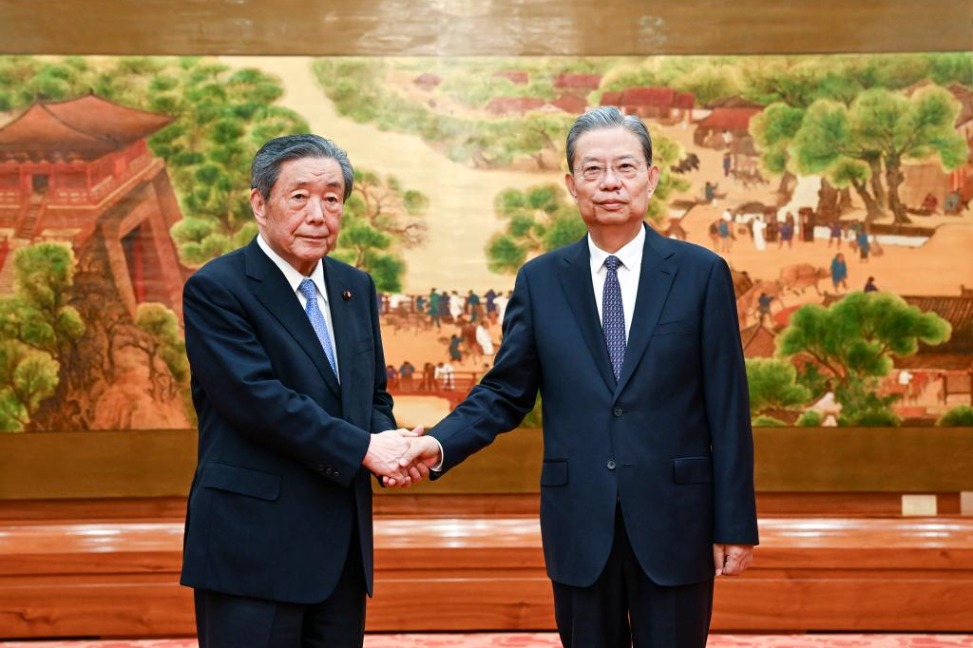
High-level exchanges seen as positive
Recent high-level visits by Japanese political figures to China have been interpreted as a strategic move to bolster economic cooperation and mitigate risks posed by Washington’s unilateral and protectionist policies, according to analysts. These visits, led by prominent figures such as Hiroshi Moriyama, chairman of the Japan-China Friendship Parliamentarians’ Union and secretary-general of Japan’s Liberal Democratic Party, underscore a shared commitment to enhancing bilateral relations. Moriyama, accompanied by a bipartisan delegation, met with Zhao Leji, chairman of China’s National People’s Congress Standing Committee, on April 29, 2025. During the meeting, Zhao emphasized the importance of win-win cooperation and long-term bilateral development. Moriyama echoed this sentiment, expressing a willingness to strengthen trade and cultural exchanges while addressing differences constructively. The visits follow a trip by Komeito party leader Tetsuo Saito and his delegation earlier in April, further highlighting Japan’s bipartisan consensus on fostering ties with China. Analysts, including Da Zhigang of the Heilongjiang Provincial Academy of Social Sciences, noted that these interactions aim to counterbalance the disruptive effects of US tariff policies and promote regional stability. Xiang Haoyu of the China Institute of International Studies added that while these visits signal a positive shift, underlying issues such as political mistrust and fragile public sentiment remain challenges. Both sides have pledged to uphold multilateralism and strengthen regional collaboration, particularly in Southeast Asia, to address global economic uncertainties.
-
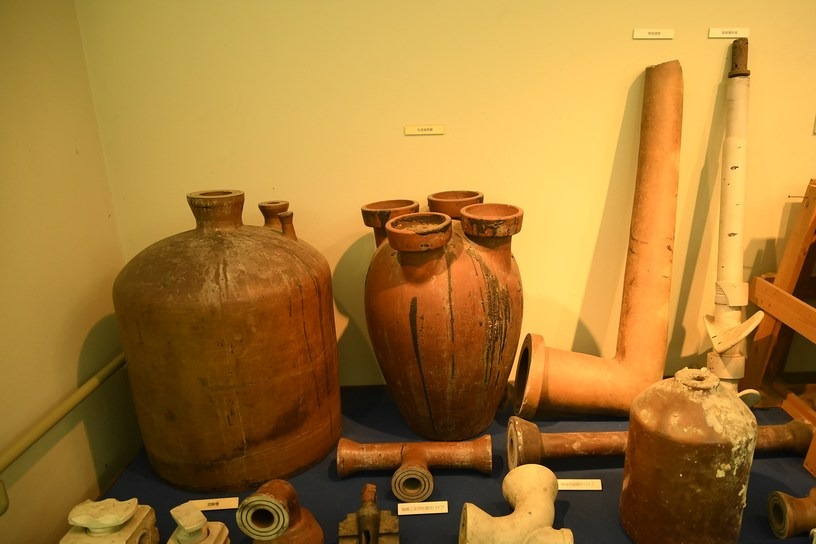
Japan urged to expedite removal of chemical weapons from Chinese territory
China has issued a renewed call to Japan, urging the nation to expedite the removal of chemical weapons abandoned on Chinese soil during World War II. This appeal comes as the world commemorates the 80th anniversary of the victory in the Chinese People’s War of Resistance Against Japanese Aggression and the 28th anniversary of the enforcement of the Chemical Weapons Convention. Foreign Ministry spokesman Guo Jiakun emphasized that Japan bears an inescapable historical, political, and legal responsibility to address this issue, which is also an international obligation under the Chemical Weapons Convention. The disposal of these weapons is critical to ensuring the safety and environmental well-being of affected Chinese communities. Despite China’s significant support in excavating and destroying approximately 120,000 of the 150,000 recovered chemical weapons, progress remains slow. Guo highlighted that lingering remnants of these weapons continue to pose severe threats to local lives, property, and ecological security. China insists that Japan must fully implement its post-2022 plan to eliminate these hazardous remnants comprehensively and efficiently.
-
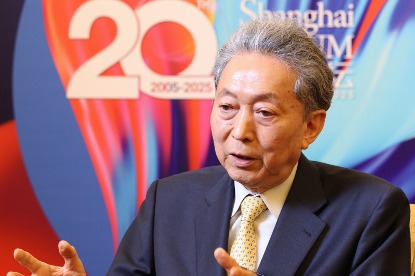
Ex Japanese PM: Japan should properly handle the Taiwan question as an internal affair of China
In a recent exclusive interview with China Daily, former Japanese Prime Minister Yukio Hatoyama underscored the necessity of maintaining the foundational principles of China-Japan relations, particularly referencing agreements established in the 1970s. Hatoyama highlighted that the Chinese government’s stance on Taiwan, viewing it as an inseparable part of China, was acknowledged and respected by Japan at that time. He emphasized that Japan should continue to honor this consensus and manage the Taiwan issue appropriately, treating it as an internal matter of China. This approach, according to Hatoyama, is crucial for sustaining the stability and progress of bilateral relations between the two nations.
-
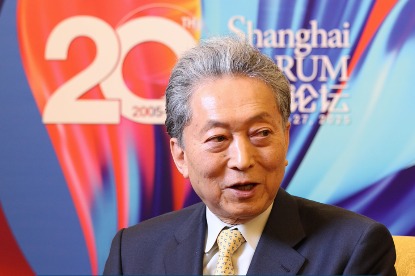
Former Japanese PM wowed by China’s tech development, calling for Sino-Japan collaboration
Former Japanese Prime Minister Yukio Hatoyama has expressed admiration for China’s rapid technological advancements, emphasizing the potential for a synergistic partnership between Japan and China, particularly in artificial intelligence (AI) and robotics. Speaking at the Shanghai Forum 2025 on Friday, Hatoyama highlighted the complementary strengths of the two nations, suggesting that Japan’s meticulous attention to detail and expertise in basic materials could be effectively paired with China’s robust organizational capabilities and recent industrial achievements to foster mutual benefits. In an exclusive interview with China Daily, Hatoyama underscored the importance of collaboration in these cutting-edge fields, envisioning a macro-micro partnership that could drive innovation and economic growth for both countries. The former prime minister’s remarks come at a time when global technological competition is intensifying, and strategic alliances are increasingly seen as vital for maintaining a competitive edge. The Shanghai Forum 2025, which attracted over 500 guests and representatives, served as a platform for discussing key issues in global development, with Hatoyama’s call for Sino-Japan collaboration resonating strongly among attendees. As both nations continue to invest heavily in AI and robotics, the potential for joint ventures and knowledge exchange could pave the way for groundbreaking advancements in these critical sectors.
-
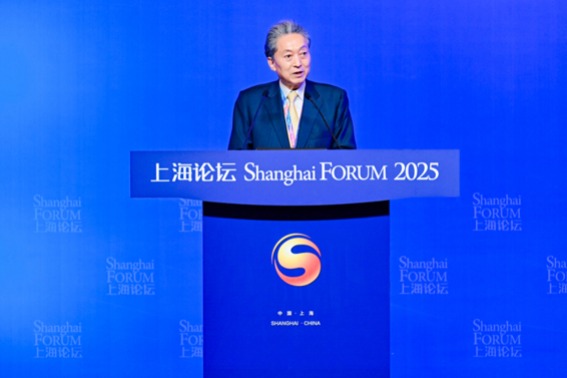
Ex-Japan PM urges tech collaboration with China
Former Japanese Prime Minister Yukio Hatoyama has called for enhanced technological collaboration between Japan and China, particularly in artificial intelligence (AI) and robotics. Speaking at the Shanghai Forum 2025, Hatoyama emphasized the complementary strengths of the two nations, with Japan excelling in precision and fundamental materials, and China demonstrating robust organizational capabilities and industrial achievements. He highlighted China’s rapid advancements in AI and robotics, noting that the country has achieved a world-leading position in these fields. Hatoyama also pointed out the potential for mutual benefits through a macro-micro partnership, leveraging each country’s unique advantages. He stressed the importance of adhering to historical agreements in Sino-Japanese relations and called for a reconsideration of Japan’s strategic alignment with the United States. Hatoyama proposed the establishment of a mechanism to regulate competition between China and the U.S. in technology fields, advocating for collaborative efforts involving Japan, South Korea, and European countries. The forum, themed ‘Age of innovation: Technology, development and governance,’ brought together over 500 participants from more than 50 countries and regions, fostering discussions on global technological advancements and governance.