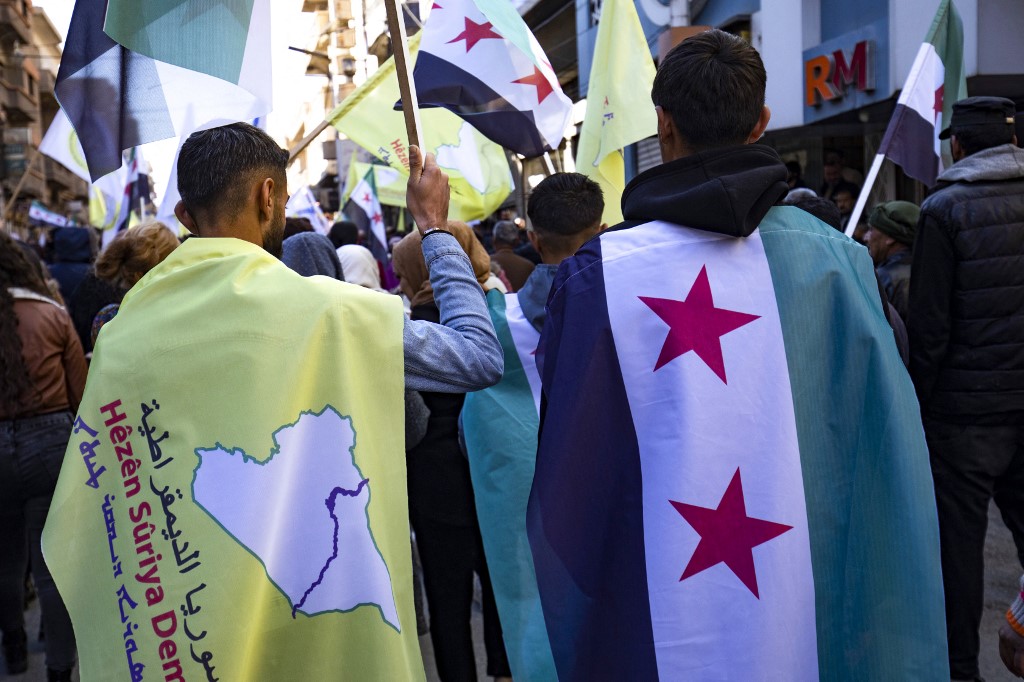
Regional observers are closely examining Turkey’s strategic objectives regarding the Kurdish-dominated Syrian Democratic Forces (SDF) that control substantial territories in northeastern Syria. Since the collapse of Bashar al-Assad’s regime in December, Ankara has emerged as a dominant power broker in Syria, cultivating strategic alliances with the interim government led by Hay’at Tahrir al-Sham (HTS).
Both Turkish authorities and HTS leadership have consistently demanded the expulsion of Kurdistan Workers’ Party (PKK)-affiliated elements from SDF ranks and advocated for the group’s disarmament, potentially through integration into Syria’s formal defense structures. This position creates a complex diplomatic landscape given that Western powers, while classifying PKK as a terrorist organization, have simultaneously supported PKK-linked factions in Syria since 2014 to combat Islamic State extremists.
Recent statements from de facto Syrian leader Ahmed al-Sharaa emphasize that the emerging administration will reject any form of federal division and insists on state monopoly over military capabilities. Despite President Erdogan’s vigorous rhetoric regarding eliminating security threats from Syrian territory, Ankara appears to favor diplomatic solutions over full-scale military intervention against Kurdish forces.
The SETA think tank, maintaining close government ties, recently proposed a collaborative framework where American and Turkish officials could pursue non-violent resolution mechanisms. The proposal suggests the United States would acknowledge Turkey’s security concerns by limiting military and political support for SDF, while Turkey would refrain from large-scale operations in northeastern Syria.
Turkish Foreign Minister Hakan Fidan has reiterated demands for SDF to expel PKK cadres and demobilize their forces. On Monday, Fidan claimed approximately 2,000 foreign fighters embedded within SDF ranks are under the command of senior PKK officials Sabri Ok and Fehman Huseyin, who allegedly influence SDF leadership.
A critical element in this diplomatic process involves ongoing negotiations between Turkish authorities and imprisoned PKK leader Abdullah Ocalan, initiated in October. Multiple Turkish sources indicate Ocalan may release a video statement in February urging PKK disarmament, which could significantly pressure SDF toward accepting a political compromise.
Senior PKK official Bese Hozat confirmed they await Ocalan’s guidance regarding future steps, noting his intensive efforts toward democratic solutions for the Kurdish question and regional democratization.
Turkish officials anticipate that with Ocalan’s potential intervention, non-PKK elements within SDF could be integrated into Damascus’ military administration. Additionally, they expect former President Donald Trump’s potential return to office might accelerate SDF’s positional reconsideration.
Beyond disarmament, Ankara seeks the repatriation of Kurdish refugees to northeastern Syria and the reintegration of rival Kurdish political parties into the region. Turkey recently facilitated discussions between Masoud Barzani, former president of Iraqi Kurdistan and PKK rival, and SDF leader Mazloum Abdi, urging political reintegration and cooperation with Damascus.
According to sources familiar with Ankara’s strategic thinking, Turkey essentially desires the Democratic Union Party (PYD) to transform into a national political entity participating in democratic elections and gaining representation in Damascus through constitutional processes.
Al Jazeera Arabic recently reported that Damascus presented SDF with a draft agreement aligning with Turkish interests, offering constitutional recognition of Kurdish cultural rights and establishing decentralized administrative systems with substantial local powers. However, Damascus insists SDF must integrate into national military institutions as individuals rather than as independent units, and cannot maintain current deployments in non-Kurdish majority areas like Raqqa. SDF reportedly rejected these terms, citing Turkish security threats and demanding equitable oil revenue sharing.
Despite ongoing diplomatic efforts, indications suggest Turkey continues military preparations. Yahya Bostan, a columnist with extensive military and intelligence connections, recently wrote that Ankara is intensifying efforts to eliminate PKK threats, anticipating increased diplomatic and intelligence operations at military levels in the near future.