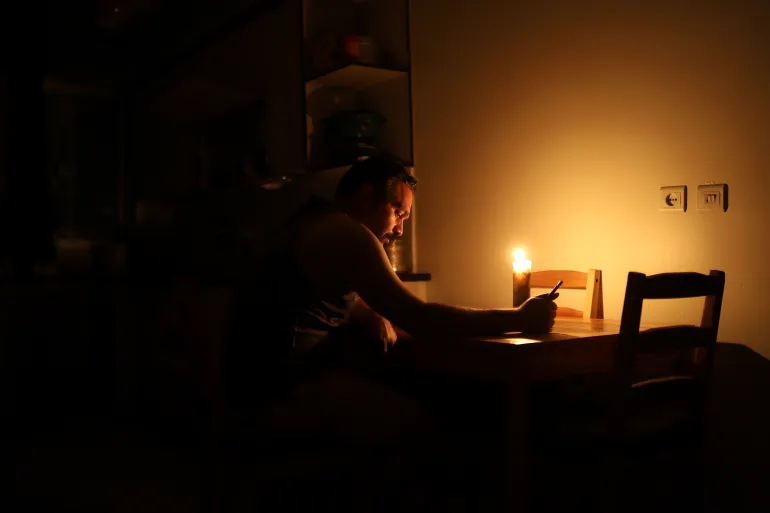
For Iranians, the changing seasons bring not just weather shifts but also recurring energy crises. Scorching summers are plagued by rolling blackouts, while freezing winters are marked by toxic smog from burning low-grade fuel in power plants. These challenges are symptomatic of Iran’s chronic electricity imbalance, a structural crisis that has evolved into a significant economic and public welfare burden. Despite a nominal installed capacity of 94 gigawatts, Iran’s power grid is in systemic decay. Aging thermal plants, over-reliance on natural gas, recurring droughts crippling hydropower, and soaring demand have created a persistent gap between capacity and reliable output. This crisis is further exacerbated by geopolitical isolation, which hampers access to international finance and technology. A comparative analysis reveals Iran’s underperformance in electricity generation, lagging behind industrial economies and even Gulf neighbors. To address this, a four-point recovery plan has been proposed, emphasizing international contracts, budgetary realignment, fuel mix reformation, and regional power exchange agreements. However, the success of these measures hinges on resolving Iran’s geopolitical standoff with the West, as domestic reforms alone are insufficient. Without a sustainable solution, Iran risks further economic isolation, technological backwardness, and continued degradation of public health and industrial competitiveness.
标签: Asia
亚洲
-
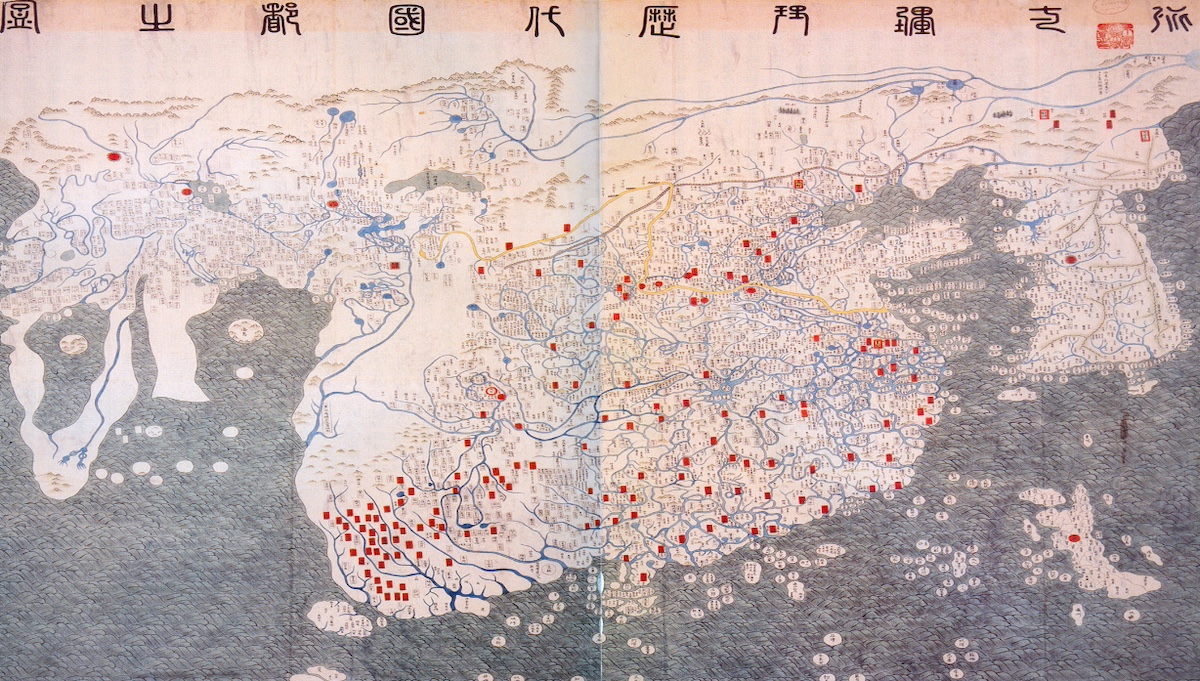
Global historic story in an ancient Chinese map
The late 16th century marked a pivotal era in global exploration, but long before Europeans reached China by sea, ancient Chinese scholars had already developed a sophisticated understanding of the world. This knowledge, encapsulated in a 15th-century map, offers a fascinating glimpse into the intellectual and cultural exchanges of the time. The *Honil Gangni Yeokdae Gukdo Ji Do* (Map of Integrated Lands and Regions of Historical Countries and Capitals), created by Koreans in 1402, is a testament to this early global awareness. This map, now housed at Ryukoku University in Kyoto, Japan, was based on earlier Chinese maps from the Mongol Yuan era, reflecting a blend of scientific geography, national sentiment, and cultural imagination. The map’s depiction of regions from Japan to Africa and Europe raises intriguing questions about how Asians acquired such detailed geographical knowledge before Europeans. Scholars suggest that Persian-Arab astronomical and geographical knowledge, transmitted during the Mongol Empire, played a crucial role. This map not only highlights the interconnectedness of ancient civilizations but also challenges the notion of a closed-off ancient China, revealing a rich tradition of intellectual and cultural exchange.
-
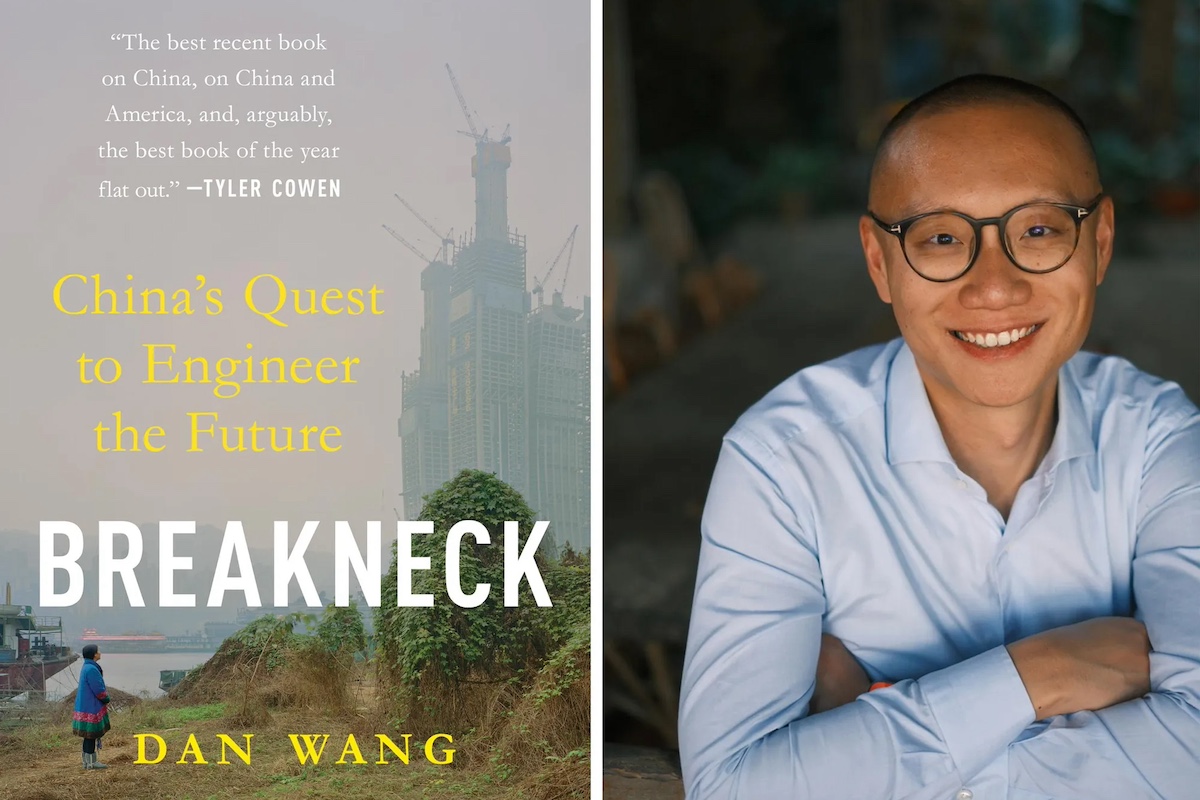
Breakneck divide: China’s builders vs America’s lawyers
Dan Wang’s forthcoming book, ‘Breakneck: China’s Quest to Engineer the Future,’ provides a groundbreaking perspective on the contrasting governance styles of China and the United States, as well as the barriers to mutual understanding between the two superpowers. Published by W.W. Norton & Company in 2025, the book merges Wang’s economic analysis from his years in China (2017–2023) with his personal experiences as a Canadian of Chinese descent educated in the US. Wang’s unique background allows him to offer a balanced view of the two nations, free from the hostility that often characterizes their relationship. He describes China as an ‘engineering state,’ driven by rapid construction and technological advancement, while portraying the US as a ‘lawyerly society,’ marked by legal obstructionism. Wang argues that both countries are deeply flawed yet fundamentally alike in their ambition and restlessness. Through vivid anecdotes, such as his cycling trip through Guizhou, Wang highlights China’s rapid modernization and cultural richness. He also critiques the inefficiencies of the US legal system, using the stalled California high-speed rail project as a case study. Wang’s work calls for mutual curiosity and a new lens to understand the China-US rivalry, moving beyond outdated ideological labels. ‘Breakneck’ is set to release on August 26, 2025.
-
Chinese FM urges Japan to face history squarely to earn respect
On the 80th anniversary of Japan’s unconditional surrender in World War II, Chinese Foreign Minister Wang Yi emphasized the importance of Japan confronting its historical actions to earn global respect. Speaking at a press briefing following the tenth Lancang-Mekong Cooperation (LMC) Foreign Ministers’ Meeting in Kunming, Wang, who is also a member of the Political Bureau of the Communist Party of China Central Committee, reiterated China’s stance on historical issues. He highlighted that 80 years ago, Japan accepted the Potsdam Proclamation and surrendered unconditionally, marking the end of its aggressive war that caused immense suffering across Asia, including in China and Japan itself. Wang pointed out that international agreements like the Cairo Declaration and the Potsdam Proclamation clearly outlined Japan’s war responsibilities and mandated the return of territories, including Taiwan, to China. Despite this, Wang criticized certain factions in Japan for continuing to glorify their past invasions and distort historical facts, actions he described as contemptible and detrimental to the post-war international order. Wang concluded by urging Japan to learn from its history to avoid repeating past mistakes and to choose a path that leads to a better future.
-
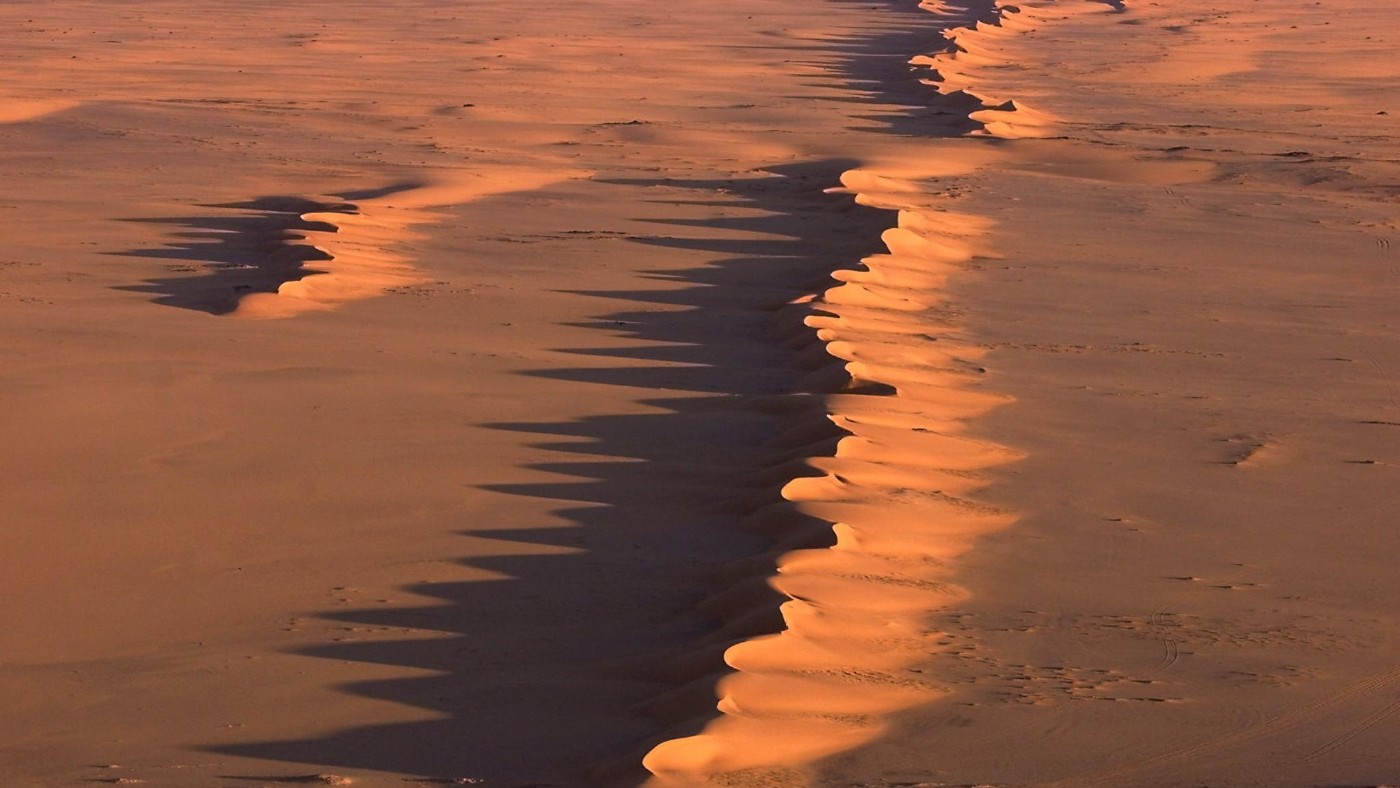
How Sudan and Libya’s triangle border region became a hotbed of crime and war
On June 12, Sudan’s Rapid Support Forces (RSF) announced their takeover of the Sudanese portion of the Almuthallath Triangle, a remote and lawless border region shared by Sudan, Libya, and Egypt. This area, long shrouded in secrecy, has been a hotbed of illicit activities, including gold smuggling, weapon trafficking, and human exploitation. The RSF’s capture marks a significant escalation in the ongoing conflict between the paramilitary group and the Sudanese Armed Forces (SAF), which has displaced millions since April 2023. The triangle’s strategic importance lies in its role as a vital trade and transportation hub between North and East Africa, coupled with its rich reserves of oil, gas, and minerals. The region has been a battleground for governments, militias, and foreign-backed armed groups since the fall of Libyan leader Muammar Gaddafi in 2011. The RSF’s dominance in the area has disrupted smuggling routes, previously used by bus drivers and traffickers, and intensified the struggle for control over lucrative illegal trades, including fuel and gold. Experts warn that the instability in the triangle threatens the security of Libya, Sudan, and the broader Sahel region, with external actors like the UAE playing a significant role in fueling the conflict. As tensions rise, the battle for this desert frontier is expected to intensify, further destabilizing an already volatile region.
-
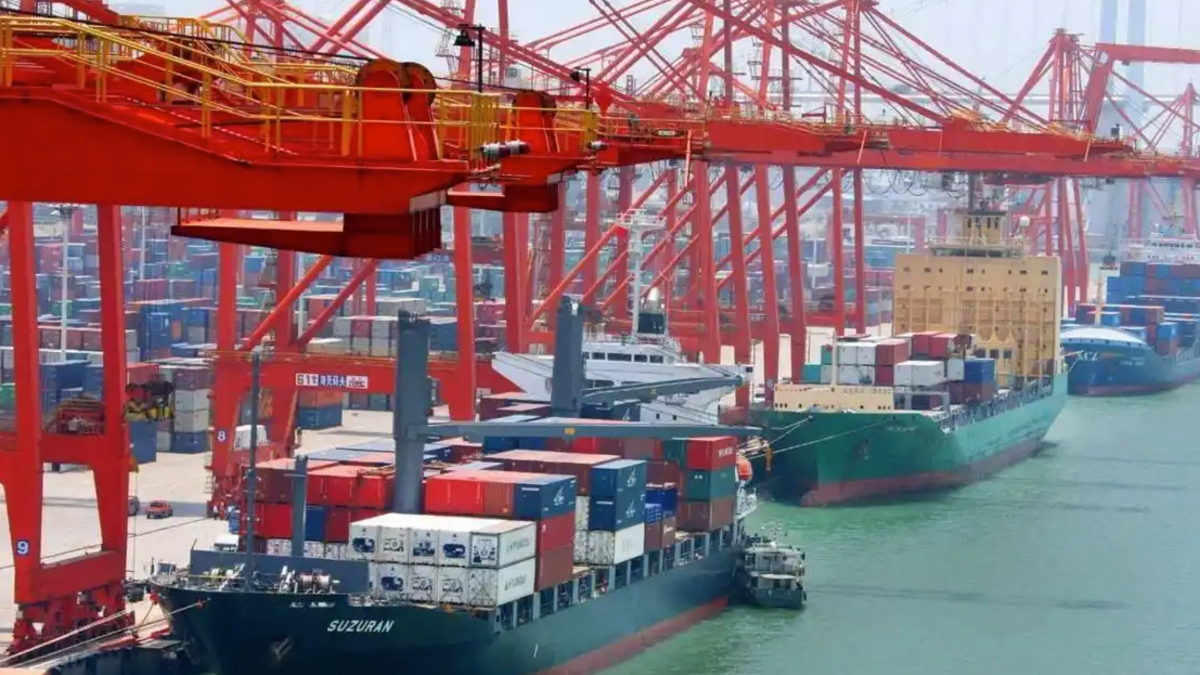
China’s playbook for 90-day trade truce with US
The United States and China have agreed to extend their trade truce by 90 days, providing both nations with additional time to restructure their supply chains in anticipation of potential negotiations collapsing in November. This decision follows an executive order signed by US President Donald Trump on Monday, which postponed the implementation of higher tariffs on Chinese goods until November 10. In response, China’s Ministry of Commerce (MOFCOM) announced a reciprocal suspension of additional tariffs on US goods for the same period. Both countries will maintain existing 10% tariffs on each other’s goods, though the US will continue to impose higher tariffs on specific Chinese products, including those related to alleged fentanyl trafficking, which can reach up to 55%. Additionally, China has extended the suspension of measures under its Unreliable Entity List Working Mechanism, which was initially issued in April, affecting 17 US entities. The extension of the truce was anticipated, as US Treasury Secretary Scott Bessent had previously hinted at a 90-day extension in late July. The ongoing trade tensions have led Chinese manufacturers to explore relocating their operations to countries like Vietnam to circumvent tariffs, a strategy that has created new challenges and opportunities in global trade dynamics. Despite the temporary easing of tensions, both nations remain cautious, with further negotiations expected in the coming months.
-
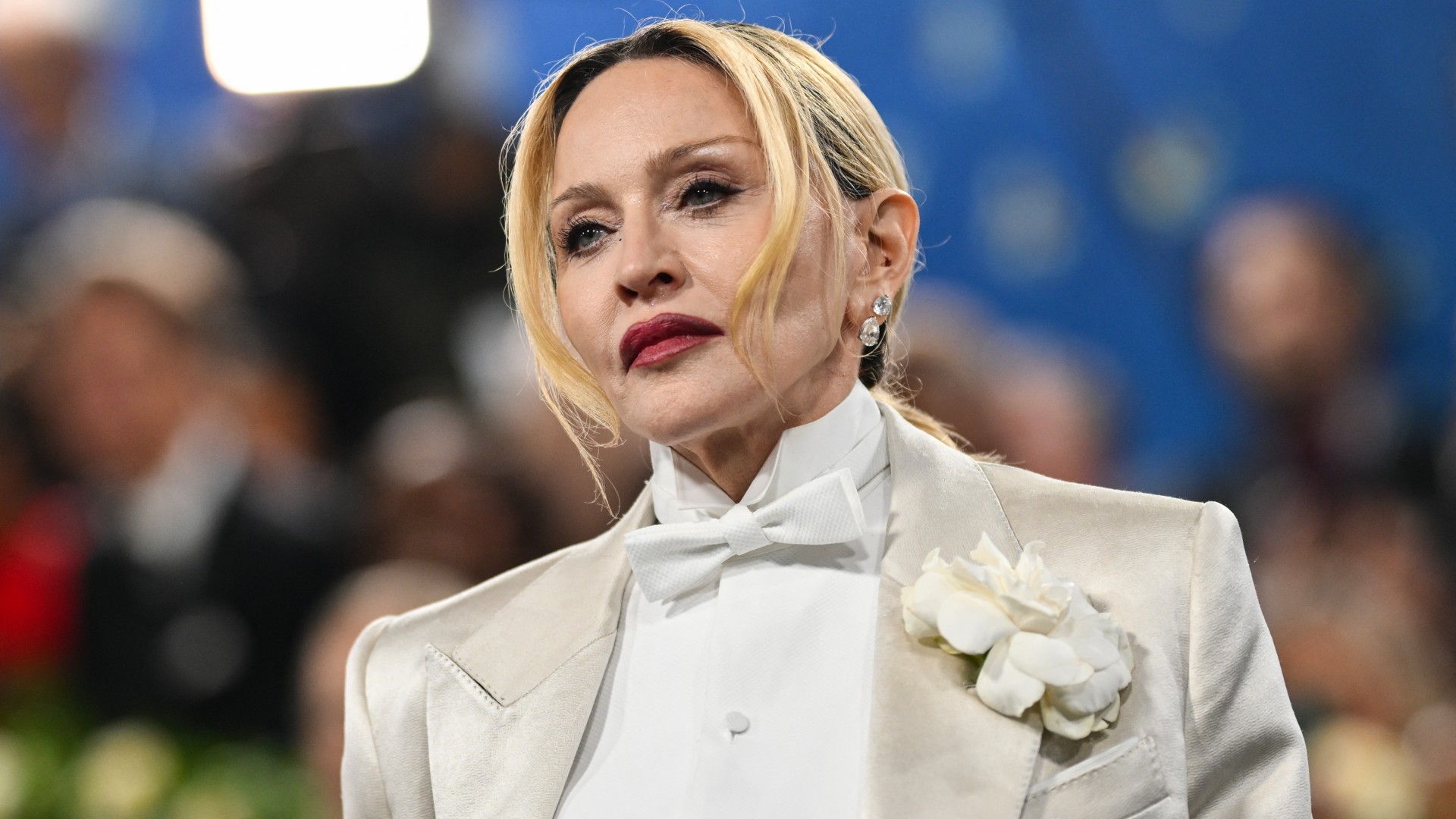
Madonna to Pope Leo: ‘Please say you will go to Gaza’
Pop icon Madonna has issued a direct public appeal to Pope Leo, urging him to personally travel to Gaza to alleviate the suffering of children affected by the ongoing humanitarian crisis. In a heartfelt Instagram post published Monday evening, the music superstar addressed the pontiff with the words: “Most Holy Father, Please go to Gaza and bring your light to the children before it’s too late.
The artist, speaking from her perspective as a mother, expressed profound distress at witnessing the deteriorating conditions, stating she could no longer bear to observe the anguish of innocent children. Madonna emphasized the universal responsibility toward children worldwide, noting that the Pope possesses unique diplomatic and spiritual authority that might facilitate access where others are denied.
This plea emerges amidst growing international concern over Gaza’s humanitarian situation. Last month witnessed a rare visit by Cardinal Pierbattista Pizzaballa, Jerusalem’s highest-ranking Catholic official, who toured Gaza alongside Greek Orthodox Patriarch Theophilos III. Their visit followed a tragic incident where an Israeli strike on Gaza City’s Holy Family Church—the territory’s last Catholic church—resulted in three Palestinian fatalities and multiple injuries.
Pope Leo initially faced criticism for his measured response to the church attack, which acknowledged casualties without explicitly identifying Israel as responsible. He later attributed the strike to the Israeli military, drawing comparisons to his predecessor Pope Francis’s more outspoken condemnation of Israel’s military actions.
The blockade imposed by Israel since March has severely restricted food and humanitarian assistance entering Gaza, creating widespread starvation and malnutrition. Despite the controversial US and Israel-backed Gaza Humanitarian Foundation (GHF) assuming control of aid distribution in late May, the organization has distributed only a fraction of required supplies. Tragically, at least 1,800 Palestinians have perished while seeking aid, predominantly near heavily militarized GHF locations.
According to Gaza’s Palestinian health ministry, at least 222 Palestinians, including 101 children, have died from starvation since the conflict began.
Madonna carefully framed her appeal as humanitarian rather than political, explicitly stating: “I am not pointing fingers, placing blame or taking sides. Everyone is suffering. Including the mothers of the hostages. I pray that they are released as well.” She characterized her outreach as an attempt to leverage spiritual consciousness rather than political discourse, describing the Pope as “a Man of God” who might effect change where politics has failed.
The singer’s relationship with the Catholic Church has been historically complex. Raised Roman Catholic, Madonna has frequently incorporated Catholic imagery into her artistic work, sometimes provocatively. Her Blond Ambition Tour (1990) was condemned by Pope John Paul II as “one of the most satanic shows in the history of humanity,” while her 2006 Confessions tour drew criticism from Cardinal Ersilio Tonini—speaking with Pope Benedict XVI’s approval—as “a blasphemous challenge to the faith.” Most recently, Madonna sparked controversy by sharing an AI-generated image depicting Pope Francis with his arm around her waist.
Adding an intriguing dimension to their relationship, a New York Times investigation revealed in June that Madonna and Pope Leo share a common ancestor six generations removed, making them ninth cousins.
-
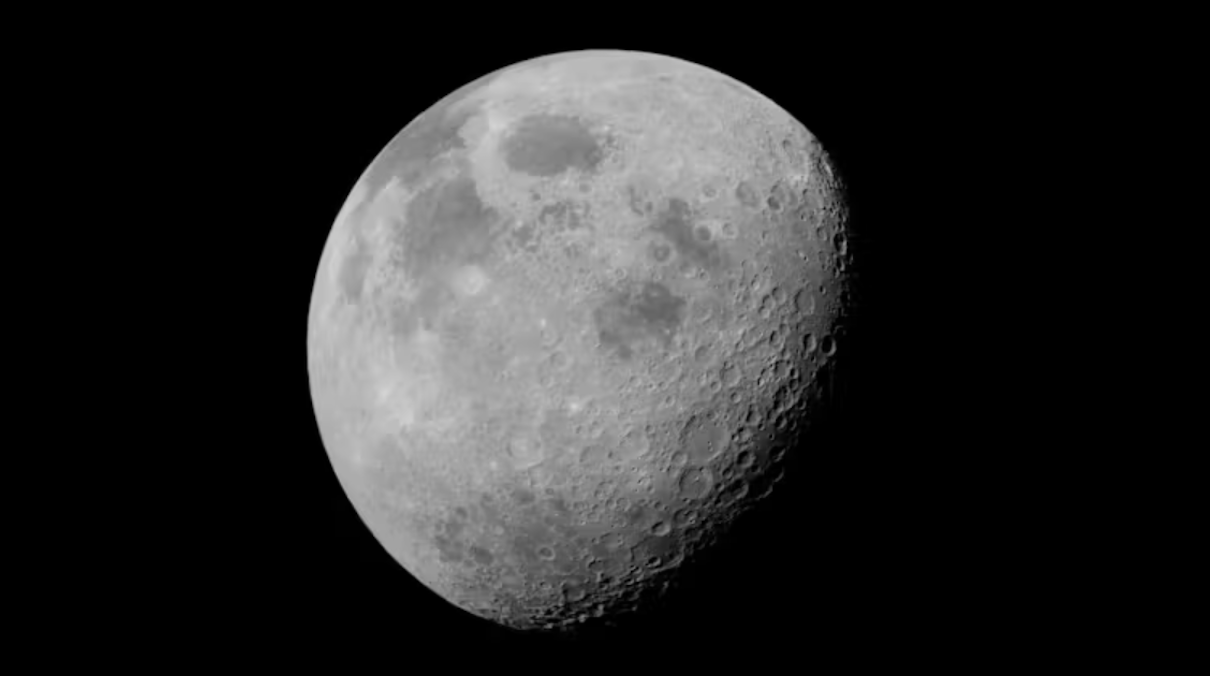
Space race next: US, China rushing to nuclearize the moon
The first space race was defined by symbolic achievements like planting flags and leaving footprints on the moon. Today, the focus has shifted dramatically. The new frontier is about building sustainable infrastructure on the lunar surface, and the key to this endeavor lies in power generation. In April 2025, China announced ambitious plans to construct a nuclear power plant on the moon by 2035, aimed at supporting its proposed international lunar research station. Not to be outdone, the United States, through NASA’s acting administrator Sean Duffy, revealed intentions to deploy a lunar reactor by 2030. While these developments may seem sudden, they are the culmination of years of research and development by NASA and the Department of Energy into small nuclear power systems designed for lunar bases, mining operations, and long-term habitats. From the perspective of space law, this is not an arms race but a strategic infrastructure race, where influence is wielded through the establishment of critical facilities. A lunar nuclear reactor, while dramatic, is neither illegal nor unprecedented. If implemented responsibly, it could enable peaceful exploration, economic growth, and technological advancements for deeper space missions. However, it also raises significant questions about access, safety, and geopolitical influence. The legal framework for such endeavors already exists, with the 1992 UN Principles Relevant to the Use of Nuclear Power Sources in Outer Space providing guidelines for safety and international consultation. The 1967 Outer Space Treaty further governs space activity, emphasizing cooperation and due regard for other nations. Being the first to establish a lunar reactor could set norms for future lunar presence and operations, particularly in resource-rich areas like the moon’s south pole, where water ice could sustain life and fuel rockets. Critics have raised concerns about radiation risks, but adherence to UN safety protocols could mitigate these issues. Solar power, while viable in some regions, is unreliable in the moon’s permanently shadowed craters, making nuclear energy a practical necessity. The deployment of nuclear power on the moon is not just about lunar exploration; it is a stepping stone for missions to Mars and beyond. The United States has an opportunity to lead not only in technology but also in governance by adhering to international guidelines and promoting transparency. The future of lunar exploration will be shaped by who builds what and how, with infrastructure serving as the cornerstone of influence in the next era of space exploration.
-
UAE and Haftar behind RSF capture of Sudan’s triangle border region
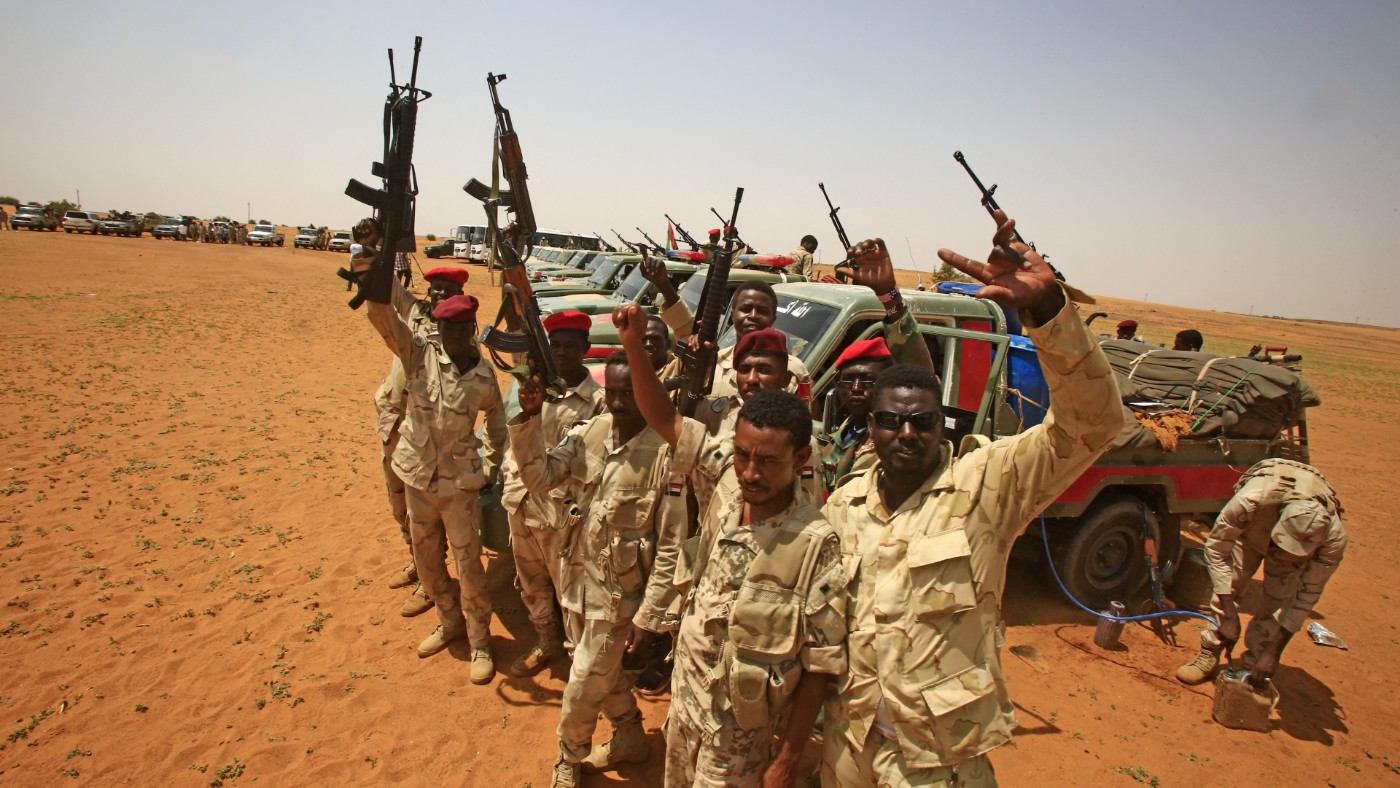
In a significant escalation of the ongoing conflict in Sudan, the Rapid Support Forces (RSF), a Sudanese paramilitary group, has taken control of the strategic Almuthallath triangle border region, which connects Sudan, Libya, and Egypt. The operation, which began on June 10, saw over 250 military vehicles, including fighters from the RSF and Libyan mercenary groups affiliated with eastern Libyan commander Khalifa Haftar, enter the area. According to Ismail Hassan, a local gold miner and trader, the RSF declared control of the region and proceeded to loot markets, taking gold, money, vehicles, and other valuables. The Sudanese Armed Forces (SAF) and their allied Joint Forces militia were forced to retreat following the attack. The RSF’s success in the lawless border region was reportedly facilitated by logistical support from the United Arab Emirates (UAE) and Russia, as well as the involvement of Haftar’s Libyan forces. Satellite imagery and flight tracking data revealed that Emirati planes delivered weapons and supplies to the RSF via southeastern Libya’s al-Kufra airport. The UAE’s involvement has further strained its relations with Egypt, which has attempted to mediate between Haftar and SAF leader Abdel Fattah al-Burhan. The RSF’s control of the border region has solidified its hold on western Sudan, particularly Darfur, and has raised concerns about the potential for prolonged conflict and regional instability. The RSF has also declared a parallel government in Nyala, South Darfur, which borders five countries, including Libya and Egypt. Analysts warn that the RSF’s control of border areas could exacerbate Sudan’s war, facilitate weapons smuggling, and enable the illegal extraction of gold and other resources.
-
‘I learnt to fire an RPG with YouTube’: How one Sudanese village fought the RSF – and won
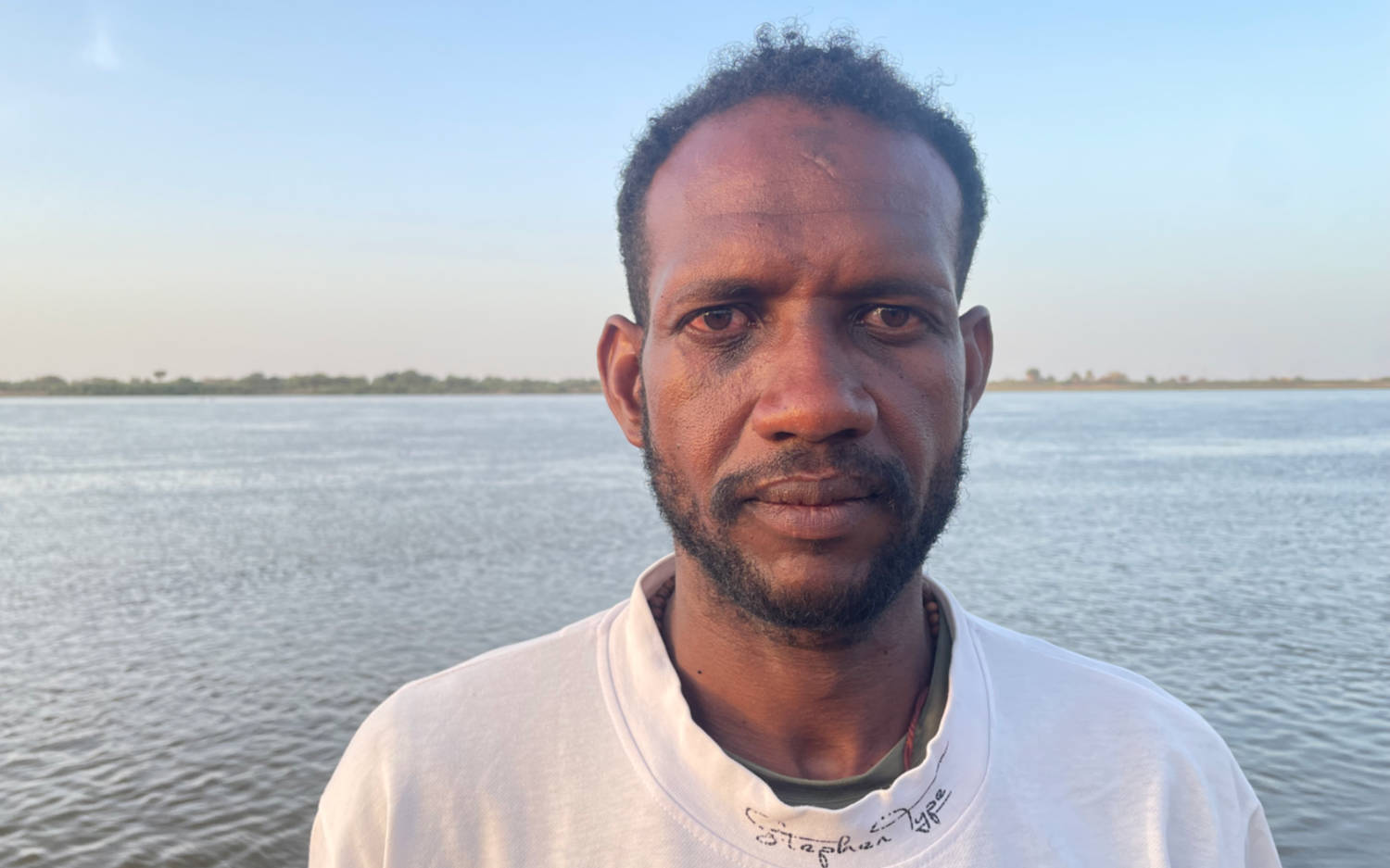
In the heart of Sudan’s al-Jazira state lies al-Tekeina, a village that has become a symbol of resilience and self-reliance in the face of war. Before the conflict erupted in April 2023, al-Amin Idriss Mohammed, a 41-year-old businessman, had never held a weapon. Yet, as the Rapid Support Forces (RSF) advanced, Mohammed and his fellow villagers transformed into a formidable self-taught militia, defending their home against relentless paramilitary attacks.