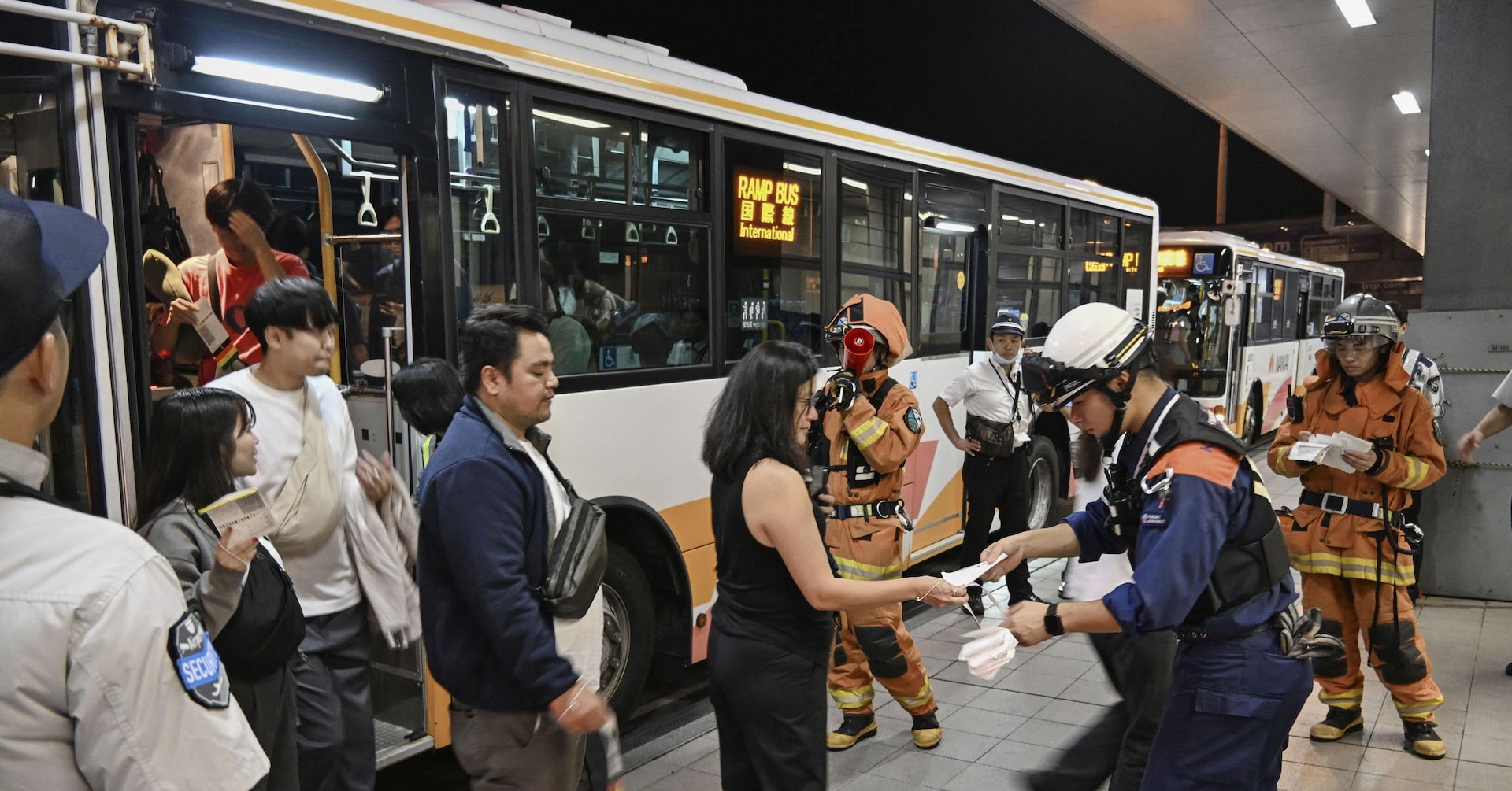
A United Airlines Boeing 737-800 en route from Tokyo’s Narita Airport to Cebu, Philippines, was forced to make an emergency landing at Kansai International Airport in Osaka on September 12, 2025, following concerns of a potential fire in the cargo hold. The aircraft, carrying 135 passengers and seven crew members, was evacuated using emergency slides. Two individuals sustained minor injuries and were transported to a hospital for treatment. United Airlines confirmed that an initial maintenance inspection revealed no evidence of a fire. The incident occurred shortly after takeoff, prompting the diversion to Osaka. Authorities, including Kansai Airport officials, local police, and fire departments, were unavailable for comment outside regular business hours. The airline has not yet disclosed further details regarding the cause of the emergency or the nature of the injuries. The event underscores the importance of swift emergency response protocols in aviation safety.
标签: Asia
亚洲
-

Exclusive: Neil Kinnock says Palestine Action are not terrorists in split with Starmer
In a rare public dissent, former Labour Party leader Neil Kinnock has openly criticized Prime Minister Keir Starmer’s decision to designate Palestine Action as a terrorist organization. Speaking exclusively to Middle East Eye, Kinnock argued that the move has weakened Britain’s anti-terror laws by conflating activism with terrorism. Palestine Action, a group advocating for an end to Israel’s military operations in Gaza, was proscribed on July 4 after its activists vandalized RAF Brize Norton air base. The designation places the group alongside notorious organizations like al-Qaeda and ISIS, making support for it punishable by up to 14 years in prison. Kinnock, who abstained from voting on the proscription in the House of Lords, emphasized that protesting against the dire situation in Gaza does not equate to terrorism. He also expressed concern over the mass arrests of nearly 900 demonstrators in London, including elderly individuals and Holocaust survivors’ relatives, on terrorism charges. The Labour government, however, has defended its decision, with Home Secretary Shabana Mahmood praising the Metropolitan Police’s handling of the protests. The controversy has exposed a significant divide within Labour ranks, with only 10 MPs voting against the proscription in the House of Commons. Meanwhile, the humanitarian crisis in Gaza continues to escalate, with over 64,000 Palestinians killed since October 2023 and famine declared by the UN-backed global hunger monitor. While Kinnock acknowledged Israel’s war crimes in Gaza, he refrained from labeling the conflict as genocide, citing the need for legal proof. The ongoing war has drawn international condemnation, with Israel facing charges of genocide at the International Court of Justice. Despite Hamas’s acceptance of a US-backed ceasefire proposal, Israel’s recent failed airstrike on Doha has further complicated efforts to end the conflict. Kinnock commended Israeli protesters for their courage in opposing Prime Minister Benjamin Netanyahu, who is wanted by the International Criminal Court for war crimes.
-
BOJ should watch out inflation risks from weak yen, ex-Japan FX diplomat says
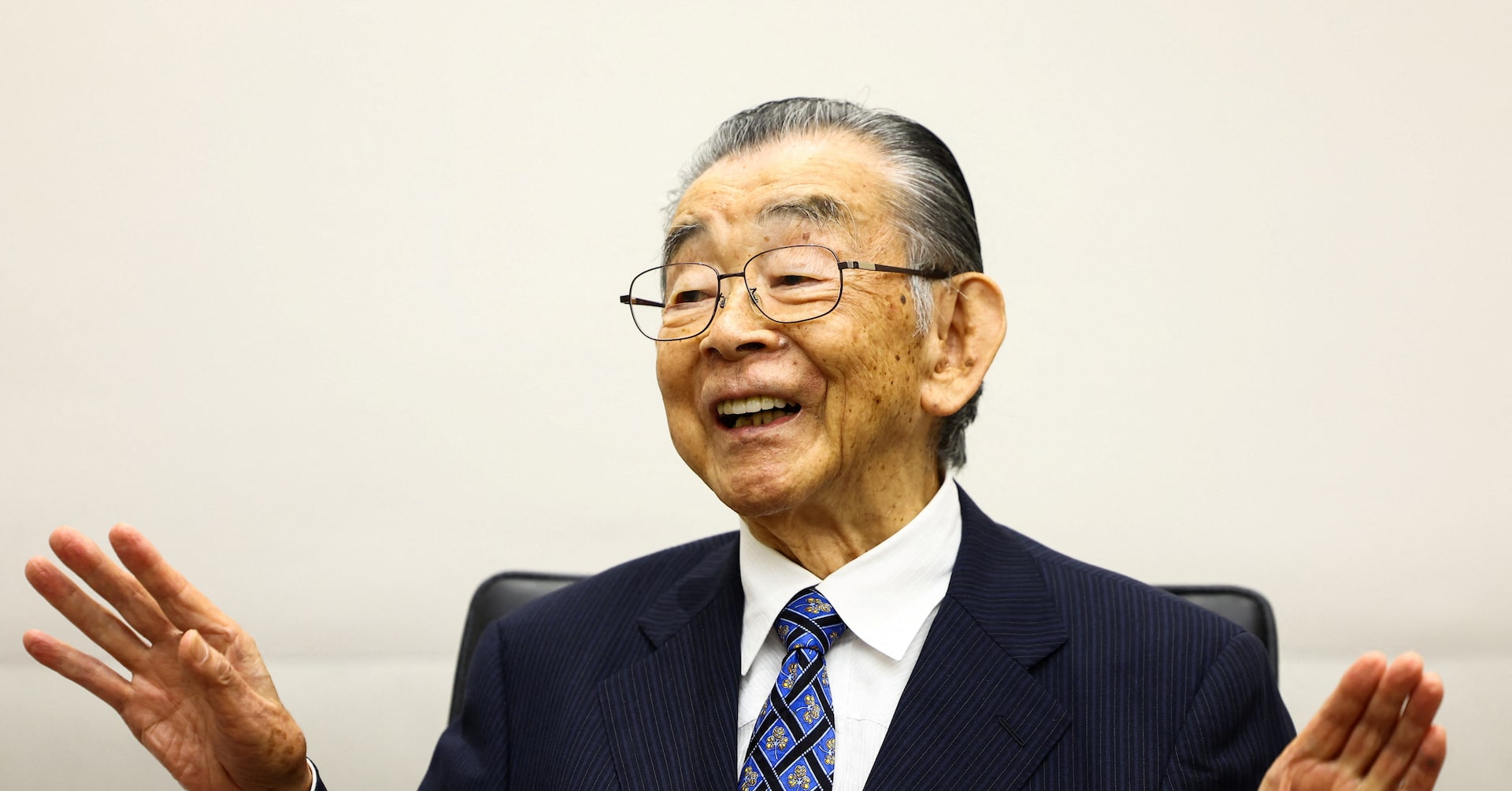
In a recent interview with Reuters in Tokyo, Toyoo Gyoten, Japan’s former vice minister of finance for international affairs, highlighted the risks posed by Japan’s ultra-low interest rates and the prolonged weakness of the yen. At 94, Gyoten, who played a pivotal role in the 1985 Plaza Accord, emphasized that the Bank of Japan (BOJ) must remain vigilant about the potential acceleration of inflation driven by higher import costs due to the yen’s depreciation. ‘Japan’s interest rates have been excessively low, and this is undeniably contributing to the yen’s weakness,’ Gyoten stated. He urged the BOJ to consider the broader economic implications of this situation. The BOJ ended its decade-long stimulus program last year and raised short-term rates to 0.5% in January, aiming to sustainably achieve its 2% inflation target. However, consumer inflation has consistently exceeded this target for over three years. BOJ Governor Kazuo Ueda has adopted a cautious approach to rate hikes, citing uncertainties surrounding U.S. tariffs on Japan’s economy. The yen hit a 38-year low of 161 per dollar last year and has remained weak, currently trading around 147 per dollar. Gyoten, now an honorary advisor to Mitsubishi UFJ Financial Group, suggested that Japan could correct the yen’s weakness by gradually tightening monetary policy, thereby narrowing the interest rate gap with the United States. Reflecting on the 1985 Plaza Accord, Gyoten noted that Japan’s response to the yen’s appreciation at the time—massive monetary easing—fueled asset bubbles that later burst, leaving lasting economic scars. He argued that Japan should have embraced a stronger yen as an opportunity to reduce its reliance on exports and transition to a new growth model. Gyoten also observed a shift in sentiment among export-oriented industries, which now recognize the importance of considering the impact of a weak yen on ordinary consumers facing rising living costs.
-
‘For peace, prepare for war’: How Turkey sees Israel’s attack on Qatar
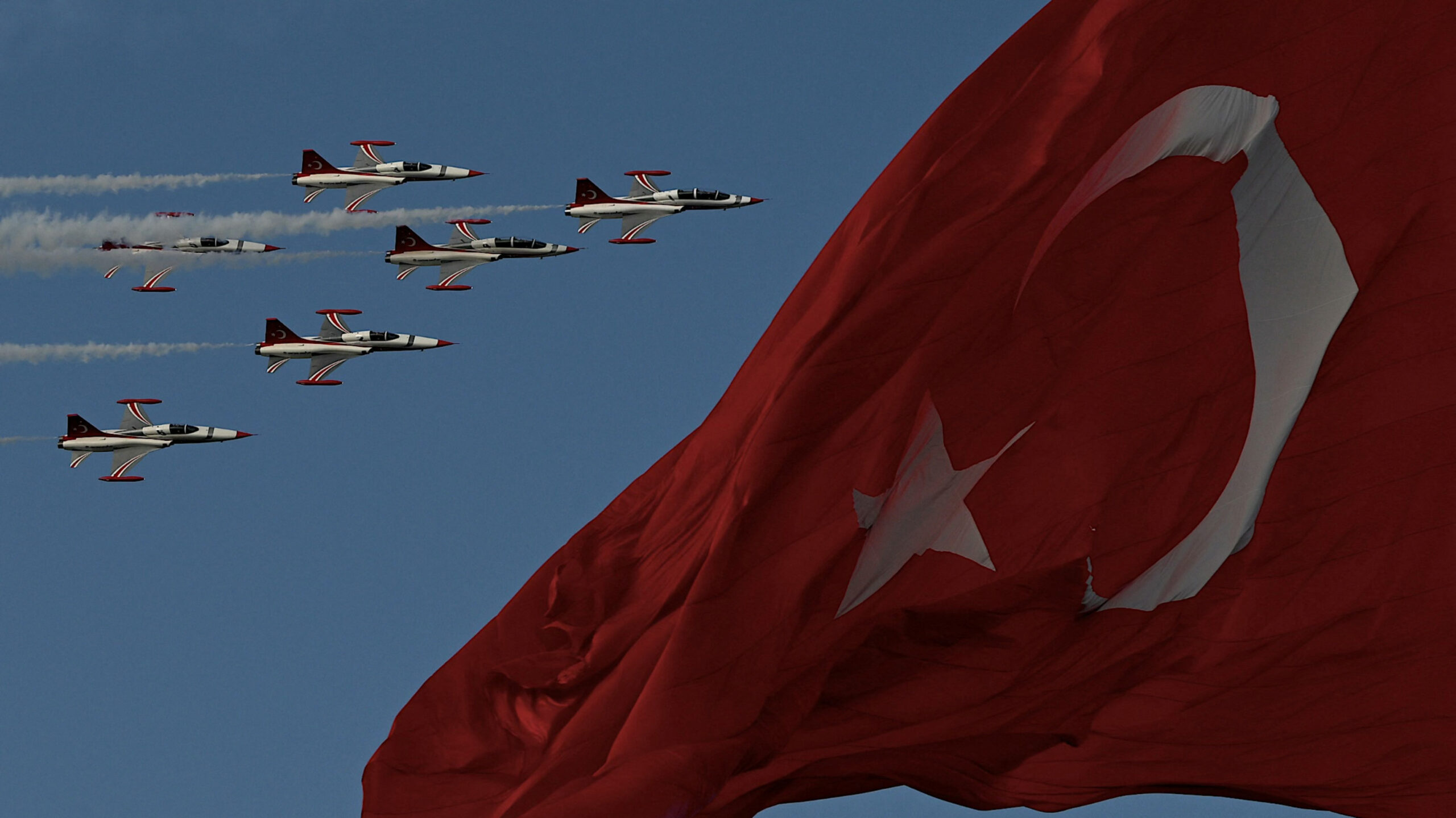
Israel’s recent daylight strike on Hamas leadership in Doha has sent shockwaves across the Gulf region, validating Turkey’s long-standing warnings about Israel’s willingness to disregard international norms and sovereignty. Turkish Foreign Minister Hakan Fidan has repeatedly highlighted Israel’s expansionist strategy, which many Gulf states believed would be restrained by U.S. security guarantees, particularly in Qatar, home to a major U.S. military base. However, the strike has underscored the limits of such assumptions. Turkey, a close ally of Qatar, swiftly condemned the attack, with President Recep Tayyip Erdogan pledging joint steps with Qatar in response. Despite this, Turkey’s options remain constrained, given its modest military presence in Doha and Qatar’s multi-layered security framework involving the U.S., the UK, and the Gulf Cooperation Council. The incident has exacerbated tensions between Turkey and Israel, raising concerns about potential confrontation. In response, Turkey has heightened its air patrols and accelerated defense investments, including the development of advanced missile and air defense systems. While Turkey remains cautious, officials emphasize that any violation of its airspace would provoke a decisive response. Despite the escalating rhetoric, both nations are likely to manage tensions through U.S. mediation and established intelligence channels.
-
A new world order isn’t coming–it’s already here
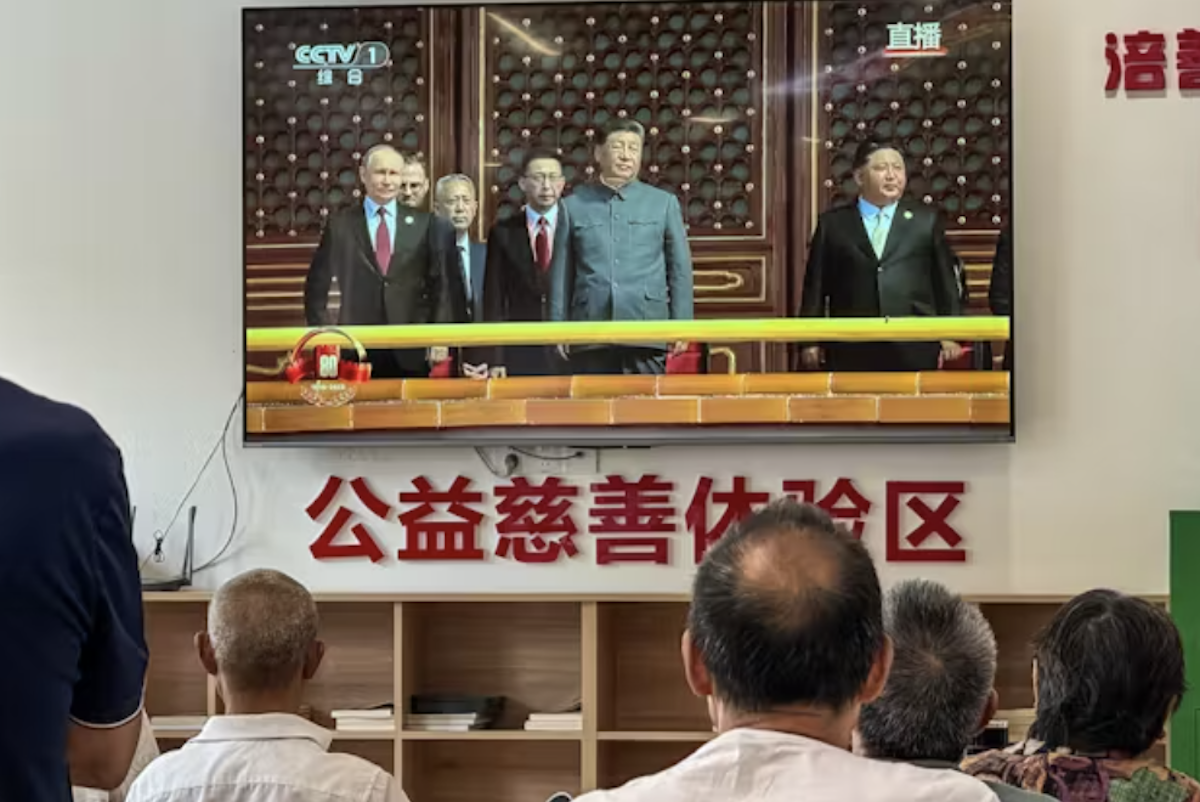
On September 3, 2025, China commemorated the 80th anniversary of its victory over Japan with a meticulously orchestrated event showcasing its military prowess. The spectacle, attended by 26 world leaders, reignited discussions in Western media about the emergence of a China-centric ‘new world order,’ potentially replacing the US-dominated ‘rules-based order.’ This event underscored China’s growing influence on the global stage, prompting geopolitical analysts to argue that the transition to a new world order is already underway, albeit in a state of flux. Historically, global dominance has shifted from the British Empire (1815–1880) to the bipolar Cold War era (1945–1991) and the unipolar US-led order post-1991. However, the US’s global position has been challenged by events such as the 2008 financial crisis, the war on terrorism, and the rise of economic nationalism. Today, a multipolar world is emerging, with the US, China, and Europe as key players. China, under Xi Jinping, is actively pursuing a Sino-centric order, forming alliances with nations like Russia, while Europe is remilitarizing to address regional threats. Despite their strengths, all three power centers face internal challenges, including economic stagnation, aging populations, and political instability. The Global South, comprising nations like Brazil, India, and Indonesia, remains a fluid bloc, hedging between major powers. As the world navigates this transitional phase, questions arise about the durability of alliances, the management of internal crises, and the potential for cooperation on global issues like climate change. The hope is that the transition to a new world order will occur peacefully, avoiding outright conflict.
-

Revealed: More people charged since Palestine Action ban than during entire ‘war on terror’
The United Kingdom has witnessed an unprecedented surge in counter-terrorism arrests since the proscription of direct-action network Palestine Action in July 2025, with official statistics revealing a 400% increase in charges under Section 13 terrorism powers compared to the entire period since 9/11.
According to Home Office data analyzed by Middle East Eye, authorities have charged 138 individuals under Section 13 of the Terrorism Act 2000 in the weeks following the ban—quadruple the 34 charges brought between 2001 and June 2025. The legislation, which prohibits displaying symbols supporting proscribed organizations, has become the primary tool used by London’s Metropolitan Police against protesters demonstrating outside Parliament.
The dramatic escalation follows weeks of sustained protests across British cities, where police have made over 1,500 arrests related to opposition to the ban. Those detained have included religious leaders, elderly citizens, and disabled individuals holding signs stating: ‘I oppose genocide. I support Palestine Action.’
Human rights organizations including Amnesty International and Liberty have condemned the government’s approach as disproportionate, warning that terrorism charges—even without conviction—carry severe lifelong consequences including employment restrictions, travel limitations, and social stigma. United Nations Human Rights Commissioner Volker Türk characterized the ban as ‘disproportionate and unnecessary’ and potentially violating international human rights law.
The government maintains that the proscription remains ‘necessary and proportionate,’ with Security Minister Dan Jarvis asserting that similar measures would be applied to organizations motivated by Islamist extremism or right-wing ideology. New Home Secretary Shabana Mahmood has publicly endorsed police handling of the protests.
Meanwhile, the legal battle continues as Palestine Action co-founder Huda Ammori pursues a judicial review of the ban, while six organizers from campaign group Defend Our Juries face more serious Section 12 charges carrying potential nine-year sentences for organizing Zoom briefings about protests.
The developments have sparked unusual parliamentary dissent, with MPs across party lines—including some government supporters—questioning the enforcement approach against peaceful protesters expressing concerns about Palestinian rights and free speech.
-
Gulf states seeking growth still hostage to regional chaos
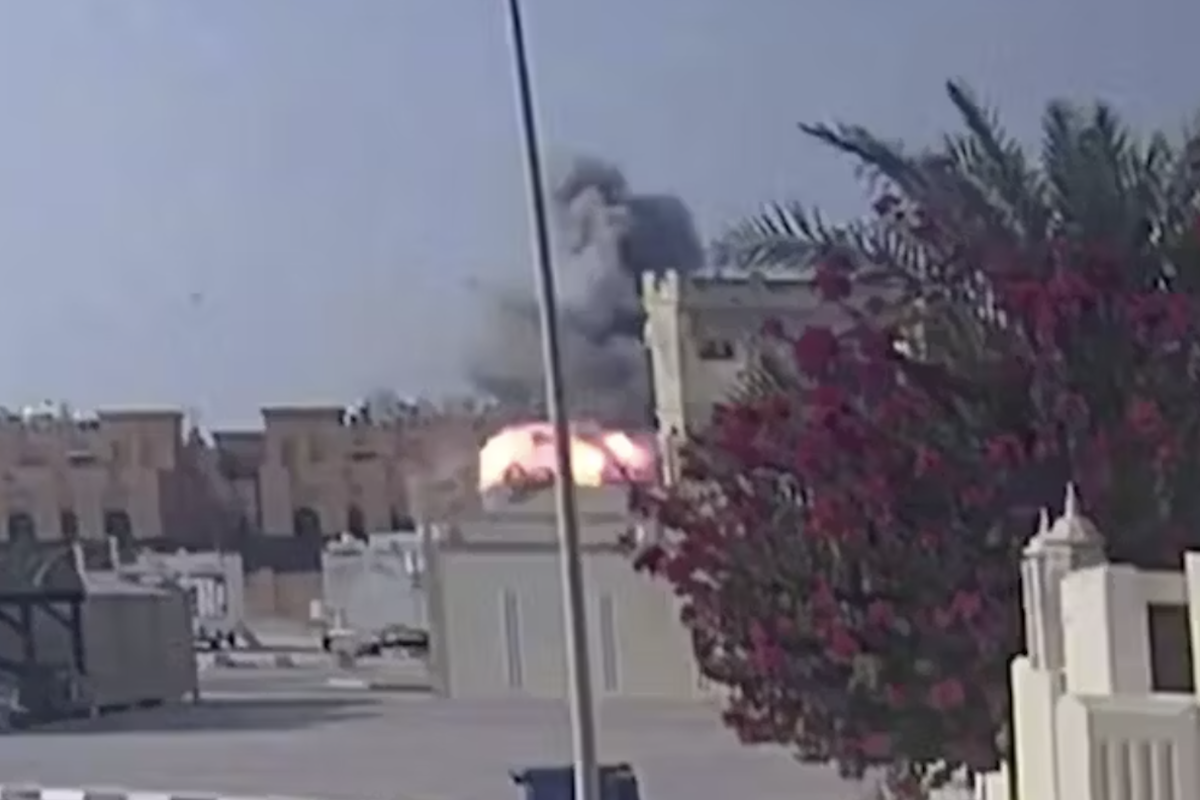
The oil-rich Gulf states of Qatar, Saudi Arabia, and the United Arab Emirates (UAE) have long enjoyed significant advantages, including immense wealth, domestic stability, and growing global influence. In recent months, these nations have moved closer to securing robust and uncritical support from the United States, a development that coincides with the decline of Iranian power in the region. Under President Donald Trump, Gulf monarchs found an ally in Washington who prioritized strategic interests over concerns for democracy and human rights. Trump’s first international trip of his second term to Saudi Arabia, Qatar, and the UAE underscored their rising international clout. The overthrow of the Assad government in Syria and Israel’s military actions against Iran and its allies in Lebanon and Yemen have further weakened Tehran’s regional threat. However, Gulf Arab states face a precarious political landscape, as evidenced by Israel’s targeted strike on Hamas leaders in Qatar in September 2025. This incident highlights the unpredictable nature of regional dynamics and the challenges Gulf leaders must navigate. Four key uncertainties will shape their future: managing post-civil war Syria, balancing regional politics, monitoring Iran’s trajectory, and addressing Israel’s military assertiveness. In Syria, Gulf states have shifted from opposing the Assad regime to supporting new President Ahmed al-Sharaa, lobbying the US to lift sanctions and seeking stability to address the refugee crisis. Yet, ongoing Israeli attacks and internal conflicts in Syria underscore the region’s fragility. Regionally, Gulf states face the dilemma of supporting authoritarian governments while avoiding the risks of popular unrest and civil wars, as seen in Yemen and Sudan. Iran remains a central concern, with its diminished power potentially leading to instability or a shift in its political system, both of which could disrupt Gulf interests. Meanwhile, Gulf leaders must balance their strategic alignment with Israel against domestic and regional pressures to support Palestinian rights. The Gulf Cooperation Council (GCC) remains a critical platform for regional unity, though internal rivalries persist. As Gulf states strive to expand their influence, they remain vulnerable to external events that could derail their plans.
-
China’s dual-use asteroid-collision research threatens satellites
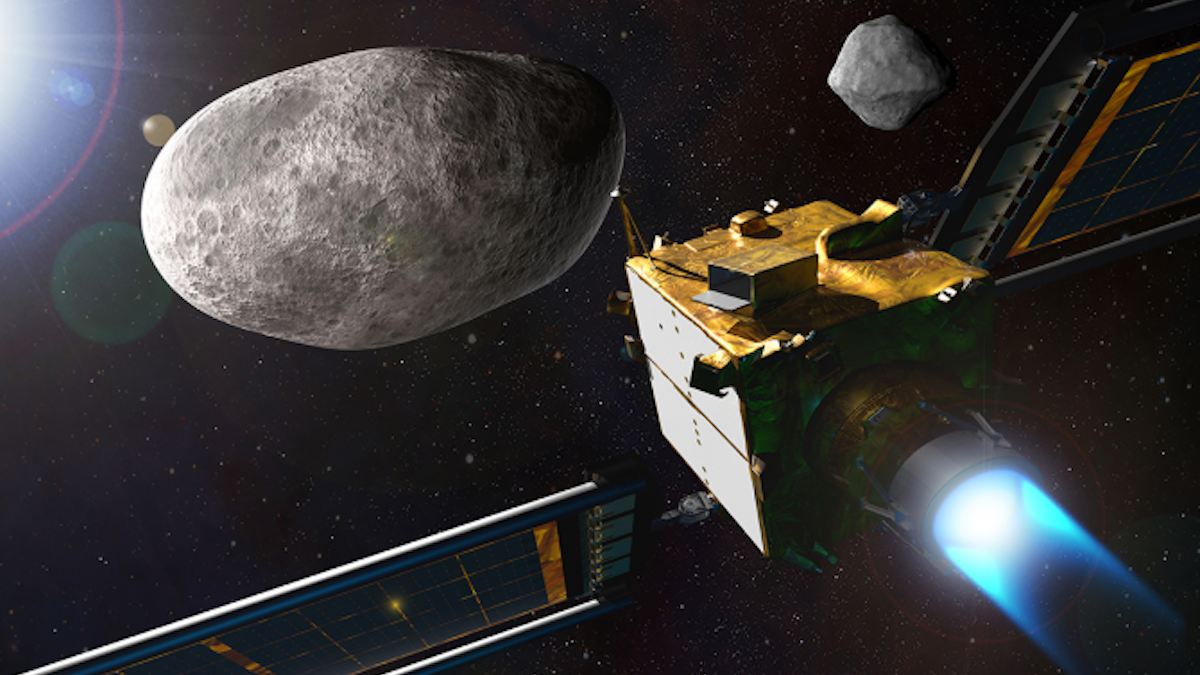
China has announced a groundbreaking mission to deliberately impact a near-Earth asteroid by 2030, marking a significant leap in its planetary defense and asteroid resource utilization capabilities. This initiative, revealed by Wu Weiren, chief designer of China’s lunar exploration program, underscores the nation’s growing ambitions in space exploration and its intent to lead in planetary defense technologies. The mission involves deploying two spacecraft: one as a kinetic impactor and another as an observer to monitor the collision and its effects. This dual approach aims to validate asteroid deflection techniques and assess their feasibility for planetary defense. The announcement comes three years after NASA’s successful Double Asteroid Redirection Test (DART) in 2022, which demonstrated the potential of kinetic impactors to alter asteroid trajectories. China’s plan, however, goes beyond defense, signaling a strategic vision for deep-space resource extraction and economic exploitation. The mission’s dual-use nature has sparked discussions about its potential military applications, particularly in anti-satellite operations. Despite these concerns, China has invited over 40 countries and organizations to collaborate on joint monitoring and research efforts, emphasizing international cooperation. The mission’s complexity lies in its precision and unpredictability, as scientists grapple with the unknown internal composition of asteroids. China’s long-term strategy includes achieving kinetic impact milestones by 2030, propulsion-based deflection tests by 2035, and mastering full-scale asteroid orbit technology by 2045. This ambitious timeline aligns with the anticipated maturity of asteroid resource utilization, positioning China as a key player in the emerging trillion-dollar space economy.
-
New technology may confirm destruction at Iran’s Fordow nuke site
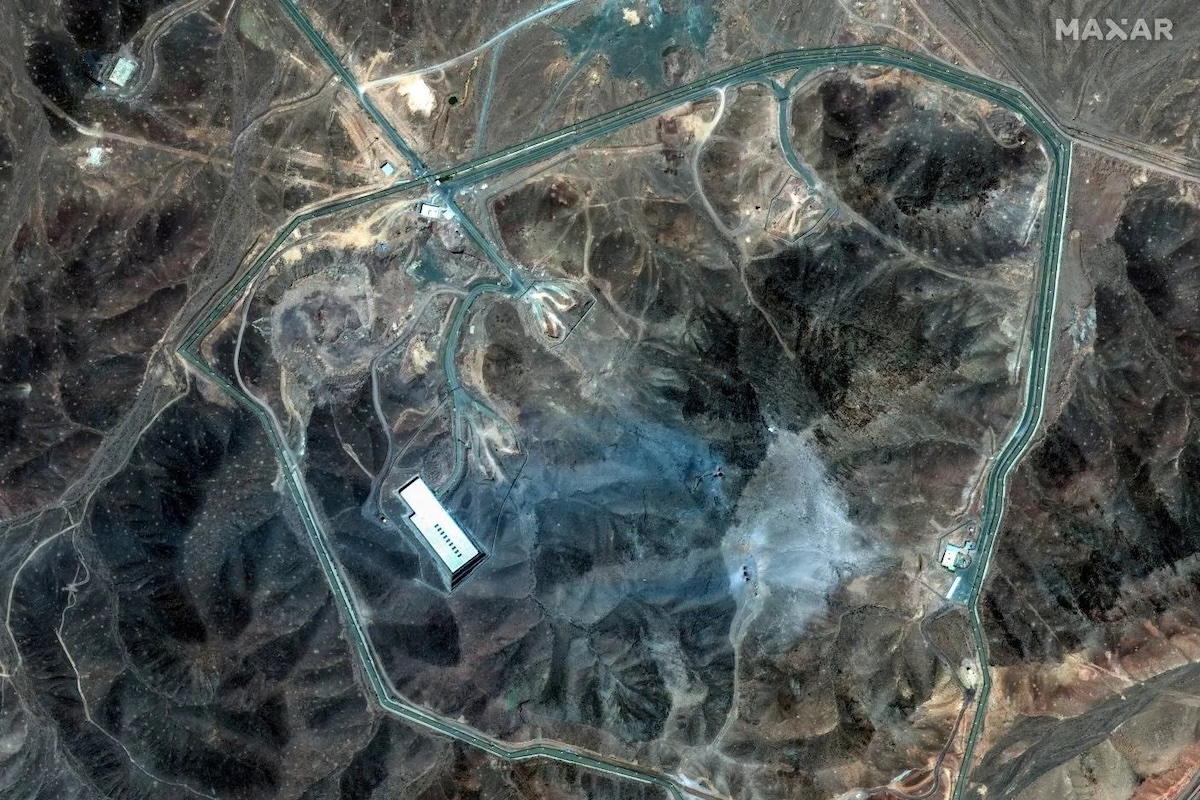
A groundbreaking study utilizing cutting-edge hyperspectral imaging technology has provided new insights into the extent of damage inflicted on Iran’s Fordow nuclear facility. The analysis, conducted by Orbital Sidekick (OSK) Inc., employed its Global Hyperspectral Observation Satellite (GHOSt) constellation to assess the aftermath of a U.S. military strike codenamed ‘Operation Midnight Hammer’ on June 22, 2025. The findings suggest that the facility, officially known as the Shahid Ali Mohammadi Nuclear Facility, suffered ‘extremely severe damage and destruction,’ particularly to its underground enrichment halls. The GHOSt system, which leverages hyperspectral imaging (HSI) and advanced data analytics, identified significant subsidence and concrete debris pushed to the surface, indicating potential structural collapse. This marks a significant leap in satellite technology’s ability to monitor and analyze critical infrastructure and military targets. The study also highlights the evolution of satellite imaging from the Landsat era, which began in 1972, to today’s sophisticated systems capable of providing detailed environmental and situational awareness. The implications of such technology extend beyond military applications, offering potential uses in agriculture, infrastructure monitoring, and environmental management. However, the commercial nature of these systems raises concerns about their accessibility to potential adversaries, underscoring the dual-use dilemma of advanced satellite technology.
-
Refuseniks: More Israelis rejecting Gaza war orders
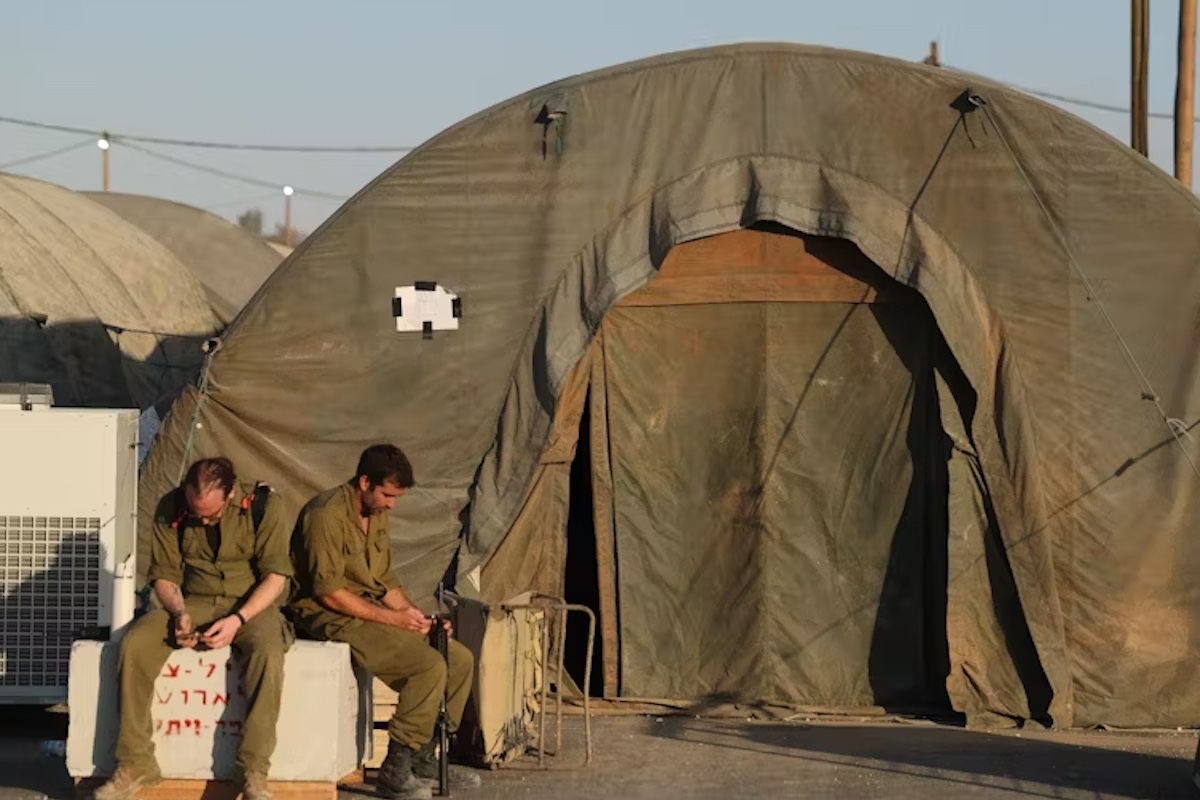
Israeli Prime Minister Benjamin Netanyahu has escalated military operations in Gaza City, despite mounting domestic and international criticism. This decision comes as the International Association of Genocide Scholars accuses Israel of committing genocide, further fueling global condemnation. On August 2, approximately 40,000 reservists were summoned, with an additional 90,000 expected to be mobilized by early 2026. However, reports indicate a significant decline in the number of reservists willing to serve, with some estimates suggesting a 30% to 50% drop in participation. Israel’s mandatory conscription policy requires high school graduates to serve 18 to 36 months, followed by reserve duty until age 40. Following the October 7, 2023, Hamas attacks, Israel mobilized 360,000 reservists alongside 100,000 active-duty soldiers, marking one of the largest call-ups in the nation’s history. Initially, the response rate exceeded 100%, but after nearly two years of conflict, fatigue and disillusionment have set in. Many reservists cite exhaustion and the failure to achieve key objectives, such as securing the release of Israeli hostages, as reasons for refusing to serve. This growing reluctance poses a strategic challenge for Netanyahu, as the Israel Defense Forces (IDF) rely heavily on reservists for sustained operations. Historically, refusal to serve has been a form of political protest in Israel, with movements like Yesh Gvul emerging during the Lebanon War in 1982 and gaining traction during the Palestinian uprisings. Recent protests against judicial reforms in 2023 also saw elite combat pilots refusing to serve, highlighting the intersection of military service and political dissent. Despite these challenges, Netanyahu shows no signs of altering his course, even as domestic and international pressure mounts.