
Journalists in the Maldives are gearing up to challenge a controversial new media law in the country’s Supreme Court, claiming it threatens press freedom and imposes harsh penalties on violators. The Maldives Media and Broadcasting Regulation Bill, signed into law by President Mohamed Muizzu on Thursday, establishes a seven-member Maldives Media and Broadcasting Commission with extensive authority over media and social media platforms. The commission has the power to suspend media registrations, block websites, halt broadcasts, and impose fines ranging from MVR 5,000 ($325) to MVR 100,000 ($6,500) on journalists and outlets. Critics argue that the commission, with three members and its chair appointed by the president, is effectively government-controlled, undermining its independence. The Maldives Journalists Association (MJA) has condemned the law, asserting that media should be self-regulated and free from state interference. MJA President Naaif Ahmed vowed to challenge the legislation in court, stating, ‘We will not obey this law. We will go to the Supreme Court and ask it to dismantle this law.’ Meanwhile, Foreign Minister Abdulla Khaleel defended the law on social media, claiming it unifies oversight, ensures transparency, and modernizes media standards. The Maldives, a nation of 530,000 people, has faced political tensions and geopolitical competition between India and China in recent years. Despite having 200-300 registered media outlets, fewer than 100 are active, and the country ranks 104th on the 2025 World Press Freedom Index by Reporters Without Borders, reflecting ongoing challenges to press freedom.
标签: Asia
亚洲
-

China’s DeepSeek says its hit AI model cost just $294,000 to train
In a groundbreaking revelation, Chinese AI developer DeepSeek disclosed that it spent a mere $294,000 to train its R1 model, a figure significantly lower than the costs reported by its U.S. counterparts. This disclosure, published in a peer-reviewed article in the journal Nature on September 18, 2025, is poised to reignite discussions about China’s role in the global AI race. The Hangzhou-based company, which has largely remained out of the public eye since its January 2025 announcement of lower-cost AI systems, detailed that the R1 model was trained using 512 Nvidia H800 chips over 80 hours. The article, co-authored by DeepSeek founder Liang Wenfeng, also revealed that the company utilized Nvidia A100 GPUs in the preparatory stages of development, a fact that had not been previously disclosed. This revelation comes amidst ongoing scrutiny from U.S. companies and officials regarding DeepSeek’s access to advanced AI chips, particularly after the U.S. imposed export controls on high-performance chips to China in October 2022. Despite these challenges, DeepSeek has managed to attract top talent in China, partly due to its operation of an A100 supercomputing cluster, a rarity among domestic firms. The company’s cost-effective approach to AI development has already had a significant impact on global markets, prompting investors to reevaluate the dominance of established AI leaders like Nvidia.
-
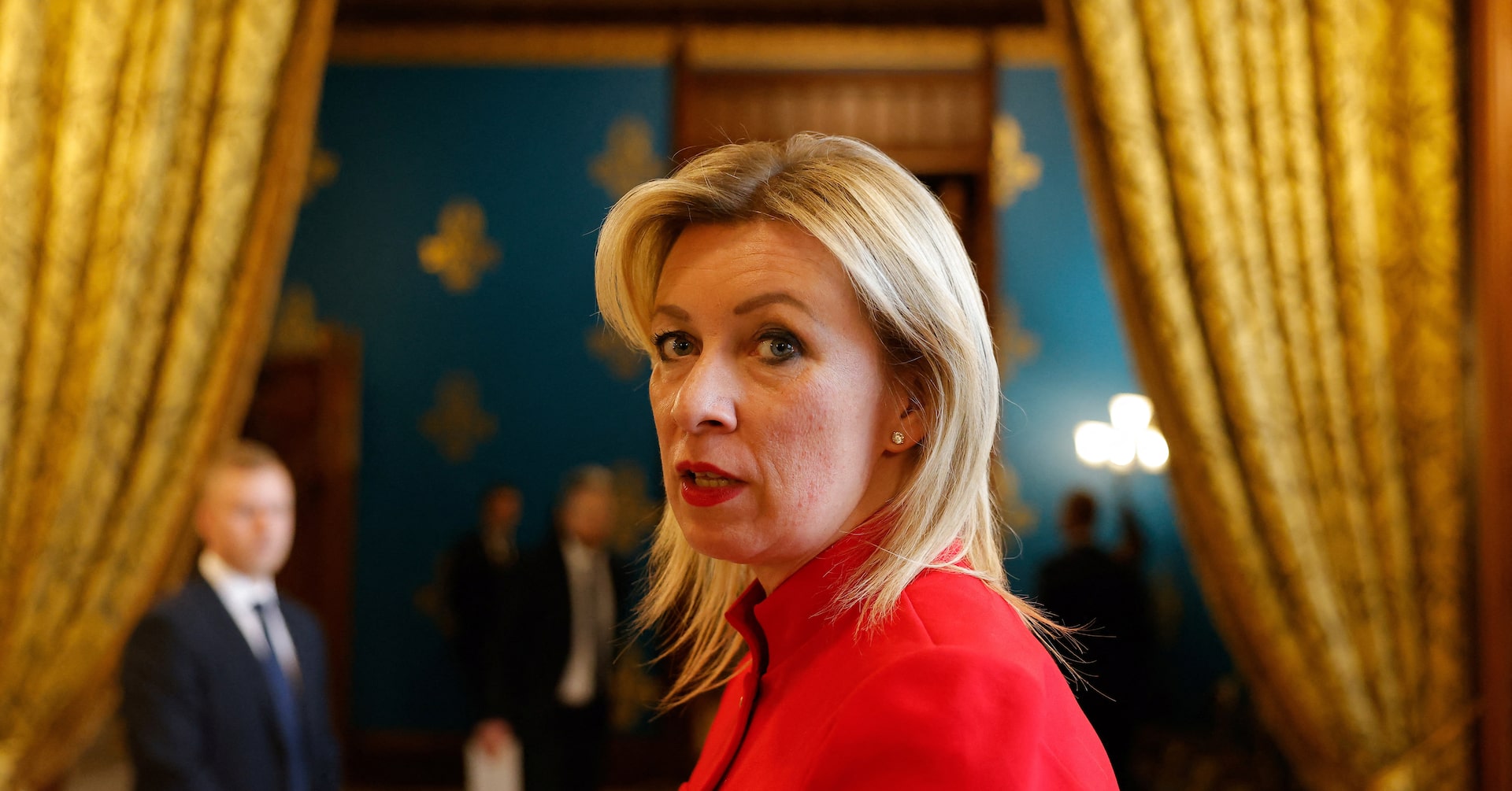
Russia says it will answer Japan’s new sanctions
MOSCOW, Sept 18 (Reuters) – Russia has strongly criticized Japan’s latest round of sanctions, labeling them as ‘unfriendly’ and warning that they will not go unanswered. The sanctions, announced last week, are part of Japan’s response to Russia’s ongoing invasion of Ukraine. They target additional individuals and entities while also lowering the price cap on Russian oil exports. Maria Zakharova, the spokeswoman for Russia’s Foreign Ministry, addressed the media on Thursday, emphasizing that Russia’s response would be carefully considered and aligned with its national interests. ‘Japan’s latest unfriendly actions will not go unanswered,’ Zakharova stated. ‘Our response will be well thought out and based on national interests. We will continue to take appropriate countermeasures, including those of an asymmetric nature.’ The escalating tensions between the two nations come amidst a broader geopolitical struggle, as Japan aligns itself with Western nations in imposing economic measures against Russia. The situation underscores the deepening rift between Russia and countries supporting Ukraine, with economic sanctions becoming a key tool in this conflict.
-
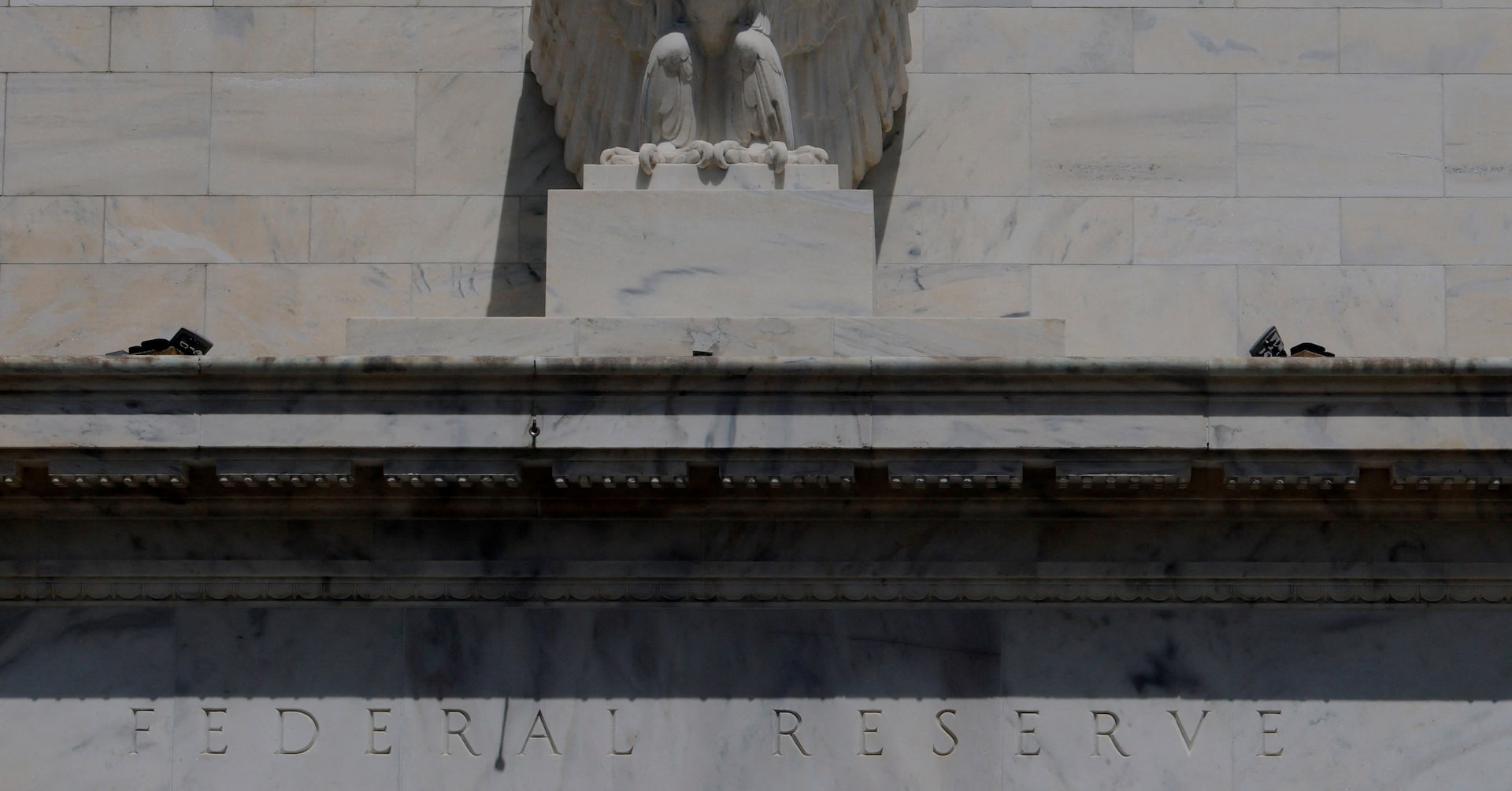
US Fed starts easing path, other major central banks on hold
In a significant shift in monetary policy, the U.S. Federal Reserve has announced its first interest rate cut since December, marking a divergence from other major central banks that have opted to maintain their current rates. The decision comes amid a softening job market and signals potential further cuts in October and December. Fed Chair Jerome Powell emphasized that the job market’s condition is now a critical factor for policymakers. Meanwhile, U.S. President Donald Trump has initiated the dismissal of Federal Reserve Governor Lisa Cook over alleged improprieties in mortgage loan acquisitions. Newly sworn-in Fed Governor Stephen Miran cast the sole dissenting vote, advocating for a more aggressive 50 basis points cut. In contrast, the Bank of England kept its rates unchanged, with policymakers voting to slow the pace of unloading gilts purchased between 2009 and 2021. The Bank of Canada also reduced its key rate to a three-year low of 2.5%, citing a weak jobs market and reduced concerns about underlying price pressures. The Swiss National Bank, however, has maintained its key rate at 0%, with Chairman Martin Schlegel stating that the bar is high for a return to negative rates. The Reserve Bank of New Zealand is expected to cut rates further, with a Reuters poll indicating potential reductions by year-end. The European Central Bank has kept its key rate steady at 2%, with ECB chief Christine Lagarde noting that the bank remains in a ‘good place’ despite balanced economic risks. The Bank of Japan is anticipated to hold rates steady amid political uncertainty following Prime Minister Shigeru Ishiba’s resignation. These varied approaches reflect the complex global economic landscape, with central banks navigating inflation, growth, and employment challenges.
-
GE Healthcare exploring stake sale in China unit, Bloomberg News reports
GE Healthcare, a leading medical device manufacturer, is reportedly considering the sale of a stake in its China unit, according to a Bloomberg News report on September 18, 2025. The potential transaction could value the assets at several billion dollars, though discussions remain in preliminary stages, and no definitive decisions have been reached. A company spokesperson declined to comment on market rumors but reiterated GE Healthcare’s commitment to serving patients in China, one of the world’s largest healthcare markets. The move comes amid growing challenges for U.S. companies in China, including political tensions, intense domestic competition, and slowing economic growth. A recent survey by the American Chamber of Commerce in Shanghai revealed that U.S. companies’ five-year business outlook in China has plummeted to a record low of 41%. GE Healthcare has faced significant hurdles in the region, with a 15% decline in revenue in 2024 attributed to weakened sales and tariff impacts. In July 2025, the company’s CFO indicated plans to shift production capacity to more tariff-friendly locations. Despite these challenges, GE Healthcare’s shares rose 1.4% in premarket trading following the news.
-
Instant view: Nvidia’s $5 billion bet on Intel
In a significant move within the semiconductor industry, Nvidia announced on Thursday a $5 billion investment in Intel, bolstering the struggling U.S. chip foundry. This decision comes weeks after the White House facilitated a deal for the U.S. government to acquire a substantial stake in Intel. The investment marks a pivotal moment for Intel, which has faced challenges in its turnaround efforts despite its storied history in the tech sector. Following the announcement, Intel’s shares surged by 30% in premarket trading. Analysts view Nvidia’s move as less about financial impact and more about strategic influence. Matt Britzman, Senior Equity Analyst at Hargreaves Lansdown, noted that the investment provides Intel with both financial and strategic support, though it falls short of a complete solution for Intel’s foundry business, which continues to struggle against competitors like TSMC. For Nvidia, the investment aligns with U.S. policy objectives, potentially easing restrictions on selling advanced chips to China and signaling a shift in industry dynamics. Art Hogan, Chief Market Strategist at B Riley Wealth, emphasized that while the deal must still pass regulatory approval, it represents a positive step for U.S. manufacturing. The partnership underscores the geopolitical undertones of the semiconductor industry, with both companies aiming to strengthen their positions in a highly competitive market.
-
Nvidia bets big on Intel with $5 billion stake and chip partnership
In a landmark move, Nvidia has announced a $5 billion investment in Intel, solidifying its position as one of the largest shareholders in the U.S. chipmaker. This strategic partnership, unveiled on September 18 in San Francisco, comes weeks after the U.S. government acquired a 10% stake in Intel, signaling a concerted effort to bolster domestic semiconductor capabilities. The collaboration aims to enhance AI and computing technologies, posing a significant challenge to industry giants like TSMC and AMD. Nvidia’s investment, priced at $23.28 per share, reflects confidence in Intel’s potential despite its recent struggles. The deal excludes Intel’s foundry business but focuses on joint development of PC and data center chips, leveraging Nvidia’s proprietary technology for faster chip-to-chip communication. This alliance could reshape the competitive landscape, particularly in AI servers, where Nvidia and Intel’s combined offerings may outpace rivals like AMD and Broadcom. Intel’s CEO, Lip-Bu Tan, has pledged to streamline operations and align factory capacity with demand. The partnership underscores a broader trend of U.S. tech firms uniting to counter global competition, with Nvidia and Intel poised to drive innovation in the next era of computing.
-
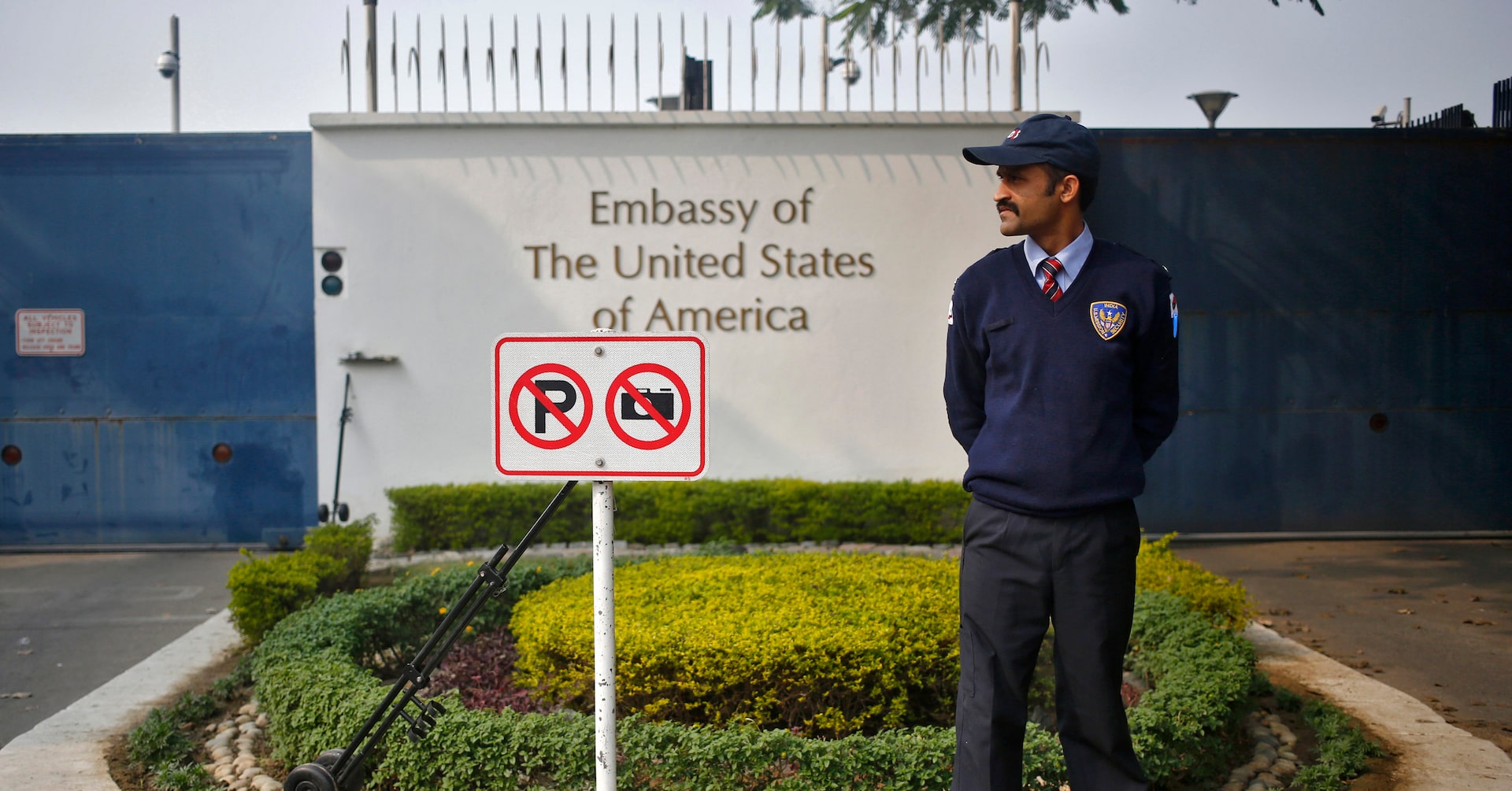
US embassy in India says it revoked, denied visas over fentanyl links
The U.S. Embassy in New Delhi has taken decisive action against certain Indian business executives and corporate leaders by revoking or denying their visas. This move comes in response to their alleged involvement in trafficking fentanyl precursors, as confirmed by the embassy in an official statement released on Thursday. Fentanyl precursors are the essential chemicals used in the production of fentanyl, a potent synthetic opioid responsible for a significant public health crisis in the United States. The embassy did not disclose the identities of the individuals affected by this visa action, maintaining confidentiality in line with its protocols. This development underscores the U.S. government’s intensified efforts to combat the global fentanyl trade and its supply chain. The decision also highlights the growing scrutiny of international business leaders linked to activities that contribute to the opioid epidemic. The embassy’s statement serves as a stern reminder of the legal and diplomatic consequences for those involved in such illicit activities.
-

Trump trade war fallout hits Argentine soy crushers despite export boom
The U.S.-China trade war has had unexpected repercussions in Argentina, where the country’s soy crushing industry is facing significant challenges despite record-high soybean exports. According to recent reports, Argentina’s soybean sales to China have surged to a six-year high, driven by Beijing’s search for alternatives to U.S. soybeans. However, this export boom has led to a shortage of raw beans for local processors, causing idle capacity in crushing facilities to rise to 31% in July, with further increases since then. Gustavo Idigoras, president of the CIARA-CEC grain exporters and processors chamber, expressed concern over the situation, stating that the trade war has harmed Argentina by reducing jobs and export value. He also noted that the surplus of soybeans in the U.S. has intensified competition for Argentine soymeal in Southeast Asia. While exports of unprocessed soybeans from the 2024/25 harvest have reached 8.81 million metric tons, nearly double the previous season, the future of Argentina’s soybean exports remains uncertain, hinging on the outcome of U.S.-China trade negotiations. All eyes are on November, when the current trade waiver between the two nations expires.
-
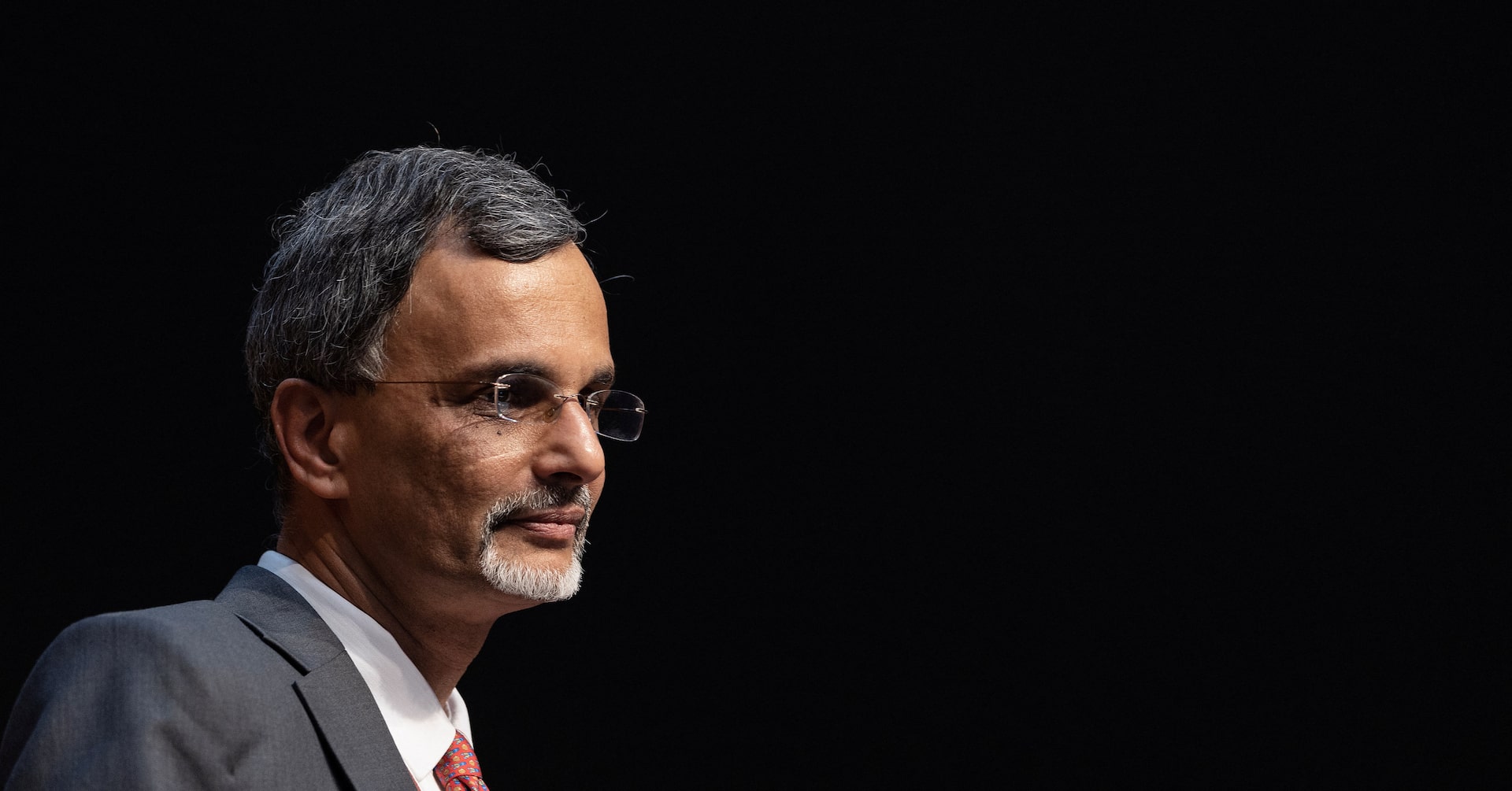
U.S. may ease India tariffs, India’s chief economic adviser says
In a significant development for U.S.-India trade relations, India’s Chief Economic Adviser V. Anantha Nageswaran has expressed optimism that the U.S. may soon eliminate the punitive 25% import tariff on Indian goods and reduce reciprocal tariffs to 10-15%. Speaking at an event in Kolkata on Thursday, Nageswaran stated, ‘My personal confidence is that in the next couple of months, if not earlier, we will see a resolution to at least the extra penal tariff of 25%.’ He further suggested that the reciprocal tariff of 25% could also be lowered to levels previously anticipated between 10% and 15%. This announcement follows ‘positive’ and ‘forward-looking’ trade discussions between the two nations earlier this week. The talks aimed to address tensions that escalated after former U.S. President Donald Trump imposed punitive tariffs on India for purchasing Russian oil, doubling overall tariffs to 50% in August. Trump and Indian Prime Minister Narendra Modi recently held a phone conversation, during which Trump thanked Modi for his efforts in resolving the Russia-Ukraine conflict. While no specific agreements were disclosed, the call signaled a potential thaw in bilateral relations, which had been strained in recent months. Indian stock markets responded positively to Nageswaran’s comments, with the benchmark Nifty 50 index reaching one-week highs and its highest close since July 9.