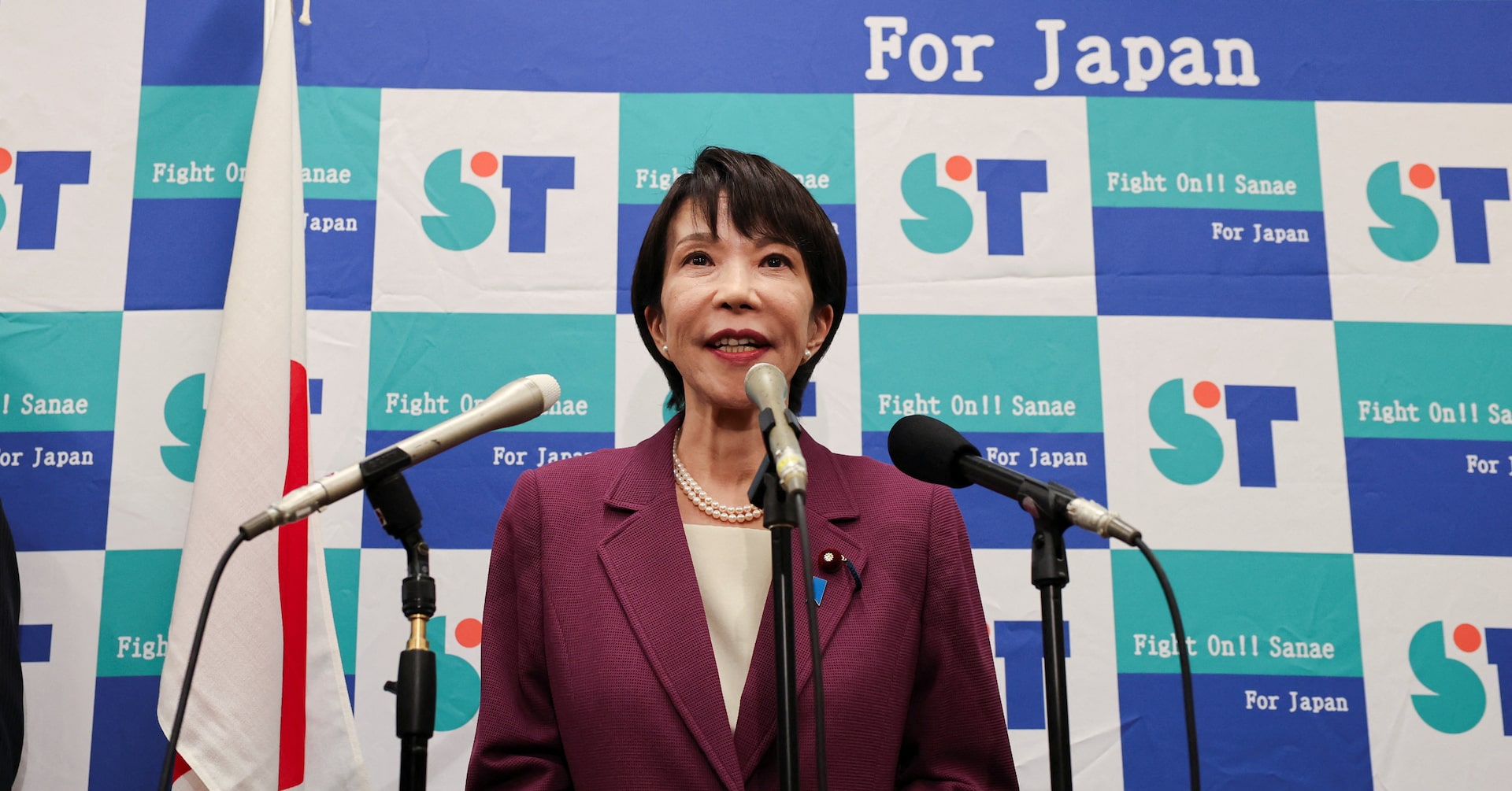
In a significant development in Japan’s political landscape, veteran lawmaker Sanae Takaichi has announced her candidacy for the leadership of the ruling Liberal Democratic Party (LDP). Takaichi, widely regarded as a fiscal dove, revealed her campaign pledge on September 19, 2025, in Tokyo. Her platform includes a combination of income tax cuts and direct cash payouts to households, aimed at stimulating Japan’s fragile economy. Additionally, Takaichi advocates for a gradual reduction in the government’s debt-to-GDP ratio, signaling a balanced approach to fiscal management. Takaichi, who aspires to become Japan’s first female prime minister, is considered a frontrunner in the race, alongside Agriculture, Forestry, and Fisheries Minister Shinjiro Koizumi. She has consistently opposed the Bank of Japan’s (BOJ) interest rate hikes and has called for increased government spending to reflate the economy. Her press conference, scheduled for Friday, coincides with the conclusion of the BOJ’s two-day meeting, where the central bank is expected to maintain interest rates at 0.5% but indicate its readiness to raise borrowing costs in the future. Analysts at Mizuho Securities noted that Takaichi’s campaign pledge could alleviate market concerns over Japan’s worsening finances, particularly if it avoids prioritizing the abolition of the consumption tax on food, maintaining monetary easing, and pursuing weak-yen policies—stances she has previously endorsed. The outcome of the LDP leadership race, set for October 4, will determine the successor to outgoing Prime Minister Shigeru Ishiba and could have significant implications for Japan’s economic and fiscal policies.
标签: Asia
亚洲
-

Japan’s core inflation slows in August, stays above BOJ target
Japan’s core consumer price index (CPI) increased by 2.7% year-on-year in August, according to data released on Friday. This figure, which aligns with market forecasts, represents the slowest pace of growth in nine months, offering a slight reprieve to households grappling with rising living costs. The core CPI excludes volatile fresh food but includes fuel costs. Additionally, an index that strips away both fresh food and fuel costs, closely monitored by the Bank of Japan (BOJ) as a more accurate measure of underlying price trends, rose by 3.3% in August, slightly down from 3.4% in July. These data points will be critical for the BOJ as it concludes its two-day policy meeting on Friday, where it is widely anticipated to maintain interest rates at 0.5%. The BOJ, which ended a decade-long radical stimulus program last year and raised short-term interest rates in January, has been cautious about further rate hikes due to uncertainties surrounding the impact of U.S. tariffs on Japan’s economy. Despite consumer inflation exceeding the BOJ’s 2% target for over three years, Governor Kazuo Ueda has emphasized the need for prudence in monetary policy adjustments. The BOJ’s July forecasts suggest that price pressures from rising rice and import costs will ease, giving way to more sustainable price increases driven by robust consumption and wage growth.
-

FedEx results top targets on cost-cutting, shares jump 5.5% after the bell
FedEx Corporation (FDX.N) has demonstrated resilience in the face of shifting trade policies, reporting better-than-expected quarterly profits and revenue despite significant headwinds. The Memphis-based logistics giant saw its shares surge by 5.5% in extended trading on Thursday, defying Wall Street’s expectations of a decline. This performance was bolstered by robust domestic delivery growth and aggressive cost-cutting initiatives, which helped offset a 3% drop in international export volumes. The U.S. government’s decision to end the ‘de minimis’ exemption for low-value shipments from China and Hong Kong, effective May 2, 2024, has been a major challenge. This policy change alone reduced FedEx’s first-quarter revenue by $150 million, with similar impacts anticipated in subsequent quarters. Chief Customer Officer Brie Carere highlighted that trade policies, including the de minimis exemption’s termination, represent a $1 billion revenue ‘headwind’ for the fiscal year. Despite these pressures, FedEx achieved a 4% increase in overall average daily package volume, driven by a 5% rise in domestic deliveries. The company’s operating margin also improved to 6%, up from 5.2% in the previous quarter, reflecting the success of its $1 billion cost-saving plan. FedEx reported an adjusted profit of $912 million, or $3.83 per share, for the quarter ending August 31, surpassing analysts’ estimates of $3.59 per share. Quarterly revenue reached $22.24 billion, exceeding the projected $21.66 billion. Looking ahead, FedEx forecasts full-year adjusted earnings between $17.20 and $19.00 per share, slightly below the midpoint of analysts’ average estimate of $18.21. The company remains committed to its strategic initiatives, including $500 million in share repurchases and the planned spin-off of its freight segment by June 2026.
-

SoftBank Vision Fund to lay off 20% of employees in shift to bold AI bets, source and memo say
SoftBank Group Corp is undergoing a significant transformation as it reallocates resources to prioritize founder Masayoshi Son’s ambitious artificial intelligence (AI) initiatives. The company has announced plans to lay off nearly 20% of its Vision Fund team globally, marking the third round of layoffs since 2022. This strategic pivot comes despite the fund’s recent strong quarterly performance, driven by gains in public holdings such as Nvidia and Coupang. The Vision Fund currently employs over 300 people worldwide. The restructuring signals a departure from a diversified startup investment portfolio to a more concentrated focus on AI-driven ventures. Son’s strategy includes high-risk, high-reward investments in AI infrastructure, such as the proposed $500 billion Stargate project, which aims to establish a vast network of U.S. data centers in collaboration with OpenAI. A Vision Fund spokesperson confirmed the layoffs, emphasizing the organization’s commitment to bold, high-conviction investments in AI and breakthrough technologies. This shift represents a return to Son’s hallmark approach of making massive, concentrated bets, moving away from the sprawling venture capital model that characterized the Vision Fund’s earlier phase. SoftBank’s recent investments include a $9.7 billion stake in OpenAI through Vision Fund 2, which manages approximately $65.8 billion in total. Additionally, the company is focusing on building an AI ecosystem by acquiring chip firms like Graphcore and Ampere Computing and taking stakes in Intel and Nvidia. Despite the capital-intensive nature of this strategy, execution risks remain, as evidenced by delays in the Stargate project and a similar joint venture with OpenAI in Japan. SoftBank CFO Yoshimitsu Goto assured stakeholders that the company maintains a robust cash reserve of 4 trillion yen ($27 billion), underscoring its financial stability during this transition.
-

US lawmaker wants Trump to restrict Chinese flights over rare earths access
In a significant escalation of U.S.-China trade tensions, Representative John Moolenaar, chair of a U.S. House of Representatives committee on China, has called for stringent measures against Chinese airlines. On Thursday, Moolenaar urged the Trump administration to restrict or suspend Chinese airline landing rights in the U.S. unless Beijing reinstates full access to rare earths and magnets. The Republican lawmaker also advocated for a review of export control policies related to the sale of commercial aircraft, parts, and maintenance services to China. Moolenaar emphasized that such actions would convey a strong message to Beijing, highlighting that disrupting critical supplies to U.S. defense industries would not go unanswered. Rare earths, comprising 17 essential elements, are vital for manufacturing products ranging from military equipment to electric vehicles and consumer electronics. China, which dominates the global rare earths market, imposed export restrictions on these materials in April 2023 in response to U.S. tariff increases. Meanwhile, U.S. airlines are operating significantly fewer flights to China than permitted, reflecting low demand. Recent reports suggest China may purchase up to 500 Boeing aircraft as part of ongoing trade negotiations. The U.S. Transportation Department recently extended flight approvals for major U.S. carriers, allowing only 48 weekly flights to China out of 119 authorized. Chinese airlines maintain a similar number of flights to the U.S. The dispute over air travel between the two nations has been a recurring issue, exacerbated by the COVID-19 pandemic and allegations of anti-competitive practices by the Chinese government. Neither U.S. airline representatives nor the Chinese Embassy in Washington have commented on the latest developments.
-
New Zealand’s new central bank governor to face credibility test
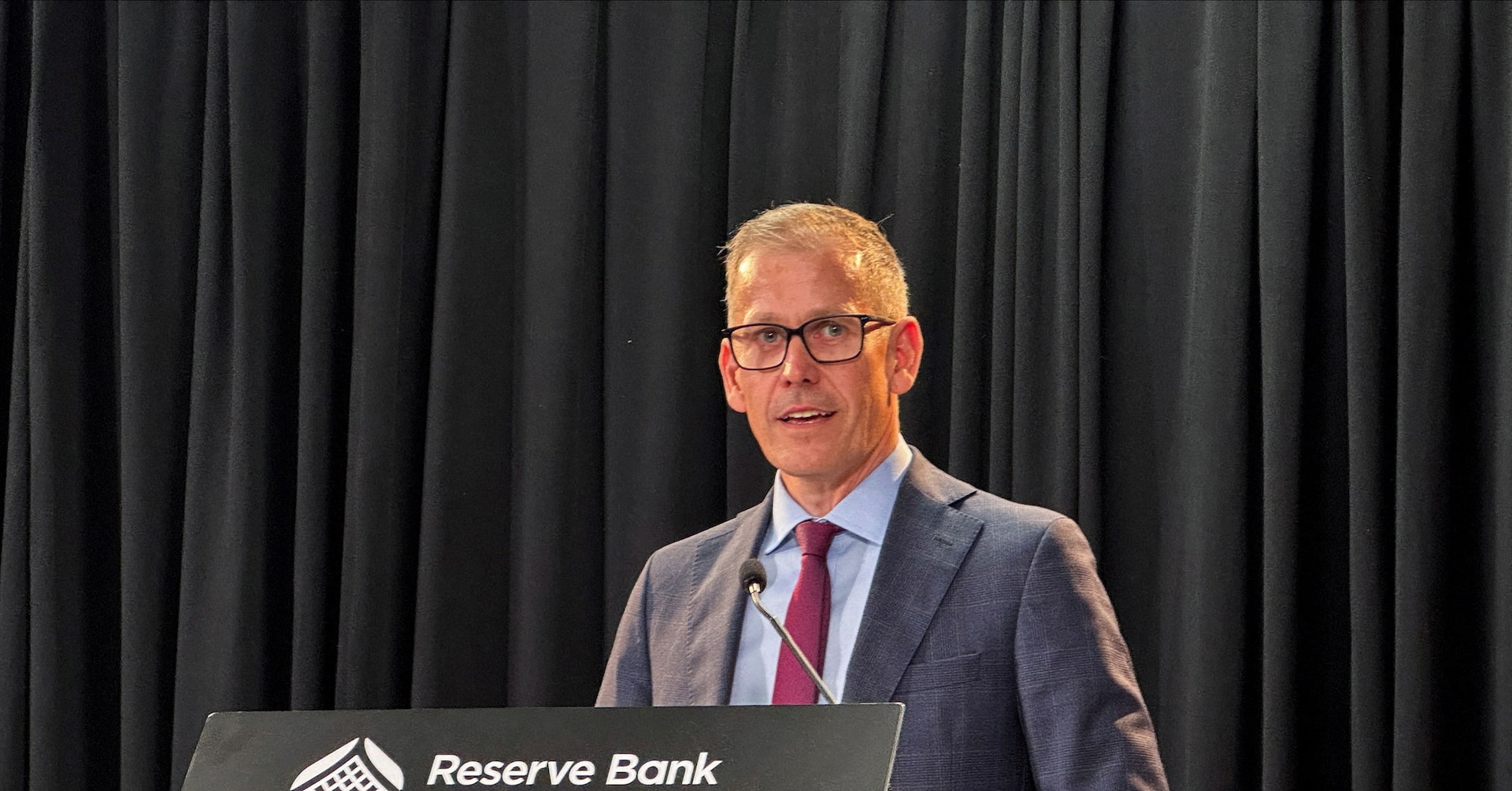
New Zealand’s Reserve Bank (RBNZ) is poised for a significant leadership transition as Finance Minister Nicola Willis prepares to announce a new governor in the coming weeks. This decision comes at a critical juncture for the central bank, which has been grappling with economic instability, reputational damage, and political scrutiny. Interim Governor Christian Hawkesby, who has expressed his desire to retain the position, has emphasized the bank’s commitment to stabilizing inflation and fostering a resilient financial system. However, the RBNZ faces mounting challenges, including a weak economy, high unemployment, and public dissatisfaction with its handling of inflation and interest rates. The departure of former Governor Adrian Orr and Chairman Neil Quigley has further exacerbated the bank’s struggles, leaving it in need of strong leadership to restore public trust and independence. Potential candidates for the role include John McDermott, former RBNZ chief economist, and Dominick Stephens, Treasury’s chief economist, both of whom have declined to comment on their interest. The new governor will inherit the daunting task of navigating economic recovery while defending the bank’s autonomy from an increasingly vocal government. Experts suggest that an external candidate might be better positioned to implement necessary reforms and rebuild confidence in the institution.
-
Foreign holdings of US Treasuries surge to all-time high in July, China’s sink
Foreign holdings of U.S. Treasuries reached an unprecedented high in July, according to the latest data from the U.S. Treasury Department. The total value of foreign-owned U.S. Treasuries climbed to $9.159 trillion, marking a third consecutive month of record-breaking figures. This surge was primarily driven by increased investments from Japan and the United Kingdom, which solidified their positions as the top non-U.S. holders of American government debt. Japan’s holdings rose to $1.151 trillion, the highest since March 2024, while the UK’s holdings grew by approximately 5% to nearly $900 billion. In contrast, China continued to reduce its exposure to U.S. Treasuries, with holdings dropping to $730.7 billion, the lowest level since December 2008. This decline reflects China’s long-term strategy to diversify its reserves and reduce reliance on the U.S. dollar, amid economic challenges and trade tensions. On a transactional basis, the U.S. saw $58.2 billion in foreign inflows of Treasuries in July, rebounding from outflows in June. However, foreign investors sold $16.3 billion in U.S. equities during the same period, signaling a shift in global investment preferences. The net capital inflow into the U.S. also fell sharply to $2.1 billion in July, down from $92 billion in June, highlighting the volatile nature of international capital movements.
-
Cyber attacks cost German economy 300 bln euros in past year, survey finds
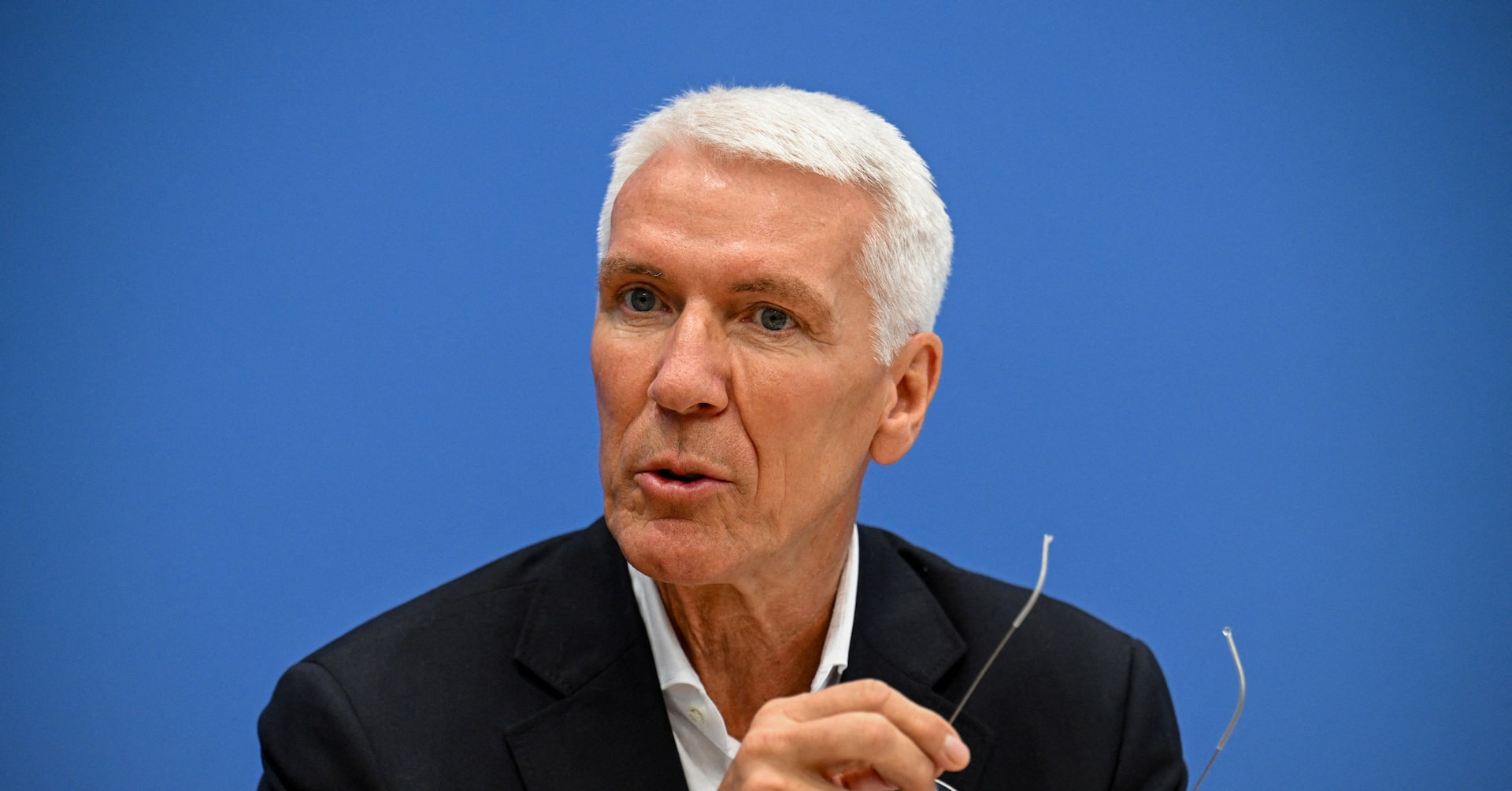
The German economy suffered staggering losses of nearly €300 billion ($354.99 billion) over the past year due to a surge in cyberattacks, according to a recent survey by industry group Bitkom. The report, unveiled on September 18, 2025, in Berlin, highlights that foreign intelligence agencies, particularly from Russia and China, are increasingly behind these attacks, overshadowing traditional cybercriminals. Ralf Wintergerst, President of Bitkom, emphasized during a press conference that nearly half of the companies able to trace the origins of attacks identified Russia and China as the primary sources, while a quarter pointed to other EU countries or the United States. The survey, which polled 1,002 companies, revealed that ransomware attacks, which lock data until a ransom is paid, were the most prevalent, affecting 34% of businesses—a significant jump from 12% in 2022. One in seven companies admitted to paying ransoms. While large corporations were generally well-prepared for the escalating cyber threats, small and medium-sized enterprises, which form the backbone of Germany’s economy, were found to be more vulnerable. The €289.2 billion in damages primarily stemmed from production losses, theft, and substantial legal and remediation costs. Sinan Selen, Deputy Head of Germany’s domestic security service BfV, noted that the lines between cybercrime and cyberespionage are increasingly blurred, with state actors often purchasing credentials from criminals on the dark web. He also identified Iran and North Korea as significant sources of cyberattacks. The findings underscore the growing complexity of cybersecurity in an era of heightened geopolitical tensions, particularly since Russia’s invasion of Ukraine in 2022.
-

Trump’s dream of retaking Bagram might end up looking like an Afghan re-invasion, sources say
Former U.S. President Donald Trump’s ambition to reoccupy Bagram Air Base in Afghanistan has sparked significant debate among current and former U.S. officials, who argue that such a move could resemble a full-scale re-invasion of the country. Speaking to reporters during a trip to London, Trump emphasized the base’s strategic proximity to China, stating, ‘It’s an hour away from where China makes its nuclear weapons.’ However, experts and officials have expressed skepticism about the feasibility and practicality of this plan.
-
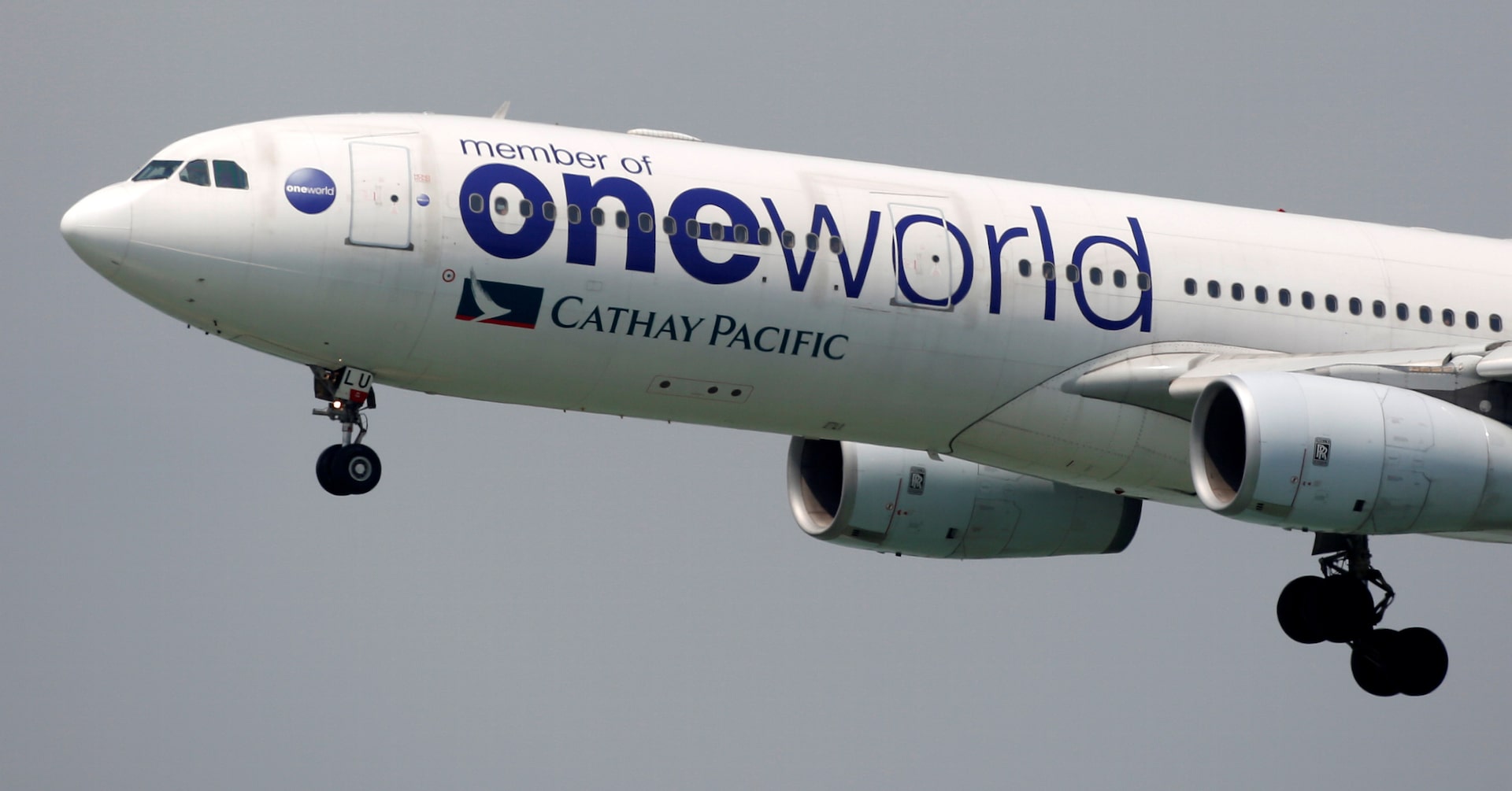
oneworld Alliance considers Indian partner as market expands
The oneworld Alliance, a prominent global airline consortium comprising 15 members including American Airlines and Qantas Airways, is actively exploring the possibility of adding an Indian airline partner. This strategic move comes as India’s aviation market continues to experience rapid expansion. Nat Pieper, the alliance’s CEO, revealed this development during the Wings Club gathering in New York, a forum for aviation executives and analysts. Pieper emphasized the complexity of integrating a new member, noting that the decision must align with the interests of both the alliance as a whole and its individual members. With ten of its current members already operating in India, the alliance is also considering collaborative initiatives such as loyalty programs and shared lounge facilities to enhance their collective presence in the region. The anticipated addition of Hawaiian Airlines in 2026, following its acquisition by Alaska Air in 2024, further underscores the alliance’s commitment to growth and diversification.