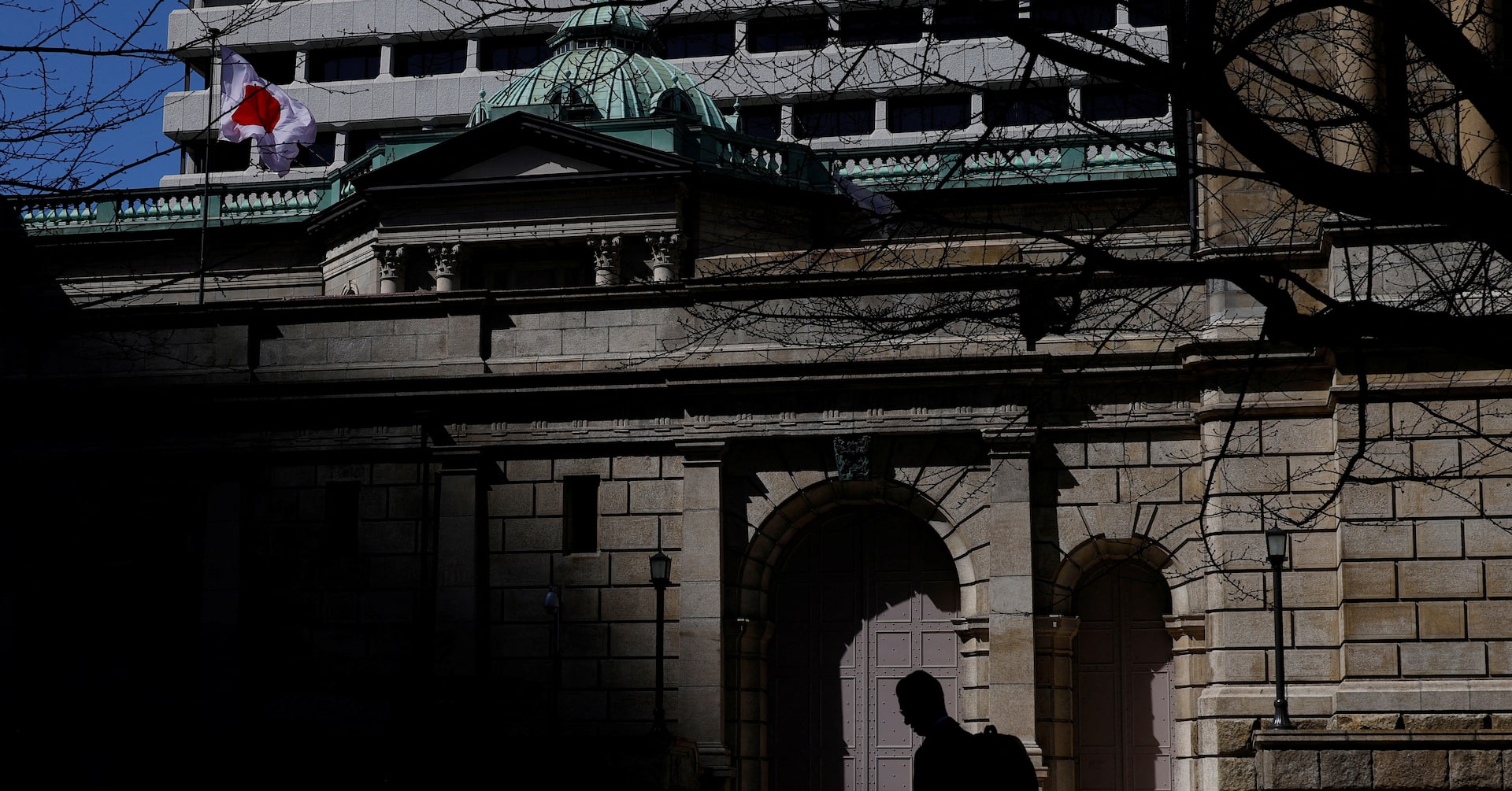
The Bank of Japan (BOJ) concluded its two-day policy meeting on September 19, 2024, by maintaining its short-term interest rate at 0.5%, a decision widely anticipated by market analysts. However, the central bank unveiled a significant policy shift by announcing plans to begin selling its holdings of exchange-traded funds (ETFs) and real estate investment trusts (REITs). This move signals a step toward policy normalization, despite the majority vote to keep rates unchanged. Notably, board members Naoki Tamura and Hajime Takata dissented, advocating for a more hawkish stance. Hirofumi Suzuki, Chief Currency Strategist at SMBC in Tokyo, remarked that the decision carried a hawkish undertone, particularly given the dissent and the timing of the Federal Reserve’s recent rate cut. Charu Chanana, Chief Investment Strategist at Saxo in Singapore, highlighted the growing internal pressure for quicker normalization, which could bolster the yen. Ben Bennett, Head of Investment Strategy for Asia at L&G Asset Management in Hong Kong, noted that the BOJ’s announcement, coupled with the Fed’s rate cut, could lead to yen appreciation. The BOJ’s decision reflects a cautious yet deliberate approach to unwinding its expansive monetary policy, with potential implications for Japan’s equity markets and banking sector.
标签: Asia
亚洲
-

Gold flat as investors await more Fed cues after widely expected cut
Gold prices remained stable on Friday, September 19, 2025, as the Federal Reserve’s recent 25-basis-point rate cut and its cautious outlook on future monetary easing failed to fully align with investor expectations. Spot gold was virtually unchanged at $3,646.23 per ounce as of 0311 GMT, following a record high of $3,707.40 reached on Wednesday. U.S. gold futures for December delivery also held steady at $3,678.90. Analysts noted that while the market sentiment remains bullish, it has cooled slightly due to the Fed’s tempered messaging on inflation and future rate cuts. Kyle Rodda, an analyst at Capital.com, remarked, ‘The Fed didn’t deliver the dovish guidance needed for gold to push higher. The forecast of only one cut in 2026 has pushed up yields and the dollar, creating headwinds for gold.’ Traders are now pricing in a 92% likelihood of another 25-basis-point cut at the Fed’s October meeting. Lower interest rates typically reduce the opportunity cost of holding non-yielding bullion, supporting gold prices. Meanwhile, U.S. weekly jobless claims fell, signaling a softening labor market. In other precious metals, spot silver rose 0.7% to $42.11 per ounce, platinum gained 0.2% to $1,386.10, and palladium, up 0.6% at $1,157.49, was on track for a weekly decline of 3.3%.
-
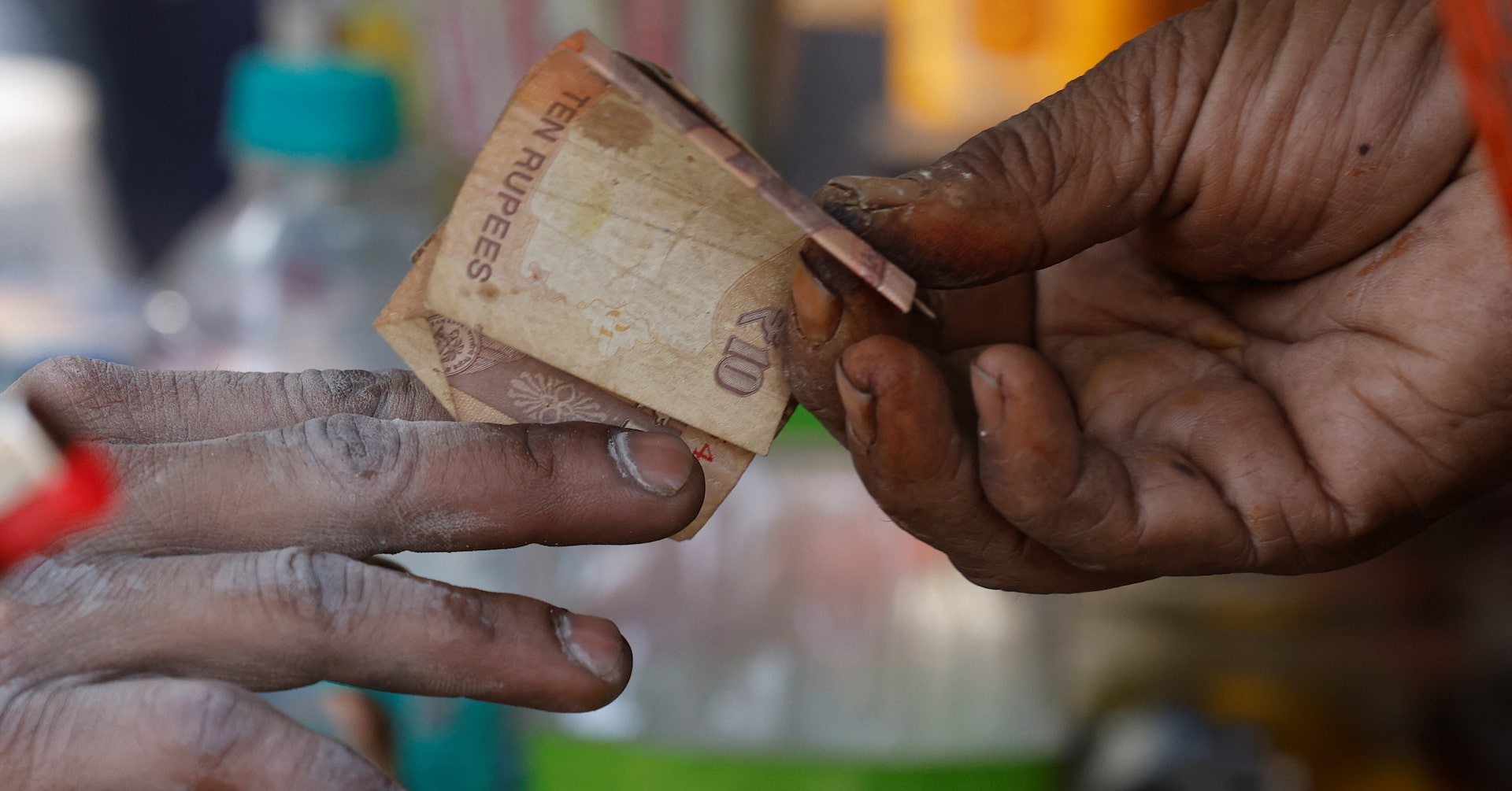
Rupee set to weaken on extended climb in dollar, US yields after Fed verdict
The Indian rupee is expected to open lower on Friday, influenced by the persistent strength of the U.S. dollar and rising Treasury yields following a mixed outcome from the Federal Reserve’s recent meeting. The 1-month non-deliverable forward suggests the rupee will trade in the 88.20-88.22 range against the dollar, slightly weaker than its previous close of 88.1275. On Thursday, the rupee faced renewed pressure, failing to maintain its position above the 88 mark, highlighting the fragile sentiment surrounding the currency amid dollar dominance. Traders noted that the rupee’s momentum quickly reversed despite earlier signs of improvement. In a potentially positive development, Bloomberg Index Services is seeking investor feedback on whether Indian government bonds should be included in its global aggregate index. Meanwhile, the dollar index rose to near 97.50 in Asian trading, extending a 0.7% gain over the past two sessions. Although the dollar initially dipped after the Fed’s 25-basis-point rate cut and projections for further reductions, it rebounded due to rising U.S. Treasury yields. Analysts attributed this shift to Fed Chair Jerome Powell’s press conference, which was perceived as less dovish than expected. Additionally, U.S. jobless claims data released on Thursday showed a decline in new unemployment applications, contributing to the selloff in Treasuries.
-

Thai king approves PM Anutin’s cabinet line-up, Royal Gazette shows
In a significant political development, Thailand’s King Maha Vajiralongkorn has officially endorsed Prime Minister Anutin Charnvirakul’s new cabinet, as announced in the Royal Gazette on September 19, 2025. This royal endorsement marks a crucial step in the formalization of the new government, allowing the cabinet to proceed with the ceremonial oath-taking before the king. Following this, the ministers will present their policy statement to parliament, the final procedural requirement before they can fully assume their roles. Prime Minister Anutin, leader of the Bhumjaithai party, was seen in high spirits during a press conference at the party headquarters in Bangkok, shortly after the royal endorsement ceremony. This development underscores the stability and continuity of Thailand’s political framework, as the nation transitions into a new phase of governance under Anutin’s leadership.
-
Panasonic aims to develop groundbreaking EV battery in about two years
Panasonic Corp, a leading global supplier of electric vehicle (EV) batteries, is on the brink of a technological breakthrough that could significantly enhance the performance of EVs. The company is developing an anode-free battery technology, which it aims to commercialize within the next two years. This innovation could potentially increase the driving range of Tesla’s Model Y by up to 90 miles (approximately 145 km) without altering the battery pack size, marking a 25% boost in capacity.
By eliminating the anode during the manufacturing process, Panasonic’s new design allows for the formation of a lithium metal anode after the battery’s initial charge. This approach not only frees up space for more active cathode materials—such as nickel, cobalt, and aluminum—but also enhances energy density. The company claims this technology will achieve a ‘world-leading level’ of battery capacity by the end of 2027.
In addition to improving range, Panasonic is exploring ways to reduce the proportion of nickel in its batteries, a move that could lower costs and make EVs more affordable. However, the company has not disclosed specific details regarding potential price reductions for Tesla vehicles.
This anode-free technology is part of a broader industry trend, with multiple global battery producers pursuing similar innovations. Panasonic’s advancements come at a critical time for Tesla, which has seen its U.S. market share decline amid increasing competition from rival EV manufacturers.
The development underscores Panasonic’s commitment to driving the EV industry forward, offering solutions that balance performance, cost, and sustainability. As the race for superior battery technology intensifies, Panasonic’s anode-free design could position it as a key player in shaping the future of electric mobility.
-

Fitch says Nepal’s political unrest risks economic outlook, credit metrics
Kathmandu, Nepal – On September 12, 2025, Nepali Army soldiers were seen deploying concertina-barricade wires outside the presidential building, Shital Niwas, as the nation grappled with escalating social unrest. This turmoil has raised significant concerns about Nepal’s economic and fiscal stability, according to a recent report by Fitch Ratings. The rating agency highlighted that while calm has been restored, the recent wave of violence has severely impacted short-term economic growth by disrupting normal business activities and eroding consumer and business confidence. Fitch warned that these developments could exert pressure on Nepal’s credit metrics, potentially affecting its financial standing in the global market. The unrest underscores the fragile balance between social stability and economic progress in the Himalayan nation, with analysts closely monitoring the situation for further developments.
-
India stock benchmarks set for muted start after 3-session rally
India’s equity markets are expected to open with minimal changes on Friday, signaling a pause after three consecutive days of gains. The recent rally was fueled by U.S. policy easing and advancements in trade negotiations between New Delhi and Washington. As of 07:52 a.m. IST, Gift Nifty futures were trading at 25,466 points, suggesting the benchmark Nifty 50 (.NSEI) would open close to its 10-week high of 25,423.6 reached on Thursday. Over the past three sessions, the Nifty 50 index climbed 1.4%, while the BSE Sensex (.BSESN) surged 1.5%, driven by U.S. rate cuts and optimism surrounding India-U.S. trade talks. India’s chief economic advisor, V. Anantha Nageswaran, hinted on Thursday that the U.S. might soon eliminate punitive tariffs on Indian imports and reduce reciprocal tariffs to 10%-15% from the current 25%. Foreign portfolio investors (FPIs) also contributed to the market’s upward trajectory, purchasing shares worth 3.67 billion rupees ($41.6 million) on Thursday, marking their fifth buying session in the last eight. In corporate news, Adani group companies are in the spotlight after India’s market regulator dismissed allegations of stock manipulation by U.S. short-seller Hindenburg Research. Additionally, mining firm Vedanta (VDAN.NS) has been named the ‘preferred bidder’ for a manganese block in Andhra Pradesh.
-
Exclusive: South Korea’s LG Energy was using US visa workarounds before Trump, documents show
In a revealing turn of events, internal documents from LG Energy Solution have shed light on the company’s strategies to circumvent U.S. visa restrictions, a practice that predates the recent immigration crackdown under the Trump administration. The South Korean battery giant has been advising its employees and subcontractors to utilize the Electronic System for Travel Authorization (ESTA) visa waiver program, bypassing the more stringent B-1 business visa application process, which has seen high rejection rates. This approach, detailed in August 2023 guidelines, was implemented to facilitate short-term assignments in the U.S., particularly for high-tech plant operations. However, the reliance on ESTA has come under scrutiny following the detention of over 300 Korean workers, including 250 LG employees and contractors, in what has been described as the largest immigration raid by the U.S. Department of Homeland Security. The incident, which occurred at LG’s car battery venture with Hyundai Motor near Savannah, Georgia, has sparked significant concern in South Korea, a key U.S. ally and investor. The Trump administration has indicated a willingness to revise visa policies to accommodate South Korean investment, but the widespread use of ESTA waivers highlights the challenges faced by South Korean companies in navigating U.S. immigration enforcement. LG has since updated its guidelines, recommending appropriate visas for longer assignments and advocating for clearer interpretations of visa regulations to ensure smoother business operations.
-
Santos always prepared to consider any takeover offers, CEO says
In a recent statement, Kevin Gallagher, CEO of Santos Ltd, expressed openness to potential takeover offers for the Australian gas producer. Gallagher emphasized his commitment to remaining in his role as long as he retains the confidence of shareholders and the board. This announcement follows the collapse of an $18.7 billion acquisition bid by a consortium led by Abu Dhabi National Oil Company (ADNOC) on Wednesday. The deal fell through due to disagreements over commercial terms, particularly concerning capital gains tax liabilities on Santos’ assets in Papua New Guinea, which were revealed to be imminent. A source close to the matter indicated that XRG, ADNOC’s overseas unit, hesitated to proceed under these financial conditions. The news highlights the ongoing strategic considerations within Santos as it navigates the complex energy market.
-
British couple held for months by Taliban released from prison
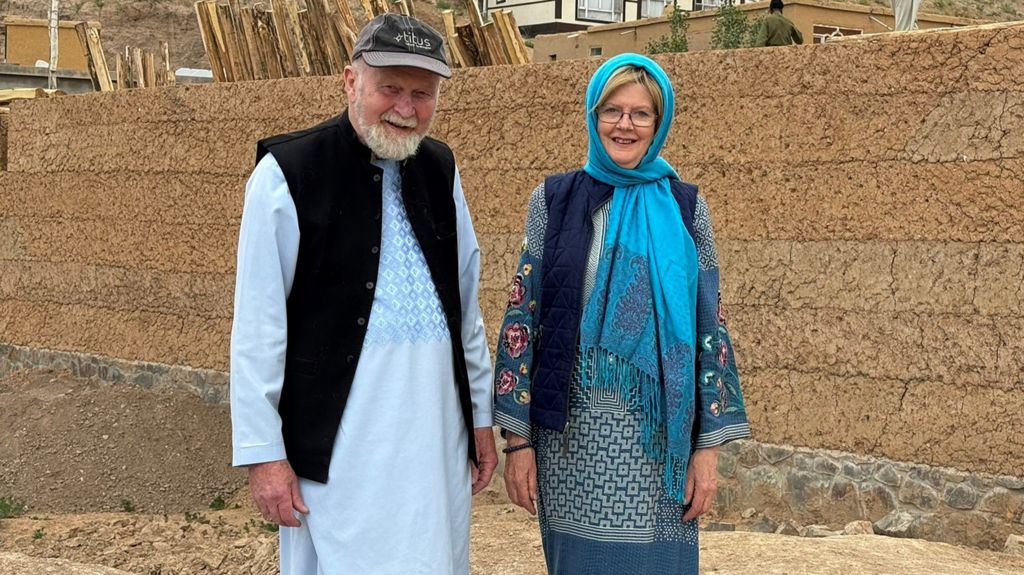
An elderly British couple, Peter Reynolds, 80, and his wife Barbie, 76, who had been detained by the Taliban in Afghanistan for nearly eight months, have finally been released. The couple, who had lived in Afghanistan for almost two decades, were apprehended on February 1 while traveling home. Their release was secured through Qatari mediation, according to an official familiar with the case. During the final stages of negotiations, the couple was transferred from Kabul’s central prison to a larger facility. A Qatari official confirmed that the couple will first travel to Qatar for medical evaluations before returning to the UK, despite their long-term residence in Afghanistan’s Bamiyan province. The release comes after months of relentless public advocacy by their family. Just six days prior to their release, Faye Hall, an American woman who had been detained with them but was released two months into her captivity, shared with the BBC that the couple’s health had severely deteriorated in prison, stating they were ‘literally dying’ and that ‘time is running out.’