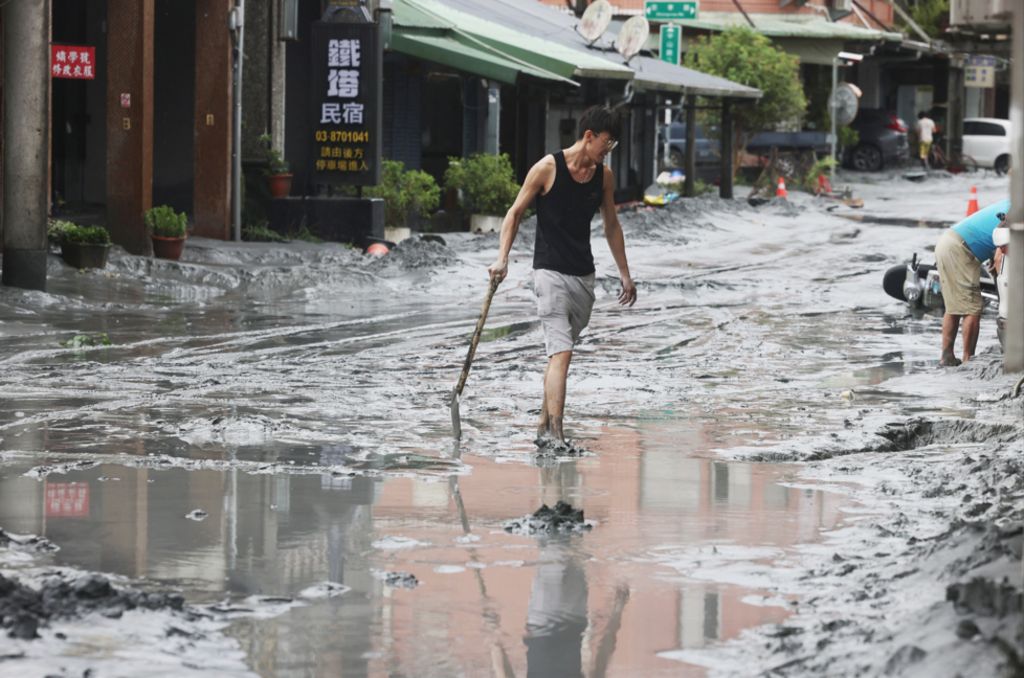
Super Typhoon Ragasa has left a trail of destruction in Taiwan, particularly in the eastern county of Hualien, where a catastrophic flood caused by the breach of a barrier lake has claimed lives and devastated communities. The barrier lake, formed after landslides triggered by an earlier typhoon in July, held an immense volume of water—approximately 91 million tonnes. When it burst its banks on Tuesday, it unleashed a torrent comparable to a tsunami, killing at least 14 people, injuring 32, and leaving 46 unaccounted for. The floodwaters, reaching depths of up to the second floor of buildings in some areas, swept away bridges, uprooted trees, and submerged vehicles, leaving residents in shock and despair. Awa, a 42-year-old bookstore owner in Guangfu Township, described the scene as “like a river outside, with cars floating and everything drifting.” She and her husband sought refuge on the second floor of their shop, attempting to salvage their books. Survivors reported receiving no immediate warning before the disaster struck, despite prior monitoring of the lake’s water levels by universities and authorities. Emergency evacuations were not mandatory, and many elderly residents, particularly those without access to smartphones, were left vulnerable. The disaster has highlighted the challenges of managing natural hazards in Taiwan, where barrier lakes are a recurring phenomenon. Experts noted that the lake’s composition and the lack of accessible roads hindered preventive measures. The tragedy has further strained Hualien’s tourism industry, already reeling from recent earthquakes. As communities grapple with loss and recovery, questions remain about the adequacy of disaster preparedness and response.
标签: Asia
亚洲
-
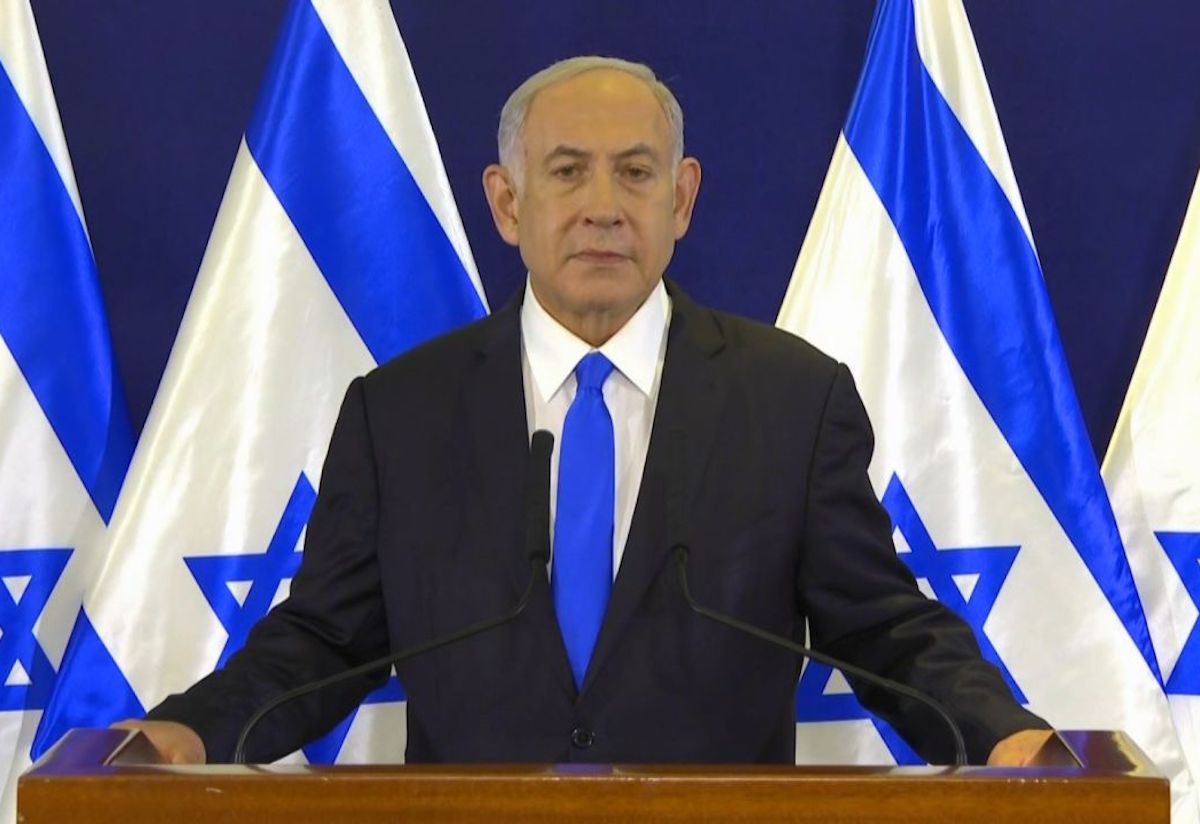
Is Netanyahu on a mission to realize a Greater Israel?
The long-standing Israeli-Palestinian conflict has often been framed around the concept of a two-state solution, but Israeli Prime Minister Benjamin Netanyahu seems determined to pursue a different path—his vision of a ‘Greater Israel.’ Despite widespread international condemnation of Israel’s actions in Gaza and its increasing isolation, Netanyahu appears to be making significant strides toward this goal. The two-state solution, once a cornerstone of diplomatic efforts, now seems increasingly irrelevant as Israel works to render the idea obsolete. The prospects of establishing an independent Palestinian state encompassing the West Bank, East Jerusalem, and Gaza Strip have never been more uncertain. Netanyahu’s strategy is bolstered by unwavering support from the United States, particularly under the Trump administration. Recent events, such as Israel’s attack on Hamas leaders in Qatar, have further highlighted the region’s inability to counter Israel’s actions. An emergency Arab-Muslim summit convened by Qatar resulted in a tepid response, with leaders issuing condemnations but failing to propose concrete measures to curb Israel’s aggression. Middle Eastern leaders recognize that only the United States holds the power to influence Israel, yet Washington shows no signs of altering its staunch support. Netanyahu’s rhetoric and actions suggest a commitment to expanding Israeli sovereignty over contested territories, including Gaza and the West Bank. This vision, rooted in the ideology of Netanyahu’s Likud Party, has drawn sharp criticism from Arab and Muslim leaders, though the U.S. has not publicly endorsed it. Despite international backlash, Netanyahu remains undeterred, prioritizing his vision over the safety of Israeli hostages held by Hamas and the desires of many Israelis for a ceasefire. As the international community grapples with how to respond, the path forward remains unclear. Sanctions and severing ties with Israel are among the few potential measures that could alter its course, but such actions are unlikely given the current geopolitical landscape. Netanyahu’s pursuit of a ‘Greater Israel’ risks further destabilizing the region and tarnishing Israel’s global reputation, leaving a legacy of conflict and international disrepute.
-
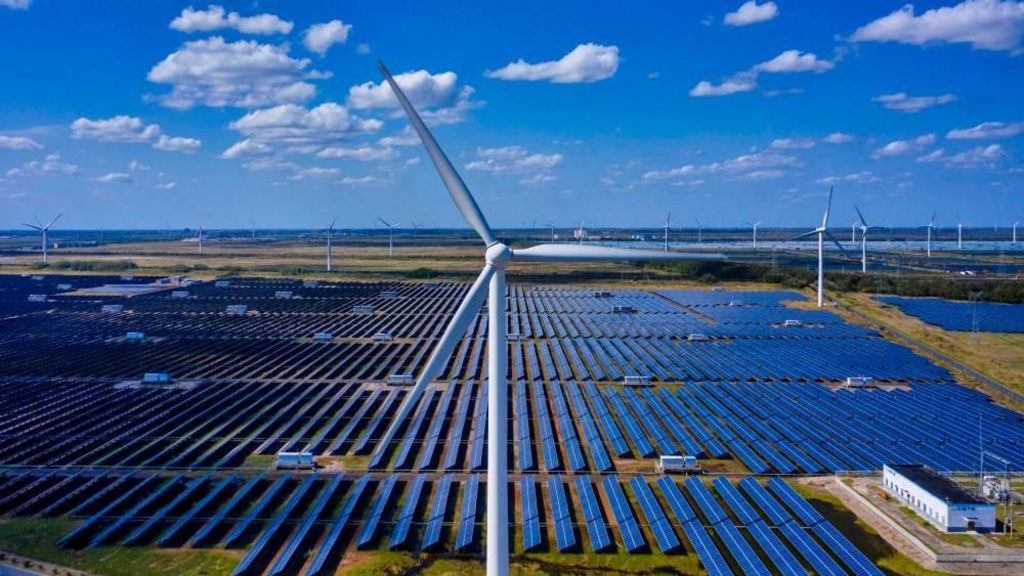
China makes landmark pledge to cut its climate emissions
In a landmark announcement, China, the world’s largest emitter of greenhouse gases, has pledged to reduce its emissions by 7-10% by 2035, marking its first absolute target for emissions reduction. President Xi Jinping made the commitment in a video statement to the United Nations in New York, emphasizing China’s dedication to surpassing these goals. This announcement comes at a critical juncture as the US, under President Donald Trump, has scaled back its climate commitments, with Trump dismissing climate change as a ‘con job’. However, environmental experts argue that China’s targets, while significant, fall short of what is necessary to meet global climate objectives. ‘Even for those with tempered expectations, what’s presented today still falls short,’ said Yao Zhe, global policy adviser at Greenpeace East Asia. The urgency of these pledges is underscored by the looming deadline for countries to submit their updated climate plans under the Paris Agreement, originally due in February but now expected by the end of September. UN Secretary-General António Guterres stressed the importance of these commitments in limiting global temperature rise to 1.5°C, a goal set in the Paris Agreement. ‘We absolutely need countries to come with climate action plans that are fully aligned with 1.5 degrees,’ he said. China’s new targets cover all greenhouse gases and include ambitious plans to expand wind and solar power capacity, increase forest stocks, and promote new energy vehicles. Despite these efforts, analysts like Lauri Myllyvirta of the Centre for Research on Energy and Clean Air argue that a 30% reduction is necessary to align with the 1.5°C target. China’s reliance on coal remains a significant challenge, although recent data suggests a plateau in emissions. Observers remain hopeful, citing China’s history of exceeding its climate commitments, such as achieving its 2030 renewable energy target six years early. ‘The targets should be seen as a floor rather than a ceiling,’ said Li Shuo of the Asia Society Policy Institute. As the world grapples with the climate crisis, China’s actions will be pivotal in determining the trajectory of global emissions.
-

Exclusive: Albania asked to arrest chief rabbi over alleged war crimes in Gaza
Albanian authorities are under pressure to arrest and prosecute the country’s chief rabbi, Yoel Kaplan, for alleged war crimes and crimes against humanity linked to Israel’s military actions in Gaza. Middle East Eye has exclusively revealed that a case against Kaplan, an Israeli-American citizen and active Israeli soldier, was submitted to Albania’s prosecutor general on Wednesday. Kaplan, who also leads a small Jewish community in Thessaloniki, Greece, has been photographed in Gaza and is seen in videos wearing the uniform of the Israeli army’s 55th battalion, part of the 98th division. The International Centre of Justice for Palestinians (ICJP), a UK-based rights group, has formally notified Albanian police about Kaplan’s suspected involvement in war crimes, urging an immediate investigation and arrest. Sources in Albania have confirmed Kaplan’s identity as the suspect. The ICJP launched the Global 195 Coalition in March, an international legal network targeting Israeli war crimes and crimes against humanity in Gaza. Kaplan, who divides his time between Israel, Albania, and Greece, has been active in the military since the conflict began, stating, ‘I’m very active [in the military] and I think it’s the time to be active because if not in this war, when?’ The 98th Division, to which Kaplan belongs, operated in Gaza from December 2023 until at least August 2024, with reports of civilian deaths and widespread destruction in Khan Younis. Kaplan’s battalion was active during incidents where Israeli forces allegedly targeted hospitals, ambulances, and schools sheltering civilians. As a signatory to the International Criminal Court (ICC) and International Court of Justice (ICJ), Albania is obligated to investigate such allegations. In September 2024, Middle East Eye revealed social media footage of Kaplan celebrating atop a tank amid Gaza’s devastation. Kaplan, a member of the Chabad-Lubavitch movement, has aligned himself with hardline settler politics, framing Israel’s occupation of Palestinian land as a divine mission. Despite his role as a spiritual leader, Kaplan has dismissed pro-Palestinian protests in Albania as insignificant, claiming government support. The ICC has issued arrest warrants for Israeli Prime Minister Benjamin Netanyahu and former Defense Minister Yoav Gallant for alleged war crimes in Gaza, a decision Kaplan criticized. When questioned about the humanitarian crisis in Gaza, Kaplan repeated disproven Israeli government claims about Hamas stealing aid. Kaplan’s WhatsApp profile picture, showing him leading troops in prayer in Gaza, was deleted after Middle East Eye’s interview. The rabbi has not responded to requests for comment on the legal case against him.
-
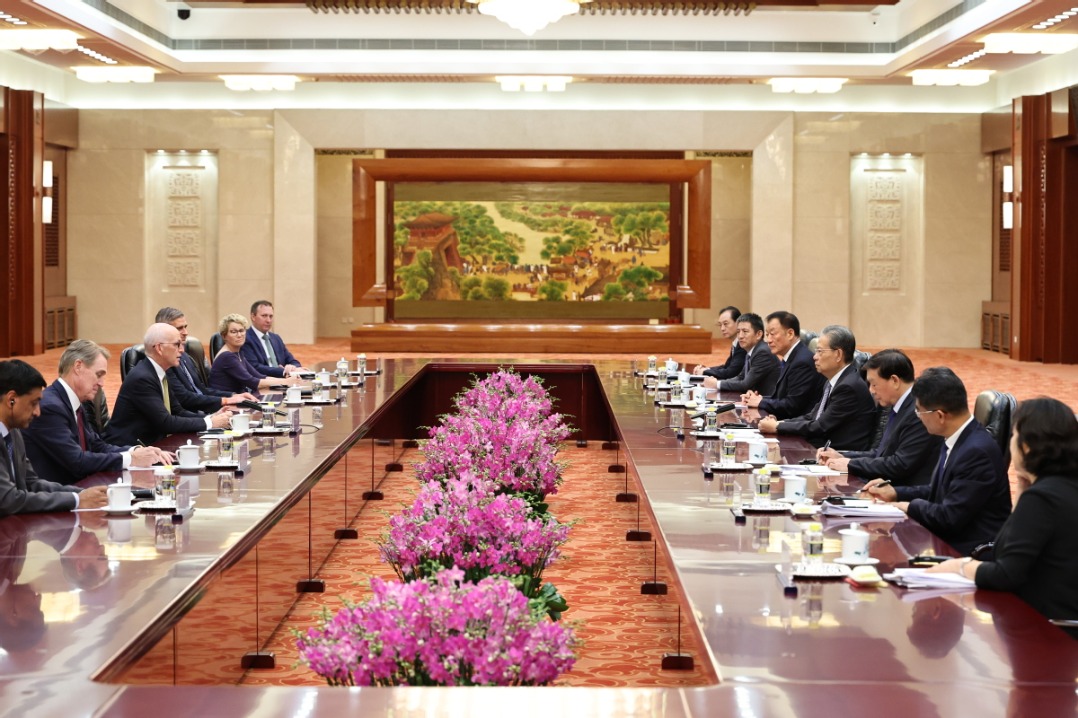
China’s top legislator meets US congressional delegation
In a significant diplomatic engagement, China’s top legislator, Zhao Leji, Chairman of the National People’s Congress (NPC) Standing Committee, met with a US congressional delegation led by Representative Adam Smith in Beijing on Tuesday. The meeting underscored the importance of maintaining stable and sustainable China-US relations, a shared expectation of both nations and the global community. Zhao highlighted the fundamental principles of mutual respect, peaceful coexistence, and win-win cooperation as essential for the development of bilateral ties. He urged both sides to adhere to rationality, objectivity, and fairness, emphasizing the need for enhanced communication, mutual trust, and the resolution of differences to foster greater stability in bilateral cooperation and the global economy. Zhao also addressed the Taiwan question, describing it as the most sensitive and crucial issue in China-US relations. He called on the United States to uphold the one-China principle and handle the matter with caution. Furthermore, Zhao expressed the NPC’s willingness to strengthen exchanges with the US Congress, inviting more US congressional members to visit China to play a constructive role in advancing bilateral relations.
-
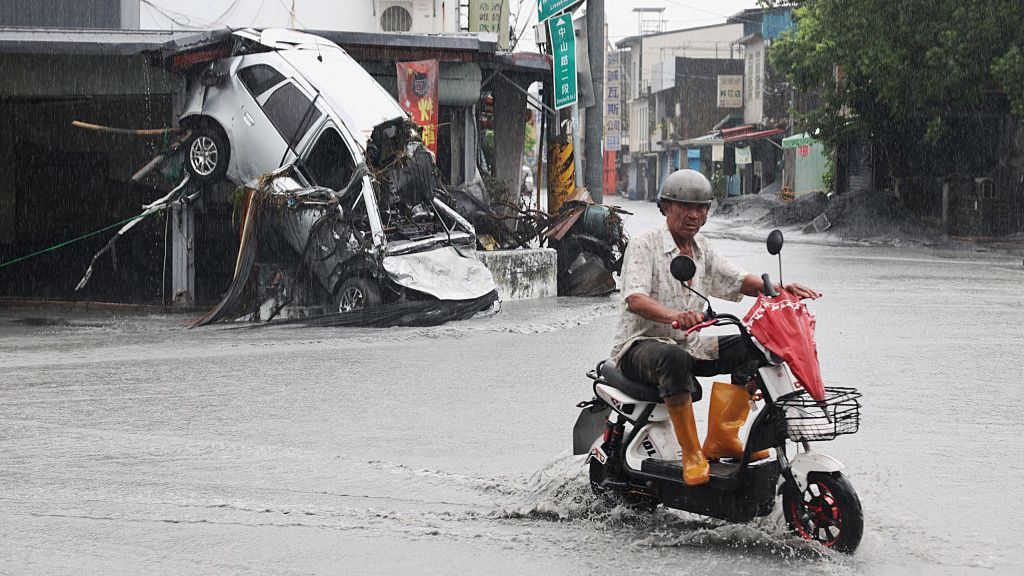
Typhoon Ragasa makes landfall in China after 17 killed in Taiwan
Typhoon Ragasa, one of the most powerful storms of the year, has left a trail of devastation across southern China and Taiwan, claiming lives, displacing millions, and causing widespread destruction. The typhoon made landfall on Wednesday in Guangdong province, China, with sustained winds of 144 km/h and gusts reaching up to 241 km/h. Authorities evacuated nearly two million people in anticipation of the storm’s arrival, which has been described as the ‘King of Storms’ by the China Meteorological Administration.
In Taiwan, the impact of Ragasa has been particularly severe. A barrier lake burst in Hualien County, triggering catastrophic flooding that killed at least 17 people and left many others missing. Premier Cho Jung-Tai has called for an investigation into the evacuation process, emphasizing the need to understand why orders were not effectively executed. The flooding, likened to a ‘tsunami from the mountains,’ released an estimated 15.4 million tonnes of water, washing away bridges, submerging vehicles, and trapping residents in their homes.
Hong Kong also felt the storm’s fury, with 90 people injured as Ragasa skirted the coastline. The Hong Kong Observatory issued its highest-level warning, grounding flights and shutting down schools and businesses. Earlier in the week, the typhoon wreaked havoc in the Philippines, leaving towns flooded, thousands displaced, and at least eight dead.
As Ragasa moves westward over land, wind speeds are expected to weaken, but torrential rain and slow-moving storms will continue to pose significant risks. Southern Chinese cities like Zhuhai, Shenzhen, and Guangzhou are bracing for seawater intrusion, while red alerts for landslides have been issued in Guangdong’s mountainous regions. Rescue efforts are ongoing in both China and Taiwan, with governments mobilizing resources to assist affected communities.
-
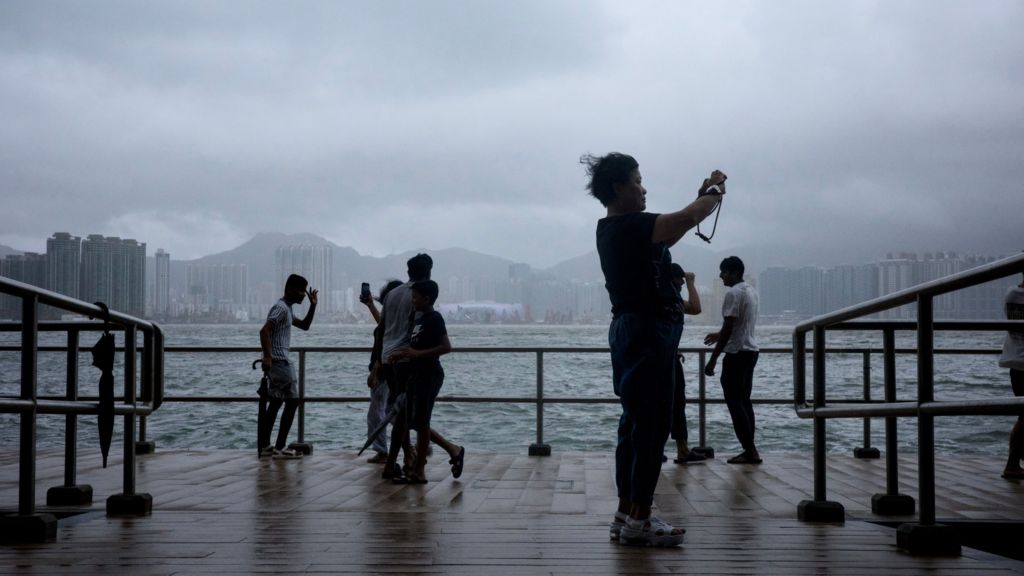
Howling winds and sheets of rain: Inside Chinese city battered by Typhoon Ragasa
Southern China, particularly the coastal city of Zhuhai, has been brought to a standstill as Typhoon Ragasa, dubbed the ‘king of storms,’ made landfall with ferocious winds and torrential rains. The typhoon, the most intense the world has witnessed this year, swept through the South China Sea after wreaking havoc in the Philippines and Taiwan, where it claimed at least 15 lives due to a mountain lake bursting its banks. In Zhuhai, a city of nearly three million, the usual hustle and bustle of rush hour was replaced by the eerie silence of evacuated streets, punctuated only by the howling winds and the occasional determined cyclist braving the storm. Police vehicles patrolled the streets, urging residents to stay indoors, though their warnings were often drowned out by the 100mph (160km/h) gusts. The storm, which made landfall at 17:00 local time, had already forced the evacuation of nearly two million people in Guangdong province, with officials issuing a red alert for high tides and coastal surges. The city’s tall buildings bore the brunt of the storm, with rain lashing against windows and winds making it nearly impossible to stand upright. Evacuation centers across the city housed families who had fled their homes, their children finding solace in the unexpected day off school. Despite the severity of the storm, there was no panic, only a sense of resignation among the locals, who are no strangers to typhoons. Authorities, keen to avoid criticism from past natural disasters, had issued warnings days in advance, urging residents to prepare for a ‘catastrophic disaster.’ This year has been marked by extreme weather events in China, from heatwaves to floods, and Typhoon Ragasa is yet another test of the country’s disaster preparedness. With alerts for heavy rain and landslides still in place, the storm’s impact is far from over.
-

Visit by US lawmakers expands dialogue
A recent visit by a US congressional delegation to China has been hailed as a significant step toward rebuilding trust and fostering dialogue between the two nations. Led by Representative Adam Smith, the top Democrat on the House Armed Services Committee, the delegation engaged in high-level meetings with Chinese leaders, including Premier Li Qiang, top legislator Zhao Leji, Vice-Premier He Lifeng, Foreign Minister Wang Yi, and Defense Minister Dong Jun. This marked the first such visit by US House lawmakers since 2019. The trip followed a constructive phone call between Chinese President Xi Jinping and US President Donald Trump, signaling a mutual desire to ease strained relations. During the meetings, Zhao Leji emphasized the importance of strengthening exchanges between the National People’s Congress and the US Congress, inviting more American lawmakers to visit China. Smith, speaking at a press briefing, highlighted the global significance of the US-China relationship, calling it the most consequential for the coming decades. He acknowledged natural disagreements but stressed the need for mechanisms to manage them. Analysts view the visit as a positive start, with institutionalized dialogue between legislatures benefiting both nations. Experts like Lyu Xiang and Li Haidong noted that such engagements foster a more objective understanding of China and underscore the strategic leadership of the two heads of state in guiding bilateral relations. A stable US-China relationship, they argue, aligns with the interests of both countries and the international community.
-
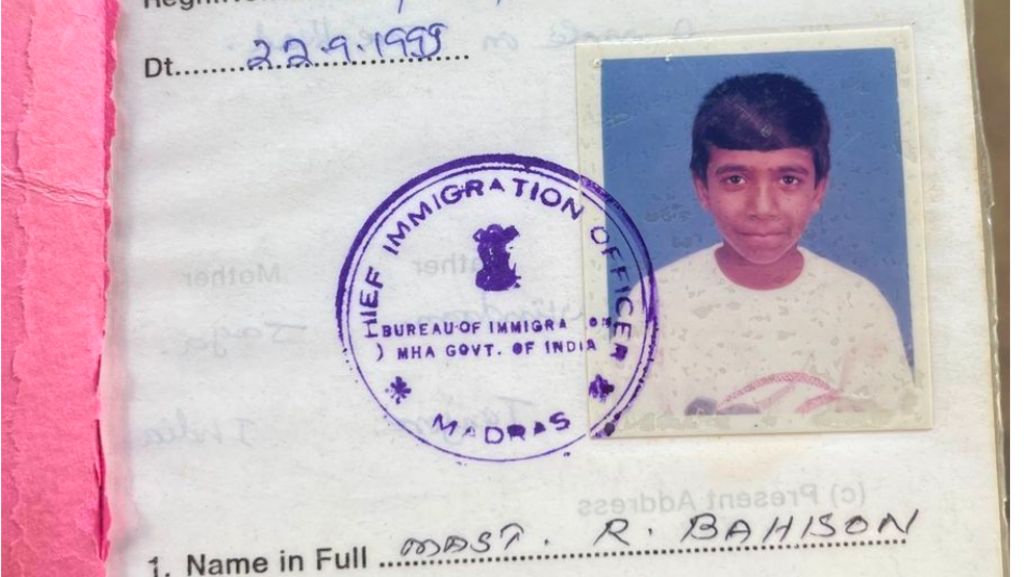
Born in India, but not Indian: ‘Stateless’ man fights for citizenship
Bahison Ravindran, a 34-year-old web developer born in Tamil Nadu, India, to Sri Lankan refugee parents, has found himself in a legal limbo after being declared ‘stateless’ by Indian authorities. Despite holding an Indian passport and various government-issued identity documents, Ravindran was arrested in April for possessing an ‘invalid’ passport. Authorities cited a 1987 amendment to India’s citizenship law, which mandates that at least one parent must be an Indian citizen for a child born after July 1, 1987, to qualify for citizenship by birth. Ravindran, born in 1991, was unaware of this rule and has since applied for citizenship through naturalisation. His case highlights the struggles of thousands of Sri Lankan Tamil refugees in India, many of whom fled during the island nation’s civil war in the 1980s. Over 90,000 Sri Lankan Tamils reside in Tamil Nadu, with more than 22,000 born in India after 1987 facing similar citizenship challenges. India’s refusal to sign the 1951 UN Refugee Convention and the exclusion of Sri Lankan Tamils from the 2019 Citizenship Amendment Act (CAA) have exacerbated their plight. Ravindran, who recently married a Sri Lankan woman, hopes his case will prompt a resolution. His lawyer, Sandesh Saravanan, argues that Ravindran’s passport was issued after police verification, yet the Foreigners Regional Registration Office (FRRO) flagged his parents’ origins, leading to his arrest. The Madras High Court has temporarily barred authorities from taking coercive action until the next hearing on October 8. Ravindran’s story underscores the broader issue of statelessness among Sri Lankan Tamil refugees in India, a problem that remains unresolved despite political promises.
-
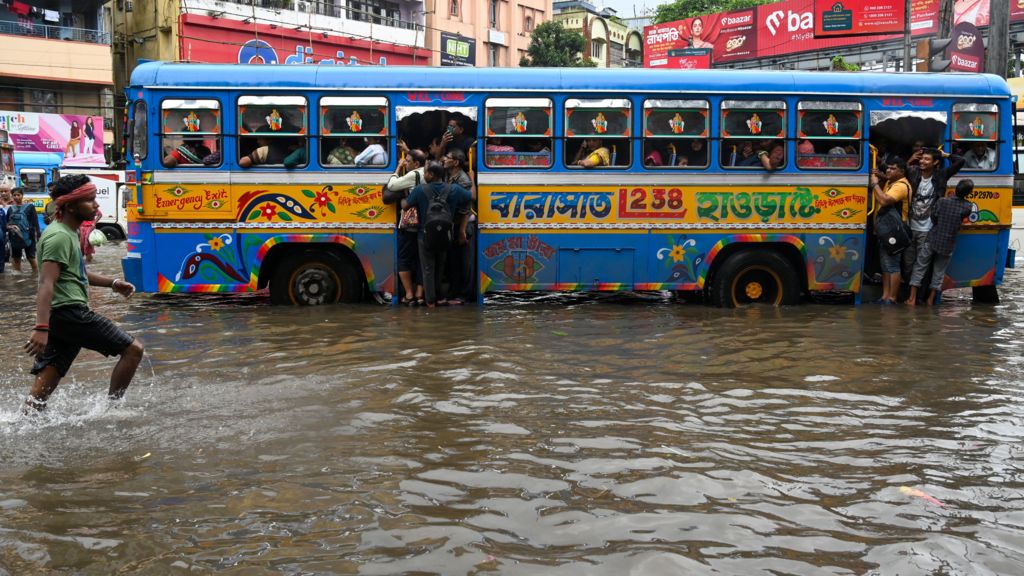
In pictures: India’s Kolkata sees worst rains in 39 years
Kolkata, the capital of India’s West Bengal state, is reeling from its heaviest rainfall in nearly four decades, resulting in widespread flooding, loss of life, and significant disruptions to daily life. The torrential downpour, which brought 251.4mm of rain in less than 24 hours, marks the city’s most severe deluge since 1986 and ranks as the sixth-highest single-day rainfall in the region over the past 137 years. The extreme weather, attributed to a low-pressure system over the north-east Bay of Bengal, has claimed at least 10 lives, with nine fatalities caused by electrocution in stagnant water. Residential areas and businesses across the city and its suburbs have been severely affected by waterlogging, with key roads submerged and train services halted, forcing commuters to navigate knee-deep floodwaters. The timing of the disaster is particularly unfortunate, as it coincides with Durga Puja, the region’s most significant annual festival, which draws tens of thousands of worshippers. Temporary temples, known as pandals, erected for the celebrations have also been inundated, dampening the festive spirit. West Bengal Chief Minister Mamata Banerjee expressed her shock at the unprecedented rainfall and pledged compensation for the victims’ families. Authorities have taken precautionary measures, including cutting power in affected areas to prevent further electrocution incidents. Efforts to restore normalcy are underway, but with more rain forecasted in the coming days, the city remains on high alert.