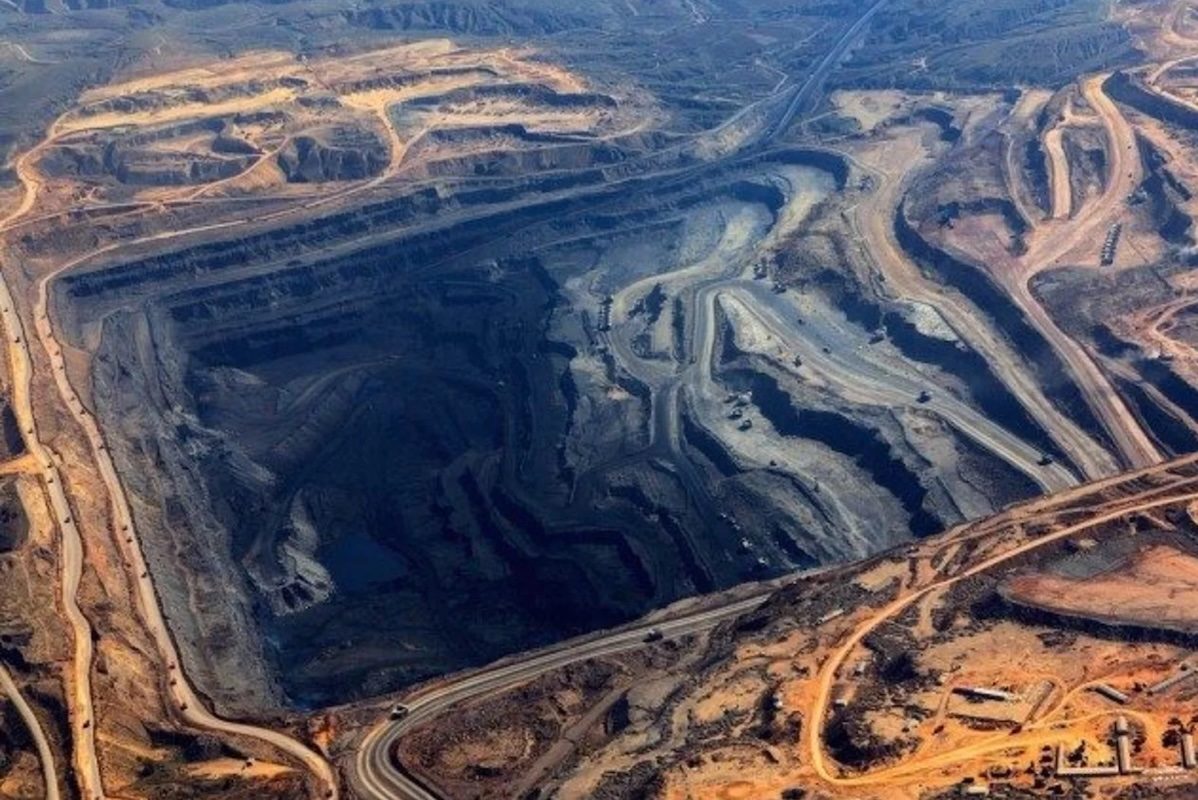
In a revealing exchange at a climate conference, a Chinese delegate once explained why Beijing chose ‘carbon neutrality’ over more fashionable terms like ‘climate neutrality’ or ‘net zero’: ‘Because we know what it means.’ This response underscores China’s pragmatic approach to climate commitments—unlike many nations that set lofty goals without clear plans. China’s latest pledge, to cut greenhouse gas emissions by 7-to-10% by 2035 as part of its Paris Agreement commitments, is more significant than it might appear. While other countries often rely on aspirational targets to drive climate discussions, China’s track record suggests it only promises what it can deliver. Having pledged to peak emissions this decade, barely 50 years after industrialization, China is on track to achieve this and emerge as a global leader in renewable energy and electric vehicles. A recent study published in *Nature Communications* by climate scientists Junting Zhong and colleagues provides context for China’s announcement. Their ‘reality-aligned scenario’ outlines a plausible pathway for global emissions, with China’s carbon dioxide emissions peaking soon and nearing zero by 2060. The study highlights the importance of understanding China’s contributions to global temperature goals, particularly through methane reductions and land-use changes. Despite its relevance, the study received little attention, overshadowed by a controversial U.S. Department of Energy review. This oversight is a missed opportunity, as China’s targets are grounded in practicality and intent, setting a precedent for others to follow. President Xi’s call to ‘do better’ applies not just to nations but to scientists and policymakers worldwide, urging them to focus on actionable solutions rather than distractions.
标签: Asia
亚洲
-

Can India team clinch their maiden Women’s World Cup?
The Indian women’s cricket team has embarked on their ICC ODI World Cup journey with a commanding 99-run victory over Sri Lanka. While the scoreline suggests a comfortable win, the match was far from straightforward. India found themselves in a precarious position at 124-6, with their top order faltering unexpectedly. However, a resilient 103-run partnership between Deepti Sharma and Amanjot Kaur propelled India to a competitive total of 269, which Sri Lanka couldn’t chase down. Despite the win, concerns linger over the performance of India’s vaunted top order, a critical component of their quest for a maiden world title. India has twice been runners-up in the last decade, falling short in the 2017 ODI World Cup final against England and the 2020 T20 World Cup final against Australia. These near-misses have cemented India’s status as a powerhouse in women’s cricket, but the elusive title remains the ultimate goal. The roots of women’s cricket in India trace back to 1973, but it wasn’t until the BCCI integrated women’s cricket into its fold in 2006-2007 that the sport began to flourish. This integration brought financial stability, infrastructure, and international exposure, paving the way for stars like Mithali Raj and Jhulan Goswami to shine. In recent years, players like Harmanpreet Kaur, Smriti Mandhana, and Deepti Sharma have further elevated the team’s stature. The introduction of pay parity and the Women’s Premier League has also spurred interest and participation in the sport. Former captain Diana Eduljee believes a World Cup victory could have a transformative impact, akin to the 1983 Prudential Cup win by the men’s team. As India prepares for their next match against Pakistan, experts caution that the real challenges lie ahead, with formidable opponents like Australia, England, and South Africa in the fray. India’s recent form, including a historic T20 series win over England, bodes well, but the team will need unwavering focus, fitness, and mental toughness to break the jinx and claim the title.
-
China launches a new visa to attract tech talent, but locals aren’t happy
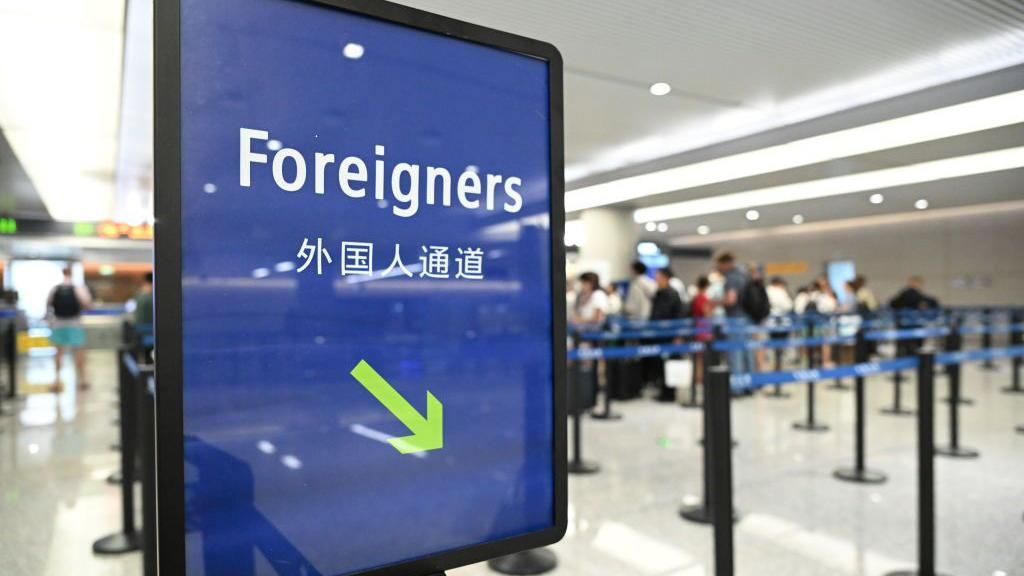
China’s recently introduced K visa, aimed at attracting foreign professionals in science, technology, engineering, and mathematics (STEM), has ignited a heated public debate. Initially announced in August, the visa gained significant attention last week when an Indian media outlet likened it to the U.S. H-1B visa, a program heavily utilized by Indian nationals. This comparison has fueled concerns among Chinese citizens about increased competition in an already sluggish job market and the potential influx of foreign talent into a country historically not known as a major immigration destination. Despite the lack of clarity on whether the K visa permits foreign professionals to work in China or merely facilitates easier entry, tens of thousands of Chinese social media users have criticized the initiative, questioning its necessity given the abundance of domestic talent. Some comments also raised xenophobic and racist sentiments, particularly targeting Indian nationals. In response, Chinese state media, including the Global Times and the People’s Daily, have sought to assuage public fears by emphasizing the visa’s role in showcasing China’s openness and confidence on the global stage. The K visa, which does not require employer sponsorship, offers flexibility in terms of entry frequency, validity, and duration of stay. However, its exact scope remains undefined, leaving many to wonder if it will allow qualified foreigners to work in China. The timing of the K visa’s launch coincides with the Trump administration’s decision to increase H-1B application fees, a move that has drawn criticism from countries like India and China. This development is part of China’s broader strategy to attract international talent, including visa exemption agreements with 75 countries and efforts to recruit top academics from U.S. institutions. However, experts caution that challenges such as language barriers and China’s tightly controlled political environment may hinder the visa’s effectiveness. The public backlash underscores the need for clear communication and consensus-building to ensure the initiative’s success.
-
Trump’s Gaza plan may be as good as it gets for Hamas
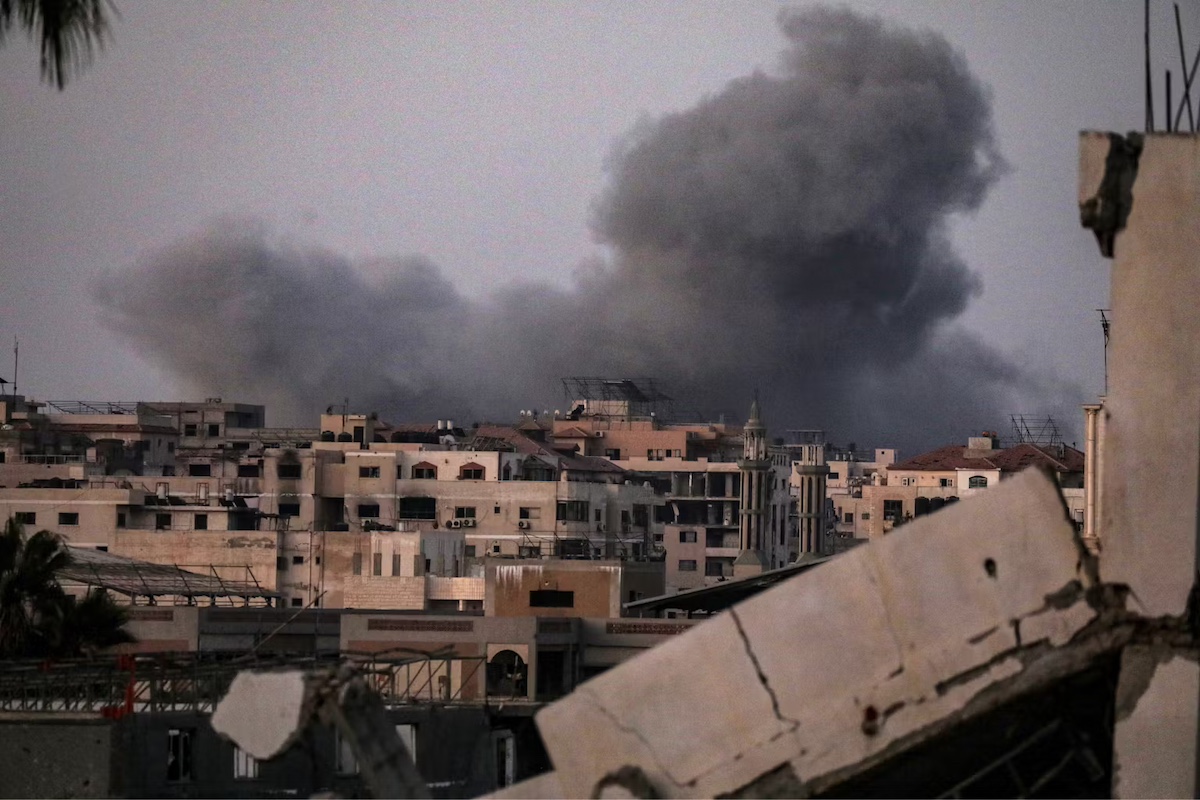
The United States, in collaboration with Israel, has unveiled a 20-point peace plan aimed at resolving the prolonged conflict with Hamas in Gaza. This comprehensive framework, endorsed by key Arab states, the UK, and France, seeks to bring an immediate end to hostilities, release Palestinian prisoners, and establish a new governance structure for Gaza. However, the plan faces significant challenges, particularly from Hamas and internal Israeli political dynamics. Hamas, excluded from the drafting process, is reportedly reviewing the proposal but may perceive it as an ultimatum. Israeli Prime Minister Benjamin Netanyahu’s coalition is also under strain, with key figures like Finance Minister Bezalel Smotrich openly opposing the plan, labeling it a diplomatic failure. The proposal includes provisions for humanitarian aid, a security perimeter around Gaza, and a transitional governance body chaired by Donald Trump. Yet, ambiguity around Israeli troop withdrawal, disarmament, and Palestinian statehood remains contentious. While the plan offers some concessions to Hamas, such as prisoner releases and amnesty, its success hinges on overcoming deep-seated mistrust and political resistance from both sides.
-

Internet access returns to Afghanistan after Taliban blackout
Internet and telecommunications services in Afghanistan are gradually being reinstated following a nationwide blackout imposed by the Taliban government, which sparked widespread criticism. Local journalists reported that connectivity is being restored across various provinces, while Netblocks, an internet monitoring organization, confirmed a ‘partial restoration’ of network services based on live data. The 48-hour shutdown severely disrupted businesses, halted flights, restricted access to emergency services, and heightened concerns about the further marginalization of women and girls, whose rights have been significantly curtailed since the Taliban regained power in 2021. The Taliban has yet to provide an official explanation for the blackout. However, last month, a spokesperson for the Taliban governor in Balkh province cited the shutdown as a measure ‘for the prevention of vices.’ Since their return to power, the Taliban has enforced numerous restrictions aligned with their interpretation of Islamic Sharia law. Afghan women have described the internet as a crucial link to the outside world, especially after the Taliban banned girls over the age of 12 from receiving an education. Women’s employment opportunities have also been drastically limited, and in September, books authored by women were removed from university curricula. The United Nations condemned the shutdown, warning that it left Afghanistan nearly entirely isolated from the global community and risked ‘inflicting significant harm on the Afghan people, including by threatening economic stability and exacerbating one of the world’s worst humanitarian crises.’
-

British man, 23, faces drug charges in Thailand
Thai authorities have apprehended a 23-year-old British man, George Wilson from Buckinghamshire, on charges of drug smuggling in Bangkok. The arrest took place at a hotel in the Sukhumvit area, where police discovered 9.1 kilograms (20 pounds) of crystal methamphetamine concealed in foil bags labeled as tea. The Metropolitan Police Bureau has confirmed that charges are being filed against Wilson for the possession and intended commercial sale of Category I controlled narcotics, specifically methamphetamine. The investigation was initiated following a tip-off about a planned narcotics handover involving foreign nationals at the hotel. Wilson has denied any knowledge of the suitcase’s contents in video footage captured during the arrest. The UK Foreign Office has acknowledged the incident, stating that it is in contact with Thai authorities. Thailand enforces stringent drug laws, with even minor possession offenses potentially resulting in severe penalties, including hefty fines and imprisonment. The case has drawn significant attention, with Thai police sharing images of the arrest on social media platforms.
-
Trump’s Gaza peace plan could revive Pax Americana
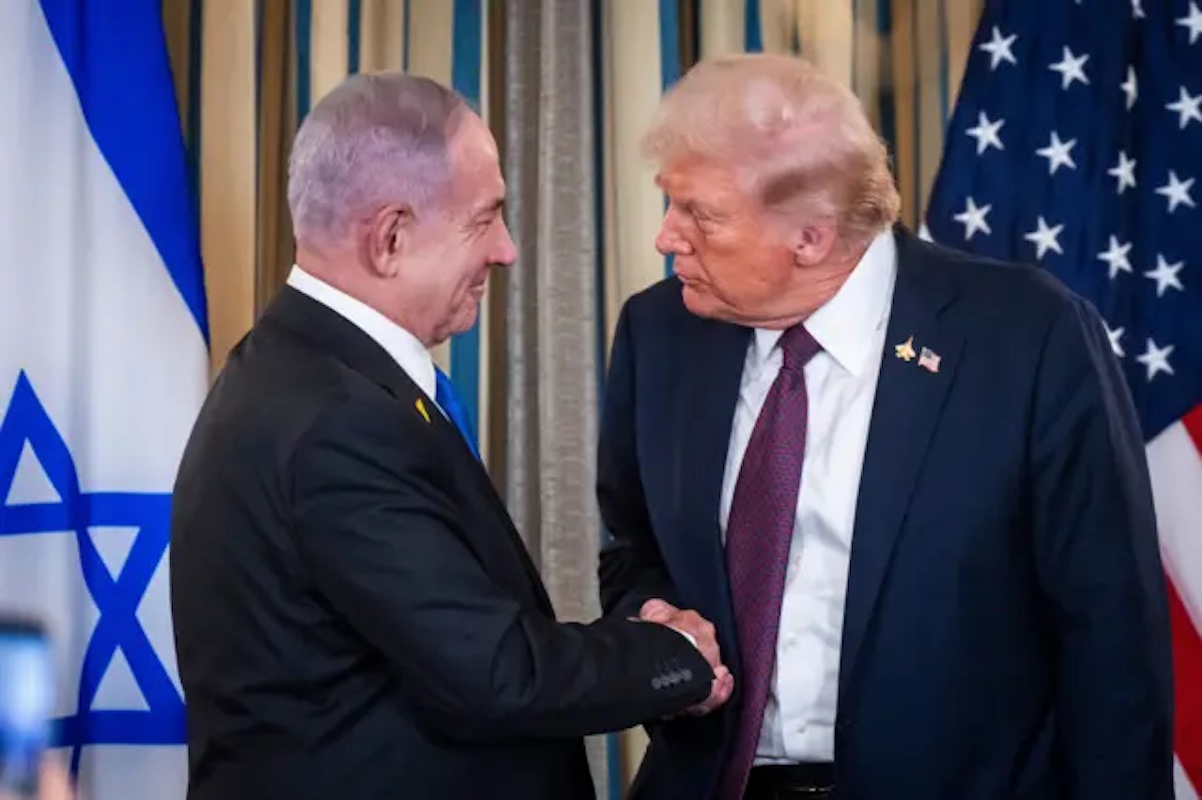
A potential resolution to the prolonged Middle East conflict appears on the horizon as Israeli Prime Minister Benjamin Netanyahu endorses US President Donald Trump’s proposed peace plan for Gaza. While the plan’s success remains uncertain due to its incomplete details and pending implementation, it has garnered significant attention for its potential to reshape the region’s political landscape. The US has strategically engaged key Muslim nations, including Turkey, Saudi Arabia, Qatar, Pakistan, and Indonesia, signaling the emergence of a new peace framework. This initiative could bolster America’s global influence, particularly in Asia, where its recent actions have been perceived as inconsistent. Notably, Russia and China have been excluded from the process, marking a significant shift in a region critical to their strategic and economic interests. The plan’s success hinges on US and Israeli leadership, underscoring America’s historical advantage over its geopolitical rivals. However, challenges persist, including rising antisemitism, the ongoing Ukraine conflict, and delicate diplomatic balances, particularly between India and Pakistan. The agreement’s implementation remains fraught with complexities, but its potential to redefine Middle Eastern geopolitics cannot be overlooked.
-

Envoy: China and US should be partners helping each other succeed
Chinese Ambassador to the United States Xie Feng emphasized the importance of deepening mutual interests and fostering a partnership where both nations can thrive together. Speaking at a reception in Washington to celebrate the 76th anniversary of the People’s Republic of China, Xie highlighted China’s potential to purchase more American products and create business opportunities for the US, despite a significant decline in bilateral trade this year. He cautioned against the detrimental effects of tariff wars, stating that such conflicts yield no winners. Recent data revealed a sharp drop in US exports to China, particularly in agriculture, with soybean sales plummeting by over 50% in the first half of 2025. Xie underscored the vast room for cooperation between the two nations, citing the growth in bilateral trade from $2.5 billion in 1979 to $688 billion in 2024. He also noted that 82% of American businesses operating in China reported profits in 2024, reflecting the mutual benefits of economic ties. Xie called for equal-footed consultation to resolve trade disputes and stressed the need to avoid confrontation, particularly on sensitive issues like Taiwan. He urged the US to adhere to the one-China principle and refrain from actions that could destabilize bilateral relations. The reception was attended by over 700 guests, including representatives from the US government, international organizations, and foreign ambassadors.
-
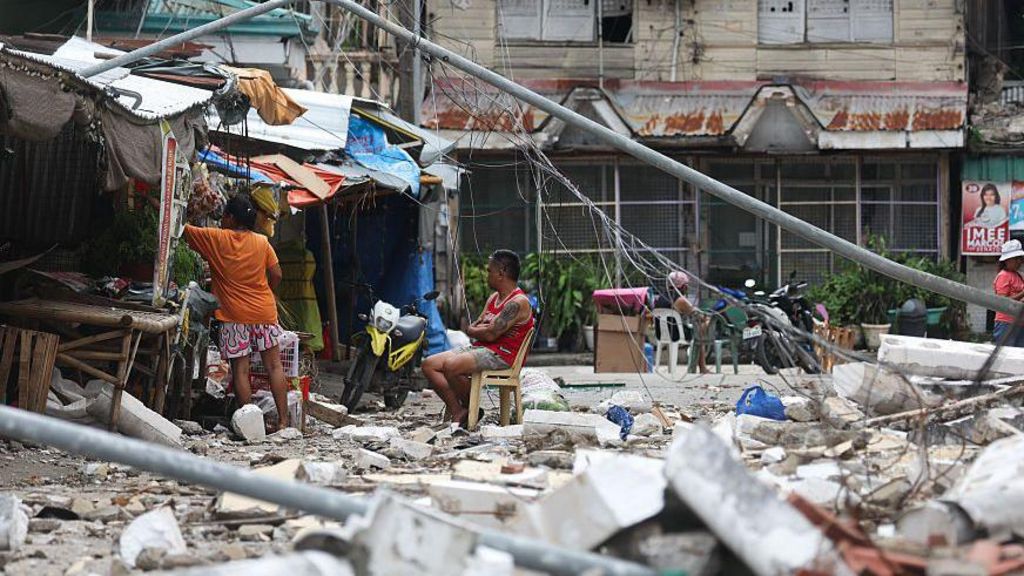
State of calamity in Philippines province as earthquake kills 69
A catastrophic 6.9 magnitude earthquake rocked the central Philippines on Tuesday night, claiming at least 69 lives and injuring dozens more. The province of Cebu bore the brunt of the destruction, prompting local authorities to declare a state of calamity early Wednesday. Thousands of residents spent the night outdoors, enduring repeated aftershocks and widespread power and water outages. One Cebu resident described the harrowing scene, with the cries of traumatized children echoing through the streets. This disaster follows closely on the heels of back-to-back typhoons that struck the region just over a week ago, leaving more than a dozen dead. Bogo City, located near the earthquake’s epicenter, suffered the most casualties. Images from the area show cadaver bags lining the streets and makeshift tent hospitals treating hundreds of injured. Local officials have reported extensive damage, including buckled roads, collapsed bridges, and downed power lines, severely hampering rescue efforts. Among the victims were seven individuals from a village built for survivors of Typhoon Haiyan, which devastated the region 12 years ago. In San Remigio, a basketball game was interrupted by the quake, sending nearly 20 people to the hospital, with one fatality. Emergency services are prioritizing search and rescue operations, restoring electricity, and delivering aid. A 4.7 magnitude aftershock struck Bogo on Wednesday evening, causing tremors in Cebu City and neighboring Leyte islands but no additional casualties. The Archbishop of Cebu has advised devotees to avoid churches until structural assessments are completed, highlighting the region’s rich historical heritage. The Philippines, situated on the geologically volatile ‘Ring of Fire,’ is highly susceptible to natural disasters. The national disaster agency in Manila is tasked with releasing official casualty figures, though the process is often slow due to rigorous verification. The death toll is expected to rise as rescue operations continue.
-

Rescuers race to find survivors after Indonesia school collapse traps dozens
In a tragic incident in East Java, Indonesia, rescuers are in a desperate race to locate 38 individuals believed to be trapped under the rubble of the Al-Khoziny Islamic Boarding School, which collapsed on Monday. The disaster has already claimed the lives of three students, with 99 others hospitalized, some in critical condition. Hundreds of teenage boys had gathered in the two-storey building for prayers when it caved in, leaving families in anguish as they await news of their loved ones. Authorities report that cries and shouts can still be heard from beneath the debris, offering a glimmer of hope for survivors. Rescue operations, however, are fraught with danger as the unstable structure threatens further collapse. The school was undergoing construction to add two additional floors, but the building’s weak foundations could not support the weight, according to the disaster mitigation agency. Sidoarjo’s regent revealed that the school management had failed to obtain the necessary permits for the expansion. Since Monday, 11 people have been rescued, though two later succumbed to their injuries. One survivor remains responsive but immobilized, prompting rescuers to construct a tunnel to reach him. Civil engineering expert Mudji Irmawan warned that removing debris could destabilize the structure, while Basarnas head Mohammad Syafii emphasized the risks of shifting concrete slabs, which could endanger trapped survivors. Rescuers are working within a narrow 60cm access point, navigating underground culverts to reach victims. The 72-hour “golden timeframe” for rescue is critical, though Syafii noted that survivors could endure longer with fluids and vitamins. Among the survivors is 13-year-old Muhammad Rijalul Qoib, who recounted the terrifying moments before the collapse. “I heard the sound of falling rocks, and it got louder,” he said. Rijalul managed to escape with help but was struck by debris. Tragically, not all were as fortunate. Maulana Alvan Ibrahimavic, a recent elementary school graduate, was among those killed. His body was escorted to a funeral home in his hometown of Blega district, marking a somber end to a devastating event.