
The West Bank, a Palestinian territory occupied by Israel since 1967, has witnessed escalating violence and political tensions in recent years. While global attention has largely focused on the conflict in Gaza, the West Bank has become a flashpoint for Israeli military operations, settler violence, and humanitarian crises. Since October 7, 2023, Israeli forces have conducted nearly 7,500 raids on Palestinian towns and villages, according to the UN Office for the Coordination of Humanitarian Affairs (Ocha). These raids, often targeting refugee camps, have resulted in widespread displacement and casualties. The West Bank, home to approximately three million Palestinians and 700,000 Israeli settlers, is divided into three administrative zones under the 1993 Oslo Accords. However, Israel maintains de facto control over the entire territory, with its military operating unchecked. Settler violence has surged, with over 1,400 incidents recorded in 2024 alone, the highest since records began. The Israeli government has also advanced controversial settlement plans, including the E1 Settlement Plan, which aims to connect East Jerusalem with existing settlements, further undermining the possibility of a two-state solution. International condemnation has followed, with the UN and human rights organizations labeling these actions as violations of international law. The Palestinian Authority (PA), led by Mahmoud Abbas, has struggled to maintain control, often collaborating with Israeli forces to suppress dissent. Amidst this turmoil, Palestinian support for Hamas has declined, but dissatisfaction with the PA remains high. The situation in the West Bank remains dire, with thousands displaced, hundreds killed, and the prospects for peace increasingly bleak.
标签: Asia
亚洲
-
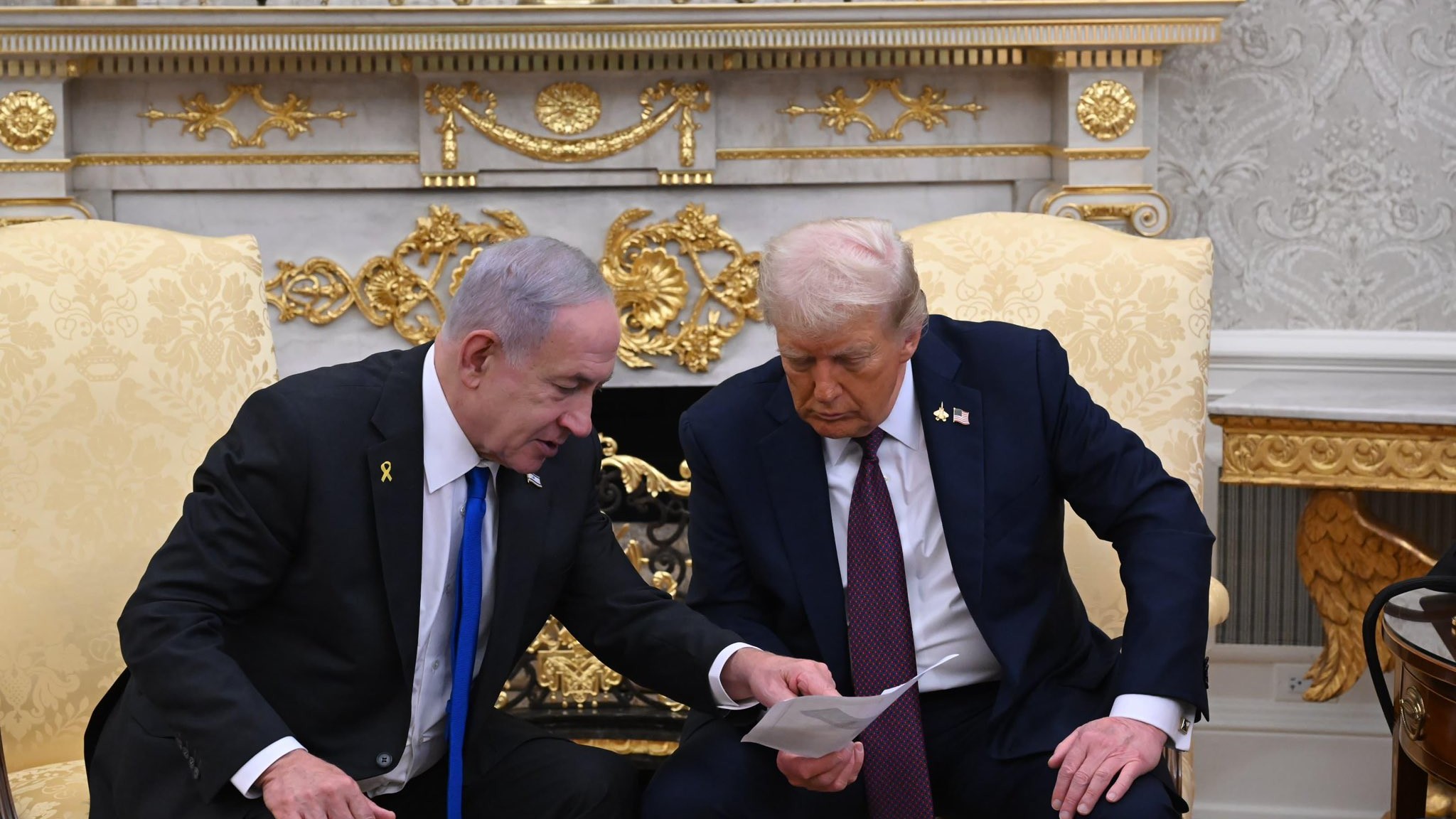
The 15 reasons why UN legal experts say Trump’s Gaza plan breaks international law
United Nations human rights and legal experts have raised significant concerns over the US-sponsored peace plan for Gaza, warning that it risks entrenching violations of international law. The proposal, unveiled by US President Donald Trump, outlines a 20-point ceasefire plan that envisions Gaza as a demilitarized zone under a transitional technocratic Palestinian committee, with international oversight led by Trump himself until the Palestinian Authority (PA) is prepared to govern. However, the plan has faced widespread criticism from Palestinians and has yet to gain acceptance from Hamas, who view it as a continuation of Israeli apartheid and genocide. The proposal includes a staged ceasefire, prisoner exchange, amnesty for disarmed Hamas members, international aid, economic redevelopment zones, and the deployment of a US-backed International Stabilization Force to replace the Israeli military. While the UN experts acknowledged certain positive elements, such as a permanent ceasefire and humanitarian aid under UN supervision, they emphasized that these measures are already mandated by international law and should not be contingent on the success of a peace plan. The experts identified 15 key issues with the proposal, including its failure to guarantee Palestinian self-determination, the lack of representative governance, and the absence of accountability for Israeli international crimes. They also criticized the plan for sidelining the UN and its agencies, undermining the legitimacy of the process. The experts concluded that any peace plan must respect international law and ensure that the future of Palestine is determined by the Palestinian people, not imposed by external actors under duress.
-
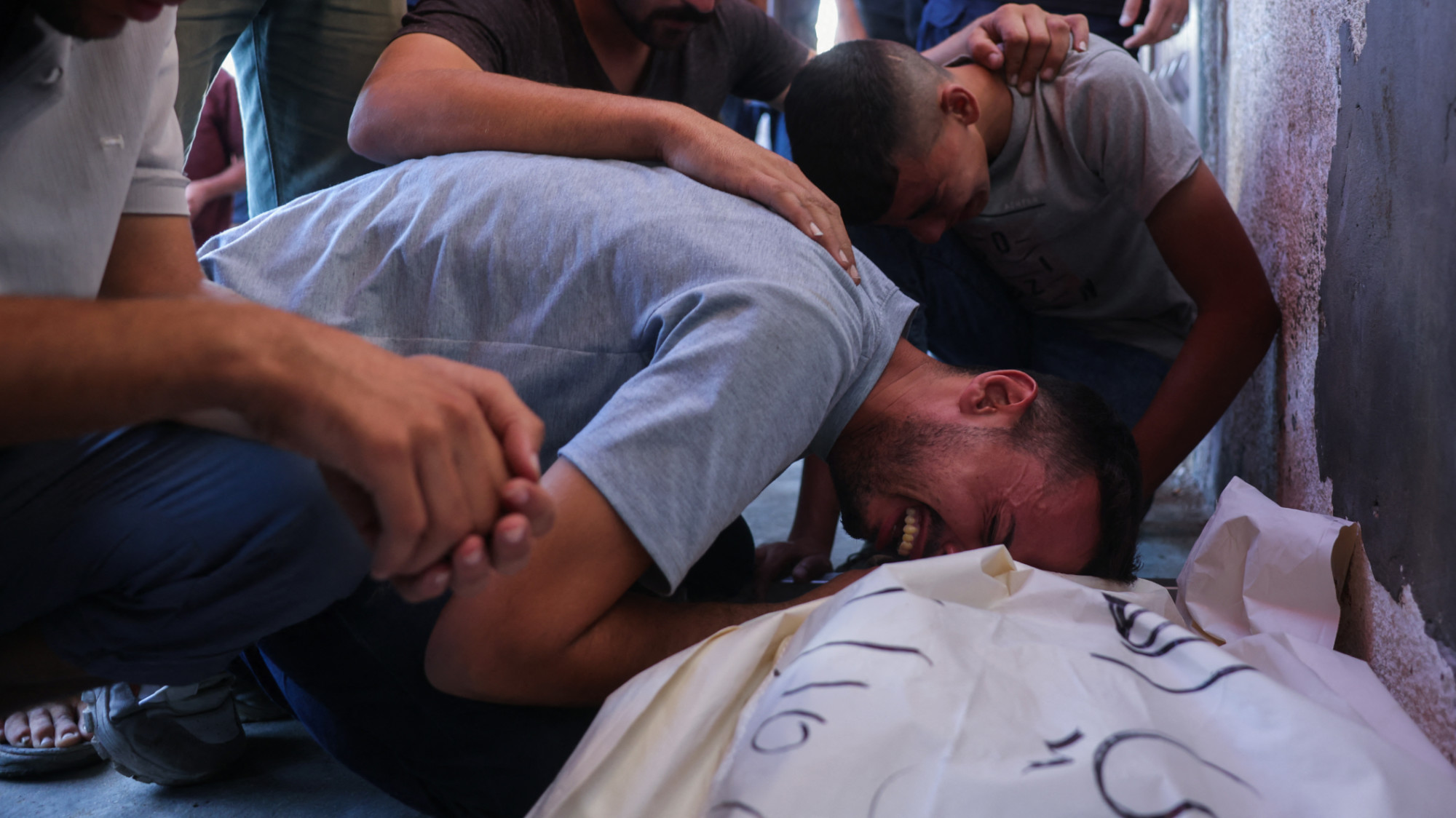
They fled to south Gaza as ordered. Then Israel killed them
In the midst of escalating violence in Gaza, Palestinian cameraman Sami Dawoud sought refuge in Deir al-Balah, central Gaza, after fleeing intensified Israeli bombing in Gaza City. Despite relocating to an area deemed safer, Dawoud and his family faced tragedy when an Israeli air strike hit their tent, killing him and his daughter. Dawoud, described by friends as deeply protective of his family, had been displaced multiple times since the onset of Israel’s military operations in October 2023. His friend and colleague, photographer Yahya Barzaq, recounted Dawoud’s unwavering commitment to his family’s safety, even as they moved from one precarious shelter to another. Barzaq himself met a similar fate, killed in an air strike just days after speaking to Middle East Eye about Dawoud’s death. The strikes have claimed the lives of 1,903 Palestinians in central and southern Gaza since mid-August, according to the Gaza-based Government Media Office. Both Dawoud and Barzaq were respected members of Gaza’s journalist community, their deaths highlighting the peril faced by civilians and media professionals in the conflict. Barzaq, known for his work as a newborn photographer, had documented the lives of children later killed in the war, expressing his anguish over the suffering of Gaza’s youngest residents. The ongoing violence has left countless families displaced and vulnerable, with no safe haven from the relentless bombardment.
-
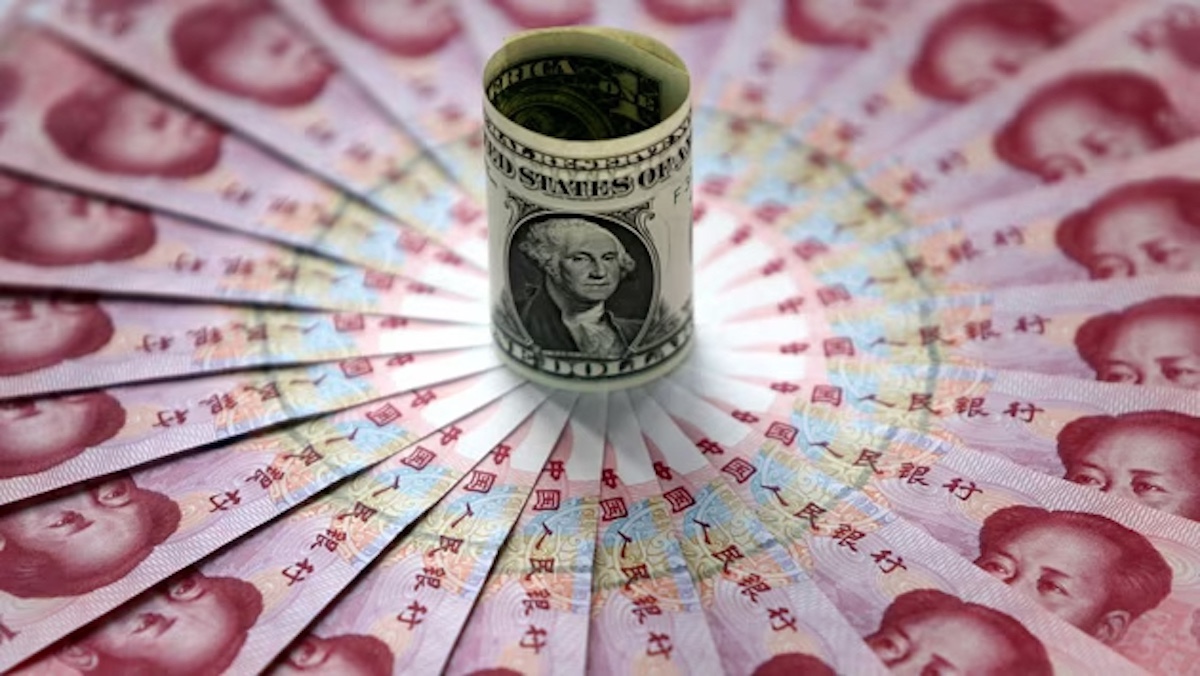
Yuan lies in wait as Trump pushes buck to the brink
TOKYO — The past year has painted a paradoxical picture for the US dollar, leaving analysts divided on its trajectory. On one hand, the dollar remains a dominant force in global currency markets, with the latest data from the Bank for International Settlements (BIS) revealing its involvement in 89% of all foreign exchange transactions. This statistic underscores the dollar’s entrenched position as the world’s primary reserve currency, seemingly immune to challenges. On the other hand, the Chinese yuan’s growing influence, now accounting for 8.5% of global transactions, has sparked concerns about the dollar’s long-term supremacy. This rise in the yuan’s share is seen by some as a potential threat to Washington’s financial dominance. The situation is further complicated by the global foreign exchange market’s apparent indifference to the United States’ deteriorating economic fundamentals. Despite mounting debt, inflationary pressures, and political instability, traders continue to favor the dollar, highlighting its unique role in the global financial system. As the yuan gains traction, the question remains: Is the dollar’s hegemony unassailable, or is it on the brink of a gradual decline?
-
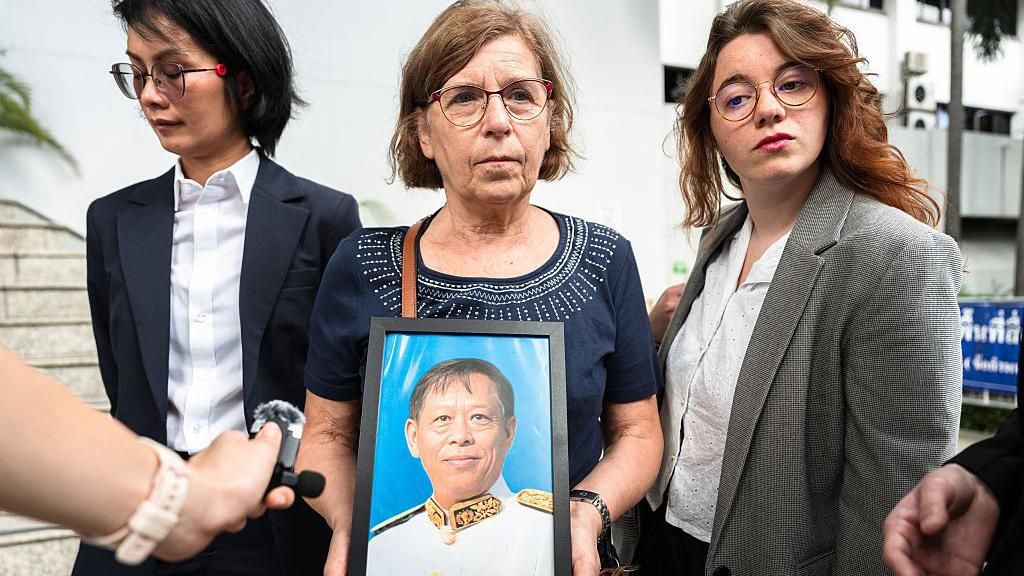
Thai killer of Cambodian opposition politician sentenced to life in prison
A Thai court has handed down a life sentence to Ekkalak Paenoi, a Thai national, for the assassination of Lim Kimya, a prominent Cambodian opposition politician, in Bangkok earlier this year. The killing, which occurred in January shortly after Lim’s arrival in the Thai capital with his wife, has sparked widespread speculation of political motives. Ekkalak, who fled to Cambodia post-assassination, was arrested and extradited back to Thailand. Initially facing the death penalty, his sentence was reduced to life imprisonment following his confession, as announced by the court on Friday. Lim Kimya, a former parliamentarian with dual Cambodian and French nationality, was a member of the Cambodia National Rescue Party (CNRP), which was banned in 2017 after being accused of treason by former Cambodian leader Hun Sen. The CNRP had nearly defeated Hun Sen’s long-ruling party in the 2013 elections. Cambodian Prime Minister Hun Manet, who succeeded his father in 2023, has denied any government involvement in Lim’s killing. Security footage from the incident shows Ekkalak calmly parking his motorbike, removing his helmet, and crossing the road before the fatal shots were fired. In addition to the life sentence, Ekkalak was ordered to pay approximately $55,000 in compensation to Lim’s family. The court acquitted another Thai national accused of aiding Ekkalak’s escape, ruling that he was merely a driver unaware of the crime. Lim’s widow, while reportedly satisfied with the verdict, continues to seek answers about who orchestrated the assassination, urging authorities to uncover the truth. This case highlights the ongoing repression faced by opposition figures in Cambodia and neighboring countries, with human rights groups alleging a tacit agreement among regional governments to suppress dissent.
-

Exchange programs encourage positive ties
China has welcomed over 36,000 young Americans through exchange programs in the past two years, driven by President Xi Jinping’s ambitious ‘50,000 in Five Years’ initiative. This program, announced during a 2023 dinner hosted by US-friendly organizations, aims to strengthen ties between the peoples of China and the US, particularly among the younger generation. Vice-Minister of Education Xiong Sihao highlighted this achievement at a State Council Information Office press conference, emphasizing the program’s success in fostering cross-cultural friendships. For instance, a pickleball cultural exchange delegation from Maryland bonded with Chinese peers during a visit in April 2024. Beyond the US, China has established educational partnerships with 183 countries, signed academic degree recognition agreements with 61 nations, and launched joint education programs with 42. Over 190 countries have students pursuing education in China, and 86 nations have integrated Chinese language into their national curricula. These efforts create a platform for global youth to connect, inspire one another, and contribute to a shared future. Minister of Education Huai Jinpeng underscored China’s strides in building the world’s largest high-quality education system, ensuring equal access for all children. Higher education enrollment has surged from 30% in 2012 to 60.8%, reaching international standards. During the 14th Five-Year Plan (2021-25), China produced 55 million higher education graduates—equivalent to the population of many developed countries. While China does not rely solely on global rankings, its universities and disciplines have emerged as a significant global force. These advancements support national strategies for self-reliance in science and technology and the cultivation of innovative talent. China’s basic education system now matches the average level of high-income countries, further solidifying its position as a global education leader.
-

Huawei to boost AI chip output despite additional US curbs
Huawei Technologies is poised to significantly expand its artificial intelligence (AI) chip production capabilities, with plans to double the annual output of its flagship Ascend 910C processors to 600,000 units by 2026. This ambitious move comes in response to escalating export restrictions imposed by the United States on Chinese chipmakers and their supply chains, which have heightened Beijing’s drive for semiconductor self-sufficiency.
-

India and China to resume direct flights after a five-year ban
In a significant move towards the normalization of bilateral relations, India’s largest budget airline, IndiGo, announced the resumption of direct flights between Kolkata and Guangzhou starting October 26. This development comes as part of broader efforts to rebuild ties between India and China, which have been strained since the deadly border clashes in 2020. The Indian foreign ministry emphasized that the reinstatement of direct flights would enhance people-to-people contact and contribute to the gradual normalization of bilateral exchanges. The two nations share a contentious 3,440-kilometer border, with overlapping territorial claims that have historically fueled tensions. The 2020 Galwan Valley clash, which resulted in the deaths of at least 20 Indian and four Chinese soldiers, marked the first fatal confrontation since 1975 and led to a freeze in diplomatic relations. However, over the past year, both countries have engaged in high-level talks and implemented measures to de-escalate border tensions. These include patrolling arrangements along the disputed Himalayan border and the resumption of visa services for Chinese tourists by India. Additionally, China has permitted Indian pilgrims to visit religious sites in the Tibet Autonomous Region. The warming of India-China relations has also been influenced by India’s strained ties with the U.S. under former President Donald Trump’s tariff policies. In August, Chinese Foreign Minister Wang Yi visited Delhi, advocating for a partnership rather than rivalry between the two nations. Prime Minister Narendra Modi’s visit to China for the Shanghai Cooperation Organisation summit further underscored the commitment to normalizing relations. The resumption of direct flights symbolizes a tangible step towards rebuilding trust and fostering cooperation between the two Asian giants.
-
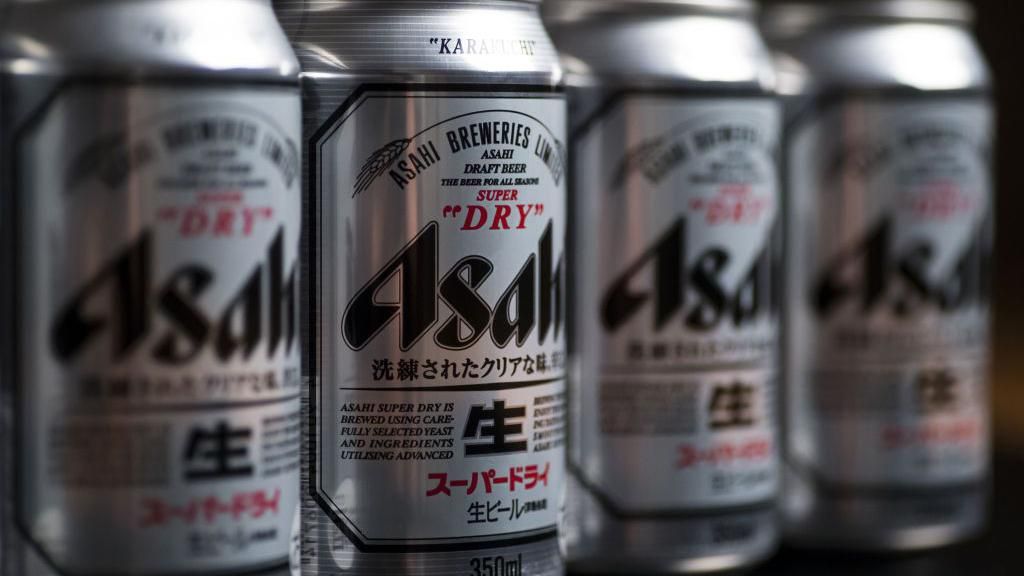
Japan faces Asahi beer shortage after cyber-attack
Japan is currently experiencing a significant shortage of Asahi products, including beer and bottled tea, as the global beverage giant struggles with the aftermath of a severe cyber-attack. The attack has disrupted Asahi’s ordering and delivery systems, forcing most of its factories in Japan to halt operations since Monday. This disruption has led to widespread supply chain issues, affecting both consumers and retailers across the country. Major convenience store chains, including FamilyMart and Lawson, have issued warnings to customers about potential shortages of Asahi products. FamilyMart, one of Japan’s largest convenience store chains, announced on Thursday that it has temporarily suspended orders and shipments of Asahi products, with no clear timeline for resumption. The retailer also expressed regret for the inconvenience caused and assured customers that it is collaborating with Asahi to restore product availability. Lawson, another prominent Japanese retailer, has similarly anticipated shortages and is preparing to stock alternative products to mitigate the impact on consumers. Asahi, Japan’s largest brewer and owner of international brands such as Peroni, Pilsner Urquell, and Grolsch, has confirmed that the cyber-attack has primarily affected its domestic operations. The company has assured that there is no evidence of a data breach involving customer information. However, the timeline for restoring normal operations remains uncertain as investigations into the cause of the attack continue. Japan accounts for approximately half of Asahi’s total sales, making the disruption particularly significant for the company. The incident underscores the growing vulnerability of global businesses to cyber threats and the potential impact on supply chains and consumer markets.
-
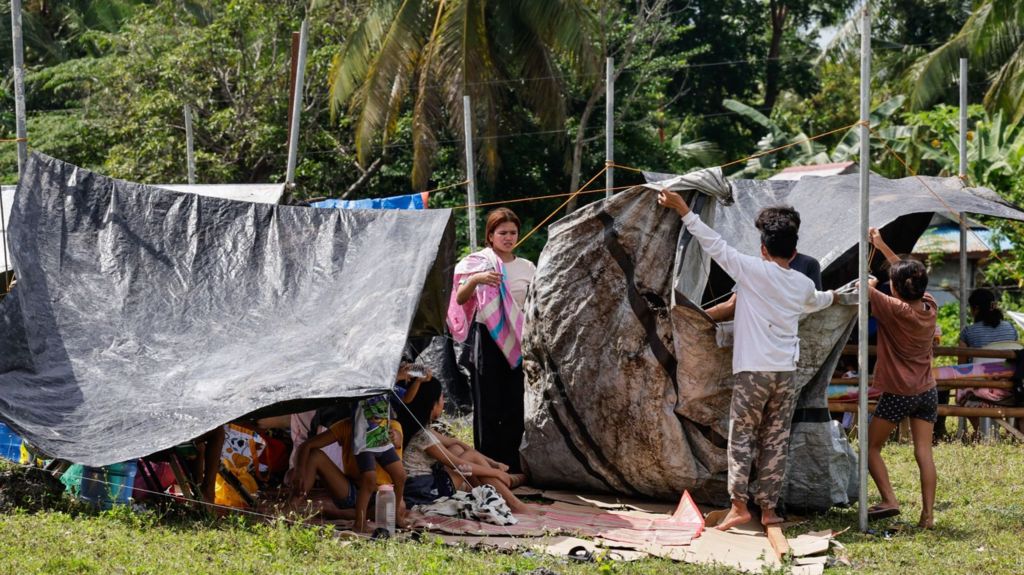
Sleeping in fields and struggling for basics: Filipinos contend with quake aftermath
A devastating magnitude 6.9 earthquake struck the northern coast of Cebu, one of the Philippines’ most populous islands, on the night of September 30, leaving at least 72 people dead and 300 injured. The quake, which occurred in a region already grappling with the aftermath of a fierce typhoon season, has displaced approximately 40,000 people, forcing many to seek temporary shelter in tents and under the open sky. Among the survivors is Arguel Estalicas, a 35-year-old tourism officer from Medellin town, who described the overwhelming fear and dizziness she continues to experience. ‘I still couldn’t process what has happened to us,’ she told the BBC. The earthquake caused widespread destruction, collapsing homes, buildings, and churches, and cracking roads. Social media images showed residents huddled under plastic bags for shelter during light rain, while others slept outdoors, clinging to whatever resources they had. Lourenze Pareja, a 25-year-old community journalist from San Remigio, recounted the chaos he witnessed during the quake, describing his once-vibrant town as now resembling a ‘ghost town.’ The Philippines, located on the geologically unstable ‘Ring of Fire,’ is no stranger to natural disasters. This earthquake is among the deadliest in recent years, following the 2013 Bohol quake that killed over 200 people. Rescue operations are ongoing, with authorities working to deliver food, restore power and communication lines, and clear debris. The Philippine military has been deployed to assist in relief efforts, but daily necessities remain scarce. Survivors like Ms. Estalicas and Mr. Pareja remain hopeful, drawing strength from the Filipino spirit of bayanihan, or community cooperation. ‘My only prayer is that help won’t be delayed,’ Mr. Pareja said, urging relief efforts to extend to neighboring municipalities.