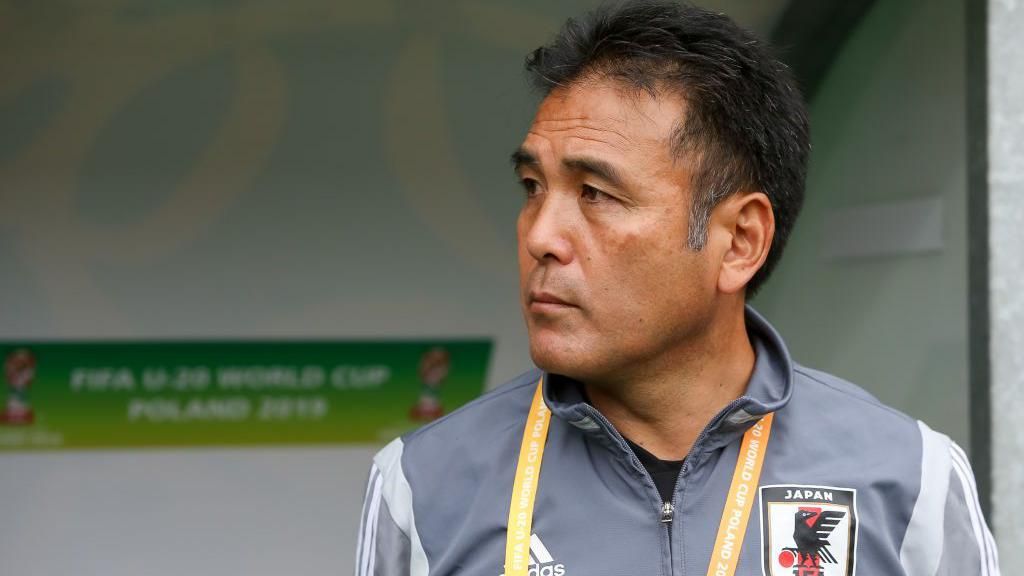
Masanaga Kageyama, a senior official of the Japan Football Association (JFA), has been sentenced to an 18-month suspended jail term and banned from France for 10 years after being caught viewing child sexual abuse images on a plane. The incident occurred during a stopover at Charles de Gaulle Airport in Paris, as reported by French newspaper Le Parisien. Kageyama, who was traveling to the Under-20 World Cup in Chile, admitted to viewing the images but claimed he was unaware of their illegality in France. The flight crew alerted authorities after noticing the explicit content on his laptop in the business class cabin of an Air France flight. Kageyama initially defended the images as ‘art’ and AI-generated. The court also imposed a €5,000 fine and barred him from working with minors. The JFA terminated his contract immediately, labeling the incident ‘unacceptable to the football world.’ JFA Chairman Tsuneyasu Miyamoto apologized for the incident and pledged to strengthen governance and compliance systems. Kageyama, a former professional footballer, has managed teams in Japan, Macau, and Singapore.
标签: Asia
亚洲
-
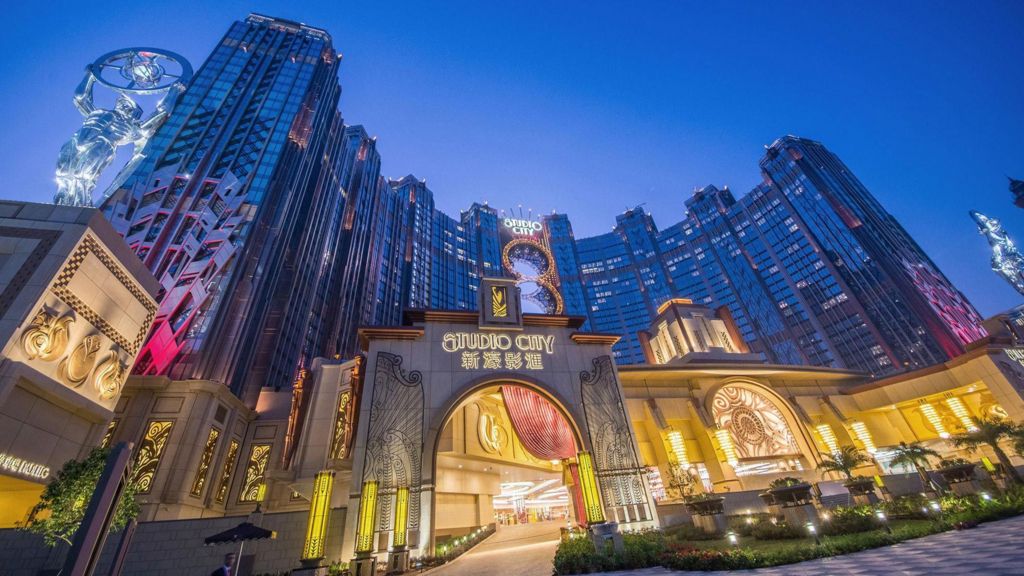
World’s first resort hospital opens in gambling hub Macau
Macau, long celebrated as the world’s premier gambling destination, is now setting its sights on becoming a global leader in healthcare tourism. In a groundbreaking move, the city’s Studio City, a Hollywood-themed casino and entertainment resort owned by Hong Kong-based Melco Resorts and Entertainment, has launched its first-ever resort hospital. This innovative facility, opened in collaboration with Hong Kong’s iRad Hospital, specializes in health screenings, advanced MRI scans, and cosmetic procedures, offering a seamless blend of luxury medical services and leisure. Lawrence Ho, CEO of Melco Resorts, emphasized that this project is designed to promote medical tourism, generate employment, and integrate healthcare with entertainment under one roof. The initiative aligns with Macau’s broader economic diversification strategy, which seeks to reduce the city’s reliance on gaming and expand into sectors like healthcare, technology, and events. With nearly 40 million annual visitors, Macau presents a unique opportunity to emerge as a top destination for medical tourism, according to iRad’s honorary chairman, Dennis Tam. The global medical tourism industry, valued at tens of billions of dollars, is poised for significant growth, with Asia leading the charge. Countries like South Korea and Singapore have already established themselves as hubs for cosmetic surgeries and advanced medical treatments, while Turkey attracts millions for procedures such as transplants and dentistry. Macau’s latest venture marks a pivotal step in its transformation into a multifaceted tourism powerhouse.
-
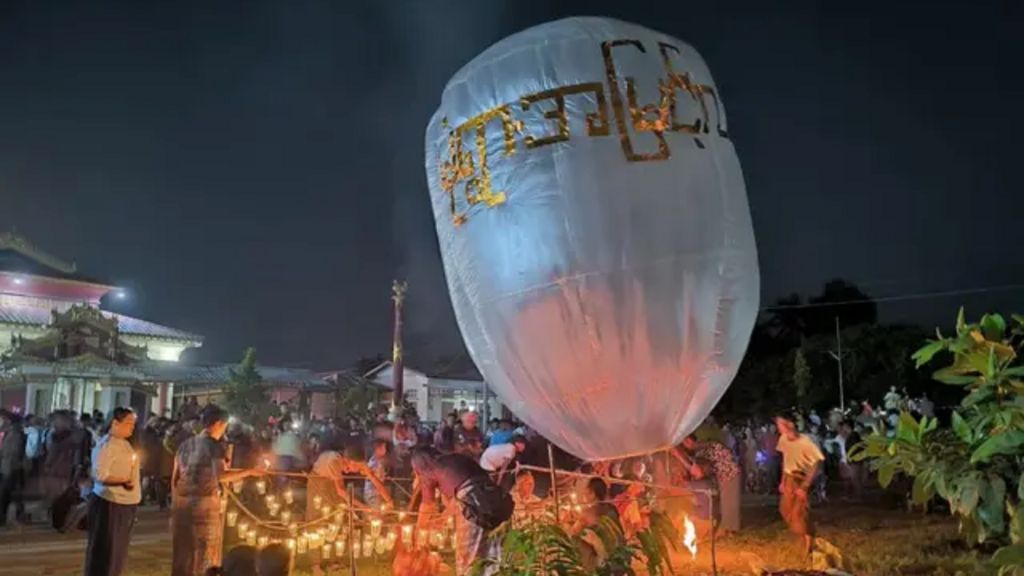
At least 24 killed as paraglider drops bombs at Myanmar Buddhist festival
A devastating paramotor attack during the Thadingyut festival in Chaung U township, central Myanmar, has resulted in the deaths of at least 24 people and left 47 others wounded, according to a spokesperson from the exiled National Unity Government. The incident occurred on Monday evening as approximately 100 individuals gathered to celebrate the Buddhist-rooted national holiday, which also served as a candlelight vigil protesting the policies of the ruling junta. A local official from the anti-junta People’s Defence Force reported that a motor-powered paraglider dropped two bombs on the crowd, causing widespread destruction and chaos. Witnesses described the scene as horrific, with bodies torn apart and identification of the deceased proving difficult. Amnesty International condemned the attack, labeling it part of a ‘disturbing trend’ of using paramotors to target communities. The junta’s increasing reliance on such methods is attributed to international sanctions limiting access to conventional military equipment. The attack has prompted calls for urgent protection of civilians and increased pressure on the junta from regional bodies like ASEAN. The vigil also highlighted broader grievances, including opposition to military conscription and the upcoming December elections, which critics argue will not be free or fair. The conflict in Myanmar, ongoing since the 2021 military coup, has claimed over 5,000 civilian lives, according to UN estimates.
-
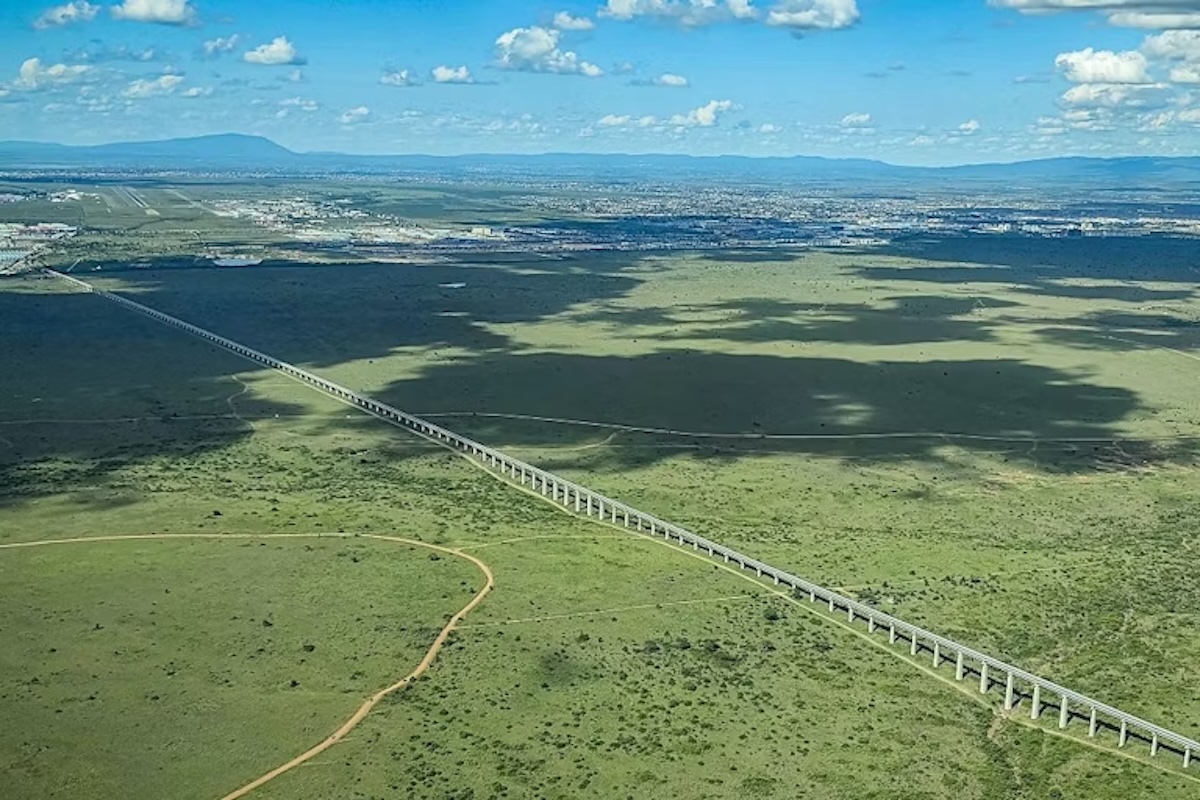
Chinese construction firms changed the way they operate in Africa
Over the past two decades, Chinese construction companies have been a dominant force in Africa’s infrastructure development, largely fueled by substantial financial backing from Chinese banks. Between 2000 and 2019, Chinese lenders committed nearly $50 billion to African transport projects, primarily through development finance institutions. However, since 2019, this funding has significantly dwindled, with only $6 billion allocated to infrastructure projects. Despite this decline, Chinese companies continue to flourish across the continent, maintaining their market leadership in countries like Ethiopia, Ghana, and Kenya. A recent study sheds light on the strategies that have enabled these firms to sustain and expand their presence in Africa. The research, conducted through extensive fieldwork in China, Kenya, and Ghana, identifies three key drivers of their success. First, Chinese companies leverage their ties to the Chinese state to establish and maintain their market presence, particularly in projects aligned with African development agendas. Second, they build trust-based relationships with other companies, governments, and international organizations, enabling them to secure cross-border projects. Third, they cultivate everyday relations with local politicians, officials, and business elites, embedding themselves deeply in local political and business environments. The study emphasizes that while state support is crucial for market entry, it is the firms’ ability to adapt and shift between these strategies that ensures their survival and expansion. This flexibility allows them to compete effectively in international tenders, partner with other multinationals, and adapt to local conditions. The findings also challenge the perception that Chinese companies are mere extensions of China’s foreign policy, highlighting their increasingly independent and competitive behavior. For African governments, this shift presents both opportunities and responsibilities in shaping the role of Chinese firms in their economies. The next phase of Africa-China infrastructural engagement will likely be driven by operational contexts, diverse alliances, and a competitive global market rather than large Chinese loan packages.
-

The deadly dose: Inside India’s cough syrup obsession
In a distressing recurrence of events, India is grappling with yet another wave of child fatalities linked to contaminated cough syrups. Recent reports from Jammu reveal the deaths of at least 12 children under five years old, allegedly caused by toxic ingredients in locally manufactured cough remedies. This tragedy echoes similar incidents in Madhya Pradesh and Rajasthan, where children succumbed to kidney failure after consuming syrups laced with diethylene glycol, a hazardous industrial solvent.
-

Threat assessment of China led to spy case collapse, says CPS
A high-profile espionage case in the UK involving two men accused of spying for China has been dropped due to insufficient evidence, according to the country’s top prosecutor. Christopher Cash, 30, and Christopher Berry, 33, both denied allegations of gathering and providing information prejudicial to the UK’s safety and interests between December 2021 and February 2023. The charges were dismissed in September 2024, sparking criticism from ministers and MPs. Sir Keir Starmer, the UK Prime Minister, stated that the government could only rely on the previous Conservative administration’s assessment of China, which labeled the country as an ‘epoch-defining challenge’ rather than a direct national security threat. Stephen Parkinson, the Director of Public Prosecutions, explained that while there was initially sufficient evidence to prosecute under the Official Secrets Act, a precedent set by another espionage case raised the threshold for conviction. Parkinson revealed that the Crown Prosecution Service had spent months attempting to obtain further evidence from the government, but the witness statements provided failed to meet the required standard. He emphasized that the evidence would have needed to portray China as a ‘threat to national security’ at the time of the alleged offenses. The government maintained that its description of China could not be retrospectively altered and had to align with the previous administration’s stance. The collapse of the trial has fueled frustration within the government, with Parkinson’s intervention following weeks of speculation. The case has also highlighted the Labour government’s efforts to recalibrate UK-China relations, including a cross-Whitehall audit of bilateral ties. In October 2024, Foreign Secretary David Lammy visited China, advocating for ‘pragmatic solutions to complex challenges.’ Additionally, Jonathan Powell, the UK’s National Security Adviser, met with Chinese officials in July 2024, signaling Britain’s willingness to enhance dialogue with Beijing. The case underscores the complexities of prosecuting espionage under the Official Secrets Act, which requires proof that the information shared was useful to an enemy nation.
-
ICC convicts Janjaweed commander in ‘landmark’ Sudan case
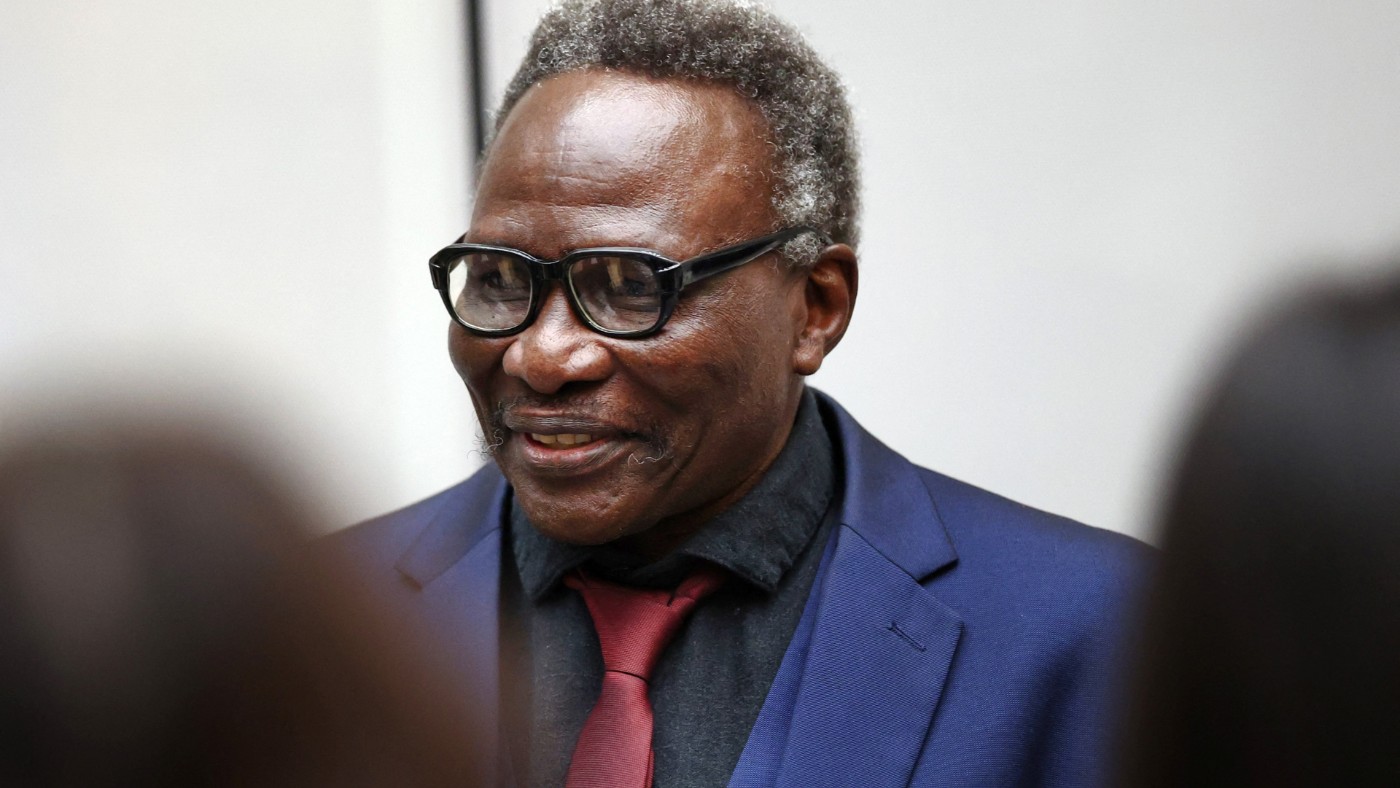
In a historic verdict, the International Criminal Court (ICC) convicted Ali Muhammad Ali Abd-Al-Rahman, commonly known as Ali Kushayb, on 27 counts of crimes against humanity and war crimes committed in Sudan’s Darfur region. The ruling, delivered on Monday, marks the first conviction of a Sudanese official for atrocities that have plagued the region for over two decades. Kushayb, a former leader of the Janjaweed militia, was found guilty of orchestrating mass killings, rapes, and persecution during the Darfur conflict, which began in 2003. His sentencing will follow a subsequent hearing. The case, referred to the ICC by the United Nations Security Council in 2005, has been hailed as a landmark in the pursuit of justice for victims, though many argue it comes too late. Darfur, a region in western Sudan, has endured decades of violence, with the Sudanese government under Omar al-Bashir accused of deploying the Janjaweed to suppress a rebellion by non-Arab populations. The conflict, labeled a genocide by the US and human rights groups, claimed hundreds of thousands of lives. Kushayb, known as the ‘colonel of colonels,’ commanded thousands of Janjaweed fighters and was accused of implementing a government-backed counter-insurgency strategy. His surrender to the ICC in 2020 followed a 2007 arrest warrant. Despite his claims of mistaken identity, presiding judge Joanna Korner dismissed his defense, stating he had ‘encouraged and given instructions’ for the atrocities. Victims welcomed the verdict, though analysts caution that it offers little solace to those still suffering in Darfur amid ongoing conflict. The Janjaweed, later rebranded as the Rapid Support Forces (RSF), continue to operate under new leadership, with accusations of genocide persisting. The ICC’s pursuit of justice remains incomplete, with outstanding warrants for figures like Bashir and former officials. The verdict, while significant, underscores the challenges of addressing systemic violence and political instability in Sudan.
-
Everest hikers guided to safety after being stranded by blizzard
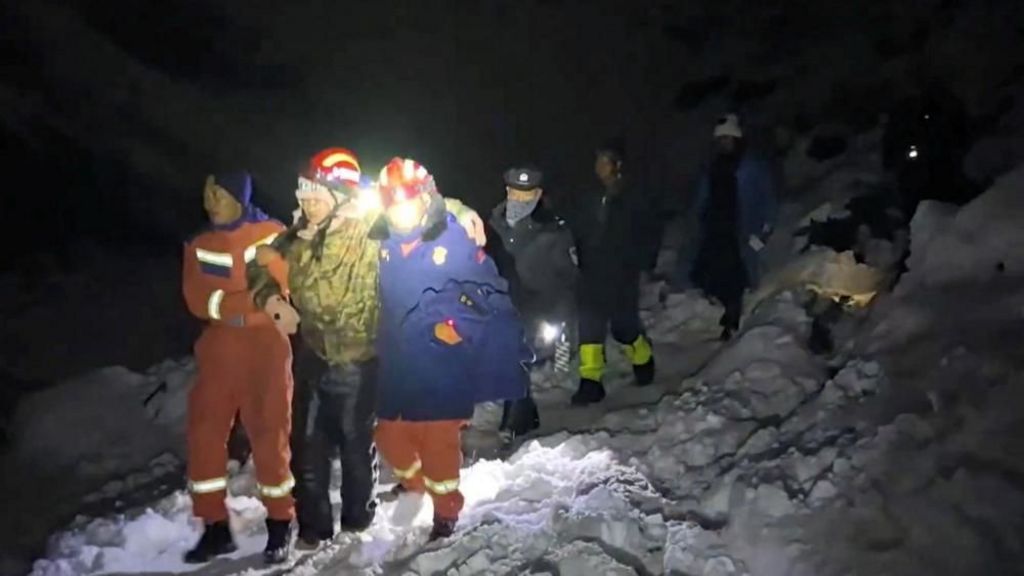
In a dramatic rescue operation, 580 hikers stranded near Mount Everest due to severe weather have been safely evacuated to the Tibetan township of Qudang and surrounding areas. The rescue, reported by Chinese state media CCTV on Tuesday, also included 300 local guides, yak handlers, and support staff. A final group of approximately 10 hikers, accompanied by rescue workers, has reached a rendezvous point equipped with heating, oxygen, and emergency supplies but has yet to arrive in Qudang. The hikers were trapped at an altitude exceeding 4,900 meters (16,000 feet) after heavy snowfall blocked their route on Everest’s eastern slopes over the weekend. The unexpected blizzard occurred during China’s Golden Week holiday, a peak tourism season. October is typically favored for hiking in the Everest region due to clear skies and moderate temperatures. Hundreds of hikers had ventured onto the Karma Valley trail, a scenic but less-traveled route offering views of the world’s highest peak. The snowfall, which began on Friday evening and intensified over the weekend, caught even experienced guides off guard. One trekker, a veteran of over a dozen Himalayan expeditions, described the conditions as unprecedented. Among the stranded, several individuals showed signs of hypothermia, with one group reporting snow depths of up to a meter during their retreat. The rescue effort mobilized police, firefighters, and hundreds of Tibetan volunteers. In a related incident, one hiker in Qinghai province died from hypothermia and altitude sickness, while 137 others were evacuated. Meanwhile, neighboring Nepal has faced torrential rains, causing severe flooding and landslides that have claimed over 50 lives.
-
Fifa accuses Malaysia of faking foreign-born players’ eligibility
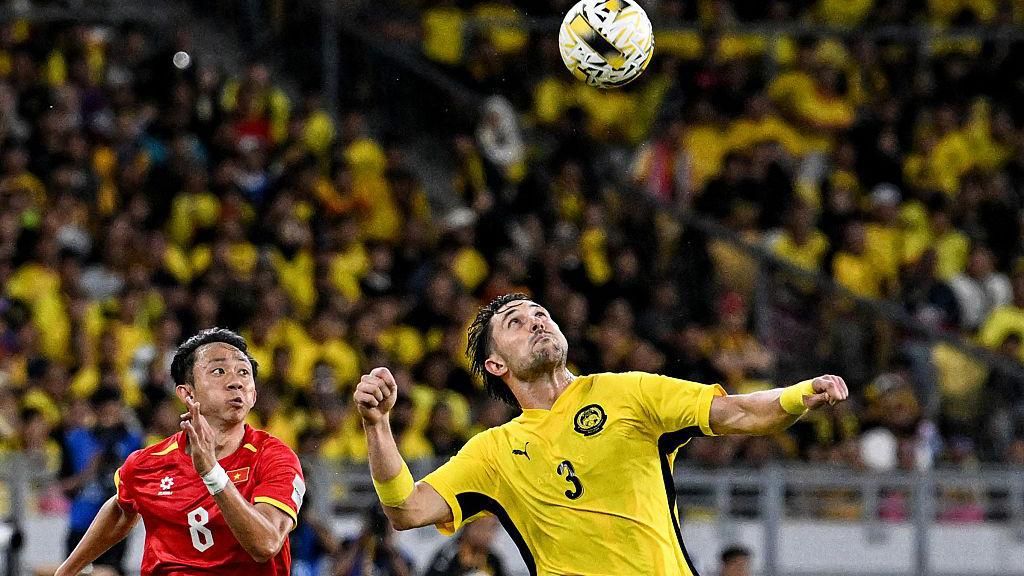
FIFA has imposed sanctions on Malaysia’s national football team, suspending seven foreign-born players and fining the Football Association of Malaysia (FAM) for allegedly falsifying citizenship documents. The players, including Facundo Tomas Garces and Gabriel Felipe Arrocha, were accused of using doctored birth certificates to claim eligibility under FIFA’s ‘grandfather rule,’ which allows players to represent countries where their parents or grandparents were born. FIFA’s investigation revealed that the players’ grandparents were actually born in countries like Argentina, Spain, and Brazil, contradicting the submitted documents. The governing body labeled the act as ‘a form of cheating.’
In late September, FIFA suspended the players for one year and fined them 2,000 Swiss francs each. Additionally, FAM was ordered to pay 350,000 Swiss francs. FAM has denied intentional wrongdoing, attributing the discrepancies to an ‘administrative error’ and vowing to appeal the decision. The association maintains that the players are legitimate Malaysian citizens.
The controversy arose after Malaysia’s 4-0 victory over Vietnam in June, which prompted questions about the players’ eligibility. This incident has sparked outrage among Malaysian football fans and tarnished the country’s sporting reputation. Malaysia’s Sports Minister, Hannah Yeoh, expressed disappointment and assured the public that the ministry would await the outcome of FAM’s appeal before making an official statement.
The suspensions come at a critical time, as Malaysia prepares to face Laos in an Asian Cup qualifier this week. The team’s lineup will be significantly altered without the sanctioned players. This case highlights the growing trend in Southeast Asia of recruiting naturalized players to strengthen national teams, a strategy inspired by Indonesia’s success with Dutch-born players of Indonesian descent.
-
China halts US soybean imports to hit Trump’s MAGA supporters
In a strategic move amid escalating trade tensions, China has ceased its purchases of US soybeans in recent months, significantly impacting the agricultural trade relationship between the two nations. This decision has sent shockwaves through America’s farming community, particularly as both countries prepare for a potential meeting between US President Donald Trump and Chinese President Xi Jinping later this month, though plans remain unconfirmed.
President Trump expressed his concerns in a social media post on October 1, stating, ‘The soybean farmers of our country are being hurt because China is, for ‘negotiating’ reasons only, not buying.’ He added that the US would allocate a portion of tariff revenues to support affected farmers.
Historically, the soybean trade has been a cornerstone of Sino-US agricultural cooperation. Following China’s 2001 accession to the World Trade Organization, the country removed import quotas and imposed a uniform 3% tariff, leading to a surge in US soybean imports. However, the trade war initiated by the Trump administration in 2018 caused a significant decline, with imports dropping from 32.58 million tons in 2017 to 16.64 million tons in 2018. Despite a brief stabilization, the 2022 pandemic further disrupted supplies, prompting China to diversify its sourcing to Brazil and Argentina.
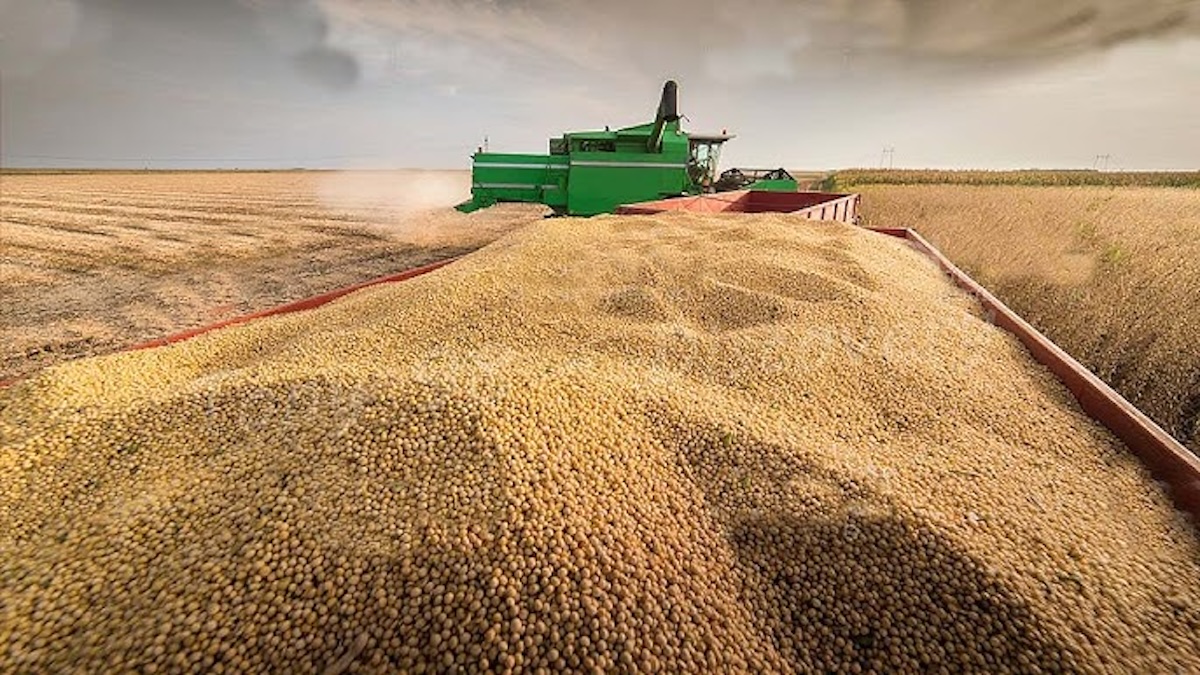
In 2025, US soybean exports to China plummeted to 218 million bushels from January to August, with no deliveries recorded in June, July, and August. This stark decline contrasts with the 985 million bushels shipped in the previous year, which accounted for 51% of the US’s total soybean exports.
Brazil, the world’s largest soybean producer, is expected to harvest 169 million metric tons in the 2024/25 crop year, representing approximately 40% of global output. The US, with a crop of 119 million tonnes, accounts for 28%, meaning the two countries together supply 68% of the world’s soybeans.
A columnist under the pseudonym ‘Old Farmer’ on Guancha.cn criticized the trade standoff, stating, ‘American soybean farmers have become the sacrificial victims of their own domestic political struggle.’ He argued that the tariff war carries limited economic meaning but significant political implications, reflecting the deep ideological rift in the US.
Wang Chong, director of the Center for American Studies at Zhejiang International Studies University, noted that China’s halt in soybean imports has deeply affected farmers in states like Illinois, Iowa, and Minnesota, which are strongholds of Trump’s MAGA movement. He suggested that China could use soybean imports as a bargaining chip in trade talks, seeking concessions such as easing restrictions on chip export controls or opening the US market to Chinese electric vehicles.
The US-China trade standoff intensified on April 2 when Trump announced a plan to impose reciprocal tariffs on all countries, warning of heavier duties for any nation retaliating against the US. Although both sides agreed on May 12 to ease the confrontation, Chinese goods continue to face tariffs ranging from 30% to 50% in the US, while US exporters pay a 10% tariff in China.
The current trade truce is set to expire on November 10 if negotiations fail to progress. Meanwhile, Beijing has ordered its importers not to purchase any US soybeans since May. Chinese Foreign Ministry spokesperson Guo Jiakun emphasized the need for consultation based on equality, respect, and mutual benefit.
In response to the mounting pressure on farmers, the Trump administration is reportedly preparing a $10 billion bailout package to offset losses in export markets. US Treasury Secretary Scott Bessent criticized China’s decision to use American soybean farmers as pawns in trade negotiations.
The halt in China’s soybean purchases has significantly impacted US exports to China, which fell 16.8% in the three months between June and August 2025 compared to the same period last year. This decline underscores the broader implications of the ongoing trade tensions between the two economic giants.