标签: Asia

亚洲

  • Pakistani forces kill 30 militants after deadly ambush that killed soldiers in country’s northwest

    Pakistani forces kill 30 militants after deadly ambush that killed soldiers in country’s northwest

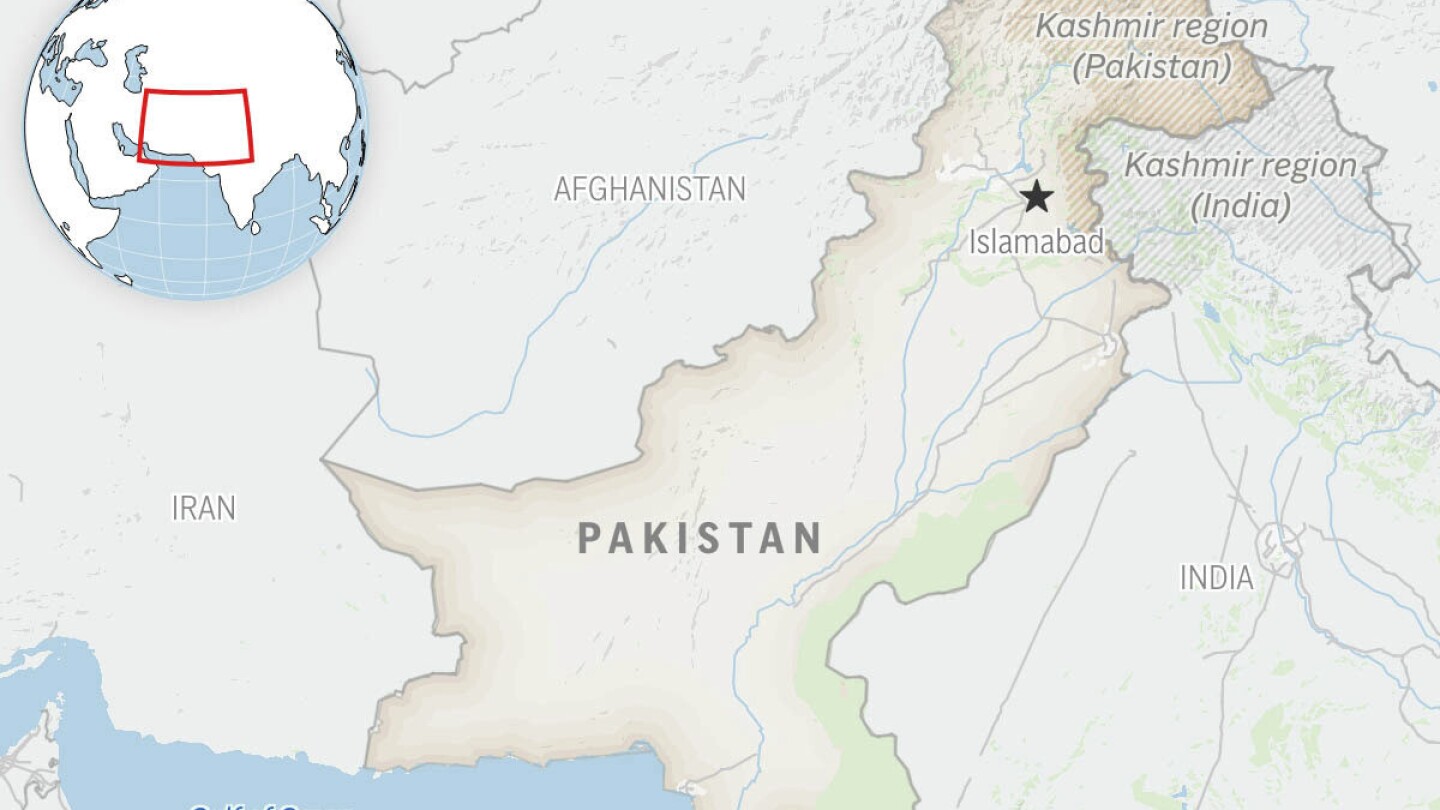
    Pakistani security forces have conducted a series of targeted operations in the northwestern region, resulting in the deaths of 30 militants linked to the Pakistani Taliban, according to a military statement released on Friday. The raids were launched in response to a deadly ambush earlier this week that claimed the lives of 11 soldiers, including two senior officers, in Orakzai, a district within Khyber Pakhtunkhwa province. The military identified the slain militants as members of “Khwarij,” a term used by the government to describe groups allegedly supported by India, including the banned Tehrik-e-Taliban Pakistan (TTP).

    The operations, carried out on Wednesday and Thursday, were described as a decisive response to the ambush. “These successful operations have avenged the heinous act and brought the main perpetrators to justice,” the military stated. It further emphasized that efforts are ongoing to eliminate any remaining “Indian-sponsored Khwarij” in the area, underscoring Pakistan’s resolve to eradicate terrorism.

    In a separate incident on Friday night, a group of Pakistani Taliban militants, including suicide bombers, attacked a police training center in Dera Ismail Khan, another city in the northwest. Local police reported multiple blasts and an ongoing exchange of gunfire, with reinforcements dispatched to the scene. The TTP claimed responsibility for the attack, which occurred hours after Pakistan’s army spokesperson, Lt. Gen. Ahmad Sharif, urged Afghanistan’s Taliban government to prevent the use of its territory for launching attacks on Pakistan.

    Pakistan has long accused India of supporting separatist movements in Balochistan and the TTP, allegations India denies. The recent surge in militant violence has strained relations between Pakistan and Afghanistan, with many TTP leaders believed to operate from sanctuaries across the Afghan border. Pakistani Defense Minister Khawaja Mohammad Asif reiterated the country’s commitment to responding decisively to such attacks, stating that Pakistan would target “those places from where insurgents attack our security forces.”

    The escalation in violence comes amid a broader resurgence of militant activity in the region, with the TTP gaining momentum since the Taliban’s takeover of Kabul in 2021. The situation remains tense as Pakistani forces continue their operations to neutralize threats and restore security.

  • Taiwan to build air defence dome against ‘hostile threats’

    Taiwan to build air defence dome against ‘hostile threats’

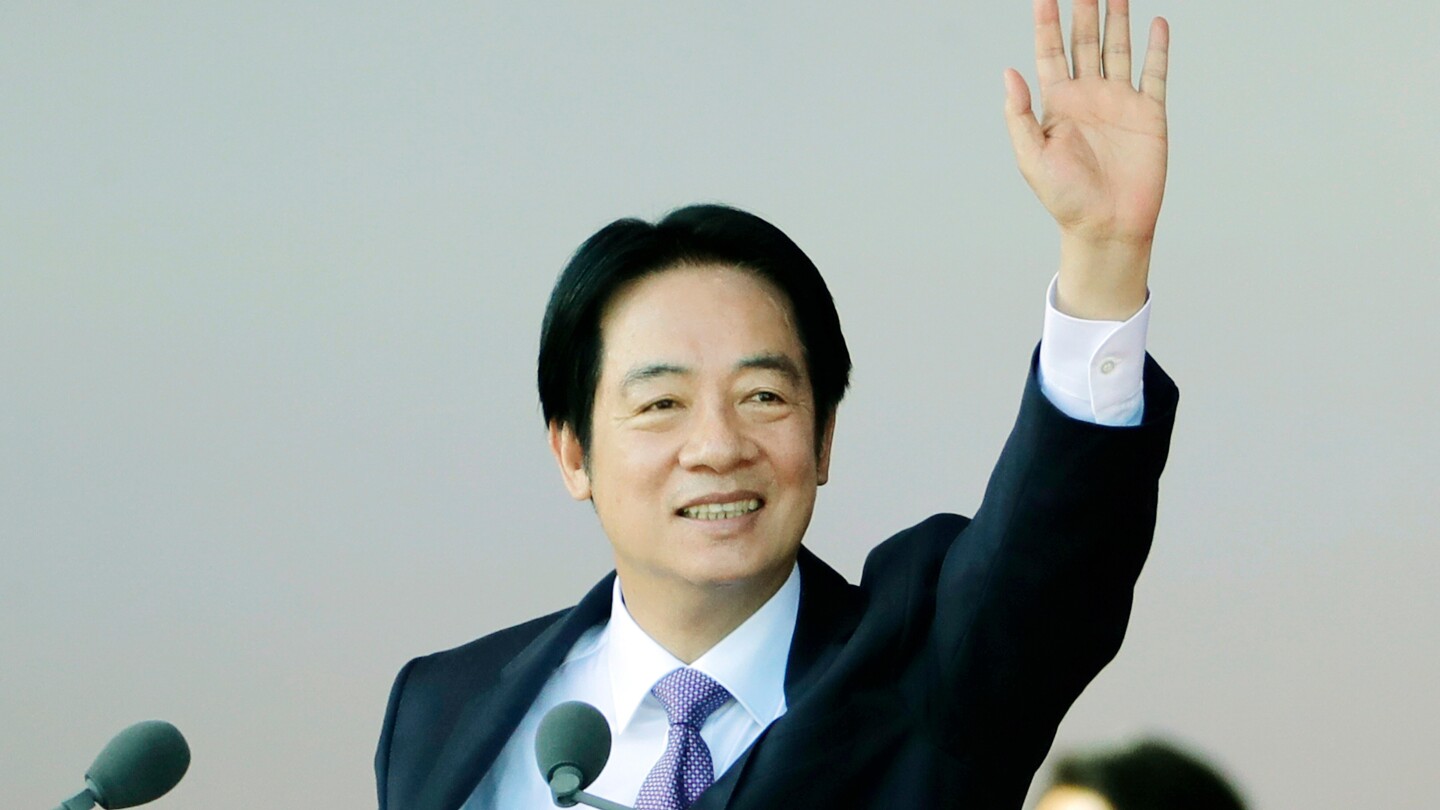
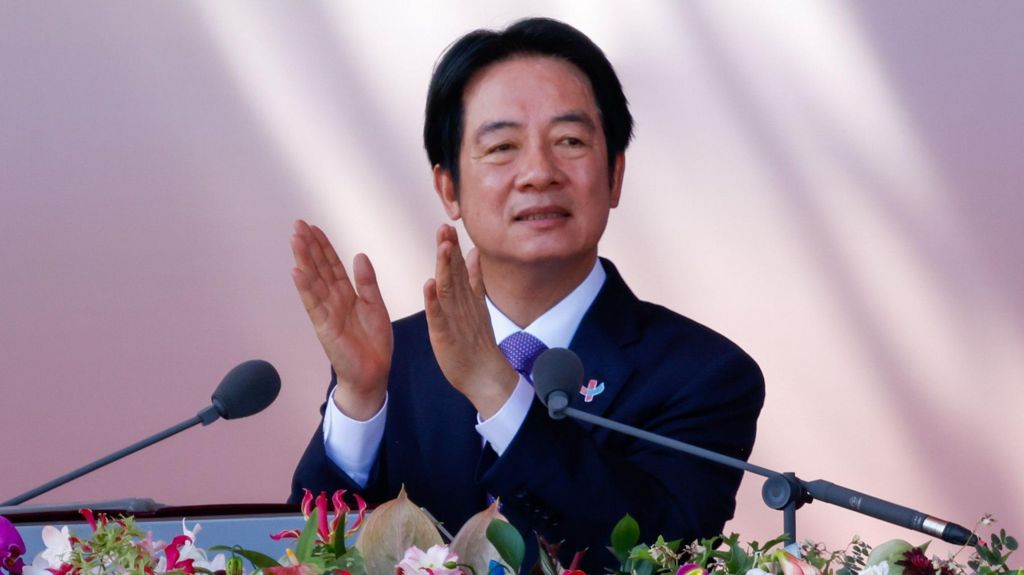
    Taiwanese President William Lai has announced plans to develop a cutting-edge air defense system, dubbed the ‘T-Dome,’ to counter potential threats from China. The announcement came during his National Day address, where Lai emphasized the urgent need to bolster Taiwan’s defenses in response to escalating Chinese military activities near the island. While Lai did not explicitly name China, the context was clear, given Beijing’s longstanding claim over Taiwan and its refusal to rule out the use of force to achieve reunification. The T-Dome, inspired by Israel’s Iron Dome, aims to provide multi-layered defense, advanced detection, and effective interception capabilities to safeguard Taiwanese citizens. Lai revealed that Taiwan’s defense spending will rise to over 3% of its GDP next year, with a target of 5% by 2030. However, this ambitious plan faces significant hurdles, including opposition from lawmakers who have blocked several defense-related spending bills this year. Analysts caution that implementing the T-Dome will require substantial financial resources and time, potentially extending beyond Lai’s current term. The announcement also appears to signal Taiwan’s commitment to self-defense to the United States, which is legally obligated to support Taiwan in the event of an attack. Lai urged China to act responsibly by renouncing the use of force in the Taiwan Strait, drawing parallels to the lessons of World War II. Despite Beijing’s labeling of Lai as a ‘separatist,’ his administration has taken a firmer stance against China, including significant investments in military preparedness and large-scale defense exercises.

  • Wall Street tumbles to its worst day since April after Trump threatens more tariffs on China

    Wall Street tumbles to its worst day since April after Trump threatens more tariffs on China

    The tranquility that had enveloped Wall Street for months was abruptly shattered on Friday as U.S. stocks experienced a significant downturn. This dramatic shift was triggered by President Donald Trump’s announcement that he is considering a substantial increase in tariffs on Chinese imports. The S&P 500 plummeted by 2.7%, marking its worst performance since April. Similarly, the Dow Jones Industrial Average dropped by 878 points, or 1.9%, and the Nasdaq composite fell by 3.6%. The market had initially been on a path to modest gains in the morning, but Trump’s social media post on Truth Social, where he expressed his discontent with China’s restrictions on rare earth exports, sent shockwaves through the financial world. Rare earths are crucial for manufacturing a wide range of products, from consumer electronics to jet engines. Trump’s post also indicated that a planned meeting with Chinese President Xi Jinping during an upcoming trip to South Korea might no longer be necessary. The escalation in tensions between the two largest global economies led to widespread declines across Wall Street, with nearly six out of every seven stocks in the S&P 500 falling. The downturn affected a broad spectrum of companies, from tech giants like Nvidia and Apple to smaller firms grappling with the uncertainty surrounding tariffs and trade. The market’s vulnerability to a downturn was already a topic of discussion, as the S&P 500 had experienced a nearly relentless 35% rise from its low in April, leading some critics to argue that stock prices had become excessively high. Concerns were particularly pronounced in the artificial intelligence sector, where some saw parallels to the dot-com bubble of 2000. For stock prices to appear more reasonable, either a decline in prices or an increase in corporate profits would be necessary. Levi Strauss, for instance, saw its stock price drop by 12.6% despite reporting stronger-than-expected quarterly profits. The company’s full-year profit forecast was within Wall Street’s estimates, but it faced the challenge of heightened expectations following a significant surge in its stock price earlier in the year. The S&P 500 closed at 6,552.51, down by 182.60 points, while the Dow Jones Industrial Average ended at 45,479.60, a drop of 878.82 points. The Nasdaq composite finished at 22,204.43, down by 820.20 points. The oil market also saw significant movement, with the price of benchmark U.S. crude falling by 4.2% to $58.90 per barrel. This decline was partly attributed to a ceasefire between Israel and Hamas in Gaza, which alleviated concerns about potential disruptions to oil supplies. Brent crude, the international standard, dropped by 3.8% to $62.73 per barrel. In the bond market, the yield on the 10-year Treasury fell to 4.05% from 4.14% the previous day. This decline was influenced by a report from the University of Michigan indicating that consumer sentiment remains subdued, with concerns about high prices and weakening job prospects at the forefront. The Federal Reserve had recently cut its main interest rate for the first time this year, with further cuts anticipated to provide the economy with additional support. However, Fed Chair Jerome Powell has cautioned that the central bank may adjust its course if inflation remains high. A preliminary survey from the University of Michigan offered a glimmer of hope, showing that consumers’ expectations for inflation in the coming year had slightly decreased to 4.6% from 4.7% the previous month. While still elevated, this downward trend could help the Fed manage inflationary pressures. Internationally, stock markets in Europe and Asia also experienced declines, with Hong Kong’s Hang Seng falling by 1.7% and France’s CAC 40 dropping by 1.5%. However, South Korea’s Kospi surged by 1.7% following the reopening of trading after a holiday.

  • Jaiswal unbeaten on 173 as India reaches 318-2 against West Indies in second test

    Jaiswal unbeaten on 173 as India reaches 318-2 against West Indies in second test

    In a commanding display of batting prowess, Yashasvi Jaiswal led India to a strong position on the opening day of the second Test against West Indies in New Delhi. Jaiswal remained unbeaten on 173 runs, guiding India to 318-2 at stumps on Friday. The young opener notched his seventh Test century, facing 253 deliveries and showcasing remarkable resilience and skill throughout the day. Shubman Gill, captaining India for the first time in seven Tests, won the toss and elected to bat, contributing 20 not out by the close of play. India’s dominance continued after their emphatic victory in the first Test, where they won by an innings and 40 runs, taking a 1-0 lead in the two-match series. West Indies, who have not defeated India in their last 26 Tests since 2002, struggled to contain the hosts. Jaiswal reached his century off 145 balls, including 16 fours, during the second session. Earlier, India had gone to lunch at 94-1, with Lokesh Rahul dismissed for 38 off 54 balls. Sai Sudharsan, who scored a career-best 87, partnered with Jaiswal in a 193-run stand for the second wicket, propelling India to 220-1 at tea. Despite a dropped catch by West Indies’ Jomel Warrican, Sudharsan was eventually dismissed lbw in the final session. Jaiswal and Gill then steered India safely to the end of the day. Jaiswal’s innings marked the third-highest individual score by an Indian batter on the first day of a Test, trailing only Wasim Jaffer and Shikhar Dhawan. The 23-year-old left-handed opener, who has now crossed 150 five times in 48 Test innings, appears poised for further success on Saturday. India fielded an unchanged lineup, while West Indies made two changes, bringing in Anderson Phillip and Tevin Imlach.

  • Taiwan’s president pledges to build air defense system in face of China threat

    Taiwan’s president pledges to build air defense system in face of China threat

    In response to escalating military threats from China, Taiwan is fast-tracking the development of a comprehensive air defense system, referred to as the “Taiwan Shield” or “T-Dome.” President Lai Ching-te announced this initiative during a public address on Taiwan National Day, emphasizing the need to bolster the island’s defense capabilities. Lai pledged to increase defense spending to over 3% of GDP by 2025, with a target of 5% by 2030, citing the necessity to counter external threats and foster the growth of Taiwan’s defense industries.

  • Kim lauds North Korea’s legacy at ruling party anniversary

    Kim lauds North Korea’s legacy at ruling party anniversary

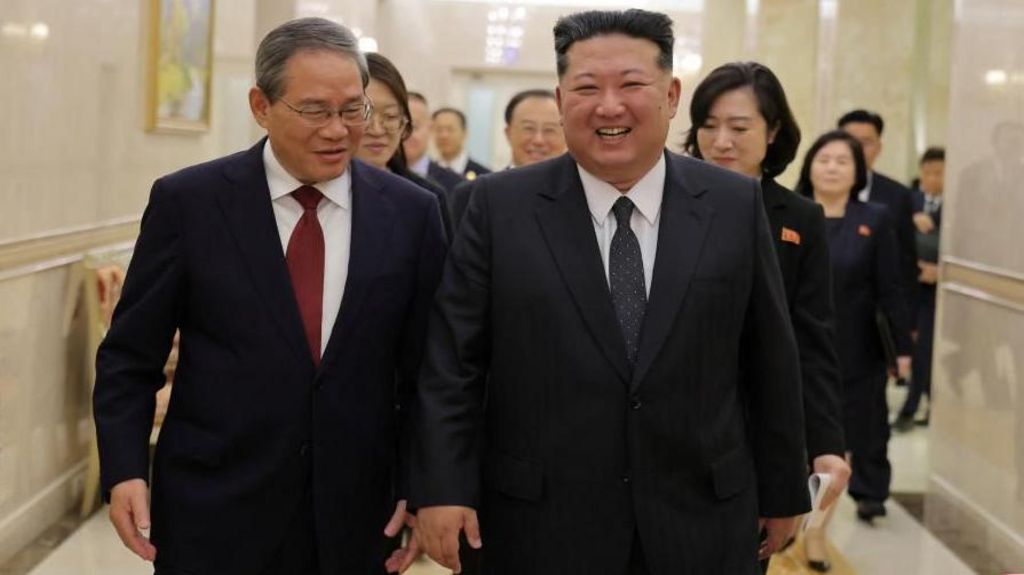
    North Korea marked the 80th anniversary of its ruling Workers’ Party with grand celebrations, welcoming high-ranking officials from allied nations, including Chinese Premier Li Qiang and Russia’s former President Dmitry Medvedev. The event, held in Pyongyang, showcased the country’s growing international prestige, according to North Korean leader Kim Jong Un. Kim emphasized that despite facing significant political and military pressure from adversaries, North Korea’s standing as a loyal member of the socialist bloc continues to strengthen. State media captured images of Kim warmly greeting foreign dignitaries and a spectacular fireworks display that illuminated the night sky. The festivities also included leaders from other socialist states, such as Vietnam’s Communist Party chief To Lam and Laos’s President Thongloun Sisoulith. Analysts suggest that the presence of such prominent figures underscores Pyongyang’s efforts to bolster diplomatic ties amid ongoing international sanctions. Premier Li’s attendance, in particular, signals a revival of North Korea-China relations, marking Beijing’s highest-level visit to Pyongyang since President Xi Jinping’s state visit in 2019. The celebrations also highlighted North Korea’s deepening alliance with Russia, as evidenced by the participation of Russian artists in the anniversary concert and the recent military pact between the two nations. The event culminated in a night-time military parade, where North Korea showcased its latest missile and weaponry advancements.

  • Two powerful quakes strike off southern Philippines, killing at least 7 people

    Two powerful quakes strike off southern Philippines, killing at least 7 people

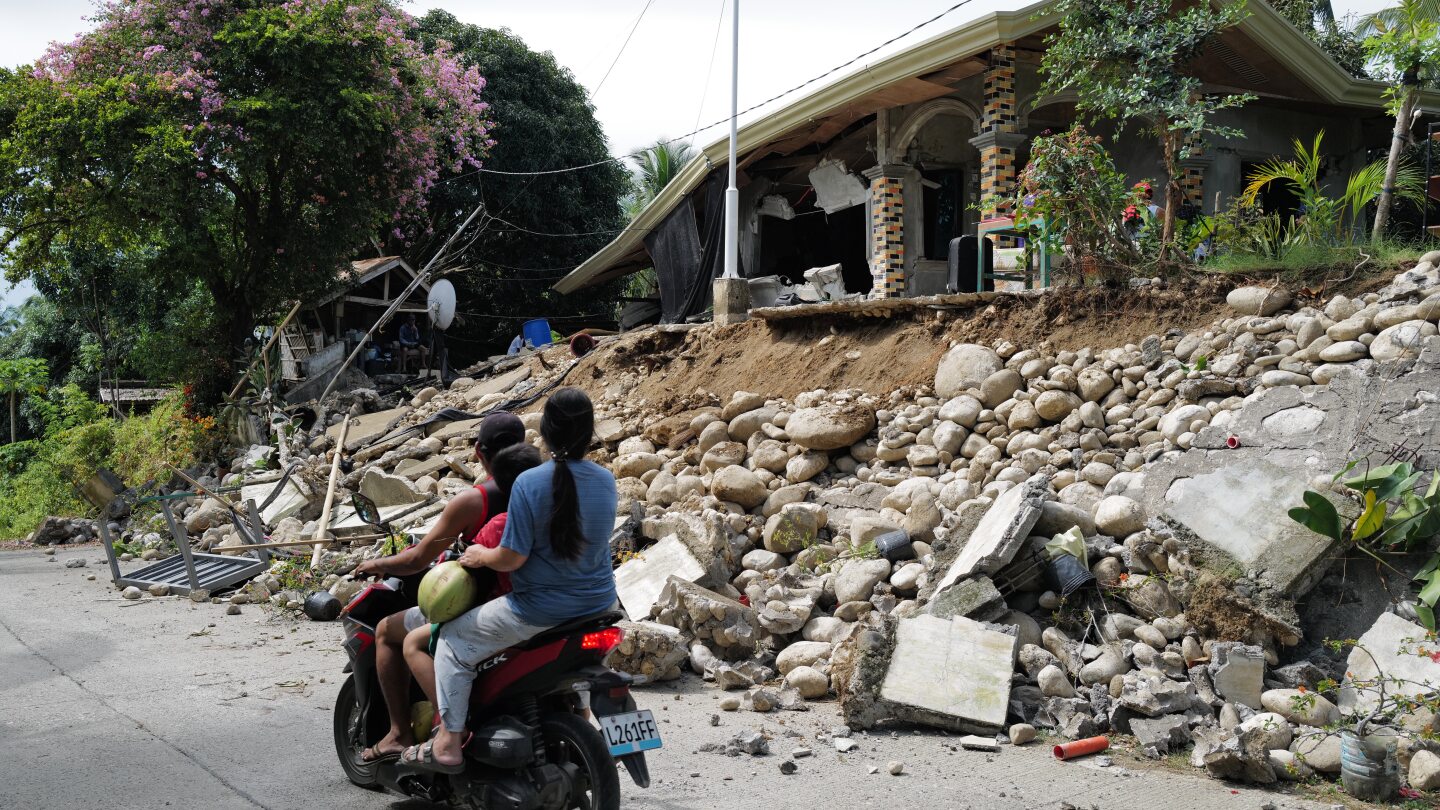
    The southern Philippines was struck by two powerful offshore earthquakes on Friday, causing significant damage, casualties, and widespread panic. The first earthquake, measuring 7.4 in magnitude, occurred in the Philippine Trench, 43 kilometers east of Manay town in Davao Oriental province. It resulted in at least seven fatalities, including two hospital patients who succumbed to heart attacks and a resident killed by debris in Mati city. The quake also triggered landslides in a remote gold-mining village in Pantukan town, where three villagers died and several others were injured. Hundreds of residents in Davao city sustained injuries, and buildings, including an international airport, suffered structural damage. Hours later, a second earthquake with a preliminary magnitude of 6.8 struck the same region, raising fears of further structural collapse. Both quakes prompted tsunami warnings, leading to evacuations in coastal areas. Small tsunami waves were detected in the Philippines and Indonesia, but the threat subsided without major incidents. President Ferdinand Marcos Jr. has mobilized rescue and relief efforts as the nation grapples with the aftermath of these disasters, compounded by recent storms and a deadly earthquake in September.

  • India to upgrade Kabul mission to full embassy, signaling deeper ties with Taliban

    India to upgrade Kabul mission to full embassy, signaling deeper ties with Taliban

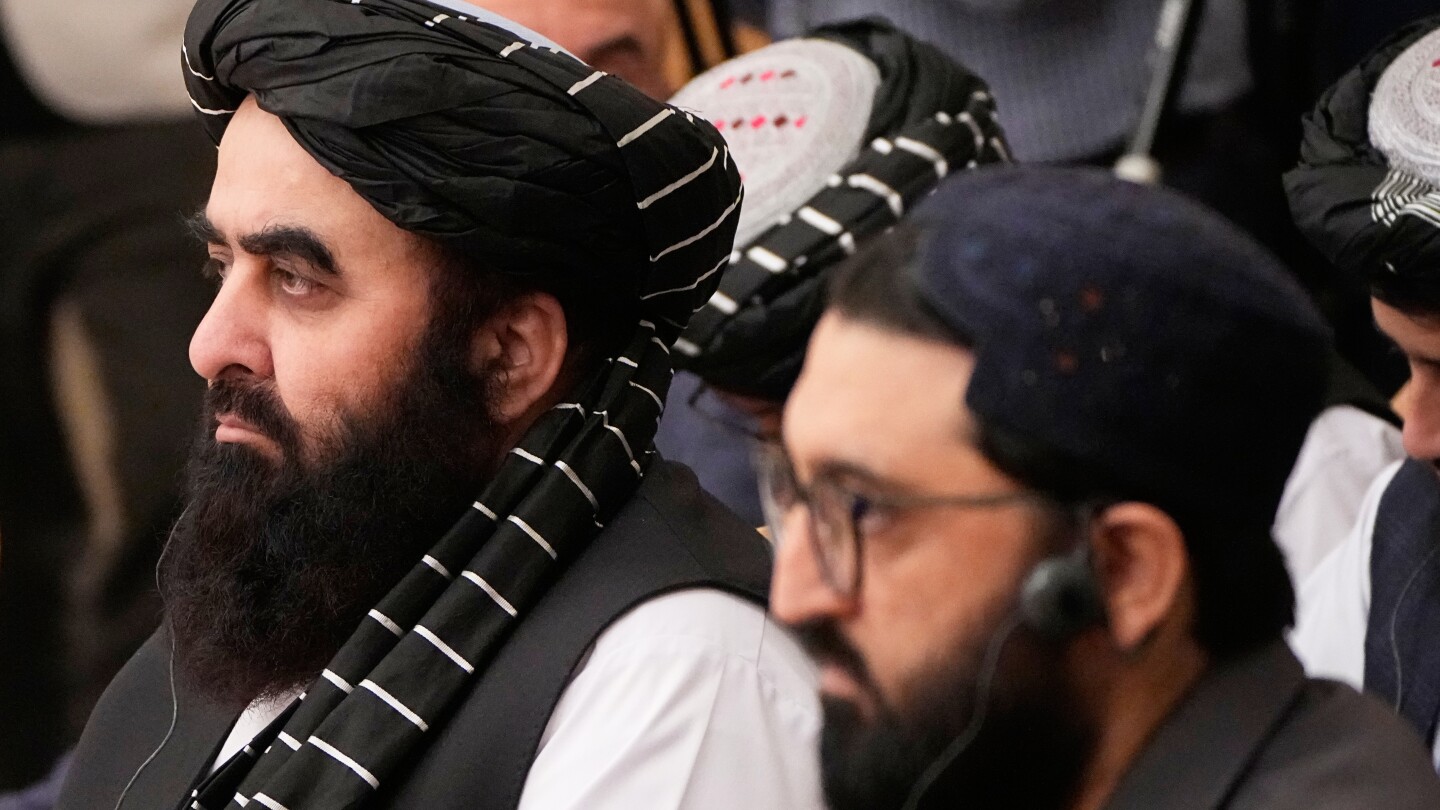
    In a significant diplomatic move, India has announced the upgrade of its technical mission in Kabul to a full embassy, signaling a deepening engagement with Taliban-ruled Afghanistan. Indian Foreign Minister Subrahmanyam Jaishankar made the announcement on Friday following a meeting with his Afghan counterpart, Amir Khan Muttaqi, in New Delhi. This marks the first high-level diplomatic interaction since the Taliban’s return to power in 2021, ending two decades of U.S. military presence in the region. Jaishankar emphasized India’s commitment to Afghanistan’s sovereignty, development, and stability, pledging support in trade, health, and education sectors. He stated that closer cooperation between the two nations would foster regional resilience and stability. Muttaqi, who arrived in India after receiving a temporary travel exemption from U.N. sanctions, expressed Kabul’s desire for strong relations with India. His visit follows participation in an international meeting on Afghanistan in Russia, which included representatives from China, Pakistan, and Central Asian nations. India’s pragmatic outreach to the Taliban reflects a strategic recalibration aimed at countering regional rivals, particularly Pakistan and China, both of whom have significant influence in Afghanistan. Experts suggest that India’s engagement is driven by the need to avoid strategic isolation and to establish a foothold in a region where geopolitical rivalries are intensifying. Despite historical tensions and concerns over the Taliban’s governance, India has maintained steady contact with the group, focusing on humanitarian aid and development support. The move underscores India’s evolving foreign policy priorities and its bid to strengthen its position as a regional power.

  • Oman: 8 killed, 2 injured in major traffic accident

    Oman: 8 killed, 2 injured in major traffic accident

    A devastating traffic accident in Oman’s Wilayat of Duqm has resulted in the deaths of eight individuals and left two others injured, according to a statement released by Oman’s Ministry of Health on Thursday. The collision involved two vehicles, marking one of the most severe road incidents in the region this year. In a related development, Oman Police announced the arrest of an individual of Asian nationality for recording a video of the crash. Authorities stated that the video depicted the bodies of the victims, prompting legal action against the individual. The incident has sparked discussions about road safety and the ethical implications of recording such tragic events. The police have not disclosed further details about the accident’s cause or the identities of those involved, but investigations are ongoing.

  • Paragliders: The army’s lethal new weapon in Myanmar’s civil war

    Paragliders: The army’s lethal new weapon in Myanmar’s civil war

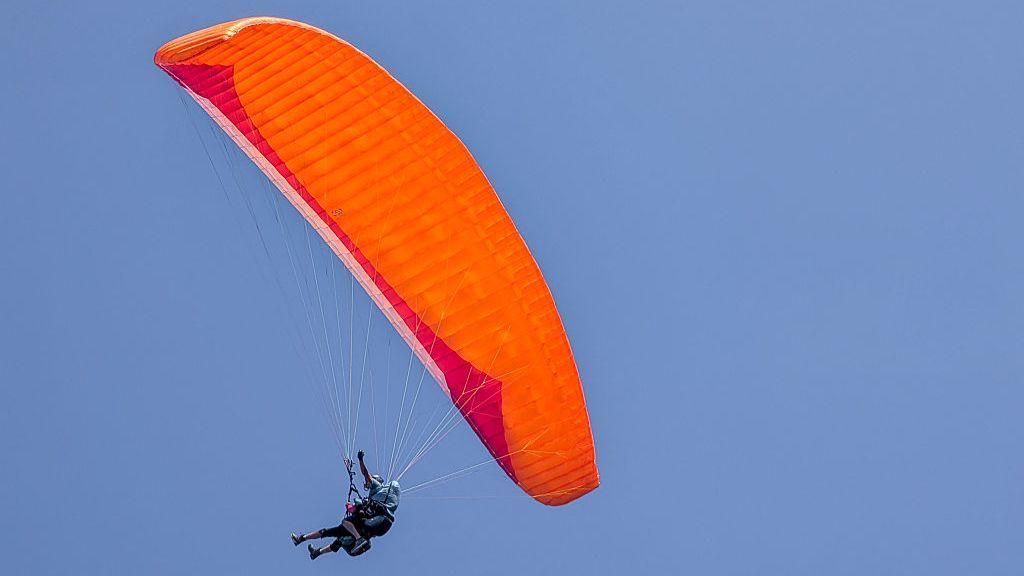
    In a chilling escalation of Myanmar’s ongoing civil war, paramotor attacks have surged in recent months, transforming these low-tech aerial devices into instruments of terror. The latest incident occurred during a Thadingyut festival in Chang U township, Sagaing region, where nearly 100 people had gathered to celebrate the full moon and protest against the military junta. The festive atmosphere turned to horror as a paramotor—a motorized paraglider—dropped bombs on the crowd, killing at least 26 people and injuring dozens more. Witnesses described the attack as ‘mass murder,’ with one survivor recounting the trauma of believing his lower body had been severed. This attack is part of a broader pattern of paramotor strikes that have become a grim hallmark of Myanmar’s conflict. These devices, which can carry up to 160kg of payload, including 120mm bombs, are cheap, easy to operate, and require minimal pilot training. Their low-altitude flight capability allows them to strike with precision, often under the cover of darkness. Military sources reveal that paramotors are produced at Myanmar’s state-owned Heavy Industry Number 10, making them a cost-effective alternative to conventional aircraft. However, their slow speed, vulnerability to ground fire, and inability to operate in severe weather limit their effectiveness. Despite these drawbacks, their use reflects the junta’s strategy of low-cost aerial dominance amid resource constraints. The conflict, which began with a military coup in 2021, has displaced millions and claimed thousands of lives. China’s increasing support for the junta, including arms sales and drone technology, has further complicated the situation. As paramotor attacks target civilian gatherings, the humanitarian crisis deepens, leaving residents with few defenses beyond makeshift bunkers. This new wave of terror underscores the evolving nature of warfare in Myanmar, where innovation meets brutality.