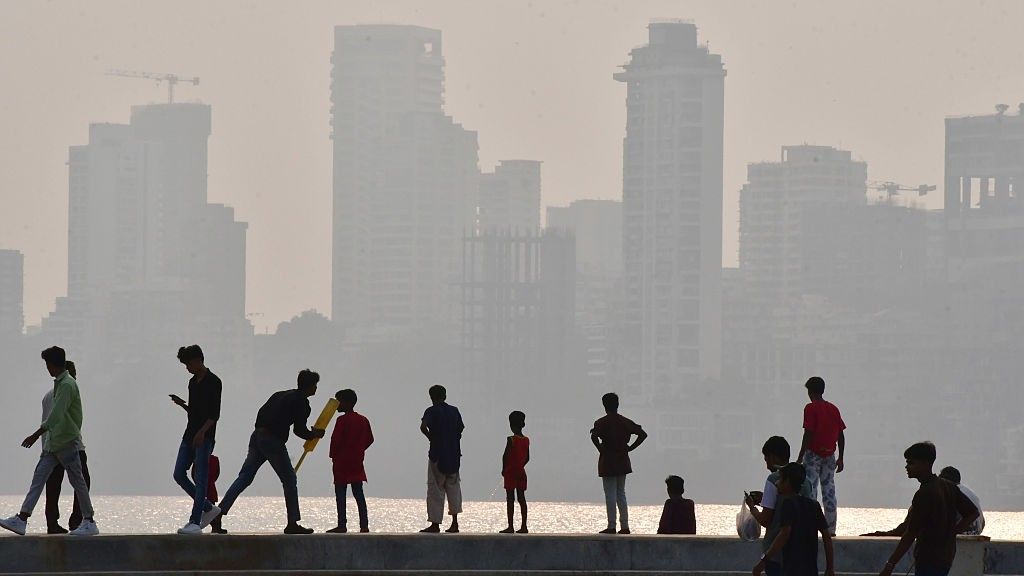
India is grappling with a severe air pollution crisis, now ranking among the world’s top 10 most polluted countries. A recent study by six Indian scientists reveals that sunshine hours—the duration of direct sunlight reaching the Earth’s surface—have steadily declined across most of India over the past three decades. Published in *Scientific Reports*, the study analyzed data from 20 weather stations between 1988 and 2018, showing a nationwide reduction in sunshine hours, with only the northeast region experiencing mild seasonal relief. The steepest declines were observed in northern inland cities like Amritsar and Kolkata, as well as along the Himalayan belt and the west coast, particularly Mumbai. Seasonal patterns revealed significant increases in sunshine from October to May, followed by sharp drops from June to July in six of India’s nine regions. This decline is linked to India’s long-standing air pollution crisis, driven by rapid urbanization, industrial growth, and biomass burning, which have increased aerosol emissions and cloud formation. Aerosols have reduced sunlight reaching the ground by 13%, while clouds accounted for an additional 31-44% drop in surface solar radiation between 1993 and 2022. The study highlights concerns for agriculture, daily life, and India’s solar energy ambitions, with air pollution reducing solar panel output by 12-41% and costing an estimated $245-835 million in lost power generation. Cleaner air could boost India’s annual solar energy production by 6-28 terawatt hours, enough to power millions of homes. However, the impact of pollution extends beyond energy, causing significant crop yield losses in rice and wheat. While global trends show a rebound in sunlight due to cleaner air, heavily polluted countries like India are missing out, risking their renewable energy goals and overall development.
标签: Asia
亚洲
-
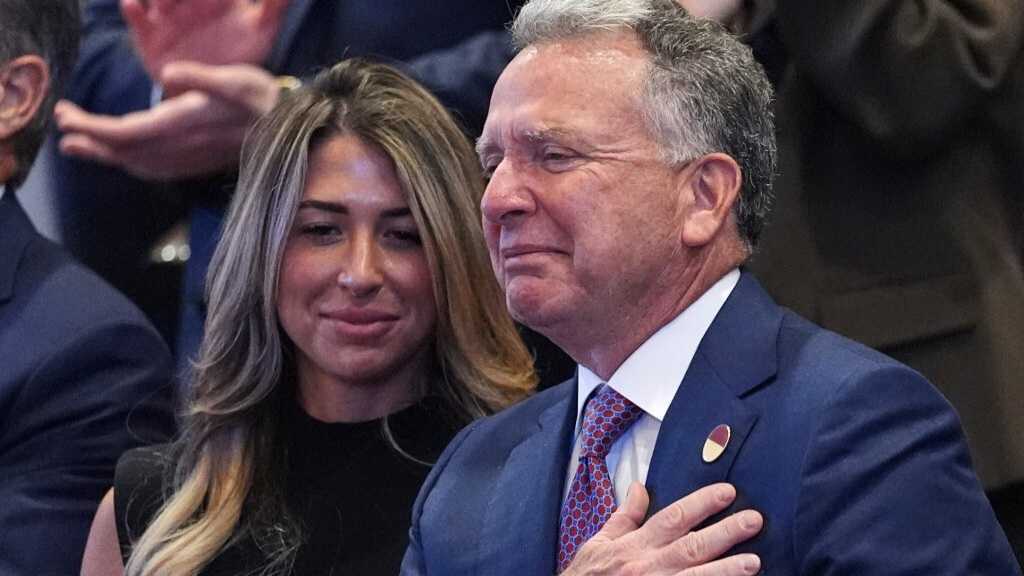
Witkoff praises ‘vital’ UK role in Gaza ceasefire after US ambassador dismisses contribution
The Trump administration’s Middle East envoy, Steve Witkoff, has acknowledged the “vital role” played by the United Kingdom in facilitating Gaza ceasefire negotiations. This statement comes in stark contrast to remarks made by Mike Huckabee, the US ambassador to Israel, who labeled British Education Secretary Bridget Phillipson as “delusional” for her claims about the UK’s involvement in the talks. Phillipson had asserted that the UK had been instrumental in shaping the ceasefire efforts, a claim that Huckabee vehemently disputed on social media platform X, urging her to credit former President Donald Trump instead. Despite the public spat, Witkoff emphasized the UK’s significant contributions to the diplomatic process, marking a historic moment in Israel’s peace efforts. Meanwhile, Phillipson faced further criticism from Israel’s deputy foreign minister, Sharren Haskel, who accused the UK of undermining negotiations by recognizing a Palestinian state. Haskel argued that such actions sent a message to Hamas that prolonging the conflict could yield rewards. The diplomatic tensions coincide with UK Prime Minister Keir Starmer’s attendance at the signing ceremony of Trump’s Gaza plan in Egypt. The UK’s relationship with Israel has been strained over the past year, exacerbated by decisions such as banning Israeli students from the Royal College of Defence Studies and excluding Israeli officials from a major arms trade show. However, military cooperation has persisted, with the UK continuing to supply parts for F-35 fighter jets used in Gaza and conducting surveillance flights that provide intelligence to Israel. The Ministry of Defence maintains that these flights are aimed at rescuing Israeli captives, though their exact role remains unclear.
-
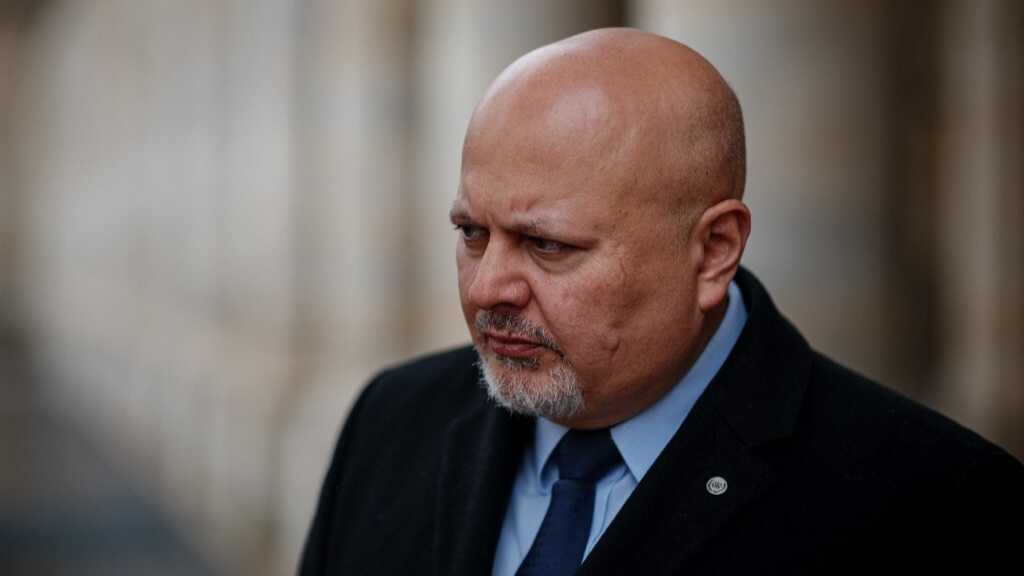
Exclusive: ICC senior officials accused of ‘prejudice’ over Karim Khan probe
The International Criminal Court (ICC) is under intense scrutiny for its handling of a sexual misconduct complaint against Chief Prosecutor Karim Khan. Middle East Eye (MEE) has revealed that the complainant was in contact with Margareta Kassangana, a vice president of the ICC’s governing body, the Assembly of States Parties (ASP), before the case was referred to the United Nations’ Office of Internal Oversight Services (OIOS) for an external investigation. This unprecedented move has raised concerns about due process and Khan’s right to privacy. Kassangana’s involvement in discussions with the complainant prior to the investigation has further complicated the matter, casting doubts on the impartiality of the process. Meanwhile, another ASP member, Ugandan Ambassador Mirjam Blaak, has been accused of prejudicial conduct after a recording surfaced of her making inappropriate remarks about Khan’s accuser, suggesting his guilt was pre-determined. The Pan-African Business Forum (PABF) has called for an independent investigation into Blaak’s conduct, citing it as evidence of bias within the ASP. The ICC’s handling of the case has drawn widespread criticism, with former ICC judge Cuno Tarfusser expressing deep concern over the breach of confidentiality and the potential undermining of the court’s integrity. Khan, who has been on leave since May 2024, denies the allegations, and internal investigations were closed after the complainant refused to cooperate.
-
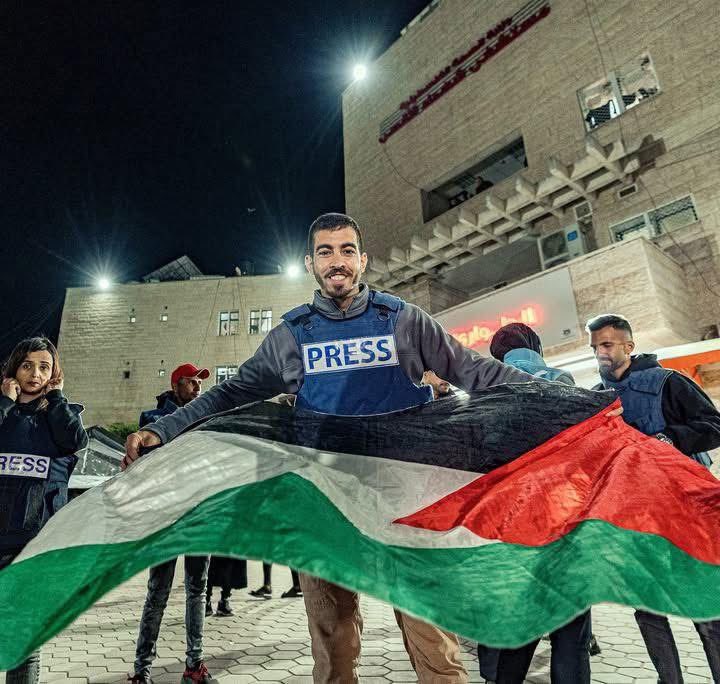
Gaza: Tributes pour in for slain Palestinian journalist Saleh al-Jafarawi
The tragic death of Palestinian journalist and activist Saleh al-Jafarawi has sparked an outpouring of grief and tributes across social media. Jafarawi, 28, was fatally shot multiple times on Sunday while covering clashes between an Israel-backed militia and Hamas fighters in Gaza City. His killing occurred just days after a ceasefire agreement was announced between Israel and Hamas, casting a shadow over hopes for peace in the region.
Al Jazeera reported that the armed militia sought to exploit the security vacuum following the ceasefire announcement. The clashes also claimed the lives of several displaced Palestinians, further escalating tensions in the besieged enclave.
Jafarawi, known for his courageous reporting and hopeful demeanor, had become a symbol of Palestinian resilience. Over the past two years, he documented the ongoing conflict in Gaza, earning widespread admiration for his dedication to truth and justice. Social media users and fellow journalists mourned his loss, with many highlighting his unwavering commitment to his people and his land.
‘He loved his people, he loved his religion, he loved his land. He covered the genocide for two years as the powers of the world tried to silence his voice,’ wrote a prominent pro-Palestine account on Instagram. ‘His voice will live on, even after the occupation ends.’
Jafarawi’s death has also reignited discussions about the dangers faced by journalists in Gaza. According to Brown University’s Watson Institute, Israel has killed more journalists in Gaza than in any other modern conflict, surpassing even the toll of major wars like World War II and the Vietnam War.
The tragedy is compounded by the fact that Jafarawi’s brother, Naji, was among the Palestinian prisoners released as part of the ceasefire agreement. Naji will now return home to bury his brother instead of celebrating their reunion.
Jafarawi’s legacy as a voice of truth and courage continues to inspire, even as the world mourns his untimely death. His work and sacrifice serve as a stark reminder of the human cost of conflict and the enduring struggle for justice in Palestine.
-
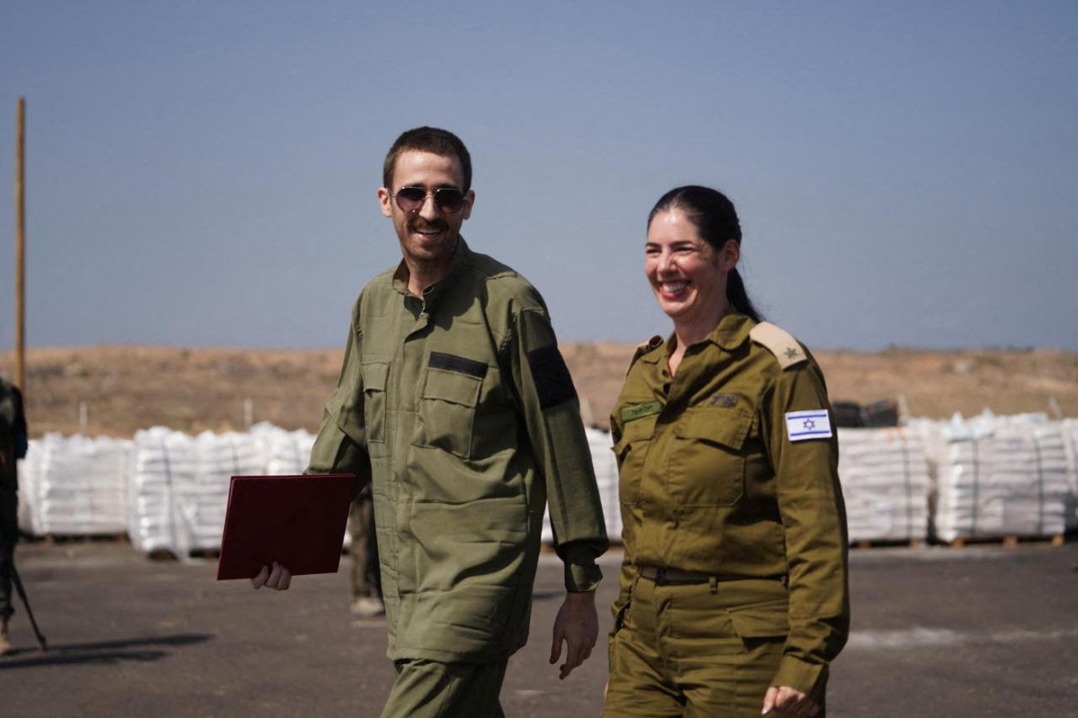
Israeli hostages, Palestinian prisoners freed in ceasefire deal
In a significant development in the ongoing Israel-Hamas conflict, a US-brokered ceasefire agreement has led to the release of 20 Israeli hostages held by Hamas and the liberation of 250 Palestinian prisoners serving life sentences in Israeli jails. The exchange, which took place on October 13, 2025, marks a pivotal moment in the protracted conflict that has plagued the region for years. Among the released Palestinians, 135 will be deported abroad, while 14 will return to their homes in East Jerusalem. In return, Israel has committed to releasing over 2,000 Palestinian detainees. The deal, however, has not been without controversy. Reports emerged of Israeli forces raiding the homes of Palestinian prisoners, including Ahmed Ka’abneh, who has been imprisoned since 1997. Additionally, a Palestinian man was shot in the foot during a demonstration outside Ofer military prison. Israeli Prime Minister Benjamin Netanyahu hailed the release of the hostages as a ‘historic event’ but emphasized that the military campaign is far from over. US President Donald Trump, en route to Israel, acknowledged Hamas’s rearming in Gaza, stating that the US had temporarily approved it. The disarmament of Hamas remains a contentious issue in the ceasefire negotiations, with no clear resolution in sight.
-
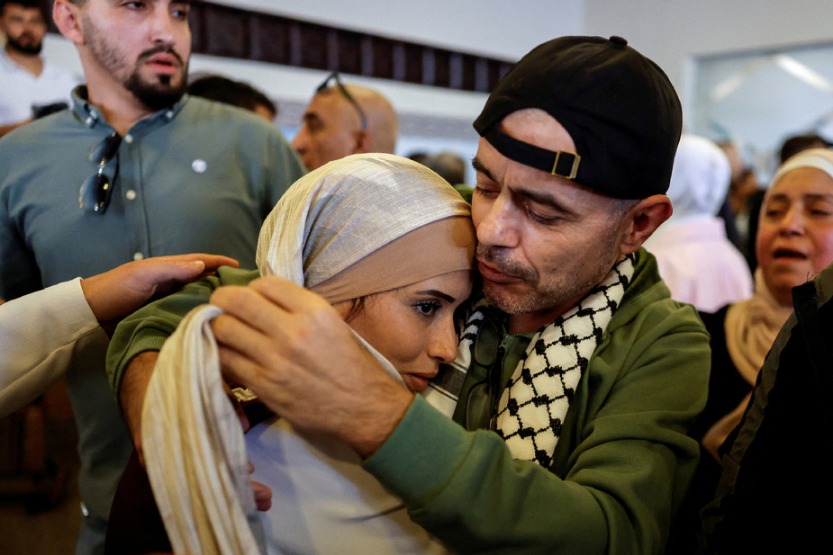
Palestinian prisoners being released from Israeli jails
In a significant development in the ongoing conflict between Israel and Hamas, a prisoner-hostage exchange has been initiated as part of a broader ceasefire agreement. On October 13, 2025, Israeli authorities began releasing Palestinian prisoners from jails, following Hamas’ release of 20 Israeli hostages earlier in the day. The exchange, mediated by international parties, marks a critical step toward de-escalating tensions in the region. According to the agreement, approximately 2,000 Palestinian detainees are set to be freed. Meanwhile, Israel confirmed the safe return of 13 hostages, the last living Israelis held by Hamas in Gaza. These individuals are currently being escorted by Israeli soldiers and Shin Bet agents, undergoing medical assessments before reuniting with their families. Hamas has reiterated its commitment to fulfilling its obligations under the truce pact, emphasizing the role of mediators in ensuring Israel’s compliance. Additionally, Hamas officials announced plans to return the remains of 28 deceased hostages later on Monday. The Israeli military released photos of the returned hostages, showing them in good health. This exchange, while a temporary respite, underscores the fragile nature of the ceasefire and the complexities of the Israeli-Palestinian conflict.
-
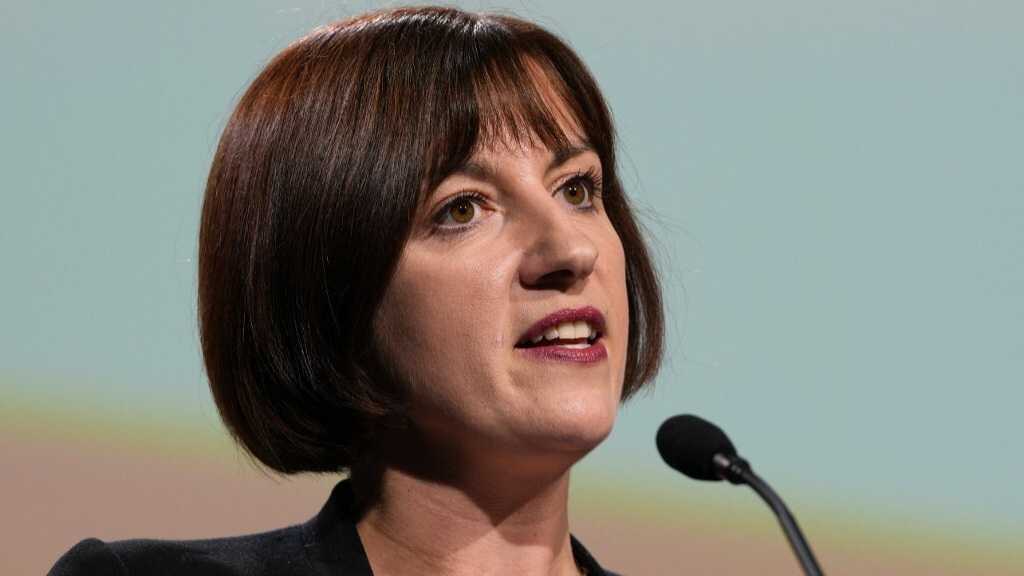
Pro-Israel group gets £1m from UK government to ‘identify’ antisemitism
The British government has allocated a £1 million funding package to the Union of Jewish Students (UJS), a pro-Israel organization, to deliver antisemitism training across universities. This initiative aims to equip university staff with tools to identify and address harassment and hate, fostering open and respectful debate on campuses. The Department for Education (DfE) announced the plan on Sunday, emphasizing that universities failing to protect Jewish students could face regulatory action. The UJS, which describes itself as the ‘voice of Jewish students,’ has ties to the World Zionist Organization, a group known for funding illegal Israeli settlements in the occupied West Bank and East Jerusalem. Critics argue that the training program, based on the International Holocaust Remembrance Alliance (IHRA) definition of antisemitism, may stifle legitimate criticism of Israel. The announcement follows heightened tensions in the UK, including student protests against the Gaza conflict and antisemitic attacks. Education Secretary Bridget Phillipson is set to meet with university leaders and faith groups to ensure student safety. Meanwhile, new protest restrictions introduced by Home Secretary Shabana Mahmood have sparked controversy, with critics labeling them as authoritarian. The UJS has faced scrutiny for its pro-Israel advocacy and alleged funding from the Israeli embassy, raising questions about its role in shaping campus discourse.
-
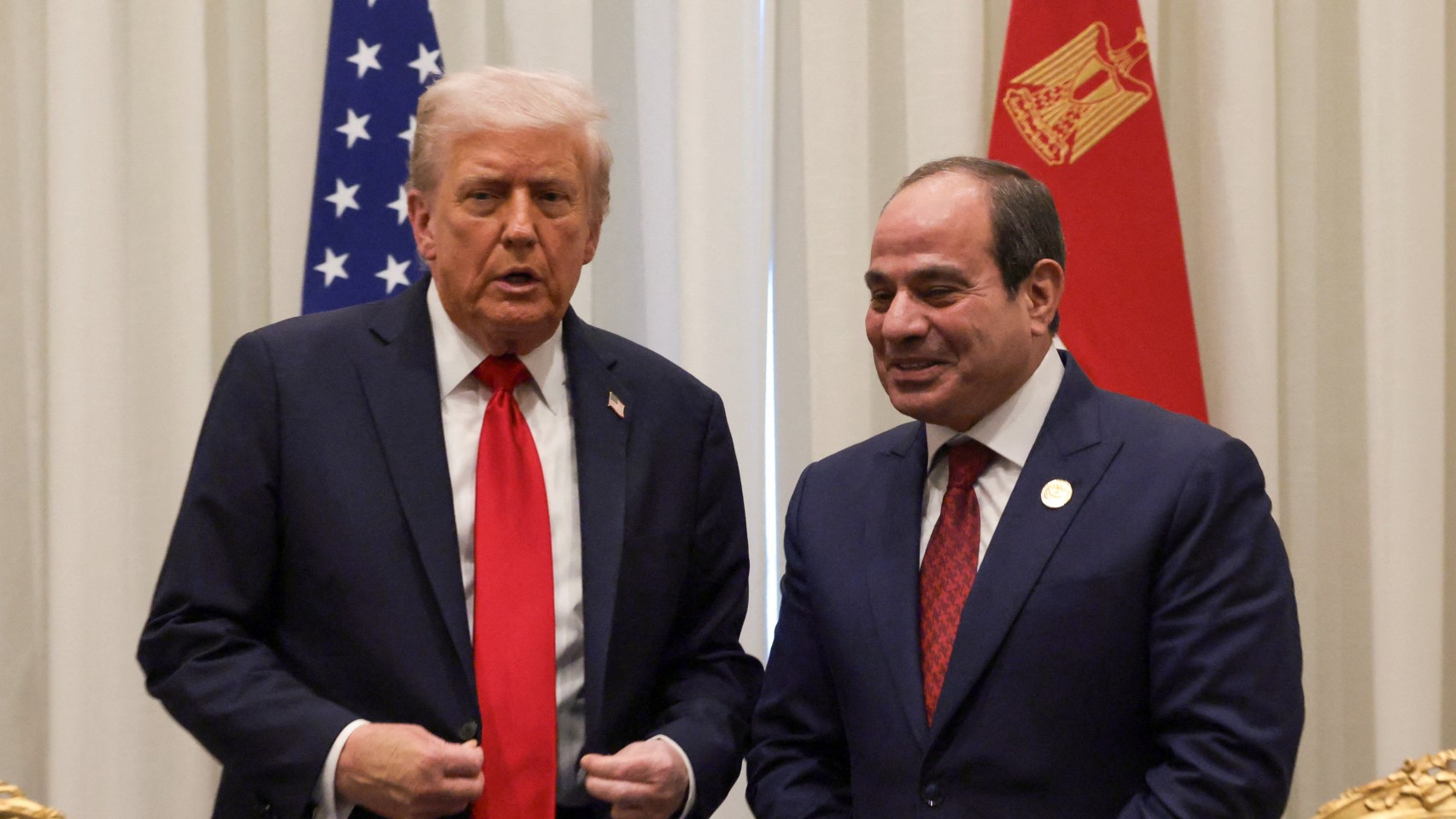
World leaders descend on Egypt to sign Trump’s Gaza ceasefire deal
In a landmark event, leaders and officials from over two dozen nations convened in Sharm el-Sheikh, Egypt, on Monday to formalize a ceasefire agreement aimed at concluding Israel’s prolonged conflict in Gaza. The summit, orchestrated by Qatar’s Emir Sheikh Tamim bin Hamad Al Thani and Egyptian President Abdel Fattah el-Sisi, saw the participation of prominent figures including Palestinian Authority President Mahmoud Abbas, Turkish President Recep Tayyip Erdogan, and Indonesian President Prabowo Subianto. Notably absent were representatives from Hamas and Israel, as well as the leaders of Saudi Arabia and the United Arab Emirates, who opted to send lower-level delegates instead.
US President Donald Trump, who arrived to a warm reception, played a pivotal role in the proceedings. He praised Israeli Prime Minister Benjamin Netanyahu as ‘one of the greatest wartime leaders’ and heralded the ceasefire as a ‘once in a lifetime deal.’ Trump unveiled the ‘Trump Declaration for Enduring Peace and Prosperity,’ a memorandum signed by the US, Egypt, Qatar, and Turkey, which emphasized diplomatic resolutions over force and the protection of fundamental human rights for both Palestinians and Israelis.
The ceasefire agreement, reached days prior, stipulated the release of Israeli captives by Hamas and the return of Palestinian detainees by Israel. While celebrations erupted in Israel, Gaza witnessed subdued reunions due to Israeli warnings against public celebrations. However, critical questions remain unresolved, including Gaza’s governance, Israeli troop withdrawal, and Hamas’s disarmament.
Trump’s controversial 20-point peace plan, announced earlier, proposed the creation of a Board of Peace led by the US president. Former British Prime Minister Tony Blair, whose involvement has sparked mixed reactions, was also named to the committee. Despite his controversial legacy in the region, Blair met with Palestinian officials to discuss post-war strategies and the implementation of Trump’s peace efforts.
Hamas, in a statement, claimed that Netanyahu had ‘submitted to the resistance’s conditions,’ highlighting the group’s efforts to protect Israeli captives during the conflict. The war, which spanned over two years, resulted in significant civilian casualties and widespread destruction in Gaza, with recent reports indicating that over 80% of the fatalities were civilians.
-
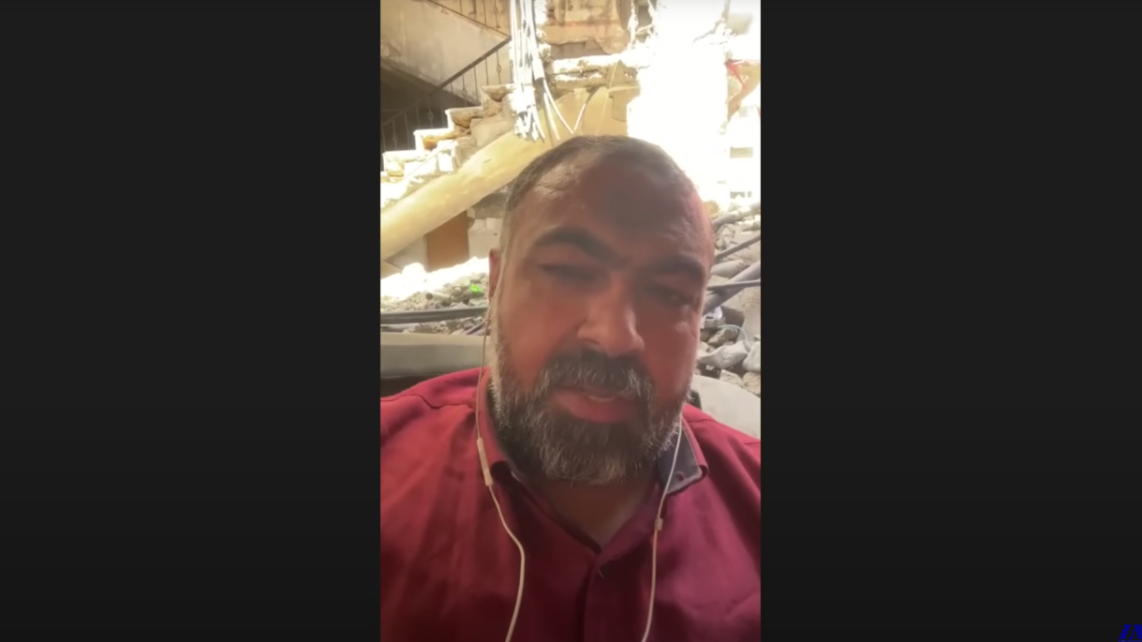
‘My joy was shattered’: Journalist grieves killing of third son as ceasefire arrives too late
The announcement of a ceasefire in Gaza, intended to bring relief to war-torn communities, instead marked another devastating loss for journalist Motasem Dalloul. Just hours after U.S. President Donald Trump declared the end of hostilities, Dalloul received the heart-wrenching news that his 21-year-old son, Ibrahim, had been killed by Israeli forces while searching for food. This tragedy marks the third son Dalloul has lost since the onset of what he describes as the ‘genocide in Gaza.’
Dalloul, a prominent journalist, has remained steadfast in Gaza City throughout the two-year conflict, refusing to evacuate despite repeated Israeli threats and invasions. His family has been displaced 13 times, most recently living in a tent in the al-Rimal neighborhood. The relentless violence has left them grappling with unimaginable hardships, including famine and the destruction of their home and livelihood.
On the day before the ceasefire, Ibrahim and his friends ventured south in search of food, driven by unbearable hunger and the hope of earning money by selling goods in the north. However, their journey ended in tragedy near the al-Nabulsi roundabout, where Israeli forces opened fire. The exact circumstances of the attack remain unclear, but the loss has left Dalloul and his family shattered.
Dalloul’s grief is compounded by the memories of his wife, Riham, and their two-year-old son, Abu Bakr, who were killed in an Israeli bombing last year while waiting for flour. Three months later, his son Yehya was fatally shot by an Israeli tank as they searched the rubble of their destroyed home. Dalloul’s pain is palpable as he reflects on the loss of his loved ones and the destruction of his family’s future.
Despite the ceasefire, Dalloul emphasizes that the suffering in Gaza continues. The region’s infrastructure lies in ruins, and basic necessities remain scarce. As the community begins to reckon with their losses, the scars of war run deep. Dalloul’s story is a poignant reminder of the human cost of conflict and the enduring resilience of those who endure it.
-

Trump’s 130% China tariff looks like another TACO moment
The global economic landscape is bracing for potential upheaval as former US President Donald Trump proposes a staggering 130% tariff on Chinese imports, escalating the US-China trade war to unprecedented levels. While markets react with alarm, analysts remain skeptical about the likelihood of such a drastic measure being implemented on November 1 as threatened. The imposition of such tariffs between the world’s two largest economies could trigger a global recession, with the combined $45 trillion output of the US and China forming the backbone of international trade. The cessation of commerce between these economic giants would be catastrophic for trade-dependent nations, potentially leading to a near-extinction-level event for their economies. The core issue, however, lies not in the tariff threat itself but in the underlying motivations driving Trump’s aggressive stance. The stated rationale—a response to China’s restrictions on critical mineral exports—appears to mask a broader agenda. Trump’s recent setbacks in trade negotiations with South Korea, Japan, and the European Union have left him increasingly desperate to secure a ‘grand bargain’ with China. Despite his bluster, many view this as a negotiating tactic rather than a genuine policy shift. Goldman Sachs analysts suggest that the ultimate outcome will likely be an extension of the current tariff pause. Meanwhile, Chinese President Xi Jinping appears to hold the upper hand, leveraging Trump’s desperation to his advantage. As the global economy teeters on the brink, the stakes have never been higher, with the potential for renewed volatility and risk repricing looming large.