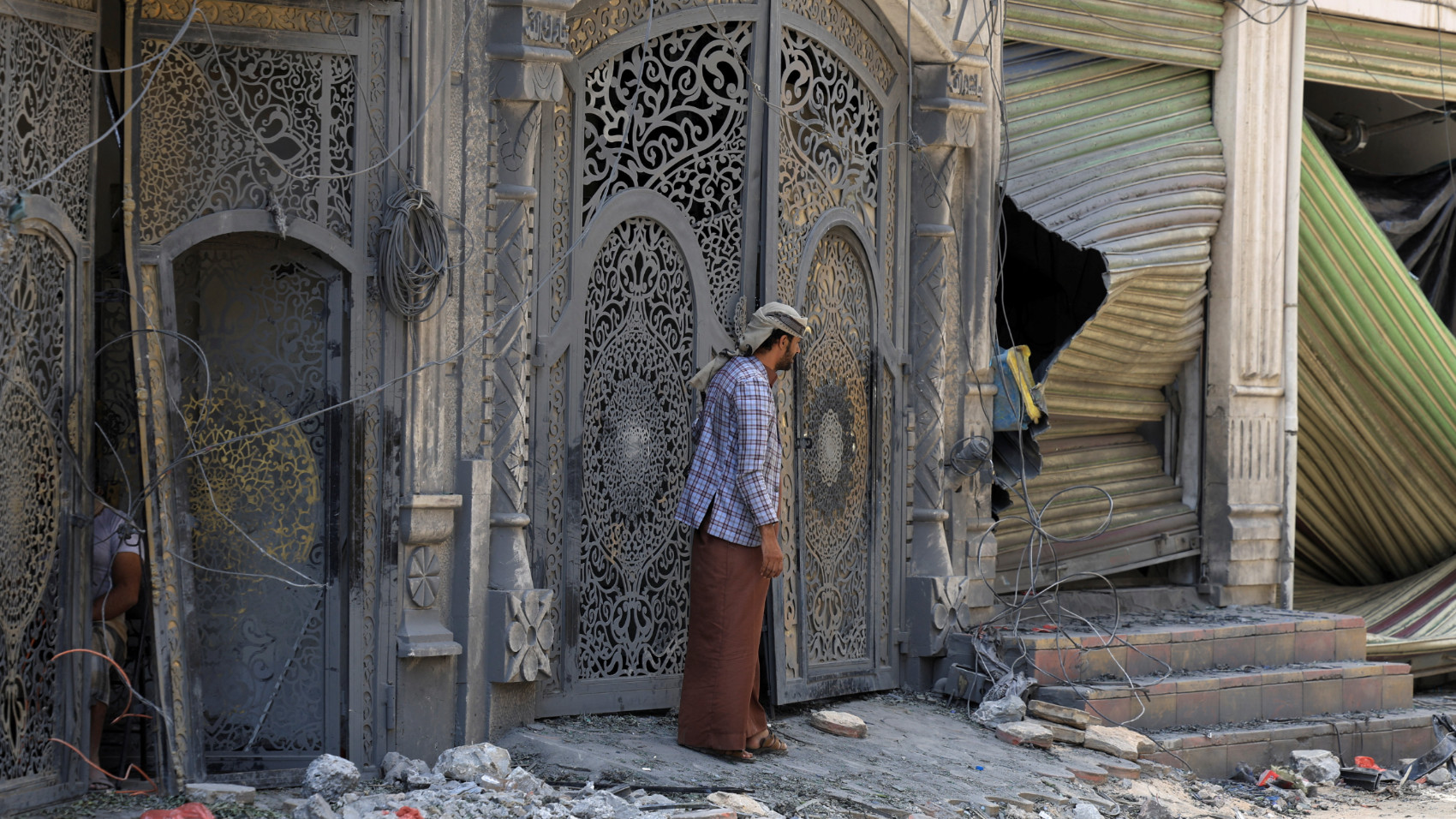
For two years, Amer Ali, a resident of Aden in southern Yemen, actively participated in protests against Israel’s military campaign in Gaza, which has resulted in over 68,000 casualties. Ali viewed these demonstrations as a moral obligation to oppose what the United Nations and genocide scholars have labeled as genocide. However, his commitment to the cause has been shaken by recent signals from the Southern Transitional Council (STC), Yemen’s primary separatist movement, indicating a willingness to normalize relations with Israel. Ali, a long-time supporter of southern secession, now finds himself at odds with the STC’s controversial stance. The STC, which has gained significant military and political influence since 2016 with support from the United Arab Emirates (UAE), controls much of southern Yemen. STC leader Aidarus al-Zoubaidi recently suggested that an independent southern state could pave the way for normalization with Israel, a move that has sparked widespread outrage across Yemen. Critics argue that such a decision would betray the Palestinian cause, which holds deep significance for Yemenis. Despite the STC’s claims that normalization could bring international recognition and stability, many Yemenis, including Ali, reject the idea outright. ‘Building ties with Israel to advance our cause is a grave misstep,’ Ali stated. ‘History will remember the STC as the first entity in Yemen to declare readiness to normalize relations with Israel.’ The STC’s alignment with the UAE, a signatory of the 2020 Abraham Accords with Israel, has further fueled suspicions that the council is prioritizing foreign interests over local sentiment. Political commentators like Sadam al-Huraibi argue that the STC’s pursuit of normalization is a strategic move to gain global legitimacy, but it risks alienating its base and undermining its long-term goals. As tensions rise, the STC’s controversial stance on Israel threatens to deepen divisions within Yemen’s already fractured political landscape.
标签: Asia
亚洲
-

The Indian woman who stood up to moral policing – and won a pageant
Muskan Sharma, a 23-year-old from Uttarakhand, India, has become a symbol of resilience and empowerment after winning the Miss Rishikesh 2025 title. Her victory came just a day after she courageously confronted a group of men who criticized her and other contestants for wearing Western clothing during rehearsals. The incident, captured in a viral video, shows Sharma standing her ground against Raghavendra Bhatnagar, a local Hindu group leader, who accused the contestants of violating Uttarakhand’s cultural norms. Sharma retorted by questioning why he didn’t target shops selling alcohol and cigarettes instead of policing women’s clothing. Her defiance, supported by fellow contestants and organizers, ensured the pageant proceeded as planned, culminating in her crowning moment. Sharma dedicated her win to her mother, crediting her for instilling the courage to stand up for what is right. Her story has sparked conversations about gender equality and the challenges women face in India’s patriarchal society. Sharma now aims to compete in Miss Uttarakhand and Miss India, hoping to inspire more women to challenge societal norms and fight for their rights.
-
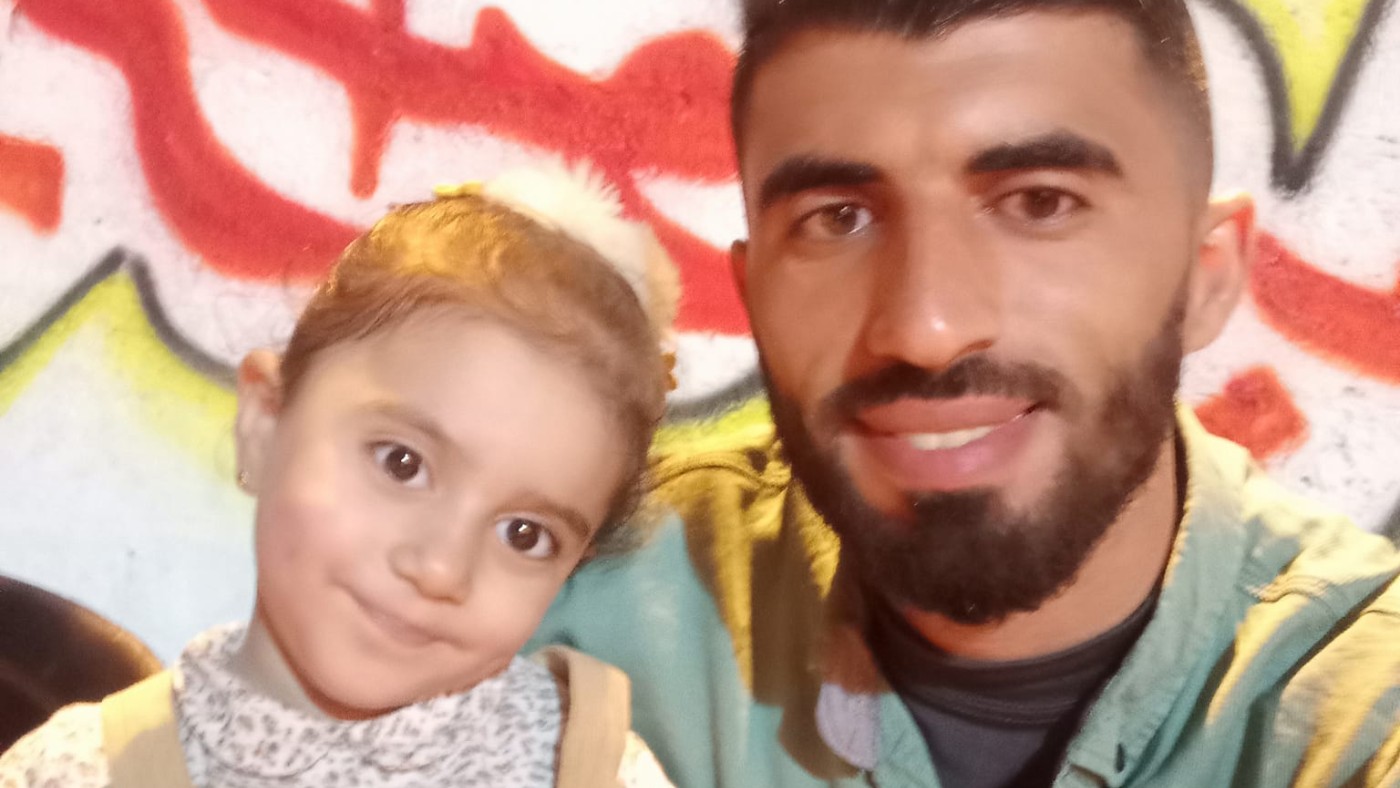
‘Are my kids alive?’ The Palestinian freed from Israeli detention to find his family killed
The Salem family’s story is a harrowing testament to the devastation wrought by Israel’s military actions in Gaza. Alaa Salem recounts the destruction of their home, the loss of 37 family members, and the arrest of his cousin, Haitham Salem, in November 2024. The family, already struggling with the aftermath of bombings, was forced to flee their neighborhood as Israeli tanks advanced and airstrikes intensified. Haitham and his brother Mohammed were among the men detained during the evacuation, while women and children were allowed to proceed. After months of uncertainty, Mohammed was released, bringing news that Haitham was alive but unaware of the family’s tragedies. Haitham’s wife, Intisar, and their three children were killed in a separate bombing, leaving him to face unimaginable grief upon his release. Haitham, an electrical engineer unaffiliated with any political group, endured brutal torture during his detention, falsely accused of ties to Hamas. His return to Gaza was marked by tears and anguish, as he mourned the loss of his family and the destruction of his homeland. The Salem family’s ordeal underscores the human cost of the conflict and the enduring scars left by war.
-
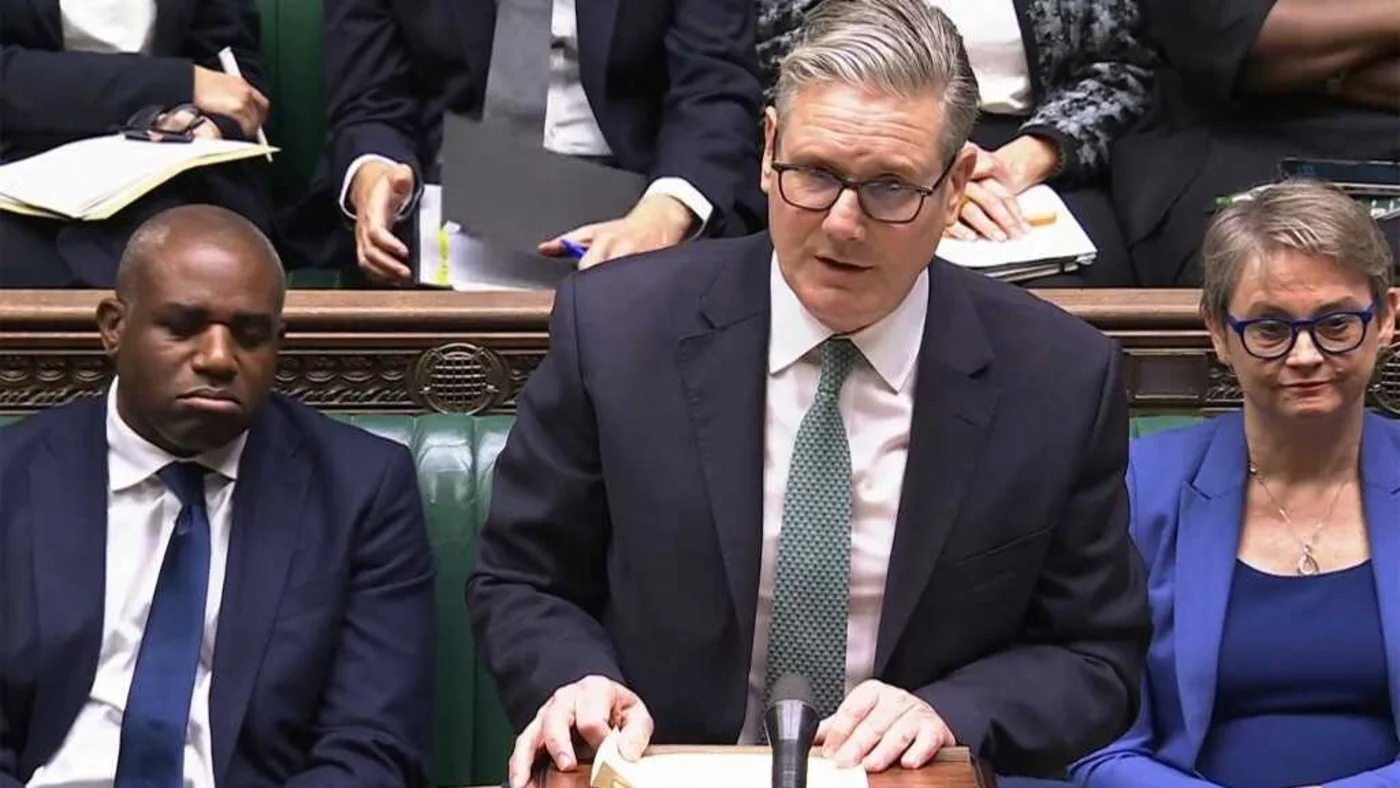
Starmer says ‘intifada’ chant is ‘call to attack’ Jewish people
In a significant parliamentary exchange, UK Prime Minister Keir Starmer unequivocally stated that the slogan ‘internationalise the intifada’ is a direct incitement to violence against Jewish communities worldwide. This declaration came in response to Conservative MP Julian Lewis’s inquiry, which sought clarity on the interpretation of the phrase often chanted at pro-Palestine demonstrations. Starmer’s firm stance marks a pivotal moment in the ongoing debate over the boundaries of protest rhetoric and its implications for community safety. The Prime Minister’s comments follow the government’s introduction of stricter protest regulations, aimed at mitigating the impact of frequent demonstrations on local communities. These measures, however, have sparked widespread criticism, with detractors arguing that they infringe upon the fundamental right to free expression. The controversy is further compounded by the recent classification of Palestine Action as a terrorist organization, a move that has drawn scrutiny from Europe’s top human rights official. Home Secretary Shabana Mahmood has emphasized the need for robust legal frameworks to address hate speech and crimes, ensuring that perpetrators face stringent legal consequences. This unfolding scenario underscores the delicate balance between safeguarding civil liberties and protecting communities from hate-fueled violence.
-
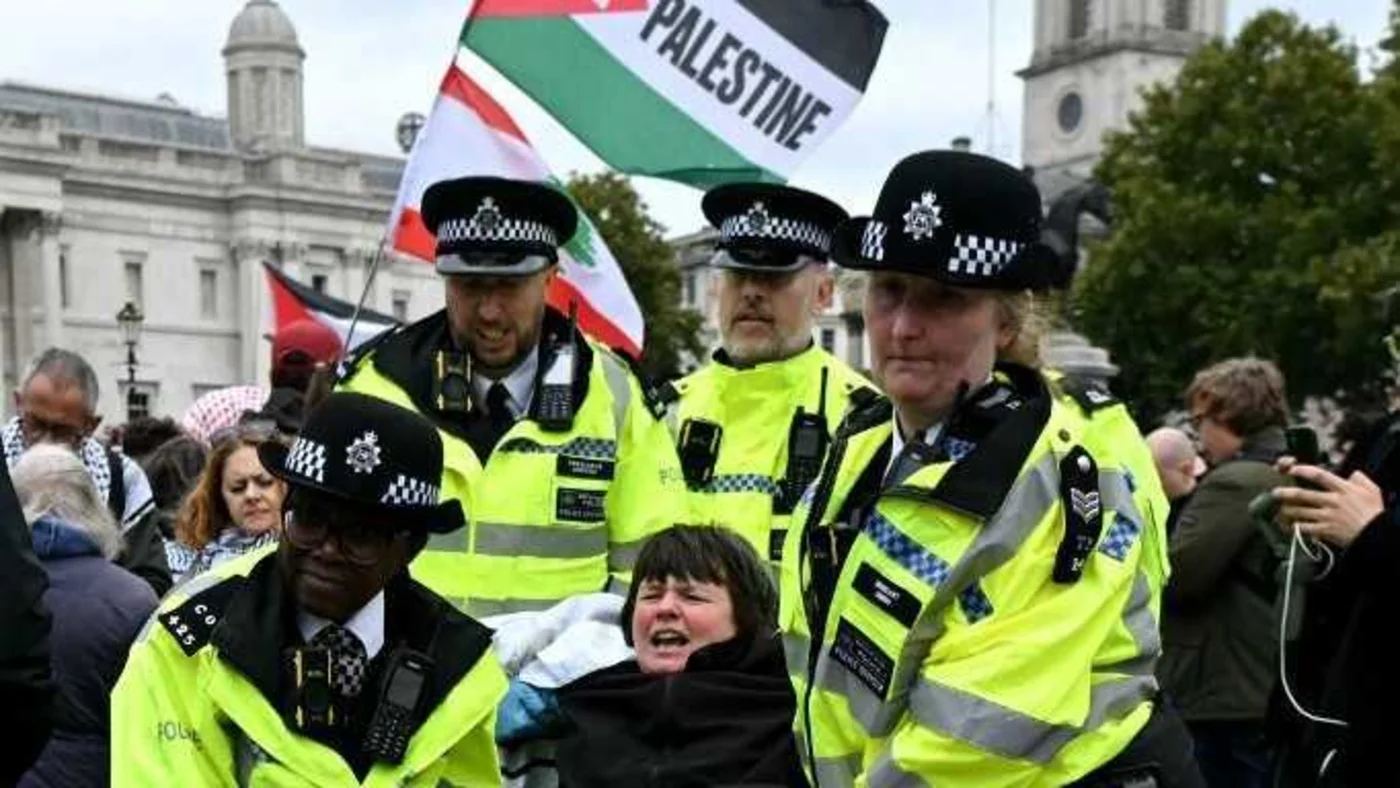
Top European human rights official urges UK to review protest laws over Palestine Action arrests
Europe’s top human rights official has called on the British government to reassess its protest laws following the controversial designation of Palestine Action as a terrorist organization. Michael O’Flaherty, the Council of Europe’s Commissioner for Human Rights, expressed concerns in a letter to UK Home Secretary Shabana Mahmood, stating that the current legal framework risks excessive restrictions on freedom of assembly and expression, potentially leading to overpolicing. This intervention follows a report by Middle East Eye revealing a significant increase in arrests under Section 13 counterterrorism powers since Palestine Action’s proscription in July. Hundreds have been detained for displaying placards opposing the ban, with supporting the group now a criminal offense punishable by up to 14 years in prison. O’Flaherty emphasized that domestic counterterrorism laws must not unduly limit fundamental rights and urged a comprehensive review of the UK’s protest policing legislation. His concerns align with a recent study by the International Federation for Human Rights (FIDH), which accused the UK, France, and Germany of criminalizing the right to protest. The UK government has also introduced new protest restrictions following a deadly attack on a Manchester synagogue, sparking widespread criticism for their authoritarian nature.
-
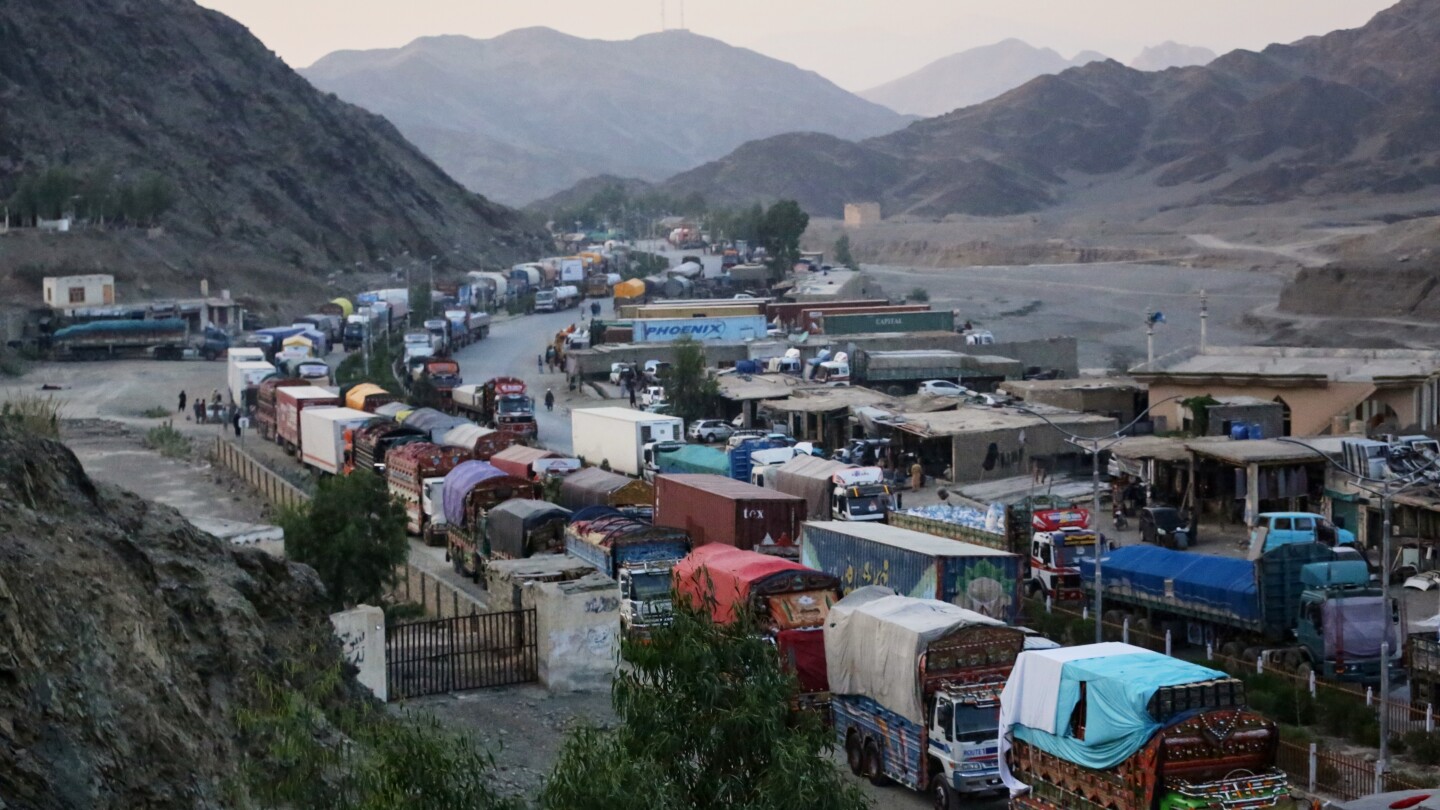
Pakistan reports a new clash with Afghan forces along northwest border
In a dramatic escalation of tensions, Pakistani and Afghan forces clashed on Tuesday in a remote northwestern border region. According to Pakistan’s state-run media, Afghan troops initiated “unprovoked fire,” which was met with a robust response from Pakistani forces. The confrontation resulted in damage to Afghan tanks and military posts, as reported by Pakistan TV and two anonymous security officials. Tahir Ahrar, a deputy police spokesperson in Afghanistan’s Khost province, confirmed the incident but declined to provide further details. This marks the second time this week that the two nations have exchanged fire along their volatile border. Pakistan’s media alleged that Afghan forces, in collaboration with the Pakistani Taliban, targeted a Pakistani post in Kurram district without provocation, prompting a forceful retaliation. Additionally, Pakistani security officials claimed that the military destroyed a significant training facility operated by the Pakistani Taliban. The clashes come amid heightened tensions following airstrikes last week, which the Taliban government in Kabul attributed to Pakistan. Pakistan has not acknowledged these allegations but has previously conducted strikes inside Afghanistan, targeting the Tehreek-e-Taliban Pakistan (TTP), a group it accuses Kabul of harboring. Afghanistan denies these accusations, asserting that its territory is not used against other nations. Despite appeals from Saudi Arabia and Qatar to de-escalate, all border crossings between the two countries remain closed, and the situation remains precarious.
-
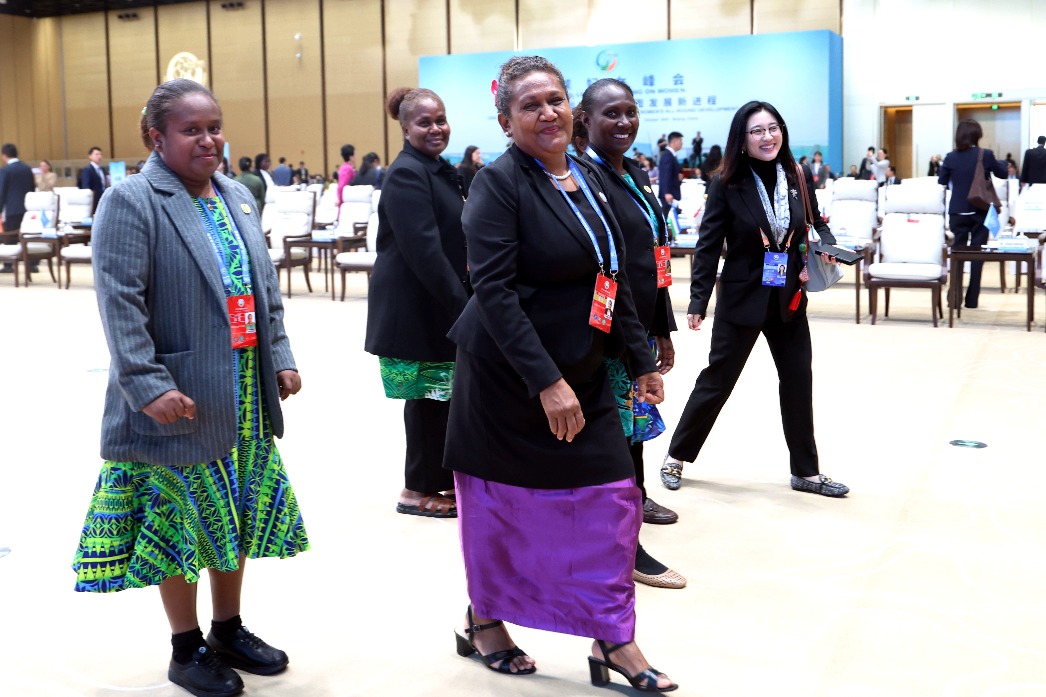
Female leaders urge global solidarity for women’s development
At the Global Leaders’ Meeting on Women held in Beijing, prominent female leaders from around the world emphasized the need for global solidarity to advance women’s development and address ongoing challenges. Cathy Nori, Minister of Women, Youth, Children, and Family Affairs of the Solomon Islands, highlighted the nation’s efforts to promote gender equality and protect women from violence. She also pointed out the disproportionate impact of climate change on women and girls, urging collective action to ensure no one is left behind. Gro Harlem Brundtland, former Prime Minister of Norway, reflected on the progress made since the Beijing Declaration in 1995 but stressed that significant work remains, particularly in areas like political participation, economic empowerment, and reproductive rights. Zhang Haidi, former Chairperson of the China Disabled Persons’ Federation, shared her personal story of resilience, inspired by her mother’s enduring strength despite decades of illness. She encouraged women, especially those with disabilities, to embrace their inner fortitude and create possibilities for a better society. The event underscored the importance of continued advocacy and collaboration to achieve gender equality and empower women globally.
-

US charges Cambodian executive in massive crypto scam and seizes more than $14 billion in bitcoin
In a landmark crackdown on global financial crime, U.S. authorities have seized over $14 billion in bitcoin and charged Chen Zhi, the founder of Cambodia’s Prince Holding Group, with orchestrating a sprawling cryptocurrency scam. The indictment, unsealed by Brooklyn federal prosecutors on Tuesday, accuses Chen and unnamed co-conspirators of exploiting forced labor to defraud investors and laundering illicit proceeds to fund a lavish lifestyle, including the purchase of yachts, private jets, and a Picasso painting. Chen, 38, faces charges of wire fraud conspiracy and money laundering conspiracy, with potential penalties of up to 40 years in prison if convicted. The U.S. Treasury Department has designated Prince Holding Group, a conglomerate involved in real estate and financial services, as a transnational criminal organization, while sanctions have been imposed by both U.S. and British authorities. Chen, who remains at large, is alleged to have sanctioned violence against workers, authorized bribes to foreign officials, and used his businesses, including online gambling and cryptocurrency mining, to launder profits. The scam, described as one of the largest investment fraud operations in history, reportedly generated $30 million daily at its peak. U.S. authorities plan to use the seized bitcoins, currently valued at approximately $113,000 each, to compensate victims. The case highlights the growing threat of Southeast Asia-based scams, which cost Americans $10 billion in 2023 alone. Chen, a close associate of Cambodia’s ruling elite, has been under investigation by Chinese authorities since 2020 for cyber fraud and money laundering. Experts warn that while the indictment and sanctions disrupt the criminal network, dismantling the scam economy will require sustained international efforts.
-
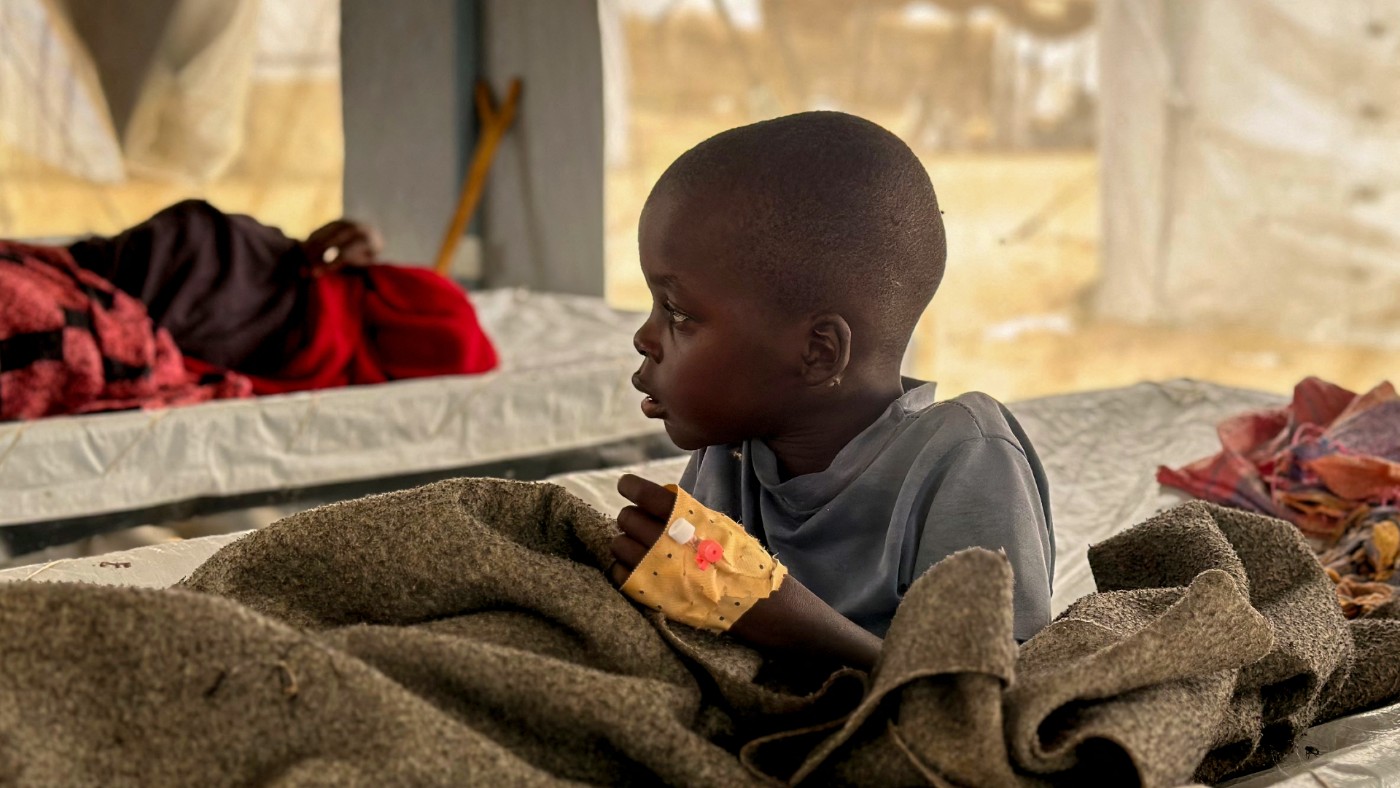
Sudan’s conflict is ‘a war on children’, says landmark report
A damning report by the Raoul Wallenberg Centre for Human Rights has unveiled the harrowing reality of Sudan’s ongoing conflict, revealing that children are being deliberately targeted in what it describes as a ‘war on children.’ The investigation implicates both the Sudanese Armed Forces (SAF) and the paramilitary Rapid Support Forces (RSF) in widespread atrocities, including killings, sexual violence, forced recruitment, and the destruction of critical infrastructure such as hospitals and schools. The report also highlights the involvement of external actors, particularly the United Arab Emirates (UAE), which is accused of supplying heavy weaponry, drones, and financial support to the RSF.
-
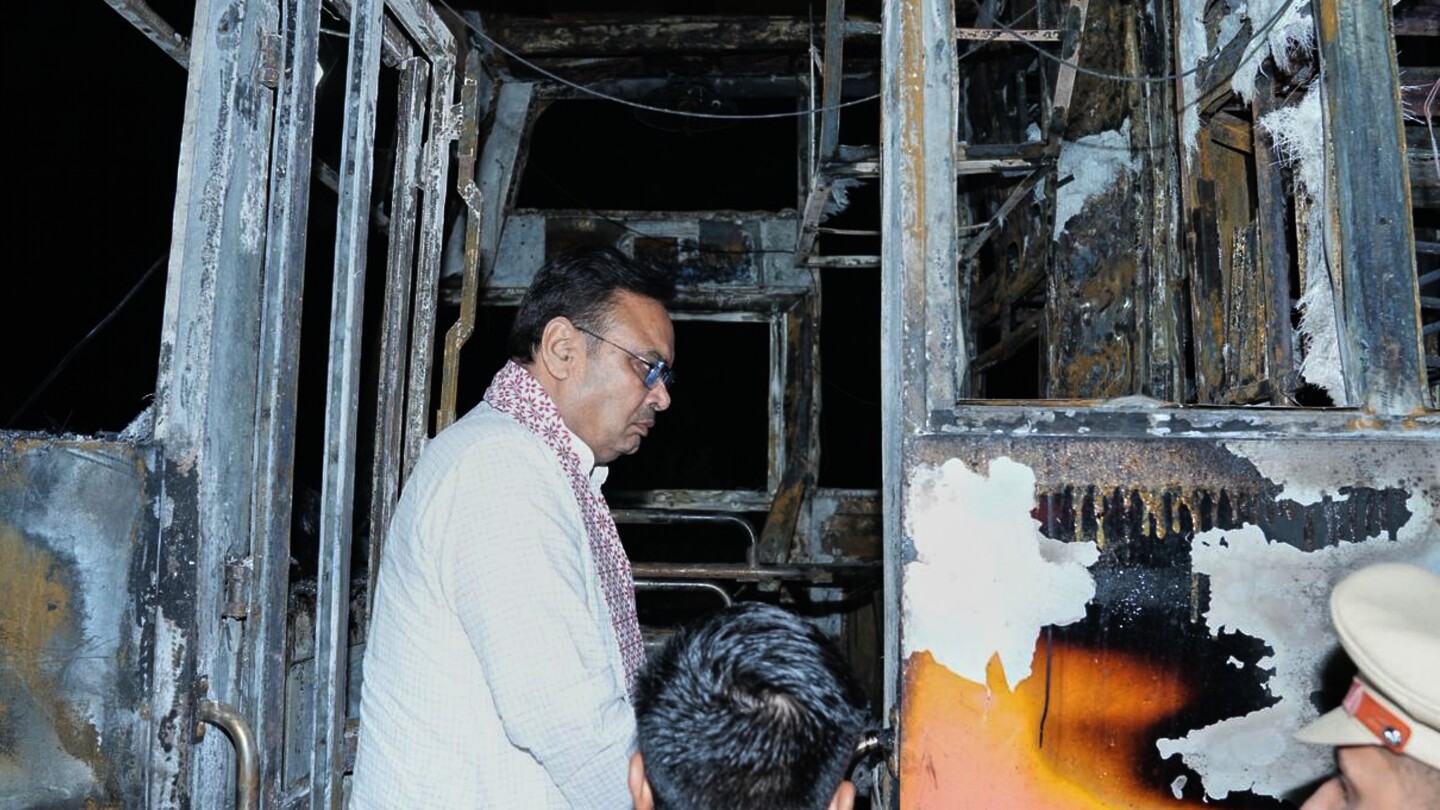
A passenger bus in northern India catches fire and burns at least 20 people to death
A tragic incident unfolded in northern India on Tuesday when a suspected electrical short circuit ignited a fire on a passenger bus, resulting in the deaths of at least 20 individuals and leaving 15 others critically injured. The bus, carrying between 35 and 50 passengers, was en route from Jaisalmer to Jodhpur in Rajasthan state when the blaze erupted. According to Mahant Pratap Puri, a local lawmaker, the fire spread rapidly, leaving passengers with no time to escape. Nineteen victims were found inside the charred vehicle, while one succumbed to severe burns while being transported to a hospital. Witnesses reported that smoke began emanating from the rear of the bus just minutes after departure, prompting the driver to halt near a military station. However, the flames quickly consumed the vehicle. Puri, who was present during the rescue efforts, noted that the bus was newly equipped with air-conditioning and had only one exit, which tragically hindered evacuation efforts. Authorities have launched an investigation into the cause of the fire and are using DNA evidence to identify the victims. Prime Minister Narendra Modi and Rajasthan Chief Minister Bhajan Lal Sharma expressed their condolences to the families of the deceased, as the incident raises urgent questions about vehicle safety standards.