标签: Asia

亚洲

  • Japan PM joins fight for more female toilets in parliament

    Japan PM joins fight for more female toilets in parliament

    In a landmark move highlighting infrastructure gender gaps, approximately 60 female Japanese parliamentarians including Prime Minister Sanae Takaichi have formally requested expanded women’s restroom facilities within the National Diet building. This initiative comes following October 2024’s historic election that seated 73 women in the 465-member Lower House, surpassing the previous record of 54 set in 2009.

    The petition reveals significant disparities: while male legislators enjoy access to 12 restrooms containing 67 stalls and urinals throughout the parliamentary complex, female members share merely nine restrooms with only 22 total cubicles. Most critically, just one women’s facility with two stalls serves the crucial plenary chamber area where legislators gather for major sessions.

    Opposition lawmaker Yasuko Komiyama of the Constitutional Democratic Party detailed the practical consequences: ‘Long queues consistently form before plenary sessions commence, prompting some colleagues to abandon restroom use entirely beforehand.’ The situation compounds as female staff and visitors must share these inadequate facilities.

    This infrastructure deficiency originates from the building’s 1936 construction, predating women’s suffrage (granted 1945) and the first female parliamentarians (1946). The sprawling structure encompasses over 53,000 square meters but remains structurally unchanged despite evolving demographic realities.

    Komiyama framed the issue symbolically: ‘I want to raise my voice preparing for when women exceed 30% parliamentary representation.’ Lower House committee chair Yasukazu Hamada has reportedly expressed willingness to consider the proposal, acknowledging alignment with broader gender equity goals.

    Despite a governmental target for 30% female leadership across sectors by 2020 (later extended to 2030), women currently hold just 16% of Lower House seats. Prime Minister Takaichi—who appointed only two other women to her 19-member cabinet despite Nordic-level representation pledges—now supports addressing this fundamental equity issue.

    The parliamentary restroom shortage mirrors nationwide patterns where queues for women’s public facilities remain commonplace. Former Prime Minister Shigeru Ishiba previously committed to enhancing women’s restroom infrastructure for a society where ‘women can live with peace of mind,’ indicating cross-party recognition of this persistent challenge.

  • UAE President, Emir of Qatar discuss regional developments in phone call

    UAE President, Emir of Qatar discuss regional developments in phone call

    In a significant diplomatic engagement, UAE President Sheikh Mohamed bin Zayed Al Nahyan and Qatari Emir Sheikh Tamim bin Hamad Al Thani convened via telephone on January 1, 2026, marking a pivotal moment in Gulf cooperation. The high-level discussion focused on reinforcing bilateral relations and exploring enhanced collaborative frameworks between the two nations.

    The leaders conducted comprehensive talks addressing regional geopolitical developments and matters of shared concern, signaling a coordinated approach to Middle Eastern affairs. This exchange represents continued diplomatic normalization following the resolution of the Gulf diplomatic crisis that previously affected regional relations.

    Official communications from both governments emphasized the constructive nature of the dialogue, which aimed at identifying mutual benefits for their respective populations. The conversation reflects ongoing efforts to strengthen Gulf Cooperation Council unity amid complex regional dynamics, including security challenges and economic opportunities.

    This diplomatic exchange follows recent regional developments that necessitate coordinated leadership responses. Both leaders expressed commitment to maintaining open channels of communication and regular high-level consultations to address evolving situations in the Middle East.

  • China’s BYD set to overtake Tesla as world’s top EV seller

    China’s BYD set to overtake Tesla as world’s top EV seller

    In a landmark development for the global automotive industry, Chinese electric vehicle manufacturer BYD has dethroned Elon Musk’s Tesla as the world’s premier electric vehicle seller by annual sales volume. This represents the first occasion where the Shenzhen-based automaker has outperformed its American competitor in yearly deliveries.

    BYD’s official figures released Thursday revealed a substantial 28% year-over-year increase in battery-electric vehicle sales, culminating in over 2.25 million units sold throughout 2025. Meanwhile, Tesla is anticipated to report approximately 1.65 million vehicle sales for the same period when it discloses its official results Friday, according to previously published analyst projections.

    Tesla’s challenging year has been characterized by several compounding factors, including tepid market reception to its latest vehicle offerings, growing apprehension regarding Musk’s political engagements, and increasingly fierce competition from Chinese EV manufacturers. In response to mounting competitive pressures, Tesla implemented strategic pricing adjustments in October, introducing more affordable variants of its top-selling models in the American market.

    The leadership transition occurs amid Musk’s pursuit of an unprecedented compensation package potentially worth up to $1 trillion, contingent upon his ability to dramatically elevate Tesla’s sales performance and market valuation over the coming decade. Shareholders initially approved this ambitious incentive structure in November.

    BYD’s remarkable ascent to global EV dominance has been fueled by its competitive pricing strategy and rapid international expansion across Latin America, Southeast Asia, and European markets. This growth persists despite numerous nations implementing substantial tariffs on Chinese-manufactured electric vehicles. Notably, the United Kingdom emerged as BYD’s largest overseas market in October, with sales skyrocketing by 880% through September, primarily driven by robust demand for the plug-in hybrid version of its Seal U SUV.

    Musk continues to oversee his diverse portfolio of ventures beyond Tesla, including social media platform X, aerospace manufacturer SpaceX, and infrastructure firm The Boring Company.

  • Global Islamic finance set to hit $6 trillion in 2026 as industry posts strong double‑digit growth

    Global Islamic finance set to hit $6 trillion in 2026 as industry posts strong double‑digit growth

    The global Islamic finance industry is demonstrating remarkable resilience and expansion, with projections indicating assets will surpass the $6 trillion threshold by the conclusion of 2026. This surge follows a year of substantial growth in 2025, during which industry assets escalated to $5.2 trillion, marking a robust 14.9% increase year-on-year, as reported by the AlHuda Centre of Islamic Banking and Economics.

    Islamic banking continues to form the cornerstone of the sector, commanding 72% of total assets, which translates to over $2.7 trillion. The year 2025 witnessed financing activities grow by more than 17%, while deposits saw an expansion of nearly 9%. This vigor was particularly evident in the Gulf Cooperation Council (GCC) nations, Asia, and an emerging cluster of African markets, where several jurisdictions reported growth rates exceeding 20%.

    The sukuk market emerged as a standout performer, with global issuance eclipsing $230 billion in 2024 and maintaining its upward trajectory throughout 2025. This growth was fueled by sovereign borrowing requirements and extensive infrastructure financing initiatives. New entrants from Africa, including Tanzania, Zambia, and Kenya, have begun to integrate more firmly into the global Islamic capital markets.

    Despite these positive trends, the industry faces significant structural challenges. CEO Zubair Mughal highlighted concerns over limited Shariah-compliant liquidity instruments, an overreliance on sovereign sukuk, and a lack of sufficient diversification beyond traditional banking activities. The report cautioned that without deeper and more liquid Islamic capital markets, banking-led growth alone may be inadequate for ensuring long-term financial resilience.

    The most dynamic growth is occurring in the Islamic FinTech sector, which, while currently representing only 3% of total assets, is expanding at a pace far exceeding that of traditional segments. Innovations in digital payments, Shariah-compliant buy-now-pay-later (BNPL) services, embedded finance, and applications of artificial intelligence and blockchain are driving financial inclusion across Africa and South Asia.

    Geographically, Asia and the GCC remain the dominant forces, collectively accounting for over half of all Islamic finance assets. However, Africa is now the fastest-growing frontier, with expectations for Ethiopia, Ghana, Uganda, and Somalia/Somaliland to formally enter the market in 2026. European interest is also renewing, with Italy, Switzerland, Portugal, and the Netherlands exploring Islamic banking frameworks.

    Looking forward, 2026 presents significant opportunities in capital-market deepening, cross-border FinTech expansion, and Africa-focused infrastructure finance. Mughal emphasized that addressing regulatory gaps, concentration risks, and market fragmentation will be crucial for harnessing innovation and ensuring the industry’s transition into a mainstream pillar of ethical and inclusive global finance.

  • ‘Liberation coming to City Hall’: Thousands brave freezing temperature to welcome Mamdani as New York City mayor

    ‘Liberation coming to City Hall’: Thousands brave freezing temperature to welcome Mamdani as New York City mayor

    In a landmark moment for American politics, Zohran Mamdani assumed office as New York City’s first Muslim mayor on January 1, 2026, before thousands of supporters who endured freezing temperatures to witness the historic inauguration. The ceremony at City Hall and adjacent Broadway areas transformed into a sea of blue and yellow beanies bearing the new mayor’s name, with 1990s R&B music creating a celebratory atmosphere despite the cold.

    The significance of this political milestone was palpable among attendees, many of whom clutched hand-warmers alongside Palestinian keffiyehs. Asad Dandia, an informal adviser during Mamdani’s campaign, expressed profound emotion about the occasion: ‘It’s insane we are going to have a Muslim guy in command of City Hall. Islamaphobia, anti-Muslim bigotry [and] anti-Arab bigotry lost and we won.’

    Mamdani’s inauguration actually occurred in two parts. At midnight, he participated in a private ceremony at an abandoned subway stop using his grandfather’s Quran and a 200-year-old copy borrowed from the New York Public Library. His wife, artist Rama Duwaji, held the religious texts during this intimate oath-taking, attended by former Mayor Eric Adams among few others.

    The 34-year-old mayor represents multiple historic firsts: not only New York’s initial Muslim mayor but also the first of South Asian descent and first born in Africa. His campaign deliberately centered on his faith and ethnic background while championing New York’s diversity. Through social media outreach, Mamdani addressed post-9/11 Islamophobia and highlighted experiences of Muslim and immigrant communities.

    His avowedly left-wing platform promised rent control, free bus travel, and increased taxes on the wealthiest residents. Perhaps most notably, Mamdani maintained an unapologetically pro-Palestine stance in a city deeply affected by protests against Israel’s war on Gaza.

    The broad coalition supporting Mamdani included substantial Jewish support, as noted by transgender activist Rabbi Abby Stein: ‘We had thousands of Jews knocking on hundreds of thousands of doors… we got hundreds of thousands of Jews who voted for the first Muslim mayor.’ Stein articulated the shared vision that ‘Palestinian liberation is what will help us in the battle against antisemitism, in the battle against Islamophobia.’

    The City Hall event, accommodating 4,000 ticket holders, was complemented by a neighboring block party for approximately 40,000 additional spectators who watched the proceedings on large screens across seven blocks of Lower Manhattan.

  • From Sudan to Yemen and Gaza, Middle East wars top the list of conflicts to watch in 2026, report says

    From Sudan to Yemen and Gaza, Middle East wars top the list of conflicts to watch in 2026, report says

    A comprehensive analysis by the International Crisis Group projects that global conflict levels will remain persistently high through 2026, with diplomatic solutions proving increasingly elusive across multiple critical regions. The organization’s annual ‘Conflicts to Watch’ report identifies ten major hotspots where peacemaking efforts range from tenuous to completely ineffective, with Middle Eastern nations featuring prominently on the list.

    The assessment presents a sobering evaluation of the current international security landscape, noting that traditional conflict resolution mechanisms have been substantially undermined by unconventional approaches to diplomacy. While acknowledging President Trump’s willingness to engage in unorthodox peacemaking attempts—including dialogue with leaders previously designated as terrorists—the report concludes these efforts have largely failed to mitigate global tensions and in some instances have exacerbated existing conflicts.

    Evidence of this escalation includes military actions in the Caribbean that resulted in significant civilian casualties, demonstrating a departure from previously stated diplomatic intentions. The report characterizes this approach as having fundamentally transformed international crisis management, potentially normalizing military force as an acceptable tool for powerful nations to achieve political objectives.

    In specific conflict analysis, the report details how initial progress toward a Gaza ceasefire was ultimately undermined, leading to substantial additional casualties before a fragile truce was eventually brokered. This arrangement, however, leaves fundamental issues unresolved and requires continuous diplomatic maintenance with uncertain prospects for success.

    The situation in Yemen presents a complex web of intersecting conflicts, with Houthi forces maintaining military capabilities despite extensive Israeli airstrikes, while Gulf allies Saudi Arabia and the United Arab Emirates find themselves supporting opposing factions in the ongoing civil war. Meanwhile, Iran’s nuclear program remains a persistent concern with little prospect for negotiated settlement in the current climate.

    Syria’s precarious stability faces multiple challenges including sectarian violence, limited political representation, persistent ISIS remnants, and the unresolved status of Kurdish-controlled territories. The report warns that without progress in negotiations, Damascus might attempt to reclaim these areas by force, potentially triggering Turkish intervention.

    In Sudan, the conflict has evolved into a de facto partition between the army-controlled center and east and Rapid Support Forces-held western territories. Despite diplomatic efforts led by Trump’s Africa envoy, fighting continues with no ceasefire agreement in sight.

    The report concludes that only high-level personal engagement from the U.S. president could potentially break the current deadlock in multiple conflict zones, though the prospects for such intervention remain uncertain.

  • Dubai: More than 2.8 million passengers use public transport on New Year’s Eve

    Dubai: More than 2.8 million passengers use public transport on New Year’s Eve

    Dubai’s public transportation network achieved an extraordinary milestone during New Year’s Eve 2026 celebrations, transporting a record-breaking 2.84 million passengers throughout the emirate. This remarkable figure represents a substantial 30% increase from the previous year’s ridership, demonstrating the growing reliance on and efficiency of Dubai’s integrated transit systems.

    The Roads and Transport Authority (RTA) executed a comprehensive operational strategy in close collaboration with the Dubai Event Security Committee to manage the massive influx of celebrants. The meticulously planned approach included sophisticated traffic management protocols and temporary road closure implementations across key areas of the city.

    Detailed ridership statistics reveal the diverse utilization of transportation modes: Metro services on both Red and Green lines accommodated 1.25 million passengers, while Dubai Tram transported 58,052 individuals. Public bus services, including on-demand buses, recorded 503,264 passengers. Taxi services proved essential with 661,538 rides, and marine transport services moved 76,745 passengers across various waterways. Additionally, e-hailing platforms facilitated 286,135 trips, with shared mobility services accounting for 1,489 journeys.

    This transportation achievement underscores Dubai’s evolving infrastructure capabilities and its commitment to providing safe, reliable mobility solutions during major international events. The successful coordination reflects the emirate’s position as a global hub capable of managing large-scale gatherings while maintaining public safety and operational excellence.

  • Missed NYE fun in UAE? Here are top 7 moments of how the nation welcomed 2026

    Missed NYE fun in UAE? Here are top 7 moments of how the nation welcomed 2026

    The United Arab Emirates ushered in 2026 with unprecedented grandeur, transforming its skyline into a canvas of technological marvels and pyrotechnic excellence on New Year’s Eve. From Abu Dhabi’s record-setting displays to Dubai’s iconic celebrations, the nation demonstrated its unparalleled capability for hosting world-class festivities that attracted both residents and international visitors.

    Abu Dhabi’s Al Wathba district witnessed a groundbreaking aerial performance featuring 6,500 drones executing a single 20-minute sortie—the largest such display globally. These drones created intricate portraits of UAE’s founding leadership while synchronizing with digital countdowns and integrated fireworks. The Sheikh Zayed Festival further amazed spectators with a continuous 62-minute fireworks display that established multiple world records for pyrotechnic density and variety.

    Dubai’s iconic Burj Khalifa, the world’s tallest structure, presented a multi-sensory experience combining opera performances, aquatic dancers, and high-wire artists preceding its signature spiral fireworks. Simultaneously, the emirate coordinated 48 fireworks shows across 40 locations, including the newly participating Dubai Frame monument.

    Ras Al Khaimah earned Guinness World Records recognition for crafting the largest aerial depiction of a phoenix using 2,300 drones—1,000 of which were pyro-equipped—symbolizing renewal and optimism. This coordinated display spanned six kilometers along the coastline, combining drone formations with precisely timed fireworks.

    Global Village offered a unique multinational celebration, hosting seven sequential New Year countdowns corresponding to different time zones—from China at 8 PM to Turkey at 1 AM—each marked by distinctive fireworks and drone performances.

    The nationwide celebrations were supported by extended metro operations, free parking, and a public holiday declaration for January 1, facilitating seamless access to events that blended traditional Emirati performances with cutting-edge technological displays.

  • Several reported killed in Iran protests over economic woes

    Several reported killed in Iran protests over economic woes

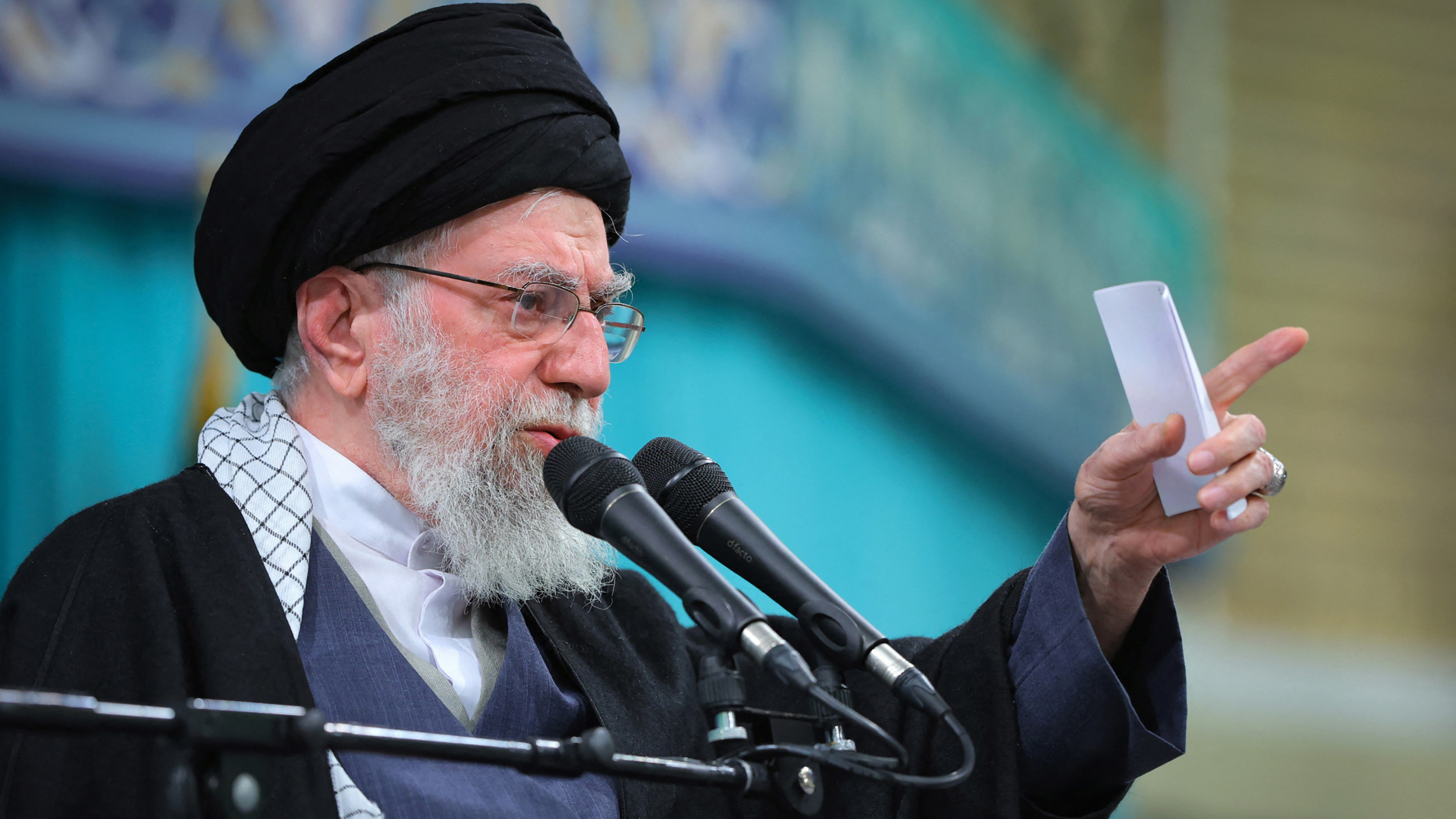
    Iran has been plunged into a new wave of civil unrest as nationwide protests over a severe economic crisis turned fatal, marking the most significant challenge to the clerical establishment in three years. Multiple casualties have been reported following violent clashes between security forces and demonstrators across several regions.

    According to reports from the semi-official Fars news agency and the human rights organization Hengaw, fatalities occurred in the western city of Lordegan. Official authorities confirmed one death in Kuhdasht, while Hengaw documented an additional fatality in Iran’s central Isfahan province. The Revolutionary Guards acknowledged that one member of its Basij paramilitary volunteer unit was killed and thirteen others wounded in Kuhdasht, attributing the violence to demonstrators who allegedly exploited the protest atmosphere.

    The current turmoil represents a dangerous escalation from initial demonstrations that began on Sunday when merchants and shopkeepers initiated strikes to protest the government’s handling of a catastrophic currency devaluation and spiraling inflation. The protests have since expanded to include student demonstrations and widespread bazaar closures, prompting the government to declare an official holiday on Wednesday citing cold weather conditions.

    This outbreak of civil disobedience occurs at a particularly vulnerable moment for Iran’s leadership. The nation’s economy has been crippled by comprehensive Western sanctions targeting its nuclear program, exacerbated by a costly 12-day aerial conflict with Israel in June 2025. These cumulative pressures have devastated Iran’s financial stability, with the national currency losing approximately half its value against the U.S. dollar throughout 2025 while inflation surged to 42.5 percent by December.

    In response to the escalating crisis, government spokesperson Fatemeh Mohajerani announced plans for direct dialogue with trade union and merchant representatives, signaling a potential conciliatory approach alongside the established security crackdown. Historically, Iranian authorities have employed stringent security measures and mass arrests to suppress protests concerning economic hardship, environmental crises, and civil liberties.

    The international community continues to monitor the situation closely as developments unfold across multiple Iranian provinces including Kermanshah, Khuzestan, and Hamedan, where Hengaw reports numerous detentions have occurred.

  • World Sports Summit concludes, signals Dubai’s growing influence on global stage

    World Sports Summit concludes, signals Dubai’s growing influence on global stage

    Two significant international developments have emerged, involving covert intelligence operations and a tragic criminal investigation. According to a Reuters exclusive report, the U.S. Central Intelligence Agency (CIA) successfully cultivated a high-level informant within the inner circle of the Venezuelan government. This asset provided critical intelligence that assisted American agencies in monitoring the activities and movements of President Nicolás Maduro. The revelation underscores the depth of U.S. intelligence penetration into the Caracas administration amid prolonged political tensions and sanctions. Separately, in a devastating incident in Switzerland, authorities have launched a criminal investigation into the management of a nightclub following a lethal fire. Swiss prosecutors are pursuing charges of killing by negligence against the club’s managers, alleging that a failure to adhere to safety protocols directly contributed to the fatalities. The investigation will scrutinize whether adequate fire prevention measures, emergency exits, and crowd management procedures were in place, highlighting a grim failure in public venue oversight.