
The United Nations has called on Pakistan and Afghanistan to halt ongoing hostilities to safeguard civilian lives, following days of intense cross-border clashes that have resulted in dozens of fatalities and hundreds of injuries. This marks the most severe crisis between the two nations since the Taliban’s rise to power in Afghanistan in 2021. The violence, which escalated on October 10, saw both countries accusing each other of armed provocations. On Wednesday, a ceasefire was agreed upon after appeals from regional powers, aiming to stabilize a region threatened by the resurgence of groups like the Islamic State and al-Qaida. As of Thursday, key border crossings remained closed, and no overnight fighting was reported. The U.N. Assistance Mission in Afghanistan (UNAMA) welcomed the truce and is currently assessing the casualty count, with preliminary reports indicating at least 17 civilian deaths and 346 injuries in Spin Boldak, Afghanistan. UNAMA also documented 16 civilian casualties in earlier clashes across several Afghan provinces. Pakistan has yet to release figures on civilian casualties on its side of the border but has repeatedly accused Afghanistan of harboring militants, a claim denied by the Taliban. The two nations share a contentious 2,611-kilometer border, known as the Durand Line, which Afghanistan has never formally recognized.
标签: Asia
亚洲
-

Patrick Kluivert exits as Indonesia’s head coach after missing out on a World Cup spot
Patrick Kluivert has resigned from his position as head coach of the Indonesian national football team, just days after the country’s aspirations to qualify for the 2026 FIFA World Cup were dashed. The former Barcelona striker, who was appointed in January on a two-year contract, aimed to lead Indonesia to its first World Cup appearance since gaining independence in 1945. However, recent defeats to Saudi Arabia and Iraq in the qualifying rounds sealed Indonesia’s fate, prompting an early termination of Kluivert’s tenure. The Football Association of Indonesia announced the mutual decision, citing a comprehensive evaluation of the national team’s coaching and development program as the reason for the change. In a heartfelt message to fans on social media, Kluivert expressed his disappointment and took full responsibility for the team’s performance. He described the losses as ‘bitter lessons’ but also as reminders of the shared dreams for Indonesian football. Kluivert’s appointment was part of the federation’s strategy to naturalize players of Indonesian heritage from Europe, a policy that helped the team reach the final stages of World Cup qualification for the first time since 1938, when it competed as the Dutch East Indies. Despite the majority of his 23-player squad being born overseas, primarily in the Netherlands, the team’s performance under Kluivert’s leadership remained inconsistent, with only three wins in eight matches.
-
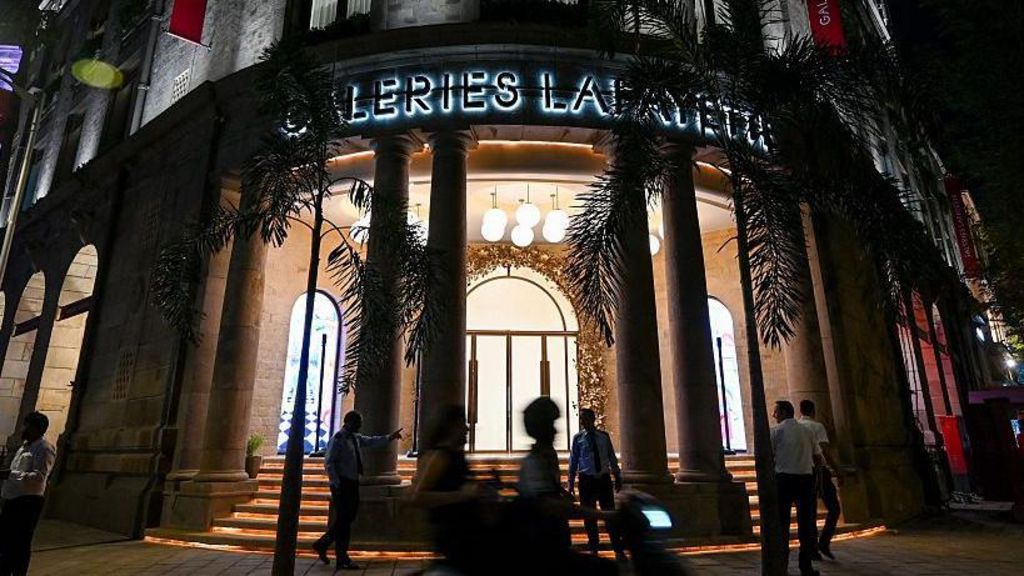
Galeries Lafayette to enter India amid luxury boom
Galeries Lafayette, the iconic French luxury department store, is making its grand entry into India with the opening of its first flagship store in Mumbai’s historic Fort area. This strategic move marks a significant milestone in the brand’s international expansion, as it seeks to capitalize on India’s rapidly growing luxury market. The store, spanning five levels and 90,000 square feet, is set to open in early November, with plans for another location in Delhi. Partnering with the Aditya Birla Group, Galeries Lafayette aims to offer an unparalleled shopping experience, featuring over 250 global luxury brands, private lounges, and concierge services. Nicolas Houzé, Executive Chairman of Galeries Lafayette Group, described the launch as a ‘defining moment’ and ‘a new chapter’ in the brand’s 130-year history. India’s luxury market, currently valued at $17 billion, is projected to soar to $85 billion by 2030, driven by increasing wealth creation and a shift in consumer preferences. Kumar Mangalam Birla, Chairman of the Aditya Birla Group, highlighted the growing appetite for high-end experiences among India’s affluent population. However, despite the booming luxury sector, income inequality remains a significant challenge, with a vast majority of the population unable to afford discretionary spending. This has led brands to focus on premium offerings catering to the wealthy, while mass-market demand remains subdued. Galeries Lafayette’s entry into India reflects a broader trend of global luxury brands targeting the country’s burgeoning high-end market.
-
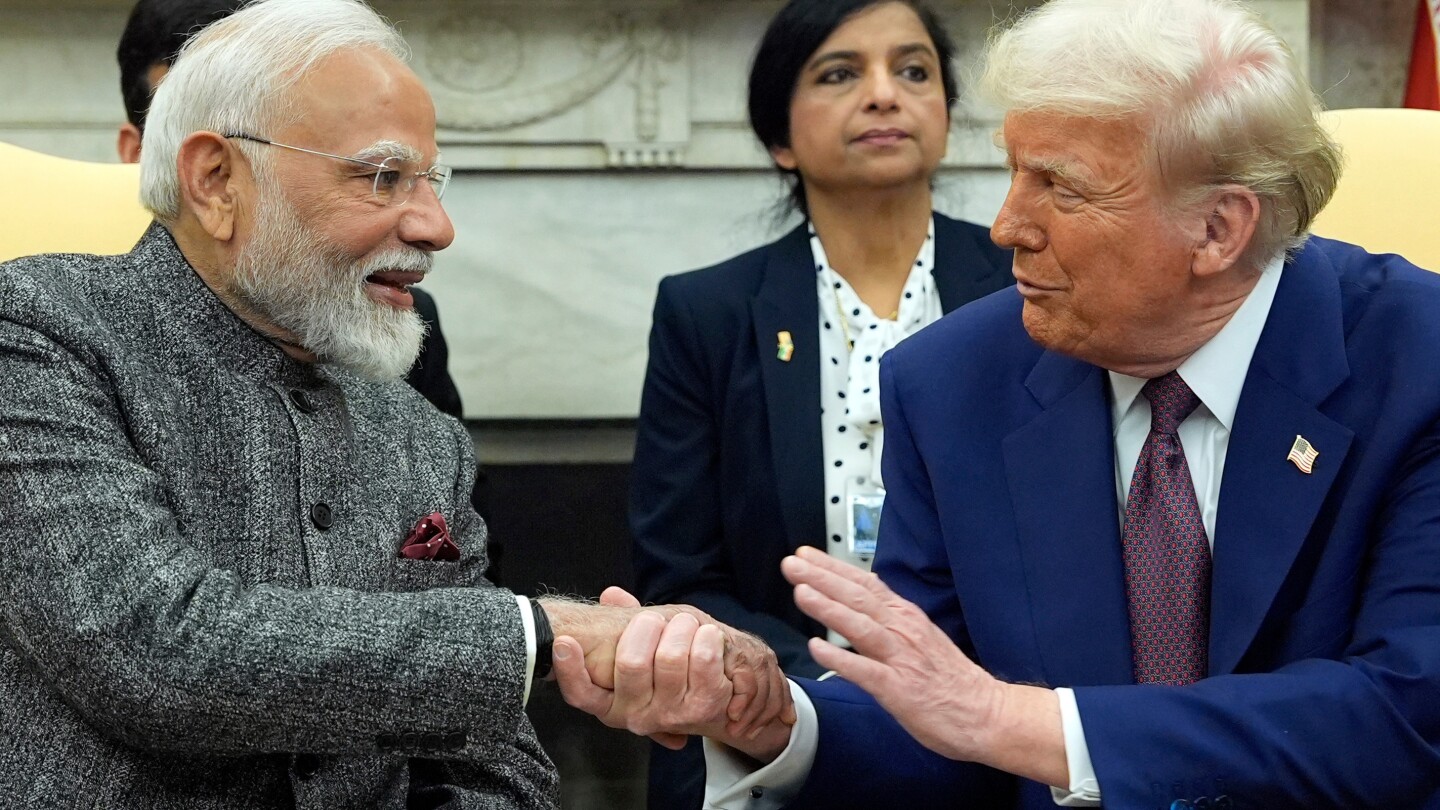
India seeks to import more US oil and gas under pressure from Trump to stop Russian oil purchases
India is actively pursuing increased imports of crude oil and natural gas from the United States as part of its strategy to diversify energy sources and address criticism from U.S. President Donald Trump regarding its purchases of discounted Russian oil. Trump claimed on Wednesday that Indian Prime Minister Narendra Modi had personally assured him India would cease buying Russian oil, a move that could intensify pressure on Moscow to negotiate an end to the Ukraine conflict. However, India’s foreign ministry did not directly address Trump’s remarks, instead emphasizing its commitment to safeguarding Indian consumers’ interests in a volatile energy market.
-
Taiwanese chipmaker TSMC sees nearly 40% jump in its net profit thanks to the AI boom
Taiwan Semiconductor Manufacturing Company (TSMC), the world’s largest semiconductor manufacturer, announced on Thursday a staggering 40% surge in net profit for the July-September quarter, fueled by the growing demand for artificial intelligence (AI) technologies. The company reported a record-breaking net profit of 452.3 billion new Taiwan dollars ($15 billion), surpassing analysts’ expectations. This remarkable performance follows a 30% year-on-year increase in revenue for the same period.
-
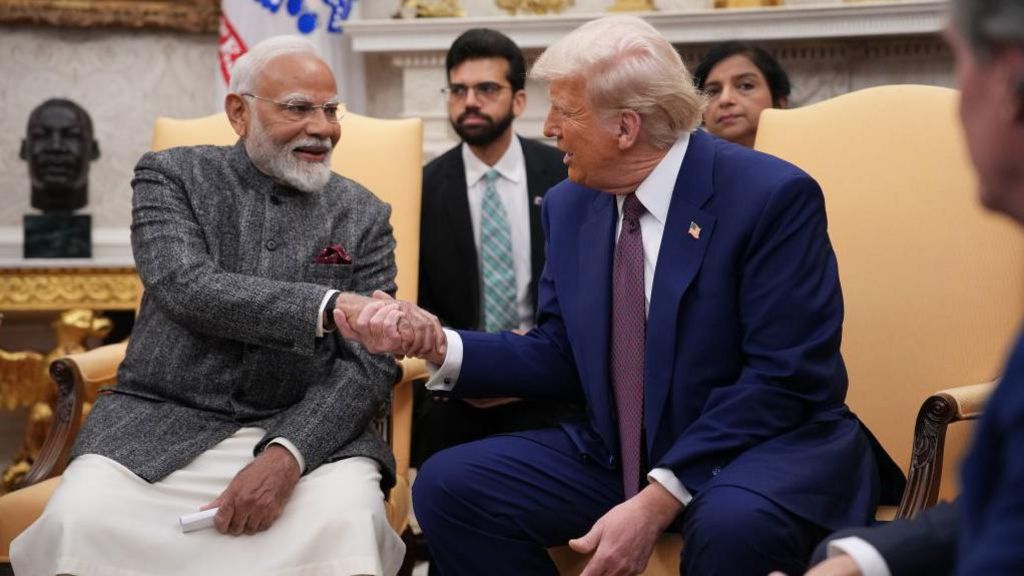
India’s exports to US plunge as Trump’s 50% tariffs kick in
India, a key exporter of garments, shrimp, and gems and jewellery to the United States, has witnessed a dramatic decline in its goods exports to its largest foreign market. Data reveals a sharp 20% drop in September alone, with a staggering 37.5% decline over the past four months, as the impact of steep US tariffs intensifies. The tariffs, which include a 50% levy on Indian goods and an additional 25% penalty for India’s continued oil purchases from Russia, took full effect in August. Ajay Srivastava of the Global Trade Research Initiative (GTRI) noted, ‘The US has become India’s most severely affected market since the tariff escalation began.’ Labour-intensive sectors such as textiles, gems and jewellery, engineering goods, and chemicals have borne the brunt of these measures, suffering significant losses. The decline in exports has also exacerbated India’s trade deficit, which surged to a 13-month high of $32.15 billion in September. While improved trade with countries like the UAE and China has partially offset the US export slump, negotiations between India and the US remain fraught with challenges. Talks resumed last month after a prolonged stalemate, with an Indian delegation currently in the US. Despite claims by former US President Donald Trump that Indian Prime Minister Narendra Modi agreed to halt Russian oil imports, the Indian foreign ministry described discussions as ‘ongoing,’ emphasizing US interest in deepening energy cooperation. Key trade disputes, particularly over access to India’s agriculture and dairy sectors, persist. Washington views India’s farm sector as a lucrative untapped market, but New Delhi has staunchly defended its protectionist stance, citing food security and the livelihoods of millions of small farmers. Bilateral trade between the two nations reached $190 billion in 2024, with ambitious targets to more than double this figure to $500 billion.
-
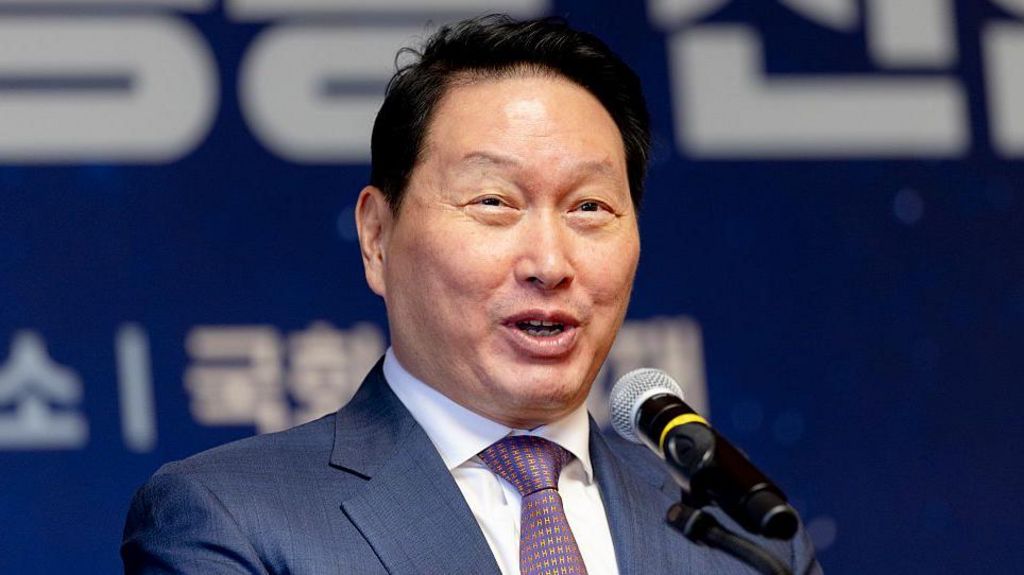
S Korea tycoon escapes paying $1bn in ‘divorce of the century’
In a landmark ruling, South Korea’s Supreme Court has overturned a lower court’s decision that ordered billionaire Chey Tae-won to pay his ex-wife Roh So-young a staggering 1.38 trillion won ($1 billion) in what has been widely referred to as the ‘divorce of the century.’ The court cited a miscalculation in the valuation of the couple’s joint assets and has ordered a review of the case. The original settlement, decided by a Seoul court in 2024, was the largest in South Korea’s history. The Supreme Court ruled that a 30 billion won slush fund linked to Ms. Roh’s father, former President Roh Tae-woo, could not be considered part of the couple’s assets, as it allegedly originated from illegal bribes. However, the court upheld a 2 billion won alimony payment to Ms. Roh. The ruling has significant implications for Mr. Chey, who heads the SK Group conglomerate, and has prolonged his legal battle with his ex-wife. Shares of SK Group fell 5.4% following the decision, but analysts believe the conglomerate’s stability remains intact, as Mr. Chey is not immediately required to raise funds for the settlement. SK Group, with subsidiaries in telecommunications, energy, pharmaceuticals, and semiconductors, continues to be a major player in South Korea’s economy.
-

Israel’s crack spy agencies rely on help from their friends
Israel’s precision strikes on Iran in June 2024 highlighted the prowess of its intelligence agencies, yet a critical factor remained underexplored: the indispensable role of international intelligence partnerships. These collaborations, while vital, come with inherent risks, including dependency on foreign allies whose withdrawal could leave Israel exposed to geopolitical vulnerabilities.
-
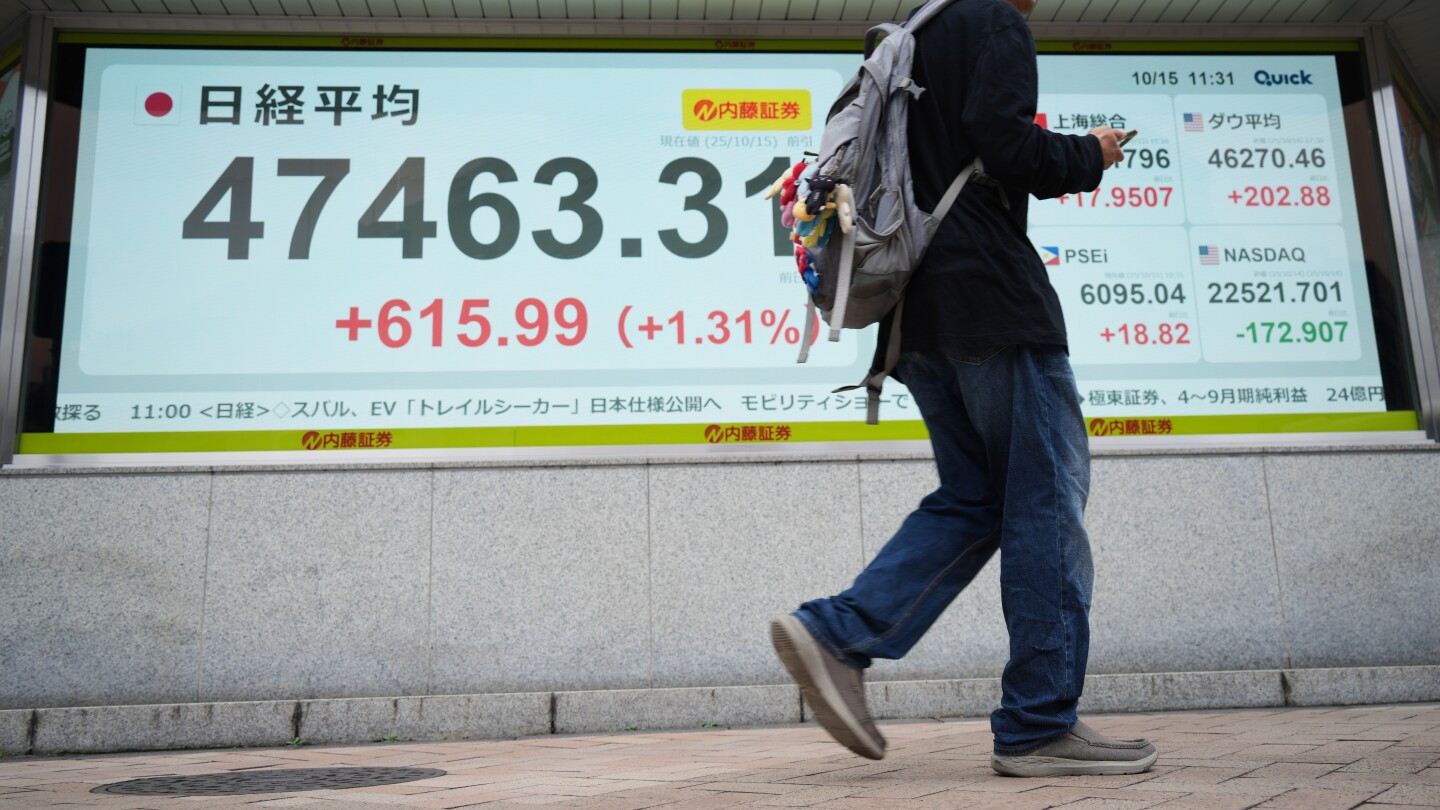
Asian shares are mostly higher after Wall St ends an erratic day with gains
Most Asian stock markets experienced an upward trajectory on Thursday, mirroring the gains observed on Wall Street after a volatile trading session. U.S. futures remained largely unchanged, while oil prices saw an increase. Japan’s Nikkei 225 index climbed 0.8% to 48,069.71, buoyed by a robust start to the earnings season and growing expectations of U.S. interest rate cuts. Despite a 0.9% month-on-month decline in Japan’s core machinery orders for August, the figures showed significant improvement from July’s 4.6% drop. South Korea’s Kospi index surged to a record high, rising 1.8% to 3,722.67, driven by optimism over potential tariff agreements between the U.S. and South Korea. Tech and auto stocks, including Samsung Electronics, Hyundai Motor, and Kia Corp., were among the top performers. In China, Hong Kong’s Hang Seng index dipped 0.4%, while the Shanghai Composite index edged up 0.1%. Australia’s S&P/ASX 200 soared 8% to 9,063.70, surpassing the 9,000 mark for the first time, fueled by gains in gold stocks amid rising gold prices. India’s BSE Sensex and Taiwan’s Taiex also posted gains of 0.5% and 1.5%, respectively. On Wall Street, the S&P 500 and Nasdaq Composite advanced, with technology stocks leading the charge following a strong earnings report from ASML, a key semiconductor equipment supplier. However, concerns over inflated stock prices and delayed economic updates due to the U.S. government shutdown have heightened scrutiny on corporate earnings. In commodity markets, U.S. crude oil and Brent crude prices both rose, while the dollar and euro saw modest gains against the yen.
-
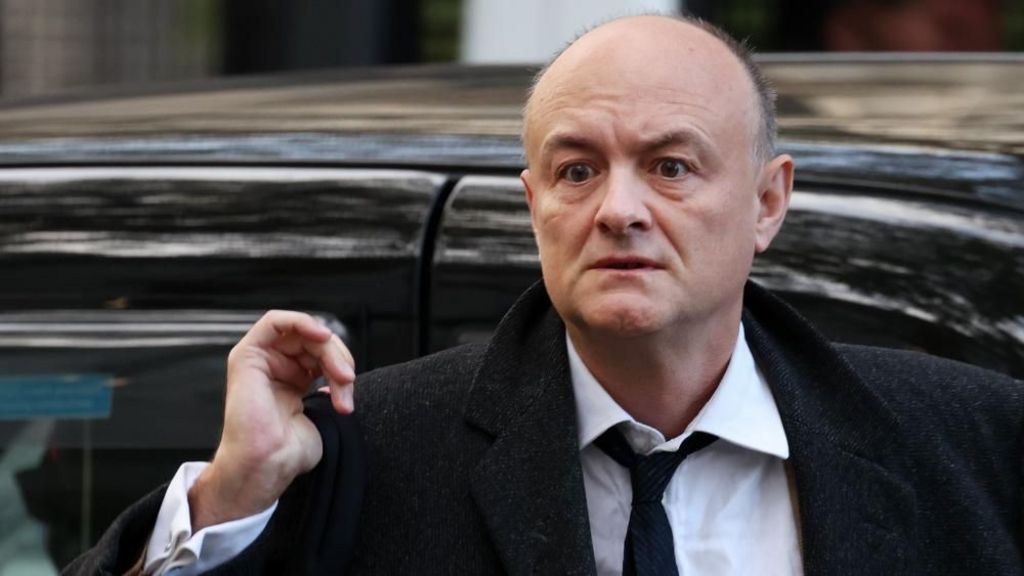
Cabinet Office rejects Cummings’ China breach claim
The UK Cabinet Office has firmly refuted allegations made by Dominic Cummings, former senior aide to ex-Prime Minister Boris Johnson, regarding a purported cyber breach by China into high-level government systems. In an interview with The Times, Cummings asserted that China had accessed ‘vast amounts’ of ‘extremely secret’ information from UK intelligence services and Whitehall departments. He claimed the breach occurred in 2020 and was subsequently concealed. Cummings specifically mentioned the compromise of ‘Strap’ material, a classification for highly sensitive intelligence data, which he said included information from the National Security Secretariat and other critical government sources.
In response, a Cabinet Office spokesperson dismissed the claims as ‘untrue,’ stating that the systems used for transferring sensitive government information remain secure. Cummings further alleged that the breach was discussed in a high-level meeting, where officials expressed disbelief at the severity of the situation. He called for a parliamentary inquiry into the matter, offering to provide detailed testimony.
However, Professor Ciaran Martin, former chief executive of the UK’s National Cyber Security Centre (NCSC), challenged Cummings’ assertions. Speaking on BBC Radio 4’s The World Tonight, Martin stated that, to his knowledge, no such breach occurred. He emphasized that the systems in question are uniquely secure and operate differently from standard internet-based platforms. Martin acknowledged China as a persistent cyber threat but maintained there was no evidence of a breach in 2020.
The controversy has sparked debate over the credibility of Cummings’ claims and the UK’s cybersecurity resilience. While the Cabinet Office and cybersecurity experts have dismissed the allegations, the incident underscores ongoing concerns about foreign cyber espionage and the protection of sensitive government data.