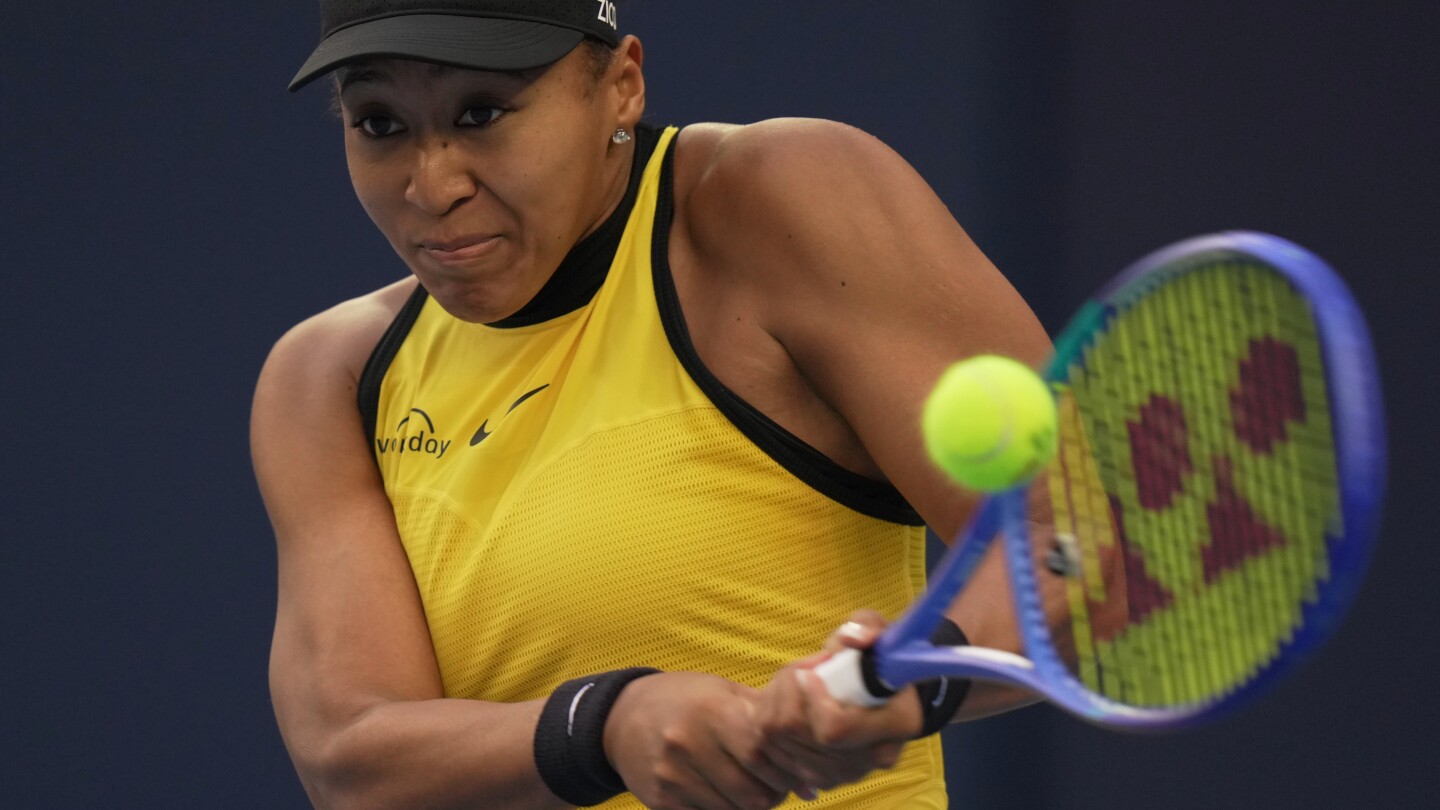
OSAKA, Japan — Tennis star Naomi Osaka was forced to withdraw from her quarterfinal match at the Japan Open on Friday due to a left leg injury, paving the way for Jaqueline Cristian to advance to the semifinals via walkover. The Women’s Tennis Association (WTA) confirmed the development, marking Cristian’s third semifinal appearance this year and her first on a non-clay surface. Osaka, the tournament’s top seed, had been struggling with the injury sustained during her second-round match against Suzan Lamens. Despite the setback, Osaka managed to secure victories over Wakana Sonobe and Lamens earlier in the tournament. During her match against Lamens, Osaka took a commanding 5-0 lead in the third set but abruptly halted play after experiencing discomfort in her left leg. She returned to the court with her thigh wrapped but ultimately closed out the match on her third match point. This withdrawal adds to a challenging season for Osaka, who recently exited in the second rounds of both the China Open and the Wuhan Open. Meanwhile, in another quarterfinal match, 2021 U.S. Open finalist Leylah Fernandez triumphed over Rebecca Šramková with a 7-6 (2), 6-3 victory, continuing her strong performance in the tournament.
标签: Asia
亚洲
-
Trump gets Gaza ceasefire trophy at beginning of game
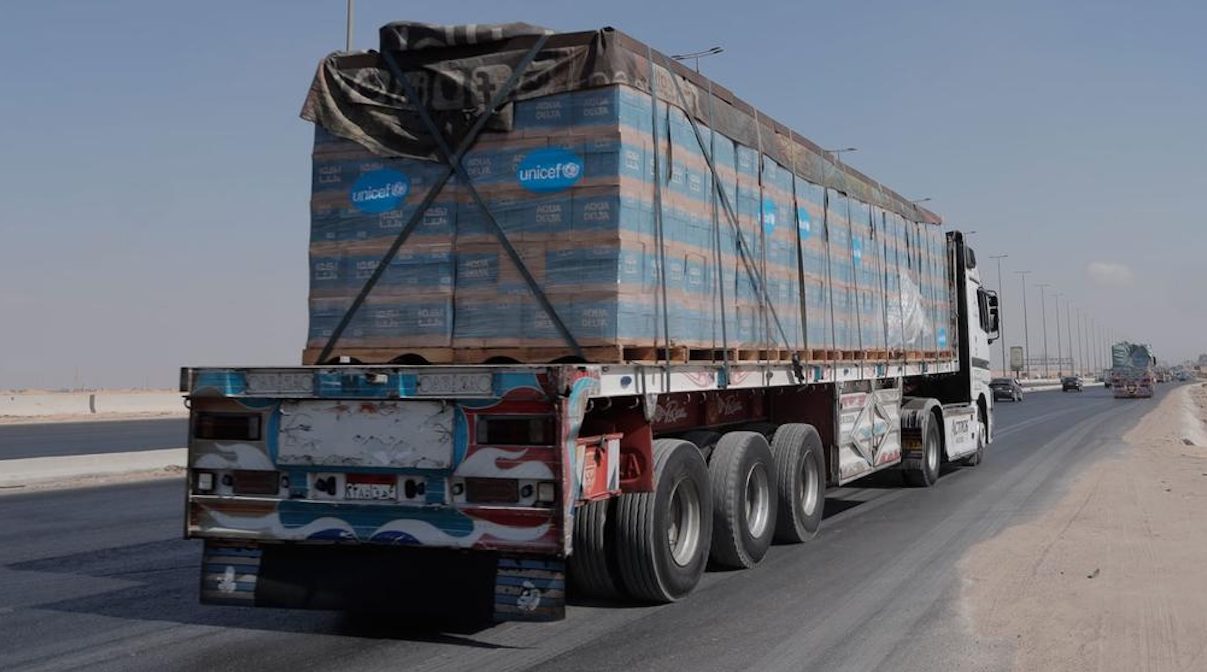
The fragile ceasefire in the Gaza Strip, brokered by former US President Donald Trump, is under strain as Israel and Hamas accuse each other of violating the agreement. The dispute threatens both the flow of humanitarian aid and the relative calm in the region. Trump’s 20-point peace plan, hailed as “historic,” aimed to end the conflict in Gaza and the broader region. Key goals included a ceasefire, the exchange of prisoners, and the resumption of aid deliveries to Gaza’s 2.3 million residents. While the first two objectives were partially achieved, aid delivery remains inconsistent, with Israel blocking supplies citing Hamas’s failure to return the bodies of 20 deceased citizens. Critics argue that Trump’s plan lacks concrete measures to disarm Hamas, ensure Israeli withdrawal, or establish a sustainable Palestinian government. Skepticism persists, with The Guardian cautiously praising the initiative while emphasizing the need for sustained pressure on both Israel and Hamas. Trump’s unorthodox diplomacy, including his handling of Israel’s missile attack on Qatar, has further complicated the situation. Despite these challenges, Trump remains committed to his vision of lasting peace, though his focus may shift as global priorities evolve.
-

China’s biggest shopping event starts five weeks early to revive spending
China’s annual online shopping extravaganza, Singles’ Day, traditionally held on November 11, has seen an early launch this year as retailers strive to stimulate spending in a sluggish market. The event, originally created by Alibaba, has grown into a global shopping phenomenon, comparable to Amazon’s Prime Day or Black Friday. However, this year’s extended sales period, beginning in mid-October, reflects the broader economic challenges facing Chinese consumers. Issues such as rising youth unemployment, a prolonged property crisis, escalating government debt, and ongoing trade tensions with the US have led to a more cautious approach to spending. Despite government efforts to boost consumption through subsidies, wage increases, and discounts, retail sales growth continues to fall short of expectations. E-commerce giants like Taobao, JD.com, and Douyin are aggressively promoting the event, offering deep discounts and vouchers to entice shoppers. Alibaba has also integrated artificial intelligence into its platforms to enhance the shopping experience, making it easier for consumers to find relevant products. The cautious spending trend, which began during the Covid-19 pandemic, has persisted as China grapples with deflation. High-end retailers, including luxury brands like Louis Vuitton and Burberry, have been particularly affected, with sales declining in recent months. However, there are signs of optimism in the market, as shares of luxury brands such as LVMH and Moncler have risen, buoyed by indications of improved demand in the region.
-
Trump authorises CIA covert operations in Venezuela, as he weighs direct attack
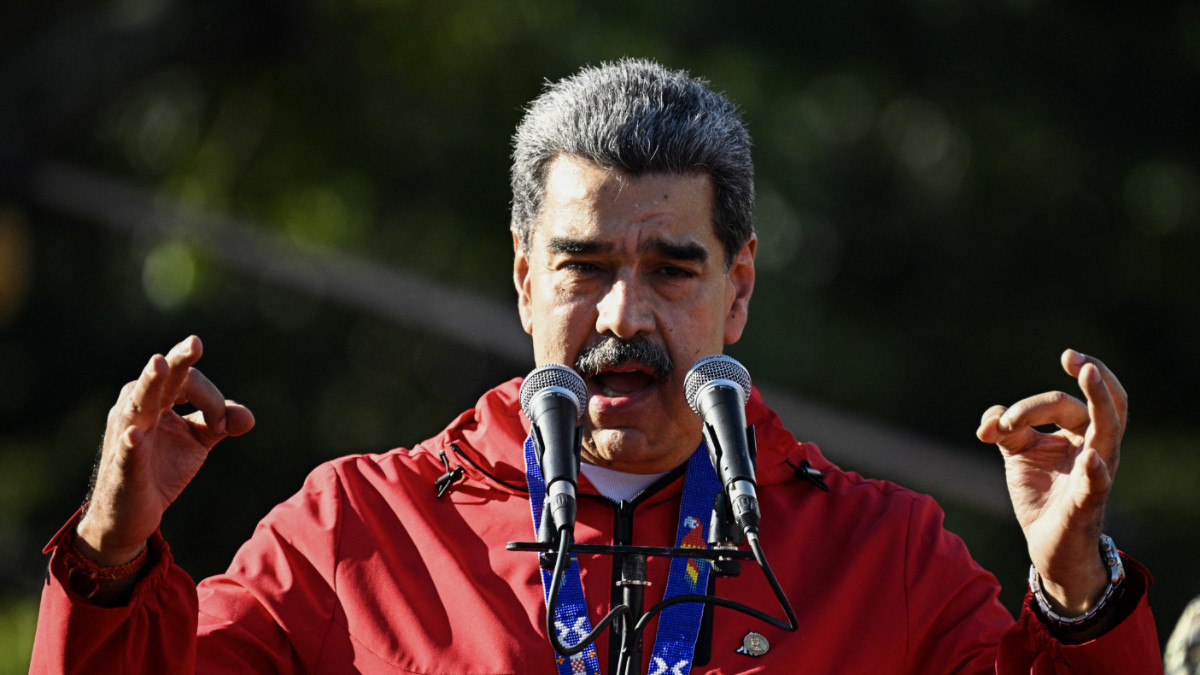
In a significant escalation of U.S. involvement in Venezuela, President Donald Trump has authorized the CIA to conduct covert operations aimed at destabilizing the government of leftist President Nicolas Maduro. This move, reminiscent of Cold War-era shadow wars, includes paramilitary actions, economic warfare, and media manipulation. Trump justified the decision by accusing Maduro of facilitating drug trafficking and directing Venezuelan prisoners into the U.S. Meanwhile, the U.S. has amassed a substantial military presence in the Caribbean, deploying guided-missile destroyers, F-35 jet fighters, MQ-9 Reaper drones, and special operations vessels. This buildup, the largest since the 1989 invasion of Panama, includes at least 10,000 troops and vessels capable of launching Tomahawk Cruise missiles. The U.S. has also conducted air strikes off Venezuela’s coast, targeting alleged drug-smuggling ships, which Maduro’s government denies, calling it a pretext for regime change. Trump hinted at potential land-based military action, stating, ‘We’ve almost totally stopped it by sea. Now we’ll stop it by land.’ When questioned about authorizing the CIA to ‘take out’ Maduro, Trump dismissed the query as ‘ridiculous.’ Despite running as a non-interventionist candidate, Trump has shown a willingness to deploy military force, with limited congressional opposition. The administration has invoked wartime powers, labeling Venezuelan drug cartels as ‘terrorist organizations’ and justifying strikes as self-defense. This latest intervention echoes U.S. Cold War tactics in Latin America, including coups in Guatemala and Chile and support for Contra fighters in Nicaragua. Maduro, who has governed since 2013, has ordered military exercises among civilians in anticipation of a potential invasion, vowing to resist U.S.-backed regime change.
-
Death penalty sought for Bangladesh’s ex-leader Sheikh Hasina
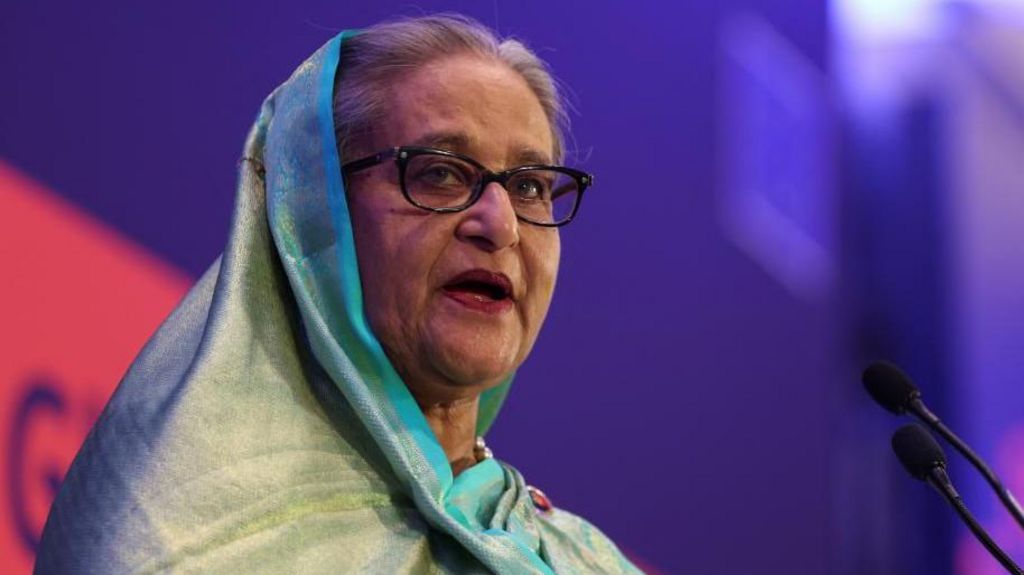
Bangladesh’s prosecutors have called for the execution of former Prime Minister Sheikh Hasina, who is currently in exile in India, over her alleged role in the violent suppression of student-led protests in 2024. The unrest, which lasted for weeks, resulted in the deaths of up to 1,400 people and ultimately ended Hasina’s 15-year tenure as the country’s leader. This marked the deadliest episode of violence in Bangladesh since its 1971 independence war. Hasina is now on trial for crimes against humanity, with prosecutors accusing her of ordering security forces to use lethal force against demonstrators. A leaked audio recording allegedly captures her issuing the directive, though she denies the charges. Chief prosecutor Tajul Islam argued in court that Hasina’s actions were driven by a desire to maintain power indefinitely for herself and her family, describing her as a “hardened criminal” who shows no remorse. The protests initially began in July 2024 over civil service job quotas for relatives of 1971 war veterans but quickly escalated into a broader movement demanding her ouster. One of the bloodiest incidents occurred on August 5, when police killed at least 52 people in a Dhaka neighborhood, marking one of the worst cases of police violence in the country’s history. Hasina fled by helicopter that day as crowds stormed her residence. She is being tried alongside her former interior minister, Asaduzzaman Khan Kamal, and ex-police chief Chowdhury Abdullah Al-Mamun, with prosecutors also seeking the death penalty for Kamal. Chowdhury has pleaded guilty but awaits sentencing. Hasina has already been sentenced to six months for contempt of court and faces separate corruption charges. With Bangladesh’s next elections scheduled for February 2025, Hasina’s party, the Awami League, has been barred from participating, leaving her rival, the Bangladesh Nationalist Party (BNP), as the frontrunner.
-

Qatar’s Al Haydos pledges Gaza school, sports hall after reaching World Cup
Qatar’s national football team captain, Hassan Al Haydos, has announced a significant humanitarian initiative following his team’s qualification for the 2026 FIFA World Cup. The 34-year-old forward pledged to fund the construction of a school and a sports hall in Gaza, linking the sporting achievement to broader global concerns. This gesture underscores the intersection of sports and humanitarianism, particularly in light of recent geopolitical developments. Qatar secured their place in the World Cup after a decisive 2–1 victory over the United Arab Emirates in Doha, topping Group A in the Asian qualification process. This marks Qatar’s second World Cup appearance, following their hosting of the 2022 tournament. Al Haydos, who returned to the national team this year after a brief retirement, emphasized the importance of using sporting success as a platform for positive change. In his statement, he highlighted the recent ceasefire agreement in Gaza and the peace summit held in Egypt’s Sharm El-Sheikh on October 13, expressing hope for a safer future for the region. ‘In moments of celebration, our responsibility remains to remember the suffering of our brothers and sisters across the world,’ Al Haydos said. ‘God willing, I will contribute by donating towards the construction of a school and a sports hall as part of Gaza’s reconstruction — believing that education and sports are the path to life once again.’ The pledge aligns with international efforts to rebuild Gaza after two years of conflict, emphasizing the transformative power of education and sports in fostering resilience and hope.
-
Pakistan PM says ‘ball in Afghan Taliban’s court’ for permanent ceasefire
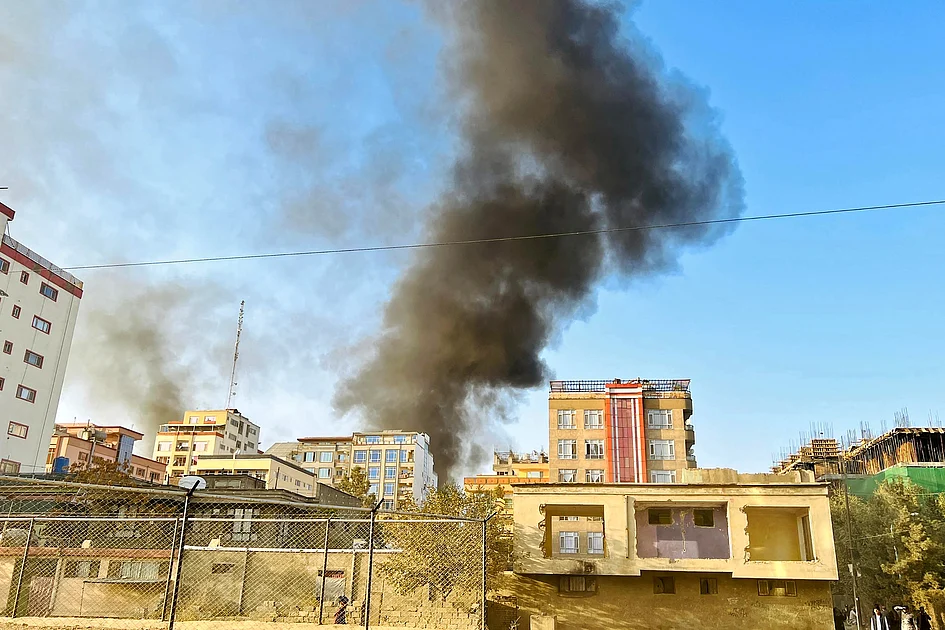
Pakistan’s Prime Minister Shehbaz Sharif declared on Thursday that the responsibility for establishing a permanent ceasefire now lies with the Afghan Taliban, following a temporary 48-hour truce aimed at de-escalating recent cross-border violence. Sharif emphasized that Pakistan is prepared to engage in dialogue if the Taliban addresses Islamabad’s concerns within the stipulated timeframe. He reiterated Pakistan’s demand for the elimination of Pakistani Taliban militants and stressed that Afghan territory must not be used as a base for planning attacks against Pakistan. The temporary ceasefire, which began at 6 pm Islamabad time on Wednesday, was implemented after a week of intense clashes along the Pakistan-Afghanistan border, resulting in significant casualties on both sides. Pakistan has accused Afghanistan of harboring the Tehreek-e-Taliban (TTP) and its affiliates, a claim Kabul denies. Tensions escalated further last week when explosions rocked Afghan territory, including the capital, with Taliban officials blaming Pakistan for the attacks. The violence coincided with a rare diplomatic visit by Afghanistan’s foreign minister to India, Pakistan’s regional rival. In response to the border skirmishes, Afghan Taliban forces launched an offensive, prompting Pakistan to vow retaliation. Islamabad has repeatedly urged the Taliban to prevent militant groups from using Afghan soil for cross-border attacks since the Taliban’s return to power in 2021.
-
‘Everything turned to ash’: Gazans return to razed homes
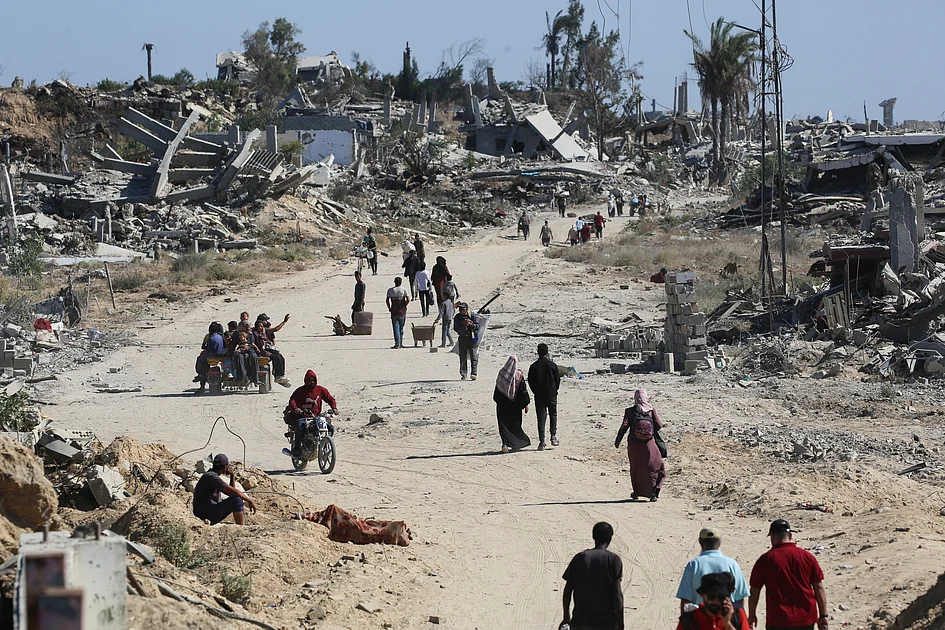
As a fragile ceasefire takes hold in Gaza, displaced residents are returning to their homes only to find them obliterated. The streets of Gaza City, once bustling with life, are now eerily empty, lined with heaps of concrete that were once apartment buildings. Many structures have completely collapsed, leaving families to confront the harsh reality of their losses. Amid the ruins, individuals like Hossam Majed, 31, are salvaging what little remains of their belongings, including essential items like a large water tank. Majed has set up a makeshift shelter to guard his possessions from potential thieves, but the challenges are immense. ‘Even food is more expensive than in the south because it’s scarce. There’s no electricity, no water, no internet,’ he lamented. Umm Rami Lubbad, who fled to southern Gaza for safety, returned to find her home reduced to rubble. ‘My heart nearly stopped when I saw the house reduced to rubble,’ she said. Now, she and her children are effectively homeless, sleeping in the streets or relying on neighbors for shelter during artillery shelling. Ahmad al-Abbasi, who fled south during the bombings, returned to find his five-storey building completely destroyed. ‘We came back north hoping to find our homes and rebuild our lives. As you can see… Gaza has turned into a ghost town,’ he said. Mustafa Mahram, another resident, found his three-storey house reduced to ashes. ‘Everything’s gone, turned to ashes… There’s no way to live here,’ he lamented. The residents are now struggling to rebuild their lives with limited resources, hoping for aid and the eventual delivery of tents to provide some semblance of shelter.
-

Gold smuggling surges in India as price spikes before festivals
Gold smuggling in India has seen a significant uptick as the nation approaches the festive seasons of Dhanteras and Diwali, occasions traditionally marked by auspicious gold purchases. Government and industry officials report that the surge is driven by record-high gold prices and a supply crunch. Despite a reduction in import taxes from 15% to 6% last year, which initially curbed smuggling, recent weeks have witnessed a resurgence in illegal activities. Customs and Directorate of Revenue Intelligence (DRI) officials have foiled several smuggling attempts at various Indian airports. A Chennai-based bullion dealer noted that the process of bringing gold into India and liquidating it has become quicker and less risky due to strong festival demand and limited supply. Gold prices in India hit a record 128,395 rupees per 10 grams, a 67% increase this year, making smuggling highly lucrative. Grey market operators can earn margins exceeding 1.15 million rupees per kilogram by evading import duties and local sales taxes. A Mumbai-based bullion dealer highlighted the increasing profitability for smugglers as gold prices continue to rise. The situation is exacerbated by banks’ inability to meet full demand, leading to high premiums on available stock. Indian dealers are quoting premiums of up to $25 per ounce over official domestic prices, the highest in over a decade. In the 2024/25 fiscal year, government agencies registered 3,005 cases of gold smuggling and seized 2.6 metric tons of the metal.
-

Dubai: Indian, Afghani expats win $1 million in draw, share investment plans
In a life-changing event at Dubai International Airport, two expatriates—an Indian and an Afghan national—emerged as the latest millionaires in the Dubai Duty Free Millennium Millionaire draw. Danny Telis, a 47-year-old Indian construction manager based in Tabuk, Saudi Arabia, clinched the $1 million prize with ticket number 0542, purchased on September 23. A long-time participant in the promotion, Telis expressed his gratitude, stating, “This is a dream come true.” He plans to invest in Dubai, a city he once called home for 13 years. Telis is the 261st Indian national to win the Millennium Millionaire promotion, highlighting the significant participation of Indians in the draw. Meanwhile, Mohammad Khan Barakzai, a 44-year-old Afghan entrepreneur residing in Dubai, secured his $1 million win with ticket number 1700, purchased online on the same day. Barakzai, who runs an interior decoration company in Business Bay, is the first Afghan national to achieve this feat since the promotion’s inception in 1999. Following the millionaire draw, the Finest Surprise draw awarded three luxury vehicles to Indian expatriates. Chinmay Joshi, a 31-year-old strategic alliance manager from Mumbai, won a Mercedes Benz S500, while Melwin Pontes and Seetaraman Venkataraman secured an Aprilia RSV4 Factory 1100 motorbike and a BMW S 1000 XR, respectively. Venkataraman, a 67-year-old business development manager in Abu Dhabi, plans to use the proceeds from selling his bike to fund his children’s education. The event underscores Dubai’s reputation as a hub of opportunity and fortune for expatriates.