
In a rain-interrupted Women’s Cricket World Cup match on Friday, South Africa secured a commanding 10-wicket victory against Sri Lanka, inching closer to the semifinals. The game, held in Colombo, saw South Africa chase down a revised target of 121 runs in just 14.5 overs, finishing at 125 without loss. Captain Laura Wolvaardt led the charge with a swift 60 off 47 balls, while Tazmin Brits remained unbeaten with 55 off 42 deliveries, marking their fourth consecutive win in the tournament. Sri Lanka, opting to bat first, struggled to build momentum, posting 105-7 in 20 overs after a lengthy rain delay. The match was initially paused for over five hours, reducing the game to a 20-over contest. Despite the interruption, South Africa’s aggressive batting and Sri Lanka’s bowling challenges, exacerbated by the wet ball, sealed the outcome. Sri Lanka’s Vishmi Gunaratne, who was injured early in the game, returned to top-score with 34 runs. South Africa now sits second in the standings, trailing only Australia, while Sri Lanka remains winless. The tournament continues on Saturday with Pakistan facing New Zealand in Colombo.
标签: Asia
亚洲
-
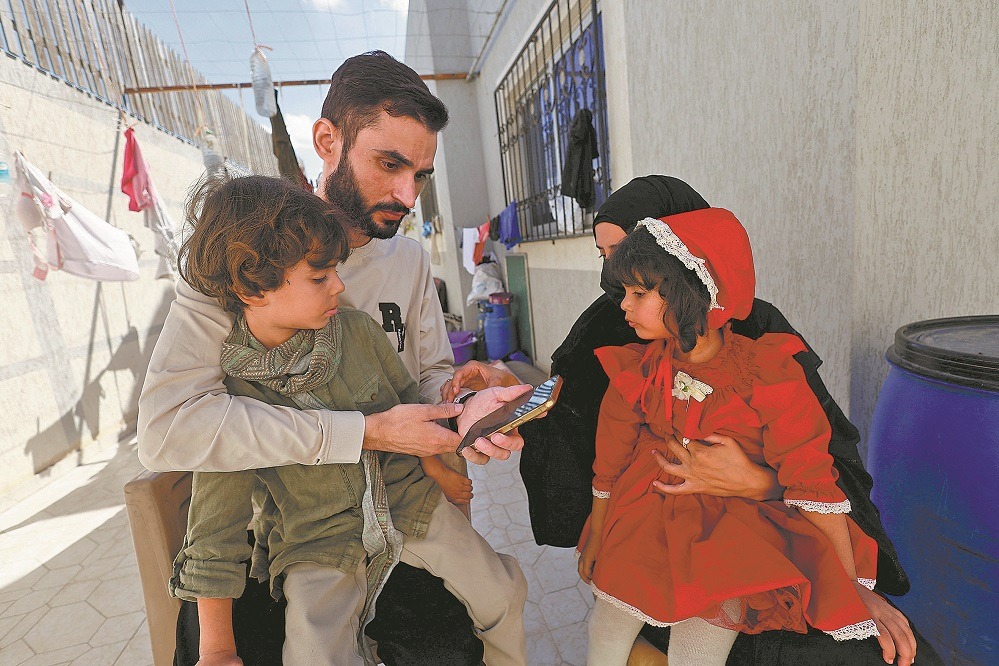
Detained Gaza man reunites with family
Shadi Abu Sido, a Palestinian photojournalist from Gaza, has been reunited with his family after being released from Israeli detention as part of a US-mediated ceasefire agreement between Hamas and Israel. The deal, which ended two years of conflict, also saw the release of 1,700 Palestinians and 250 prisoners convicted or suspected of involvement in deadly attacks, in exchange for 20 Israeli hostages held by Hamas since October 2023.
Abu Sido, who was detained at Al-Shifa Hospital in northern Gaza on March 18 last year, had been told by Israeli guards that his wife and two children were dead. Overwhelmed with grief, he described the moment as shattering his world. However, upon his release on Monday, he discovered that his family was alive. His wife, Hanaa Bahlul, rushed to embrace him at their home in Khan Younis, and he held his children tightly, repeatedly kissing their cheeks and murmuring words of love.
Abu Sido’s detention was reportedly under Israel’s Unlawful Combatants Law, which allows for administrative detention without charge or trial. According to Addameer, a Palestinian human rights group, 2,673 Gazans are currently held under this law. The Israeli military stated that its detention policies comply with Israeli law and the Geneva Conventions.
During his detention, Abu Sido endured severe mistreatment, including beatings, prolonged kneeling, and being handcuffed and blindfolded. His wife revealed that he was initially held at Sde Teiman military detention camp in Israel, then transferred to Ofer military camp in the West Bank, and finally to Ketziot prison in Israel. Bahlul emphasized that her husband’s arrest was solely for his work as a journalist for a Palestinian institution.
The ceasefire deal has brought a temporary halt to the prolonged conflict, offering a glimmer of hope for families torn apart by the violence. Abu Sido’s reunion with his family serves as a poignant reminder of the human cost of the ongoing tensions in the region.
-

China’s tech-empowered grain farming bolsters food security
As China commemorated World Food Day on October 16, 2025, the nation showcased its technological advancements in agriculture, which have significantly bolstered food security. In major grain-producing regions, fleets of crawler harvesters worked tirelessly to gather a bountiful harvest, despite challenging weather conditions. In Shandong province, farmers employed advanced measures such as mechanical drying facilities to combat persistent rainfall, ensuring minimal grain loss. By October 2025, Wenshang county had established 38 grain drying centers with a daily capacity of 9,500 tonnes, a fivefold increase since 2020.
-

Australian rainforests no longer a carbon sink: study
A groundbreaking study published in Nature has revealed that Australia’s tropical rainforests are now emitting more carbon dioxide than they absorb, marking a significant shift in their ecological role. This alarming trend, linked directly to climate change, positions these rainforests as the first of their kind globally to transition from carbon sinks to net carbon emitters. The research, led by Hannah Carle of Western Sydney University’s Hawkesbury Institute for the Environment, underscores the escalating vulnerability of these ecosystems to extreme temperatures, atmospheric dryness, and prolonged droughts. The study, which analyzed nearly five decades of data from Queensland’s rainforests, found that increased tree mortality has outpaced growth, resulting in a net release of carbon into the atmosphere. This contradicts the expected response of enhanced plant growth under higher carbon dioxide levels. The findings have profound implications for global emissions reduction strategies, which rely heavily on the carbon-absorbing capacity of forests. Carle warned that current climate models may overestimate the ability of tropical forests to offset fossil fuel emissions, especially as cyclones, exacerbated by climate change, further diminish their carbon sink potential. The study calls for urgent global monitoring of other tropical forests to assess similar risks. Despite its ecological challenges, Australia remains a leading exporter of gas and thermal coal, with per capita carbon emissions among the highest worldwide. The research highlights the pressing need for accelerated climate action to meet the Paris Agreement’s goals of limiting global warming to safer levels.
-

Airline apologises for asking dead flight attendant for paperwork
The tragic death of a 34-year-old Eva Air flight attendant, surnamed Sun, has ignited widespread outrage in Taiwan, particularly after the airline’s insensitive request for documentation following her passing. Ms. Sun reportedly fell ill during a flight from Milan to Taoyuan City on September 24 and was hospitalized upon arrival. She succumbed to her condition on October 8, with speculation mounting that overwork may have contributed to her death. Anonymous social media users, claiming to be her colleagues, have alleged that Ms. Sun was pressured to continue working despite her illness. Taiwanese authorities and Eva Air are investigating whether she was denied medical assistance or discouraged from taking sick leave. Flight records indicate that Ms. Sun averaged 75 hours of flying per month, within regulatory limits. In a shocking turn of events, Ms. Sun’s family received a text message from an Eva Air representative days after her death, requesting proof of her leave application during her hospitalization. The family responded with a copy of her death certificate. Eva Air President Sun Chia-Ming publicly apologized at a press conference, calling the message ‘a mistake by an internal employee’ and expressing deep sorrow over Ms. Sun’s passing. The airline has faced multiple fines since 2013, primarily for overtime-related violations. The incident has raised serious concerns about employee welfare in the aviation industry.
-
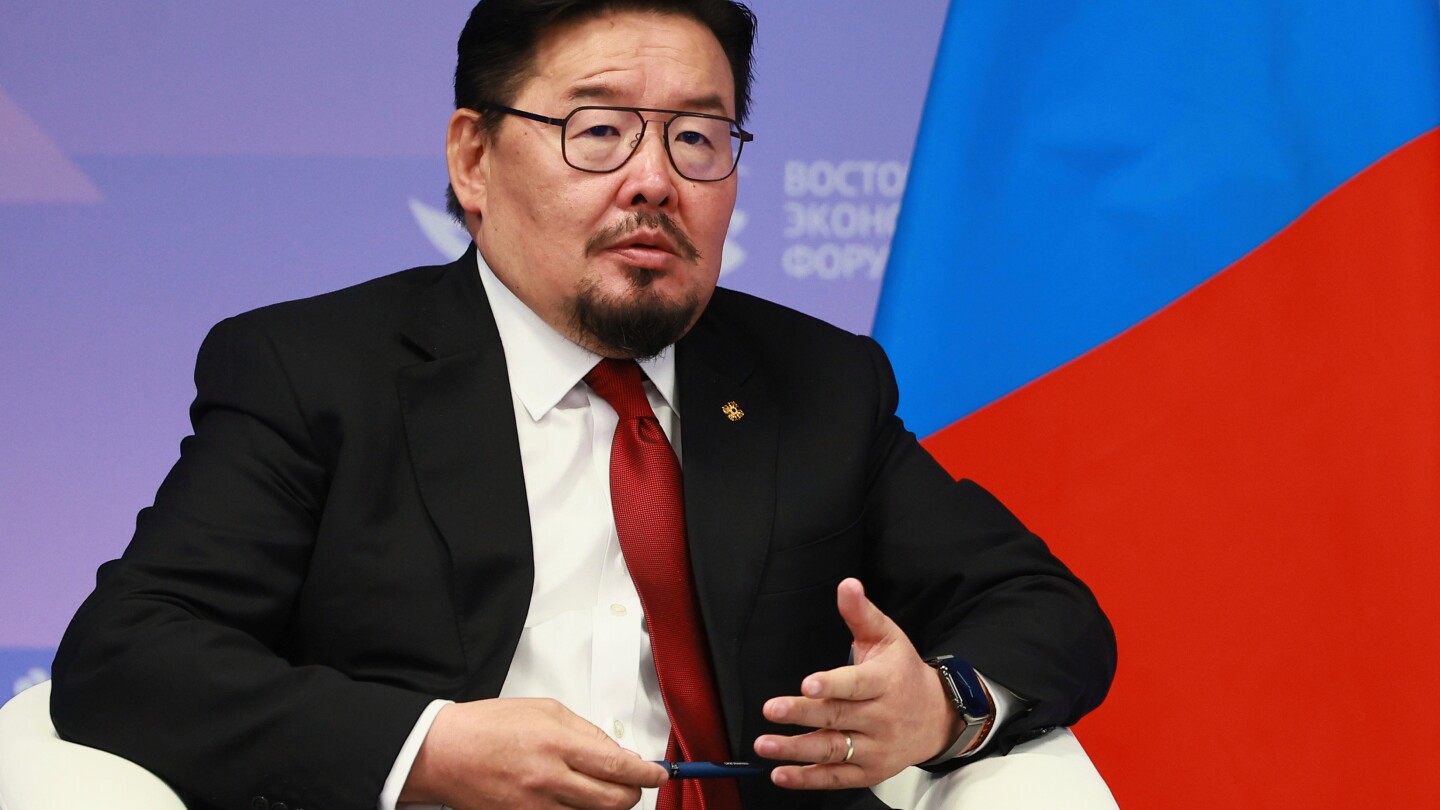
Mongolia’s leader ousted after 4 months in ruling party feud
In a dramatic turn of events, Mongolia’s parliament has voted to remove Prime Minister Zandanshatar Gombojav from office, marking a significant escalation in the internal power struggle within the ruling Mongolian People’s Party. The decision, made on Friday, followed the passage of a contentious resolution that effectively dismissed the prime minister. This political upheaval comes at a critical juncture, as the country grapples with unresolved budget issues for the upcoming year, including demands for salary increases from teachers and medical professionals. The conflict within the party intensified after Zandanshatar lost a leadership election to Amarbayasgalan Dashzegve, the speaker of parliament and his chief rival. Zandanshatar’s supporters have accused Amarbayasgalan of corruption in the coal mining industry, prompting a government investigation. Despite a parliamentary committee initially voting against his dismissal, the full parliament ultimately supported the resolution, with lawmakers who abstained being counted as ‘no’ votes. The prime minister’s fate was sealed when a clear majority of ‘no’ votes emerged. The political instability has raised concerns about the future of Mongolia’s governance and its ability to address pressing economic and social challenges.
-
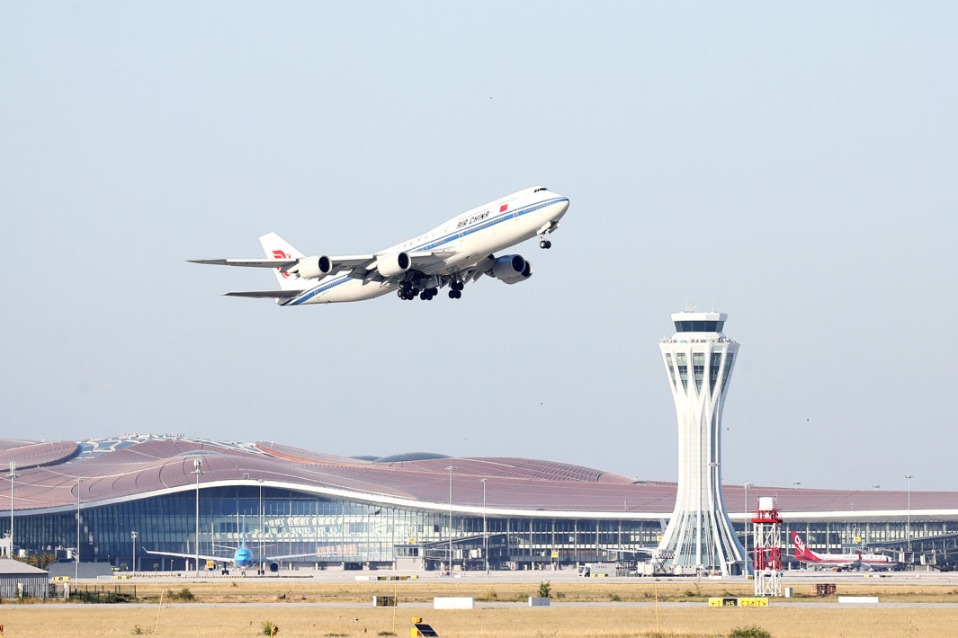
Chinese airlines oppose US ban on flights over Russia
Major Chinese airlines have strongly opposed a recent US proposal to prohibit them from using Russian airspace for round-trip flights between China and the United States. The proposed ban, which could be enforced as early as November, has sparked significant backlash from the aviation industry and raised concerns about its broader implications. The US claims that Chinese carriers gain an unfair cost advantage over US airlines, which are barred from Russian airspace due to existing restrictions. In response, seven Chinese airlines, including Air China, China Eastern Airlines, and China Southern Airlines, have formally requested an extension of the comment period from two to seven business days to assess the impact and prepare a comprehensive response. Industry experts warn that the ban would disrupt travel for thousands of passengers, increase airfares, and force travelers to opt for longer connecting flights via hubs like Hong Kong, Japan, or South Korea. Qi Qi, a senior civil aviation analyst, criticized the US demand as unreasonable and unprofessional, emphasizing the need for rational and practical solutions. The proposal comes amid escalating tensions in US-China trade and economic relations. Chinese Foreign Ministry spokesman Lin Jian highlighted that the restrictions would harm people-to-people exchanges and ultimately damage US interests. As of September, Chinese airlines operated 50.73% of direct China-US flights, with US carriers accounting for the remaining 49.27%. Analysts argue that rerouting flights would increase travel time and costs, negatively impacting business and trade exchanges between the two nations. Lin Zhijie, an independent aviation analyst, suggested that Chinese airlines should be granted reciprocal rights to operate stopover routes via Tokyo, similar to US carriers.
-

Author of I Want To Die But I Want To Eat Tteokbokki dies at 35
Baek Se-hee, the acclaimed South Korean author of the groundbreaking memoir *I Want to Die but I Want to Eat Tteokbokki*, has passed away at the age of 35. Her 2018 book, which chronicled her candid conversations with her psychiatrist about her struggles with depression, became a global sensation, resonating deeply with readers worldwide. Originally written in Korean, the memoir gained international recognition following its English translation in 2022. While the circumstances of her death remain unclear, Baek’s legacy continues through her selfless act of organ donation, which saved five lives, according to the Korean Organ Donation Agency. Her sister shared that Baek’s life mission was to inspire hope and share her heart with others through her work. The memoir, which has sold over a million copies and been translated into 25 languages, was praised for its honest portrayal of mental health struggles and its ability to normalize conversations about inner turmoil. Baek’s work highlighted the duality of human emotions, as encapsulated in the book’s iconic line: ‘The human heart, even when it wants to die, quite often wants at the same time to eat some tteokbokki, too.’ Born in 1990, Baek studied creative writing and worked in publishing before dedicating herself to writing. Her decade-long battle with dysthymia, a chronic form of depression, formed the foundation of her bestselling memoir. A sequel, *I Want to Die but I Still Want to Eat Tteokbokki*, was published in Korean in 2019 and in English in 2024, further cementing her impact on mental health discourse.
-

Australia sharing tips on curbing social media for children before age limit starts in December
The Australian government has initiated a comprehensive public education campaign to guide parents and children in transitioning away from social media ahead of the implementation of a groundbreaking national age restriction. Starting December 10, social media platforms such as Facebook, Instagram, Snapchat, TikTok, X, and YouTube will face fines of up to 50 million Australian dollars ($33 million) if they fail to enforce measures preventing users under 16 from creating accounts. The current de facto age limit, based on U.S. privacy laws, is 13. Australian eSafety Commissioner Julie Inman Grant emphasized the significance of this change, describing it as a “very monumental event for a lot of young people.” The campaign, which includes digital, television, radio, and billboard messages, aims to raise awareness and provide resources for families to navigate the new regulations. Communications Minister Anika Wells highlighted the goal of allowing children to experience childhood without the pressures of social media, while also giving young Australians more time to develop their identities. However, the policy has sparked debate, with over 140 academics opposing the age limit as overly simplistic. Despite these concerns, the law passed with strong support last year. Australia’s approach is being closely monitored by other nations, including Denmark, which is considering similar measures to protect children in the digital age.
-
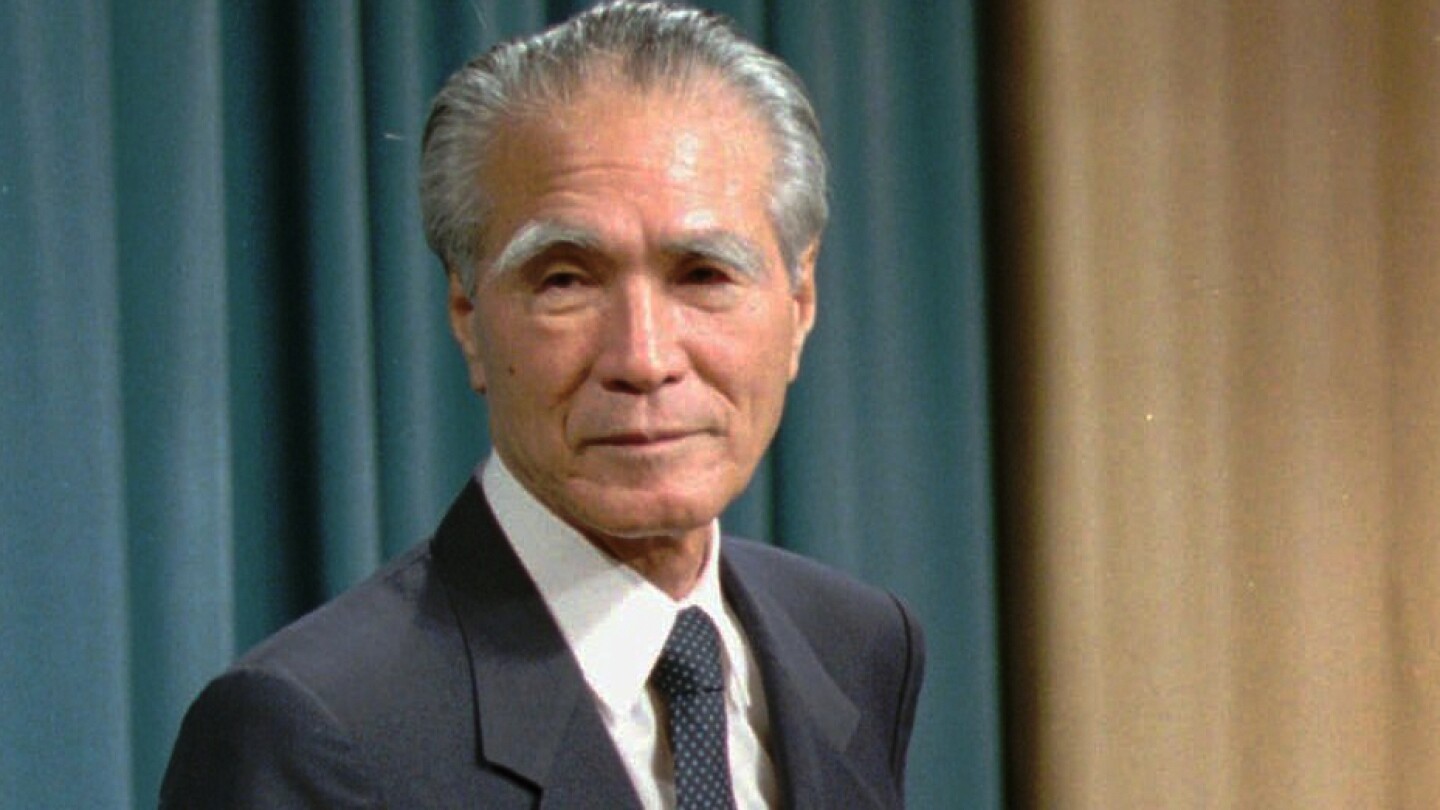
Former Japanese prime minister Murayama, known for apology over wartime aggression, dies at 101
TOKYO — Tomiichi Murayama, the former Prime Minister of Japan renowned for his distinctive bushy eyebrows and his landmark 1995 apology to Asian nations for Japan’s wartime aggression, passed away on Friday at the age of 101. Murayama succumbed to old age at a hospital in his hometown of Oita, located in southwestern Japan. The announcement of his death was made by Mizuho Fukushima, the leader of Japan’s Social Democratic Party. Murayama, who headed the Japan Socialist Party (now the Social Democratic Party), served as Prime Minister from June 1994 to January 1996, leading a coalition government during a transformative period in Japanese politics. His 1995 statement, often referred to as the ‘Murayama Statement,’ remains a cornerstone of Japan’s post-war reconciliation efforts, expressing deep remorse for the suffering caused by Japanese imperialism in Asia. Murayama’s legacy is marked by his commitment to peace and his efforts to mend historical wounds.