
In a dazzling display of tennis prowess, Jannik Sinner, the world No. 2, triumphed at the Six Kings Slam exhibition event in Riyadh, Saudi Arabia, on Saturday. The 24-year-old Italian defeated world No. 1 Carlos Alcaraz in a commanding 6-2, 6-4 victory, securing his second consecutive title at the prestigious event. The match, which lasted just 73 minutes, not only showcased Sinner’s exceptional skill but also earned him a staggering $6 million, including $4.5 million in prize money and a $1.5 million participation fee. As a crowning glory, Sinner was awarded a full-size, solid gold racket valued at $250,000, symbolizing his excellence and remarkable achievements in the sport. The golden racket, crafted from pure gold, has become a hallmark of the Six Kings Slam, with Rafael Nadal receiving a similar accolade last year in recognition of his legendary career. Organized by Turki Al Sheikh, chairman of Saudi Arabia’s General Entertainment Authority and adviser to the Royal Court, the three-day event featured six of the world’s top male tennis players and was streamed globally on Netflix. Although the results do not count toward ATP rankings or official head-to-head records, the tournament highlighted Saudi Arabia’s growing influence in the sports world. In his post-match interview, Sinner expressed his joy and gratitude, stating, ‘I wish I could play like this everywhere. It’s a huge pleasure and honor to share the court with Carlos.’ He also praised the passion of the Saudi audience and the improved facilities, expressing his eagerness to return to Riyadh in the future. Sinner’s victory underscores his rising dominance in tennis and Saudi Arabia’s ambition to become a key player in the global sports arena.
标签: Asia
亚洲
-

UAE: Firecracker restrictions for Diwali; 10 things to know ahead of Indian festival
As the Indian community in the UAE prepares to celebrate Diwali, authorities have issued a stern reminder about the strict restrictions on firecracker use. With over four million Indian expatriates in the country, the festive season is marked by vibrant celebrations, including laser shows, elaborate mall displays, and community gatherings. However, the use of fireworks remains prohibited without proper licensing, and violators face severe penalties, including imprisonment and hefty fines. The legal framework, established under Federal Decree Law No. 17 of 2019, classifies fireworks as explosives, requiring licenses for their possession, import, export, manufacture, or transport. Dubai Police and Dubai Municipality have intensified enforcement campaigns to confiscate illegal fireworks and ensure public safety. Residents are urged to report any suspicious activities through official channels. Authorities have also highlighted the dangers of fireworks, citing real-life accidents that have resulted in serious injuries. Parents are advised to educate children about the risks, as they can be held accountable for their children’s actions. Only licensed businesses are permitted to host fireworks displays, and they must obtain a No-Objection Certificate from the Dubai Civil Aviation Authority. The UAE’s strict measures aim to ensure that Diwali and other festive occasions are celebrated safely and responsibly.
-
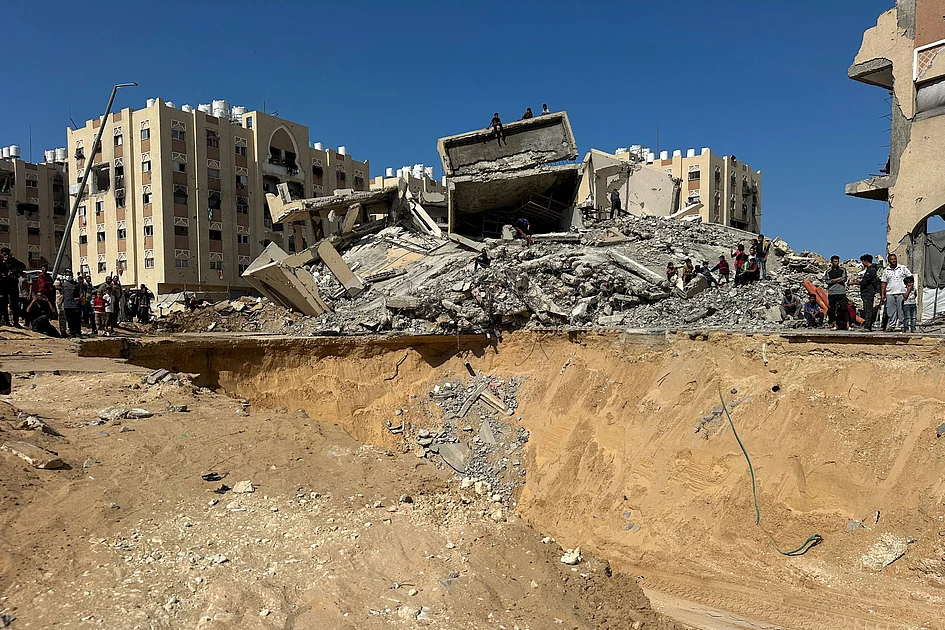
Israel launches attack on Gaza, say media reports
The Israeli military reportedly launched an attack on Gaza on Sunday, October 19, 2025, escalating tensions in the region. This development comes as Israel and the Palestinian group Hamas continue to exchange accusations over breaches of a US-brokered ceasefire agreement intended to bring an end to the ongoing conflict in the enclave. Israeli media outlets were the first to report the incident, though the military has yet to issue an official statement regarding the alleged strike. The attack underscores the fragility of the ceasefire and raises concerns about the potential for further violence in the already volatile region. The international community is closely monitoring the situation, with many calling for restraint and a return to diplomatic efforts to de-escalate the crisis.
-
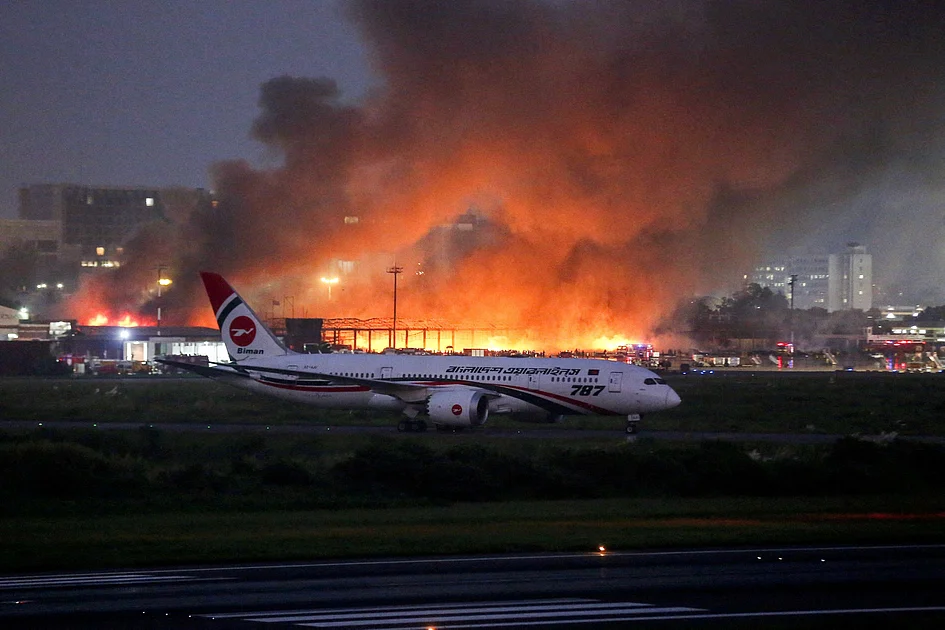
Bangladesh probes cause of massive international airport fire
Bangladesh has launched a comprehensive investigation into a devastating fire that ravaged the cargo complex of Hazrat Shahjalal International Airport, the country’s primary aviation hub. The inferno, which broke out late Saturday, left the facility—housing fabrics, garment accessories, pharmaceuticals, chemicals, and other imports—in ruins. Firefighters, deploying 37 units, managed to control the blaze after hours of intense efforts, allowing flight operations to resume. However, the damage has sparked significant concerns over trade disruptions and financial losses, particularly for Bangladesh’s garment industry, which accounts for 80% of its exports. The National Board of Revenue (NBR) has begun assessing the extent of the damage, with business groups estimating losses in the millions of dollars. The fire also injured four individuals, though their conditions are reported as minor. Authorities have not yet determined the cause of the fire but are investigating potential arson, especially in light of recent major fires in Chittagong and Dhaka. The government has vowed a ‘swift and resolute response’ to any acts of sabotage, urging calm amidst growing public concern. This incident occurs against a backdrop of political instability following the ousting of Prime Minister Sheikh Hasina in August 2024, with elections scheduled for February 2026. The government emphasized unity and determination in addressing potential threats to the nation’s democracy.
-
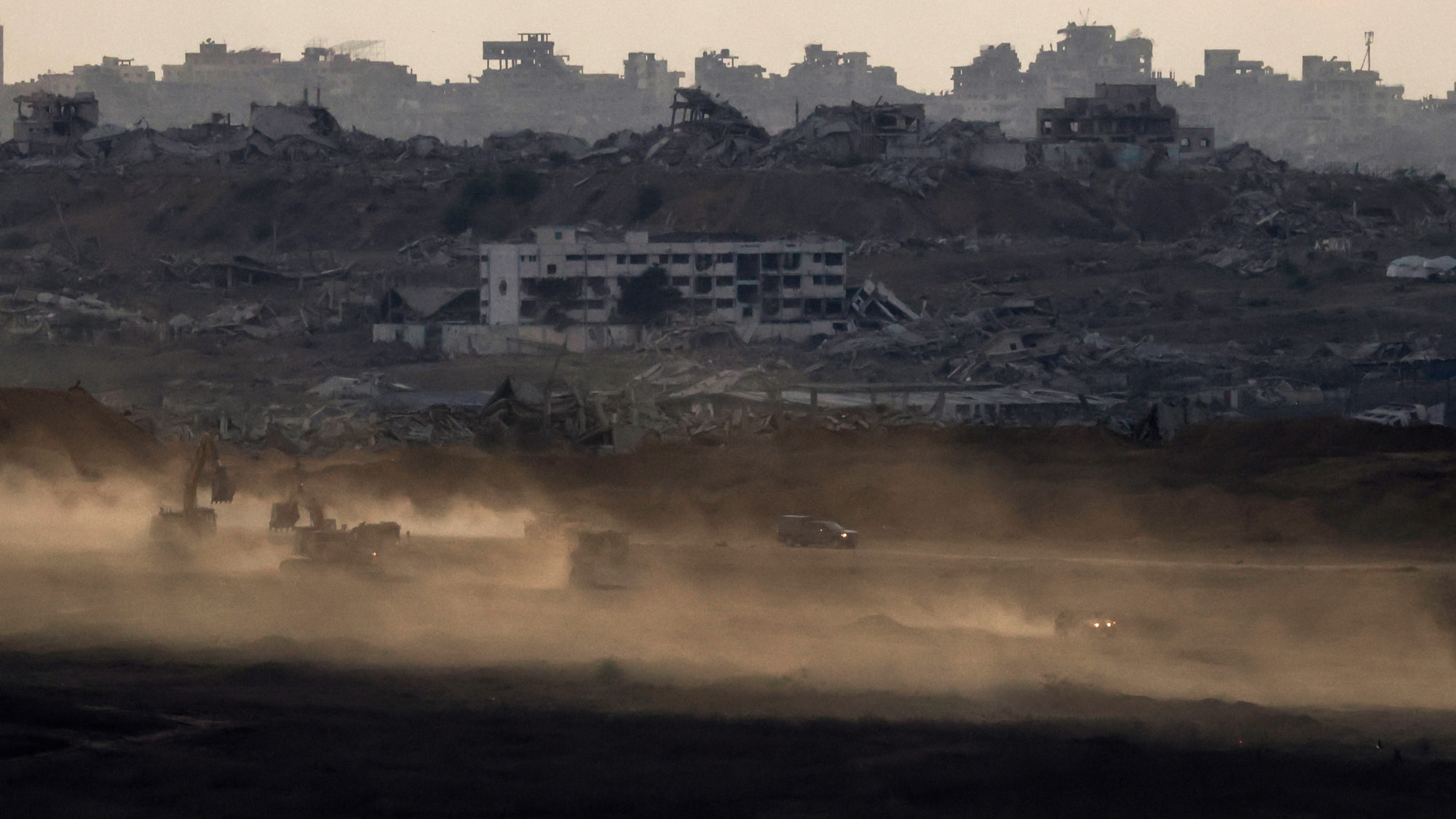
Israel bombs Rafah amid reported Hamas raid on Abu Shabab gang
Israeli fighter jets conducted airstrikes on Rafah in the southern Gaza Strip on Sunday, marking another reported breach of the ceasefire agreement. According to Israel’s Channel 12, the strikes aimed to protect members of the Yasser Abu Shabab militia, an Israeli-backed group accused of looting humanitarian aid and targeting Palestinian civilians during Israel’s prolonged conflict in Gaza. Palestinian media outlet Quds Network cited an unnamed source claiming that a Hamas-led security unit had targeted a hideout linked to Abu Shabab east of Rafah. Middle East Eye could not independently verify these reports. Yasser Abu Shabab, a convicted drug trafficker, has led an Israeli-armed militia in Gaza for over a year, operating under Israeli military protection in southern Rafah. An Israeli military official told Reuters that Hamas fighters had launched ‘multiple attacks’ against Israeli troops during the incident, labeling it a ‘blatant violation’ of the ceasefire. The attacks allegedly involved rocket-propelled grenades and sniper fire beyond the ‘Yellow Line,’ a demarcation within Gaza where Israeli forces are stationed. Hamas did not immediately comment on the incident, but Izzat al-Risheq, a member of the group’s Political Bureau, reiterated Hamas’s commitment to the ceasefire, accusing Israel of fabricating pretexts to justify its actions. Meanwhile, Israeli airstrikes were also reported in Jabalia, northern Gaza, with initial reports of casualties. Since the ceasefire began on October 11, Israeli forces have violated it approximately 50 times, including through artillery shelling, drone strikes, and tank fire, resulting in over 38 Palestinian deaths. Israel has also breached other ceasefire terms, such as restricting humanitarian aid and keeping the Rafah border crossing closed. Following the Rafah incident, Israeli ministers Itamar Ben Gvir and Bezalel Smotrich called for renewed military action, with Smotrich posting ‘War!’ on social media. Prime Minister Benjamin Netanyahu was reportedly assessing the situation to determine Israel’s next steps.
-
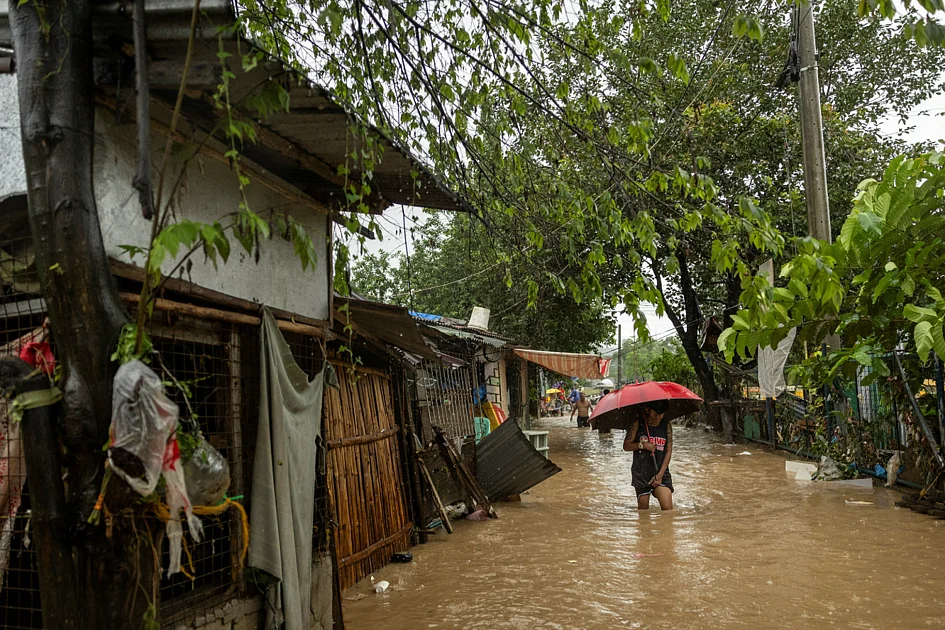
Tropical storm Fengshen kills family of five as tree falls on house in Philippines
A devastating incident unfolded in the Philippines as Tropical Storm Fengshen wreaked havoc across the main island of Luzon, claiming the lives of a family of five. The tragedy occurred when a massive tree toppled onto their home at daybreak in a village near Pitogo, approximately 153 kilometers southeast of Manila. Among the victims were two children, aged two and eleven, who were crushed to death, according to police official Sonny Ombajino. The storm, which intensified with gusts reaching up to 90 kilometers per hour, hovered over Manila Bay on Sunday morning and was expected to impact provinces north of the capital. In response to the escalating threat, at least 47,000 residents from southeast Luzon have evacuated to government-designated shelters since Saturday. Local disaster officials have issued warnings of potential coastal flooding and landslides, urging residents to remain vigilant. The Philippines, a nation frequently battered by around 20 storms and typhoons annually, faces heightened risks due to widespread poverty and the increasing intensity of storms linked to climate change. This calamity follows a series of major earthquakes that have already claimed 87 lives over the past three weeks, compounding the country’s ongoing struggles with natural disasters.
-

City boss Guardiola warns against overdependence on Haaland
Despite Erling Haaland’s stellar performance, scoring a brace in Manchester City’s 2-0 Premier League victory over Everton, manager Pep Guardiola emphasized the need for the team to reduce its reliance on the Norwegian striker. Haaland, 25, has been in exceptional form this season, netting 23 goals for both club and country. However, the rest of the squad has struggled to contribute, with no other player scoring more than once in the league. Guardiola highlighted missed opportunities by Savinho, Jeremy Doku, and Tijjani Reijnders, stressing that such chances must be capitalized on at the highest level. ‘We cannot rely solely on Haaland. Wingers and attacking midfielders must step up and score goals,’ Guardiola stated. Defender Ruben Dias echoed this sentiment, emphasizing the importance of collective contribution. Guardiola praised the team’s improved delivery to Haaland in the second half, acknowledging his pivotal role. Haaland leads the league with 11 goals in eight games, a feat only he has achieved three times in Premier League history. Midfielder Phil Foden lauded Haaland as a ‘world-class striker,’ always present at crucial moments. After a disappointing third-place finish last season, City is now unbeaten in eight games across all competitions, with Haaland’s form reigniting their title aspirations. ‘Erling lives for it,’ Guardiola remarked, highlighting his importance to the team’s success.
-

Ministry exposes US plot to tamper with Beijing Time
China’s Ministry of State Security has unveiled a series of cyberattacks orchestrated by the United States National Security Agency (NSA) against the National Time Service Center in Xi’an, Shaanxi province. Since 2022, the NSA has targeted the center, which is responsible for maintaining Beijing Time, a critical component of China’s national infrastructure. The attacks, if successful, could have disrupted network communications, financial systems, power grids, transportation networks, and even space launches, according to the ministry’s investigation. The National Time Service Center plays a pivotal role in providing precision time services essential for sectors such as communications, finance, electricity, transportation, mapping, and defense. The ministry warned that such cyberattacks could trigger international time chaos, with far-reaching and unpredictable consequences. The NSA reportedly exploited vulnerabilities in a foreign cellphone brand’s messaging service in March 2022 to gain control over mobile devices of center staff, stealing sensitive information. From April 2023, the NSA repeatedly infiltrated the center’s computer systems using stolen credentials. Between August 2023 and June 2024, the NSA deployed a new cyber warfare platform with 42 specialized tools to target the center’s High-Precision Ground-Based Timing System. The attacks were often timed during late-night to early-morning hours in Beijing, using virtual private servers in the US, Europe, and Asia to mask their origin. The US also employed tactics like forging digital certificates and using strong encryption to erase evidence. Following the discovery of these attacks, the Chinese national security agency guided the center to enhance its cybersecurity measures. The ministry accused the US of pursuing cyber hegemony, violating international norms, and targeting critical infrastructure worldwide. It also highlighted the US’s use of technical bases in Taiwan, the Philippines, and Japan to launch attacks while maintaining plausible deniability. The report concluded that the US, despite its accusations of a ‘China cyber threat,’ is the true ‘hacker empire’ and the primary source of global cyberspace instability.
-
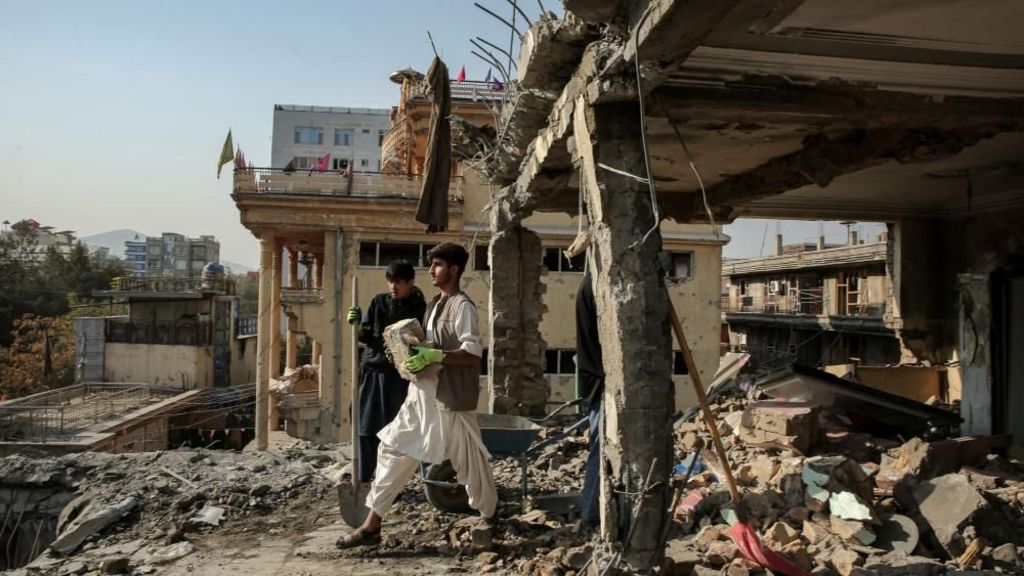
Taliban and Pakistan agree to ceasefire after days of deadly clashes
In a significant development, the Taliban-led government of Afghanistan and Pakistan have reached an ‘immediate ceasefire’ agreement following over a week of intense and deadly clashes along their shared border. The truce was brokered through mediation efforts by Qatar and Turkey, with both nations committing to establish mechanisms aimed at fostering long-term peace and stability. Zabihullah Mujahid, a Taliban spokesperson, emphasized the importance of ending ‘hostile actions,’ while Pakistan’s Foreign Minister hailed the agreement as a ‘first step in the right direction.’
The recent conflict, the most severe since the Taliban regained power in 2021, saw both sides claiming heavy casualties. Pakistan has long accused the Taliban of sheltering armed groups responsible for attacks on its soil, a charge the Taliban denies. Tensions escalated after the Taliban alleged that Pakistan carried out attacks on Kabul, the Afghan capital. Rumors suggested the strikes targeted Noor Wali Mehsud, leader of the Pakistan Taliban, but a voice note purportedly from Mehsud dismissed these claims.
In the ensuing days, Afghan forces targeted Pakistani border posts, prompting retaliatory mortar fire and drone strikes from Pakistan. The United Nations Assistance Mission in Afghanistan reported at least three dozen civilian deaths and hundreds injured. Despite a temporary truce declared during talks in Doha, cross-border strikes persisted, culminating in a Pakistani air strike that killed eight, including three local cricket players.
Under the new agreement, the Taliban pledged not to support groups attacking Pakistan, and both sides agreed to avoid targeting each other’s security forces, civilians, or critical infrastructure. Pakistan’s Defense Minister, Khawaja Asif, stated that the ceasefire would halt ‘terrorism from Afghanistan on Pakistan’s soil,’ with further talks scheduled in Istanbul next week.
The relationship between Pakistan and the Taliban has been fraught since the latter’s return to power. Pakistan, once a key supporter of the Taliban, has accused the group of harboring the Pakistan Taliban, which has launched over 600 attacks on Pakistani forces in the past year, according to the Armed Conflict Location & Event Data Project. This ceasefire marks a critical, albeit fragile, step toward de-escalation in a region long plagued by instability.
-
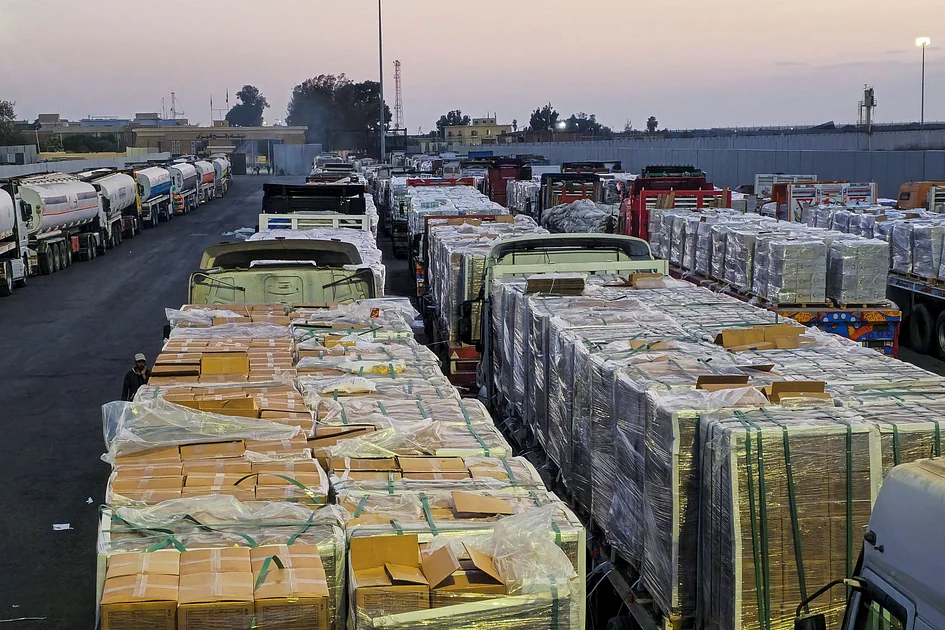
Gaza-Egypt border crossing will remain closed, says Israel PM Netanyahu
Israeli Prime Minister Benjamin Netanyahu declared on Saturday that the Rafah border crossing between Gaza and Egypt will remain closed indefinitely. The reopening, he stated, hinges on Hamas returning the bodies of deceased hostages. This announcement followed a conflicting statement from the Palestinian embassy in Egypt, which had earlier indicated that the crossing would reopen on Monday for entry into Gaza. Hamas swiftly condemned Netanyahu’s decision, labeling it a “blatant violation” of the ceasefire agreement and a breach of commitments made to mediators. The group also warned that the continued closure would hinder the entry of essential equipment needed to locate and recover more hostage remains buried under rubble, further delaying the process. Earlier on Saturday, Hamas confirmed it would hand over two additional hostage bodies, bringing the total to 12 out of 28 bodies returned under a U.S.-brokered ceasefire and hostage deal agreed upon last week. The dispute over the return of bodies underscores the fragility of the ceasefire and poses a significant risk to the broader agreement, which includes President Donald Trump’s 20-point plan to end the conflict. As part of the deal, Hamas released all 20 living Israeli hostages in exchange for nearly 2,000 Palestinians detained in Israeli prisons. However, Israel has criticized Hamas for the slow pace of returning deceased hostages’ bodies, citing the challenges of locating remains amid Gaza’s widespread destruction. The agreement also stipulates that Israel return 360 bodies of Palestinian militants for each Israeli body received, with 15 bodies handed over so far. The Rafah crossing has been largely closed since May 2024, and the ceasefire deal includes provisions to increase aid into Gaza, where hundreds of thousands face famine. Despite recent aid increases, the UN World Food Programme reports that the current levels remain insufficient. Key issues in Trump’s plan, including Hamas’s disarmament, Gaza’s governance, and the creation of a Palestinian state, remain unresolved, highlighting the formidable obstacles to achieving lasting peace.